Routeyst
Opening your next page…
Routeyst
Opening your next page…
Your next day out
Finding your places to explore…
Loading your city’s local sights and outing ideas.
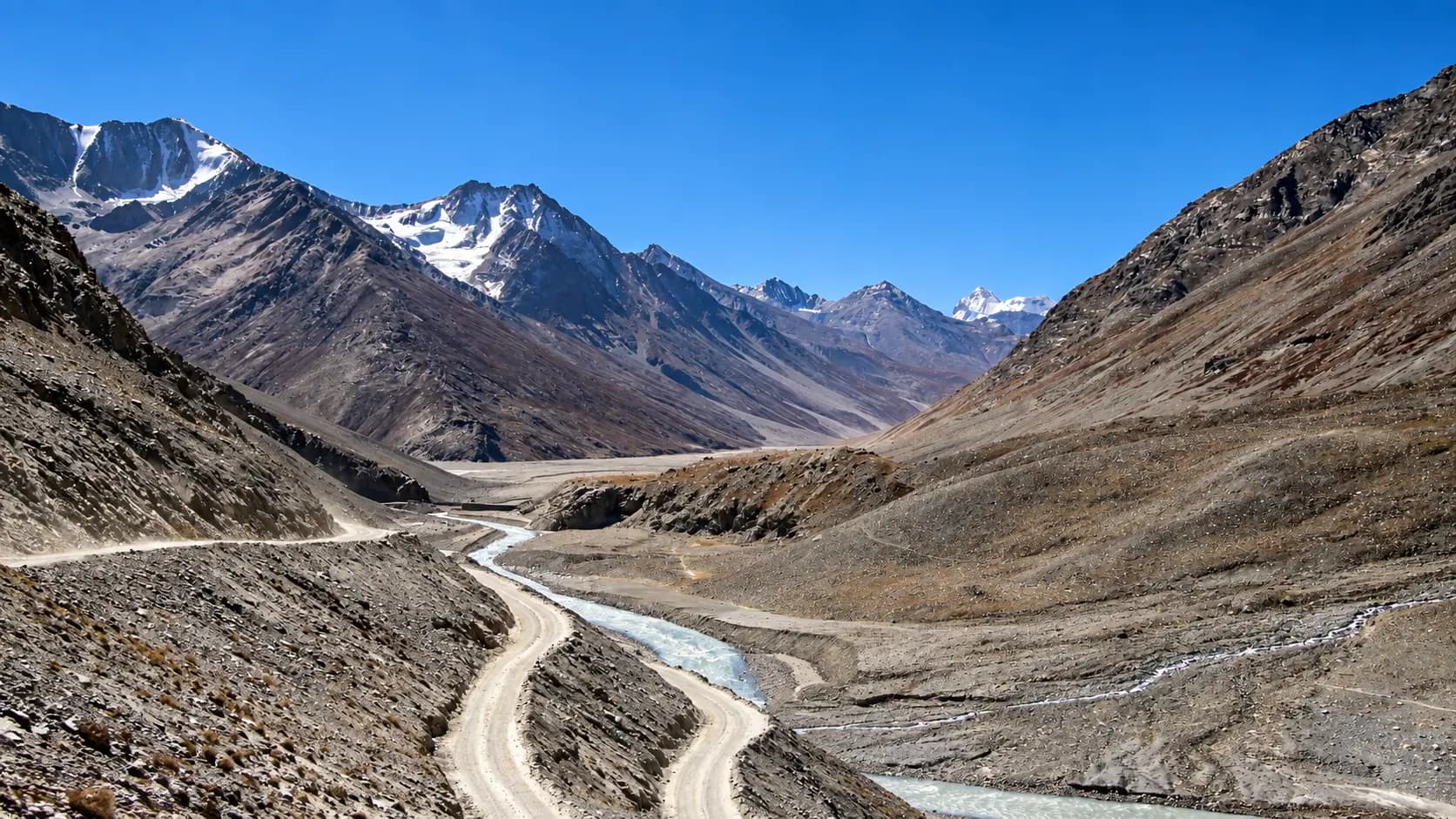
Choose a starting point, find local sights or an out-of-town idea within a stated 200 km road distance.
Make it your kind of day
Choose a starting point and your ideas appear automatically. Switch to Out of town whenever you fancy going further.
Rajasthan · Local sights
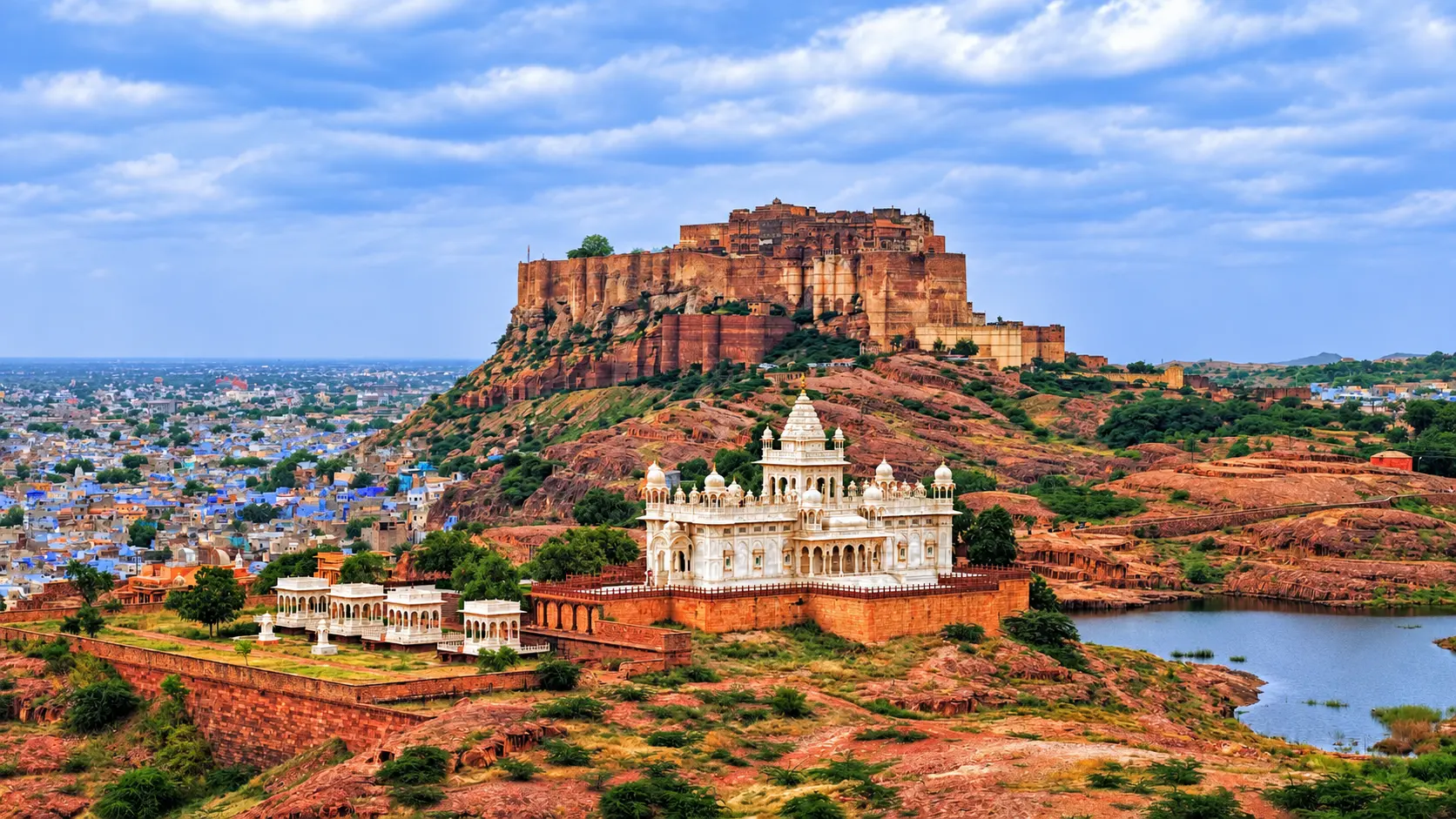
Founded in 1488 CE by the intrepid Rathore prince Rao Bika amidst the golden dunes of the Thar Desert, Bikaner is northern Rajasthan’s premier royal citadel.
Founded in 1488 CE by the intrepid Rathore prince Rao Bika amidst the golden dunes of the Thar Desert, Bikaner is northern Rajasthan’s premier royal citadel. Celebrated for its unconquered desert fortresses, masterly red-sandstone merchant havelis, rich gold-embossed Usta Kala lacquerwork, and the world-famous savour of GI-tagged Bikaneri Bhujia, the city presents a spectacular encounter with desert aristocracy and timeless artisan traditions.
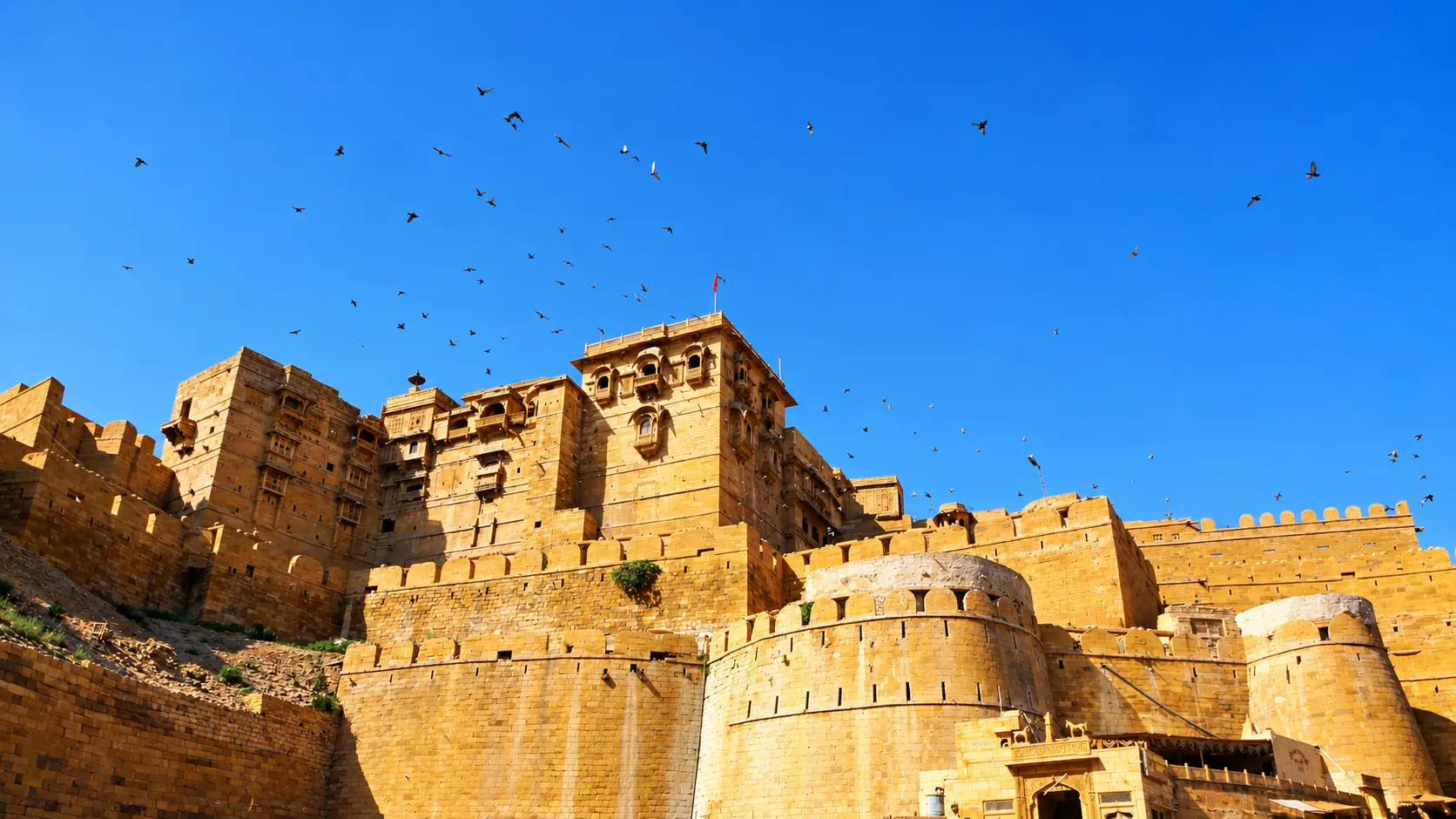
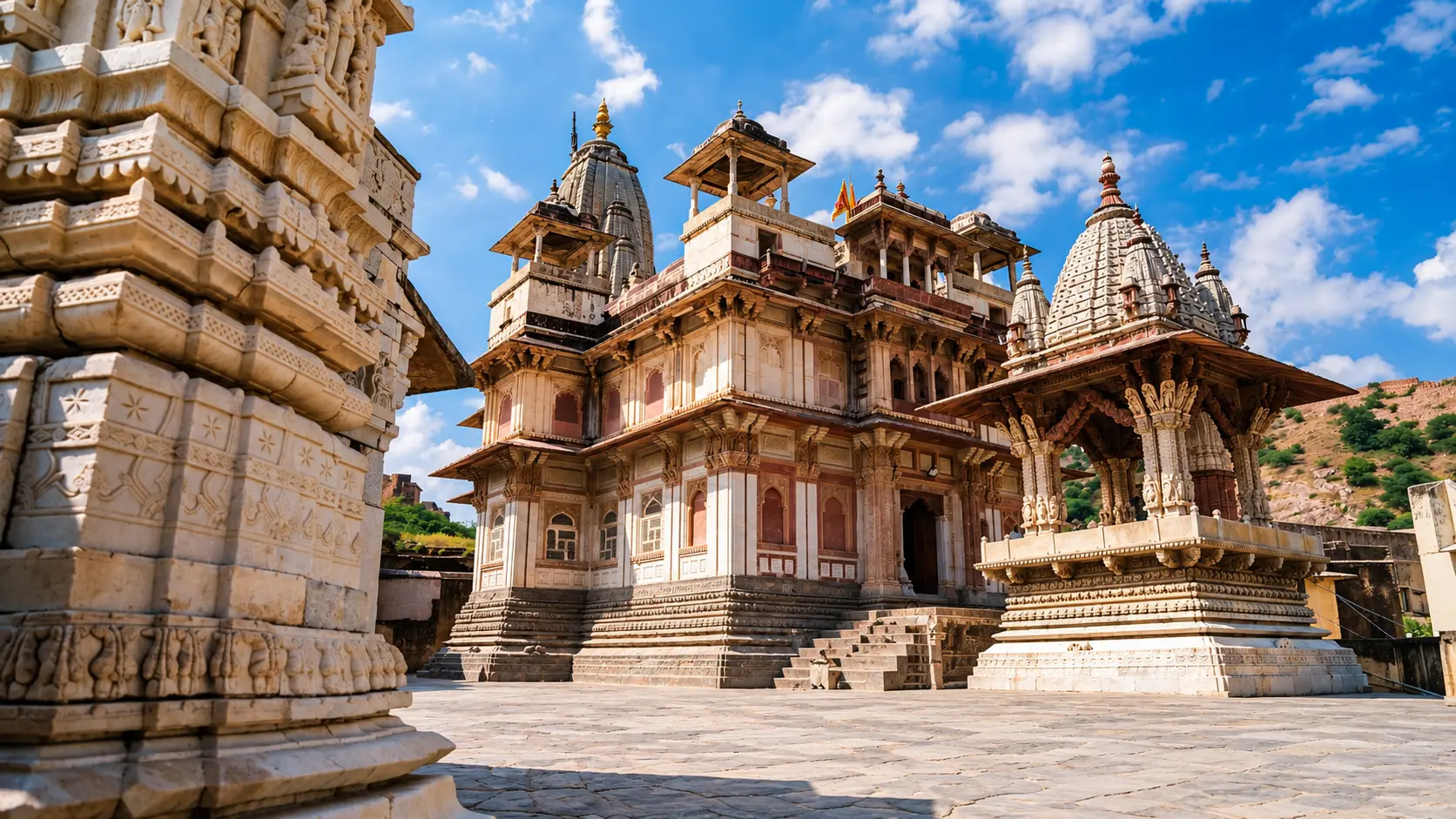
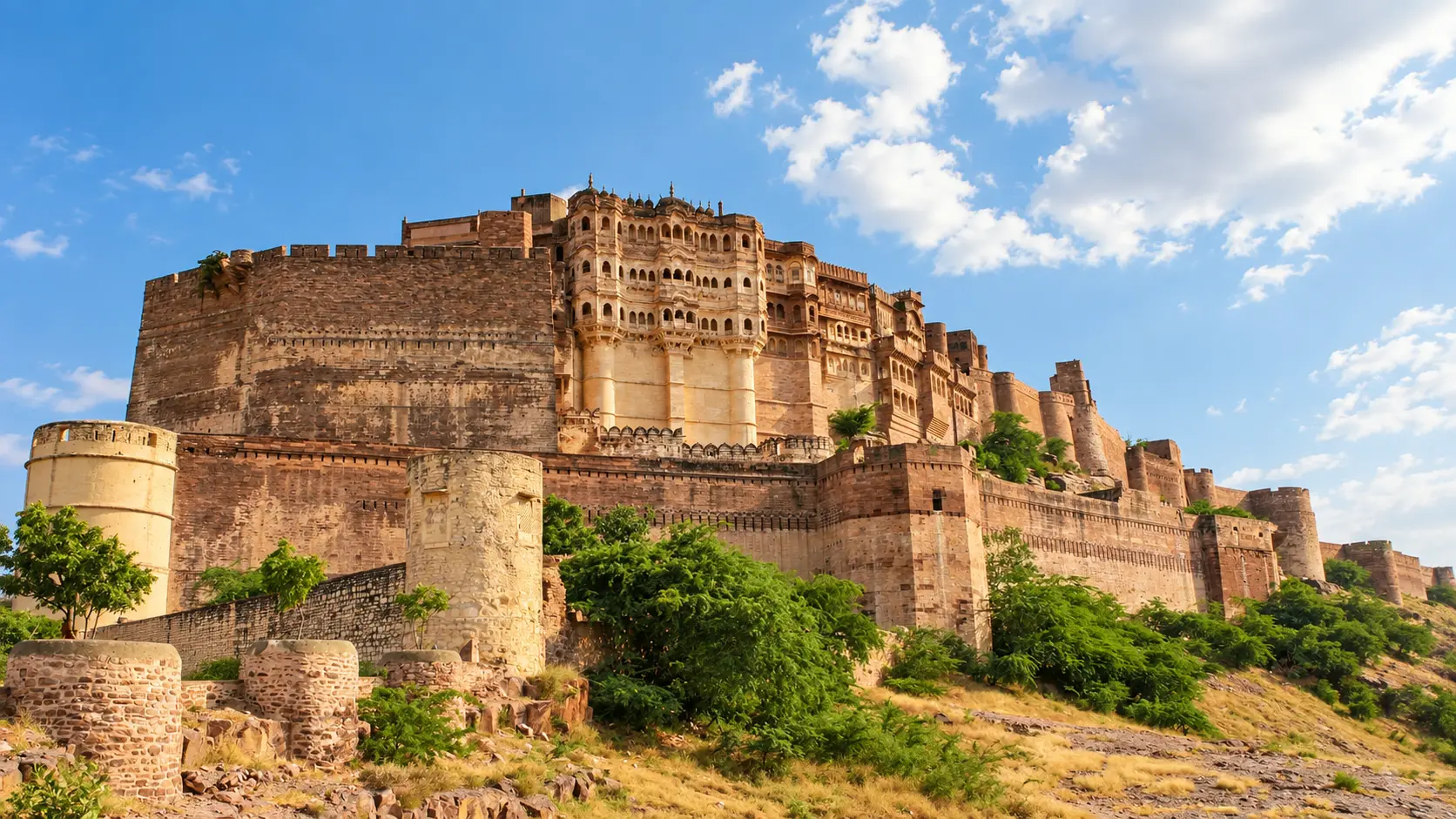
For local exploration, travelers can tour the unconquered 16th-century royal palaces and WW1 biplane at Junagarh Fort, wander through the red-sandstone filigree alleys of the Rampuria Havelis and bustling Kote Gate food markets, climb to the panoramic rooftop of the 15th-century Bhandasar Jain Temple with its legendary ghee foundation, view 4,500-year-old Indus Valley antiquities at the Ganga Government Museum, and experience Indo-Saracenic royal architecture at Lalgarh Palace and Laxmi Niwas. Beyond the urban boundary, Bikaner’s desert highways lead to extraordinary adventures: the world-famous "Rat Temple" at Deshnok with its 25,000 sacred Kabas, camel rides and camel milk ice cream at Asia’s premier Camel Research Farm, royal lakeside wildlife watching at Gajner Palace, the 52 marble bathing ghats at the sacred desert oasis of Kolayat, the painted royal cenotaphs of Devi Kund Sagar, and the UNESCO-awarded medieval water fortress at Nagaur - all situated within 8 to 115 km.
Explore local sights and the nearby visitor area. Maps opens a place search; check the visitor entrance and current access.
5 of 5 places · Open details without losing your list
Not sure? Pick 2–3 places to compare.
Planning your day
Yes, millions of pilgrims visit every year without health incidents. If walking completely barefoot among the rodents feels uncomfortable, the temple allows visitors to wear clean pairs of thick cotton socks, which keep your feet clean while respecting the sacred no-shoes rule.
The best time to visit is between 2:30 PM and 4:30 PM. This timing allows you to explore the museum and paddocks in pleasant afternoon temperatures, witness the daily camel milking demonstration at 3:00 PM, and sample freshly made camel milk kulfi and ice cream at the dairy parlour.
Bikaner is famous for three things: authentic GI-tagged Bikaneri Bhujia (spicy, crispy moth-bean noodles fried fresh in old city markets), Bikaneri Rasgullas (firm, spongy cottage cheese sweets in light syrup), and Usta Kala (handcrafted camel-leather decorative flasks, mirrors, and lamps embossed with pure 24-carat gold leaf).
Yes, day visitors can purchase a cover charge voucher at the security gate (approx. ₹250 to ₹500), which can be redeemed for food, beverages, or high tea at the lakeside restaurant, allowing you to walk the lakeside promenades, view wildlife across the water, and enjoy boat rides.
Your friend receives the same starting point, outing type and filters. No sign-in needed.
Make room for a longer journey
Hubs and guides from our wider collection, ordered with local and geographically closer places first. These are not limited to 200 km and are not road-distance estimates.
Open a place for its researched visitor notes. Confirm current charges and access before travelling.
Entry is regulated by the Maharaja Rai Singhji Trust with an admission ticket (approx. ₹50 per Indian adult, ₹30 for students, ₹300 for foreign visitors; camera fee ₹50; audio guide available for ₹150). The fort museum is open daily from 9:00 AM to 6:00 PM (ticket sales close at 5:00 PM). A separate nominal ticket (approx. ₹50) is charged for the Prachina Cultural Centre. Casual photography with mobile phones and non-commercial cameras is permitted throughout the public courtyards; drones are strictly prohibited over the fort premises for security reasons.
Junagarh Fort is situated prominently in central Bikaner on Fort Road, roughly 1.5 km northeast of Bikaner Junction Railway Station (BKN) and 2 km from Kote Gate. It is easily accessible via auto-rickshaws, shared e-rickshaws, and app-based cabs from all hotels in town. A large, managed surface vehicle parking plaza accommodating cars, tourist coaches, and two-wheelers is located directly outside the outer moat moat bridge.
Fees, visiting hours and entry rules may change. Confirm the latest details with the official operator or local authority before travelling.
Check the current visiting hours and permitted access with the site operator before departure; ceremonies, closures and visitor sessions can affect access. Most havelis remain private residential properties and are not open for unscheduled interior public tours, though viewing the courtyards of heritage hotel properties (like Bhanwar Niwas) is permitted for restaurant patrons or with prior permission. Photography of the exterior facades and street life is permitted without charge; always ask respectfully before photographing local residents or private home interiors.
The Rampuria Havelis are situated in the Joshiwara / Rampuria street quarter of the old city, roughly 1.5 km west of Bikaner Junction Railway Station and 2 km southwest of Junagarh Fort. Visitors arriving by private car or taxi should park outside Kote Gate or near the Old City Municipal Hospital parking area and take a 5-minute cycle-rickshaw or walk 400 meters into the Joshiwara lane.
Fees, visiting hours and entry rules may change. Confirm the latest details with the official operator or local authority before travelling.
Entry to the temple is completely free. The temple priest or caretaker may ask for a small voluntary donation or camera fee (approx. ₹20 to ₹50). The temple is open daily from 5:30 AM to 1:00 PM and from 3:30 PM to 8:30 PM. All leather items - including belts, wallets, and bags - must be removed along with footwear before stepping onto the temple plinth, in accordance with strict Jain spiritual tenets. Photography is permitted on the open rooftops and general courtyards; ask the head priest for permission before photographing the main sanctum idol.
Bhandasar Jain Temple is located in the southwestern corner of the old walled city near Gopinath Mandir and Laxminath Temple, roughly 2 km southwest of Bikaner Junction Railway Station (BKN) and 2.5 km from Junagarh Fort. Because the approach streets through the old city are narrow, visitors should hire a cycle-rickshaw or e-rickshaw from Kote Gate, or take an auto-rickshaw to the temple square. Private cars should be parked outside the walled city near the municipal parking ground.
Fees, visiting hours and entry rules may change. Confirm the latest details with the official operator or local authority before travelling.
Entry is regulated by the Department of Archaeology and Museums, Government of Rajasthan, with an admission ticket (approx. ₹20 per Indian adult, ₹10 per student, and ₹100 for foreign visitors). The museum is open daily from 9:45 AM to 5:15 PM; it remains strictly closed on Mondays and state gazetted holidays. Mobile phone photography without flash is permitted in general galleries (nominal camera fee approx. ₹20); flash photography and commercial filming without written permission from the Department of Archaeology are strictly prohibited.
The Ganga Government Museum is centrally located on Ambedkar Circle / Museum Road in the Civil Lines area of Bikaner, just 1.5 km northeast of Junagarh Fort, 2 km from Bikaner Junction Railway Station (BKN), and 2 km from Kote Gate. It is easily reached via local auto-rickshaws, shared e-rickshaws, and private taxis. Dedicated vehicle parking is available directly within the museum garden compound.
Fees, visiting hours and entry rules may change. Confirm the latest details with the official operator or local authority before travelling.
Entry to the exterior palace grounds and hotel reception areas is free for visitors and restaurant patrons. Entry to the Shri Sadul Museum is regulated with a nominal ticket (approx. ₹30 per Indian adult, ₹10 per child/student, and ₹100 for foreign visitors). The museum is open Monday through Saturday from 10:00 AM to 5:00 PM; it remains closed on Sundays and national holidays. Casual smartphone photography of the palace architecture and courtyards is permitted; photography inside the museum galleries requires a camera pass.
Lalgarh Palace and Laxmi Niwas are situated on Lalgarh Palace Road in northern Bikaner, roughly 3 km north of Junagarh Fort, 3.5 km from Bikaner Junction Railway Station (BKN), and 4 km from Kote Gate. It is easily reached via private car, taxi, auto-rickshaw, or shared e-rickshaw along Ambedkar Circle and Palace Road. Dedicated vehicle parking for hotel guests and museum visitors is located directly inside the main estate security gates.
Fees, visiting hours and entry rules may change. Confirm the latest details with the official operator or local authority before travelling.
Browse cities by state · 85 starting points
Open a state, then choose your starting city. Local sights load automatically.
Out-of-town ideas vary in distance. Check your outward and return journey, time at the destination and breaks before deciding whether you need a stay.
Maps may identify a landscape rather than its visitor entrance. Check parking, walks, boat transfers and entry permission with the local operator.
Use the guide for practical context and visit weather for the available three-day forecast. Neither is a live opening or safety confirmation.