Aravalli Biodiversity Park
Explore India's first OECM site at Aravalli Biodiversity Park in Gurugram, Delhi NCR. Complete guide covers 392 acres of restored wilderness, trails, birds, and metro access.
Location
Gurugram, Delhi NCR
A closer look
Your visit, at a glance.
Gurugram, Delhi Ncr
GET TO KNOW THE PLACE
Spanning 392 acres (158 hectares) of rolling quartzite hills, wooded valleys, and restored wilderness along Mehrauli - Gurgaon Road (MG Road) in Sector 24 of Gurugram, the…
The story of Aravalli Biodiversity Park
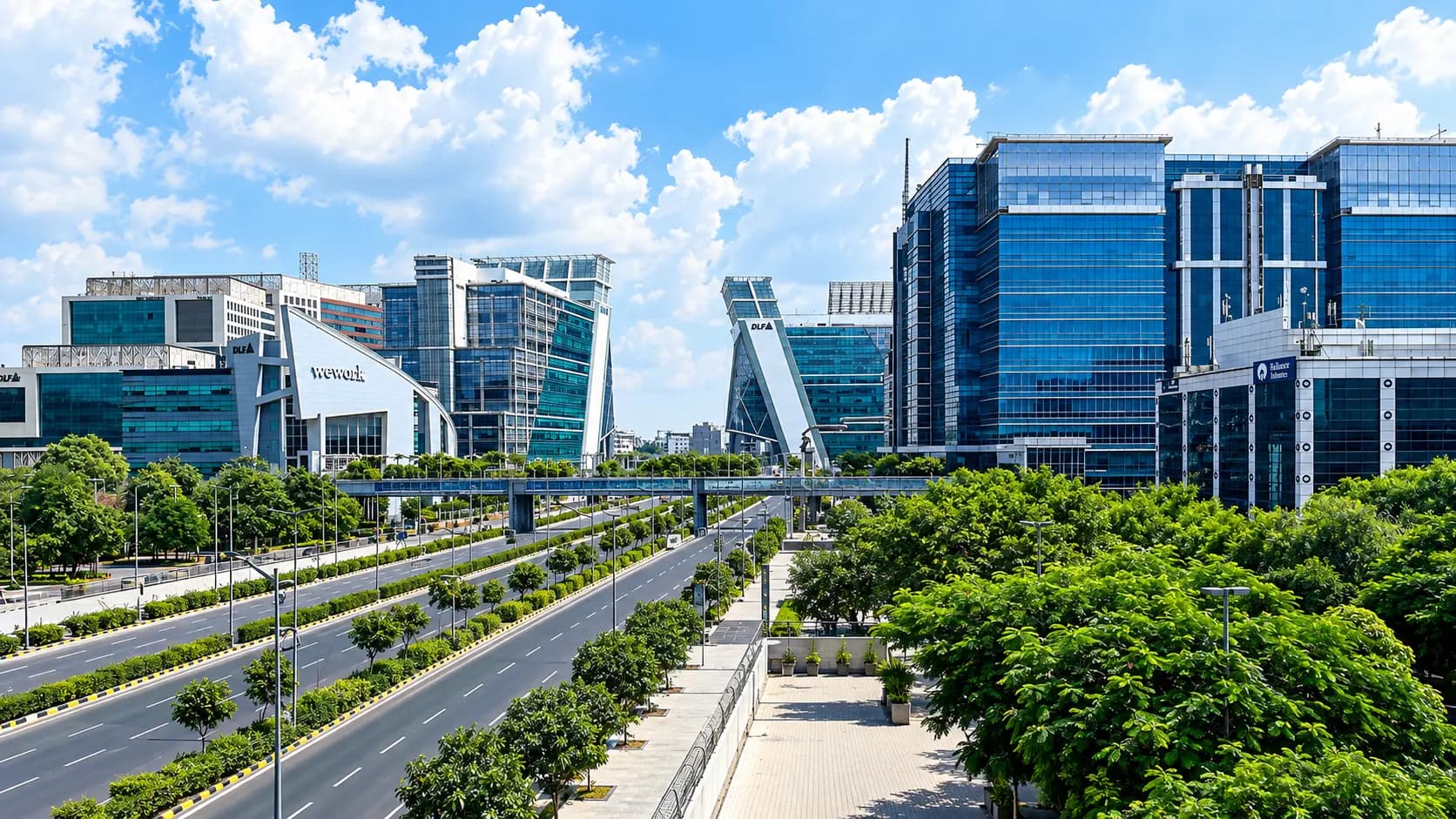
Spanning 392 acres (158 hectares) of rolling quartzite hills, wooded valleys, and restored wilderness along Mehrauli - Gurgaon Road (MG Road) in Sector 24 of Gurugram, the Aravalli Biodiversity Park (often abbreviated as ABPG) is globally recognized as one of the world's most triumphant achievements in community-driven urban ecological restoration. Situated in Gurugram District, Haryana, right on the border of South Delhi and just 400 metres from Guru Dronacharya Metro Station on the Delhi Metro Yellow Line, this verdant eco-sanctuary stands in breathtaking contrast to the glittering glass-and-steel skyscrapers of neighboring Cyber City.
Until 2010, this vast tract of the ancient northern Aravalli range - one of the oldest mountain systems on Earth - was a scarred, lifeless moonscape devastated by decades of uncontrolled illegal stone mining, explosive rock blasting, and massive municipal garbage dumping. The indigenous forest had been virtually wiped out and replaced by a monoculture of thorny, invasive Prosopis juliflora (Mexican mesquite / vilayati kikar). In 2011, an extraordinary public-private citizen partnership between the Municipal Corporation of Gurugram (MCG), the citizen NGO I Am Gurgaon (iamgurgaon), and dedicated restoration ecologists initiated a scientific rewilding campaign. Today, having reintroduced over 400 species of native Aravalli plants and providing habitat for more than 200 bird species, the park was officially declared India's first "Other Effective Area-Based Conservation Measure" (OECM) site by the Ministry of Environment, Forest and Climate Change (MoEFCC) and the International Union for Conservation of Nature (IUCN) in 2022.
Start here. Open a tile for the full details.
Why goRead details
- India's First Globally Recognized OECM Site: Walk through an internationally acclaimed ecological restoration miracle that transformed a scarred stone quarry into a thriving, protected natural forest.
- Over 400 Reintroduced Native Aravalli Plant Species: Discover authentic indigenous dry deciduous woodland species, including Dhau, Salai, Dhak (Flame of the Forest), Kaim, Babool, and rare medicinal herbs.
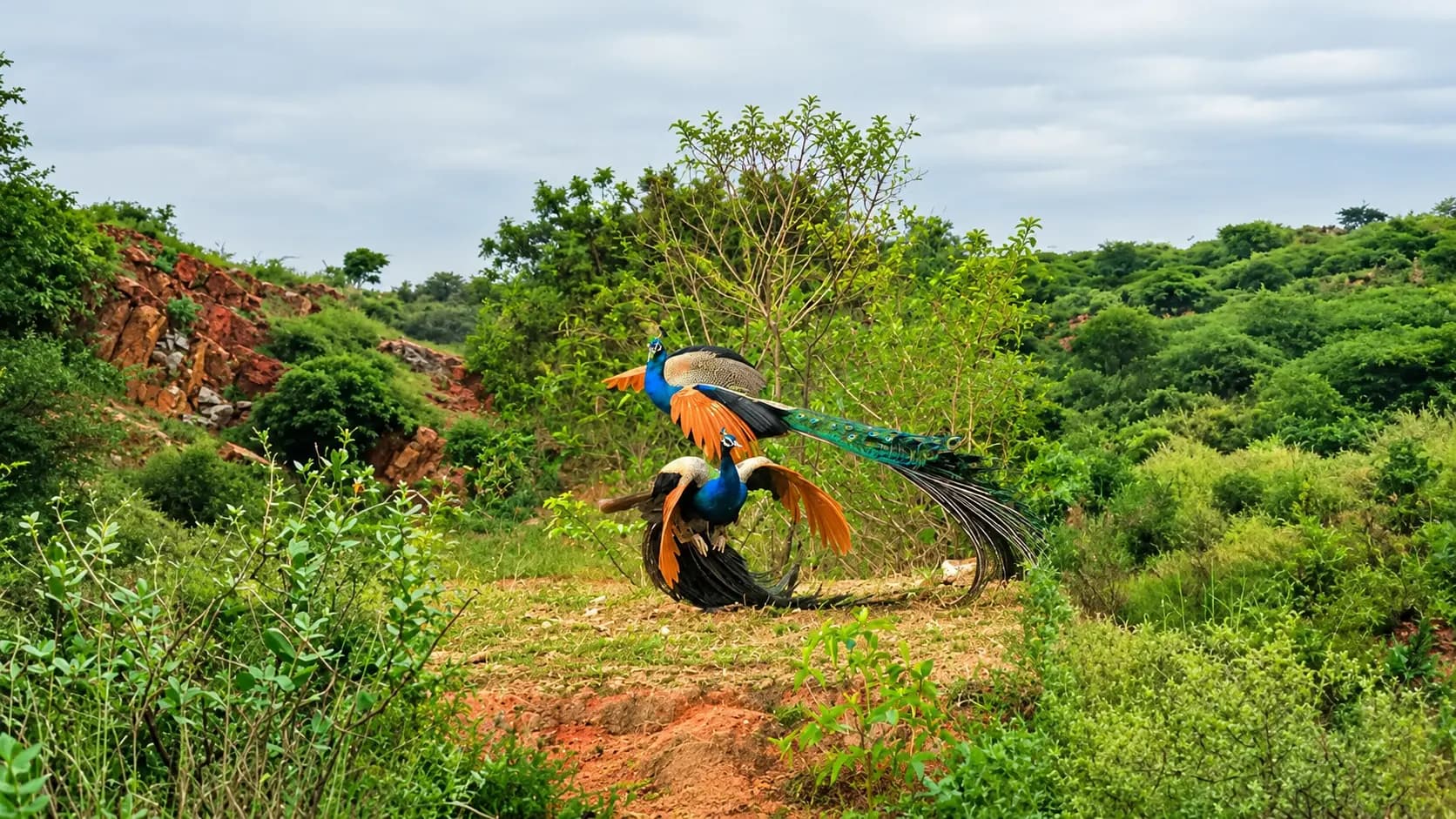
- A Premier Birdwatching Sanctuary in Delhi NCR: Spot over 200 bird species, including the Indian pitta, Eurasian eagle-owl, grey francolin, sirkeer malkoha, paradise flycatcher, and yellow-footed green pigeon.
- 20 Kilometres of Natural Wilderness Trails: Enjoy unpaved crushed-gravel pathways winding through forested valleys, quartzite ridges, and bird hides, perfect for walking, trail running, and gravel cycling.
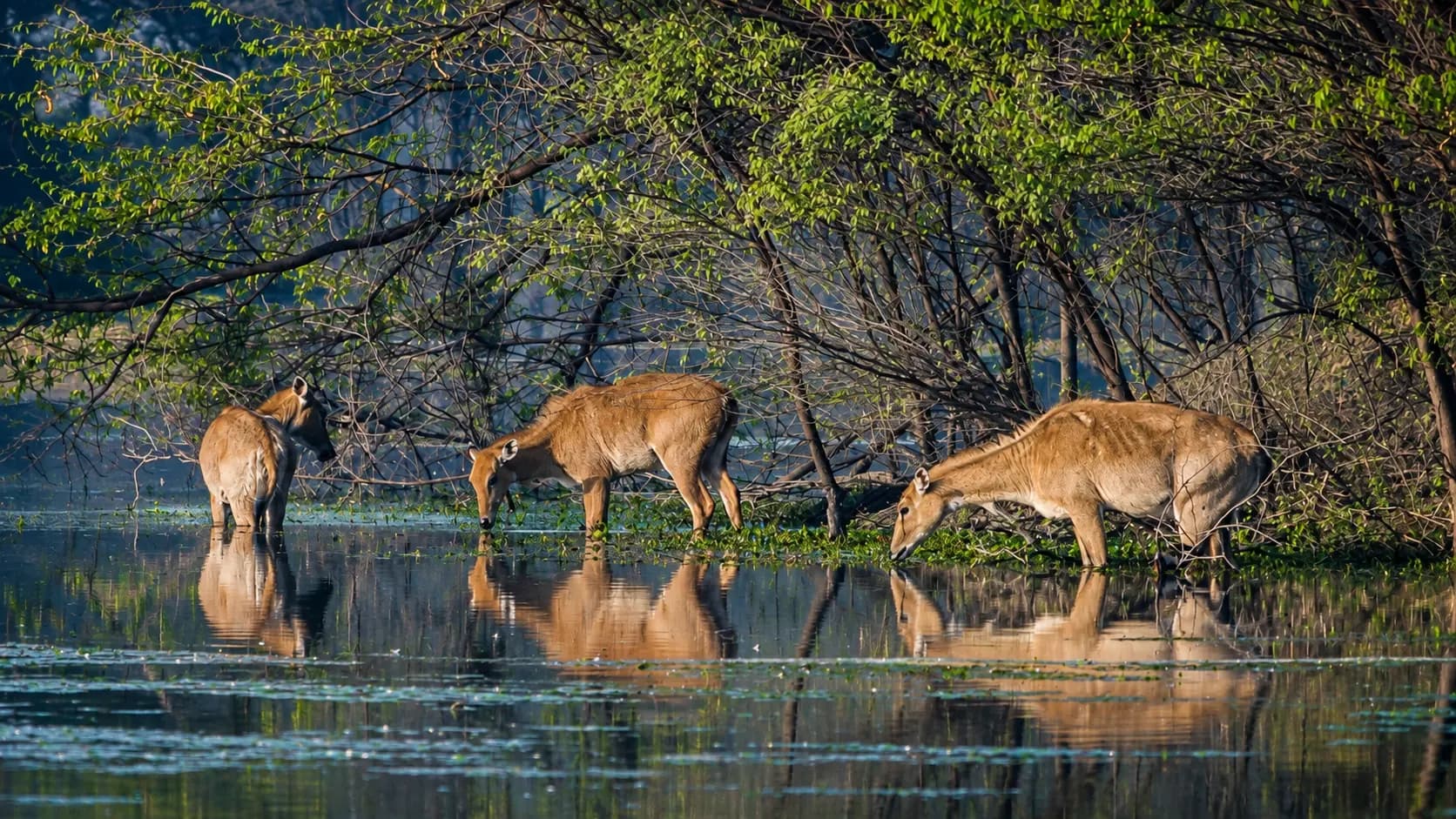
- Thriving Urban Mammalian Wildlife: Catch glimpses of roaming herds of Nilgai (blue bull), golden jackals, jungle cats, Indian hares, and over 100 species of colorful butterflies.
- Effortless Delhi Metro Access: Step straight out of the urban bustle: Guru Dronacharya Metro Station on the Yellow Line is located just 400 metres (a 5-minute stroll) from the park's main entrance gate.
- Completely Free Public Access: Confirm the current charge and what it includes with the operator or service provider. Visitor admission, vehicles, parking, activities and accommodation can have separate charges.
When to visitRead details
- October to March (Peak Season): This is the undisputed prime window to explore the park. The Delhi NCR winter brings crisp, clear blue skies, refreshing morning air, and comfortable daytime temperatures ranging from 14°C to 24°C. Migratory flycatchers, warblers, and raptors arrive, and walking across the 20 kilometres of sun-dappled trails is thoroughly invigorating.
- February to March (Spring Bloom): Early spring brings the breathtaking flowering of the Palash (Butea monosperma), when the central valleys erupt in fiery vermilion-orange blossoms, attracting dozens of nectar-feeding bird species and photographers.
- Monsoon (July to September): The southwest monsoon drapes the rocky quartzite ridges in a vibrant cloak of wild grasses, delicate ferns, and blossoming shrubs. The air is fresh and earthy, dragonflies swarm over seasonal hollows, and the park smells of rain-soaked soil. Early morning monsoon walks offer dramatic, mist-shrouded perspectives of the forest.
Entry & permissionsRead details
Fees, visiting hours and entry rules may change. Confirm the latest details with the official operator or local authority before travelling.
Tariffs & Hours of Operation
Parameter | Details / Tariff |
|---|---|
Public Admission Fee | COMPLETELY FREE FOR ALL VISITORS |
Summer Operating Schedule (April to October) | 05:30 AM to 11:00 AM & 03:00 PM to 07:00 PM daily |
Winter Operating Schedule (November to March) | 06:00 AM to 05:30 PM daily (Open continuously through the day) |
Two-Wheeler Parking Fee | Free / Nominal ₹20 |
Car / SUV Parking Fee | Free / Nominal ₹50 |
Still Photography (Smartphones) | Free of charge |
Motorized Vehicles & Pets | STRICTLY PROHIBITED INSIDE PARK |
Commercial Filming / Drones | Requires prior written permission from Municipal Corporation of Gurugram (MCG) |
Park Code of Conduct & Conservation Regulations
Aravalli Biodiversity Park is a delicate, living ecological sanctuary, not an amusement park. All visitors are strictly required to abide by the park's environmental code:
- Strict Ban on Motorized Transport: No cars, motorcycles, scooters, or motorized e-bikes are permitted beyond the entrance parking plaza. Only walking, jogging, and manual non-motorized bicycles are allowed on designated trails.
- No Pets Permitted: Dogs and domestic pets are strictly prohibited inside the park to prevent disturbance to ground-nesting birds, nilgai calves, and resident jackal families.
- Zero-Plastic & Zero-Litter Mandate: Single-use plastic water bottles, plastic polythene bags, and packaged food wrappers are strictly prohibited. Visitors must carry their own reusable bottles and carry back all waste.
- Do Not Pluck Flora or Disturb Wildlife: Plucking flowers, collecting seeds, breaking branches, or attempting to approach or feed wild animals (including nilgai and jackals) is strictly forbidden.
- Strictly No Smoking or Open Flames: Smoking, lighting matches, or igniting campfires is strictly banned across the entire 392-acre reserve due to severe dry-season forest fire risks in the Aravalli scrub.
Plan your visitRead details
Aravalli Biodiversity Park is situated along Mehrauli - Gurgaon Road (MG Road) in Sector 24, Gurugram, positioned immediately on the southwestern border of Delhi NCR, roughly 3 kilometres east of Cyber City and 25 kilometres southwest of central New Delhi.
Explore the full guide - choose a topic below.
Why visit?
India's First Globally Recognized OECM Site: Walk through an internationally acclaimed ecological restoration…Explore detailsClose details
- India's First Globally Recognized OECM Site: Walk through an internationally acclaimed ecological restoration miracle that transformed a scarred stone quarry into a thriving, protected natural forest.
- Over 400 Reintroduced Native Aravalli Plant Species: Discover authentic indigenous dry deciduous woodland species, including Dhau, Salai, Dhak (Flame of the Forest), Kaim, Babool, and rare medicinal herbs.
- A Premier Birdwatching Sanctuary in Delhi NCR: Spot over 200 bird species, including the Indian pitta, Eurasian eagle-owl, grey francolin, sirkeer malkoha, paradise flycatcher, and yellow-footed green pigeon.
- 20 Kilometres of Natural Wilderness Trails: Enjoy unpaved crushed-gravel pathways winding through forested valleys, quartzite ridges, and bird hides, perfect for walking, trail running, and gravel cycling.
- Thriving Urban Mammalian Wildlife: Catch glimpses of roaming herds of Nilgai (blue bull), golden jackals, jungle cats, Indian hares, and over 100 species of colorful butterflies.
- Effortless Delhi Metro Access: Step straight out of the urban bustle: Guru Dronacharya Metro Station on the Yellow Line is located just 400 metres (a 5-minute stroll) from the park's main entrance gate.
- Completely Free Public Access: Confirm the current charge and what it includes with the operator or service provider. Visitor admission, vehicles, parking, activities and accommodation can have separate charges.
What to expect
The history of the Aravalli Biodiversity Park is a story of visionary environmental resilience.Explore detailsClose details
The Ecological Resurrection: From Mining Scar to Living Forest
The history of the Aravalli Biodiversity Park is a story of visionary environmental resilience. For more than four decades until mining was banned by the Supreme Court of India in 2009, this 392-acre tract was plundered for quartzite building stones and road ballast:
       ECOLOGICAL TIMELINE OF ARAVALLI BIODIVERSITY PARK
┌──────────────────────────────────────────────────────────┐
│  Pre-2010: Devastated Quarry & Garbage Wasteland         │
│  Uncontrolled illegal stone mining, explosive blasting,  │
│  gravel crushers, and open municipal dumping.            │
├──────────────────────────────────────────────────────────┤
│  2011: Landmark Citizen-Municipal Partnership            │
│  MCG joins hands with citizen initiative 'I Am Gurgaon'   │
│  and restoration ecologist Vijay Dhasmana.               │
├──────────────────────────────────────────────────────────┤
│  2011 - 2020: Systematic Rewilding & Native Planting     │
│  Uprooting invasive vilayati kikar; planting 150,000+    │
│  saplings across 400+ native Aravalli plant species.     │
├──────────────────────────────────────────────────────────┤
│  February 2, 2022: Declared India's First OECM Site      │
│  MoEFCC and IUCN formally grant OECM status on World     │
│  Wetlands Day, recognizing outstanding conservation.     │
├──────────────────────────────────────────────────────────┤
│  Present Day: 392-Acre Thriving Biosphere Reserve        │
│  A biodiversity hotspot with 200+ birds, wild mammals,   │
│  20 km of trails, and pure community ownership.          │
└──────────────────────────────────────────────────────────┘
The restoration team, led by ecologist Vijay Dhasmana, made a revolutionary decision: rather than planting manicured ornamental garden lawns or exotic eucalyptus, they committed to strict ecological rewilding. They surveyed relict, undisturbed patches of ancient Aravalli forests across Rajasthan and Haryana, collected wild seeds from surviving native mother trees, established an on-site nursery, and methodically planted over 150,000 native saplings tailored to specific rocky micro-habitats.
Understanding the OECM Designation
On February 2, 2022 (World Wetlands Day), the Union Ministry of Environment, Forest and Climate Change (MoEFCC) and the International Union for Conservation of Nature (IUCN) officially conferred upon Aravalli Biodiversity Park the distinction of being India's first OECM site:
       WHAT IS AN OECM SITE?
┌──────────────────────────────────────────────────────────┐
│  OECM stands for "Other Effective Area-Based             │
│  Conservation Measure".                                  │
│                                                          │
│  • Defined under the UN Convention on Biological         │
│    Diversity (CBD).                                      │
│  • Recognizes geographically defined areas NOT governed │
│    as formal National Parks or Sanctuaries, but which    │
│    achieve positive, sustained, long-term in-situ        │
│    conservation of native biodiversity.                  │
│  • Honors citizen stewardship, urban ecological         │
│    regeneration, and biodiversity enrichment.            │
└──────────────────────────────────────────────────────────┘
The OECM tag firmly established Gurugram on the global conservation map, demonstrating that citizen-driven ecological restoration can resurrect lost tropical ecosystems even within a hyper-dense metropolitan corridor.
Botanical Wealth: The Vanishing Forest Reborn
The park today represents the finest living collection of native northern Aravalli dry deciduous forest flora in existence. Over 400 species of native plants have established self-sustaining populations:
Species | Common Name | Ecological Function |
|---|---|---|
Anogeissus pendula | Dhau | Climax canopy tree of the rocky Aravalli ridges |
Boswellia serrata | Salai (Indian Olibanum) | Drought-tolerant frankin- cense tree on stony bluffs |
Butea monosperma | Dhak / Palash | "Flame of the Forest"; brilliant vermilion bloom |
Mitragyna parvifolia | Kaim | Sacred water-loving tree of moist valley depressions |
Wrightia tinctoria | Khirni / Dudhi | Sweet-scented white flower supporting wild pollinators |
Acacia senegal | Kumhat (Goya Khair) | Native thorny legume fixing nitrogen in gravel |
The elimination of the invasive, water-guzzling vilayati kikar allowed native grasses - such as Cenchrus, Heteropogon, and Chrysopogon - to carpet the forest floor, dramatically increasing soil moisture retention, preventing erosion, and recharging local groundwater aquifers.
Avian & Mammalian Wildlife: An Urban Oasis
Because the park is physically connected to the broader Aravalli hill corridor that extends south toward the Asola Bhatti Wildlife Sanctuary in Delhi, wildlife has returned in astonishing numbers:
Category | Prominent Species |
|---|---|
Birds (200+ Spp) | Indian pitta, grey francolin, Eurasian eagle-owl, yellow-footed green pigeon, sirkeer malkoha, shikra, white-throated kingfisher, red-vented bulbul, paradise flycatcher, brown-headed barbet |
Mammals | Nilgai (blue bull), golden jackal, jungle cat, Indian desert hare, small Indian civet, grey mongoose, occasional leopard movement |
Reptiles & Insects | Bengal monitor lizard, saw-scaled viper, rat snake, over 100 documented species of wild butterflies |
For birdwatchers, the park offers an unparalleled urban sanctuary. Early morning visitors are greeted by the resonant dawn chorus of grey francolins calling from rocky mounds, green bee-eaters performing aerial acrobatics, and colorful Indian rollers perched atop dried branches.
Trail Networks and Visitor Facilities
Unlike conventional manicured city gardens with concrete promenades and musical fountains, Aravalli Biodiversity Park is maintained as an authentic wilderness reserve:
       SCHEMATIC LAYOUT OF ARAVALLI BIODIVERSITY PARK
                  [Mehrauli-Gurgaon Road (MG Road)]
                                 │
            ┌────────────────────┴────────────────────┐
            │         MAIN ENTRANCE GATE & PLAZA      │
            │   (Parking, Solar Kiosks, Restrooms)    │
            └────────────────────┬────────────────────┘
                                 │ (400 m to Guru Dronacharya Metro)
                                 ▼
            ┌─────────────────────────────────────────┐
            │          NATIVE PLANT NURSERY           │
            │   (Propagation of 400+ Aravalli Spp)    │
            └────────────────────┬────────────────────┘
                                 │
         ┌───────────────────────┼───────────────────────┐
         │                       │                       │
         ▼                       ▼                       ▼
   WESTERN RIDGE           CENTRAL VALLEY          EASTERN TRAIL
   (270 m MSL /            (Dense Salai & Dhak;    (Bird Hides &
   Views of Cyber City)     Open Amphitheatre)      Wildflower Valleys)
         │                       │                       │
         └───────────────────────┼───────────────────────┘
                                 │
                                 ▼
                   SOUTHERN WILDLIFE CORRIDOR
(Connecting toward Asola Bhatti)- 20+ Kilometres of Natural Trails: Broad, unpaved crushed-stone and natural earth tracks wind through gentle valleys, across ridge crests, and through dense wooded groves. Trails are clearly demarcated with rustic stone markers, providing safe and immersive routes for walking, brisk jogging, and non-motorized gravel cycling.
- The Native Plant Nursery: Located near the main entrance, this extensive botanical propagation facility houses mother plants and saplings of rare Aravalli trees, shrubs, and climbers, serving as an educational resource center for students, botanists, and urban foresters.
- The Open-Air Amphitheatre: Constructed from natural dressed Aravalli quartzite blocks tucked into a natural hill hollow, the amphitheatre provides a scenic venue for environmental workshops, acoustic musical performances, and biodiversity lectures under the canopy of native trees.
Best time to visit
SEASONAL VISITABILITY SCORECARD FOR ARAVALLI BIODIVERSITY PARK…Explore detailsClose details
Seasonal Guide
Season | Months | Temp Range | Visiting Status & Notes |
|---|---|---|---|
Peak Season (Autumn/Winter | October - March | 12°C - 25°C | Best overall time; crisp sunshine, winter birds, delightful trail walking. |
Spring (Shoulder) | April | 20°C - 34°C | Palash in brilliant bloom early mornings (05:30 AM) are pleasant; warm midday. |
Summer (Off-Season) | May - June | 28°C - 42°C | Hot; visit ONLY at dawn (05:30 to 08:30 AM); park closes midday. |
Monsoon | July - September | 26°C - 33°C | Verdant & lush; active birds and butterflies; trails slightly muddy. |
- October to March (Peak Season): This is the undisputed prime window to explore the park. The Delhi NCR winter brings crisp, clear blue skies, refreshing morning air, and comfortable daytime temperatures ranging from 14°C to 24°C. Migratory flycatchers, warblers, and raptors arrive, and walking across the 20 kilometres of sun-dappled trails is thoroughly invigorating.
- February to March (Spring Bloom): Early spring brings the breathtaking flowering of the Palash (Butea monosperma), when the central valleys erupt in fiery vermilion-orange blossoms, attracting dozens of nectar-feeding bird species and photographers.
- Monsoon (July to September): The southwest monsoon drapes the rocky quartzite ridges in a vibrant cloak of wild grasses, delicate ferns, and blossoming shrubs. The air is fresh and earthy, dragonflies swarm over seasonal hollows, and the park smells of rain-soaked soil. Early morning monsoon walks offer dramatic, mist-shrouded perspectives of the forest.
Optimal Time of Day for Sightseeing
The absolute finest hours to visit are early morning (05:30 AM to 08:30 AM in summer; 06:30 AM to 09:30 AM in winter):
- Wildlife activity peaks at dawn: nilgai herds graze in open meadows, golden jackals return to their dens, and birds vocalize vigorously across the canopy.
- The morning light breaking over the eastern Aravalli ridges illuminates the delicate foliage of native trees and creates soft, magical lighting for nature photography. Check the current visiting hours and permitted access with the site operator before departure; ceremonies, closures and visitor sessions can affect access.
How to reach
Aravalli Biodiversity Park is situated along Mehrauli - Gurgaon Road (MG Road) in Sector 24, Gurugram, positioned…Explore detailsClose details
Geographic Orientation
Aravalli Biodiversity Park is situated along Mehrauli - Gurgaon Road (MG Road) in Sector 24, Gurugram, positioned immediately on the southwestern border of Delhi NCR, roughly 3 kilometres east of Cyber City and 25 kilometres southwest of central New Delhi.
       REGIONAL TRANSIT MAP TO ARAVALLI BIODIVERSITY PARK
                      Central Delhi (Rajiv Chowk / Connaught Place)
                               │
                               │ (Delhi Metro Yellow Line - 25 km)
                               ▼
                        South Delhi (Qutub Minar / Saket)
                               │
                               │ (Yellow Line South along MG Road - 10 km)
                               ▼
                  GURU DRONACHARYA METRO STATION
                    (Delhi Metro Yellow Line)
                               │
                               │ (400 m walk west along MG Road - 5 mins)
                               ▼
                 ARAVALLI BIODIVERSITY PARK
                  (Main Entrance Gate & Plaza)
                               │
              ┌────────────────┴────────────────┐
              │                                 │
              ▼                                 ▼
       Cyber Hub Gurugram              Indira Gandhi International
          (3 km west)                      Airport (DEL - 12 km)
Access Modes
- By Delhi Metro (Recommended Mode):
- The park is directly accessible via the Delhi Metro Yellow Line.
- Alight at Guru Dronacharya Metro Station. Take Exit Gate 1 or 2 onto MG Road; the main pedestrian and vehicular entrance to Aravalli Biodiversity Park is located just 400 metres away - an easy, safe 5-minute walk along the footpath.
- Alternatively, Sikanderpur Metro Station (interchange station with Rapid Metro Gurgaon) is located approximately 1.5 kilometres to the west.
- By Road (Car, Taxi, or Rideshare):
- From Central Delhi: Drive south along the Delhi - Gurgaon Expressway (NH-48), exit onto Mehrauli - Gurgaon Road (MG Road) toward Sikanderpur, and proceed toward Guru Dronacharya Metro Station (approx. 25 km / 35 to 45 minutes).
- From South Delhi: Take Mehrauli - Gurgaon Road directly past Aya Nagar and the Delhi - Haryana border; the park entrance appears on your right immediately before Guru Dronacharya Metro Station (approx. 10 km / 20 minutes from Qutub Minar).
- From Cyber City Gurugram: A quick 8-minute drive (3 km) along the DLF Phase II / MG Road corridor.
- App-based cabs (Uber and Ola) and auto-rickshaws operate continuously around the park gates.
- By Air:
- Indira Gandhi International Airport, New Delhi (DEL): Located just 12 kilometres north of the park. Pre-paid airport cabs or app rides reach the park gates in about 15 to 20 minutes via the NH-48 expressway corridor.
- By Train:
- Gurugram Railway Station (GGN): Located 12 kilometres northwest (approx. 25 minutes drive).
- New Delhi Railway Station (NDLS): Situated 25 kilometres north, directly linked via Delhi Metro Yellow Line (approx. 40 minutes ride).
Entry, timings and permissions
Fees, visiting hours and entry rules may change.Explore detailsClose details
Fees, visiting hours and entry rules may change. Confirm the latest details with the official operator or local authority before travelling.
Tariffs & Hours of Operation
Parameter | Details / Tariff |
|---|---|
Public Admission Fee | COMPLETELY FREE FOR ALL VISITORS |
Summer Operating Schedule (April to October) | 05:30 AM to 11:00 AM & 03:00 PM to 07:00 PM daily |
Winter Operating Schedule (November to March) | 06:00 AM to 05:30 PM daily (Open continuously through the day) |
Two-Wheeler Parking Fee | Free / Nominal ₹20 |
Car / SUV Parking Fee | Free / Nominal ₹50 |
Still Photography (Smartphones) | Free of charge |
Motorized Vehicles & Pets | STRICTLY PROHIBITED INSIDE PARK |
Commercial Filming / Drones | Requires prior written permission from Municipal Corporation of Gurugram (MCG) |
Park Code of Conduct & Conservation Regulations
Aravalli Biodiversity Park is a delicate, living ecological sanctuary, not an amusement park. All visitors are strictly required to abide by the park's environmental code:
- Strict Ban on Motorized Transport: No cars, motorcycles, scooters, or motorized e-bikes are permitted beyond the entrance parking plaza. Only walking, jogging, and manual non-motorized bicycles are allowed on designated trails.
- No Pets Permitted: Dogs and domestic pets are strictly prohibited inside the park to prevent disturbance to ground-nesting birds, nilgai calves, and resident jackal families.
- Zero-Plastic & Zero-Litter Mandate: Single-use plastic water bottles, plastic polythene bags, and packaged food wrappers are strictly prohibited. Visitors must carry their own reusable bottles and carry back all waste.
- Do Not Pluck Flora or Disturb Wildlife: Plucking flowers, collecting seeds, breaking branches, or attempting to approach or feed wild animals (including nilgai and jackals) is strictly forbidden.
- Strictly No Smoking or Open Flames: Smoking, lighting matches, or igniting campfires is strictly banned across the entire 392-acre reserve due to severe dry-season forest fire risks in the Aravalli scrub.
Nearby places to consider
A morning excursion to Aravalli Biodiversity Park combines seamlessly with other celebrated cultural, natural…Explore detailsClose details
A morning excursion to Aravalli Biodiversity Park combines seamlessly with other celebrated cultural, natural, and leisure destinations across Gurugram and South Delhi:
- Cyber Hub Gurugram (3 km west): India's premier integrated dining, lifestyle, and entertainment promenade, offering world-class multi-cuisine restaurants, open-air cafes, and dessert lounges right next to Cyber City.
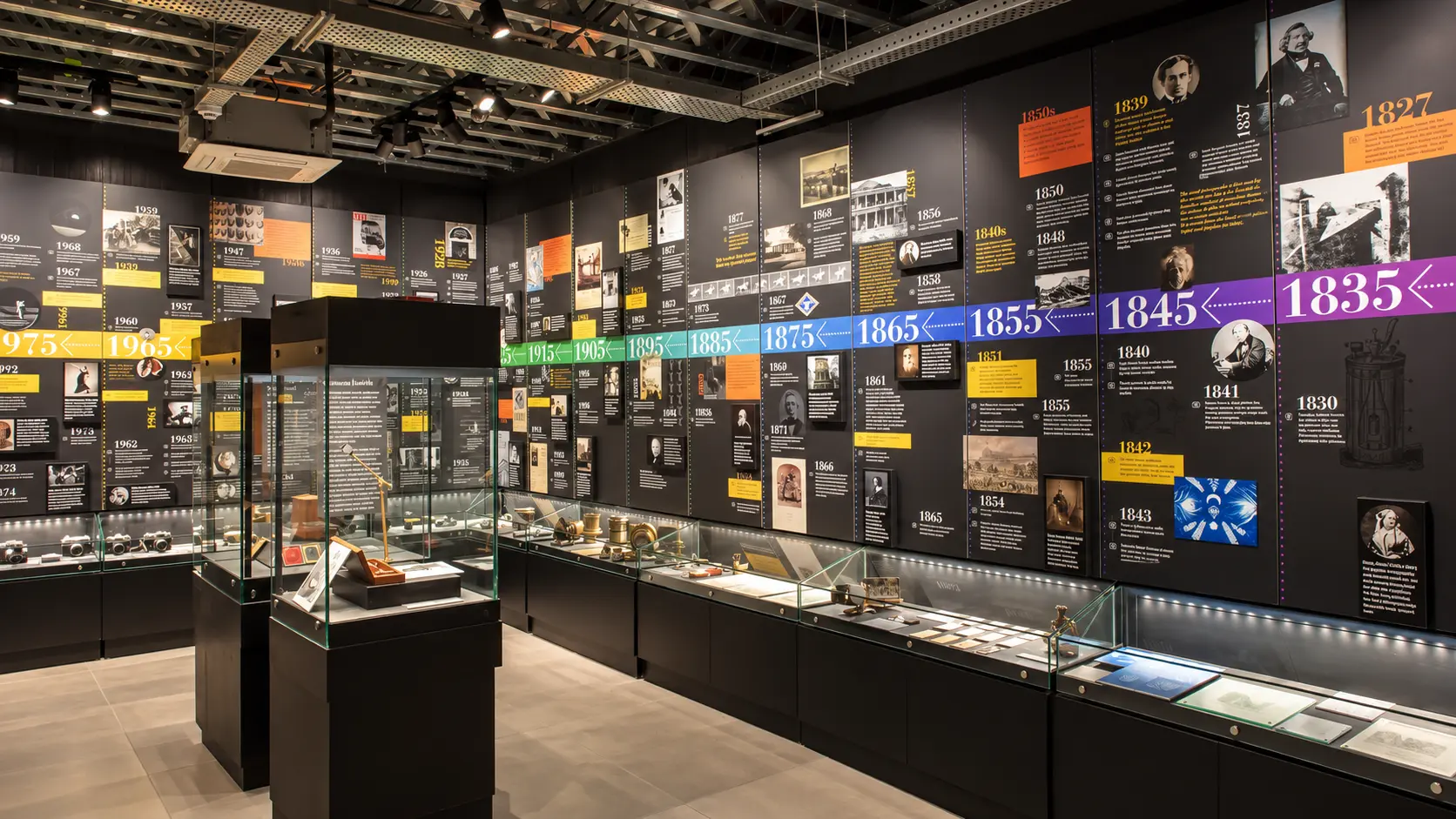
- Museo Camera, Gurugram (4 km southwest in Sector 28): A world-renowned 18,000-square-foot museum of photographic history founded by Aditya Arya, displaying over 2,500 rare antique cameras from the 1850s onward alongside contemporary art galleries.
- Qutub Minar Complex, South Delhi (10 km northeast via MG Road): The iconic UNESCO World Heritage Site featuring India's tallest brick minaret, ancient Indo-Islamic stone carvings, and the 4th-century rust-resistant Iron Pillar.
- Sultanpur National Park (28 km west via Gurugram): A world-famous Ramsar wetland and bird sanctuary hosting over 250 species of resident and migratory waterfowl, pelicans, cranes, and storks every winter.
- Heritage Transport Museum, Taoru (45 km southwest): India's premier museum celebrating the history of Indian transportation, featuring vintage automobiles, royal railway salons, aircraft, and maritime exhibits.
- Asola Bhatti Wildlife Sanctuary (18 km southeast): The southern anchor of the Aravalli wildlife corridor in Delhi, featuring the scenic turquoise waters of Neeli Jheel and sprawling scrub forest trails.
In pictures
The practical bits
Before you go.
Arriving Early for Birdwatching and Wildlife
The optimal window for observing the park's diverse wildlife and resident birds is during the golden dawn hours…Explore detailsClose details
The optimal window for observing the park's diverse wildlife and resident birds is during the golden dawn hours between 06:00 AM and 08:30 AM, when temperatures are coolest and animal activity is at its peak. Carry a pair of high-magnification binoculars (8x42 or 10x42) and a field guide to Indian birds to fully appreciate the remarkable variety of species thriving in the canopy.
Appropriate Footwear for Natural Gravel Trails
The 20 kilometres of wilderness tracks consist of unpaved crushed gravel, natural earth, and weathered quartzite…Explore detailsClose details
The 20 kilometres of wilderness tracks consist of unpaved crushed gravel, natural earth, and weathered quartzite stone that can be rough and uneven underfoot. Wear sturdy running shoes, sports sneakers, or light trail-walking shoes with reliable rubber tread, avoiding thin-soled flip-flops, high heels, or formal leather footwear.
Hydration and Sun Protection on Exposed Ridges
While lower valleys are shaded by native trees, the rocky ridges are completely open to direct solar exposure…Explore detailsClose details
While lower valleys are shaded by native trees, the rocky ridges are completely open to direct solar exposure, which can feel intense even on sunny winter afternoons. Carry a minimum of one litre of drinking water in a reusable bottle, wear UV-protective sunglasses, apply sunscreen, and wear a broad-brimmed hat or cap for comfortable trail walking.
Strict Adherence to Ecological Code of Conduct
Aravalli Biodiversity Park is a strictly protected nature reserve operated on principles of ecological silence…Explore detailsClose details
Aravalli Biodiversity Park is a strictly protected nature reserve operated on principles of ecological silence and respect. Keep your voice low on nature trails to avoid disturbing nesting birds, stay on marked gravel pathways to protect delicate regenerating wild grass seedlings, and ensure you do not bring any disposable plastic items past the entrance gate.
A few things you might wonder
Common questions about visiting Aravalli Biodiversity Park. Fees, visiting hours and ceremonies are researched details that may change; confirm current arrangements with the operator before travelling.
What is the Aravalli Biodiversity Park in Gurugram, and what was its history before restoration?
What does the OECM tag mean, and when was Aravalli Biodiversity Park declared an OECM site?
How can visitors reach Aravalli Biodiversity Park by Delhi Metro?
Is there an entry fee to visit Aravalli Biodiversity Park?
What wildlife species can be spotted inside Aravalli Biodiversity Park?
Are cycling and pets allowed inside the park trails?
What native plant species have been restored in the park?
What are the opening hours of Aravalli Biodiversity Park?
Explore more in Gurugram
Discover other destinations around this hub

More Hubs in Delhi Ncr
Continue exploring other travel hubs in this state
Planning a trip to Gurugram?