Museo Camera
Visit Southeast Asia's largest photography museum in DLF Phase 4, Gurugram. Explore 3,000+ antique cameras, Kulwant Roy archives, Fig at Museo cafe, and timings.
Location
Gurugram, Delhi NCR
A closer look
Your visit, at a glance.
Gurugram, Delhi Ncr
GET TO KNOW THE PLACE
In an era saturated by fleeting smartphone snapshots and ephemeral digital streams, Museo Camera (Centre for the Photographic Arts) in Gurugram stands as an extraordinary temple…
The story of Museo Camera
In an era saturated by fleeting smartphone snapshots and ephemeral digital streams, Museo Camera (Centre for the Photographic Arts) in Gurugram stands as an extraordinary temple to the physical magic, chemical wonder, and mechanical precision of photography. Nestled along Shri Ganesh Mandir Marg in DLF Phase IV, Sector 28 of Gurugram, this world-class cultural institution is the largest not-for-profit, crowd-funded photography museum in Southeast Asia.
Conceived, founded, and curated by celebrated Indian commercial photographer, visual archivist, and historian Aditya Arya, the museum represents a groundbreaking civic achievement: a public-private partnership (PPP) between the Municipal Corporation of Gurugram (MCG) and the India Photo Archive Foundation. Formally inaugurated on World Photography Day (August 19, 2019), the purpose-built contemporary complex encompasses over 18,000 square feet of meticulously designed, climate-controlled gallery space spread across three expansive floors.
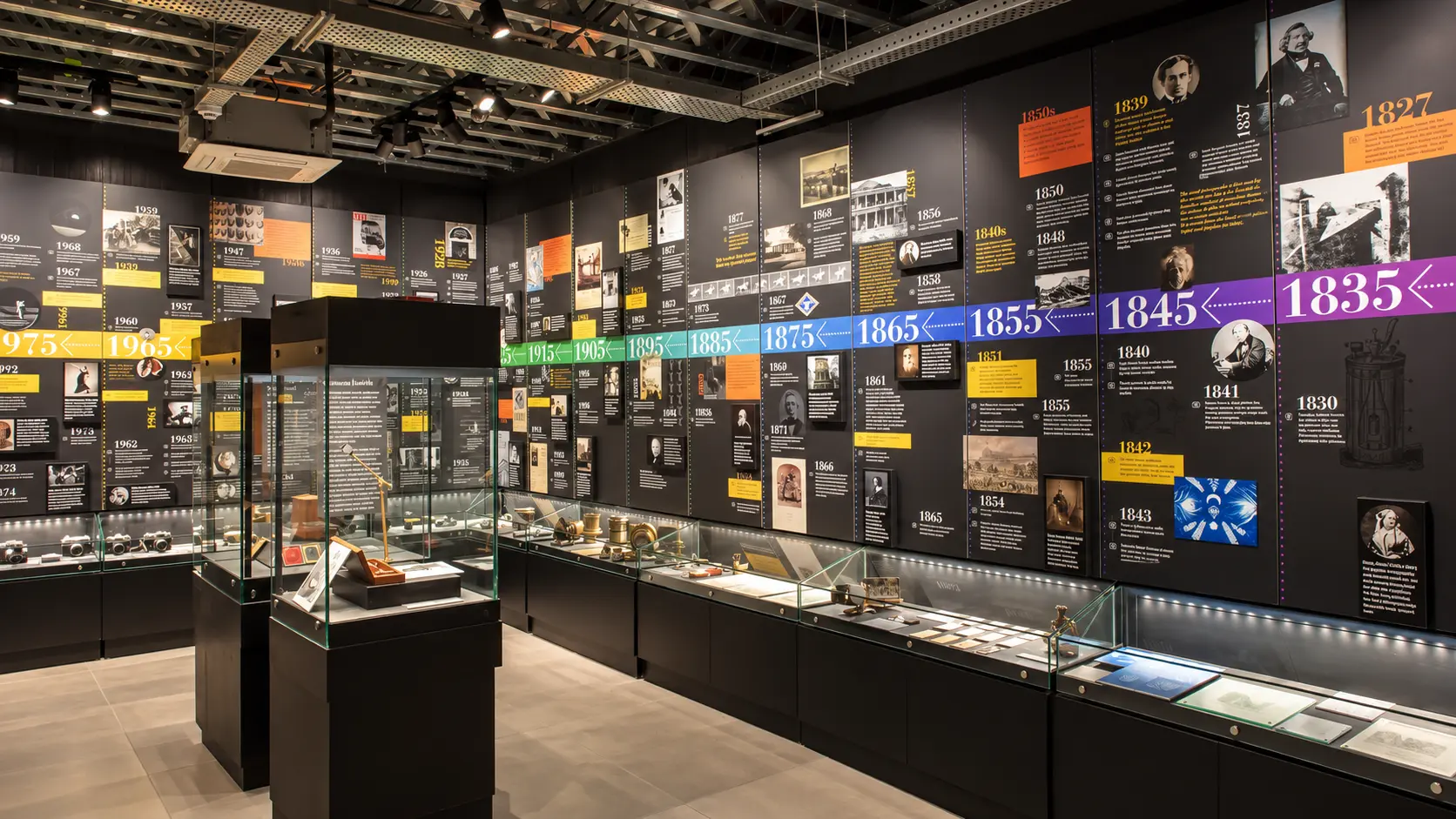
Inside its luminous galleries, visitors encounter an awe-inspiring permanent collection of more than 3,000 historical cameras, lenses, optical instruments, and photographic apparatus originating from over 100 countries, spanning more than 170 years of visual history from the 1850s to the dawn of the digital era. But Museo Camera is far more than a hardware repository. It is a living cultural sanctuary that safeguards the priceless Kulwant Roy Archive - rare visual records capturing the intimate, unposed history of the Indian independence movement - while simultaneously hosting vibrant rotating contemporary art exhibitions, analog chemical darkroom workshops, an intimate projection auditorium, and one of Delhi-NCR’s most beloved garden cafes, Fig at Museo. For anyone fascinated by the art, science, and historical power of the visual image, Museo Camera is an unmissable destination in the National Capital Region.
Start here. Open a tile for the full details.
Why goRead details
- Southeast Asia's Premier Photography Museum: Explore over 18,000 square feet of state-of-the-art gallery space dedicated to the history, art, and science of the photographic medium.
- Over 3,000 Antique Cameras & Optical Artifacts: Marvel at four decades of curatorial amassing, featuring 19th-century wooden bellows cameras, Daguerreotype kits, magic lanterns, and early camera obscuras.
- Iconic 20th-Century Precision Engineering: Examine historic Leica rangefinders, Rolleiflex twin-lens reflexes, Graflex press cameras, and Hasselblad medium format systems that defined photojournalism and space exploration.
- Espionage and Clandestine Cameras: Discover a fascinating array of Cold War-era spy cameras disguised as pocket watches, cigarette lighters, matchboxes, and concealed lapel buttons.
- The Historic Kulwant Roy Archive: Witness extraordinary, candid original negatives and silver-gelatin prints capturing Mahatma Gandhi, Jawaharlal Nehru, Sardar Patel, and the defining moments of Indian independence.
- Working Analog Darkroom & Educational Labs: Participate in hands-on alternative process printing workshops - from cyanotypes and gum bichromate to silver-gelatin developing.
- Fig at Museo Artisanal Dining: Unwind in an acclaimed sunlit garden cafe serving specialty artisanal coffees, slow-fermented sourdoughs, and farm-to-table brunch specialties.
- Universal Physical Accessibility: Experience a completely barrier-free modern building featuring smooth elevators, level walkways, and accessible amenities for all age groups.
When to visitRead details
Entry & permissionsRead details
Fees, visiting hours and entry rules may change. Confirm the latest details with the official operator or local authority before travelling.
Operating Schedule and Timings
- Weekly Schedule: Open from Tuesday through Sunday.
- Visiting Hours: 11:00 AM to 07:00 PM.
- Mandatory Weekly Closure: Closed every Monday for archival curation, gallery maintenance, and deep cleaning.
- Last Entry: Visitors are encouraged to arrive no later than 06:00 PM to ensure adequate time to tour the three gallery levels.
Admission Tariffs
- Indian Nationals & Resident Visitors: ₹200 per adult.
- Foreign Nationals & Non-Residents: ₹300 per adult.
- Children (under 10 years): Free admission.
- Audio Guide Device Rental: ₹150 per handset (provides detailed curatorial commentary in English on key camera displays and historical archives).
- Student & Educational Group Visits: Concession tickets (₹100 per person for government schools/colleges; ₹200 per person for private institutions) are available for organized student groups through prior email coordination (
contact@museocamera.org). - Payment Modes: The on-site reception counter accepts cash, major credit and debit cards, and UPI digital payments.
Photography and Filming Regulations
- Casual Smartphone Photography: Non-commercial personal photography using handheld mobile phones is permitted free of charge inside all regular permanent galleries. Visitors must ensure their camera flash is turned off at all times to prevent degradation of delicate historical photographs, silver prints, and vintage leather bellows.
- Prohibited Equipment: The use of tripods, monopods, gimbal stabilizers, selfie sticks, external lighting rigs, and professional DSLR/mirrorless video setups is prohibited during regular public hours to ensure open, safe pathways for all visitors.
- Commercial, Fashion & Brand Filming: Professional photoshoots, brand lookbooks, fashion editorial photography, and commercial video shoots require advance written authorization from museum administration and are subject to commercial facility booking fees.
Plan your visitRead details
Explore the full guide - choose a topic below.
Why visit?
Southeast Asia's Premier Photography Museum: Explore over 18,000 square feet of state-of-the-art gallery space…Explore detailsClose details
- Southeast Asia's Premier Photography Museum: Explore over 18,000 square feet of state-of-the-art gallery space dedicated to the history, art, and science of the photographic medium.
- Over 3,000 Antique Cameras & Optical Artifacts: Marvel at four decades of curatorial amassing, featuring 19th-century wooden bellows cameras, Daguerreotype kits, magic lanterns, and early camera obscuras.
- Iconic 20th-Century Precision Engineering: Examine historic Leica rangefinders, Rolleiflex twin-lens reflexes, Graflex press cameras, and Hasselblad medium format systems that defined photojournalism and space exploration.
- Espionage and Clandestine Cameras: Discover a fascinating array of Cold War-era spy cameras disguised as pocket watches, cigarette lighters, matchboxes, and concealed lapel buttons.
- The Historic Kulwant Roy Archive: Witness extraordinary, candid original negatives and silver-gelatin prints capturing Mahatma Gandhi, Jawaharlal Nehru, Sardar Patel, and the defining moments of Indian independence.
- Working Analog Darkroom & Educational Labs: Participate in hands-on alternative process printing workshops - from cyanotypes and gum bichromate to silver-gelatin developing.
- Fig at Museo Artisanal Dining: Unwind in an acclaimed sunlit garden cafe serving specialty artisanal coffees, slow-fermented sourdoughs, and farm-to-table brunch specialties.
- Universal Physical Accessibility: Experience a completely barrier-free modern building featuring smooth elevators, level walkways, and accessible amenities for all age groups.
What to expect
From the exterior, Museo Camera presents a bold, modern geometric presence featuring raw concrete finishes…Explore detailsClose details
The Architectural Vision and Three-Floor Design
From the exterior, Museo Camera presents a bold, modern geometric presence featuring raw concrete finishes, expansive glass fenestrations, and warm brickwork nestled within a quiet residential sector of Gurugram. Designed specifically to international archival standards, the interior is divided into three interconnected, climate-controlled levels:
- Ground Floor: Welcoming reception atrium, ticketing desk, museum souvenir gift shop, the main dining hall and outdoor courtyard of Fig at Museo, and the entrance to the multi-purpose audio-visual screening auditorium.
- First Floor: The heart of the permanent historical equipment collection, featuring thematic display pods for studio cameras, folding pocket cameras, aerial and military apparatus, and Cold War spy devices.
- Second Floor: The Kulwant Roy historical archive gallery, rotating contemporary photography and visual arts exhibition spaces, research reference library, and the chemical darkroom workshop laboratory.
The Permanent Collection: 170 Years of Photographic Evolution
The permanent equipment displays are thoughtfully curated chronologically and thematically, allowing visitors to comprehend how optical science democratized visual storytelling:
- 19th-Century Pioneers & Wooden Field Cameras: Handcrafted mahogany and walnut studio cameras with polished brass fittings, accordion-pleated leather bellows, and wet-plate collodion holders. Highlights include authentic early camera obscuras, stereoscopic viewers that brought three-dimensional imagery into Victorian parlors, and magic lantern glass slide projectors.
- The Era of Handheld Democratization: The revolution initiated by George Eastman and Kodak, illustrated by early folding Brownie cameras, wooden roll-film boxes, and the iconic vest-pocket cameras that accompanied soldiers into the trenches of the First World War.
- Photojournalism & 20th-Century Masters: Gleaming mechanical masterpieces that shaped modern documentary reporting - including pristine early screw-mount Leicas, robust Rolleiflex twin-lens reflex (TLR) cameras favored by fashion and street photographers, Graflex Speed Graphics favored by American press photographers, and Swedish Hasselblads celebrated for their optical perfection.
- Espionage, Subminiature & Novelty Cameras: A captivating section dedicated to clandestine surveillance. Visitors can inspect original Minox subminiature cameras utilized by Cold War intelligence agents, as well as ingenious cameras disguised as cigarette packets, fountain pens, pocketbooks, and wristwatches.
The Kulwant Roy Historical Freedom Archive
Among the museum’s greatest cultural treasures is the preserved photographic archive of Kulwant Roy (1914 - 1984), one of modern India's pioneering photojournalists. Discovered in neglected negative boxes decades after his passing and painstakingly cataloged and preserved by Aditya Arya, these images provide a rare, candid glimpse into the birth of modern India:
- Unposed Intimacy of Freedom Fighters: Photographs that bypass formal political iconography to show Mahatma Gandhi sharing a hearty laugh with Sardar Vallabhbhai Patel, Jawaharlal Nehru in intense discussions with Lord Mountbatten, Muhammad Ali Jinnah at key Muslim League conventions, and Dr. B.R. Ambedkar drafting national frameworks.
- The INA Trials and Partition Trauma: Riveting documentary images capturing the Red Fort trials of the Indian National Army (INA) and the historic, emotionally charged independence celebrations of August 1947.
Contemporary Visual Arts Galleries
Museo Camera devotes substantial second-floor gallery space to changing exhibitions of contemporary photography and visual arts. Rather than treating photography strictly as a historical artifact, the museum invites leading contemporary photographers, visual storytellers, and multidisciplinary artists from across India and around the globe to mount solo and thematic retrospectives. Exhibitions rotate every four to eight weeks, ensuring that repeat visitors always encounter fresh aesthetic perspectives.
The Working Analog Darkroom and Educational Programs
For photographic purists, students, and curious travelers, the museum operates a fully functional, climate-controlled chemical darkroom. The institution hosts regular weekend masterclasses in alternative photographic processes, including 19th-century cyanotype printing, van dyke brown prints, silver-halide film developing, and traditional darkroom enlarging. Visitors can watch demonstrations of how light striking silver salts produces permanent, tangible physical prints.
Fig at Museo: Culinary and Social Sanctuary
No visit to Museo Camera is complete without spending time at Fig at Museo, the on-site culinary venture created in collaboration with Delhi's acclaimed Fig & Maple. Bathed in natural northern light and surrounded by lush potted plants and outdoor patio tables, the cafe is renowned for:
- Artisanal single-origin pour-overs, iced cold brews, and botanical teas.
- Gourmet sourdough tartines, eggs benedict, vibrant microgreen salads, and wood-fired artisanal pizzas.
- A relaxed, creative ambiance that frequently attracts artists, writers, architects, and travelers engaging in long conversations.
Best time to visit
The autumn, winter, and early spring months from October through March represent the golden travel window for…Explore detailsClose details
Seasonal Window: October to March
The autumn, winter, and early spring months from October through March represent the golden travel window for visiting Museo Camera and exploring Gurugram:
- Pleasant Courtyard Dining: Mild afternoon temperatures (14°C to 24°C) make lingering on the outdoor garden terrace of Fig at Museo thoroughly delightful.
- Walking Friendly: DLF Phase IV features quiet, tree-lined residential avenues, allowing visitors to combine their museum visit with a leisurely stroll to nearby cafes, bookstores, or Galleria Market.
- Winter Exhibition Season: The museum schedules its most high-profile international exhibitions, visiting artist lectures, and darkroom workshops during this peak cultural season.
Summer Window: April to June
Summer in Gurugram brings intense daytime heat with temperatures often surpassing 42°C. However, because Museo Camera is an entirely indoor, climate-controlled facility with powerful institutional air conditioning, it serves as a wonderful cultural sanctuary during scorching summer afternoons. Visitors should plan on arriving between 11:30 AM and 03:30 PM to escape the midday heat in absolute comfort.
Monsoon Window: July to September
During the monsoon season, occasional heavy rains can cause localized road waterlogging along arterial routes in Gurugram such as the Delhi-Gurgaon Expressway and parts of Golf Course Road. However, the museum’s quiet residential neighborhood in DLF Phase IV remains accessible. The lush greenery surrounding the outdoor cafe patio looks exceptionally vibrant during drizzly monsoon afternoons.
How to reach
Museo Camera is situated on Shri Ganesh Mandir Marg in DLF Phase IV, Sector 28, Gurugram, Haryana (PIN 122002).Explore detailsClose details
Geographic Setting
Museo Camera is situated on Shri Ganesh Mandir Marg in DLF Phase IV, Sector 28, Gurugram, Haryana (PIN 122002). It is strategically positioned between the major arterial thoroughfares of Mehrauli-Gurgaon Road (MG Road) and Golf Course Road, making it easily accessible from all corners of the National Capital Region.
By Delhi Metro (Yellow Line)
Taking the Delhi Metro is one of the fastest, most reliable ways to avoid highway traffic congestion:
- IFFCO Chowk Metro Station: Located approximately 2.5 kilometers northwest of the museum. From the station exit, auto-rickshaws, e-rickshaws, and app-based cabs take approximately 8 to 10 minutes to reach Shri Ganesh Mandir Marg.
- Millennium City Centre (formerly HUDA City Centre): Located approximately 3 kilometers southwest. Auto-rickshaws are readily available outside the main gate for a 10-minute commute to the museum.
By Rapid Metro Gurgaon
For travelers already commuting along Golf Course Road or DLF Cyber City:
- Sector 42-43 Metro Station: Located approximately 1.5 kilometers south of the museum. A quick 5-minute auto-rickshaw or e-rickshaw ride brings you directly to the entrance gate.
- Phase 1 Metro Station: Located roughly 2 kilometers away along Golf Course Road.
By Private Car or App-Based Cab (Uber / Ola)
Driving to Museo Camera is very convenient, and app-based cabs readily service DLF Phase IV for both outbound arrivals and return departures:
- From Central Gurugram / Cyber Hub (~6.5 km, 15 to 20 min): Drive south along DLF Phase 2 or Golf Course Road, turn onto Hamilton Court Road toward DLF Phase IV, and follow Shri Ganesh Mandir Marg to the museum forecourt.
- From Central Delhi / Connaught Place (~30 km, 45 to 60 min): Take NH-48 or Mehrauli-Gurgaon Road southward through Dhaula Kuan or Mehrauli into Gurugram, turn off MG Road near Sikanderpur or IFFCO Chowk, and follow the residential avenue into DLF Phase IV.
- From Indira Gandhi International Airport (DEL) (~16 km, 25 to 35 min): Take NH-48 past the Sirhaule toll border, exit onto MG Road, and proceed into Sector 28.
- Parking Facilities: Museo Camera maintains an organized on-site surface parking lot for visitors and patrons, supplemented by quiet neighborhood street parking overseen by security attendants.
Entry, timings and permissions
Fees, visiting hours and entry rules may change.Explore detailsClose details
Fees, visiting hours and entry rules may change. Confirm the latest details with the official operator or local authority before travelling.
Operating Schedule and Timings
- Weekly Schedule: Open from Tuesday through Sunday.
- Visiting Hours: 11:00 AM to 07:00 PM.
- Mandatory Weekly Closure: Closed every Monday for archival curation, gallery maintenance, and deep cleaning.
- Last Entry: Visitors are encouraged to arrive no later than 06:00 PM to ensure adequate time to tour the three gallery levels.
Admission Tariffs
- Indian Nationals & Resident Visitors: ₹200 per adult.
- Foreign Nationals & Non-Residents: ₹300 per adult.
- Children (under 10 years): Free admission.
- Audio Guide Device Rental: ₹150 per handset (provides detailed curatorial commentary in English on key camera displays and historical archives).
- Student & Educational Group Visits: Concession tickets (₹100 per person for government schools/colleges; ₹200 per person for private institutions) are available for organized student groups through prior email coordination (
contact@museocamera.org). - Payment Modes: The on-site reception counter accepts cash, major credit and debit cards, and UPI digital payments.
Photography and Filming Regulations
- Casual Smartphone Photography: Non-commercial personal photography using handheld mobile phones is permitted free of charge inside all regular permanent galleries. Visitors must ensure their camera flash is turned off at all times to prevent degradation of delicate historical photographs, silver prints, and vintage leather bellows.
- Prohibited Equipment: The use of tripods, monopods, gimbal stabilizers, selfie sticks, external lighting rigs, and professional DSLR/mirrorless video setups is prohibited during regular public hours to ensure open, safe pathways for all visitors.
- Commercial, Fashion & Brand Filming: Professional photoshoots, brand lookbooks, fashion editorial photography, and commercial video shoots require advance written authorization from museum administration and are subject to commercial facility booking fees.
Nearby places to consider
DLF Cyber Hub (~6.5 km north via Cyber City): The National Capital Region’s premier open-air pedestrian dining…Explore detailsClose details
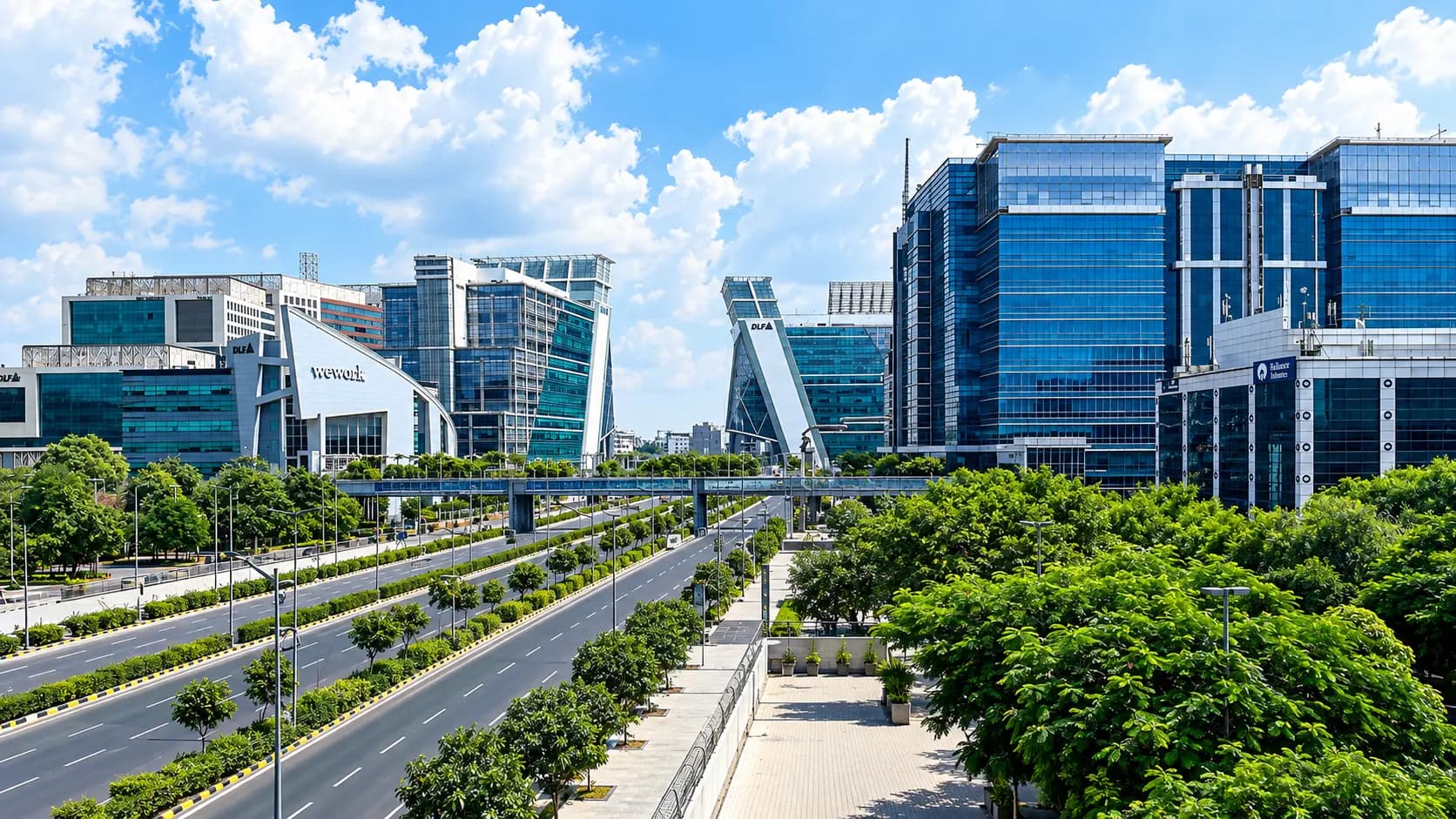
- DLF Cyber Hub (~6.5 km north via Cyber City): The National Capital Region’s premier open-air pedestrian dining and entertainment boulevard, featuring over 80 world-class restaurants, artisanal gastropubs, craft microbreweries, and an outdoor amphitheatre.
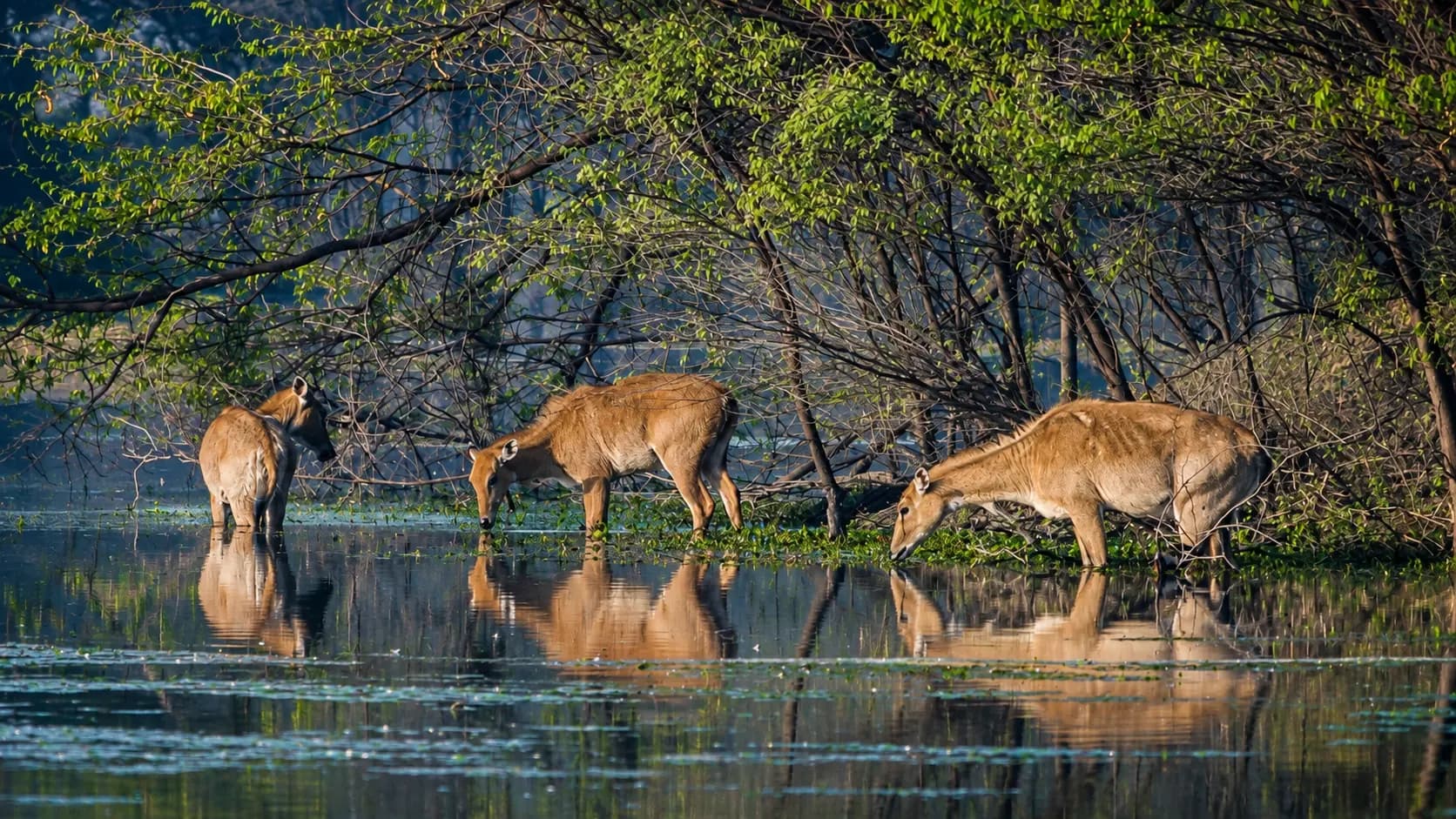
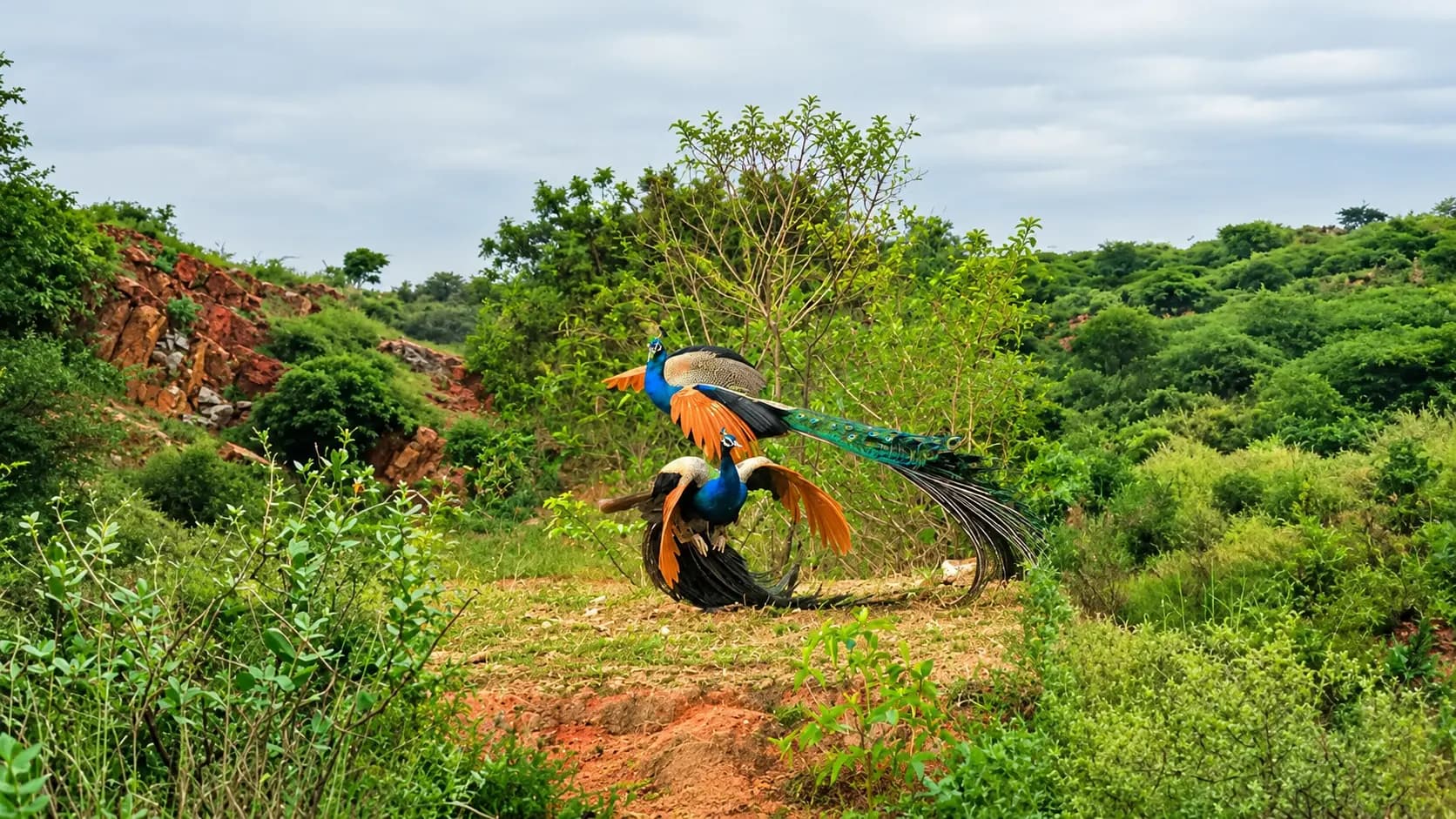
- Aravalli Biodiversity Park Gurugram (~4.5 km northwest near Sikanderpur/MG Road): A massive, 392-acre restored ecological wilderness carved out of former stone quarries, showcasing indigenous native forest species, four nature trails, and over 200 species of resident and migratory birds.
- Galleria Market DLF Phase IV (~1.2 km north): One of Gurugram’s most vibrant open-air shopping precincts, renowned for its fountain plaza, artisanal bakeries, boutique retail stores, and popular neighborhood cafes.
- Heritage Transport Museum (~42 km southwest in Tauru, off NH-48): For travelers who love specialized, world-class museums, this landmark institution spans over 90,000 square feet across four floors, showcasing over 75 vintage cars, a 1930s royal railway saloon, and historic aviation conveyances.
- Sultanpur National Park (~24 km northwest via Basai Road): A world-renowned Ramsar wetland sanctuary that attracts tens of thousands of migratory waterfowl, flamingos, pelicans, and raptors during the winter season.
In pictures
The practical bits
Before you go.
Recommended Time Commitment
Plan to spend at least 2.5 to 3.5 hours at the complex.Explore detailsClose details
Plan to spend at least 2.5 to 3.5 hours at the complex. Between carefully examining the intricate mechanical details of 3,000 vintage cameras across three floors, reading the compelling historical narratives of the Kulwant Roy freedom archive, and taking a leisurely coffee or meal break at Fig at Museo, the experience should not be rushed.
Combining Culture and Gastronomy
To experience the venue at its best, plan an arrival around 11:30 AM.Explore detailsClose details
To experience the venue at its best, plan an arrival around 11:30 AM. Spend 90 minutes exploring the permanent camera collection and contemporary galleries on the upper floors, then descend to Fig at Museo for a relaxing 1:00 PM lunch or specialty coffee break, followed by a stroll through the souvenir gift shop and auditorium.
Audio Guide Experience
Confirm the current charge and what it includes with the operator or service provider.Explore detailsClose details
Confirm the current charge and what it includes with the operator or service provider. Visitor admission, vehicles, parking, activities and accommodation can have separate charges. The narrative provides rich context regarding the technological milestones behind individual rare cameras, the geopolitical espionage stories behind Cold War devices, and the historical background of unposed freedom struggle photographs.
Workshop and Event Inquiries
If you are interested in attending an analog darkroom printing workshop, cyanotype masterclass, or curatorial…Explore detailsClose details
If you are interested in attending an analog darkroom printing workshop, cyanotype masterclass, or curatorial walk with founder Aditya Arya, check the museum’s official website (museocamera.org/events) or Instagram handle prior to your visit, as weekend workshops require advance registration.
A few things you might wonder
Common questions about visiting Museo Camera. Fees, visiting hours and ceremonies are researched details that may change; confirm current arrangements with the operator before travelling.
Is Museo Camera open on Mondays?
What is the ticket price for visiting Museo Camera?
Who founded Museo Camera and who manages it?
How many cameras are on display at Museo Camera?
Is Museo Camera accessible for wheelchair users and elderly visitors?
Is flash photography allowed inside the exhibition galleries?
Can I visit the on-site cafe without buying a museum ticket?
How do I get to Museo Camera by metro from Delhi?
Explore more in Gurugram
Discover other destinations around this hub
More Hubs in Delhi Ncr
Continue exploring other travel hubs in this state
Planning a trip to Gurugram?