Heritage Transport Museum
Plan your trip to India's premier transport museum in Tauru off NH-48.
Location
Gurugram, Delhi NCR
A closer look
Your visit, at a glance.
Gurugram, Delhi Ncr
GET TO KNOW THE PLACE
Few cultural institutions in South Asia match the architectural poise, curatorial rigor, and narrative ambition of the Heritage Transport Museum.
The story of Heritage Transport Museum
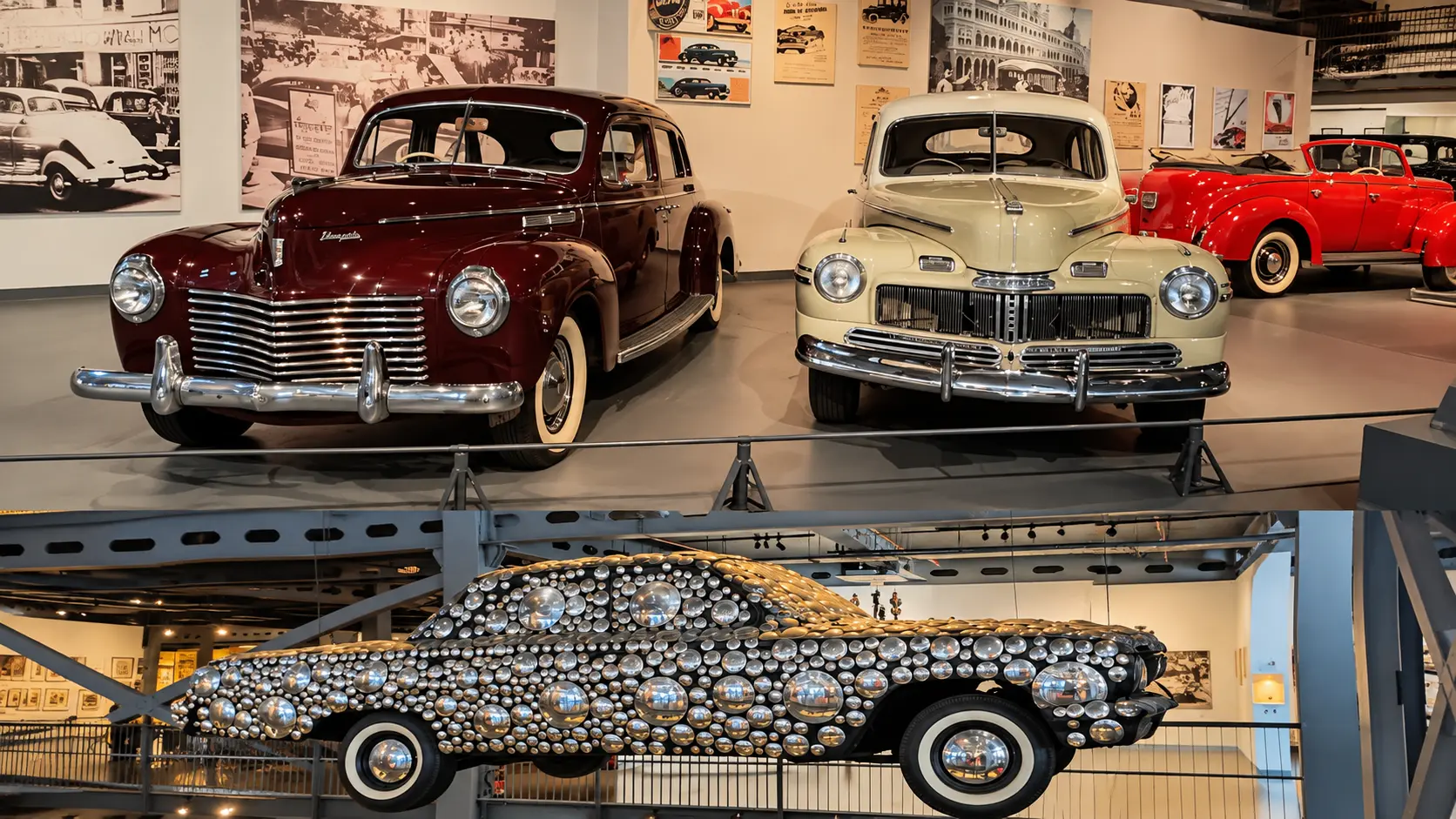
Few cultural institutions in South Asia match the architectural poise, curatorial rigor, and narrative ambition of the Heritage Transport Museum. Spread across a purpose-built, three-acre campus nestled in the rural fringe of Tauru off the Delhi - Jaipur Expressway (NH-48), this museum represents India’s first comprehensive private repository dedicated solely to documenting the history and evolution of human mobility across the subcontinent. Conceived and amassed by collector and hospitality leader Tarun Thakral and opened to the public in December 2013 under the stewardship of the Heritage Transportation Trust, the facility transforms what might have been an eccentric private collection into an international-standard educational institution.
Stepping through its monumental portal reveals a multi-tiered atrium bathed in diffused skylight, where an original 1940s Piper J-3 Cub two-seater monoplane hangs suspended above a sunlit expanse of polished concrete floors. Spanning four fully air-conditioned, interconnected exhibition floors that cover more than 90,000 square feet, the museum displays over 2,500 individual historical objects. These are not merely parked cars arranged behind velvet ropes; they are embedded in vibrant, painstakingly detailed historical contexts. Visitors navigate life-sized recreations of vintage Indian petrol filling stations complete with 1940s cast-iron Bowser fuel pumps, authentic period enamel signboards, an evocative 1930s railway platform setting complete with a restored teakwood Bombay, Baroda & Central India (BB&CI) passenger saloon carriage, and immersive gallery wings examining how transport shaped rural livelihoods, royal pageantry, military campaigns, and popular cinema.
For travelers, design lovers, automobile purists, and families visiting the National Capital Region (Delhi NCR), the museum provides a refreshing, contemplative contrast to the urban velocity of Gurugram and New Delhi. It is an exceptional day-trip destination that speaks equally to gearheads marveling at a 1924 Ford Model T or a 1935 Chevrolet phaeton, historians deciphering early 20th-century road maps and locomotive route schedules, and art aficionados admiring thousands of hand-painted Bollywood film posters and transport-inspired folk tapestries. Every square meter demonstrates exceptional custodial care, museum-grade climate control, clean sightlines, and bilingual educational placards that explain not just what an object is, but how it changed the fabric of Indian life.
Start here. Open a tile for the full details.
Why goRead details
- India's First Comprehensive Transport Museum: Explore over 90,000 square feet of world-class, purpose-built gallery space dedicated exclusively to the history of transport across the Indian subcontinent.
- Over 75 Restored Vintage and Classic Automobiles: Marvel at an extraordinary automotive collection spanning seven decades, from a 1924 Ford Model T tourer to stately 1930s Buicks, Cadillacs, Austins, and iconic post-independence Hindustan Ambassadors.
- The Suspended 1940s Piper J-3 Cub Aircraft: Stand beneath the yellow wings of an authentic two-seater monoplane suspended gracefully in the central glass-roofed atrium.
- The 1930s BB&CI Royal Railway Saloon: Walk alongside an authentic, fully restored timber passenger saloon carriage from the Bombay, Baroda & Central India Railway parked beside a life-sized colonial-era station platform.
- Vernacular and Indigenous Conveyances: Witness ingenious rural Indian transport inventions, including the pump-engine jugaad, the vibrant Saurashtrian chhakda, Old Delhi phut-phuts, and ornate royal palanquins.
- Nostalgic Pop Culture & Cinema Memorabilia: Examine over 1,000 vintage transport-themed Bollywood film posters, lithographs, enamel roadside advertising signs, and rare tin mechanical toys.
- Complete Universal Accessibility: Enjoy a modern, fully barrier-free cultural space equipped with elevators, wide ramps, and air-conditioned lounges suitable for all ages.
When to visitRead details
Entry & permissionsRead details
Fees, visiting hours and entry rules may change. Confirm the latest details with the official operator or local authority before travelling.
Operating Schedule and Timings
- Weekly Schedule: Open from Tuesday through Sunday.
- Visiting Hours: 10:00 AM to 07:00 PM (Last entry tickets are generally issued by 06:00 PM to allow visitors adequate time to tour the four levels).
- Mandatory Weekly Closure: Closed every Monday for facility maintenance, exhibit cleaning, and technical restoration.
- National Holidays: The museum is occasionally closed on major national holidays such as Republic Day (January 26), Independence Day (August 15), and Gandhi Jayanti (October 2). Visitors planning trips around these holidays should verify opening status on the official website beforehand.
Admission Tariffs
The Heritage Transportation Trust maintains transparent and equitable entry charges:
- General Adult Ticket (Single Day): ₹500 per person.
- Children (under 12 years): ₹250 per child.
- Students (with valid educational institution ID card): ₹250 per student.
- Differently-Abled Visitors: Free admission, and one accompanying caregiver is also granted complimentary entry.
- Infants and Toddlers (under 3 years): Free admission.
- Ticketing Desks & Online Booking: Tickets can be purchased directly at the on-site ticketing counter located at the reception lobby upon arrival (cash, credit/debit cards, and UPI payments are accepted). Tickets may also be reserved online via the museum’s official web portal (
heritagetransportmuseum.org).
Photography and Filming Regulations
- Handheld Non-Commercial Photography: Casual photography using personal mobile phones or amateur compact digital cameras is permitted free of extra charge throughout all regular exhibition galleries. Visitors are strictly prohibited from touching the exhibits, opening car doors, or crossing protective rope barriers.
- Flash Photography: Flash photography is discouraged in galleries displaying delicate archival papers, textiles, and early cinema lithographs to protect sensitive organic dyes.
- Tripods, Monopods, and Gimbal Rigs: The use of tripods, lighting reflectors, external boom microphones, and stabilizers is prohibited during general visiting hours to maintain open visitor walkways and preserve gallery safety.
- Commercial, Fashion, and Pre-Wedding Shoots: Editorial photography, fashion shoots, music video filming, pre-wedding photoshoots, and corporate productions require prior written permission from museum administration and are subject to specialized commercial facility fee packages.
Plan your visitRead details
Mobility and Accessibility
The museum is one of the most physically accessible cultural venues in northern India. All four exhibition levels are interconnected by broad, gentle ramps as well as modern passenger elevators capable of accommodating motorized and manual wheelchairs. Restrooms equipped with accessible support bars are available on multiple levels, and wide, unobstructed gallery aisles make navigation effortless for senior citizens and parents with strollers.
Explore the full guide - choose a topic below.
Why visit?
India's First Comprehensive Transport Museum: Explore over 90,000 square feet of world-class, purpose-built…Explore detailsClose details
- India's First Comprehensive Transport Museum: Explore over 90,000 square feet of world-class, purpose-built gallery space dedicated exclusively to the history of transport across the Indian subcontinent.
- Over 75 Restored Vintage and Classic Automobiles: Marvel at an extraordinary automotive collection spanning seven decades, from a 1924 Ford Model T tourer to stately 1930s Buicks, Cadillacs, Austins, and iconic post-independence Hindustan Ambassadors.
- The Suspended 1940s Piper J-3 Cub Aircraft: Stand beneath the yellow wings of an authentic two-seater monoplane suspended gracefully in the central glass-roofed atrium.
- The 1930s BB&CI Royal Railway Saloon: Walk alongside an authentic, fully restored timber passenger saloon carriage from the Bombay, Baroda & Central India Railway parked beside a life-sized colonial-era station platform.
- Vernacular and Indigenous Conveyances: Witness ingenious rural Indian transport inventions, including the pump-engine jugaad, the vibrant Saurashtrian chhakda, Old Delhi phut-phuts, and ornate royal palanquins.
- Nostalgic Pop Culture & Cinema Memorabilia: Examine over 1,000 vintage transport-themed Bollywood film posters, lithographs, enamel roadside advertising signs, and rare tin mechanical toys.
- Complete Universal Accessibility: Enjoy a modern, fully barrier-free cultural space equipped with elevators, wide ramps, and air-conditioned lounges suitable for all ages.
What to expect
Your exploration begins in the central vertical atrium that anchors the museum's layout.Explore detailsClose details
The Grand Central Atrium and Aviation Gallery
Your exploration begins in the central vertical atrium that anchors the museum's layout. Natural daylight filters through roof clerestories, illuminating suspended architectural bridges and the yellow fuselage of a 1940s Piper J-3 Cub aircraft hanging gracefully overhead. Surrounding the perimeter of the atrium floor are early mechanical conveyances, aeronautical navigation instruments, vintage propellers, flight logbooks, and scale models tracing the formative years of aviation across the Indian subcontinent - from the pioneering airmail flights of J.R.D. Tata to the historic air routes that stitched remote princely states to British Indian presidencies.
The Vintage and Classic Automobile Galleries
Occupying expansive ground- and lower-level halls, the automobile collection features more than 75 meticulously restored vintage, classic, and post-war motor cars dating from the 1920s through the 1970s. The vehicles trace the socio-economic evolution of the motor car in India:
- Pre-War Elegance & Pioneer Motoring: A 1924 Ford Model T tourer with wooden spoked wheels, alongside gleaming 1930s sedans and phaetons by Chevrolet, Buick, Cadillac, Austin, and Morris that once traversed the Grand Trunk Road and served royal residences.
- The Post-Independence Indian Motoring Era: An affectionate, exhaustive retrospective on the machines that mobilized modern India following independence - including early models of the Hindustan Ambassador (the indomitable ruler of Indian administrative transit), Premier Padminis (derived from the Fiat 1100 Delight), Standard Heralds, and the quirky Contessa.
- The Thematic Garage and Petrol Station Vignettes: Rather than sterile display plinths, cars are presented alongside period-correct garage dioramas equipped with mid-century mechanical jacks, spark plug testers, grease canisters, brass oil cans, and porcelain-enamel advertising signs for Burmah-Shell, Caltex, Mobilgas, and Esso.
The Historic Railways Pavilion and Royal Carriage
A centerpiece of the museum’s lower level is its full-scale recreation of a colonial-era railway station. Visitors step onto an authentic bricked railway platform equipped with cast-iron benches, mechanical semaphore signal levers, kerosene railway lamps, bronze locomotive bells, a platform ticket booth, and ticking stationmaster clocks.
- The BB&CI Railway Saloon: Stationary alongside the reconstructed platform stands an original, fully preserved 1930s timber-framed passenger saloon carriage from the Bombay, Baroda & Central India (BB&CI) Railway. Visitors can peer inside the private royal compartment to view intricate wood-inlaid paneling, brass fittings, velvet-upholstered berths, personal writing desks, and period washroom fittings that once conveyed railway executives and royalty across western India.
- Railway Memorabilia: Glass display cabinets house miniature brass working models of steam locomotives, antique brass ticket punchers, embossed leather ticket ledgers, system route maps, and operational telegraph apparatus from the Great Indian Peninsula Railway (GIPR) and East Indian Railway (EIR).
Pre-Mechanized, Indigenous, and Rural Conveyances
The museum pays deep curatorial respect to the inventive vernacular conveyances that predate the internal combustion engine or adapted it to the exigencies of rural survival:
- Palanquins, Howdahs, and Royal Carts: Richly carved wooden palkis used for ceremonial processions, intricately carved bridal litters, an imposing silver-embossed elephant howdah, and decorated wooden bullock carts from Rajasthan and Gujarat.
- Vernacular Indian Motorized Inventions: Fascinating working examples of homegrown rural utility vehicles, including the legendary jugaad (a pump-engine-powered utility truck assembled from agricultural irrigation motors and chassis scraps), the colorful Saurashtrian chhakda (a heavy front motorcycle frame mated to a wooden cargo trailer), and early Delhi phut-phuts (converted post-war Harley-Davidson motorcycles repurposed into seven-seater passenger three-wheelers).
- Two-Wheelers and Three-Wheelers: An exhaustive timeline of two-wheeled mobility that powered the Indian middle class - from early mopeds, Suvegas, and autocycles to Lambretta and Vespa scooters, Rajdoot runabouts (including the iconic Bobby GTS 175), Jawa and Yezdi motorcycles, and early Royal Enfield Bullet iterations.
Maritime Gallery, Transport Toys, and Pop Culture Archival Wing
- Maritime Heritage: The nautical section features traditional carved wooden fishing catamarans, miniature models of historical ocean-going merchant vessels, antique brass compasses, sextants, diving helmets, and ship steering wheels.
- Tin Toys and Scale Models: A joyful curatorial wing featuring hundreds of rare, lithographed tin toy cars, wind-up buses, mechanical trains, pedal cars, and scale die-cast models dating from the 1920s to the 1970s.
- Bollywood & Ephemera: Over 1,000 vintage Indian cinematic movie posters, hand-painted cinema banners, early transit maps, and retro travel advertisements that highlight how bicycles, tongas, roadsters, trucks, and trains served as pivotal narrative motifs in Indian storytelling.
Best time to visit
Because the entire museum facility - including all four exhibition floors, the central atrium, cafeteria, and…Explore detailsClose details
Seasonal Window: October to March
Because the entire museum facility - including all four exhibition floors, the central atrium, cafeteria, and gift shop - is completely enclosed and equipped with central air conditioning, the interior galleries remain thermally comfortable 365 days a year. However, visiting during the cooler autumn, winter, and early spring months from October through March provides the most pleasant overall travel experience.
- Driving Comfort: The 40- to 75-kilometer drive from Gurugram or Central Delhi along the Delhi-Jaipur Expressway (NH-48) is substantially more enjoyable during clear, cool winter mornings.
- Outdoor Strolls & Courtyards: Pleasant ambient temperatures (12°C to 25°C) allow visitors to wander leisurely around the exterior sculpture gardens, outdoor courtyard installations, and landscaped vehicle parking lawns without encountering scorching northern plains heat.
- Winter Fog Considerations: During late December and January, dense early-morning radiation fog frequently settles over the agricultural plains of Nuh and the NH-48 corridor. It is prudent on winter days to depart Delhi or Gurugram after 09:30 AM once sun burning clears the fog, ensuring a safe, stress-free highway drive to Tauru.
Summer Considerations: April to June
Summer temperatures in the surrounding Aravalli foothills can soar above 42°C to 45°C. While the indoor museum remains a cool, climate-controlled sanctuary during peak midday heat, visitors should ensure their private vehicles have reliable air conditioning, carry ample drinking water for the highway journey, and plan their arrival to minimize prolonged exposure in open parking areas.
Monsoon Months: July to September
The monsoon brings fresh greenery to the semi-arid Aravalli hills bordering the Bilaspur-Taoru road. The drive through rural farmland is visually picturesque; however, sudden torrential downpours can cause waterlogging and slow-moving freight truck congestion around Bilaspur Chowk and the Manesar industrial belt on NH-48. Monitoring local traffic updates before hitting the highway is highly recommended during intense rainy days.
How to reach
The Heritage Transport Museum is situated along the Bilaspur-Taoru Road (Major District Road 132) in Tauru…Explore detailsClose details
Geographic Positioning and District Border
The Heritage Transport Museum is situated along the Bilaspur-Taoru Road (Major District Road 132) in Tauru (Taoru), administrative district of Nuh (formerly Mewat), Haryana, PIN 122105. It lies approximately 7.4 kilometers south of the Bilaspur Chowk flyover exit on National Highway 48 (NH-48, the Delhi-Gurugram-Jaipur Expressway). Because Tauru borders the southern tip of Gurugram district, travel itineraries universally cluster it under the Gurugram/NCR cultural perimeter.
By Private Car or Personal Two-Wheeler (Recommended)
Driving by private vehicle or rental car provides the highest degree of autonomy and convenience.
- From Central Delhi / Connaught Place (~75 km, 1 hr 45 min to 2 hr): Follow Dhaula Kuan onto NH-48 past Indira Gandhi International Airport, traverse the Gurugram toll gate, continue along the elevated expressway through Rajiv Chowk, Kherki Daula, and Manesar, continuing until you reach the Bilaspur Chowk flyover (approx. 67 km from Delhi). Take the service lane before the flyover, turn left (southward) under the flyover onto the Bilaspur-Taoru Road (MDR 132), and drive straight for 7.4 kilometers. The prominent entrance gate of the museum will appear on your left.
- From Central Gurugram / Cyber Hub / IFFCO Chowk (~42 km, 50 to 65 min): Head south along NH-48 past Manesar. Pass the industrial townships until Bilaspur Chowk, take the left exit onto MDR 132, and follow the road south for 7.4 km.
- Road Quality: NH-48 is a multi-lane expressway, while MDR 132 between Bilaspur Chowk and the museum is a paved two-lane district arterial road carrying mixed local traffic, tractors, and school buses. It is fully motorable for all passenger vehicles.
By Hired Taxi / App-Based Cabs (Critical Return Strategy)
- Outbound Journey: Booking an app-based cab (Uber or Ola) from Delhi, Gurugram, or Faridabad to the museum gate is straightforward. Drivers readily accept outbound fares heading along the highway.
- Return Caution: Do not rely on booking a fresh one-way app cab from the museum for your return journey. Because the museum is located in a rural tract of Tauru outside dense app-cab coverage zones, on-demand cabs are rarely available nearby, and drivers summoned from Manesar or Dharuhera frequently cancel.
- Best Practice: Book an app cab on a dedicated round-trip rental package (e.g., 6 hours / 80 km or 8 hours / 100 km) so the driver waits in the museum's paved parking lot, or hire an authorized chauffeur-driven taxi for the full day from your hotel or residence.
By Delhi Metro & Connecting Transport
- Nearest Metro Station: The nearest rapid transit connection is Millennium City Centre (formerly HUDA City Centre) on the Delhi Metro Yellow Line, approximately 42 kilometers north of the museum.
- Transfer Connection: From Millennium City Centre Metro Station, you can hire a pre-booked local cab or taxi directly to the museum. Taking an auto-rickshaw all the way to Tauru is neither comfortable nor economical due to the 40-plus-kilometer highway distance.
By Indian Railways
- Local Railhead: The closest local railway station is Pataudi Road (PTRD), located roughly 28 kilometers to the northwest; however, train frequencies are limited primarily to regional passenger shuttles.
- Major Terminals: Gurugram Railway Station (GGN) is situated approximately 45 kilometers north, while New Delhi Railway Station (NDLS) and Hazrat Nizamuddin (NZM) are 75 to 80 kilometers distant. Visitors arriving by train in New Delhi or Gurugram should transfer to road transport or metro to reach the museum.
By Air
- Indira Gandhi International Airport (DEL): Located along NH-48 approximately 55 kilometers north of the museum. Depending on highway traffic density, the taxi journey from Terminal 3 takes roughly 1 hour 10 minutes to 1 hour 30 minutes.
Entry, timings and permissions
Fees, visiting hours and entry rules may change.Explore detailsClose details
Fees, visiting hours and entry rules may change. Confirm the latest details with the official operator or local authority before travelling.
Operating Schedule and Timings
- Weekly Schedule: Open from Tuesday through Sunday.
- Visiting Hours: 10:00 AM to 07:00 PM (Last entry tickets are generally issued by 06:00 PM to allow visitors adequate time to tour the four levels).
- Mandatory Weekly Closure: Closed every Monday for facility maintenance, exhibit cleaning, and technical restoration.
- National Holidays: The museum is occasionally closed on major national holidays such as Republic Day (January 26), Independence Day (August 15), and Gandhi Jayanti (October 2). Visitors planning trips around these holidays should verify opening status on the official website beforehand.
Admission Tariffs
The Heritage Transportation Trust maintains transparent and equitable entry charges:
- General Adult Ticket (Single Day): ₹500 per person.
- Children (under 12 years): ₹250 per child.
- Students (with valid educational institution ID card): ₹250 per student.
- Differently-Abled Visitors: Free admission, and one accompanying caregiver is also granted complimentary entry.
- Infants and Toddlers (under 3 years): Free admission.
- Ticketing Desks & Online Booking: Tickets can be purchased directly at the on-site ticketing counter located at the reception lobby upon arrival (cash, credit/debit cards, and UPI payments are accepted). Tickets may also be reserved online via the museum’s official web portal (
heritagetransportmuseum.org).
Photography and Filming Regulations
- Handheld Non-Commercial Photography: Casual photography using personal mobile phones or amateur compact digital cameras is permitted free of extra charge throughout all regular exhibition galleries. Visitors are strictly prohibited from touching the exhibits, opening car doors, or crossing protective rope barriers.
- Flash Photography: Flash photography is discouraged in galleries displaying delicate archival papers, textiles, and early cinema lithographs to protect sensitive organic dyes.
- Tripods, Monopods, and Gimbal Rigs: The use of tripods, lighting reflectors, external boom microphones, and stabilizers is prohibited during general visiting hours to maintain open visitor walkways and preserve gallery safety.
- Commercial, Fashion, and Pre-Wedding Shoots: Editorial photography, fashion shoots, music video filming, pre-wedding photoshoots, and corporate productions require prior written permission from museum administration and are subject to specialized commercial facility fee packages.
Nearby places to consider
Sultanpur National Park (~36 km north via Pataudi/Farrukhnagar roads or NH-48): One of northern India’s most…Explore detailsClose details
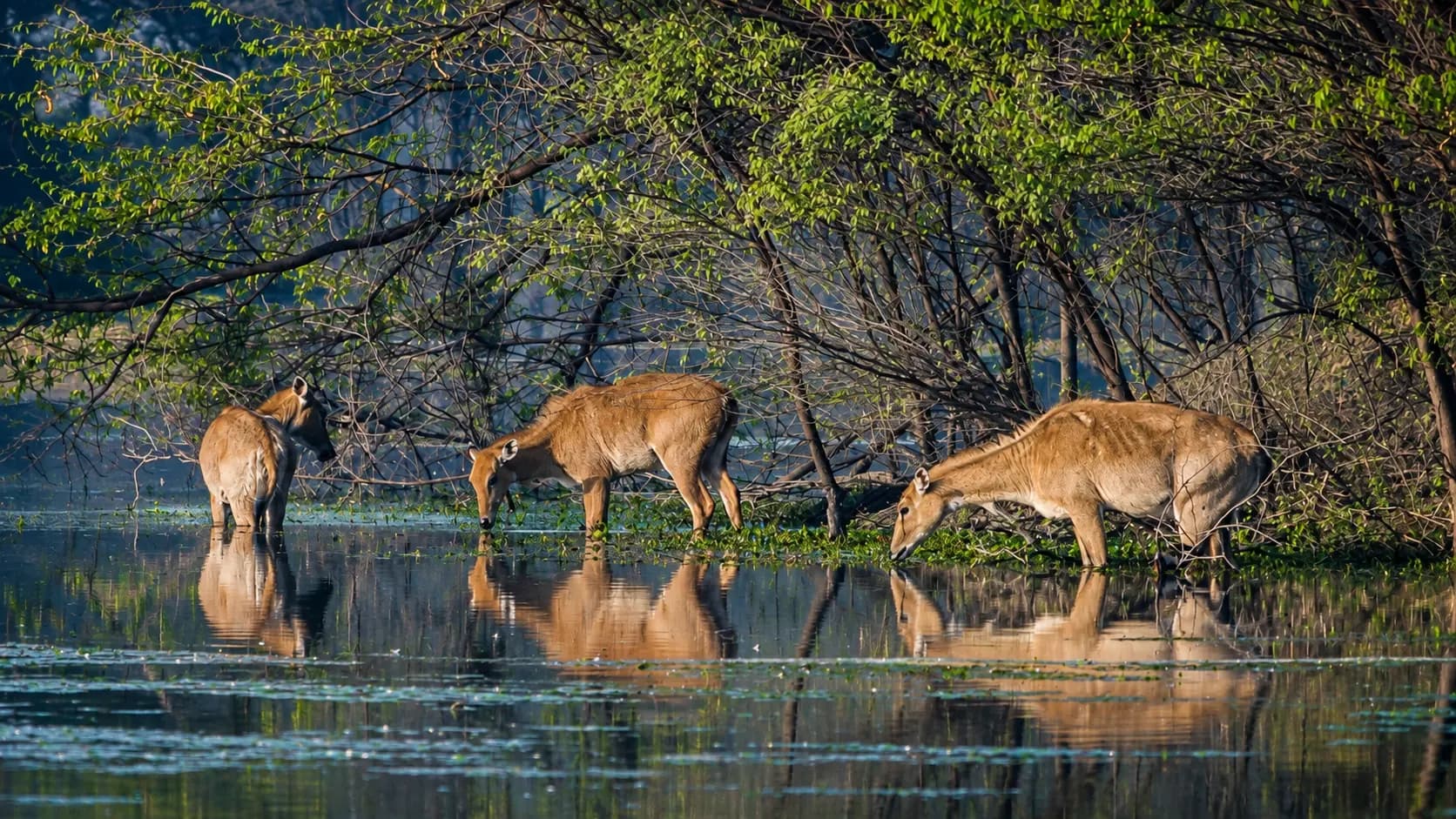
- Sultanpur National Park (~36 km north via Pataudi/Farrukhnagar roads or NH-48): One of northern India’s most celebrated Ramsar wetland sanctuaries. During the winter migratory bird season from November to February, thousands of aquatic birds - including bar-headed geese, pelicans, northern pintails, and flamingos - congregate across the freshwater marshes. It pairs wonderfully with a morning birdwatching session followed by an afternoon at the transport museum.
- NeverEnuf Garden Railway (~28 km north off NH-48 near Manesar): Check the current visiting hours and permitted access with the site operator before departure; ceremonies, closures and visitor sessions can affect access. Visitable on select weekends with advance reservation, it provides a whimsical mechanical complement for model train lovers.
- Pataudi Palace (~24 km northwest via Tauru-Pataudi Road): The ancestral seat of the Pataudi nawabs, designed in the 1930s by Robert Tor Russell in the grand Neoclassical and colonial style. While the interior palace is a private estate, the surrounding historic township of Pataudi and its colonial architectural heritage offer an interesting heritage detour.
- Aravalli Retreats and Golf Clubs (15 to 25 km radius): The quiet rural corridor surrounding Tauru and Manesar hosts premier recreational retreats and championship golf destinations, including the ITC Grand Bharat, Classic Golf & Country Club, and Lemon Tree Tarudhan Valley, making the area an appealing weekend leisure escape.
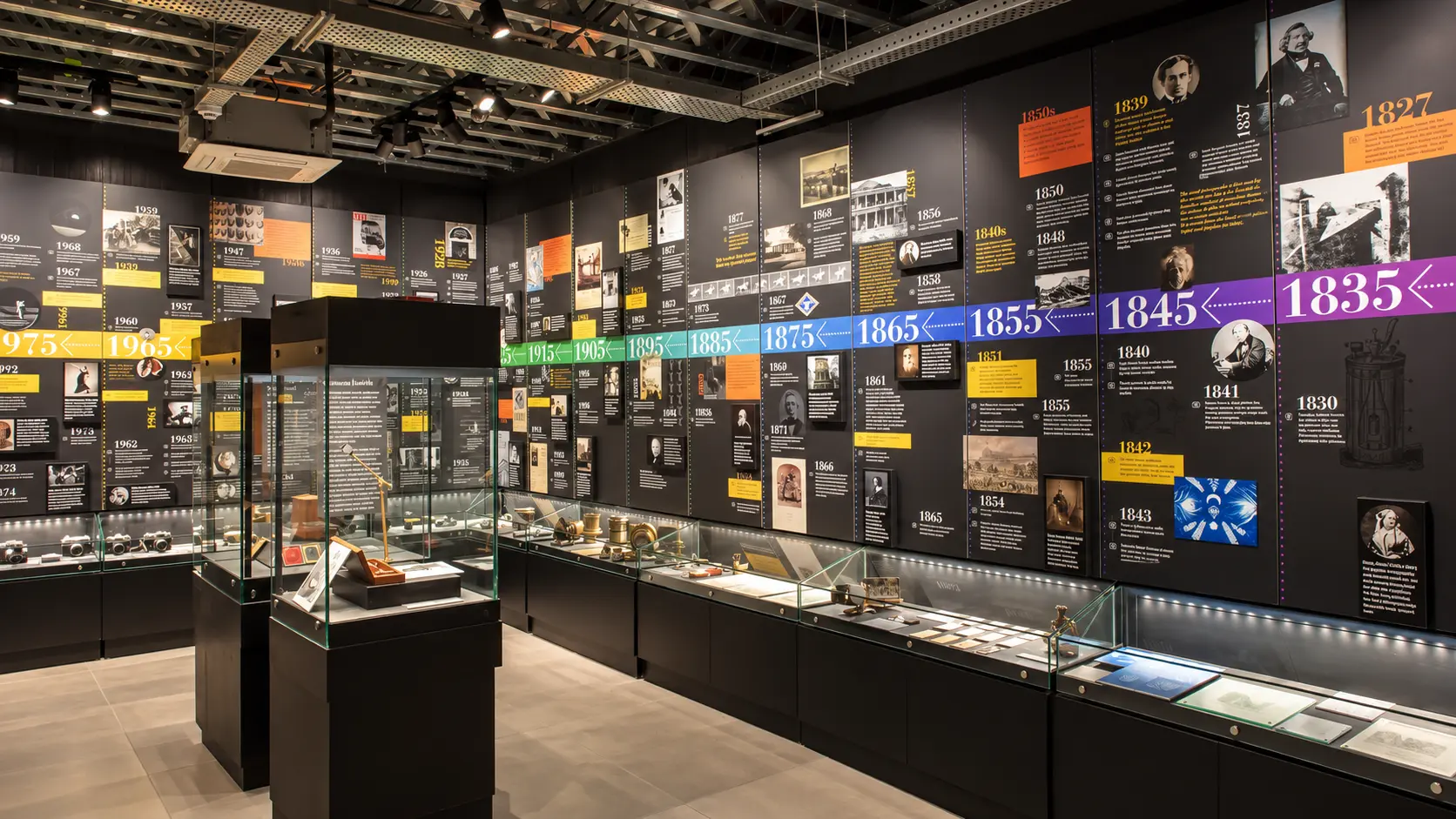
- Museo Camera Gurugram (~45 km northeast in DLF Phase 4, Gurugram): For visitors who appreciate specialized, world-class museum curation, this premier photography museum in central Gurugram houses over a century of vintage cameras, photographic equipment, and contemporary visual arts galleries.
In pictures
The practical bits
Before you go.
Duration Strategy
Allocate a minimum of 3 to 4 full hours inside the museum complex to experience all four exhibition floors…Explore detailsClose details
Allocate a minimum of 3 to 4 full hours inside the museum complex to experience all four exhibition floors without rushing. Between the vintage car halls, railway saloon platform, cinema archive, and indigenous transport wing, there are over 2,500 objects to absorb, each accompanied by detailed curatorial signage.
Mobility and Accessibility
The museum is one of the most physically accessible cultural venues in northern India.Explore detailsClose details
The museum is one of the most physically accessible cultural venues in northern India. All four exhibition levels are interconnected by broad, gentle ramps as well as modern passenger elevators capable of accommodating motorized and manual wheelchairs. Restrooms equipped with accessible support bars are available on multiple levels, and wide, unobstructed gallery aisles make navigation effortless for senior citizens and parents with strollers.
Dining and Refreshments
Outside food and beverages are strictly prohibited inside the exhibition galleries to maintain archival hygiene…Explore detailsClose details
Outside food and beverages are strictly prohibited inside the exhibition galleries to maintain archival hygiene and pest control. The museum operates a clean, modern on-site cafeteria on the ground level serving freshly brewed coffee, tea, cold beverages, light savory snacks, sandwiches, and hot North Indian thalis and meals at reasonable prices.
Souvenir and Archival Shopping
Do not skip the museum gift shop situated near the main lobby exit.Explore detailsClose details
Do not skip the museum gift shop situated near the main lobby exit. The shop offers an unusually high-quality selection of automotive memorabilia, die-cast collectible model cars, reproduced vintage Indian tourism and movie posters, transport-themed coffee-table books, canvas tote bags, and curated educational craft kits that make exceptional keepsakes.
A few things you might wonder
Common questions about visiting Heritage Transport Museum. Fees, visiting hours and ceremonies are researched details that may change; confirm current arrangements with the operator before travelling.
Is the Heritage Transport Museum open on Mondays?
How much does a ticket to the Heritage Transport Museum cost?
Can I book an Uber or Ola back to Delhi or Gurugram easily from the museum gate?
Is the Heritage Transport Museum suitable for elderly visitors and wheelchair users?
Are visitors allowed to sit inside the vintage cars or touch the displays?
Is there a place to eat lunch at the museum?
How many cars and objects are displayed at the Heritage Transport Museum?
Can I conduct a professional photoshoot or bring a tripod inside?
Explore more in Gurugram
Discover other destinations around this hub
More Hubs in Delhi Ncr
Continue exploring other travel hubs in this state
Planning a trip to Gurugram?