Laxman Jhula & Ram Jhula
Comprehensive visitor guide to Laxman Jhula and Ram Jhula in Rishikesh, Uttarakhand. Discover bridge history, Bajrang Setu, Trayambakeshwar temple, and tips.
Location
Rishikesh Haridwar, Uttarakhand
A closer look
Your visit, at a glance.
Rishikesh Haridwar, Uttarakhand
GET TO KNOW THE PLACE
Suspended gracefully across the churning, turquoise waters of the sacred Ganges River at an elevation of 356 to 360 metres (1,170 feet) above sea level at the dramatic natural…
The story of Laxman Jhula & Ram Jhula
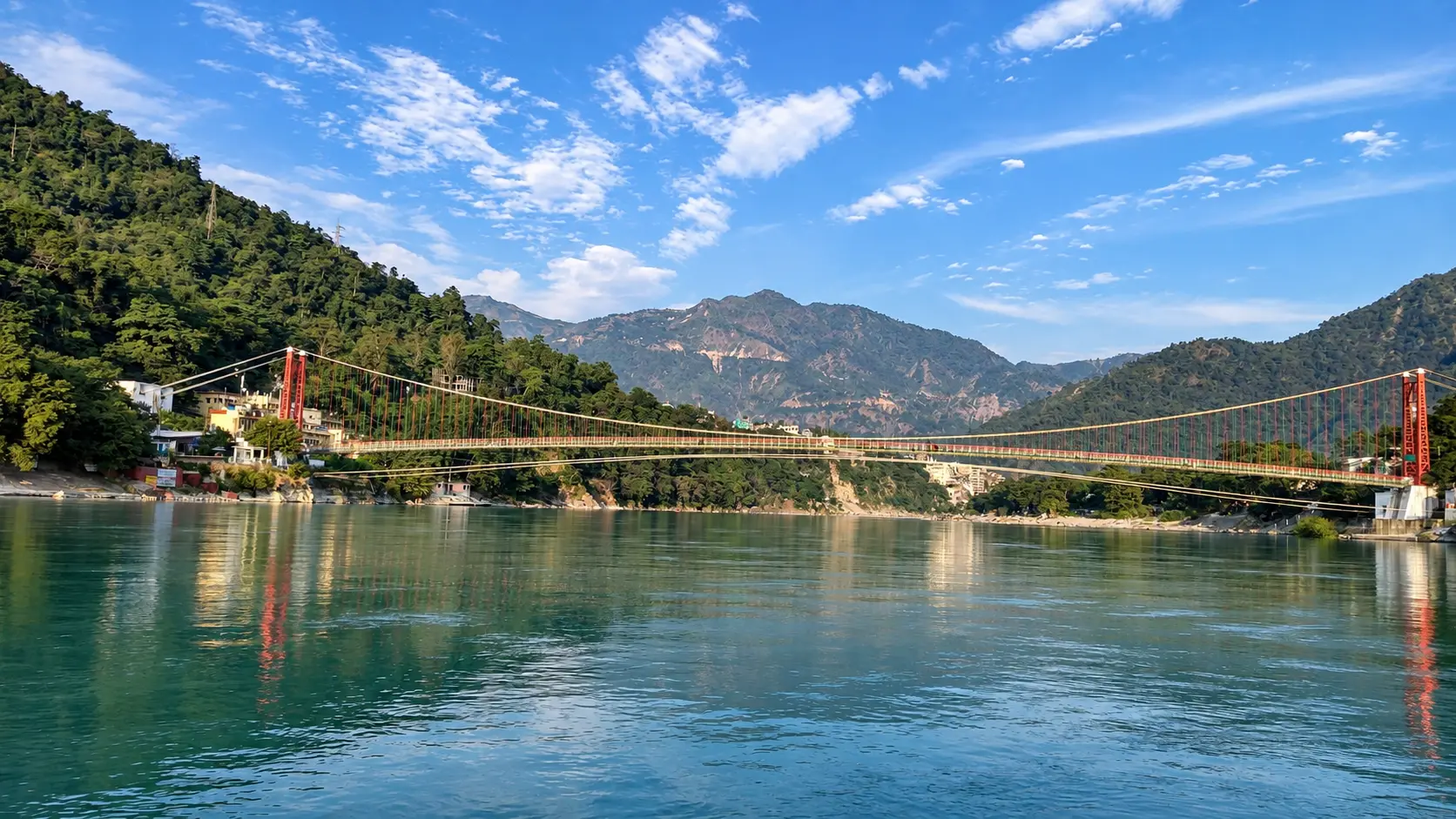
Suspended gracefully across the churning, turquoise waters of the sacred Ganges River at an elevation of 356 to 360 metres (1,170 feet) above sea level at the dramatic natural gateway where the Himalayan foothills plunge into the Gangetic plains, Laxman Jhula and Ram Jhula are the world-renowned twin iron suspension bridges that define the cultural silhouette, spiritual rhythm, and architectural identity of Rishikesh. Spanning the narrow river gorge, these historic pedestrian causeways unite two distinct administrative districts of Uttarakhand: the western bank settlements of Muni Ki Reti and Tapovan in Tehri Garhwal District and the sacred monastic hermitage of Swargashram and Jonk in Pauri Garhwal District.
The history of these crossings is rooted deeply in the sacred verses of the Hindu epic Ramayana. According to ancient tradition, after defeating the demon king Ravana in Lanka, Lord Rama and his loyal younger brother Lord Lakshmana traveled to these tranquil riverbanks in the Himalayas to perform intense penance and purify their souls. Legend recounts that Lakshmana crossed the swift, treacherous currents of the Ganges at this exact mountain gorge using a rudimentary suspension bridge woven entirely from wild jute ropes (jhula). In 1889, a 284-foot iron cable bridge was commissioned to replace the fragile jute ropes; however, it was washed away by the monumental Himalayan floods of October 1924. In response, the British Public Works Department engineered a magnificent 450-foot-long (137-metre) steel suspension bridge, officially inaugurated for public traffic in 1929 as Laxman Jhula.
Located approximately 2 kilometres downstream from Laxman Jhula, the larger and more expansive Ram Jhula was constructed in 1986 by the Uttarakhand Public Works Department in collaboration with the historic Divine Life Society, founded by celebrated spiritual master Swami Sivananda. Spanning 750 feet (228 metres) across the river, Ram Jhula was built to facilitate the ever-increasing flow of pilgrims, ascetics, and international seekers walking between the bustling road terminals of Muni Ki Reti and the spiritual sanctuaries of Swargashram, Geeta Bhawan, and Parmarth Niketan. Rising high above the swirling waters, the bridge offers exhilarating vistas of white-water rafts navigating downstream rapids, golden-hued sandbars, temple spires, and forested green mountains that rise sheer from the water's edge.
In July 2019, after ninety years of continuous service, the historic steel cables of Laxman Jhula were declared structurally distressed by structural engineering auditors due to excessive pedestrian congestion and age-related wear, leading the Uttarakhand government to close the 1929 bridge to public transit. To preserve this vital river link and create an architectural marvel, the state government commissioned Bajrang Setu - a state-of-the-art, 133-metre-long modern suspension bridge engineered with transparent, toughened glass viewing floors and separate pedestrian and two-wheeler lanes, built immediately adjacent to the heritage structure. Meanwhile, Ram Jhula continues to serve as the bustling primary pedestrian artery of Rishikesh, carrying thousands of monks, yoga students, local vendors, and travelers across the river each day.
Start here. Open a tile for the full details.
Why goRead details
Laxman Jhula and Ram Jhula offer an unforgettable immersion in the spiritual vibrancy, natural splendor, and bohemian energy of Rishikesh:
When to visitRead details
Rishikesh and its iconic suspension bridges can be visited throughout the year, but seasonal variations shape the outdoor experience:
Entry & permissionsRead details
Fees, visiting hours and entry rules may change. Confirm the latest details with the official operator or local authority before travelling.
Crossing the bridges is straightforward, public, and unrestricted:
- Free Public Access: There are zero entry fees or toll charges to cross Ram Jhula or the new Bajrang Setu suspension bridge. They are open public thoroughfares accessible to everyone 24 hours a day, 365 days a year.
- Vehicle Regulations: Four-wheeled motorized vehicles (cars, taxis, jeeps) are strictly prohibited on both suspension bridges. Ram Jhula permits pedestrians, bicycles, and two-wheeled motorized vehicles (scooters and motorcycles) moving at slow walking speeds.
- Laxman Jhula Bridge Status: The original 1929 steel Laxman Jhula bridge remains barricaded and closed to all traffic for structural preservation. Pedestrians must use the newly built Bajrang Setu bridge or walk across Ram Jhula (2 km south) or Janki Setu (3 km south).
- Riverfront Regulations: Smoking, consumption of alcohol, non-vegetarian food, and unauthorized drone flying are strictly banned under the sacred municipal bylaws of Rishikesh and Muni Ki Reti.
Plan your visitRead details
Laxman Jhula and Ram Jhula are centrally located in the northern sector of Rishikesh, boasting seamless road and rail connectivity:
Explore the full guide - choose a topic below.
Why visit?
Laxman Jhula and Ram Jhula offer an unforgettable immersion in the spiritual vibrancy, natural splendor, and…Explore detailsClose details
Laxman Jhula and Ram Jhula offer an unforgettable immersion in the spiritual vibrancy, natural splendor, and bohemian energy of Rishikesh:
- Experience the Thrill of Walking Above the Sacred Ganges: Feel the gentle, rhythmic sway of the suspension cables beneath your feet as you stroll across Ram Jhula, gazing 20 metres straight down into the swift, icy green torrent of the Ganges rushing past granite boulders.
- Visit the 13-Storey Trayambakeshwar Temple: Towering dramatically beside the eastern abutment of Laxman Jhula in Pauri Garhwal, this monumental 13-storey multi-tiered Hindu shrine (popularly called Tera Manzil Temple) features dozens of individual sanctums dedicated to various Vedic deities, offering panoramic rooftop river views.
- Explore Iconic Riverside Yoga Ashrams: Crossing Ram Jhula into Swargashram brings you to world-famous spiritual institutions including Sivananda Ashram (Divine Life Society), Parmarth Niketan, and Geeta Bhawan, where visitors can attend authentic hatha yoga classes, meditation sessions, and scripture discourses.
- Dine at Scenic Bohemian Clifftop Cafes: The pedestrian lanes leading to both bridges - especially Tapovan and Swargashram - are dotted with relaxed, globally inspired organic cafes overlooking the water, renowned for fresh herbal teas, wood-fired pizzas, vegan smoothie bowls, and live acoustic music.
- Watch Thrilling White-Water Rafting Expeditions: From the bridge railings, enjoy a bird’s-eye perspective of colorful inflatable rafts navigating the turbulent rapids of the Ganges, with shouts of joy echoing off the limestone cliffs as rafters paddle vigorously through the foaming white water.
What to expect
Visiting and crossing Laxman Jhula and Ram Jhula is an exhilarating, bustling sensory journey through the heart…Explore detailsClose details
Visiting and crossing Laxman Jhula and Ram Jhula is an exhilarating, bustling sensory journey through the heart of Himalayan spiritual culture:
- The Lively Traffic Flow of Ram Jhula: Walking onto Ram Jhula is a uniquely energetic Indian experience. The narrow wooden and steel deck is shared by a continuous flow of pedestrians, saffron-robed sadhus with brass water pots, international yoga practitioners carrying mats, ringing bicycles, and local commuters riding electric scooters. Maintain awareness and yield gently to two-wheelers honking their horns.
- Resident Monkeys and Bridge Etiquette: Large troops of rhesus macaques and gray langurs reside along the suspension towers, cables, and approach lanes. These clever monkeys are notorious for snatching exposed food, fruit, snacks, and plastic carry bags directly from the hands of unsuspecting pedestrians. Keep all food items sealed inside closed backpacks, hold sunglasses and smartphones firmly, and avoid making direct eye contact or attempting to pet them.
- The Transition Between Two Districts: As you walk from west to east across the bridges, you physically cross from Tehri Garhwal District into Pauri Garhwal District. The western bank (Muni Ki Reti and Tapovan) is characterized by vehicle parking, river rafting booking offices, modern hostels, and boutique hotels, whereas the eastern bank (Swargashram) is a car-free, deeply serene spiritual sanctuary filled with ashram courtyards, traditional ayurvedic pharmacies, and quiet bathing ghats.
- Status of Laxman Jhula and Bajrang Setu: While the historic 1929 Laxman Jhula bridge remains closed to pedestrian traffic, visitors can admire its graceful vintage silhouette from riverside ghats and walking promenades. Pedestrian crossing in the Laxman Jhula sector is accommodated via the adjacent modern suspension bridge, Bajrang Setu, offering travelers thrilling perspectives through transparent glass floor sections.
Best time to visit
Rishikesh and its iconic suspension bridges can be visited throughout the year, but seasonal variations shape the…Explore detailsClose details
Rishikesh and its iconic suspension bridges can be visited throughout the year, but seasonal variations shape the outdoor experience:
- Pleasant Autumn and Winter (October to March): Widely regarded as the absolute finest season to explore the suspension bridges. Days are sunny, crisp, and comfortable, with daytime temperatures between 14°C and 25°C. The waters of the Ganges take on their most spectacular, crystal-clear emerald-green color. Evening river breezes can be chilly (8°C to 12°C), making a warm woolen shawl or fleece jacket pleasant for evening strolls.
- Vibrant Spring and Yoga Season (March to April): March brings the famous International Yoga Festival to the ashrams surrounding Ram Jhula. The mountain weather is glorious (18°C to 28°C), and riverfront cafes buzz with global spiritual seekers, musicians, and adventure travelers.
- Warm Summer (May to June): Summer temperatures climb to between 32°C and 40°C. The bridges can become intensely hot under direct midday sun; however, early mornings (06:00 to 08:30) and evenings (17:30 to 20:00) offer delightfully cool river breezes and golden sunsets reflecting on the water. Summer is also the prime season for white-water river rafting.
- Monsoon Season (July to August): Heavy rains transform the turquoise Ganges into a roaring, silt-laden brown torrent that rises close to the lower ghat steps. White-water rafting is officially suspended, but the surrounding hills turn intensely lush and emerald green, with misty clouds hovering low over the bridge towers.
How to reach
Laxman Jhula and Ram Jhula are centrally located in the northern sector of Rishikesh, boasting seamless road and…Explore detailsClose details
Laxman Jhula and Ram Jhula are centrally located in the northern sector of Rishikesh, boasting seamless road and rail connectivity:
- By Train: The nearest rail terminals are Yog Nagari Rishikesh Railway Station (YNRK), located 4.5 kilometres southwest, and the older Rishikesh Railway Station (RKSH), 3.5 kilometres southwest. Frequent express trains, including the Kalinga Utkal Express and Yoga Express, terminate at YNRK. The major railway junction is Haridwar Railway Station (HW), situated 27 kilometres southwest (approx. 45 minutes by taxi or bus). Confirm the current charge and what it includes with the operator or service provider. Visitor admission, vehicles, parking, activities and accommodation can have separate charges.
- By Road: Rishikesh is situated on National Highway 7 (Badrinath highway). Excellent multi-lane highways connect the city to New Delhi (235 km, approx. 4.5 to 5.5 hours via the Delhi - Meerut Expressway and NH 334), Dehradun (45 km), and Haridwar (25 km). State transport buses and private luxury Volvo coaches arrive round the clock at the Rishikesh central bus depot and the Nepali Farm junction.
- By Air: The closest domestic airfield is Dehradun Jolly Grant Airport (DED), located just 22 kilometres northwest along a smooth four-lane highway (approx. 35 to 45 minutes by taxi). The airport provides direct scheduled flights to Delhi, Mumbai, Bengaluru, Hyderabad, and Ahmedabad.
- Local Transit Between Bridges: Ram Jhula and Laxman Jhula are separated by approximately 2 kilometres. You can easily walk between them in 25 to 30 minutes along the scenic, shaded pedestrian market street on the eastern bank (Swargashram road), or take a short auto-rickshaw ride along the western bank highway between Muni Ki Reti and Tapovan.
Entry, timings and permissions
Fees, visiting hours and entry rules may change.Explore detailsClose details
Fees, visiting hours and entry rules may change. Confirm the latest details with the official operator or local authority before travelling.
Crossing the bridges is straightforward, public, and unrestricted:
- Free Public Access: There are zero entry fees or toll charges to cross Ram Jhula or the new Bajrang Setu suspension bridge. They are open public thoroughfares accessible to everyone 24 hours a day, 365 days a year.
- Vehicle Regulations: Four-wheeled motorized vehicles (cars, taxis, jeeps) are strictly prohibited on both suspension bridges. Ram Jhula permits pedestrians, bicycles, and two-wheeled motorized vehicles (scooters and motorcycles) moving at slow walking speeds.
- Laxman Jhula Bridge Status: The original 1929 steel Laxman Jhula bridge remains barricaded and closed to all traffic for structural preservation. Pedestrians must use the newly built Bajrang Setu bridge or walk across Ram Jhula (2 km south) or Janki Setu (3 km south).
- Riverfront Regulations: Smoking, consumption of alcohol, non-vegetarian food, and unauthorized drone flying are strictly banned under the sacred municipal bylaws of Rishikesh and Muni Ki Reti.
Nearby places to consider
The area surrounding Laxman Jhula and Ram Jhula is dense with world-famous spiritual, cultural, and natural…Explore detailsClose details
The area surrounding Laxman Jhula and Ram Jhula is dense with world-famous spiritual, cultural, and natural attractions:
- Trayambakeshwar Temple (Tera Manzil): Standing adjacent to Laxman Jhula in Pauri Garhwal, this towering 13-storey orange-and-white shrine houses dozens of small temples dedicated to different Hindu deities, offering magnificent vistas from its top floors.
- Parmarth Niketan Ashram: Located 800 metres south of Ram Jhula in Swargashram, this famous spiritual community hosts the daily sunset Ganga Aarti on the riverbanks, featuring inspirational Vedic bhajans and a massive white statue of Lord Shiva seated in meditation on the water.
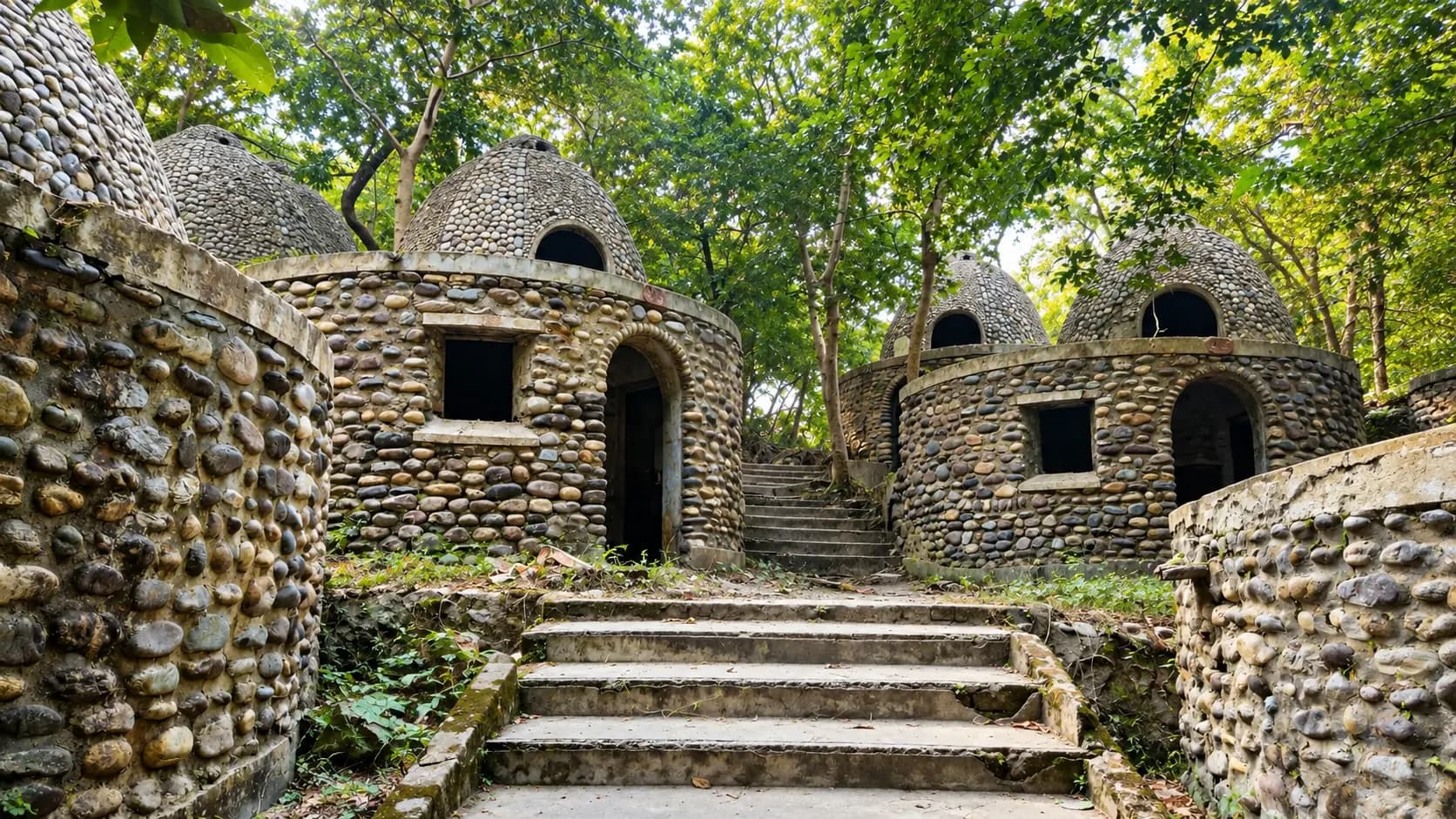
- The Beatles Ashram (Chaurasi Kutia): Situated 2 kilometres south of Ram Jhula within Rajaji Tiger Reserve, this historic 14-acre sanctuary was where The Beatles studied Transcendental Meditation in 1968 and composed The White Album.
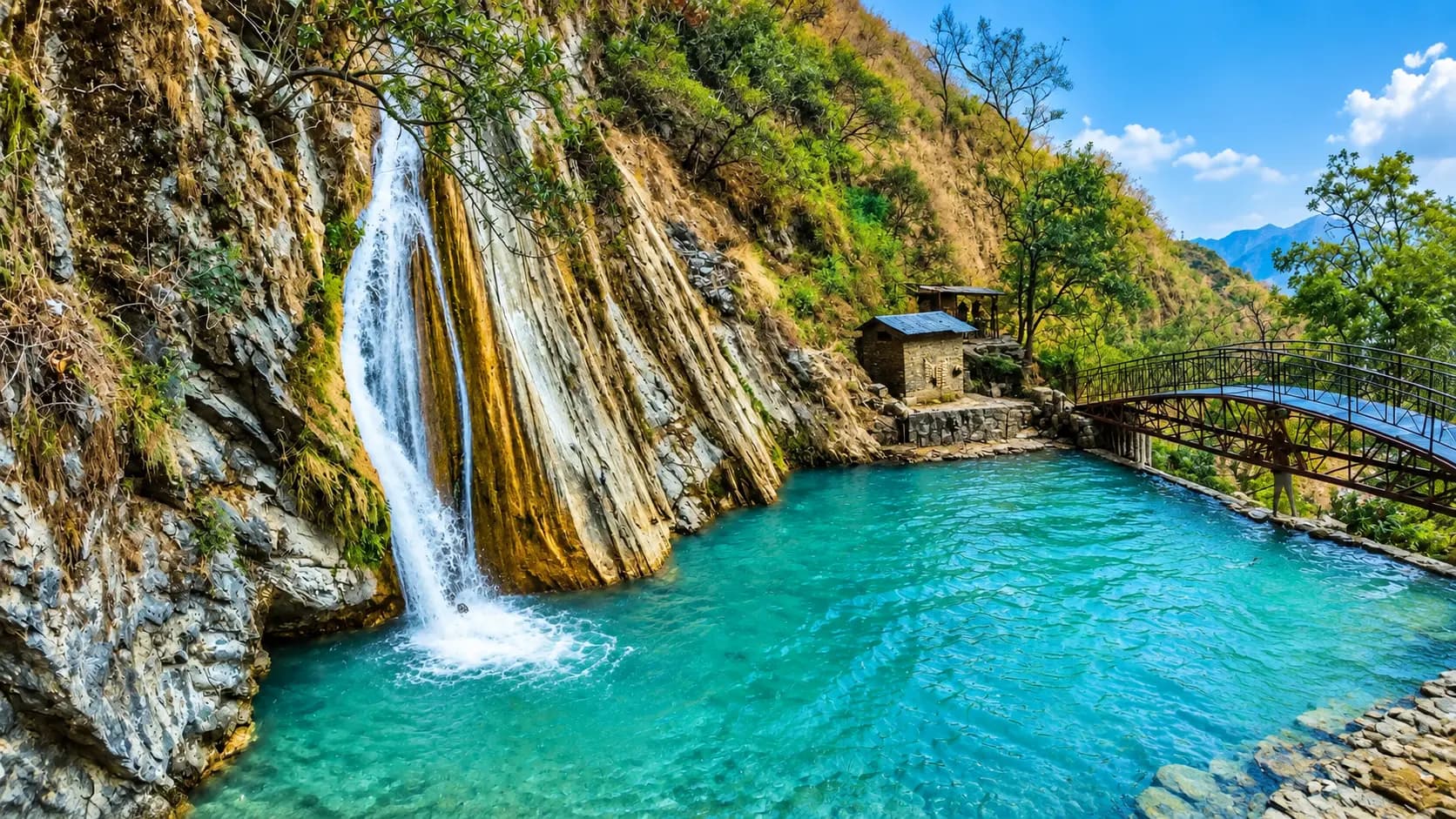
- Neer Garh Waterfall: Located 5 kilometres northeast of Laxman Jhula along the Badrinath highway in Tehri Garhwal, this multi-tiered natural cascade offers turquoise limestone plunge pools tucked inside a lush jungle canyon.
- Triveni Ghat: Located 3.5 kilometres south in central Rishikesh, this holy confluence ghat is the spiritual core of the town, famous for morning holy bathing and the grand evening Maha Aarti.
In pictures
The practical bits
Before you go.
Plan ahead
A few practical tips will ensure a smooth, enjoyable visit to the suspension bridges: -Explore detailsClose details
A few practical tips will ensure a smooth, enjoyable visit to the suspension bridges:
Cross at Sunrise or Sunset for the Best Atmosphere
Early mornings (06:30 to 08:00) offer tranquil crossings with few motorized scooters, cool mountain air, and soft…Explore detailsClose details
Early mornings (06:30 to 08:00) offer tranquil crossings with few motorized scooters, cool mountain air, and soft golden light illuminating the Ganges. Check the current visiting hours and permitted access with the site operator before departure; ceremonies, closures and visitor sessions can affect access.
Safeguard Food and Valuables from Monkeys
The monkeys on Ram Jhula are exceptionally bold.Explore detailsClose details
The monkeys on Ram Jhula are exceptionally bold. Never carry open food, fruit, soft drink bottles, or shiny plastic shopping bags in your hands. Pack all personal belongings, water bottles, and cameras securely inside zipped backpacks.
Combine with the Parmarth Niketan Ganga Aarti
Time your visit to Ram Jhula in the late afternoon.Explore detailsClose details
Time your visit to Ram Jhula in the late afternoon. Check the current visiting hours and permitted access with the site operator before departure; ceremonies, closures and visitor sessions can affect access.
Wear Comfortable Walking Shoes
Exploring the bridges, the 13 storeys of Trayambakeshwar Temple, and the vibrant lanes of Swargashram and Tapovan…Explore detailsClose details
Exploring the bridges, the 13 storeys of Trayambakeshwar Temple, and the vibrant lanes of Swargashram and Tapovan involves substantial walking over paved roads, suspension decks, and stone steps. Wear supportive, comfortable walking shoes or sandals that slip on and off easily for visiting temples.
A few things you might wonder
Common questions about visiting Laxman Jhula & Ram Jhula. Fees, visiting hours and ceremonies are researched details that may change; confirm current arrangements with the operator before travelling.
Is Laxman Jhula currently open for pedestrians?
What is the difference between Laxman Jhula and Ram Jhula?
Can cars and auto-rickshaws drive across Ram Jhula?
Which administrative district are Laxman Jhula and Ram Jhula in?
Are there entry fees or tickets to cross Ram Jhula?
Why are there so many monkeys on the bridges, and are they dangerous?
Explore more in Rishikesh Haridwar
Discover other destinations around this hub
More Hubs in Uttarakhand
Continue exploring other travel hubs in this state
Planning a trip to Rishikesh Haridwar?