Valley of Flowers
Essential visitor guide to Valley of Flowers National Park in Chamoli, Uttarakhand. Explore UNESCO alpine meadows, peak bloom dates, Ghangaria trek & timings.
Location
Auli Valley of Flowers, Uttarakhand
A closer look
Your visit, at a glance.
Auli Valley of Flowers, Uttarakhand
GET TO KNOW THE PLACE
Tucked away in the high, glaciated folds of the Garhwal Himalayas in Chamoli District, Uttarakhand, the Valley of Flowers National Park is celebrated globally as one of the most…
The story of Valley of Flowers
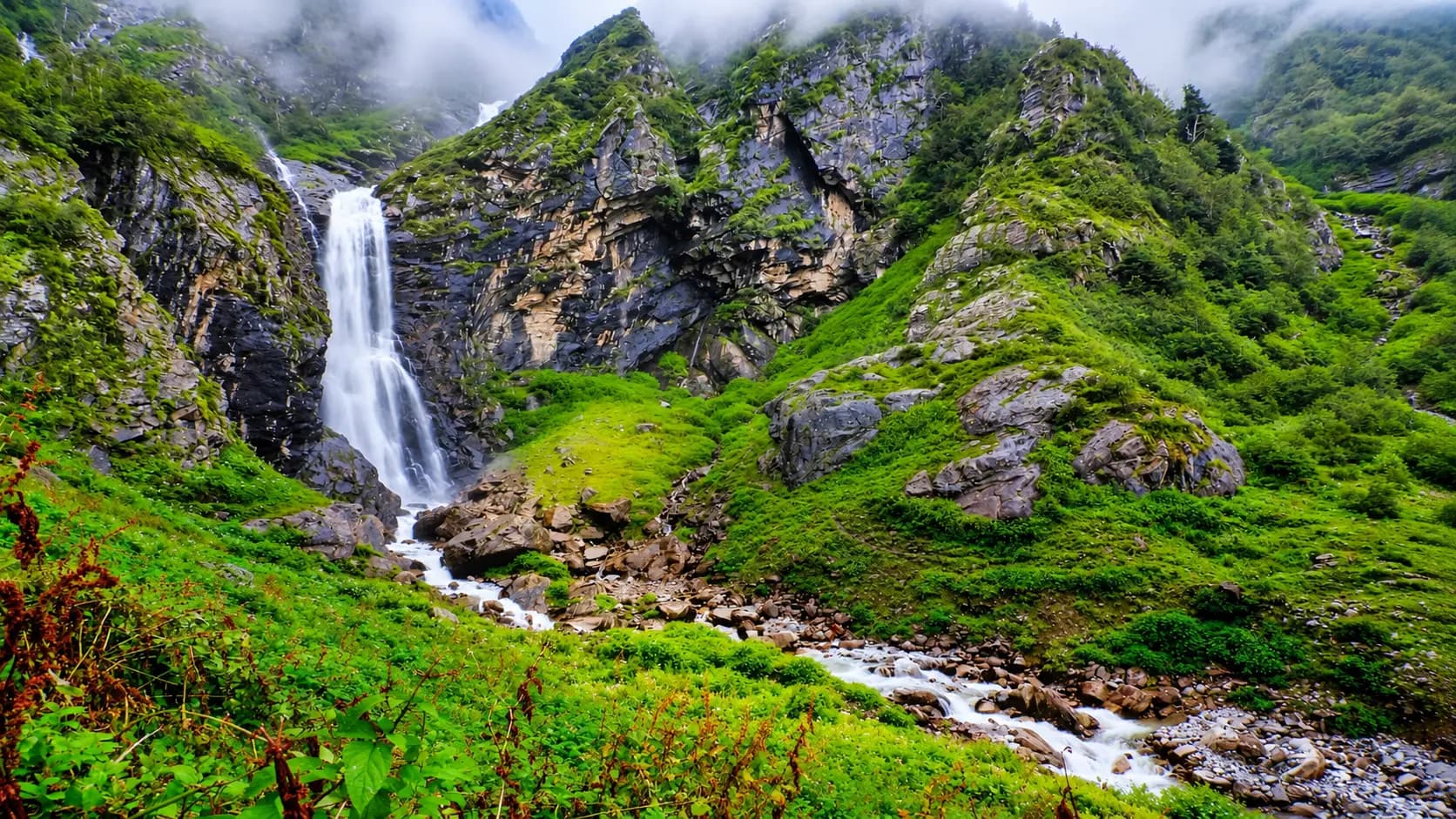
Tucked away in the high, glaciated folds of the Garhwal Himalayas in Chamoli District, Uttarakhand, the Valley of Flowers National Park is celebrated globally as one of the most breathtaking botanical sanctuaries on Earth. Spanning an area of 87.50 square kilometres along the upper drainage basin of the roaring Pushpawati River, this alpine wonderland rises from 3,200 metres (10,500 feet) at the park's dramatic gorge entrance to an average elevation of 3,658 metres (12,000 feet) across the main valley floor. Inscribed by UNESCO in 2005 as a World Heritage Site (forming the joint "Nanda Devi and Valley of Flowers National Parks"), this pristine high-altitude valley represents an extraordinary convergence of dramatic mountain scenery, rare glaciated ecosystems, and unparalleled biodiversity.
In local mythology, the valley was known to indigenous Bhotiyas as the Bhyundar Valley and was revered in ancient Garhwali Hindu lore as Nandan Kanan - the celestial garden of Indra, King of the Gods, where heavenly nymphs (Apsaras) danced amidst intoxicating floral fragrances. The modern world learned of its existence purely by accident in 1931. British mountaineer Frank S. Smythe, returning with legendary climbers Eric Shipton and R.L. Holdsworth from their successful ascent of Mount Kamet (7,756 m), lost their way amidst heavy monsoon clouds. Wandering over the Bhyundar Pass, they descended unexpectedly into a wide, verdant valley carpeted with millions of radiant wildflowers. Spellbound by the vibrant colors and sweet scents, Smythe spent months documenting its flora and published his timeless 1938 classic, The Valley of Flowers, introducing this lost paradise to naturalists worldwide.
Between mid-July and late August, the valley undergoes a magical transformation. Awakened by the monsoon rains, more than 520 recorded species of wild alpine plants burst into synchronized bloom, cloaking the entire 8-kilometre valley floor in rolling waves of violet, crimson, amber, azure, and snow-white. Here, growing out of bare moraines and mossy stream banks, thrives the elusive Himalayan Blue Poppy (Meconopsis aculeata) - the undisputed "Queen of Himalayan Flowers" - alongside the sacred Brahma Kamal (Saussurea obvallata), the bizarre Cobra Lily, golden potentillas, and delicate wild orchids. Strictly protected by the Uttarakhand Forest Department with a complete ban on livestock grazing, pack animals, and overnight camping, the Valley of Flowers offers hikers a pristine, untamed encounter with nature at its most sublime.
Start here. Open a tile for the full details.
Why goRead details
- UNESCO World Heritage Botanical Paradise: Inscribed for its outstanding natural beauty and exceptional biodiversity, the Valley of Flowers is internationally recognized as a living global treasure. Walking amidst hundreds of thousands of endemic Himalayan blossoms framed by towering glaciers is an encounter found nowhere else on earth.
- Over 520 Species of Wild Himalayan Flora: Botanists, photographers, and nature enthusiasts are treated to an astonishing living canvas. Every week between July and August, the predominant floral colors shift: from early blues and yellows to deep purples, radiant pinks, and pure whites.
- Home of the Elusive Himalayan Blue Poppy: Seeing the ethereal, translucent sky-blue petals and golden stamens of the Himalayan Blue Poppy (Meconopsis aculeata) blooming against grey glacial moraines is a bucket-list dream for plant lovers worldwide.
- The Memorial of Joan Margaret Legge: In the heart of the valley, beside a rushing stream, sits the poignant white marble gravestone of English botanist Joan Margaret Legge from the Royal Botanic Gardens, Kew, who tragically lost her life here in 1939 while collecting specimens. The memorial remains an emotional pilgrimage site for visiting travelers.
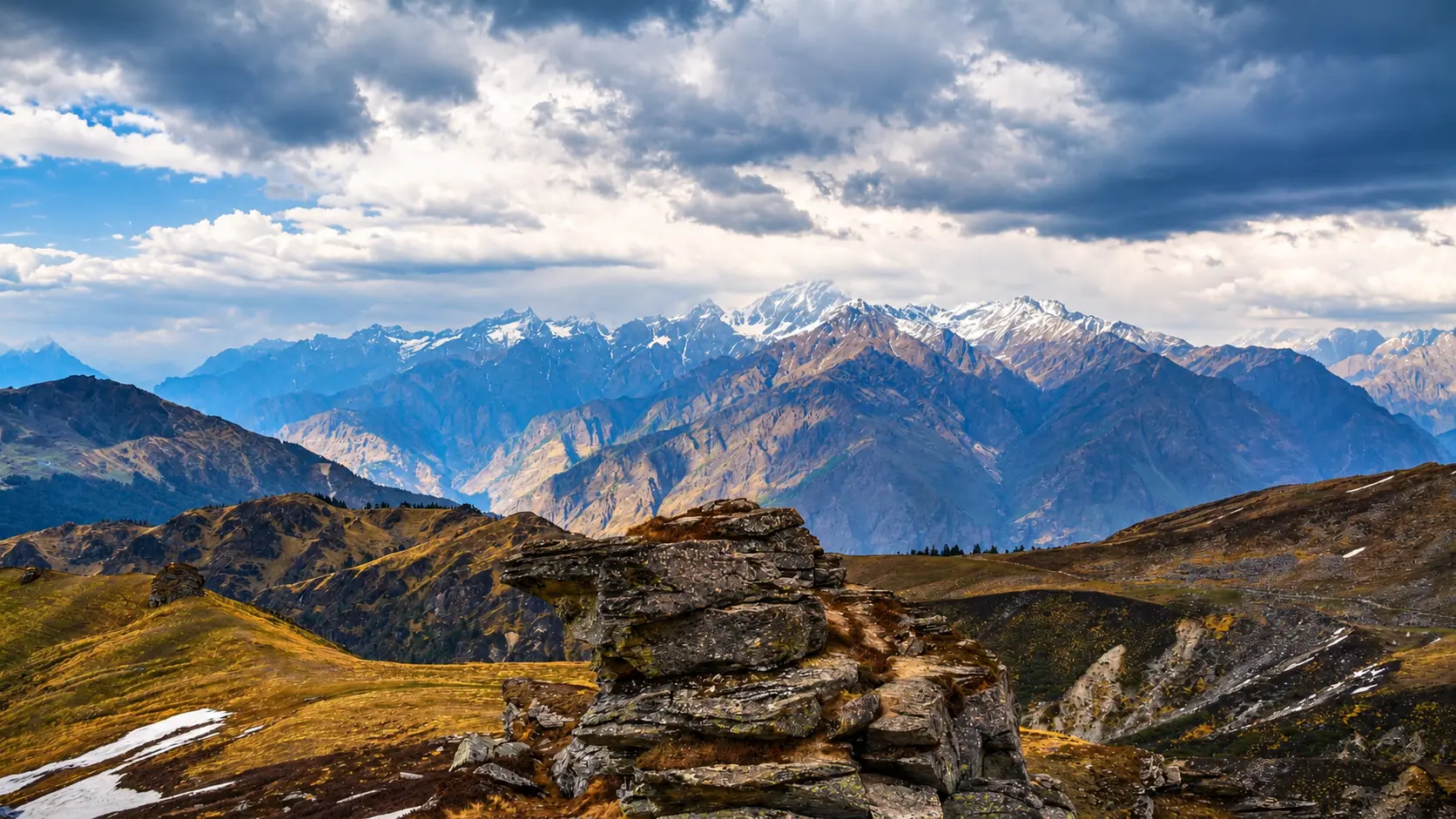
- Dramatic Glacial Landscapes & Waterfalls: The valley is cradled on all sides by towering, glaciated mountain walls, with Gauri Parbat (6,719 m) and Rataban (6,166 m) rising like icy ramparts above the meadow. Dozens of silver waterfalls plunge hundreds of metres down vertical rock cliffs directly onto the valley floor, feeding the rushing glacial currents of the Pushpawati River.
- Strictly Preserved Wilderness: Because horses, mules, motor vehicles, and permanent buildings are completely banned inside the park boundary, the valley remains utterly peaceful. The only sounds are the roar of the Pushpawati River, the singing of alpine birds, and the gentle whisper of mountain breezes through the flowers.
When to visitRead details
The Valley of Flowers is accessible for only five months a year, strictly from June 1st to October 31st. However, the floral bloom follows a precise ecological schedule:
Entry & permissionsRead details
Fees, visiting hours and entry rules may change. Confirm the latest details with the official operator or local authority before travelling.
- Park Operating Hours & Daily Regulations:
- The park gate at Bamidhar opens daily at 07:00 AM.
- Last Entry: Visitors are not permitted to enter the park after 14:00 PM (02:00 PM).
- Mandatory Exit Time: All visitors must begin their return walk in time to exit the park gate by 17:00 PM (05:00 PM).
- Strict No-Camping Mandate: Overnight camping, tent pitching, and campfires are strictly illegal anywhere inside the Valley of Flowers National Park under the Wildlife Protection Act.
- Entry Permit Tariffs:
- Indian Nationals: ₹200 per person (permit is valid for 3 consecutive days).
- Foreign Nationals: ₹800 per person (valid for 3 consecutive days).
- If you wish to visit for additional days beyond the initial 3-day validity, an extension fee of ₹50 per day (Indian) or ₹250 per day (Foreigner) is payable at the forest checkpost.
- Camera Charges: Non-commercial still photography is included with entry; commercial filming requires prior written authorization and payment of filming royalties to the Principal Chief Conservator of Forests (PCCF), Dehradun.
- Prohibitions: Drones and aerial videography are strictly prohibited throughout the National Park. Plucking flowers, collecting botanical seeds, walking off designated footpaths into delicate flower beds, playing loud music, and discarding plastic waste are punishable legal offenses with severe fines.
Plan your visitRead details
Reaching the Valley of Flowers requires an overland journey to Govindghat along National Highway 7, followed by a multi-stage trek:
Explore the full guide - choose a topic below.
Why visit?
UNESCO World Heritage Botanical Paradise: Inscribed for its outstanding natural beauty and exceptional…Explore detailsClose details
- UNESCO World Heritage Botanical Paradise: Inscribed for its outstanding natural beauty and exceptional biodiversity, the Valley of Flowers is internationally recognized as a living global treasure. Walking amidst hundreds of thousands of endemic Himalayan blossoms framed by towering glaciers is an encounter found nowhere else on earth.
- Over 520 Species of Wild Himalayan Flora: Botanists, photographers, and nature enthusiasts are treated to an astonishing living canvas. Every week between July and August, the predominant floral colors shift: from early blues and yellows to deep purples, radiant pinks, and pure whites.
- Home of the Elusive Himalayan Blue Poppy: Seeing the ethereal, translucent sky-blue petals and golden stamens of the Himalayan Blue Poppy (Meconopsis aculeata) blooming against grey glacial moraines is a bucket-list dream for plant lovers worldwide.
- The Memorial of Joan Margaret Legge: In the heart of the valley, beside a rushing stream, sits the poignant white marble gravestone of English botanist Joan Margaret Legge from the Royal Botanic Gardens, Kew, who tragically lost her life here in 1939 while collecting specimens. The memorial remains an emotional pilgrimage site for visiting travelers.
- Dramatic Glacial Landscapes & Waterfalls: The valley is cradled on all sides by towering, glaciated mountain walls, with Gauri Parbat (6,719 m) and Rataban (6,166 m) rising like icy ramparts above the meadow. Dozens of silver waterfalls plunge hundreds of metres down vertical rock cliffs directly onto the valley floor, feeding the rushing glacial currents of the Pushpawati River.
- Strictly Preserved Wilderness: Because horses, mules, motor vehicles, and permanent buildings are completely banned inside the park boundary, the valley remains utterly peaceful. The only sounds are the roar of the Pushpawati River, the singing of alpine birds, and the gentle whisper of mountain breezes through the flowers.
What to expect
Visiting the Valley of Flowers is a day-hike expedition undertaken from the staging village of Ghangaria (Govind…Explore detailsClose details
Visiting the Valley of Flowers is a day-hike expedition undertaken from the staging village of Ghangaria (Govind Dham, 3,048 m). Confirm current camping permission, permitted overnight areas and accommodation booking requirements with the operator before making arrangements.
The journey begins early in the morning at Ghangaria. Leaving the village behind, a scenic trail branches northwest through fragrant deodar and birch woods to the Forest Department checkpost at Bamidhar (1 kilometre from Ghangaria). Here, rangers verify your permit, record plastic containers (enforcing a strict refundable deposit to prevent littering), and inspect daypacks.
Crossing a heavy iron suspension bridge suspended high above the thunderous, milky-white waters of the Pushpawati River, the trail climbs moderately along the gorge through dense thickets of subalpine rhododendron and silver birch. The path is narrow, paved with natural stone slabs, and flanked by roaring waterfalls tumbling across moss-covered boulders.
After approximately 3 kilometres of climbing, the steep gorge suddenly falls away, and the terrain opens out into a breathtaking, wide, U-shaped glacial valley. The visual impact is unforgettable: as far as the eye can see, undulating emerald meadows roll across the valley floor, completely enveloped in vibrant carpets of wildflowers. Small footpaths weave through knee-deep meadows of pink Himalayan balsam, yellow pedicularis, and purple asters.
The main trail continues along the right bank of the Pushpawati River for roughly 4 to 6 kilometres, leading past the memorial grave of Joan Margaret Legge and extending toward the glaciated snout of the Tipra Glacier at the head of the valley. Clouds and mist constantly drift across the surrounding ridges, momentarily revealing glaciated summits before enveloping the meadows in an ethereal, soft-lit dreamscape. Check the current visiting hours and permitted access with the site operator before departure; ceremonies, closures and visitor sessions can affect access.
Best time to visit
The Valley of Flowers is accessible for only five months a year, strictly from June 1st to October 31st.Explore detailsClose details
The Valley of Flowers is accessible for only five months a year, strictly from June 1st to October 31st. However, the floral bloom follows a precise ecological schedule:
- Mid-July to Late August (Peak Floral Bloom - Best Time): This is universally the finest period to visit the Valley of Flowers. Following the onset of the monsoon, the valley reaches its absolute floral crescendo. Hundreds of species bloom simultaneously, covering the landscape in vibrant multi-coloured carpets. Daytime temperatures range from 12°C to 18°C. Frequent monsoon showers, mist, and fog are part of the daily weather pattern; reliable waterproof rain gear (ponchos, rain jackets, waterproof boots) is essential.
- June (Opening Season - Melting Snow & Green Shoots): In early summer, the valley is just waking from its seven-month winter slumber. Large snow bridges still span the Pushpawati River, and snowfields cover the higher reaches. While overall flower density is lower, early alpine species like primulas, wild anemones, and marsh marigolds emerge along the margins of melting snowdrifts. The trails are uncrowded, and weather is relatively dry.
- September (Autumn Transition - Golden Meadows & Brahma Kamal): By early September, the monsoon rains subside. The blooming of broadleaf flowers begins to wane, and the meadows transition to warm golden-yellow and bronze autumn tones. This is the prime blooming season for the sacred Brahma Kamal and saussurea species along the higher rocky ridges. Skies are intensely clear and sunny, providing magnificent, crisp views of the surrounding glaciated peaks.
- October (Pre-Winter Closing): The air turns biting and frosty, with temperatures dropping below freezing at night. Wildflowers have set seed, and the first winter flurries dust the valley. The park officially closes on October 31st and remains sealed under deep snow until the following June.
How to reach
Reaching the Valley of Flowers requires an overland journey to Govindghat along National Highway 7, followed by a…Explore detailsClose details
Reaching the Valley of Flowers requires an overland journey to Govindghat along National Highway 7, followed by a multi-stage trek:
- Stage 1: Road Transit to Govindghat (Base Camp):
- From Rishikesh / Haridwar (273 km): Drive along National Highway 7 via Devprayag, Srinagar, Rudraprayag, Karnaprayag, Chamoli, and Joshimath to Govindghat. Travel time by private car or state transport bus is 9 to 11 hours.
- Nearest Railway Station: Yog Nagari Rishikesh (YNRK, 273 km) and Haridwar Junction (HW, 295 km).
- Nearest Airport: Jolly Grant Airport, Dehradun (DED, 290 km via NH 7).
- Stage 2: Govindghat to Ghangaria (14 km Trek or Helicopter):
- From Govindghat, take a shared taxi 4 km to Pulna village.
- From Pulna, trek 10 km along a stone-paved trail along the Bhyundar Ganga to Ghangaria (takes 4 to 6 hours on foot; mules and palanquins are available).
- Helicopter Option: Commercial helicopter shuttles operate between the Govindghat helipad and Ghangaria (takes 8 to 10 minutes, weather permitting).
- Stage 3: Ghangaria to Valley of Flowers (Day Hike):
- From Ghangaria village, walk 1 km to the Forest Department checkpost at Bamidhar.
- From the checkpost, the trail crosses the Pushpawati River and ascends 3 km into the mouth of the valley, continuing for another 4 to 6 km across the valley floor.
- Important Transport Rule: Unlike the trek to Hemkund Sahib, mules, ponies, and horses are strictly banned inside the Valley of Flowers National Park to prevent soil erosion and plant damage. Visitors must walk on foot. For travelers with mobility challenges, manual palanquins (dolis carried by four porters) or human basket carriers (pitthus) can be hired at the Ghangaria checkpost.
Entry, timings and permissions
Fees, visiting hours and entry rules may change.Explore detailsClose details
Fees, visiting hours and entry rules may change. Confirm the latest details with the official operator or local authority before travelling.
- Park Operating Hours & Daily Regulations:
- The park gate at Bamidhar opens daily at 07:00 AM.
- Last Entry: Visitors are not permitted to enter the park after 14:00 PM (02:00 PM).
- Mandatory Exit Time: All visitors must begin their return walk in time to exit the park gate by 17:00 PM (05:00 PM).
- Strict No-Camping Mandate: Overnight camping, tent pitching, and campfires are strictly illegal anywhere inside the Valley of Flowers National Park under the Wildlife Protection Act.
- Entry Permit Tariffs:
- Indian Nationals: ₹200 per person (permit is valid for 3 consecutive days).
- Foreign Nationals: ₹800 per person (valid for 3 consecutive days).
- If you wish to visit for additional days beyond the initial 3-day validity, an extension fee of ₹50 per day (Indian) or ₹250 per day (Foreigner) is payable at the forest checkpost.
- Camera Charges: Non-commercial still photography is included with entry; commercial filming requires prior written authorization and payment of filming royalties to the Principal Chief Conservator of Forests (PCCF), Dehradun.
- Prohibitions: Drones and aerial videography are strictly prohibited throughout the National Park. Plucking flowers, collecting botanical seeds, walking off designated footpaths into delicate flower beds, playing loud music, and discarding plastic waste are punishable legal offenses with severe fines.
Nearby places to consider
Hemkund Sahib (6 km steep ascent from Ghangaria): The sacred high-altitude Sikh pilgrimage shrine (4,329 m)…Explore detailsClose details
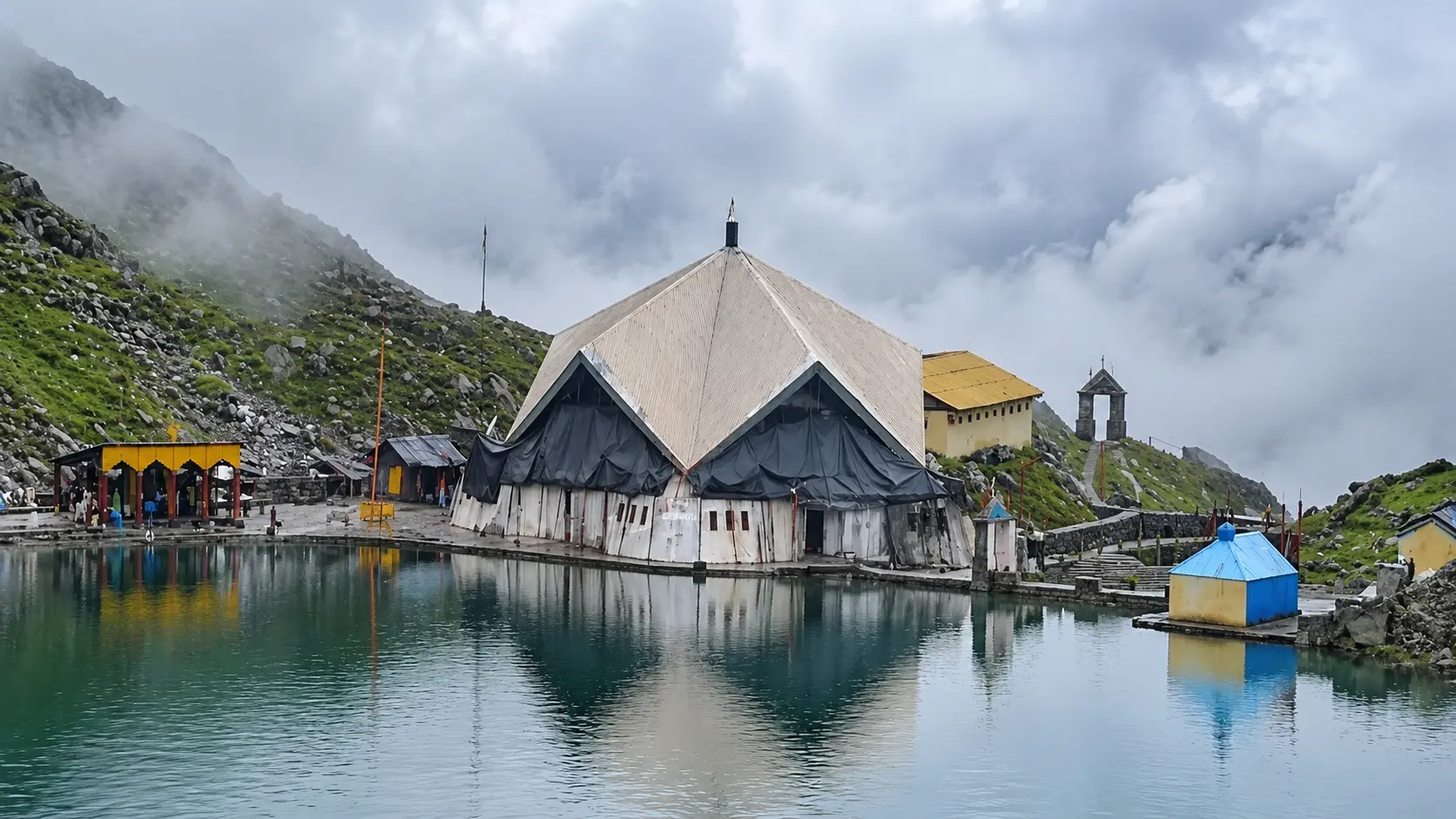
- Hemkund Sahib (6 km steep ascent from Ghangaria): The sacred high-altitude Sikh pilgrimage shrine (4,329 m) nestled beside a frozen glacial lake surrounded by seven mountain peaks.
- Ghangaria Base Camp (Govind Dham, 3 km from park gate): The bustling pilgrim settlement situated amidst towering pine and birch woods, providing lodging and meals.
- Govindghat (14 km descent): The roadhead town on NH 7 along the Alaknanda River, featuring a massive Gurudwara, river ghats, and transport hubs.
- Badrinath Temple (25 km from Govindghat): The paramount Char Dham pilgrimage shrine dedicated to Lord Vishnu, located just 25 km further north along NH 7.
- Mana Village (28 km from Govindghat): The historic "First Indian Village" situated 3 km beyond Badrinath near the Indo-Tibetan border, featuring the Saraswati River gorge, Bhim Pul, and Vyas Cave.
In pictures
The practical bits
Before you go.
Start Your Day Hike at 07:00 AM Sharp
Check the current visiting hours and permitted access with the site operator before departure; ceremonies…Explore detailsClose details
Check the current visiting hours and permitted access with the site operator before departure; ceremonies, closures and visitor sessions can affect access. Starting early allows you to enjoy the magical morning light, walk through the valley in solitude before other trekkers arrive, reach the distant memorial of Joan Margaret Legge (roughly 6 km into the valley), and have plenty of time for a leisurely picnic lunch before the 14:00 PM turnaround.
Carry a Packed Lunch and Plenty of Water
There are zero food stalls, cafes, or water booths inside the National Park.Explore detailsClose details
There are zero food stalls, cafes, or water booths inside the National Park. Before leaving Ghangaria in the morning, order a packed lunch from your hotel or local dhabas (boiled eggs, parathas, sandwiches, apples, energy bars). Carry at least 2 litres of water per person, along with water purification tablets or a portable filtration bottle to replenish from pristine glacial side-streams.
Essential Monsoon Hiking Gear
Because peak blooming coincides with the Indian monsoon (July-August), rain is an everyday occurrence.Explore detailsClose details
Because peak blooming coincides with the Indian monsoon (July-August), rain is an everyday occurrence. Ensure you carry high-quality rain gear: a sturdy, breathable waterproof rain jacket or full-coverage rain poncho, waterproof trekking pants, quick-dry synthetic clothing (avoid heavy cotton denim), a waterproof cover for your daypack, and ankle-supporting waterproof trekking boots. A lightweight trekking pole is invaluable for balance on wet, rocky paths.
Combine with Hemkund Sahib & Acclimatization
Ghangaria (3,048 m) serves as the common base camp for both the Valley of Flowers and Hemkund Sahib (4,329 m).Explore detailsClose details
Ghangaria (3,048 m) serves as the common base camp for both the Valley of Flowers and Hemkund Sahib (4,329 m). Plan a 4-day itinerary:
- Day 1: Trek from Govindghat to Ghangaria (14 km).
- Day 2: Trek to the Valley of Flowers (moderate, gentle gradient, allows excellent high-altitude acclimatization).
- Day 3: Trek up the steep, demanding switchbacks to Hemkund Sahib (now well-acclimatized).
- Day 4: Descend from Ghangaria back to Govindghat.
A few things you might wonder
Common questions about visiting Valley of Flowers. Fees, visiting hours and ceremonies are researched details that may change; confirm current arrangements with the operator before travelling.
When is the best time to see the flowers in full bloom?
How difficult is the trek to the Valley of Flowers?
Can I ride a mule or horse inside the Valley of Flowers?
Can we stay overnight or camp inside the Valley of Flowers?
Who discovered the Valley of Flowers?
What is the Himalayan Blue Poppy and when does it bloom?
Are there wild animals in the Valley of Flowers?
How much does the forest entry permit cost?
Explore more in Auli Valley Of Flowers
Discover other destinations around this hub
More Hubs in Uttarakhand
Continue exploring other travel hubs in this state
Planning a trip to Auli Valley of Flowers?