Joshimath
Comprehensive visitor guide to Joshimath (Jyotirmath) in Chamoli, Uttarakhand. Explore Adi Shankaracharya Matha, 1,200-year Kalpavriksha, Badrinath winter seat & timings.
Location
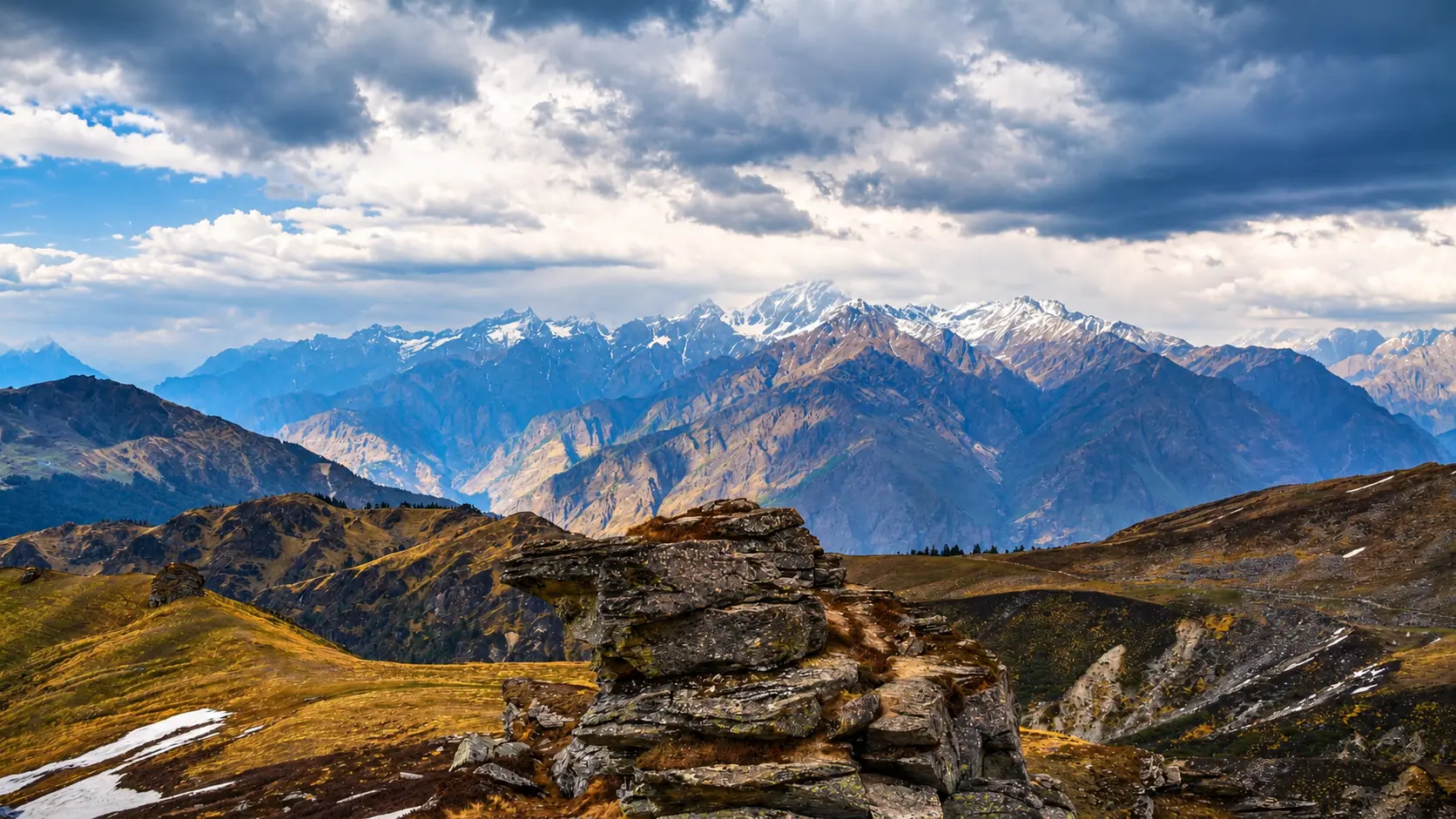
Auli Valley of Flowers, Uttarakhand
A closer look
Your visit, at a glance.
Auli Valley of Flowers, Uttarakhand
GET TO KNOW THE PLACE
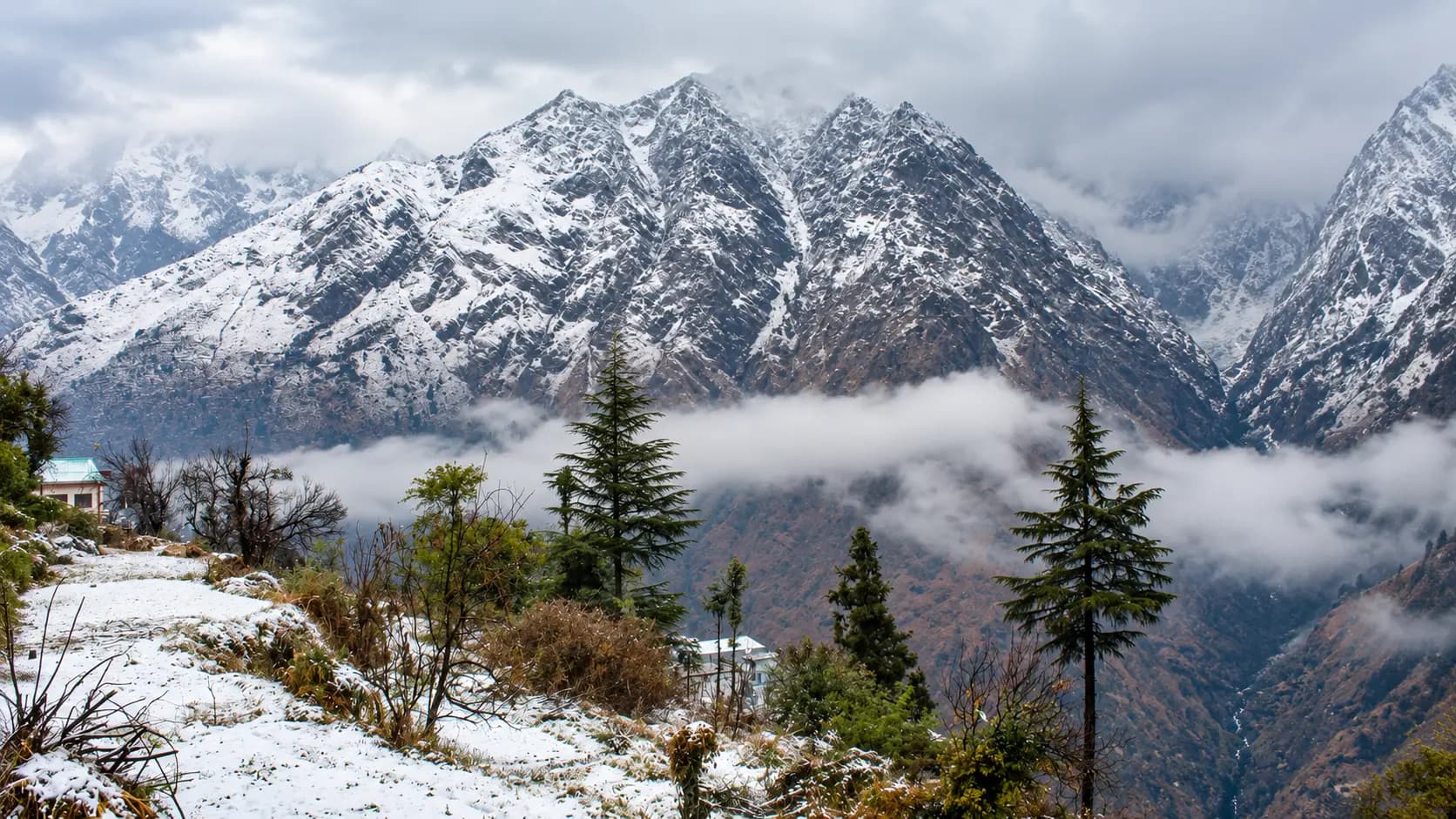
Perched high on a sprawling mountain terrace in Chamoli District, Uttarakhand, at an elevation of 1,890 metres (6,198 feet) above sea level, Joshimath - officially recognized in…
The story of Joshimath
Perched high on a sprawling mountain terrace in Chamoli District, Uttarakhand, at an elevation of 1,890 metres (6,198 feet) above sea level, Joshimath - officially recognized in state records as Jyotirmath - is one of the most spiritually exalted and geographically strategic settlements in the Indian Himalayas. Overlooking the deep river gorge where the turbulent, turquoise waters of the Alaknanda and Dhauliganga rivers converge at Vishnuprayag (the first of the sacred Panch Prayags), Joshimath serves as the northern monastic anchor of Sanatana Dharma and the indispensable staging hub for Himalayan pilgrimages, high-altitude treks, and winter sports.
The antiquity of Joshimath is rooted in the 8th century CE, when the great philosopher-reformer Adi Shankaracharya arrived in these high valleys during his mission to revitalize Vedic spirituality. Here, in the shelter of the mountains, Shankaracharya established the Uttaramnaya Matha (the Northern Cardinal Monastery, known as Jyotirmath Badrikashram). Entrusting its spiritual stewardship to his foremost disciple Totakacharya and assigning it the wisdom of the Atharva Veda, Shankaracharya established Jyotirmath as one of the four foundational pillars (Char Dhams) of Advaita Vedanta that demarcate the four cardinal directions of the Indian subcontinent (along with Sringeri in the south, Puri in the east, and Dwarka in the west).
Beyond its monastic prominence, Joshimath is revered as the divine Winter Abode of Lord Badrinath. When the high-altitude shrine of Badrinath at 3,133 metres becomes buried under several feet of winter snow in November, the temple doors are ritually closed, and the Lord's sacred golden processional idol (Utsav Murti) is carried down the mountains in a royal palanquin to be enshrined for six months inside the historic Narsingh Temple in lower Joshimath. Acting simultaneously as the base station for the world-famous 4.15-kilometre Joshimath-Auli Ropeway, the launching point for expeditions into the Valley of Flowers and Hemkund Sahib, and the military headquarters guarding the high border passes of Niti and Mana, Joshimath is an extraordinary blend of ancient Vedic philosophy, vibrant Garhwali highland life, and alpine adventure.
Start here. Open a tile for the full details.
Why goRead details
- The Northern Cardinal Peetham of Adi Shankaracharya: Visiting Shri Jyotirmath Badrikashram connects travelers directly to one of the most sacred intellectual and monastic lineages in Asian history. Pilgrims can walk through the serene courtyards, examine ancient Sanskrit manuscripts, and feel the living spiritual energy of the northern seat of Advaita Vedanta.
- The 1,200-Year-Old Sacred Kalpavriksha: In the upper reaches of the town stands a colossal, ancient Mulberry tree (Morus serrata), known as the Kalpavriksha (the Wish-Fulfilling Tree). Scientifically verified to be more than 1,200 years old, this majestic tree with an immense 21-metre trunk circumference is the very tree beneath which Adi Shankaracharya sat in deep meditation and attained divine enlightenment.
- The Shankaracharya Cave (Trotaka Gufa): Directly beneath the sprawling roots of the Kalpavriksha lies the underground meditation cave where Adi Shankaracharya composed his celebrated commentaries (Bhashyas) on the Brahma Sutras, Upanishads, and the Bhagavad Gita. The cool, quiet subterranean chamber remains a deeply meditative sanctuary.
- Narsingh Temple & Badrinath Winter Seat: Dedicated to Lord Narasimha (the half-man, half-lion manifestation of Vishnu), this ancient stone temple is steeped in myth. Between November and May, visitors who cannot reach snowbound Badrinath can take darshan of Lord Badrinath's sacred Utsav Murti enshrined here amidst elaborate daily aartis.
- The Gateway to High Himalayan Wonders: Joshimath is the ultimate operational base for upper Garhwal. From here, you can ride the 4.15-km cable car up to the snow slopes of Auli, drive 45 km to Badrinath Dham, head 20 km to Govindghat to begin treks to the Valley of Flowers and Hemkund Sahib, or explore the remote Bhotia trading hamlets of the Niti Valley.
- The Sacred Confluence of Vishnuprayag (10 km): Just below Joshimath, the Alaknanda and Dhauliganga rivers collide with thunderous force at Vishnuprayag, surrounded by vertical canyon walls. A stone temple dedicated to Lord Vishnu stands at the water's edge, marking one of the holiest river confluences in India.
When to visitRead details
Joshimath is an all-season destination, but the character of your visit varies significantly across the seasons:
Entry & permissionsRead details
Fees, visiting hours and entry rules may change. Confirm the latest details with the official operator or local authority before travelling.
- Temple and Monastery Timings:
- Narsingh Temple: Open daily from 06:00 to 12:00 in the morning and from 16:00 to 20:30 in the evening. Major aartis are performed at 06:30 AM (Morning) and 19:30 PM (Evening).
- Jyotirmath (Shankaracharya Matha) & Kalpavriksha: Open daily from 07:00 to 12:00 and from 15:00 to 19:00.
- Shankaracharya Cave: Open during daytime hours (07:00 to 18:00).
- Admission Charges: Admission to all temples, monasteries, the Kalpavriksha, and the meditation cave is completely free. Voluntary donations may be placed in official temple hundi boxes.
- Ropeway Timings and Tariffs (Joshimath to Auli):
- Operating Hours: 09:00 AM to 17:00 PM (weather permitting).
- Fare: Approximately ₹1,000 per person for a round-trip ticket (covering both ascent to Tower 10 and return descent).
- Border Area Permissions: Confirm current permit requirements for your planned activities to visit Joshimath, Auli, Badrinath, or Valley of Flowers. However, travelers planning to venture further into the sensitive Niti Valley (beyond Malari) or toward Mana Pass along the Indo-Tibetan border must obtain an Inner Line Permit (ILP) from the Sub-Divisional Magistrate (SDM) Office in Joshimath.
- Temple Decorum: Modest attire covering shoulders and knees is required inside all temples and monastic shrines. Footwear must be removed at the designated stands outside Narsingh Temple and Jyotirmath. Photography is strictly prohibited inside the inner sanctum of the Narsingh Temple.
Plan your visitRead details
Joshimath is centrally situated along National Highway 7 (the Char Dham Badrinath Highway) in northern Chamoli District.
Explore the full guide - choose a topic below.
Why visit?
The Northern Cardinal Peetham of Adi Shankaracharya: Visiting Shri Jyotirmath Badrikashram connects travelers…Explore detailsClose details
- The Northern Cardinal Peetham of Adi Shankaracharya: Visiting Shri Jyotirmath Badrikashram connects travelers directly to one of the most sacred intellectual and monastic lineages in Asian history. Pilgrims can walk through the serene courtyards, examine ancient Sanskrit manuscripts, and feel the living spiritual energy of the northern seat of Advaita Vedanta.
- The 1,200-Year-Old Sacred Kalpavriksha: In the upper reaches of the town stands a colossal, ancient Mulberry tree (Morus serrata), known as the Kalpavriksha (the Wish-Fulfilling Tree). Scientifically verified to be more than 1,200 years old, this majestic tree with an immense 21-metre trunk circumference is the very tree beneath which Adi Shankaracharya sat in deep meditation and attained divine enlightenment.
- The Shankaracharya Cave (Trotaka Gufa): Directly beneath the sprawling roots of the Kalpavriksha lies the underground meditation cave where Adi Shankaracharya composed his celebrated commentaries (Bhashyas) on the Brahma Sutras, Upanishads, and the Bhagavad Gita. The cool, quiet subterranean chamber remains a deeply meditative sanctuary.
- Narsingh Temple & Badrinath Winter Seat: Dedicated to Lord Narasimha (the half-man, half-lion manifestation of Vishnu), this ancient stone temple is steeped in myth. Between November and May, visitors who cannot reach snowbound Badrinath can take darshan of Lord Badrinath's sacred Utsav Murti enshrined here amidst elaborate daily aartis.
- The Gateway to High Himalayan Wonders: Joshimath is the ultimate operational base for upper Garhwal. From here, you can ride the 4.15-km cable car up to the snow slopes of Auli, drive 45 km to Badrinath Dham, head 20 km to Govindghat to begin treks to the Valley of Flowers and Hemkund Sahib, or explore the remote Bhotia trading hamlets of the Niti Valley.
- The Sacred Confluence of Vishnuprayag (10 km): Just below Joshimath, the Alaknanda and Dhauliganga rivers collide with thunderous force at Vishnuprayag, surrounded by vertical canyon walls. A stone temple dedicated to Lord Vishnu stands at the water's edge, marking one of the holiest river confluences in India.
What to expect
Joshimath is built across steep, terraced hillside slopes, dividing organically into Lower Bazaar, Upper Bazaar…Explore detailsClose details
Joshimath is built across steep, terraced hillside slopes, dividing organically into Lower Bazaar, Upper Bazaar, and several peripheral agricultural hamlets. The town is vibrant, energetic, and filled with the unique atmosphere of a high-altitude border gateway.
In Lower Bazaar, adjacent to the main highway, the streets are lined with bustling hotels, trekking gear rental outlets, travel agencies, and colorful local markets selling fresh mountain apples, walnuts, Garhwali rajma (kidney beans), pure hill honey, and hand-knitted woolen shawls and socks crafted by local Bhotiya weavers. A short walk down stone stairways leads to the sacred Narsingh Temple complex. The temple compound features ancient stone masonry, sculpted lion pillars, and the adjacent Vasudeva Temple, one of the 108 Divya Desams praised in ancient Tamil Vaishnava literature. Devotees gather in the cool stone courtyard to receive holy prasad and observe the slender, delicately carved left arm of the Narasimha deity, an object of intense local prophecy.
Climbing uphill into Upper Bazaar, the commercial bustle gives way to quiet spiritual tranquility. Here, narrow paved stone alleys wind past traditional slate-roofed Garhwali stone houses with intricately carved wooden window frames (kholi). At the top of the hill sits the peaceful Jyotirmath Monastery and the ancient Kalpavriksha. Standing beneath the massive, gnarled branches of this 1,200-year-old tree, one is struck by an overwhelming sense of timeless peace. The nearby meditation cave is cool and quiet, illuminated by flickering brass oil lamps.
Further along the upper ridge sits the Ropeway Station, where travelers board the sleek, glass-walled cable cars of the Joshimath-Auli Ropeway. As the cable car glides smoothly into the sky, the rooftops of Joshimath shrink below, and the snowy summits of the Nanda Devi mountain sanctuary rise dramatically into view across the gorge.
Best time to visit
Joshimath is an all-season destination, but the character of your visit varies significantly across the seasons…Explore detailsClose details
Joshimath is an all-season destination, but the character of your visit varies significantly across the seasons:
- May to June (Summer Yatra Season - Peak Pilgrim Rush): The weather is pleasantly warm during the day (16°C to 24°C) with cool nights (10°C to 14°C). The town bustles with pilgrims heading to Badrinath and trekkers bound for the Valley of Flowers. All hotels, dhabas, and transport services are in full operation. Advance accommodation booking is strongly recommended.
- September to November (Autumn - Crystal Skies & Badrinath Descent): Post-monsoon autumn is arguably the finest season for sightseeing. The skies are intensely clear, offering razor-sharp visibility of snow-capped peaks. In early November, the town celebrates the festive ceremonial arrival of Lord Badrinath's procession from the upper shrine, marked by traditional Garhwali brass bands, temple trumpets (ransinghas), and thousands of celebrating devotees.
- December to March (Winter Season - Auli Ski Hub): Winter brings cold, crisp mountain air with daytime temperatures between 4°C and 10°C and nights dropping to -2°C or lower. Occasional light snowfall dusts the town's upper ridges. Joshimath serves as the primary base for skiers and snow enthusiasts traveling up to Auli by cable car.
- July to August (Monsoon Season - Landslide Caution): The monsoon brings heavy rains to the lower valleys. Sections of National Highway 7 between Rishikesh, Rudraprayag, and Joshimath frequently experience landslides, causing temporary travel delays while BRO bulldozers clear the roads. However, for those heading specifically to the Valley of Flowers (which is only accessible during the monsoon), Joshimath is an essential staging base.
How to reach
Joshimath is centrally situated along National Highway 7 (the Char Dham Badrinath Highway) in northern Chamoli…Explore detailsClose details
Joshimath is centrally situated along National Highway 7 (the Char Dham Badrinath Highway) in northern Chamoli District.
- From Rishikesh / Haridwar (253 km to 275 km): National Highway 7 connects Rishikesh to Joshimath via Devprayag, Srinagar, Rudraprayag, Karnaprayag, and Chamoli. The entire corridor is an all-weather, two-lane national highway. The 253-kilometre road journey takes approximately 8 to 10 hours by private taxi, shared cab, or regular state transport buses (UTC / GMOU) departing daily from Rishikesh and Haridwar between 04:00 AM and 07:00 AM.
- Nearest Railway Stations:
- Yog Nagari Rishikesh (YNRK, 253 km): Modern broad-gauge railway terminus connecting to Delhi and other major hubs.
- Haridwar Junction (HW, 275 km): Major national railway junction with direct express trains from Mumbai, Kolkata, Chennai, and Bengaluru.
- Nearest Airport: Jolly Grant Airport, Dehradun (DED, 270 km), with daily scheduled flights to Delhi, Mumbai, Bengaluru, and major Indian metros. Taxis can be hired directly from the airport terminal to Joshimath.
- Connection to Auli (16 km by road, 4.15 km by cable car): Joshimath is directly connected to the upper ski meadows of Auli via the Joshimath-Auli Ropeway (takes 22 minutes). Alternatively, shared jeeps and private 4WD taxis drive along the scenic 16-kilometre mountain road (45 minutes).
- Onward to Badrinath & Govindghat: Govindghat (20 km) is reached in 30 minutes, and Badrinath Temple (45 km) is reached in 1.5 to 2 hours via NH 7 through the Hanuman Chatti checkpost.
Entry, timings and permissions
Fees, visiting hours and entry rules may change.Explore detailsClose details
Fees, visiting hours and entry rules may change. Confirm the latest details with the official operator or local authority before travelling.
- Temple and Monastery Timings:
- Narsingh Temple: Open daily from 06:00 to 12:00 in the morning and from 16:00 to 20:30 in the evening. Major aartis are performed at 06:30 AM (Morning) and 19:30 PM (Evening).
- Jyotirmath (Shankaracharya Matha) & Kalpavriksha: Open daily from 07:00 to 12:00 and from 15:00 to 19:00.
- Shankaracharya Cave: Open during daytime hours (07:00 to 18:00).
- Admission Charges: Admission to all temples, monasteries, the Kalpavriksha, and the meditation cave is completely free. Voluntary donations may be placed in official temple hundi boxes.
- Ropeway Timings and Tariffs (Joshimath to Auli):
- Operating Hours: 09:00 AM to 17:00 PM (weather permitting).
- Fare: Approximately ₹1,000 per person for a round-trip ticket (covering both ascent to Tower 10 and return descent).
- Border Area Permissions: Confirm current permit requirements for your planned activities to visit Joshimath, Auli, Badrinath, or Valley of Flowers. However, travelers planning to venture further into the sensitive Niti Valley (beyond Malari) or toward Mana Pass along the Indo-Tibetan border must obtain an Inner Line Permit (ILP) from the Sub-Divisional Magistrate (SDM) Office in Joshimath.
- Temple Decorum: Modest attire covering shoulders and knees is required inside all temples and monastic shrines. Footwear must be removed at the designated stands outside Narsingh Temple and Jyotirmath. Photography is strictly prohibited inside the inner sanctum of the Narsingh Temple.
Nearby places to consider
Auli Ski Resort (16 km by road / 4.15 km by ropeway): India's premier high-altitude ski resort and alpine meadow…Explore detailsClose details
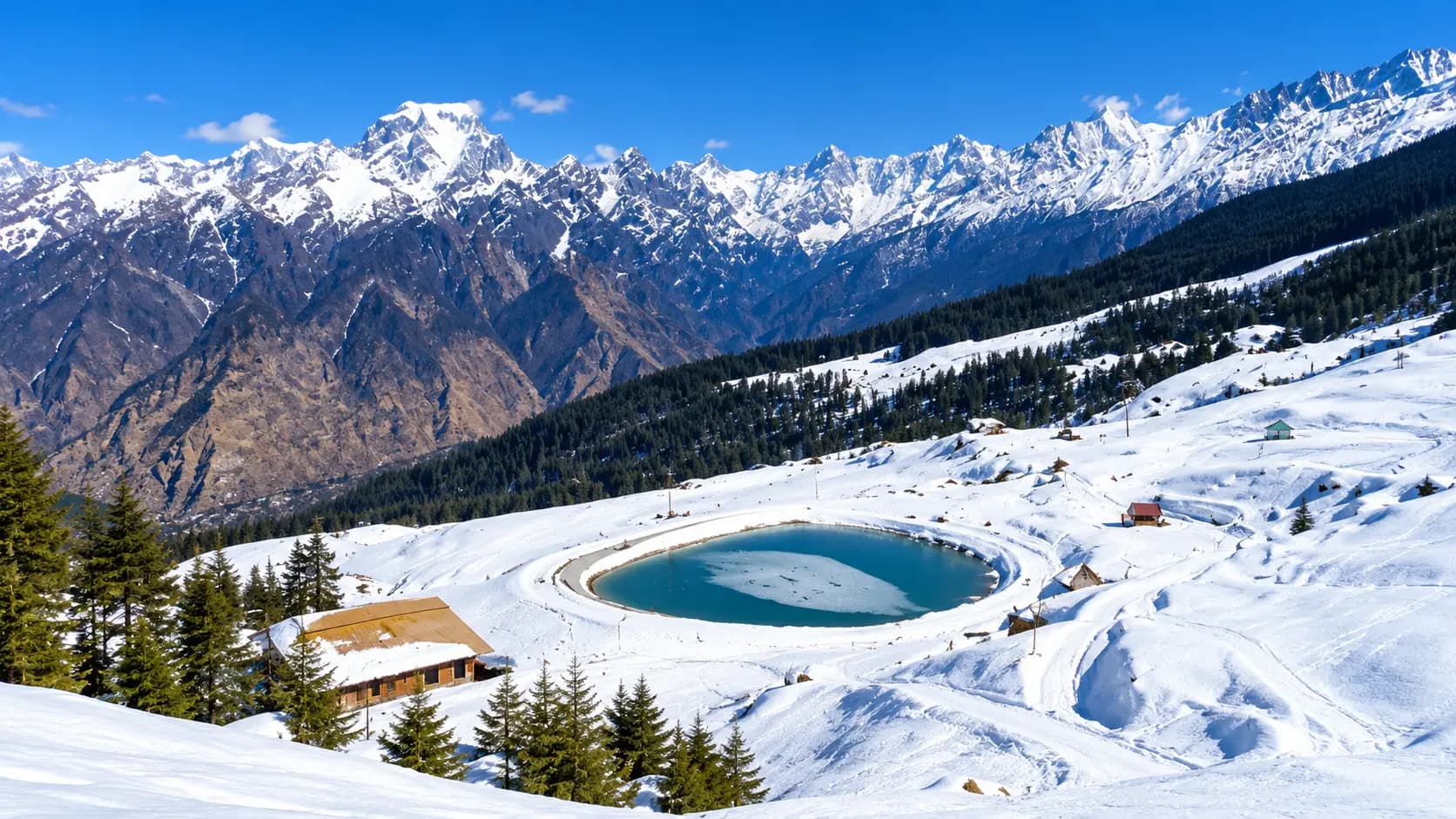
- Auli Ski Resort (16 km by road / 4.15 km by ropeway): India's premier high-altitude ski resort and alpine meadow, offering panoramic vistas of Nanda Devi and Kamet.
- Vishnuprayag Confluence (10 km): The dramatic, roaring confluence of the Alaknanda and Dhauliganga rivers, featuring an ancient riverside temple of Lord Vishnu.
- Badrinath Temple (45 km): One of the four supreme Char Dham pilgrimage destinations of India, dedicated to Lord Vishnu (open May to November).
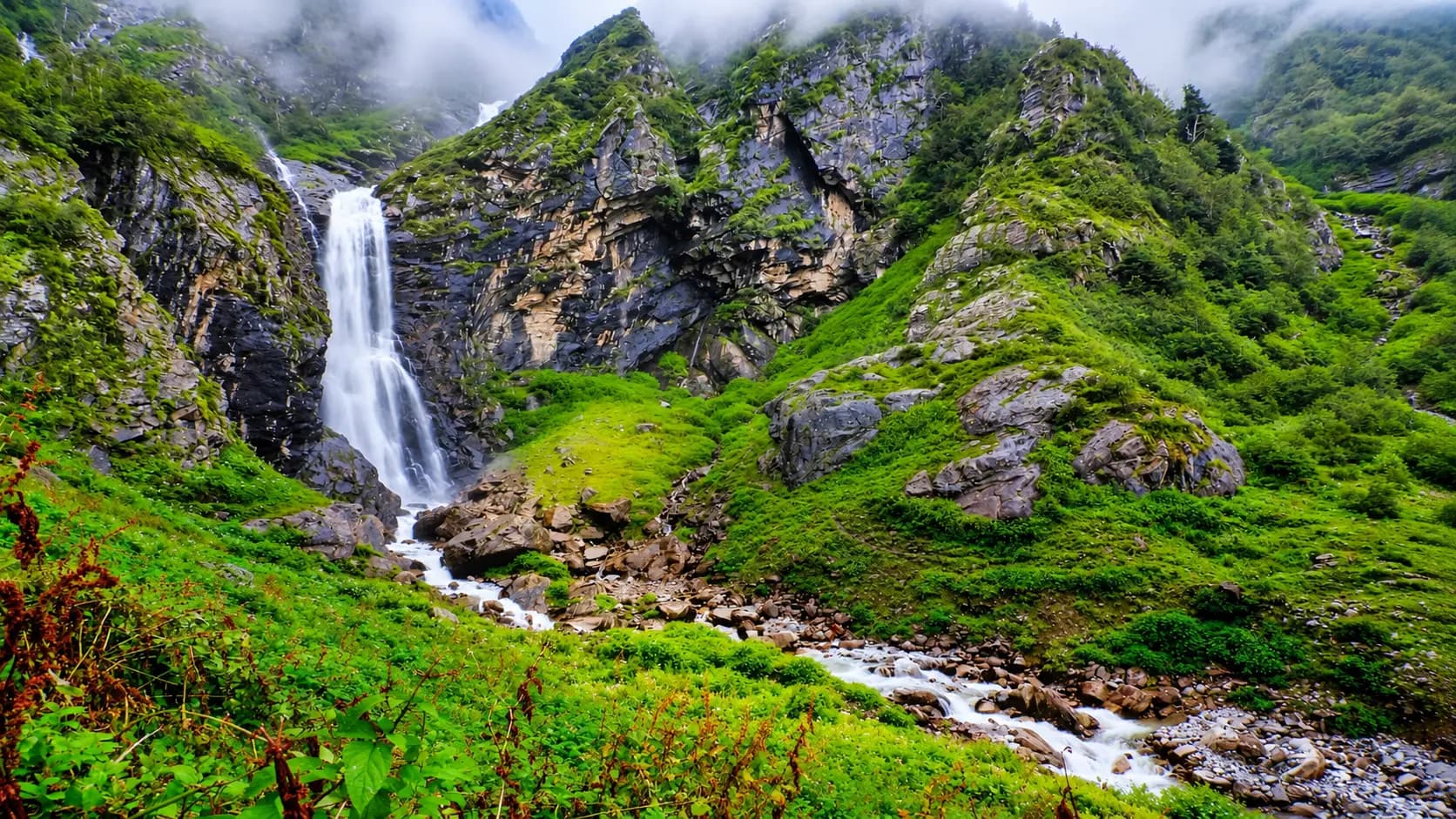
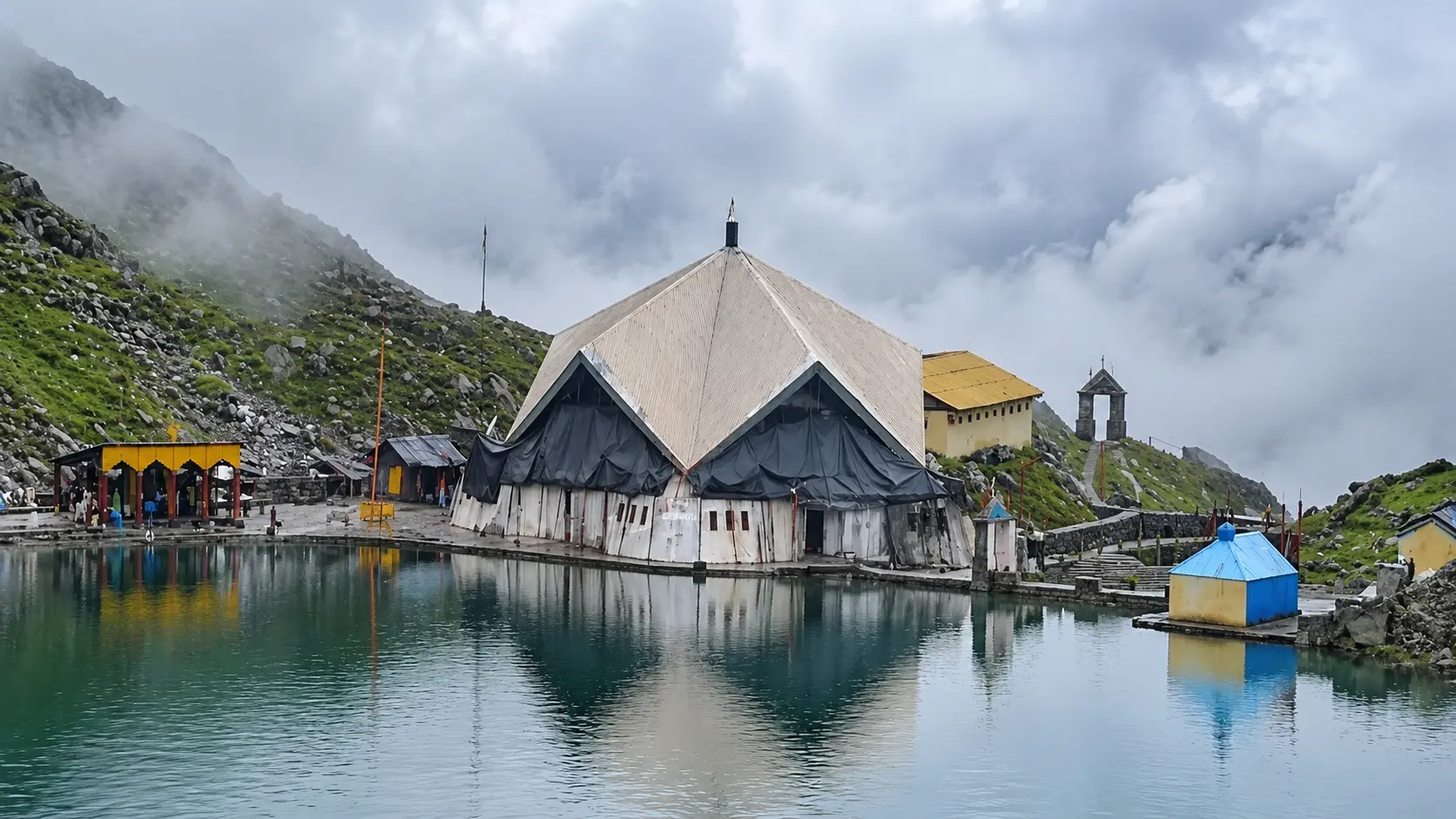
- Govindghat & Valley of Flowers (20 km): The river base camp leading to the UNESCO World Heritage floral paradise and the high-altitude Sikh pilgrimage shrine at Hemkund Sahib.
- Tapovan Hot Springs (14 km): Natural sulfur geothermal hot water springs located in the Dhauliganga valley, known for therapeutic bathing pools and dramatic mountain gorge scenery.
- Bhavishya Badri (17 km): One of the sacred Panch Badri shrines, situated amidst cedar forests at Subhain village, prophesied to become the future seat of Lord Badrinath in the Kali Yuga.
In pictures
The practical bits
Before you go.
Use Joshimath as Your Staging Base
Due to its moderate elevation (1,890 m) and extensive hotel infrastructure, Joshimath is the ideal…Explore detailsClose details
Due to its moderate elevation (1,890 m) and extensive hotel infrastructure, Joshimath is the ideal acclimatization and logistics hub for upper Garhwal. Spend your first night here after driving up from Rishikesh before ascending to the higher altitudes of Auli (3,000 m), Badrinath (3,133 m), or Ghangaria (3,048 m).
Attend the Evening Aarti at Narsingh Temple
Do not miss the evening Sayarakshai Aarti at the Narsingh Temple, particularly during the winter months (November…Explore detailsClose details
Do not miss the evening Sayarakshai Aarti at the Narsingh Temple, particularly during the winter months (November to May) when Lord Badrinath's sacred Utsav Murti is present. The atmospheric temple hall resonates with the rhythmic clang of brass bells, the deep boom of drums, and chanting by traditional priests dressed in crimson and gold.
Visit the Kalpavriksha in the Morning Quiet
Climb up to the Kalpavriksha and Shankaracharya Cave early in the morning around 07:30 or 08:00 AM.Explore detailsClose details
Climb up to the Kalpavriksha and Shankaracharya Cave early in the morning around 07:30 or 08:00 AM. During these quiet hours, you can sit beneath the ancient 1,200-year-old canopy in peaceful contemplation, meditate in the subterranean cave, and interact with the resident monks of Jyotirmath before afternoon tourist groups arrive.
Stock Up on Trekking Essentials
Joshimath's Upper and Lower Bazaars are the last major commercial trading centers before entering the wilderness…Explore detailsClose details
Joshimath's Upper and Lower Bazaars are the last major commercial trading centers before entering the wilderness zones of Badrinath and the Valley of Flowers. Take advantage of the town's pharmacies, bank ATMs, trekking gear rental shops (jackets, snow boots, walking poles), and local dry fruit stores before heading higher into the mountains.
A few things you might wonder
Common questions about visiting Joshimath. Fees, visiting hours and ceremonies are researched details that may change; confirm current arrangements with the operator before travelling.
What is the historical and spiritual significance of Joshimath?
How old is the Kalpavriksha tree in Joshimath?
What is the connection between Narsingh Temple and Badrinath?
How does one travel from Joshimath to Auli?
Are there ATMs, medical facilities, and good hotels in Joshimath?
What happened with land subsidence in Joshimath and is it safe to visit now?
Can I get an Inner Line Permit (ILP) in Joshimath?
How far is Badrinath from Joshimath and how long does it take to get there?
Explore more in Auli Valley Of Flowers
Discover other destinations around this hub
More Hubs in Uttarakhand
Continue exploring other travel hubs in this state
Planning a trip to Auli Valley of Flowers?