Deomali
Plan your trip to Deomali in Koraput, Odisha's highest peak at 1,672 m. Sourced guide covers vehicle entry charges, Nature Camp, trails, and weather tips.
Location
Koraput, Odisha
Elevation
1,672 m
A closer look
Your visit, at a glance.
Koraput, Odisha
GET TO KNOW THE PLACE
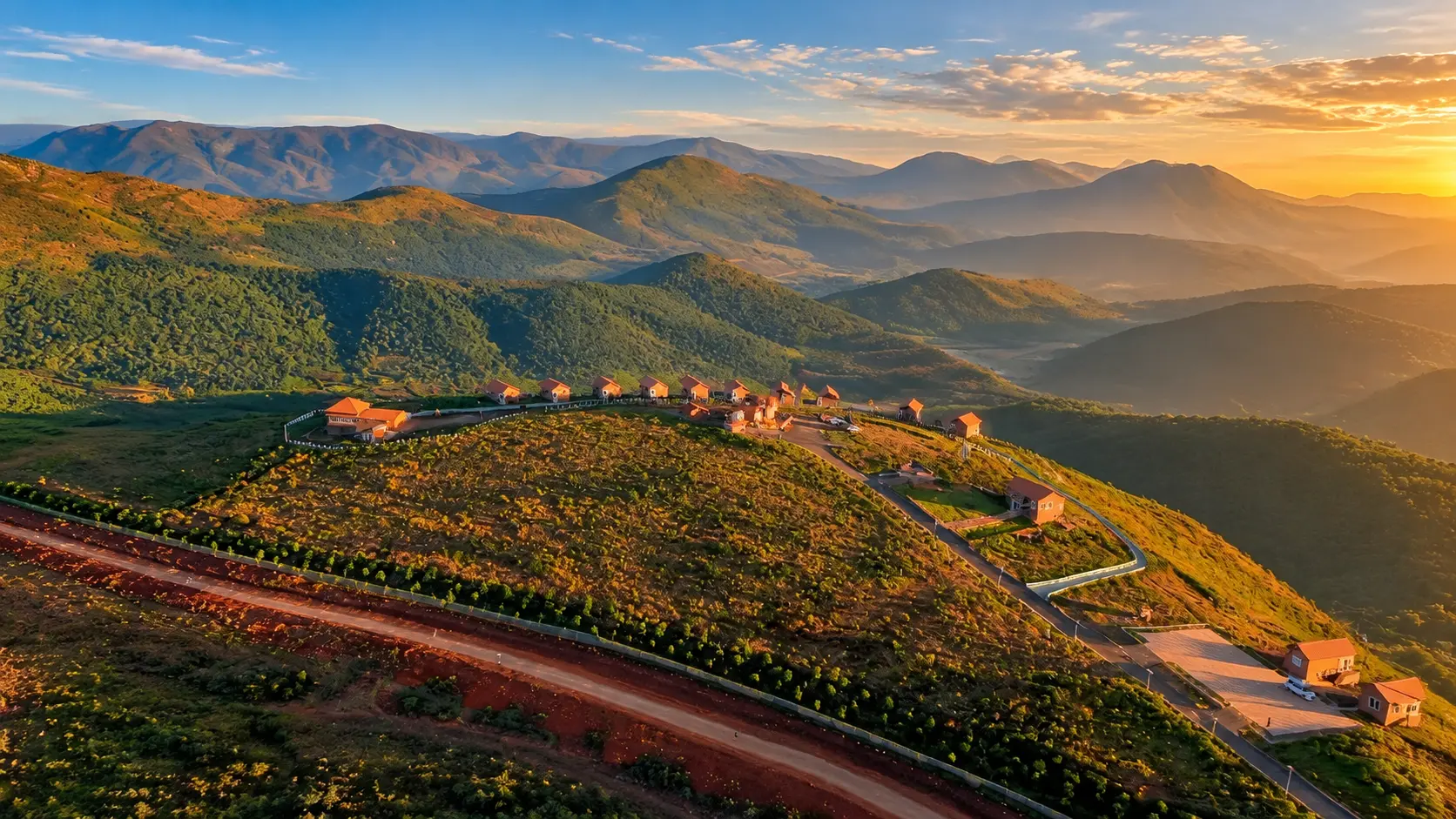
Deomali is the crowning geographical summit of Odisha, standing at an elevation of approximately 1,672 metres (5,486 feet) above mean sea level in the Pottangi block of Koraput…
The story of Deomali
Deomali is the crowning geographical summit of Odisha, standing at an elevation of approximately 1,672 metres (5,486 feet) above mean sea level in the Pottangi block of Koraput district. Rising proudly amidst the rolling escarpments of the southern Eastern Ghats, Deomali is celebrated as the highest mountain peak in the state. Rather than featuring precipitous, razor-sharp crags, the upper reaches of the mountain unfurl into expansive undulating meadows, rounded rocky knolls, and dramatic crests that offer breathtaking 360-degree vistas across lush tribal valleys, deep forest ravines, and interstate mountain ranges bordering Andhra Pradesh.
Located roughly 60 kilometres southeast of Koraput town, Deomali has evolved from a remote tribal mountain ridge into one of eastern India’s most compelling high-altitude nature and trekking destinations. Visitors are drawn by its cool sub-montane climate, sweeping panoramic viewpoints, and dynamic atmospheric phenomena, where low-drifting clouds and morning fog sweep rapidly across the grassy crests. With the establishment of regulated community eco-cottages and improved approach roads, Deomali provides an exceptional mountain retreat that balances raw highland scenery with structured conservation management.
Start here. Open a tile for the full details.
Why goRead details
The prime attraction of Deomali is the unmatched feeling of standing upon Odisha's highest rooftop. At over 1,600 metres, the peak commands an uninterrupted aerial panorama that stretches over dozens of kilometres of the Eastern Ghats. On clear mornings, travellers can gaze across layered mountain ridges fading into blue haze, patchwork agricultural valleys tended by indigenous tribal communities, and distant reservoir backwaters shimmering in the sun.
When to visitRead details
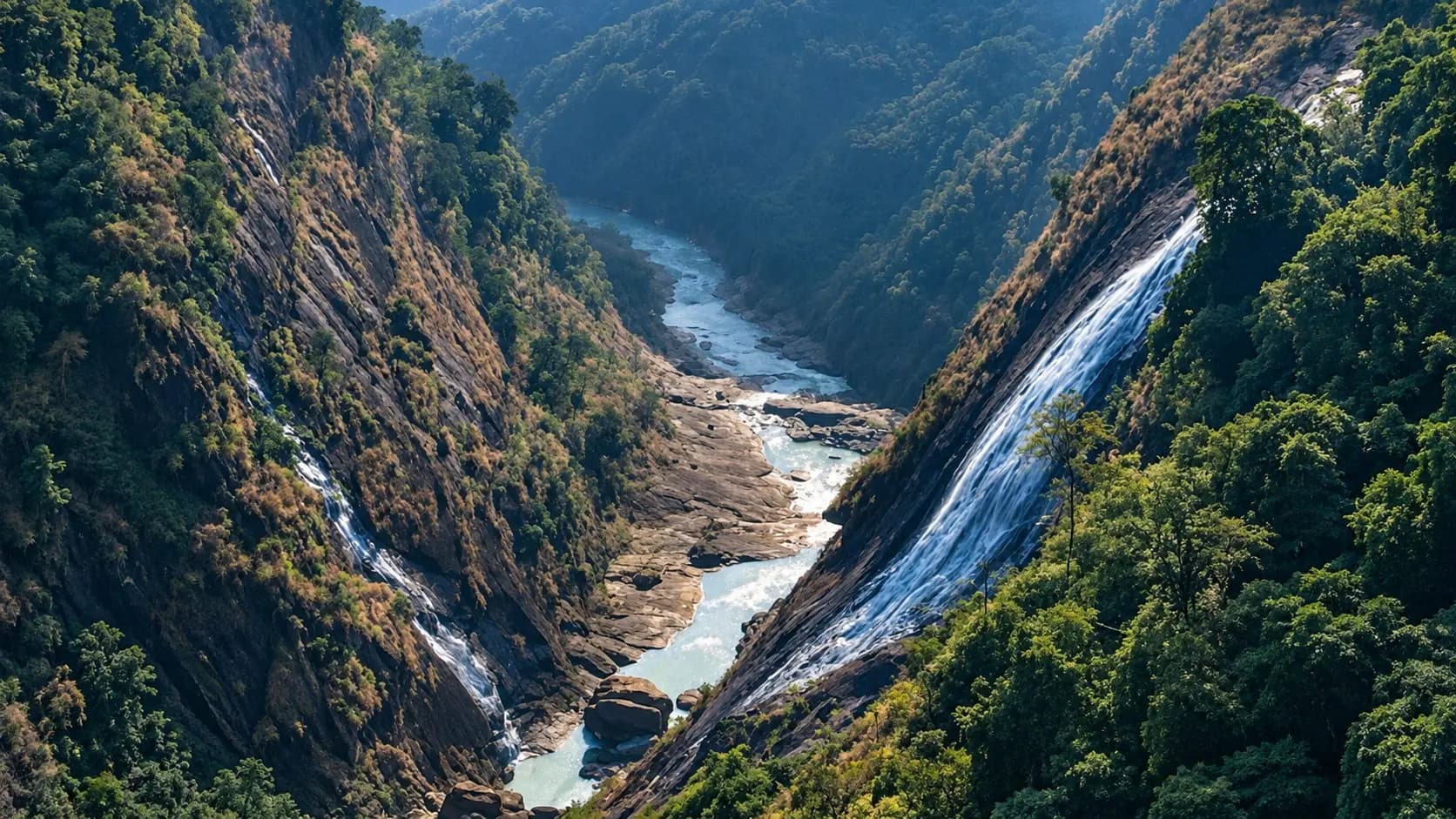
The most rewarding season to visit Deomali is during the post-monsoon and winter months, stretching from October through March. By October, the heavy rains of the southwest monsoon have revitalized the highland vegetation, leaving the entire mountain blanketed in vibrant emerald green. During October and November, waterfalls cascade down the foothills, and the cloud play across the ridges is at its most dramatic.
Entry & permissionsRead details
Fees, visiting hours and entry rules may change. Confirm the latest details with the official operator or local authority before travelling.
Vehicle charges are reported at Deomali; do not assume the visit is free. Confirm the current vehicle category, visitor-entry and parking charges at the entrance. Cottage or nature-camp accommodation is a separate booking: check the current listings, tariff, inclusions and availability with EcoTour Odisha. Confirm current visiting hours and overnight permissions before travelling.
Plan your visitRead details
Deomali is situated in the Pottangi block of Koraput district, approximately 60 km southeast of Koraput town, roughly 35 km from Semiliguda, and about 40 km from Damanjodi. The overland journey from Koraput typically follows National Highway 26 (NH-26) southward to Semiliguda, then proceeds towards Kunduli and turns onto the dedicated mountain access road that climbs up the Deomali massif.
Access
The road climbing Deomali is fully paved but features steep gradients, hairpins, and narrow sections. Ensure your vehicle’s brakes, tyres, and engine cooling systems are in top condition before making the ascent. Drive cautiously and sound your horn around blind mountain curves. The final walk to the summit viewpoints involves stepping along stone paths and grass trails that require sturdy, closed-toe footwear.
Regulations and safety
Respect the natural and cultural ecology of the mountain. Do not venture into unmanaged cliff edges or climb beyond protective safety barriers at the viewpoints. Keep children close at hand at all times. Avoid playing loud music or generating excessive noise along the trails. Carry all non-biodegradable waste - including plastic bottles, wrappers, and packaging - back down the mountain to keep Odisha's highest peak clean and pristine.
Explore the full guide - choose a topic below.
Why visit?
The prime attraction of Deomali is the unmatched feeling of standing upon Odisha's highest rooftop.Explore detailsClose details
The prime attraction of Deomali is the unmatched feeling of standing upon Odisha's highest rooftop. At over 1,600 metres, the peak commands an uninterrupted aerial panorama that stretches over dozens of kilometres of the Eastern Ghats. On clear mornings, travellers can gaze across layered mountain ridges fading into blue haze, patchwork agricultural valleys tended by indigenous tribal communities, and distant reservoir backwaters shimmering in the sun.
For trekkers and outdoor photographers, Deomali offers expansive ridge walking that is rare in peninsular India. The spine of the mountain is covered in open montane grassland, allowing hikers to walk along sweeping ridgelines with unobstructed views on both sides. Sunrise and sunset from the summit knolls are legendary: at dawn, an ocean of white clouds frequently fills the surrounding valleys, leaving only the highest peaks protruding like islands above a sea of mist. At dusk, the evening sun casts rich amber and violet hues across the undulating terrain.
Additionally, Deomali offers a tranquil immersion into the biodiverse Eastern Ghats highland ecology. The slopes are home to rare medicinal plants, montane birds of prey, and specialized flora adapted to high winds and seasonal moisture. The presence of the community-managed Deomali Nature Camp allows travellers to experience clean, quiet highland nights under starlit skies far removed from city light pollution.
What to expect
A journey to Deomali transitions from the bustling market towns of the Koraput plateau through scenic rural…Explore detailsClose details
A journey to Deomali transitions from the bustling market towns of the Koraput plateau through scenic rural hamlets and into an ascending mountain wilderness. The approach route winds through scenic ghats lined with deciduous timber, eucalyptus plantations, and terraced agricultural plots before climbing onto the high spine of the mountain range. As you gain elevation, the tree cover gives way to open, wind-sculpted grasslands dotted with dark Precambrian rock formations.
A well-engineered ghat road climbs close to the upper ridge, terminating at a designated vehicle parking turnaround and visitor staging area. From here, stone-paved walkways and natural footpath spurs lead upward toward the summit vantage points and viewing watchtowers constructed by the forest department. Reaching the highest survey benchmark involves a gentle to moderate 15- to 30-minute ridge walk along marked footpaths.
The summit atmosphere is clean, brisk, and constantly windy. Weather conditions at this altitude can shift with remarkable speed: a brilliant blue sky can be swallowed within minutes by swirling mists and fast-moving clouds. While viewing watchtowers and basic rest shelters have been built to enhance visitor safety, the terrain along the ridge edge remains rugged and unprotected. The mountain is an authentic wilderness environment; casual strolls require steady footing on grass-covered trails and continuous mindfulness along steep slope verges.
Best time to visit
The most rewarding season to visit Deomali is during the post-monsoon and winter months, stretching from October…Explore detailsClose details
The most rewarding season to visit Deomali is during the post-monsoon and winter months, stretching from October through March. By October, the heavy rains of the southwest monsoon have revitalized the highland vegetation, leaving the entire mountain blanketed in vibrant emerald green. During October and November, waterfalls cascade down the foothills, and the cloud play across the ridges is at its most dramatic.
Between December and February, winter brings crisp, crystal-clear skies and exhilaratingly cool daytime weather, with afternoon temperatures typically lingering between 16°C and 22°C under bright sunshine. However, night-time temperatures frequently drop below 8°C, and biting mountain winds can create very cold wind-chill conditions during dawn and evening hours.
The hot pre-monsoon summer months of April through June bring dry, warm weather and haze, though the peak remains noticeably cooler than the surrounding lowlands. The monsoon season from July to September brings intense tropical downpours, strong gale-force winds, and near-perpetual fog. While monsoon visits attract adventurous travellers seeking dramatic cloudscapes, driving up the steep, winding mountain road requires extreme caution due to low visibility, wet pavement, and potential rockfall risks.
How to reach
Deomali is situated in the Pottangi block of Koraput district, approximately 60 km southeast of Koraput town…Explore detailsClose details
Deomali is situated in the Pottangi block of Koraput district, approximately 60 km southeast of Koraput town, roughly 35 km from Semiliguda, and about 40 km from Damanjodi. The overland journey from Koraput typically follows National Highway 26 (NH-26) southward to Semiliguda, then proceeds towards Kunduli and turns onto the dedicated mountain access road that climbs up the Deomali massif.
For rail travellers, the most convenient railway station is Koraput Railway Station (KRPU, ~60 km away), which is well-connected by express trains to Visakhapatnam, Bhubaneswar, and Raipur. Damanjodi Railway Station (DMNJ, ~40 km away) also provides a nearby railhead for passenger trains operating on the Rayagada - Koraput line. From either station, hiring a private taxi or rental car is the most practical way to reach the mountain, as direct public bus services up the summit spur do not exist.
The nearest commercial airport is Visakhapatnam International Airport (VTZ) in Andhra Pradesh, located approximately 180 km to the south. Visitors arriving by air can hire a cab from Visakhapatnam to travel via the scenic Salur Ghat corridor and Semiliguda, a journey of approximately 4 to 5 hours. Local rural buses run from Koraput and Semiliguda to the foothill villages near Kunduli, but travellers using public transit must arrange private transport or local auto-rickshaws for the remaining uphill journey to the peak.
Entry, timings and permissions
Fees, visiting hours and entry rules may change.Explore detailsClose details
Fees, visiting hours and entry rules may change. Confirm the latest details with the official operator or local authority before travelling.
Vehicle charges are reported at Deomali; do not assume the visit is free. Confirm the current vehicle category, visitor-entry and parking charges at the entrance. Cottage or nature-camp accommodation is a separate booking: check the current listings, tariff, inclusions and availability with EcoTour Odisha. Confirm current visiting hours and overnight permissions before travelling.
Nearby places to consider
A trip to Deomali can be seamlessly integrated with other attractions in the Koraput region: - Damanjodi: Located…Explore detailsClose details
A trip to Deomali can be seamlessly integrated with other attractions in the Koraput region:
- Damanjodi: Located approximately 40 km away, this planned company township features the impressive 14.6 km NALCO conveyor belt, the foothill Panchpatmali bauxite range, and the hilltop Jagannath Temple.
- Dumuriput: Situated roughly 45 km to the northwest along the highway to Koraput, famous for its grand Sri Ram Temple and the giant kneeling Hanuman statue.
- Sabara Srikhetra: Located 60 km away in Koraput town, this renowned Jagannath Temple is celebrated for its tribal religious harmony and scenic hillside complex.
- Upper Kolab Dam: Situated roughly 75 km to the northwest, offering scenic reservoir vistas, botanical gardens, and boating amenities.
In pictures
The practical bits
Before you go.
Plan ahead
Because Deomali is a high-altitude natural summit with sensitive environmental regulations, careful preparation…Explore detailsClose details
Because Deomali is a high-altitude natural summit with sensitive environmental regulations, careful preparation guarantees a smooth and memorable experience.
Access
The road climbing Deomali is fully paved but features steep gradients, hairpins, and narrow sections.Explore detailsClose details
The road climbing Deomali is fully paved but features steep gradients, hairpins, and narrow sections. Ensure your vehicle’s brakes, tyres, and engine cooling systems are in top condition before making the ascent. Drive cautiously and sound your horn around blind mountain curves. The final walk to the summit viewpoints involves stepping along stone paths and grass trails that require sturdy, closed-toe footwear.
Weather
Wind and cold are the defining weather elements on Deomali.Explore detailsClose details
Wind and cold are the defining weather elements on Deomali. Even during sunny winter afternoons, ridge breezes can be sharp, and early morning visits require warm thermal innerwear, a fleece jacket or woollen sweater, and a windbreaker. During monsoon or post-monsoon trips, pack a compact raincoat or wind-resistant poncho.
What to carry
While the nature camp provides meals for resident overnight guests, day visitors should carry adequate drinking…Explore detailsClose details
While the nature camp provides meals for resident overnight guests, day visitors should carry adequate drinking water, energy bars, and light snacks. There are no retail convenience stores or pharmacies on the mountain peak. Carry a basic personal medical kit with motion-sickness tablets for the winding ghat ascent, antiseptic ointment, and bandages.
Facilities
Built infrastructure on the mountain includes parking areas, viewing gazebos, watchtowers, and the Deomali Nature…Explore detailsClose details
Built infrastructure on the mountain includes parking areas, viewing gazebos, watchtowers, and the Deomali Nature Camp complex. Confirm the current charge and what it includes with the operator or service provider. Visitor admission, vehicles, parking, activities and accommodation can have separate charges. Public toilet facilities are available near the visitor staging areas, but independent dining options are scarce; plan major meals in Semiliguda or carry packed food.
Regulations and safety
Respect the natural and cultural ecology of the mountain.Explore detailsClose details
Respect the natural and cultural ecology of the mountain. Do not venture into unmanaged cliff edges or climb beyond protective safety barriers at the viewpoints. Keep children close at hand at all times. Avoid playing loud music or generating excessive noise along the trails. Carry all non-biodegradable waste - including plastic bottles, wrappers, and packaging - back down the mountain to keep Odisha's highest peak clean and pristine.
A few things you might wonder
Common questions about visiting Deomali. Fees, visiting hours and ceremonies are researched details that may change; confirm current arrangements with the operator before travelling.
Where is Deomali located?
How high is Deomali mountain peak?
Why do some records mention an elevation of 1,762 metres for Deomali?
Are there entry fees and vehicle charges at Deomali?
Can visitors pitch their own tents and camp overnight at Deomali?
How can travellers book cottages at Deomali Nature Camp?
What are the recommended daytime visiting hours for Deomali?
What is the best time of year to visit Deomali?
Explore more in Koraput
Discover other destinations around this hub
More Hubs in Odisha
Continue exploring other travel hubs in this state
Planning a trip to Koraput?