Upper Kolab Dam
Visit Upper Kolab Dam in Koraput, Odisha. Sourced travel guide covers the 110 sq km reservoir, terraced botanical garden, boating, picnic spots, and route.
Location
Koraput, Odisha
A closer look
Your visit, at a glance.
Koraput, Odisha
GET TO KNOW THE PLACE
Perched at an elevation of approximately 3,000 feet (900 metres) above sea level in the picturesque highlands of southern Odisha, Upper Kolab Dam - and its vast impounded water…
The story of Upper Kolab Dam
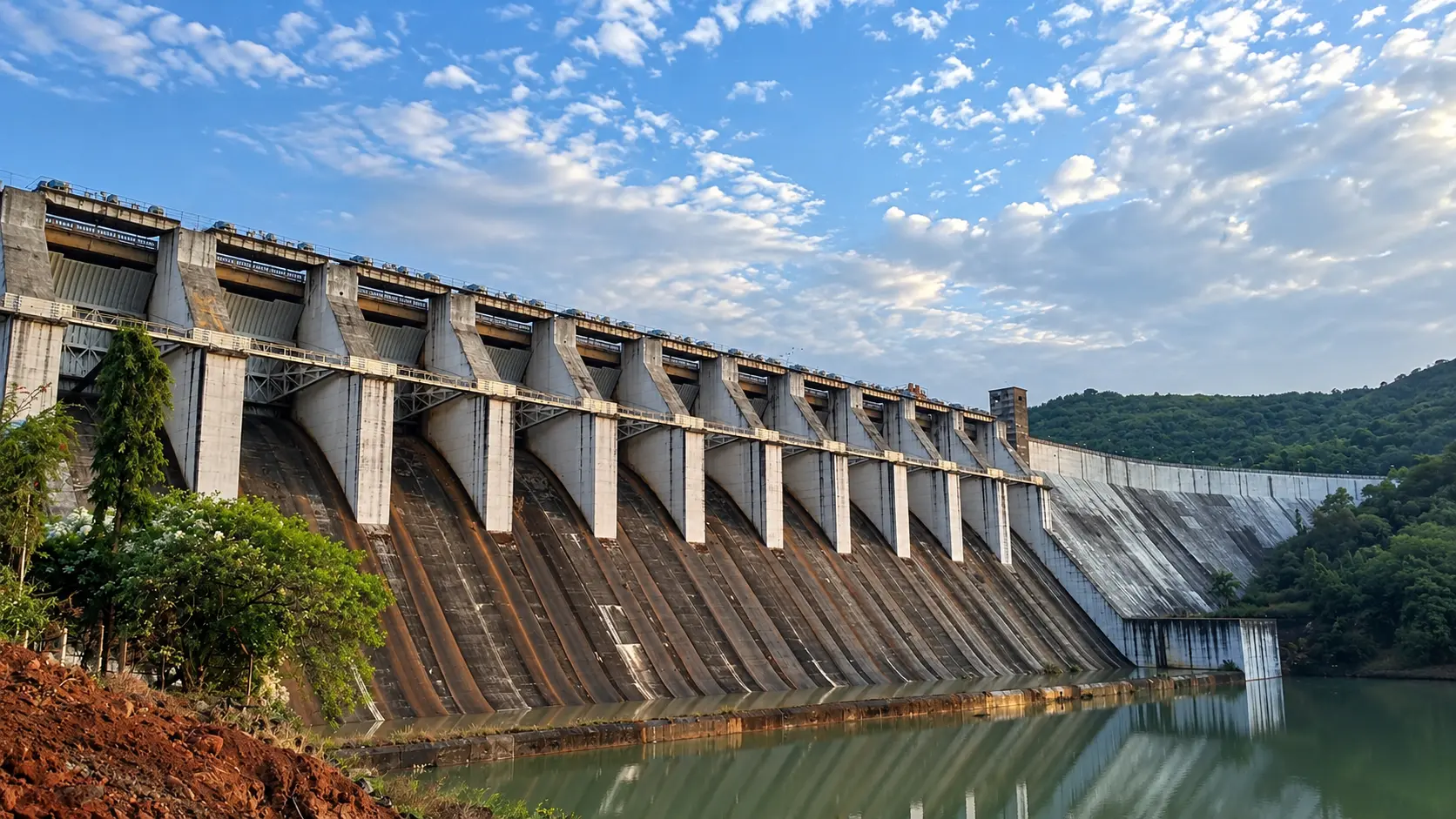
Perched at an elevation of approximately 3,000 feet (900 metres) above sea level in the picturesque highlands of southern Odisha, Upper Kolab Dam - and its vast impounded water body, the Kolab Reservoir - is one of the most magnificent engineering achievements and scenic recreational destinations in the Eastern Ghats. Situated at Kolab Nagar, comfortably positioned midway between the district administrative headquarters of Koraput town (15 to 20 km to the northeast) and the historic royal city of Jeypore (18 to 22 km to the northwest), this multipurpose project harnesses the perennial waters of the Kolab River, a major tributary of the Godavari river basin.
The Kolab River originates from the sacred Sankaram hills nestled in the shadow of the mighty Deomali mountain range. After traversing roughly 80 kilometres and absorbing mountain tributaries including the Kerandi and Guradi, its swirling waters are impounded by the massive masonry and concrete gravity dam at Kolab Nagar. The resulting artificial lake spreads over a colossal surface area of roughly 110 square kilometres, creating an undulating freshwater expanse dotted with wooded islands and framed by rolling forested ridges. Conceived in 1976 and fully commissioned through the 1980s, the Upper Kolab Multipurpose Project plays an indispensable lifeline role in southern Odisha: driving a 320-megawatt (MW) hydroelectric powerhouse operated by the Odisha Hydro Power Corporation (OHPC), irrigating over 70,250 hectares of fertile downstream agricultural farmland, and providing industrial and municipal drinking water to the major townships of Koraput, Jeypore, Sunabeda (HAL), and Damanjodi (NALCO).
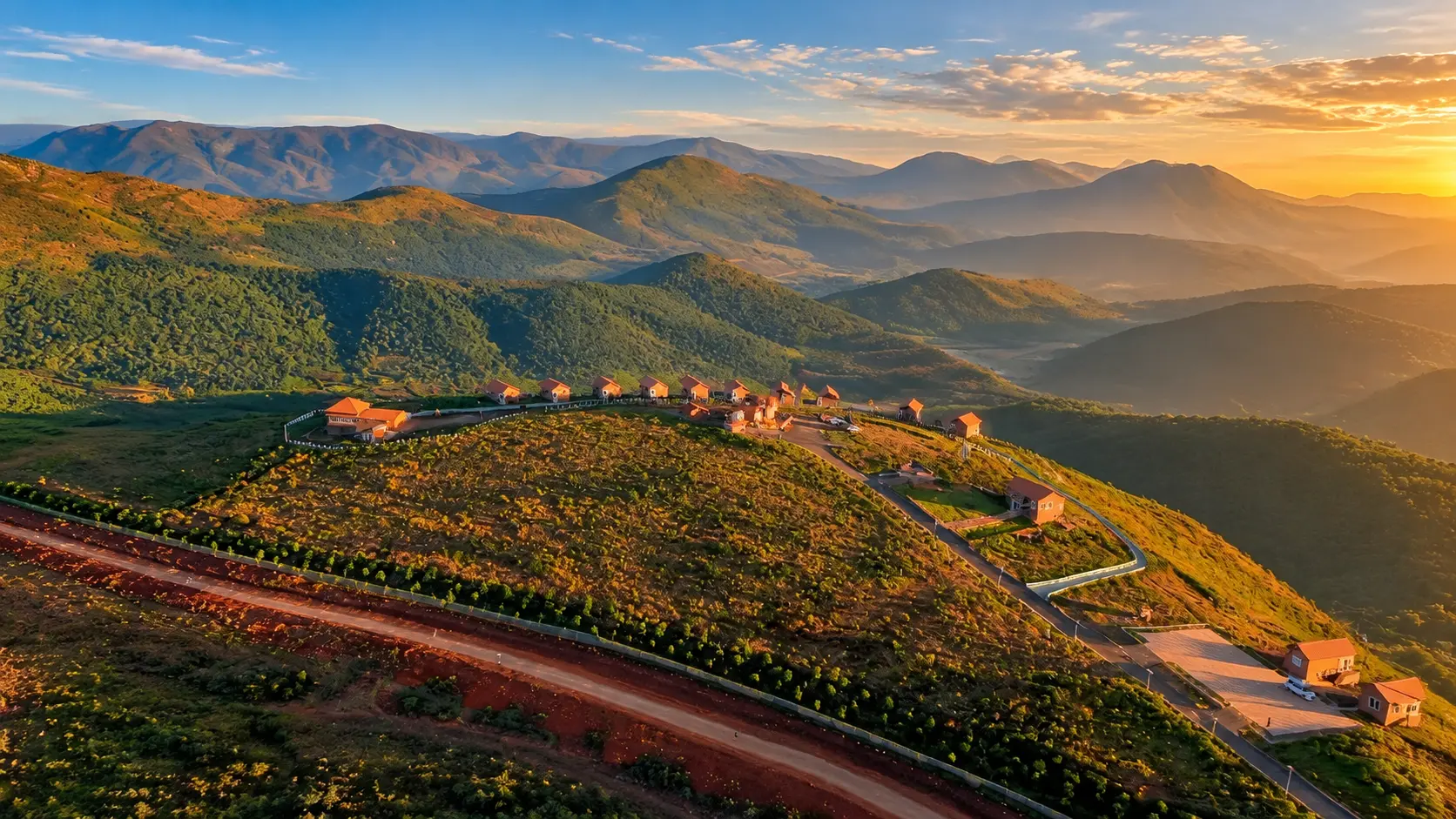
Beyond its vital socio-economic and industrial importance, Upper Kolab has evolved into one of the region’s most beloved leisure retreats. The dam site features the exquisitely landscaped Kolab Botanical Garden, a terraced horticultural showpiece home to more than 200 species of exotic and native flowering flora, illuminated water fountains, shaded pine groves, and paved promenades. With seasonal boating facilities, gentle water breezes, and spectacular evening sunsets that bathe the reservoir in liquid gold, Upper Kolab Dam provides the perfect harmonious blend of modern engineering grandeur and pastoral nature.
Start here. Open a tile for the full details.
Why goRead details
- Grand Engineering on a Magnificent Scale: Marvel at one of eastern India’s premier multipurpose river valley projects. Spanning the gorge between green hills, the massive dam structure and its 320 MW powerhouse showcase the impressive scale of hydroelectric generation and water engineering in Odisha.
- The Lush Kolab Botanical Garden: Step into a vibrant terraced garden terraced along the slopes flanking the dam crest. Maintained with meticulous care, the park showcases manicured floral beds, ornamental shrub sculptures, shaded bougainvillea arbours, and over 200 varieties of flowering plants that burst into brilliant bloom during the winter months.
- Breathtaking Reservoir Panoramas & Sunsets: The vast, mirror-like waters of the 110-square-kilometre reservoir reflect the passing clouds and surrounding forested peaks. The western outlook makes it one of the premier sunset photography viewpoints in the district, as the evening sun dips behind distant blue mountain ridges.
- Enchanting Lake Islands and Submerged History: The expansive reservoir is dotted with tranquil, tree-covered islands. Most famous among them is the historic island of Kechela (Kanspabali), where during the dry summer months, receding waters reveal the ancient submerged stone ruins of early medieval Jain temples that once stood along the ancient banks of the Kolab.
- Ideal Family Picnic & Weekend Leisure Haven: Shaded lawns, paved promenades, stone gazebos, clean mountain air, and cool breezes off the water make Upper Kolab the foremost family picnic destination in the Koraput - Jeypore corridor.
When to visitRead details
Upper Kolab Dam is a rewarding year-round attraction, but seasonal changes dramatically influence water volumes, floral bloom, and outdoor comfort:
Entry & permissionsRead details
Fees, visiting hours and entry rules may change. Confirm the latest details with the official operator or local authority before travelling.
- Admission Charges:
- Lake Viewpoints & Public Promenade: Free open access.
- Botanical Garden Entrance Ticket: Nominal municipal/panchayat maintenance fee of ₹5 to ₹10 per person (children under 5 are free).
- Vehicle Parking Fees: Formal open parking clearing at the garden entrance charges approximately ₹10 to ₹20 for two-wheelers and ₹30 to ₹50 for cars and four-wheelers.
- Boating Charges: When active, pedal boats cost approximately ₹50 per person, while shared motorboat cruises cost roughly ₹80 to ₹100 per passenger for a 15-to-20-minute ride.
- Operating Hours:
- The botanical garden and dam tourist promenades are open daily from 09:00 to 17:30.
- On weekends and major holidays, garden illuminations and fountain displays typically remain active until 18:30.
- Security & Permitted Zones:
- The botanical garden, designated lakeside promenades, picnic lawns, and public viewpoints are fully open to all visitors.
- Critical Infrastructure Security Restrictions: Entering the active powerhouse complex, walking across the operational spillway control gates, or climbing onto the intake towers is strictly prohibited under state critical infrastructure security regulations.
- Swimming, diving, or unauthorized boat launching in the reservoir is strictly forbidden due to deep underwater currents, submerged trees, and sudden water releases.
- Permits: No special government permits or forest passes are required for general leisure visitors. Commercial filmmaking, drone videography, or professional photography shoots require prior written authorization from the Koraput District Collectorate and OHPC project authorities.
Plan your visitRead details
Upper Kolab Dam is exceptionally accessible thanks to its prime location directly off National Highway 26 between Koraput and Jeypore:
Explore the full guide - choose a topic below.
Why visit?
Grand Engineering on a Magnificent Scale: Marvel at one of eastern India’s premier multipurpose river valley…Explore detailsClose details
- Grand Engineering on a Magnificent Scale: Marvel at one of eastern India’s premier multipurpose river valley projects. Spanning the gorge between green hills, the massive dam structure and its 320 MW powerhouse showcase the impressive scale of hydroelectric generation and water engineering in Odisha.
- The Lush Kolab Botanical Garden: Step into a vibrant terraced garden terraced along the slopes flanking the dam crest. Maintained with meticulous care, the park showcases manicured floral beds, ornamental shrub sculptures, shaded bougainvillea arbours, and over 200 varieties of flowering plants that burst into brilliant bloom during the winter months.
- Breathtaking Reservoir Panoramas & Sunsets: The vast, mirror-like waters of the 110-square-kilometre reservoir reflect the passing clouds and surrounding forested peaks. The western outlook makes it one of the premier sunset photography viewpoints in the district, as the evening sun dips behind distant blue mountain ridges.
- Enchanting Lake Islands and Submerged History: The expansive reservoir is dotted with tranquil, tree-covered islands. Most famous among them is the historic island of Kechela (Kanspabali), where during the dry summer months, receding waters reveal the ancient submerged stone ruins of early medieval Jain temples that once stood along the ancient banks of the Kolab.
- Ideal Family Picnic & Weekend Leisure Haven: Shaded lawns, paved promenades, stone gazebos, clean mountain air, and cool breezes off the water make Upper Kolab the foremost family picnic destination in the Koraput - Jeypore corridor.
What to expect
A visit to Upper Kolab Dam offers a delightful combination of lakeside relaxation, botanical sightseeing, and…Explore detailsClose details
A visit to Upper Kolab Dam offers a delightful combination of lakeside relaxation, botanical sightseeing, and panoramic photography:
1. The Kolab Nagar Approach and Entrance
Departing National Highway 26, a smooth, tree-lined asphalt road winds through gentle hillocks toward Kolab Nagar. As you reach the dam complex, the road bifurcates: one branch leads toward the secure administrative colonies and powerhouse access gates, while the tourist road leads directly to the wide parking clearing fronting the Kolab Botanical Garden. The soothing sound of rustling pine needles and splashing water greets visitors as they enter the landscaped park grounds.
2. Strolling the Terraced Botanical Garden
The botanical garden is laid out in multi-tiered terraces descending gracefully toward the reservoir shoreline:
- Floral Displays: Vibrant beds of marigolds, dahlias, salvias, petunias, and chrysanthemums create dazzling geometric tapestries during the winter months.
- Ornamental Hedges & Topiary: Skilfully pruned boxwood and bougainvillea bushes carved into elephant and peacock motifs add whimsical charm along the promenades.
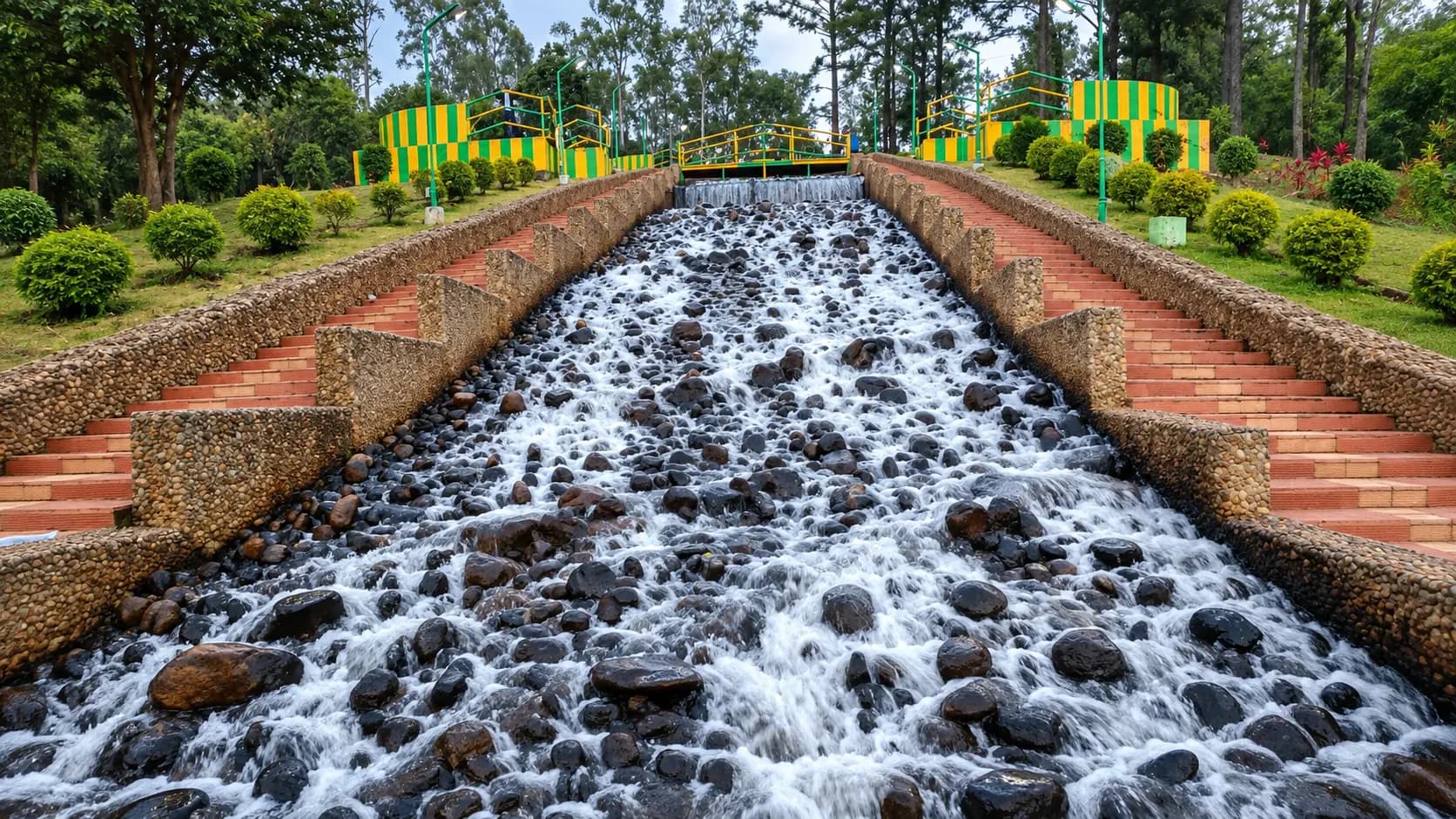
- Illuminated Water Fountains: Centrally positioned fountains spray delicate cooling mist into the air during daylight hours, while on weekend evenings and festival holidays, multi-coloured lights illuminate the water jets to create an enchanting evening spectacle.
- Shaded Pine Glades: Towering stands of whispering pine trees and weeping eucalyptus provide deep, fragrant shade where visitors can unfurl picnic mats, relax on stone benches, and soak in the serene montane climate.
3. The Dam Crest and Spillway Viewpoint
From the elevated garden promenades and dedicated viewpoint pavilions, visitors enjoy commanding views across the upstream reservoir and downstream canyon:
- Upstream Reservoir: An endless sheet of deep blue water stretches to the horizon, lapping gently against forested headlands and rocky peninsulas.
- The Sluice Gates & Spillway: Massive radial steel crest gates control the outflow of the river. When gates are opened during peak monsoon inflows (July to September), colossal torrents of white water surge into the rocky gorge below with a deafening roar and clouds of glistening mist.
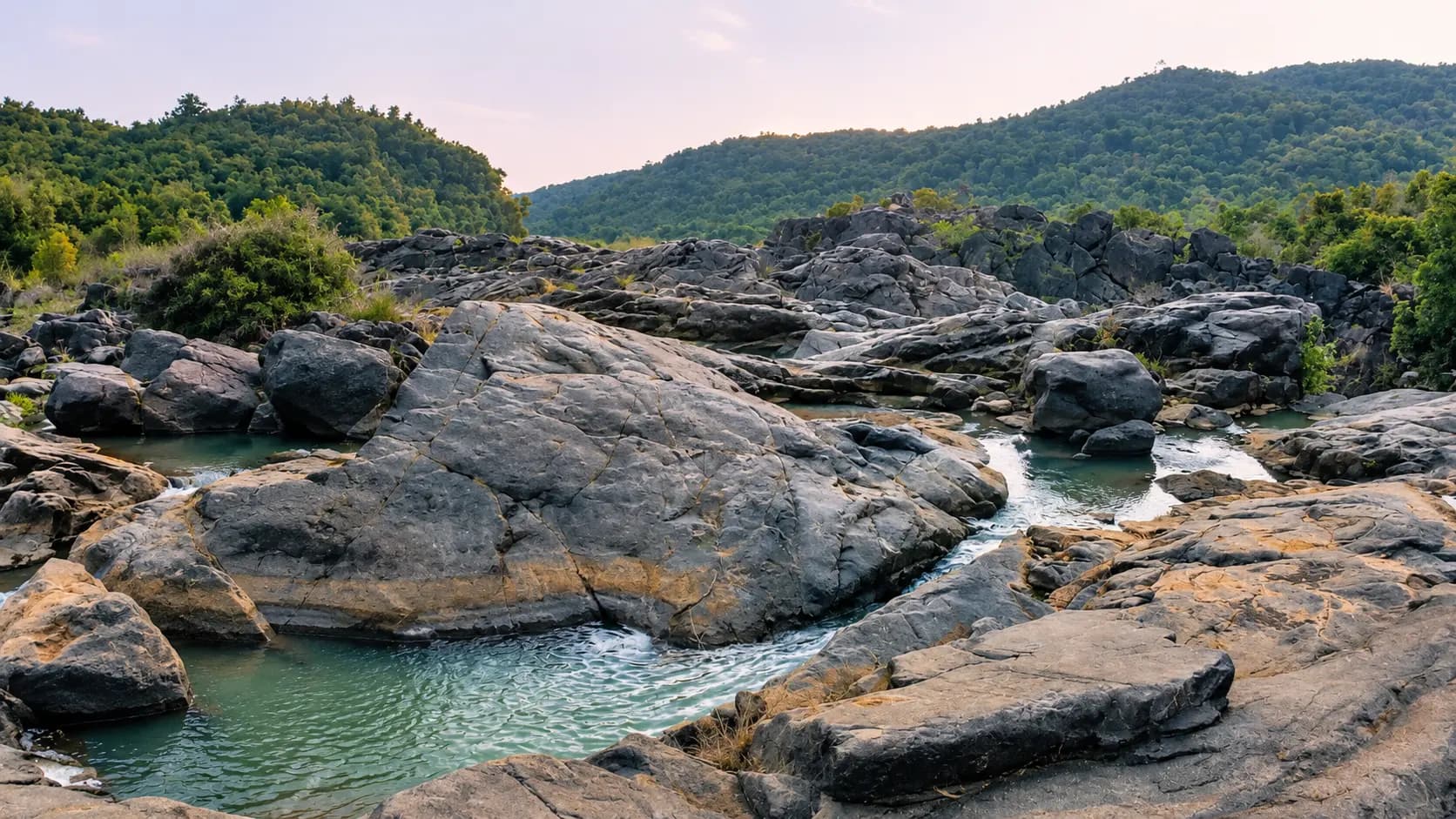
- The Powerhouse Canal: Below the dam, deep tailrace canals channel the turbine discharge back into the natural riverbed, which winds westward through rocky hills toward Bagra Waterfall and Jeypore.
4. Seasonal Boating and Watersports
During the post-monsoon and winter months when the reservoir maintains optimal water levels, authorized tourism and fisheries concessionaires operate recreational boating services from a dedicated boat jetty near the garden. Visitors can embark on pedal-boat excursions or motorized lake cruises that glide past forested shorelines and circle peaceful uninhabited islands, offering an intimate perspective of the lake's rich aquatic birdlife, including cormorants, egrets, and migratory winter ducks.
Best time to visit
Upper Kolab Dam is a rewarding year-round attraction, but seasonal changes dramatically influence water volumes…Explore detailsClose details
Upper Kolab Dam is a rewarding year-round attraction, but seasonal changes dramatically influence water volumes, floral bloom, and outdoor comfort:
Season | Months | Reservoir & Park Experience | Travel Recommendation |
|---|---|---|---|
Post-Monsoon | October to November | Reservoir reaches Full Reservoir Level (FRL); roaring spillways occasionally active; lush green surrounding hills; pleasant weather (20°C - 27°C). | Outstanding Season: Spectacular for witnessing the dam at maximum capacity and capturing mirror-glass water reflections across the lake. |
Winter | December to February | Crisp, sunny days (16°C - 24°C) with cold evenings (9°C - 14°C); Botanical Garden is in peak floral bloom; calm, clear waters for boating. | Prime Season: The absolute best period for family picnics, leisurely garden walks, evening fountain shows, and scenic boating. |
Spring Transition | March to April | Warm, sunny weather (25°C - 33°C); reservoir water level gradually recedes; blooming jacaranda and bougainvillea across the terraces. | Good Window: Pleasant morning (09:00 - 11:30) and late afternoon (15:30 - 17:30) visits; cooler lakeside breezes temper midday heat. |
Summer | May to mid-June | Warm days (33°C - 38°C); lower water levels; submerged islands emerge in full view, including the Jain relics at Kechela island. | Moderate Season: Ideal for sunset visits (16:30 - 18:00); avoid midday sun; boating may be suspended due to low water levels. |
Monsoon | July to September | Dramatic rain clouds and misty hills; surging muddy-brown floodwaters; thunderous gate discharges. | Dramatic Engineering Season: Incredible for viewing the raw power of rushing spillway waters; carry rain gear; garden walks may be damp. |
Recommended Hours of the Day: The premier time to visit is late afternoon between 15:30 and 17:30. Arriving during these hours allows you to explore the botanical terraces in pleasant, softening sunlight, experience the tranquil reservoir breeze, and witness a magnificent golden-amber sunset across the water. On weekend evenings, staying until 18:00 to 18:30 allows you to enjoy the illuminated garden fountains before heading back to Koraput or Jeypore.
How to reach
Upper Kolab Dam is exceptionally accessible thanks to its prime location directly off National Highway 26 between…Explore detailsClose details
Upper Kolab Dam is exceptionally accessible thanks to its prime location directly off National Highway 26 between Koraput and Jeypore:
[Koraput Town (18 km)] ----(NH-26)----> [Kolab Nagar Junction] ----(NH-26)----> [Jeypore Town (20 km)]
                                                |
                                      (3 km paved road)
                                                v
                                    [UPPER KOLAB DAM & GARDENS]
By Road (Private Car, Taxi, Auto-Rickshaw, or Motorcycle)
Road transport is fast, scenic, and convenient:
- From Koraput Town (18 km, 25 minutes): Head west along National Highway 26 (NH-26) heading toward Jeypore. After approximately 15 km of smooth highway driving across rolling hill country, turn left at the prominent signposted junction for Kolab Nagar. Follow the wide, paved link road for 3 km directly to the dam parking area.
- From Jeypore Town (20 km, 30 minutes): Drive east along NH-26 heading toward Koraput. Turn right at the Kolab Nagar junction and proceed 3 km along the access road.
- From Sunabeda (38 km, 50 minutes): Follow NH-26 through Koraput town toward Jeypore.
- From Visakhapatnam (190 km, 4.5 to 5 hours): Ascend the Salur Ghat via NH-26 through Sunki, Pottangi, Sunabeda, and Koraput.
By Public Bus & Auto-Rickshaw
Buses operating between Koraput and Jeypore run along NH-26 every 10 to 15 minutes. Travellers using public transport can board any Koraput - Jeypore bus, disembark at the "Kolab Nagar Chhak" (highway junction), and hire an auto-rickshaw for the remaining 3-km drive to the dam. Alternatively, private auto-rickshaws can be hired directly from Koraput bus stand or Jeypore market for a round-trip excursion.
By Rail
- Koraput Junction (KRPU, ~18 km): Major railway junction connected to Visakhapatnam, Rayagada, Rourkela, and Raipur. Taxis and auto-rickshaws can be booked directly outside the station.
- Jeypore Railway Station (JYP, ~20 km): Railway stop along the scenic Kottavalasa - Kirandul (K-K) line, receiving passenger and express services.
By Air
- Jeypore Airport (PYB, ~22 km): The closest airport, operating scheduled UDAN regional flights to Bhubaneswar and Visakhapatnam.
- Visakhapatnam International Airport (VTZ, ~190 km): The major commercial aviation hub offering comprehensive daily flight connectivity across India.
Entry, timings and permissions
Fees, visiting hours and entry rules may change.Explore detailsClose details
Fees, visiting hours and entry rules may change. Confirm the latest details with the official operator or local authority before travelling.
- Admission Charges:
- Lake Viewpoints & Public Promenade: Free open access.
- Botanical Garden Entrance Ticket: Nominal municipal/panchayat maintenance fee of ₹5 to ₹10 per person (children under 5 are free).
- Vehicle Parking Fees: Formal open parking clearing at the garden entrance charges approximately ₹10 to ₹20 for two-wheelers and ₹30 to ₹50 for cars and four-wheelers.
- Boating Charges: When active, pedal boats cost approximately ₹50 per person, while shared motorboat cruises cost roughly ₹80 to ₹100 per passenger for a 15-to-20-minute ride.
- Operating Hours:
- The botanical garden and dam tourist promenades are open daily from 09:00 to 17:30.
- On weekends and major holidays, garden illuminations and fountain displays typically remain active until 18:30.
- Security & Permitted Zones:
- The botanical garden, designated lakeside promenades, picnic lawns, and public viewpoints are fully open to all visitors.
- Critical Infrastructure Security Restrictions: Entering the active powerhouse complex, walking across the operational spillway control gates, or climbing onto the intake towers is strictly prohibited under state critical infrastructure security regulations.
- Swimming, diving, or unauthorized boat launching in the reservoir is strictly forbidden due to deep underwater currents, submerged trees, and sudden water releases.
- Permits: No special government permits or forest passes are required for general leisure visitors. Commercial filmmaking, drone videography, or professional photography shoots require prior written authorization from the Koraput District Collectorate and OHPC project authorities.
Nearby places to consider
Because Upper Kolab sits right in the centre of the Koraput - Jeypore corridor, it naturally anchors a diverse…Explore detailsClose details
Because Upper Kolab sits right in the centre of the Koraput - Jeypore corridor, it naturally anchors a diverse regional day-trip itinerary:
[Bagra Waterfall] (14 km northeast)
               ^
               |
     [UPPER KOLAB DAM]
     /               \
    v                 v
[Jeypore Palace]   [Sabara Srikhetra]
(20 km west) (18 km east)- Bagra Waterfall (14 km northeast): A scenic triple-tiered cascade formed by the Kolab River dropping through rocky sal forest glades, located along the road toward Koraput.
- Jeypore Royal Palace & Jagannath Sagar (20 km west): The historic capital of the Kingdom of Jeypore, featuring the heritage royal palace ruins, ancient step-wells, and the vast Jagannath Sagar lake with an illuminated evening promenade.
- Sabara Srikhetra Jagannath Temple & Tribal Museum (18 km east): The iconic hilltop temple in Koraput town celebrated for its casteless universal welcome, and the adjoining museum showcasing indigenous Bonda and Gadaba tribal material culture.
- Gupteswar Cave Temple (75 km west): The sacred limestone cavern shrine dedicated to Lord Shiva situated deep in the Ramgiri forest on the bank of the Sabari River.
- Maliguda Railway Tunnel (35 km northwest): India's highest broad-gauge railway tunnel, situated along the scenic K-K railway line amidst rolling hills and lush paddy terraces.
In pictures
The practical bits
Before you go.
Plan ahead
To maximize your leisure experience at Upper Kolab Dam, observe these four essential planning recommendations:Explore detailsClose details
To maximize your leisure experience at Upper Kolab Dam, observe these four essential planning recommendations:
Timing Your Arrival for the Sunset and Illumination Window
While the dam can be visited at any time of day, arriving around 15:30 to 16:00 is optimal.Explore detailsClose details
While the dam can be visited at any time of day, arriving around 15:30 to 16:00 is optimal. This allows you to explore the extensive floral terraces and walk along the lake promenade while the sun is still warm, enjoy a refreshing 20-minute boat ride across the reservoir, and secure a front-row seat on the stone terrace to watch the sun set over the lake at 17:15. Staying until dusk allows you to witness the illuminated fountains before making the short 25-minute drive back to your hotel.
Picnic Logistics and Food Provisions
Upper Kolab is southern Odisha's premier picnic venue.Explore detailsClose details
Upper Kolab is southern Odisha's premier picnic venue. While small snack kiosks near the parking clearing sell packaged chips, ice creams, biscuits, soft drinks, and hot tea, there are no full-scale dining restaurants inside the garden. Visitors planning an extended picnic should bring their own packed meals, insulated drinking water flasks, and picnic mats. Ensure all food items are packed in closed containers to avoid attracting curious garden birds or stray monkeys.
Strict Environmental and Waste Discipline
The waters of Kolab Reservoir serve as the primary drinking water supply for tens of thousands of residents…Explore detailsClose details
The waters of Kolab Reservoir serve as the primary drinking water supply for tens of thousands of residents across Koraput, Jeypore, and Sunabeda. Littering, throwing plastic bottles, or discarding thermocol picnic plates into the water is a serious civic offense and severely harms the reservoir ecology. The garden provides numerous waste bins along the paths; ensure every scrap of your picnic refuse is placed in the designated bins or carried back out with you.
Footwear and Walking Comfort
Exploring the multi-tiered botanical garden and walking along the dam viewpoint promenades involves navigating…Explore detailsClose details
Exploring the multi-tiered botanical garden and walking along the dam viewpoint promenades involves navigating several flights of stone stairs, paved ramps, and gently sloping grassy pathways. Wear comfortable walking shoes or sandals with good grip. The paved walkways are smooth and well-maintained, making them accessible for elderly travellers and strollers along the upper terraces.
A few things you might wonder
Common questions about visiting Upper Kolab Dam. Fees, visiting hours and ceremonies are researched details that may change; confirm current arrangements with the operator before travelling.
Where is Upper Kolab Dam located?
What is the capacity and purpose of the Upper Kolab Multipurpose Project?
What are the attractions at Upper Kolab Dam for tourists?
Are there entrance fees or parking charges at Upper Kolab Dam?
What are the visiting hours for the botanical garden and dam?
Is boating available at Upper Kolab Dam?
Can visitors walk across the top of the dam or visit the powerhouse?
How much time should I spend at Upper Kolab Dam?
Explore more in Koraput
Discover other destinations around this hub
More Hubs in Odisha
Continue exploring other travel hubs in this state
Planning a trip to Koraput?