Balda Cave
Discover Balda Cave and the table-top mountain in Koraput, Odisha. Sourced travel guide covers trekking, Jalaput views, Donger Dei shrine, and practical tips.
Location
Koraput, Odisha
A closer look
Your visit, at a glance.
Koraput, Odisha
GET TO KNOW THE PLACE
Balda Cave is an extraordinary highland landscape and sacred natural cave site in the Koraput district of southern Odisha.
The story of Balda Cave
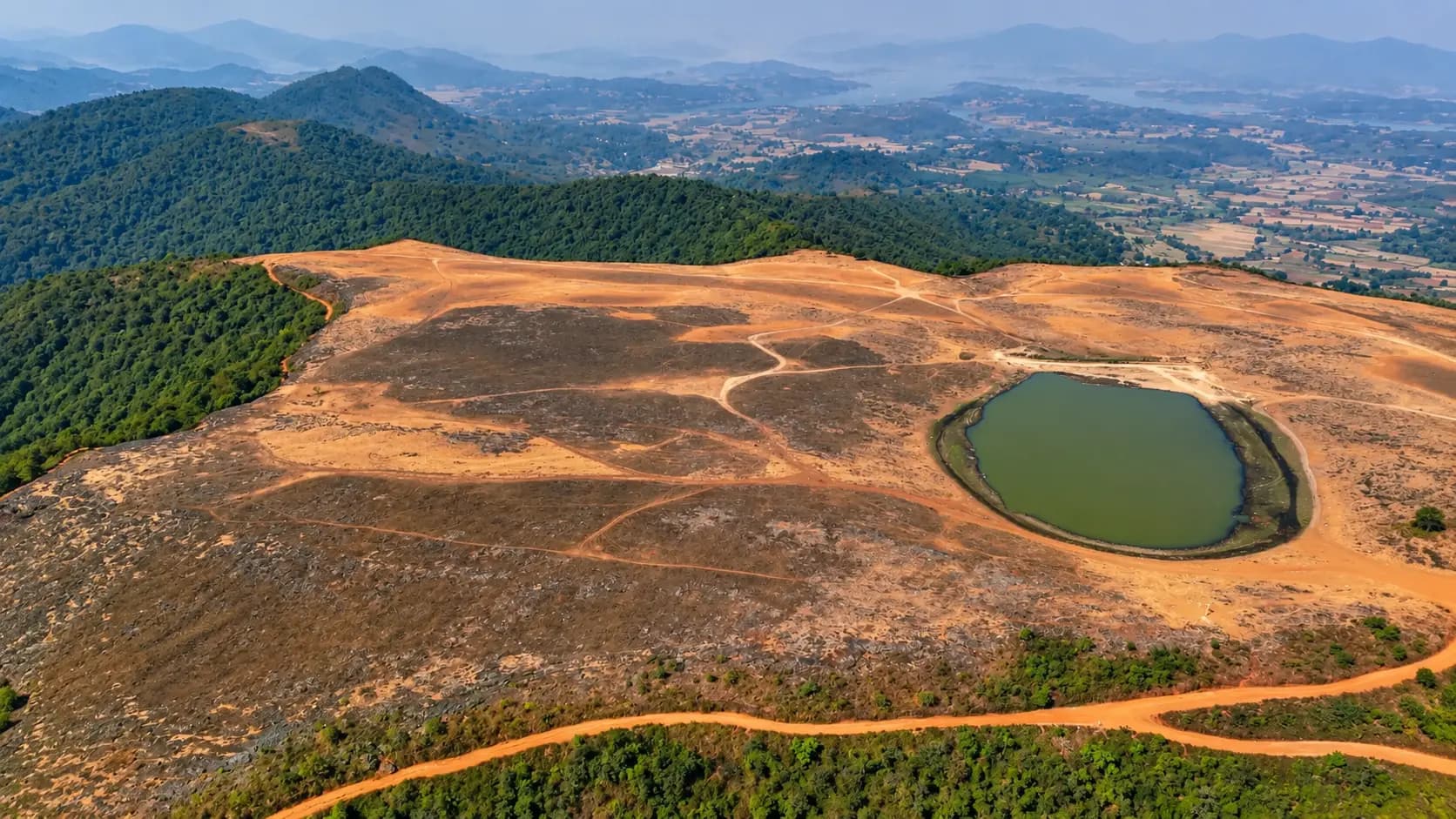
Balda Cave is an extraordinary highland landscape and sacred natural cave site in the Koraput district of southern Odisha. Situated roughly 66 kilometres south-southwest of Koraput town in the Nandapur block, the location is celebrated among regional explorers as the "Table Top Mountain" of the Eastern Ghats. Unlike conventional rugged peaks that culminate in sharp crags, the mountain summit here opens out into an immense, billiard-table-flat grass plateau that stands high above the undulating green hills, river gorges, and terraced tribal valleys of the Odisha - Andhra Pradesh borderland.
Within and beneath this elevated tableland lie natural cavern formations and stone shelters revered by indigenous communities for generations. The primary cave enshrines the deity Donger Dei (literally "Goddess of the Mountain"), also worshipped as Goddess Nageshwari. Combining sacred tribal geography with expansive open-air highland terrain, Balda Cave offers outdoor enthusiasts a unique hiking destination where vast windswept meadows meet centuries-old spiritual tradition and 360-degree vistas across one of southern Odisha's largest reservoirs.
Start here. Open a tile for the full details.
Why goRead details
The defining attraction of Balda Cave is the sheer spatial wonder of its summit plateau. The official Koraput District Gazetteer and district tourism records describe the tabletop as so remarkably broad and level that five full-sized football matches could comfortably be played across its turf simultaneously. Walking onto this plateau from the forested access track feels like emerging onto a boundless natural terrace suspended in the sky, framed by endless horizons in every direction.
When to visitRead details
The most rewarding season to explore Balda Cave is during the post-monsoon and winter months, stretching from October through February. By October, the heavy southwest monsoon rains have subsided, leaving the hilltop carpeted in lush green grass and the summit pond filled to the brim. During this period, atmospheric clarity is at its highest, allowing visitors to see far across the blue expanse of the Jalaput Reservoir and into the distant hills of the northern Eastern Ghats.
Entry & permissionsRead details
Fees, visiting hours and entry rules may change. Confirm the latest details with the official operator or local authority before travelling.
Access to Balda Cave is open to the public without a centralized government gate fee or formal ticketing booth. Visiting is governed entirely by natural daylight, with regional travel advisories recommending visits between 7:00 AM and 6:00 PM daily. Visitors should plan their departure from the summit plateau no later than 4:30 PM to ensure that the descent along the unlit, stony path is completed safely well before twilight fades.
While no advance forestry or wildlife permits are currently mandated for regular day hiking, visitors must show respect toward the sacred cave shrine and the surrounding local tribal communities. Overnight camping on the exposed plateau is not formally regulated and is discouraged without explicit coordination with local village authorities, as the high plateau is intensely exposed to severe windstorms, lightning during convective weather, and lacks potable water sources or emergency communication facilities.
Plan your visitRead details
Balda Cave is situated in the Nandapur administrative block of Koraput district, approximately 66 km from the district headquarters at Koraput and roughly 70 km from the town of Jeypore. The overland approach from Koraput town typically follows National Highway 26 down to Similiguda or Sunabeda, before turning westward along regional district roads passing through Nandapur and continuing towards the border village of Paduwa (Padua).
Access
The final leg of the journey involves navigating rough rural tracks and walking across unpaved terrain. Wear dependable, closed-toe hiking shoes with high-traction soles to manage loose gravel, wet stone ledges, and steep dirt paths. The steep ascents and uneven natural cave openings make the site unsuitable for visitors with mobility impairments or baby strollers.
Respect and safety
The cave is a functioning place of worship for local tribal residents. Remove your shoes before stepping into the inner sanctum of Donger Dei, avoid touching sacred vermilion markings or ritual objects, and maintain a quiet, courteous demeanor. Exercise extreme caution near the outer edges of the plateau, which feature steep vertical drops into the valley below, and never approach cliff verges during gusty winds or dense cloud cover.
Explore the full guide - choose a topic below.
Why visit?
The defining attraction of Balda Cave is the sheer spatial wonder of its summit plateau.Explore detailsClose details
The defining attraction of Balda Cave is the sheer spatial wonder of its summit plateau. The official Koraput District Gazetteer and district tourism records describe the tabletop as so remarkably broad and level that five full-sized football matches could comfortably be played across its turf simultaneously. Walking onto this plateau from the forested access track feels like emerging onto a boundless natural terrace suspended in the sky, framed by endless horizons in every direction.
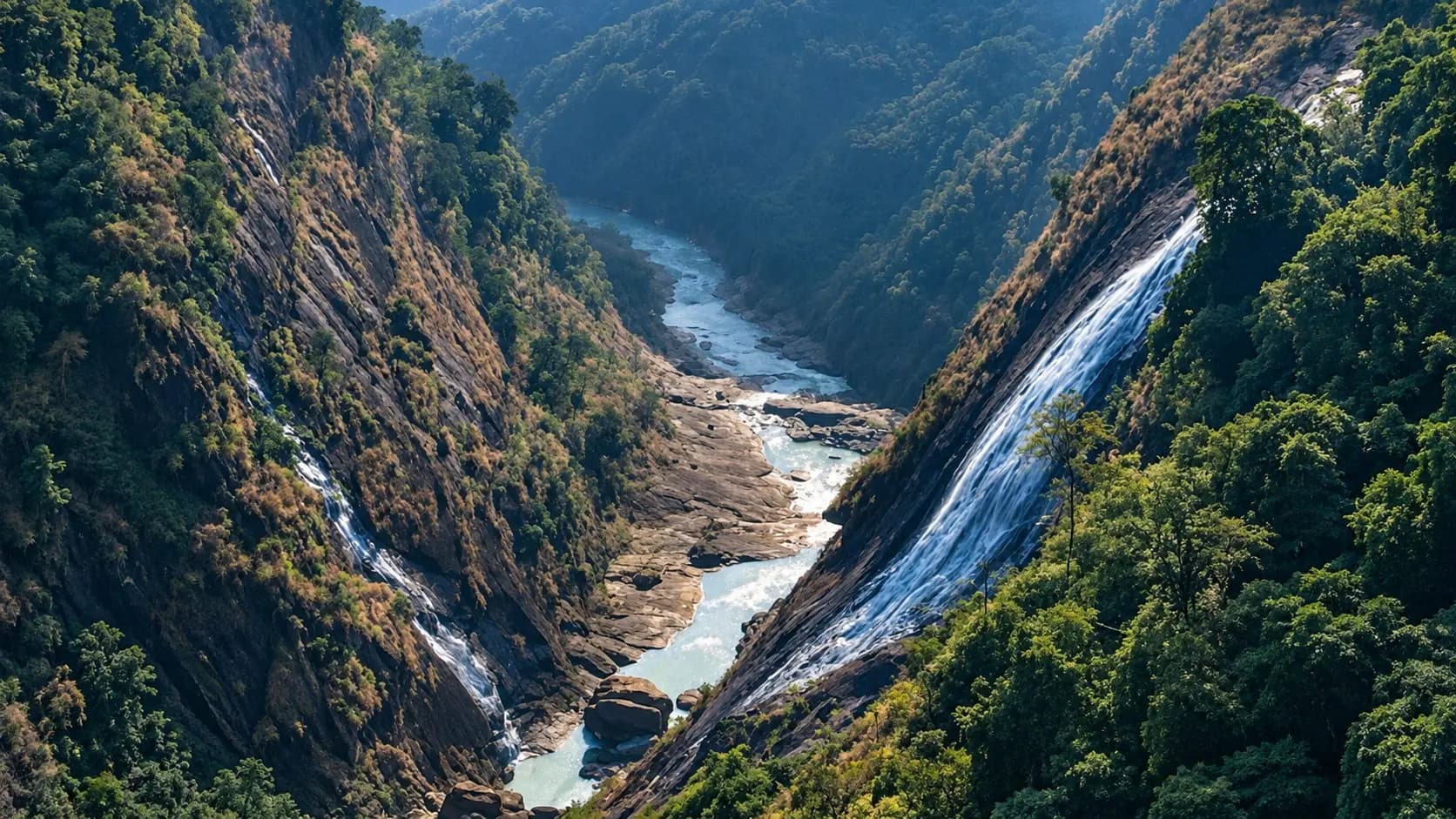
From the northern and western rims of the plateau, visitors are treated to an unmatched panoramic view overlooking the shimmering waters of the Jalaput Reservoir. The reservoir, formed by a major dam across the Machkund River, twists through distant forested gorges like a giant silver ribbon. In addition to the long-range vistas, the tableland features a natural freshwater pond nestled near the cave entrance, reflecting drifting clouds and morning mist. Because the area has remained free from commercial resort construction and concrete developments, travellers experience the raw, tranquil serenity of the Eastern Ghats in its purest state.
What to expect
Visiting Balda Cave is a nature and adventure outing rather than a conventional tourist monument stop.Explore detailsClose details
Visiting Balda Cave is a nature and adventure outing rather than a conventional tourist monument stop. The journey to the site winds through remote tribal hamlets, eucalyptus groves, and winding country roads before reaching the base of the hill near Balda village. From the lower road, reaching the summit requires either navigating a rough, unpaved rural track in a high-clearance four-wheel-drive vehicle or undertaking a steady 30- to 50-minute uphill trek along gravel paths and dirt trails.
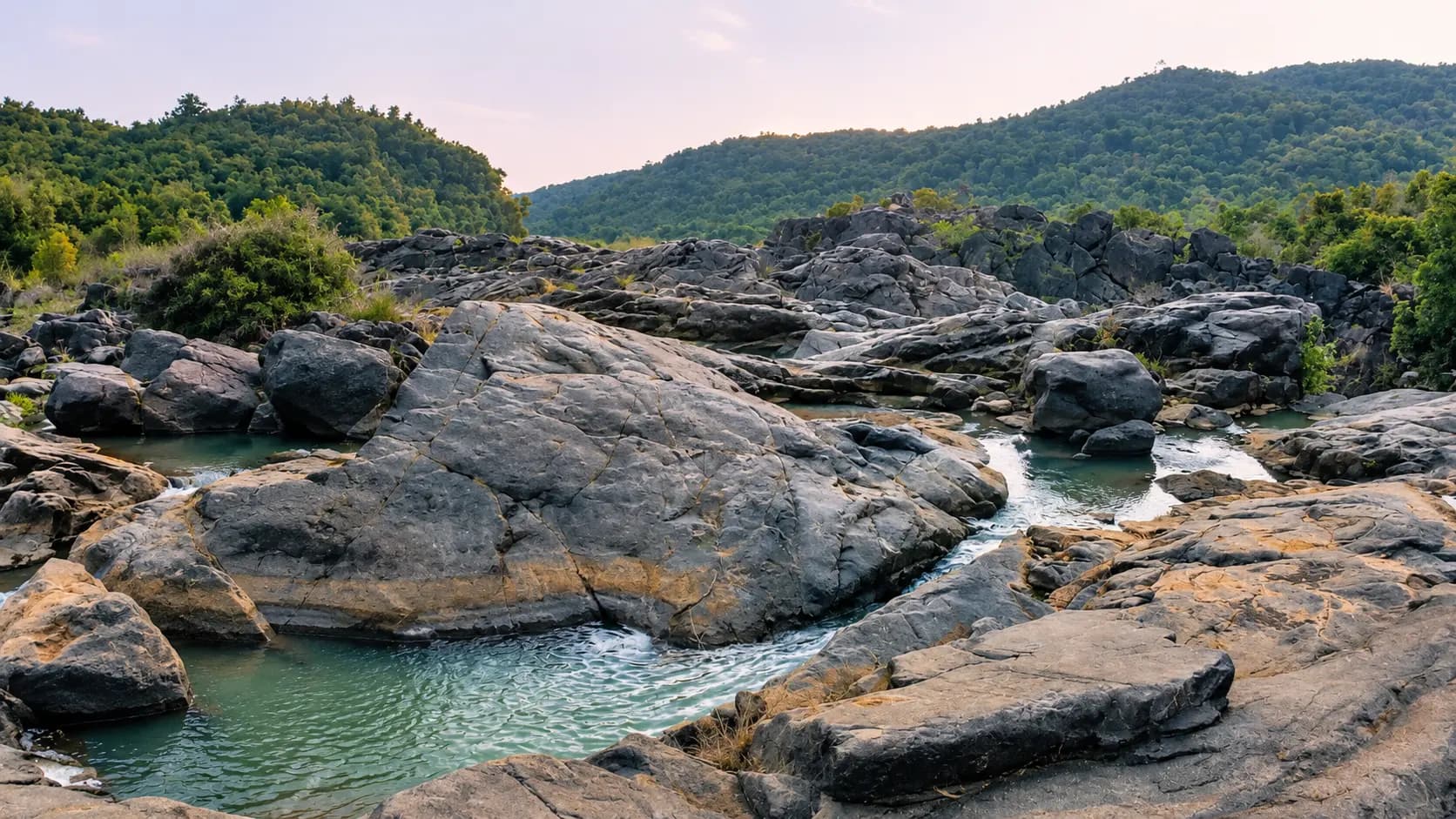
At the summit level, the landscape opens dramatically into wide grassy downs bordered by stone outcrops and wind-sculpted boulders. Near the edge of the plateau, narrow rocky fissures and natural stone openings lead down into the cave itself. The cavern interior is a cool, shadowed rock chamber with natural stone walls where local devotees place vermilion, terracotta votives, and sacred offerings dedicated to Donger Dei and Goddess Nageshwari. During the Chaitra Festival (observed annually in March or April), the quiet hilltop comes alive with colourful tribal pilgrims arriving from surrounding villages to conduct traditional rituals, perform age-old folk songs, and seek blessings for seasonal agricultural prosperity.
Outside festival periods, the atmosphere is profoundly peaceful, with only the sound of high-altitude breezes sweeping across the grass. Birdwatchers frequently spot raptors riding the thermals generated along the escarpment cliffs. There are no guardrails, artificial floodlights, paved trails, or commercial ticket booths, so exploration requires continuous self-awareness, especially when approaching the sheer drops along the plateau edges.
Best time to visit
The most rewarding season to explore Balda Cave is during the post-monsoon and winter months, stretching from…Explore detailsClose details
The most rewarding season to explore Balda Cave is during the post-monsoon and winter months, stretching from October through February. By October, the heavy southwest monsoon rains have subsided, leaving the hilltop carpeted in lush green grass and the summit pond filled to the brim. During this period, atmospheric clarity is at its highest, allowing visitors to see far across the blue expanse of the Jalaput Reservoir and into the distant hills of the northern Eastern Ghats.
Winter temperatures between November and January are remarkably pleasant during the daytime, typically ranging between 18°C and 25°C under bright sunshine, though early mornings and late afternoons bring crisp, chilly winds that necessitate warm clothing. By March and April, the landscape dries out into warm golden tones, coinciding with the lively celebrations of the Chaitra Festival. The scorching summer months of May and June bring intense heat and arid conditions with little natural shade on the exposed plateau. Visiting during peak monsoon months (July to August) is generally discouraged for casual travellers because heavy rains transform the dirt tracks into impassable red clay mud and thick highland fog often reduces visibility to a few metres.
How to reach
Balda Cave is situated in the Nandapur administrative block of Koraput district, approximately 66 km from the…Explore detailsClose details
Balda Cave is situated in the Nandapur administrative block of Koraput district, approximately 66 km from the district headquarters at Koraput and roughly 70 km from the town of Jeypore. The overland approach from Koraput town typically follows National Highway 26 down to Similiguda or Sunabeda, before turning westward along regional district roads passing through Nandapur and continuing towards the border village of Paduwa (Padua).
For travellers relying on public transportation, regular state transport and private rural buses connect Koraput and Jeypore with the transit hub at Paduwa, located approximately 8 km from the base of Balda hill. From Paduwa, local auto-rickshaws or shared rural transport can be hired to reach Balda village, but onward private arrangement is essential because return transport cannot be flagged down spontaneously along the rural dirt tracks.
The nearest major railheads are Koraput Railway Station (KRPU) and Jeypore Railway Station (JYP), both offering scheduled passenger and express connections to Visakhapatnam, Rayagada, and Bhubaneswar. Travellers arriving by air typically land at Visakhapatnam International Airport (VTZ), situated roughly 140 to 160 km to the south via the scenic Araku Valley corridor. Because the final approach road up the hillside is unpaved, stony, and prone to rutting, visitors travelling by car are strongly advised to hire an SUV with good ground clearance or park safely near the base village and complete the final climb on foot.
Entry, timings and permissions
Fees, visiting hours and entry rules may change.Explore detailsClose details
Fees, visiting hours and entry rules may change. Confirm the latest details with the official operator or local authority before travelling.
Access to Balda Cave is open to the public without a centralized government gate fee or formal ticketing booth. Visiting is governed entirely by natural daylight, with regional travel advisories recommending visits between 7:00 AM and 6:00 PM daily. Visitors should plan their departure from the summit plateau no later than 4:30 PM to ensure that the descent along the unlit, stony path is completed safely well before twilight fades.
While no advance forestry or wildlife permits are currently mandated for regular day hiking, visitors must show respect toward the sacred cave shrine and the surrounding local tribal communities. Overnight camping on the exposed plateau is not formally regulated and is discouraged without explicit coordination with local village authorities, as the high plateau is intensely exposed to severe windstorms, lightning during convective weather, and lacks potable water sources or emergency communication facilities.
Nearby places to consider
A visit to Balda Cave pairs naturally with other scenic and historical attractions across the southern Koraput…Explore detailsClose details
A visit to Balda Cave pairs naturally with other scenic and historical attractions across the southern Koraput landscape:
- Jalaput Dam: Located nearby on the Machkund River, this expansive reservoir created in the 1950s forms the very waters seen from Balda's cliffs and offers tranquil shoreline picnic spots.
- Duduma Falls: Situated downstream along the Machkund River roughly 40 km from the Jalaput sector, Duduma plunges 175 metres down a deep rock amphitheatre and stands as one of Odisha's premier natural landmarks.
- Sabara Srikhetra: The famous hilltop Jagannath Temple in Koraput town, known for its inclusive tribal religious heritage and panoramic town views.
- Deomali: Odisha's highest peak at approximately 1,672 metres, located in the nearby Pottangi range and accessible via Similiguda for sweeping panoramic mountain vistas.
In pictures
The practical bits
Before you go.
Plan ahead
Because Balda Cave is a remote and unserviced natural site, thoughtful preparation is vital for a safe and…Explore detailsClose details
Because Balda Cave is a remote and unserviced natural site, thoughtful preparation is vital for a safe and comfortable trip.
Access
The final leg of the journey involves navigating rough rural tracks and walking across unpaved terrain.Explore detailsClose details
The final leg of the journey involves navigating rough rural tracks and walking across unpaved terrain. Wear dependable, closed-toe hiking shoes with high-traction soles to manage loose gravel, wet stone ledges, and steep dirt paths. The steep ascents and uneven natural cave openings make the site unsuitable for visitors with mobility impairments or baby strollers.
Weather
The high, open elevation of the plateau leaves it completely exposed to wind and changing weather.Explore detailsClose details
The high, open elevation of the plateau leaves it completely exposed to wind and changing weather. During winter trips, carry a windbreaker or light thermal jacket to stay comfortable against brisk mountain gusts. On sunny days, bring a wide-brimmed hat, UV sunglasses, and sunscreen, as there is virtually no tree canopy across the central plateau.
What to carry
Visitors must be completely self-reliant.Explore detailsClose details
Visitors must be completely self-reliant. Bring at least 2 litres of drinking water per person, energy snacks, or a packed lunch, as there are no food vendors anywhere near the hill. A small flashlight or headlamp is useful for carefully peering into the shadowed cave entrance, along with a basic first-aid kit containing antiseptic ointment and bandages.
Facilities
There are zero built tourist amenities at Balda Cave.Explore detailsClose details
There are zero built tourist amenities at Balda Cave. There are no public washrooms, sheltered resting gazebos, or commercial shops on the plateau or along the trail. Visitors should utilize restaurant and restroom facilities in Nandapur, Similiguda, or Koraput before heading out. All trash - including plastic wrappers, bottles, and food waste - must be packed out completely to preserve this pristine wilderness.
Respect and safety
The cave is a functioning place of worship for local tribal residents.Explore detailsClose details
The cave is a functioning place of worship for local tribal residents. Remove your shoes before stepping into the inner sanctum of Donger Dei, avoid touching sacred vermilion markings or ritual objects, and maintain a quiet, courteous demeanor. Exercise extreme caution near the outer edges of the plateau, which feature steep vertical drops into the valley below, and never approach cliff verges during gusty winds or dense cloud cover.
A few things you might wonder
Common questions about visiting Balda Cave. Fees, visiting hours and ceremonies are researched details that may change; confirm current arrangements with the operator before travelling.
Where is Balda Cave located?
Why is Balda Hill called the Table Top Mountain?
Which deity is worshipped at Balda Cave?
What scenic views can be seen from Balda Cave?
Is there an entry fee to visit Balda Cave?
What are the recommended visiting hours for Balda Cave?
Can normal passenger cars drive to the top of Balda Cave?
Are there food and water facilities available at Balda Cave?
Explore more in Koraput
Discover other destinations around this hub
More Hubs in Odisha
Continue exploring other travel hubs in this state
Planning a trip to Koraput?