Sabara Srikhetra
Visit Sabara Srikhetra in Koraput, Odisha. Sourced travel guide covers the inclusive hilltop Jagannath Temple, tribal rituals, timings, Rath Yatra, and Tribal Museum.
Location
Koraput, Odisha
A closer look
Your visit, at a glance.
Koraput, Odisha
GET TO KNOW THE PLACE
Perched gracefully atop a pine-fringed hillock in the heart of Koraput town at an elevation of 2,900 feet (884 metres) above sea level, Sabara Srikhetra stands as one of the most…
The story of Sabara Srikhetra
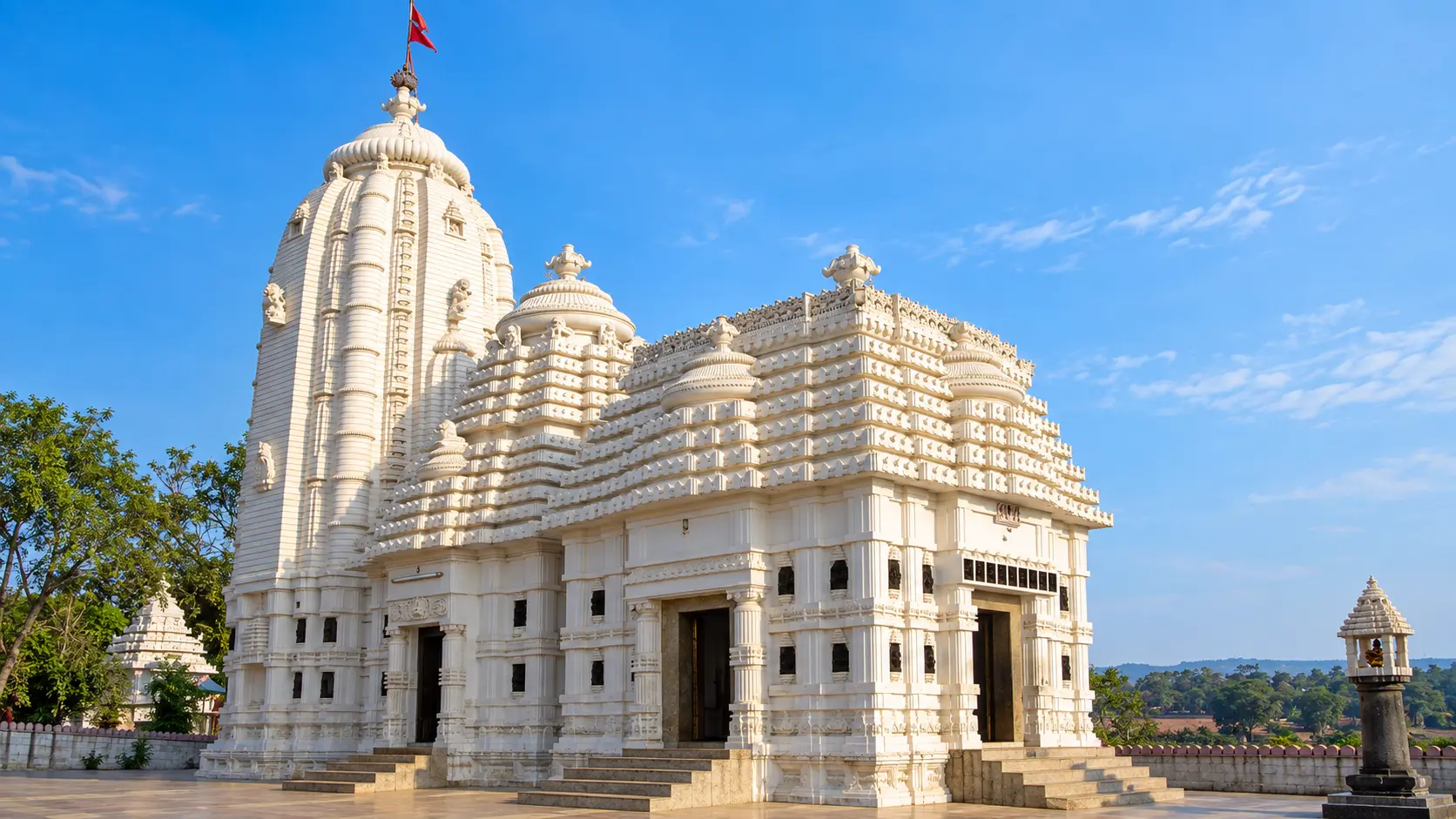
Perched gracefully atop a pine-fringed hillock in the heart of Koraput town at an elevation of 2,900 feet (884 metres) above sea level, Sabara Srikhetra stands as one of the most culturally significant and spiritually progressive shrines in eastern India. Dedicated to Lord Jagannath along with his divine siblings Balabhadra and Subhadra, the temple derives its evocative name - meaning the "Sacred Realm of the Sabaras" - from the legendary indigenous origins of the Jagannath cult. According to ancient Odishan tradition, long before Lord Jagannath was enshrined in the grand stone temple at Puri, he was worshipped in deep secret by the tribal Sabara (Saura) chieftain Viswavasu under the name of Nila Madhava within the forested wilderness of the Eastern Ghats.
Conceived and founded in 1972 by visionary administrators, scholars, and tribal elders of Koraput, Sabara Srikhetra was deliberately established to bring Lord Jagannath back to his primal tribal heartland. More importantly, it was founded upon a revolutionary social philosophy of universal human dignity and radical inclusivity. While the orthodox 12th-century Jagannath Temple at Puri strictly excludes non-Hindus and foreign nationals from entering its sacred precincts, Sabara Srikhetra flings its gates wide open to every human being regardless of caste, creed, religious affiliation, race, or nationality. Here, universal brotherhood (Vasudhaiva Kutumbakam) is not merely a philosophical slogan, but a living, daily reality reflected in temple governance, worship rituals, and social service.
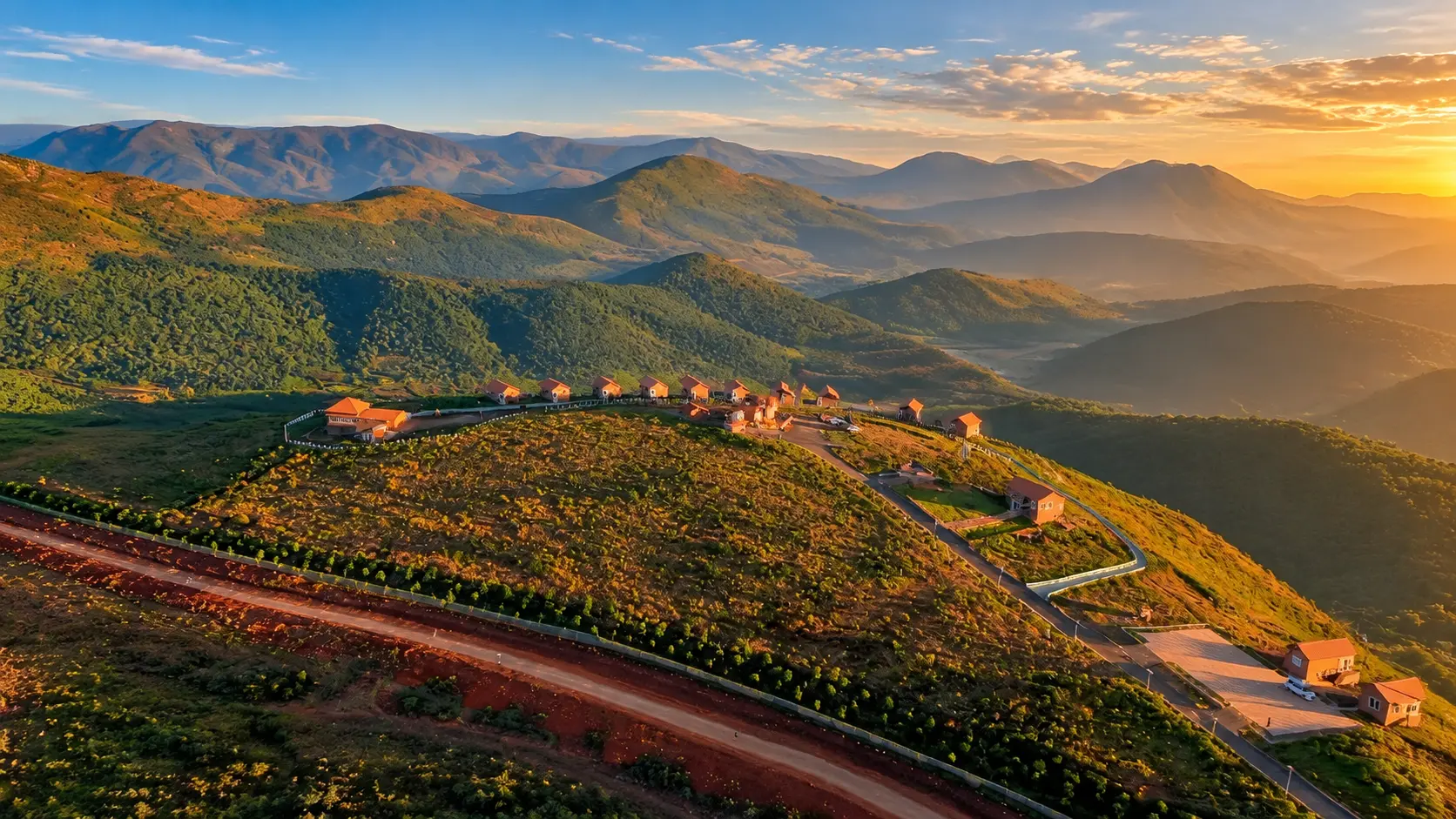
Set against the rolling green contours of the southern Odisha highlands, the temple complex combines classical Kalinga architectural grandeur with vibrant tribal artistic motifs. Surrounding the white and ochre stone shrines are manicured terrace gardens, flowering bougainvillea glades, and shaded lookouts offering panoramic 360-degree vistas over Koraput town and the mist-laden peaks beyond. Adjoining the temple compound is the acclaimed Tribal Museum, Koraput, creating an integrated cultural campus where spiritual devotion and anthropological education harmoniously converge.
Start here. Open a tile for the full details.
Why goRead details
- A Beacon of Universal Inclusivity: Sabara Srikhetra is celebrated worldwide as a temple without discrimination. Unlike traditional coastal shrines where strict orthodoxy prevails, visitors of any religious faith, ethnicity, and global nationality are welcomed inside the inner courtyard and sanctum with warmth and equal respect.
- Living Tribal Roots of the Jagannath Tradition: The temple actively preserves and honours the Sabara tribal heritage. Indigenous priests and tribal community members participate directly in temple affairs, and during the annual Rath Yatra, a tribal village elder is ritually honoured to perform the ceremonial sweeping of the chariot (Chhera Pahanra), replacing the traditional role played by royalty in Puri.
- Stunning Hilltop Panorama and Montane Climate: Perched at 2,900 feet above sea level, the temple hillock commands spectacular panoramic views across the undulating forested ridges, pine plantations, and terraced valleys that frame Koraput town. The cool, refreshing mountain breeze makes spending time on the hill terrace exceptionally rejuvenating.
- Integrated Cultural Campus with the Tribal Museum: Directly adjacent to the temple complex stands the landmark Tribal Museum of Koraput, managed under the Council of Analytical Tribal Studies (COATS). Visitors can seamlessly pair their spiritual exploration with an enriching journey through authentic tribal costumes, metallurgy, musical instruments, and traditional thatched dwellings representing Odisha's 62 indigenous tribes.
- Vibrant, Community-Led Rath Yatra: If visiting during the monsoon month of Asadha (June - July), travellers can witness a uniquely egalitarian Chariot Festival where thousands of tribal and non-tribal devotees pull the grand chariot together across the hills of Koraput in an atmosphere of infectious joy and collective harmony.
When to visitRead details
Sabara Srikhetra is a year-round destination, but the overall experience is profoundly enriched by Koraput's seasonal changes and cultural calendar:
Entry & permissionsRead details
Fees, visiting hours and entry rules may change. Confirm the latest details with the official operator or local authority before travelling.
- Admission Charges: Entrance to the temple complex, outer courtyard, shrines, and panoramic viewing decks is completely free. There are no entrance fees or commercial turnstiles.
- Shoe Storage Counter: Located near the entrance stairway; operated for a nominal custodial fee of ₹5 to ₹10 per pair.
- Temple Timings: The temple observes two primary liturgical sessions daily:
- Morning Session: 06:00 to 12:30 (Deities are awake; morning rituals, pujas, and morning arati take place).
- Afternoon Closure (Pahuda): 12:30 to 16:00 (Temple sanctum is closed while the deities rest).
- Evening Session: 16:00 to 20:30 (Reopens for evening visitors, Sandhya Arati at dusk, and night rituals before final closure).
- Universal Entry Policy & Permissions:
- Unlike the Jagannath Temple at Puri, Sabara Srikhetra follows a strictly egalitarian policy: all human beings of every nationality, religious faith, caste, and social background are warmly permitted to enter.
- Foreign tourists, non-Hindus, and secular travelers are fully welcome to explore the temple premises and receive divine blessings.
- Visitors must remove all footwear (shoes, sandals, socks) before stepping onto the sacred stone courtyard.
- Photography Rules:
- Photography and videography are permitted in the outer courtyard, landscaped hill gardens, and panoramic view decks.
- Photography, video recording, and mobile phone usage are strictly prohibited inside the inner sanctum sanctorum (Garbhagriha) to preserve sacred decorum.
- Dress Code & Etiquette: Visitors should dress modestly out of respect for temple sanctitude (shoulders and knees covered; avoid beachwear or sleeveless tops). Consuming alcohol, smoking, carrying leather items into the inner sanctum, or chewing tobacco anywhere on the premises is strictly forbidden.
Plan your visitRead details
Sabara Srikhetra is situated directly inside the municipal limits of Koraput town, making it exceptionally accessible by road, rail, and regional air networks:
Explore the full guide - choose a topic below.
Why visit?
A Beacon of Universal Inclusivity: Sabara Srikhetra is celebrated worldwide as a temple without discrimination.Explore detailsClose details
- A Beacon of Universal Inclusivity: Sabara Srikhetra is celebrated worldwide as a temple without discrimination. Unlike traditional coastal shrines where strict orthodoxy prevails, visitors of any religious faith, ethnicity, and global nationality are welcomed inside the inner courtyard and sanctum with warmth and equal respect.
- Living Tribal Roots of the Jagannath Tradition: The temple actively preserves and honours the Sabara tribal heritage. Indigenous priests and tribal community members participate directly in temple affairs, and during the annual Rath Yatra, a tribal village elder is ritually honoured to perform the ceremonial sweeping of the chariot (Chhera Pahanra), replacing the traditional role played by royalty in Puri.
- Stunning Hilltop Panorama and Montane Climate: Perched at 2,900 feet above sea level, the temple hillock commands spectacular panoramic views across the undulating forested ridges, pine plantations, and terraced valleys that frame Koraput town. The cool, refreshing mountain breeze makes spending time on the hill terrace exceptionally rejuvenating.
- Integrated Cultural Campus with the Tribal Museum: Directly adjacent to the temple complex stands the landmark Tribal Museum of Koraput, managed under the Council of Analytical Tribal Studies (COATS). Visitors can seamlessly pair their spiritual exploration with an enriching journey through authentic tribal costumes, metallurgy, musical instruments, and traditional thatched dwellings representing Odisha's 62 indigenous tribes.
- Vibrant, Community-Led Rath Yatra: If visiting during the monsoon month of Asadha (June - July), travellers can witness a uniquely egalitarian Chariot Festival where thousands of tribal and non-tribal devotees pull the grand chariot together across the hills of Koraput in an atmosphere of infectious joy and collective harmony.
What to expect
A visit to Sabara Srikhetra offers a deeply atmospheric blend of sacred devotion, hill-station serenity, and…Explore detailsClose details
A visit to Sabara Srikhetra offers a deeply atmospheric blend of sacred devotion, hill-station serenity, and tribal cultural celebration:
1. The Hillock Ascent and Entrance Gates
The journey to the temple begins along a smoothly paved winding road that ascends through tall pine trees and flowering shrubs to the summit of the hillock. Visitors can either drive directly to the summit parking clearing or ascend on foot via a ceremonial flight of broad stone steps flanked by ornamental lamps. At the entrance, an ornate gateway adorned with classical Odishan stone carvings and motifs of the mythical Navagunjara (the composite beast associated with the Mahabharata and Jagannath tradition) welcomes worshippers and travellers into the serene walled courtyard.
2. Classical Kalinga Temple Architecture
The main temple structure is constructed in the authentic Kalinga architectural style, reflecting the tripartite layout characteristic of medieval Odishan temple design:
- Vimana (The Deula / Sanctum Sanctorum): The towering main sanctum features a soaring rekha deula curvilinear spire crowned by the Amalaka and the sacred brass Neelachakra (the celestial discus) fluttering with sacred multi-coloured flags. Inside, upon the elevated stone altar (Ratnavedi), sit the monumental, beautifully carved wooden idols of Lord Jagannath, Lord Balabhadra, Devi Subhadra, and Sudarshana Chakra, fashioned from sacred neem timber (Daru).
- Jagamohana (The Assembly Hall): A tiered pyramidal pidha deula structure directly in front of the sanctum where devotees gather to pray, chant hymns, and offer homage.
- Natamandapa & Bhogamandapa: Spacious pillared halls decorated with vibrant regional mural paintings depicting scenes from the Ramayana, Bhagavata Purana, and the legendary encounter between King Indradyumna and the tribal chieftain Viswavasu.
3. Subsidiary Shrines and Landscaped Grounds
Within the expansive, stone-paved inner parikrama (circumambulatory courtyard) are subsidiary shrines dedicated to Lord Shiva (represented as Mukteswara), Goddess Bimala, Lord Ganesha, Goddess Saraswati, Lord Hanuman, and the Navagrahas (the nine planetary deities). Beyond the stone ramparts lie beautifully maintained terrace gardens, blooming with marigolds, hibiscus, and champa flowers used in daily worship. Benches positioned along the garden perimeter offer peaceful perches to gaze out over the valley.
4. Peaceful Spiritual Ambience and Prasad
Throughout the morning and evening liturgical sessions, the air is perfumed with the soothing fragrance of sandalwood paste, burning camphor, and fragrant incense sticks. Devotees chant the sacred Maha Mantra while the rhythmic beats of traditional percussion (mridanga and ghanta) resonate off the temple stones during the evening Sandhya Arati. Visitors can obtain consecrated Mahaprasad - wholesome traditional Odishan vegetarian fare prepared in earthen pots following ancient culinary sanctification methods.
Best time to visit
Sabara Srikhetra is a year-round destination, but the overall experience is profoundly enriched by Koraput's…Explore detailsClose details
Sabara Srikhetra is a year-round destination, but the overall experience is profoundly enriched by Koraput's seasonal changes and cultural calendar:
Season | Months | Weather & Experience | Travel Recommendation |
|---|---|---|---|
Winter | October to February | Crisp, clear sunny days (16°C - 24°C) with cold mornings and nights (8°C - 13°C); crystal-clear visibility across the surrounding hills and town. | Peak Season: Outstanding weather for walking the hilltop gardens, attending evening arati, and exploring the adjoining Tribal Museum in comfort. |
Spring Transition | March to April | Warm and pleasant (24°C - 32°C); flowering forest trees (palash and simul) paint the hillside scarlet; vibrant festive atmosphere for Chaitra Parab. | Great Season: Ideal for combining town heritage with excursions to nearby waterfalls and coffee estates. |
Summer | May to mid-June | Moderate montane warmth (30°C - 36°C), considerably cooler than coastal plains due to 2,900 ft elevation; occasional afternoon thunder showers. | Moderate Season: Check the current visiting hours and permitted access with the site operator before departure; ceremonies, closures and visitor sessions can affect access. |
Monsoon & Rath Yatra | Late June to September | Dramatic rolling monsoon clouds, lush green hill slopes, misty hilltops; host to the world-famous Koraput Rath Yatra festival. | Spectacular Cultural Season: A must-visit during June/July to witness the grand, casteless Rath Yatra; carry rain gear for frequent showers. |
Recommended Hours of the Day: The early morning between 06:30 and 09:30 is exceptionally peaceful, bathed in soft golden sunlight and accompanied by the morning Mangala Arati. The evening hours between 17:00 and 19:30 are equally magical, as the setting sun paints the sky in shades of amber and violet, the temple bells ring for Sandhya Arati, and the lights of Koraput town sparkle like jewels across the valley below.
How to reach
Sabara Srikhetra is situated directly inside the municipal limits of Koraput town, making it exceptionally…Explore detailsClose details
Sabara Srikhetra is situated directly inside the municipal limits of Koraput town, making it exceptionally accessible by road, rail, and regional air networks:
[Visakhapatnam (185 km)] ----> [Sunki Ghat] ----> [Sunabeda] ----> [Koraput Town]
                                                                        |
                                                (1.5 km paved road)     v
                                                        [SABARA SRIKHETRA HILLOCK]
                                                                        ^
                                                                        |
[Jeypore Town (25 km)] -------------------------------------------------+
Local Access in Koraput Town
- From Koraput Main Bus Stand (1.5 km, 5 minutes): Shared or private auto-rickshaws are readily available 24 hours a day outside the bus stand. The short drive ascends smoothly up the hillock road directly to the temple entrance gate.
- From Koraput Railway Station (KRPU, 3 km, 10 minutes): Taxis and three-wheelers can be hired directly from the station concourse. The route passes through the scenic administrative heart of the town before climbing to the temple summit.
- Pedestrian Walking Route: For travelers staying in central Koraput hotels, walking up the hill road takes approximately 20 to 25 minutes, providing a pleasant morning or evening stroll through quiet, tree-lined residential avenues.
Inter-City Road Connectivity
- From Jeypore (25 km, 45 minutes): Follow NH-26 eastward across the rolling plateau into Koraput town. Frequent government (OSRTC) and private buses run between Jeypore and Koraput every 15 minutes.
- From Sunabeda (23 km, 35 minutes): Drive northwest along NH-26 past the Hindustan Aeronautics Limited (HAL) industrial township.
- From Visakhapatnam (185 km, 4.5 to 5 hours): Travel north via NH-26 through Vizianagaram, Salur Ghat, Pottangi, Sunabeda, and Koraput. This scenic highway winds through some of the most dramatic mountain passes of the Eastern Ghats.
- From Bhubaneswar (500 km, 10 hours): Daily overnight luxury sleeper buses connect Odisha’s state capital directly to Koraput.
By Rail
- Koraput Junction (KRPU, 3 km): A major railway hub on the East Coast Railway network. It is connected by direct express trains - including the Hirakhand Express, Samaleswari Express, and Visakhapatnam - Kirandul Passenger - linking to Bhubaneswar, Visakhapatnam, Raipur, Jagdalpur, and Rourkela.
- Damanjodi Railway Station (DMNJ, 35 km): An alternative express stop serving the nearby NALCO industrial complex, easily linked to Koraput by highway taxis.
By Air
- Jeypore Airport (PYB, ~25 km): The closest regional airport, operating daily scheduled regional commercial flights under the UDAN scheme connecting directly to Bhubaneswar (BBI) and Visakhapatnam (VTZ).
- Visakhapatnam International Airport (VTZ, ~185 km): The major commercial aviation hub, offering dozens of daily direct flights to all major Indian metropolitan centres (Delhi, Mumbai, Bengaluru, Chennai, Hyderabad, Kolkata) and international connections. Pre-paid airport cabs can be booked for the 5-hour highland journey to Koraput.
Entry, timings and permissions
Fees, visiting hours and entry rules may change.Explore detailsClose details
Fees, visiting hours and entry rules may change. Confirm the latest details with the official operator or local authority before travelling.
- Admission Charges: Entrance to the temple complex, outer courtyard, shrines, and panoramic viewing decks is completely free. There are no entrance fees or commercial turnstiles.
- Shoe Storage Counter: Located near the entrance stairway; operated for a nominal custodial fee of ₹5 to ₹10 per pair.
- Temple Timings: The temple observes two primary liturgical sessions daily:
- Morning Session: 06:00 to 12:30 (Deities are awake; morning rituals, pujas, and morning arati take place).
- Afternoon Closure (Pahuda): 12:30 to 16:00 (Temple sanctum is closed while the deities rest).
- Evening Session: 16:00 to 20:30 (Reopens for evening visitors, Sandhya Arati at dusk, and night rituals before final closure).
- Universal Entry Policy & Permissions:
- Unlike the Jagannath Temple at Puri, Sabara Srikhetra follows a strictly egalitarian policy: all human beings of every nationality, religious faith, caste, and social background are warmly permitted to enter.
- Foreign tourists, non-Hindus, and secular travelers are fully welcome to explore the temple premises and receive divine blessings.
- Visitors must remove all footwear (shoes, sandals, socks) before stepping onto the sacred stone courtyard.
- Photography Rules:
- Photography and videography are permitted in the outer courtyard, landscaped hill gardens, and panoramic view decks.
- Photography, video recording, and mobile phone usage are strictly prohibited inside the inner sanctum sanctorum (Garbhagriha) to preserve sacred decorum.
- Dress Code & Etiquette: Visitors should dress modestly out of respect for temple sanctitude (shoulders and knees covered; avoid beachwear or sleeveless tops). Consuming alcohol, smoking, carrying leather items into the inner sanctum, or chewing tobacco anywhere on the premises is strictly forbidden.
Nearby places to consider
Take advantage of Sabara Srikhetra’s central location in Koraput to explore these outstanding cultural and…Explore detailsClose details
Take advantage of Sabara Srikhetra’s central location in Koraput to explore these outstanding cultural and natural destinations:
[Tribal Museum, Koraput] (Adjacent / Behind Temple)
                     ^
                     |
       [SABARA SRIKHETRA TEMPLE]
        /                     \
       v                       v
[Kolab Reservoir Park]    [Deomali Mountain Peak]
(15 km southwest) (40 km east)- Tribal Museum, Koraput (Adjacent / behind the temple): Managed by the Council of Analytical Tribal Studies (COATS), this premier museum documents the rich artistic and cultural heritage of southern Odisha's indigenous tribes (Bonda, Gadaba, Kondha, Paraja, and Saura). Exhibits include traditional ornaments, hunting gear, handwoven Keranga textiles, and life-size models of tribal village houses.
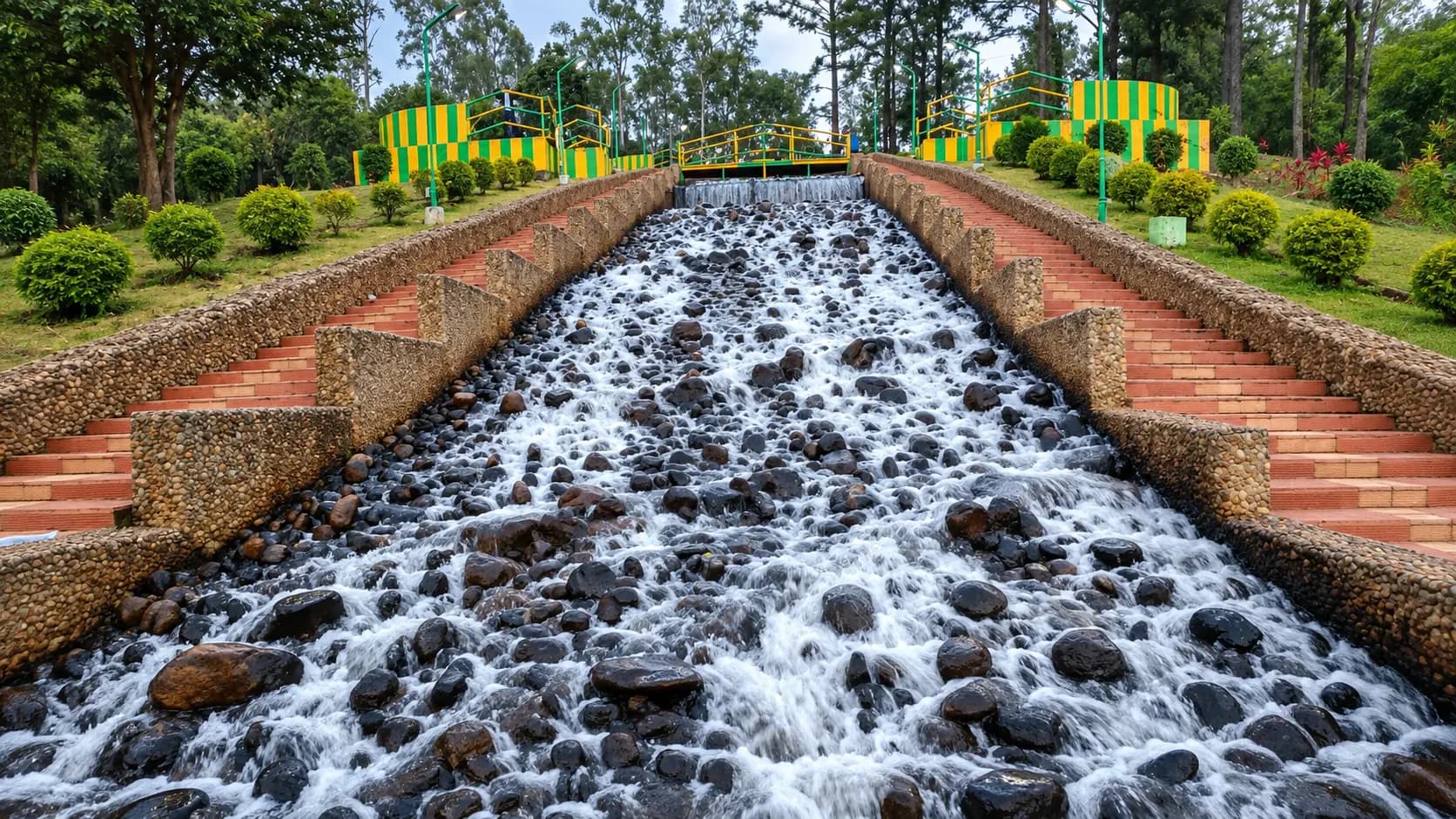
- Upper Kolab Dam and Reservoir Park (15 km southwest): A massive multipurpose masonry dam impounding the Kolab River, featuring an expansive landscaped botanical garden, scenic terraced fountains, picnic clearings, and peaceful island views.
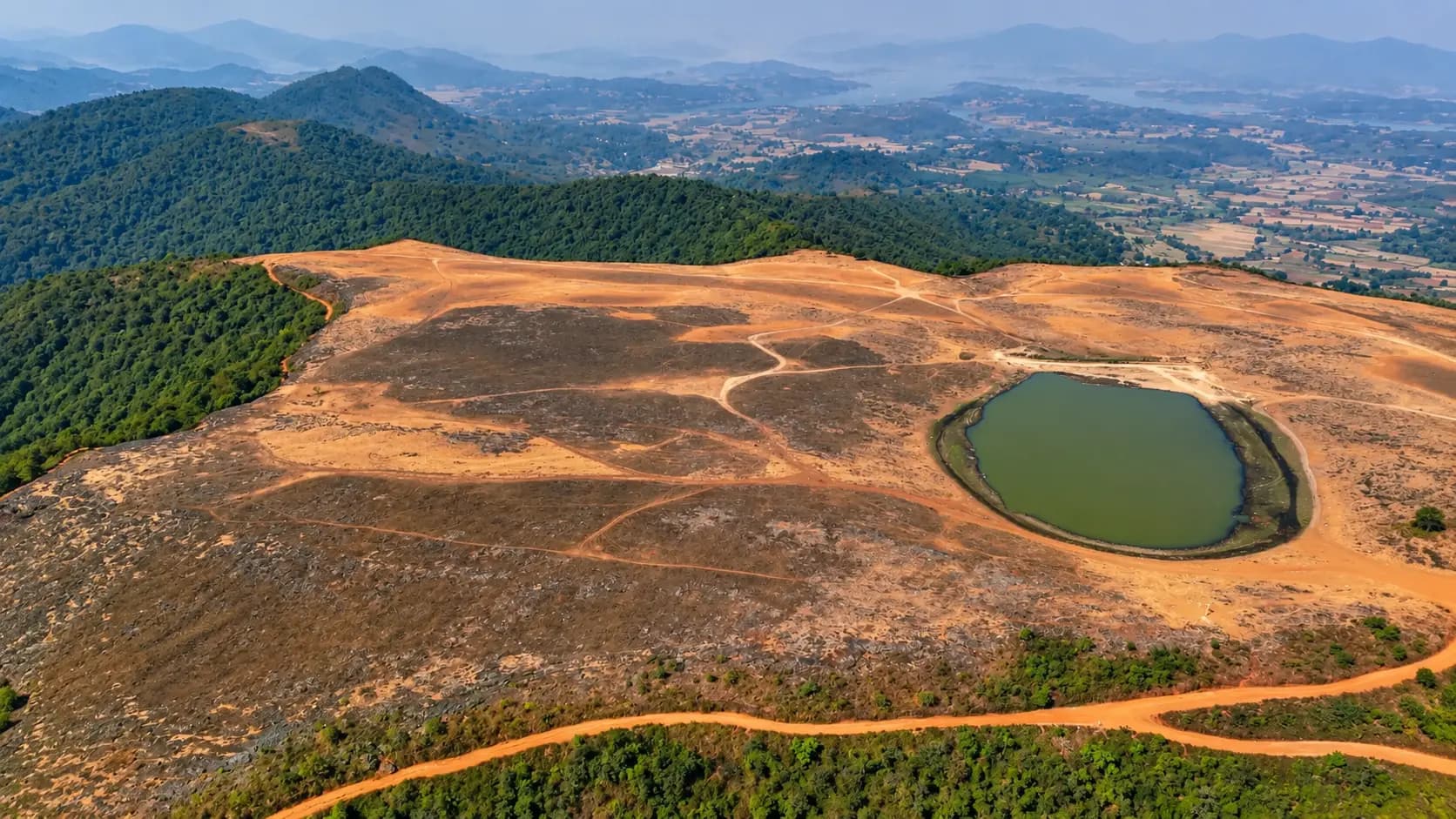
- Deomali Mountain Peak (40 km east): The highest point in Odisha (1,672 metres above sea level) in the Pottangi range. Famed for its rolling alpine-like meadows, paragliding launch pads, and exhilarating 360-degree vistas above cloud inversions.
- Jeypore Royal Palace and Jagannath Sagar (25 km west): The historic seat of the Maharajas of Jeypore, showcasing heritage royal palaces, ancient step-wells, and the vast Jagannath Sagar lake with its promenade, boating facilities, and evening illuminations.
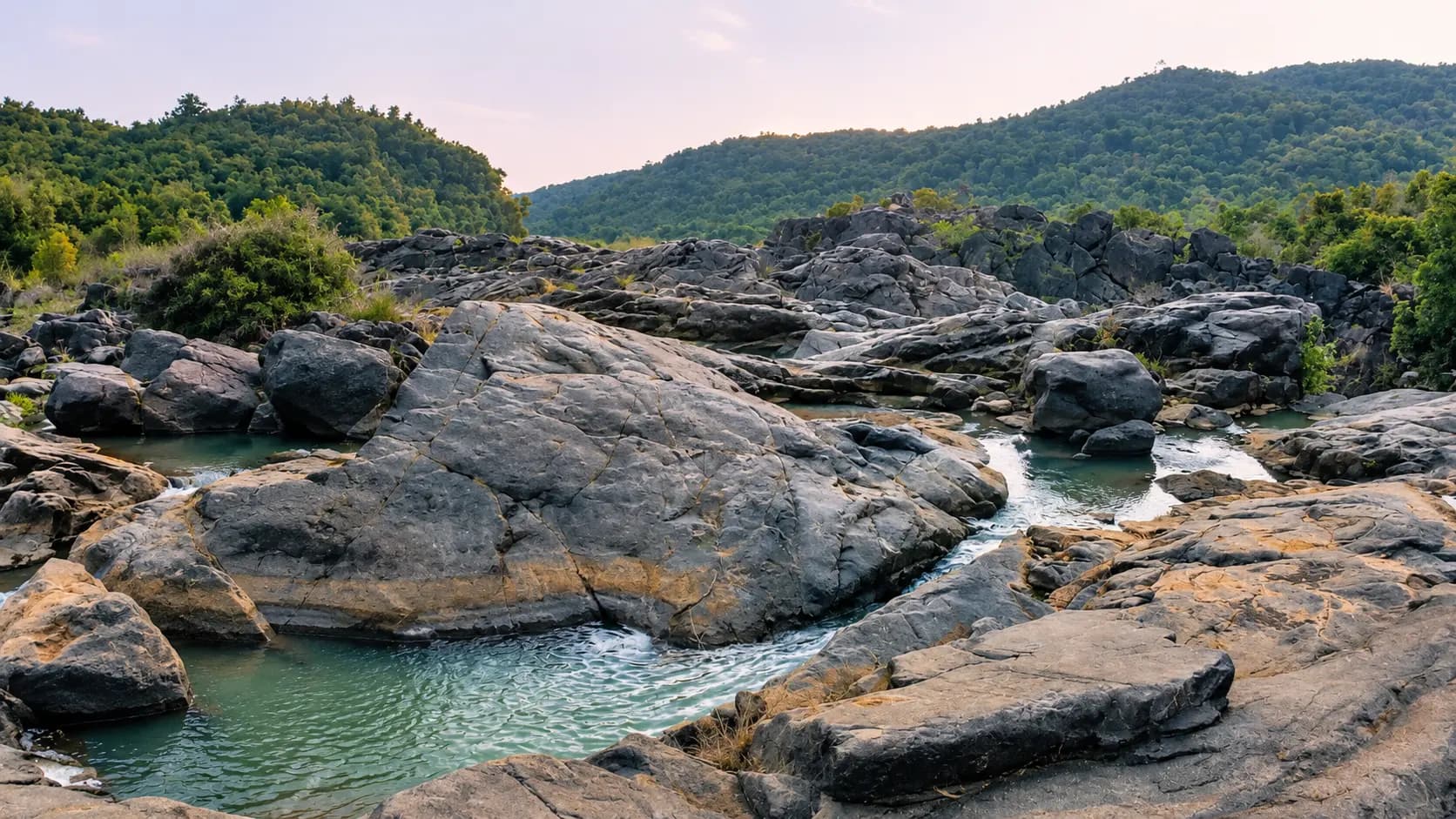
- Bagra Waterfall (18 km northeast): A picturesque forest waterfall formed by the Kolab River cascading across three rocky stages, making for a scenic morning nature walk and picnic excursion.
In pictures
The practical bits
Before you go.
Plan ahead
Ensure an enriching and respectful experience at Sabara Srikhetra by observing these four essential planning…Explore detailsClose details
Ensure an enriching and respectful experience at Sabara Srikhetra by observing these four essential planning guidelines:
Timing Your Visit around Liturgical Hours
Because the temple observes the traditional Pahuda (afternoon rest) protocol, the sanctum gates close promptly at…Explore detailsClose details
Because the temple observes the traditional Pahuda (afternoon rest) protocol, the sanctum gates close promptly at 12:30 PM and remain shut until 4:00 PM. Travelers planning an afternoon visit should time their arrival either before noon or after 4:00 PM. Arriving at approximately 4:00 PM allows you to tour the adjoining Tribal Museum first, admire the mountain sunset from the hill terrace at 5:30 PM, and attend the resonant Sandhya Arati inside the temple at 6:30 PM.
Footwear Management and Stone Surface Preparation
The entire parikrama courtyard is paved with natural stone slabs.Explore detailsClose details
The entire parikrama courtyard is paved with natural stone slabs. While walking barefoot is comfortable and cool during winter and morning hours, the stones can absorb considerable heat during hot summer afternoons (March to May). If visiting during warmer months, keep your footsteps along the jute runners laid across the courtyard to protect your feet from heat. Deposit your footwear at the designated counter near the lower gate rather than leaving shoes unattended along the stairs.
Coordinating with the Adjacent Tribal Museum
The Koraput Tribal Museum sits immediately adjacent to the temple boundary wall and forms an indispensable…Explore detailsClose details
The Koraput Tribal Museum sits immediately adjacent to the temple boundary wall and forms an indispensable companion to your visit. The museum houses five galleries showcasing tribal textiles, wood carvings, metallurgy, agricultural implements, and traditional musical instruments, as well as a research library on indigenous ethnography. Check the current visiting hours and permitted access with the site operator before departure; ceremonies, closures and visitor sessions can affect access. Schedule your museum visit earlier in the afternoon.
Cultural Sensitivity and Prasad Etiquette
Sabara Srikhetra is an active, deeply revered place of worship for thousands of local residents and tribal…Explore detailsClose details
Sabara Srikhetra is an active, deeply revered place of worship for thousands of local residents and tribal pilgrims. Maintain a quiet, contemplative demeanour within the inner sanctum, refrain from touching the sacred idols or altars, and follow the queues patiently during busy morning and evening hours. If you wish to partake of consecrated Mahaprasad (cooked rice, dalma, and sweet offerings prepared in traditional earthen cookware), inquire at the temple trust office upon arrival to reserve your meal coupons, as daily portions are prepared in limited quantities.
A few things you might wonder
Common questions about visiting Sabara Srikhetra. Fees, visiting hours and ceremonies are researched details that may change; confirm current arrangements with the operator before travelling.
Is Sabara Srikhetra open to non-Hindus and international visitors?
Why is this Jagannath temple called "Sabara Srikhetra"?
What are the daily opening and closing hours of the temple?
Is there an entrance fee to visit Sabara Srikhetra?
Can visitors take photographs inside Sabara Srikhetra?
What is unique about the Rath Yatra celebrated at Sabara Srikhetra?
How much time should I allocate for visiting the temple and the museum?
Is the temple accessible for elderly visitors and individuals with mobility challenges?
Explore more in Koraput
Discover other destinations around this hub
More Hubs in Odisha
Continue exploring other travel hubs in this state
Planning a trip to Koraput?