Bagra Waterfall
Plan your trip to Bagra Waterfall on the Kolab River in Koraput, Odisha. Sourced guide covers 3-tier cascades, timings, reaching via Jeypore, and visit tips.
Location
Koraput, Odisha
A closer look
Your visit, at a glance.
Koraput, Odisha
GET TO KNOW THE PLACE
Bagra Waterfall is a secluded natural cascade located in the Koraput district of southern Odisha, carved out by the dynamic currents of the Kolab River.
The story of Bagra Waterfall
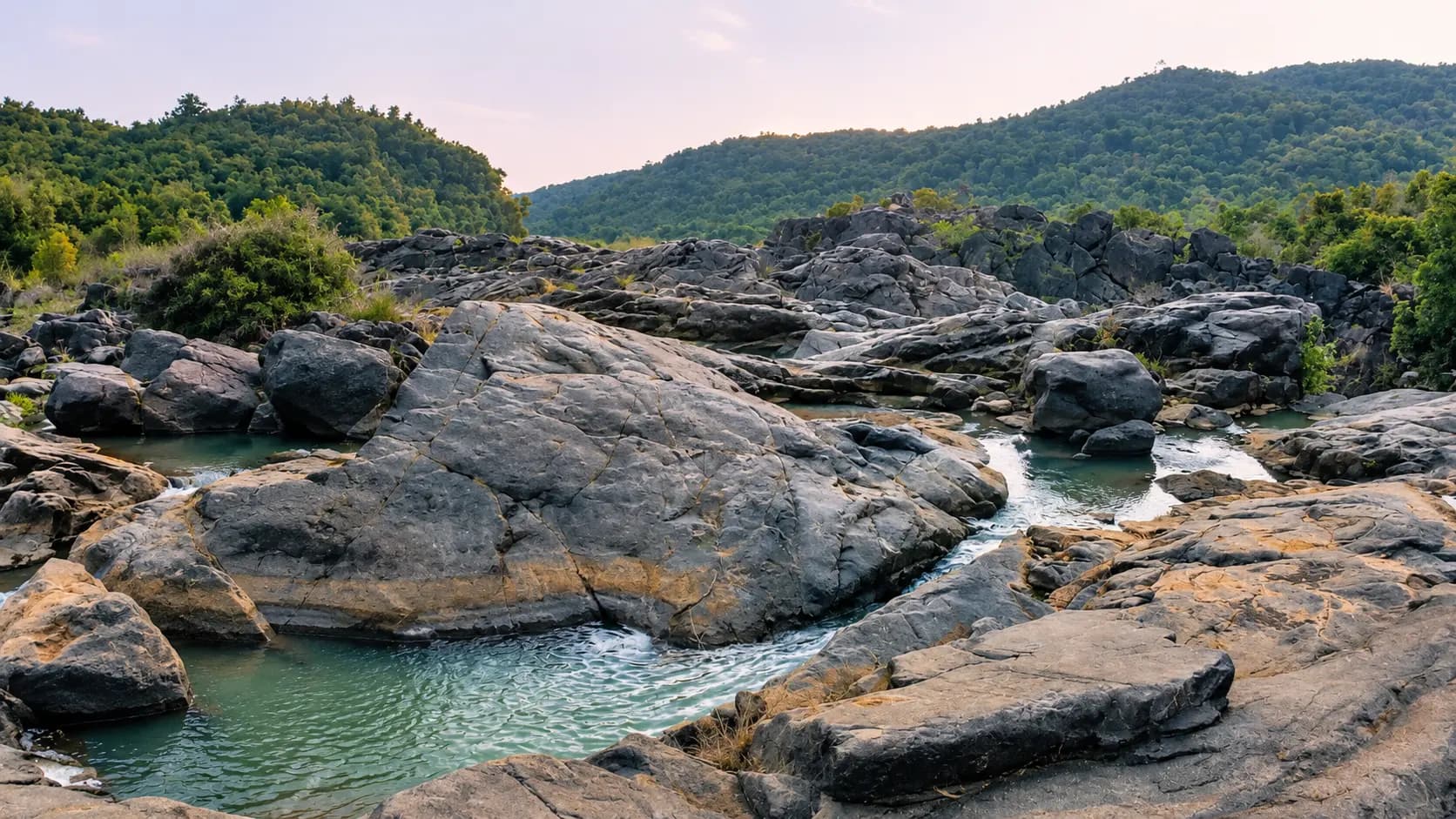
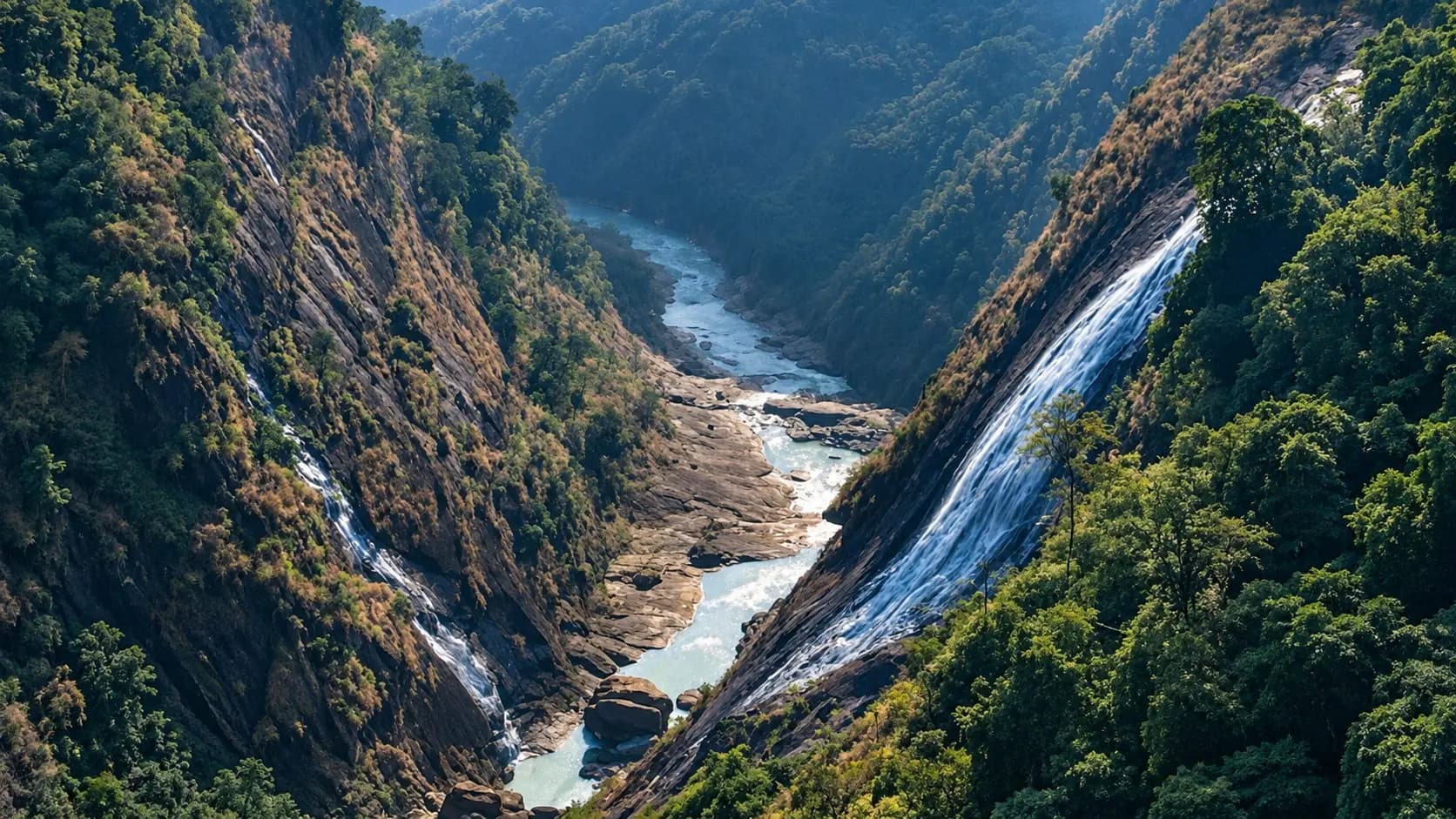
Bagra Waterfall is a secluded natural cascade located in the Koraput district of southern Odisha, carved out by the dynamic currents of the Kolab River. Nestled along the wooded transition where the high highlands drop toward the broader valleys, Bagra offers a quiet, uncommercialized retreat for nature travellers, photographers, and local day-trippers. Rather than presenting a single towering vertical plunge, the river here tumbles down a series of stepped rocky ledges, creating a scenic sequence of white-water chutes flanked by dense subtropical greenery and rugged boulders.
Travellers exploring the Koraput region often seek out Bagra for its tranquil riverine atmosphere and historical connection to the early engineering surveys of southern Odisha. Formed where the Kolab River negotiates the steep geological escarpment separating the upper tablelands from the Jeypore plateau, Bagra combines the charm of an accessible forest walk with the raw beauty of Eastern Ghats river hydrology. It serves as an unhurried half-day destination easily combined with broader journeys across the Koraput and Jeypore cultural circuit.
Start here. Open a tile for the full details.
Why goRead details
The appeal of Bagra Waterfall lies in its intimate, natural setting and relative seclusion compared to more heavily visited tourist hubs. Unlike crowded commercial parks with concrete viewing platforms, Bagra retains an authentic outdoor atmosphere where the sound of churning water echoes across a verdant river gorge. The Kolab River, which originates near Sinkaram hill on the 915-metre plateau, winds gracefully south of Koraput before cascading across rocky terraces at Bagra, creating an attractive landscape of foaming rapids, shallow rock pools, and shady forest groves.
When to visitRead details
The ideal window to explore Bagra Waterfall is during the post-monsoon and winter months, spanning from October through February. Following the heavy rains of the southwest monsoon, which typically saturate the Eastern Ghats between June and September, the Kolab River swells to full volume. During October and November, the surrounding hillsides are at their most vibrant green, and the cascade displays its most forceful, dramatic flow.
Entry & permissionsRead details
Fees, visiting hours and entry rules may change. Confirm the latest details with the official operator or local authority before travelling.
Visiting hours at Bagra Waterfall are governed by daylight, with regional tourism portals reporting access generally between 8:00 AM and 6:00 PM daily. Because the falls are situated in an open, unlighted forest area, visitors are strongly urged to begin their return journey well before dusk, ideally leaving the riverbed by 5:00 PM to negotiate the rough trail in daylight.
There is currently no formalized online ticketing portal or prominent government gate fee for pedestrian entry recorded on state administrative portals. However, visitors arriving by car or two-wheeler may encounter informal local panchayat parking fees or seasonal site maintenance collections, usually amounting to nominal cash sums. Advance permits are not required for regular domestic day visitors enjoying recreational walking or picnicking. Commercial filming, drone operations, or large-scale gatherings should seek prior guidance from local administrative or forest offices in Koraput or Jeypore.
Plan your visitRead details
Bagra Waterfall is located in the Koraput administrative district of southern Odisha, conveniently situated between the district headquarters at Koraput and the commercial town of Jeypore. The site is accessed via a branch road that diverts from the top of the scenic Jeypore Ghat section on National Highway 26 (NH-26). Source reports document the road distance as approximately 15 to 18 km from Koraput town, and between 9 and 18 km from Jeypore, depending on the precise departure point within the town centres.
Access
The final approach from the vehicle stopping area involves walking along an unpaved forest footpath and stepping over natural stone ledges. Wear sturdy walking shoes with rubber grip rather than sandals or smooth-soled footwear. The uneven ground and stone steps make the site unsuitable for wheelchairs or visitors with acute mobility limitations.
Safety and respect
The rocky bed of the Kolab River features underwater boulders, uneven depths, and rapid currents that intensify suddenly when upstream sluice gates operate or rain falls upstream. Swimming in the river is hazardous and strongly discouraged. Avoid venturing onto dark, wet stones near the water's edge, maintain supervision over children, and refrain from littering plastic bottles or food wrappers in this fragile rural ecosystem.
Explore the full guide - choose a topic below.
Why visit?
The appeal of Bagra Waterfall lies in its intimate, natural setting and relative seclusion compared to more…Explore detailsClose details
The appeal of Bagra Waterfall lies in its intimate, natural setting and relative seclusion compared to more heavily visited tourist hubs. Unlike crowded commercial parks with concrete viewing platforms, Bagra retains an authentic outdoor atmosphere where the sound of churning water echoes across a verdant river gorge. The Kolab River, which originates near Sinkaram hill on the 915-metre plateau, winds gracefully south of Koraput before cascading across rocky terraces at Bagra, creating an attractive landscape of foaming rapids, shallow rock pools, and shady forest groves.
For landscape photographers, the site provides compelling compositions that blend cascading white foam against dark gneissic stone formations and lush deciduous foliage. The three cascading tiers allow visitors to observe river currents carving their way through ancient rock channels at close quarters. Picnickers and small walking groups appreciate the cool forest canopy and shaded stone outcrops, which offer pleasant spots to rest and enjoy the riverside ambiance. Because the falls are situated just off the main road connecting the town centres of Koraput and Jeypore, Bagra also represents a rewarding, low-stress detour that immerses travellers directly into the forested hillsides of the Eastern Ghats.
What to expect
Visitors arriving at Bagra encounter a semi-wild natural site that requires a modest walking approach.Explore detailsClose details
Visitors arriving at Bagra encounter a semi-wild natural site that requires a modest walking approach. From the vehicle drop-off area, a winding foot trail leads downward through trees and uneven rock beds toward the banks of the Kolab River. As you approach the water, the roar of the falls becomes audible through the woodland. The physical feature described in the official Koraput District Gazetteer consists of three distinct small falls jumping over one another from a height of approximately 30 feet (about 9 metres).
The geological formation here marks the drop of the river from the upper highland shelf toward the lower 610-metre Jeypore plateau. Because of this natural drop and concentrated volume, the hydraulic energy of Bagra caught the attention of colonial engineers as early as the 1930s, when initial feasibility surveys for regional hydroelectric power generation were conducted at this exact location. Although modern power generation was later established through the larger Upper Kolab Hydro Electric Project upstream and downstream near Jeypore, the historic natural channel at Bagra preserves the original riverbed topography.
The terrain immediately bordering the falls is rugged and composed of polished stone slabs, gravel bars, and seasonal mud banks. In the post-monsoon period, the river runs swift and turbid, sending spray across the lower rocks. By mid-winter, the waters clear into crisp mountain streams flowing between quiet rock pools. There are no handrails, paved promenades, or permanent lifeguard posts, so navigating the riverbank requires sure footing and continuous awareness of slippery rock surfaces.
Best time to visit
The ideal window to explore Bagra Waterfall is during the post-monsoon and winter months, spanning from October…Explore detailsClose details
The ideal window to explore Bagra Waterfall is during the post-monsoon and winter months, spanning from October through February. Following the heavy rains of the southwest monsoon, which typically saturate the Eastern Ghats between June and September, the Kolab River swells to full volume. During October and November, the surrounding hillsides are at their most vibrant green, and the cascade displays its most forceful, dramatic flow.
As winter settles over Koraput between December and February, daytime temperatures become exceptionally comfortable, typically hovering between 20°C and 26°C with minimal humidity, while early mornings and evenings bring brisk mountain chills. This period provides ideal conditions for hiking down the forest path and spending multiple hours outdoors along the water. By late March and into the hot pre-monsoon months of April and May, the river flow diminishes considerably, and summer heat makes the unshaded rocky sections of the riverbed less comfortable. Heavy monsoon visits between July and August are discouraged for casual walking because river levels fluctuate rapidly and stone pathways become dangerously slick.
How to reach
Bagra Waterfall is located in the Koraput administrative district of southern Odisha, conveniently situated…Explore detailsClose details
Bagra Waterfall is located in the Koraput administrative district of southern Odisha, conveniently situated between the district headquarters at Koraput and the commercial town of Jeypore. The site is accessed via a branch road that diverts from the top of the scenic Jeypore Ghat section on National Highway 26 (NH-26). Source reports document the road distance as approximately 15 to 18 km from Koraput town, and between 9 and 18 km from Jeypore, depending on the precise departure point within the town centres.
For travellers arriving by air, the primary commercial gateway is Visakhapatnam International Airport (VTZ) in neighbouring Andhra Pradesh, situated roughly 202 km away by road via the scenic ghat corridor connecting Salur, Sunabeda, and Koraput. Alternatively, Biju Patnaik International Airport (BBI) in Bhubaneswar serves regional travellers, situated approximately 500 km to the northeast.
For rail travellers, the nearest railway station is Jeypore Railway Station (station code: JYP), situated roughly 18 km from the site, while Koraput Railway Station (station code: KRPU), located around 16 km away, serves as a major railway junction with direct passenger and express trains operating along the Koraput - Rayagada and Kothavalasa - Kirandul (KK) lines. From either town, private auto-rickshaws, rental cars, and hired taxis provide the most practical way to reach the branch turnoff. Regular state and private buses ply NH-26 between Koraput and Jeypore, from which passengers can disembark at the designated rural junction, though completing the remaining final approach to the river requires private transport or an extended walk.
Entry, timings and permissions
Fees, visiting hours and entry rules may change.Explore detailsClose details
Fees, visiting hours and entry rules may change. Confirm the latest details with the official operator or local authority before travelling.
Visiting hours at Bagra Waterfall are governed by daylight, with regional tourism portals reporting access generally between 8:00 AM and 6:00 PM daily. Because the falls are situated in an open, unlighted forest area, visitors are strongly urged to begin their return journey well before dusk, ideally leaving the riverbed by 5:00 PM to negotiate the rough trail in daylight.
There is currently no formalized online ticketing portal or prominent government gate fee for pedestrian entry recorded on state administrative portals. However, visitors arriving by car or two-wheeler may encounter informal local panchayat parking fees or seasonal site maintenance collections, usually amounting to nominal cash sums. Advance permits are not required for regular domestic day visitors enjoying recreational walking or picnicking. Commercial filming, drone operations, or large-scale gatherings should seek prior guidance from local administrative or forest offices in Koraput or Jeypore.
Nearby places to consider
Travel plans including Bagra Waterfall can be paired with other notable destinations across Koraput district: -…Explore detailsClose details
Travel plans including Bagra Waterfall can be paired with other notable destinations across Koraput district:
- Upper Kolab Dam: Located roughly 20 km away on the same river system, this extensive multipurpose reservoir features a landscaped botanical park, boating facilities, and scenic panoramic views over the surrounding hills.
- Sabara Srikhetra: The renowned hilltop Jagannath Temple in Koraput town, celebrated for its inclusive tribal traditions and sweeping vistas over the Koraput valley.
- Duduma Falls: Situated approximately 70 to 88 km southwest on the Machkund River along the Andhra Pradesh border, Duduma is one of eastern India's grandest natural waterfalls, plunging 175 metres into a dramatic gorge.
- Deomali: The highest mountain peak in Odisha, standing at approximately 1,672 metres in the nearby Pottangi block, offering sweeping Eastern Ghats views and eco-tourism cottages.
In pictures
The practical bits
Before you go.
Plan ahead
A visit to Bagra Waterfall requires self-sufficiency and sensible outdoor preparation due to the absence of…Explore detailsClose details
A visit to Bagra Waterfall requires self-sufficiency and sensible outdoor preparation due to the absence of modern tourism infrastructure on site.
Access
The final approach from the vehicle stopping area involves walking along an unpaved forest footpath and stepping…Explore detailsClose details
The final approach from the vehicle stopping area involves walking along an unpaved forest footpath and stepping over natural stone ledges. Wear sturdy walking shoes with rubber grip rather than sandals or smooth-soled footwear. The uneven ground and stone steps make the site unsuitable for wheelchairs or visitors with acute mobility limitations.
Weather
Koraput enjoys a pleasant plateau climate, but winter visits can feel brisk in the mornings and late afternoons.Explore detailsClose details
Koraput enjoys a pleasant plateau climate, but winter visits can feel brisk in the mornings and late afternoons. Carry a light jacket or fleece layer during visits between November and January. During sunny mid-day hours, sun hats and sunglasses are recommended when walking across exposed rock flats.
What to carry
Because there are no verified cafes, snack stalls, or pure water points at the waterfall, visitors should carry…Explore detailsClose details
Because there are no verified cafes, snack stalls, or pure water points at the waterfall, visitors should carry sufficient drinking water in reusable bottles, light refreshments or packed food, and personal wet wipes. A small personal first-aid pouch with antiseptic wipes and bandages is sensible when walking along rocky riverbanks.
Facilities
Infrastructure at Bagra is strictly basic.Explore detailsClose details
Infrastructure at Bagra is strictly basic. While older government administrative records note the historical presence of an inspection rest house near the Kolab hydro facilities, there are no commercial restrooms, developed changing stalls, or trash receptacles along the riverbanks. Plan bathroom breaks in Jeypore or Koraput before heading to the site, and bring garbage bags to pack out all non-biodegradable waste.
Safety and respect
The rocky bed of the Kolab River features underwater boulders, uneven depths, and rapid currents that intensify…Explore detailsClose details
The rocky bed of the Kolab River features underwater boulders, uneven depths, and rapid currents that intensify suddenly when upstream sluice gates operate or rain falls upstream. Swimming in the river is hazardous and strongly discouraged. Avoid venturing onto dark, wet stones near the water's edge, maintain supervision over children, and refrain from littering plastic bottles or food wrappers in this fragile rural ecosystem.
A few things you might wonder
Common questions about visiting Bagra Waterfall. Fees, visiting hours and ceremonies are researched details that may change; confirm current arrangements with the operator before travelling.
Where is Bagra Waterfall located?
Which river forms Bagra Waterfall?
How tall is Bagra Waterfall?
Is there an entry fee to visit Bagra Waterfall?
What are the recommended visiting hours for Bagra Waterfall?
Can visitors swim at Bagra Waterfall?
What facilities are available for visitors at the site?
How do you reach Bagra Waterfall from Jeypore or Koraput?
Explore more in Koraput
Discover other destinations around this hub
More Hubs in Odisha
Continue exploring other travel hubs in this state
Planning a trip to Koraput?