Duduma Falls
Plan your trip to Duduma Falls on the Machkund River in Koraput, Odisha. Sourced guide covers the 175 m drop, Matsya Tirtha lore, reaching via Jeypore, and tips.
Location
Koraput, Odisha
A closer look
Your visit, at a glance.
Koraput, Odisha
GET TO KNOW THE PLACE
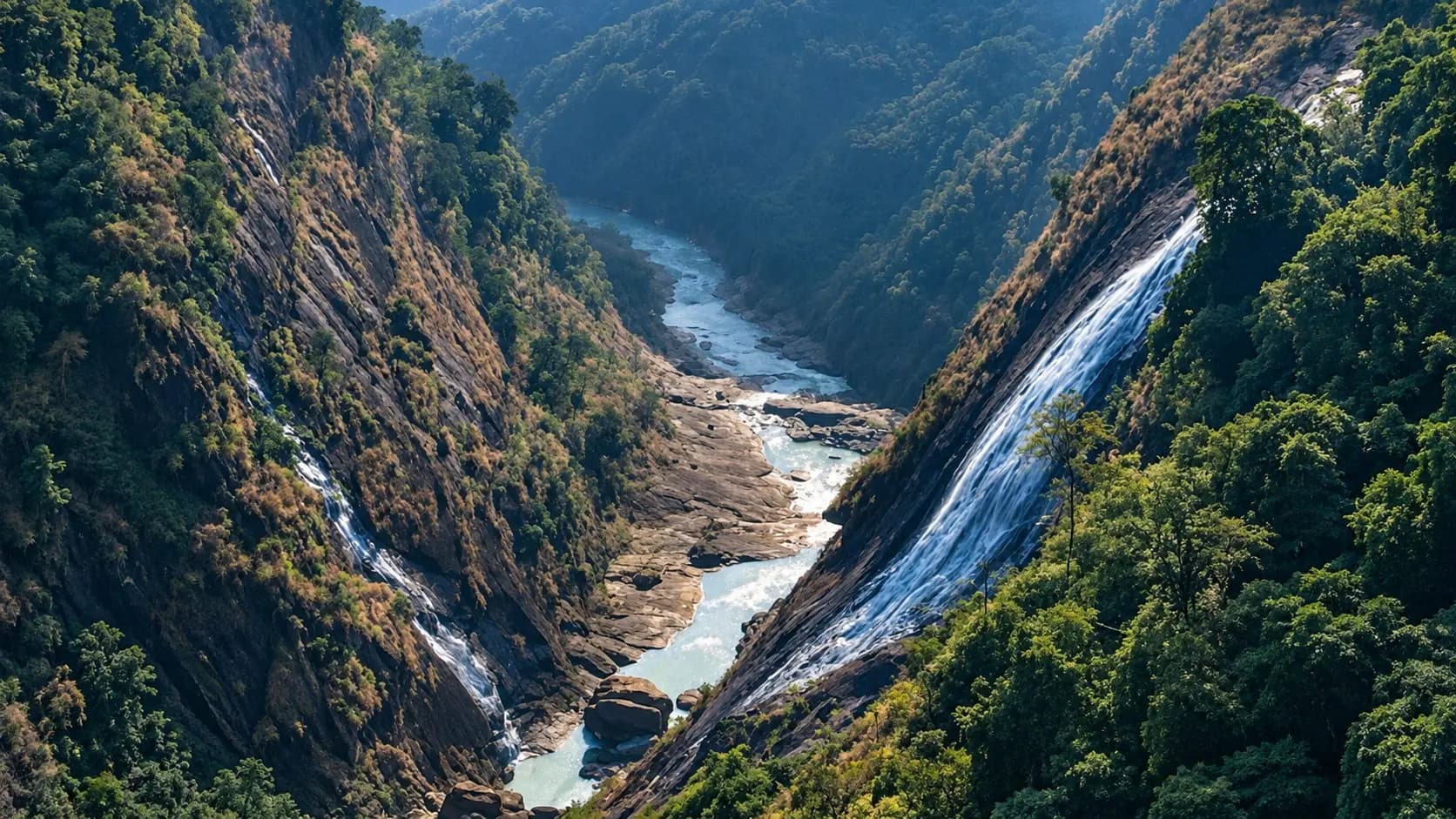
Duduma Falls is one of the grandest and most spectacular natural cataracts in peninsular India, situated in the southwest corner of Koraput district in Odisha.
The story of Duduma Falls
Duduma Falls is one of the grandest and most spectacular natural cataracts in peninsular India, situated in the southwest corner of Koraput district in Odisha. Formed by the swift currents of the Machkund River as it cuts through the rugged highlands of the Eastern Ghats, the river here tumbles down a towering, sheer vertical rock face in an awe-inspiring drop of approximately 175 metres (574 feet). Straddling the interstate boundary between Odisha and Andhra Pradesh, Duduma plunges into a vast, enclosed canyon amphitheatre surrounded by towering rock walls 200 to 300 metres high and clothed in dense subtropical deciduous forest.
Revered in regional mythology as "Matsya Tirtha" (the sacred water of the fish), Duduma has captured the imagination of travellers, pilgrims, and geographers for centuries. The site represents a dramatic meeting point between raw natural beauty, ancient indigenous cultural landscapes, and pioneering post-independence engineering, as the waters descending through the gorge have been harnessed by the historic joint Odisha - Andhra Pradesh Machkund Hydroelectric Project. Located roughly 70 kilometres south of Jeypore and 88 kilometres from Koraput town, Duduma stands as an essential highlight for anyone exploring the wilder frontiers of southern Odisha.
Start here. Open a tile for the full details.
Why goRead details
The paramount reason to visit Duduma is the monumental scale and sheer acoustic drama of the waterfall. Unlike gentler cascading streams, Duduma unleashes an immense volume of water through a narrow rocky cleft before plummeting vertically down dark gneissic cliffs into the churning abyss below. From the upper viewing pavilions built along the edge of the plateau, visitors gaze out over an immense chasm where the churning white torrent sends shimmering clouds of spray drifting hundreds of feet upward into the canyon sunlight, frequently generating vivid double rainbows.
When to visitRead details
The ideal window to visit Duduma Falls is during the post-monsoon and winter months, spanning from October through February. Following the departure of the southwest monsoon in October, the Machkund River carries a tremendous volume of water, and the surrounding canyon hills are carpeted in lush, vibrant green. Daytime temperatures in winter are delightfully mild, generally ranging between 18°C and 25°C under crisp, azure skies, making rim walks and outdoor photography exceptionally pleasant.
Entry & permissionsRead details
Fees, visiting hours and entry rules may change. Confirm the latest details with the official operator or local authority before travelling.
Access to the upper public viewing decks and promenades at Duduma Falls is open without a mandatory centralized government gate ticket, though visitors arriving by car or two-wheeler may be required to pay nominal local parking or environmental maintenance fees to local village committees.
The recommended visiting hours are strictly during daylight, from 7:00 AM to 6:00 PM daily. Visitors must plan their return journey so they depart the canyon area well before dusk. The rural roads connecting Duduma to Lamtaput and Jeypore pass through remote forested hills that lack streetlights, making night driving inadvisable for travellers unfamiliar with the terrain.
Crucially, while the upper viewpoints are open, entering the operational Machkund Hydroelectric powerhouse complex or venturing near the high-pressure water penstocks is strictly prohibited under industrial and utility security protocols without prior official authorization from the power corporation. Furthermore, descending the steep stairway to the base of the falls may be barricaded or restricted by local authorities during the monsoon season or during heavy dam discharges due to severe flash-flood and drowning risks. Swimming in the river above the cataract or in the turbulent plunge pool below is intensely hazardous and strictly prohibited.
Plan your visitRead details
Duduma Falls is situated in the southwestern sector of Koraput district, approximately 70 km south of Jeypore and 88 km from the district headquarters at Koraput. The overland road route from Koraput or Jeypore passes through the town of Boipariguda or via the scenic Lamtaput corridor, continuing through hilly terrain towards Onukadelli before terminating near the canyon approach.
Access
The upper viewing promenade is accessible via short paved pathways and stone steps from the parking turnaround, making it manageable for visitors of average fitness. However, the steep stairway descending to the gorge floor is physically exhausting, features hundreds of uneven stone steps, and requires high stamina and sure-footed hiking boots. Casual tourists and families with young children or elderly members should remain on the upper viewing decks.
Safety and canyon precautions
Exercise extreme care when walking near the canyon verge. Never lean over protective safety barriers, sit on the edge of cliff walls, or attempt to scramble onto slippery wet rocks to capture selfies. The drop into the gorge is vertical and unforgiving. Keep children closely supervised at all times, adhere to all warning signs posted by the district administration, and respect the natural tranquility of the forest by taking all plastic wrappers and empty bottles back with you.
Explore the full guide - choose a topic below.
Why visit?
The paramount reason to visit Duduma is the monumental scale and sheer acoustic drama of the waterfall.Explore detailsClose details
The paramount reason to visit Duduma is the monumental scale and sheer acoustic drama of the waterfall. Unlike gentler cascading streams, Duduma unleashes an immense volume of water through a narrow rocky cleft before plummeting vertically down dark gneissic cliffs into the churning abyss below. From the upper viewing pavilions built along the edge of the plateau, visitors gaze out over an immense chasm where the churning white torrent sends shimmering clouds of spray drifting hundreds of feet upward into the canyon sunlight, frequently generating vivid double rainbows.
Beyond its physical splendour, Duduma holds deep spiritual and cultural resonance. The epic title "Matsya Tirtha" connects the waterfall to ancient local folklore and sacred river traditions. The surrounding hills and forested plateaus are home to indigenous tribal communities, most notably the Bonda and Gadaba people, who have inhabited these remote valleys for millennia. The proximity of the falls to the village of Onukadelli (just 3 kilometres away) allows travellers to combine a morning admiring the natural cataract with an afternoon experiencing the cultural heritage of the renowned Thursday weekly tribal market.
Duduma is also an intriguing destination for industrial heritage enthusiasts. The Machkund Hydroelectric Project, conceived in the 1940s and commissioned in the 1950s as a joint inter-state enterprise, is one of the earliest major engineering achievements of modern India. The contrast between the ancient natural wilderness and the colossal pipeline penstocks that plunge down the mountain flank into the subterranean powerhouse offers a compelling visual narrative of regional development.
What to expect
Reaching Duduma involves a scenic, winding journey through the highland plateau of southern Koraput, passing…Explore detailsClose details
Reaching Duduma involves a scenic, winding journey through the highland plateau of southern Koraput, passing through agricultural valleys, sal forests, and the township of Lamtaput. Upon arriving at the site near the Machkund project colony, visitors proceed toward the cliff-edge viewing decks situated on the upper rim of the canyon.
From these safe vantage points, the full majesty of Duduma unfolds. The Machkund River approaches the gorge in a wide, meandering bed before suddenly contracting into a furious flume that leaps into space. The drop is split into a primary roaring column of water accompanied by secondary ribbons of spray cascading across parallel rock fissures. The opposite side of the canyon rises into sheer, inaccessible stone ramparts, creating a dramatic natural amphitheatre where eagles and swifts circle effortlessly on canyon updrafts.
For adventurous travellers, a steep and challenging descent route - popularly referred to in regional lore and tourism documentation as "A Thousand Steps to Heaven" - winds down the near-vertical canyon wall toward the foot of the falls and the hydroelectric installations. However, this descent is exceptionally steep, humid, and demanding. The steps are frequently slick with spray and moss, and official gazetteer records emphasize that local tribal residents consider the route "terribly strenuous." The lower gorge is often restricted to authorized maintenance personnel during periods of high water release. General visitors can enjoy complete, panoramic vistas from the secure railed viewpoints at the top without undertaking the hazardous climb.
Best time to visit
The ideal window to visit Duduma Falls is during the post-monsoon and winter months, spanning from October…Explore detailsClose details
The ideal window to visit Duduma Falls is during the post-monsoon and winter months, spanning from October through February. Following the departure of the southwest monsoon in October, the Machkund River carries a tremendous volume of water, and the surrounding canyon hills are carpeted in lush, vibrant green. Daytime temperatures in winter are delightfully mild, generally ranging between 18°C and 25°C under crisp, azure skies, making rim walks and outdoor photography exceptionally pleasant.
During the peak monsoon months of July through September, the waterfall reaches its absolute maximum, deafening volume, transforming into a monstrous brown and white deluge. However, heavy rains can make road travel challenging, and dense, moisture-laden clouds and spray often completely veil the canyon, obstructing views from the upper pavilions.
By late spring (April and May), the natural water flow over the falls decreases significantly. Because the river’s flow is regulated upstream by the Jalaput Dam to supply the hydroelectric turbines, water is diverted away from the natural cataract during dry summer months, reducing the once-thundering torrent to slender streams cascading over bare rock. Visiting between October and January ensures the optimal balance of generous water volume, comfortable temperatures, and panoramic atmospheric clarity.
How to reach
Duduma Falls is situated in the southwestern sector of Koraput district, approximately 70 km south of Jeypore and…Explore detailsClose details
Duduma Falls is situated in the southwestern sector of Koraput district, approximately 70 km south of Jeypore and 88 km from the district headquarters at Koraput. The overland road route from Koraput or Jeypore passes through the town of Boipariguda or via the scenic Lamtaput corridor, continuing through hilly terrain towards Onukadelli before terminating near the canyon approach.
For travellers arriving by train, the most convenient railway station is Jeypore Railway Station (station code: JYP), situated roughly 65 to 70 km away, which offers daily express and passenger services connecting to Visakhapatnam, Rayagada, and Bhubaneswar. Koraput Junction (station code: KRPU), located approximately 88 km away, provides an additional major rail terminus with direct trains along the scenic Koraput - Rayagada line. From either town, hiring a private taxi or sturdy rental vehicle is the most practical transit choice, as direct public bus connections to the waterfall rim are infrequent.
For air travellers, the nearest domestic and international gateway is Visakhapatnam International Airport (VTZ) in neighbouring Andhra Pradesh, located roughly 200 km to the southeast. The drive from Visakhapatnam winds through the Araku Valley and the interstate ghat roads, requiring approximately 5 to 6 hours by road. Regular regional buses run from Jeypore to the market village of Onukadelli, from which visitors can hire local auto-rickshaws or walk the remaining 3 kilometres to the canyon viewing area.
Entry, timings and permissions
Fees, visiting hours and entry rules may change.Explore detailsClose details
Fees, visiting hours and entry rules may change. Confirm the latest details with the official operator or local authority before travelling.
Access to the upper public viewing decks and promenades at Duduma Falls is open without a mandatory centralized government gate ticket, though visitors arriving by car or two-wheeler may be required to pay nominal local parking or environmental maintenance fees to local village committees.
The recommended visiting hours are strictly during daylight, from 7:00 AM to 6:00 PM daily. Visitors must plan their return journey so they depart the canyon area well before dusk. The rural roads connecting Duduma to Lamtaput and Jeypore pass through remote forested hills that lack streetlights, making night driving inadvisable for travellers unfamiliar with the terrain.
Crucially, while the upper viewpoints are open, entering the operational Machkund Hydroelectric powerhouse complex or venturing near the high-pressure water penstocks is strictly prohibited under industrial and utility security protocols without prior official authorization from the power corporation. Furthermore, descending the steep stairway to the base of the falls may be barricaded or restricted by local authorities during the monsoon season or during heavy dam discharges due to severe flash-flood and drowning risks. Swimming in the river above the cataract or in the turbulent plunge pool below is intensely hazardous and strictly prohibited.
Nearby places to consider
A visit to Duduma Falls can be seamlessly combined with other signature landmarks across southern Koraput: -…Explore detailsClose details
A visit to Duduma Falls can be seamlessly combined with other signature landmarks across southern Koraput:
- Onukadelli: Located just 3 km from the falls, famous throughout eastern India for its Thursday weekly market where members of the indigenous Bonda community visit to trade traditional forest produce.
- Jalaput Dam: Situated roughly 30 km to the northeast on the Machkund River, this expansive reservoir created in the 1950s feeds Duduma and offers peaceful shoreline picnic areas.
- Rani Duduma: Another picturesque waterfall located in the Nandapur sector roughly 45 km away, known for its gentle tiered cascade and tranquil forest backdrop.
- Deomali: Located approximately 95 km to the northeast near Semiliguda, standing as Odisha’s highest mountain peak at 1,672 metres with sweeping Eastern Ghats panoramas.
In pictures
The practical bits
Before you go.
Plan ahead
A rewarding journey to Duduma Falls requires thoughtful logistical planning due to the site’s isolated…Explore detailsClose details
A rewarding journey to Duduma Falls requires thoughtful logistical planning due to the site’s isolated geographical location.
Access
The upper viewing promenade is accessible via short paved pathways and stone steps from the parking turnaround…Explore detailsClose details
The upper viewing promenade is accessible via short paved pathways and stone steps from the parking turnaround, making it manageable for visitors of average fitness. However, the steep stairway descending to the gorge floor is physically exhausting, features hundreds of uneven stone steps, and requires high stamina and sure-footed hiking boots. Casual tourists and families with young children or elderly members should remain on the upper viewing decks.
Weather
The canyon rim can become very warm under the midday sun in autumn, while winter mornings and late afternoons…Explore detailsClose details
The canyon rim can become very warm under the midday sun in autumn, while winter mornings and late afternoons bring cool highland breezes. Carry a sun hat and UV sunglasses for daytime viewing, along with a light jacket or shawl for early morning or winter travel. A light rain jacket is helpful during October visits to guard against drifting waterfall spray.
What to carry
Because retail amenities at the canyon edge are limited, visitors should bring plenty of drinking water in…Explore detailsClose details
Because retail amenities at the canyon edge are limited, visitors should bring plenty of drinking water in reusable bottles, energy snacks or a packed lunch, and personal wet wipes. Carry sufficient physical cash for local vehicle parking, tea stalls, and village market purchases, as cellular connectivity can be weak or absent near the canyon rim.
Facilities
Infrastructure at Duduma consists of basic concrete viewing shelters, railed overlook platforms, and small…Explore detailsClose details
Infrastructure at Duduma consists of basic concrete viewing shelters, railed overlook platforms, and small roadside tea and snack kiosks near the parking zone. A Mission Shakti cafe operated by local women's self-help groups provides simple refreshments near the township approach. There are no upscale restaurants or hotels at the waterfall; travellers planning an overnight stay should reserve hotel accommodations in Jeypore or Koraput town.
Safety and canyon precautions
Exercise extreme care when walking near the canyon verge.Explore detailsClose details
Exercise extreme care when walking near the canyon verge. Never lean over protective safety barriers, sit on the edge of cliff walls, or attempt to scramble onto slippery wet rocks to capture selfies. The drop into the gorge is vertical and unforgiving. Keep children closely supervised at all times, adhere to all warning signs posted by the district administration, and respect the natural tranquility of the forest by taking all plastic wrappers and empty bottles back with you.
A few things you might wonder
Common questions about visiting Duduma Falls. Fees, visiting hours and ceremonies are researched details that may change; confirm current arrangements with the operator before travelling.
Where is Duduma Falls located?
Which river forms Duduma Falls?
How high is Duduma Falls?
Why is Duduma Falls called Matsya Tirtha?
Is there an entry fee to visit Duduma Falls?
Can visitors walk down to the base of Duduma Falls?
What is the best time of year to visit Duduma Falls?
What other famous attraction is located near Duduma Falls?
Explore more in Koraput
Discover other destinations around this hub
More Hubs in Odisha
Continue exploring other travel hubs in this state
Planning a trip to Koraput?