Jim Corbett National Park (Dhikala Zone)
Comprehensive visitor guide to Dhikala Zone in Corbett Tiger Reserve. Learn about safari booking, night stays at Dhikala FRH, tiger sightings, and timings.
Location
Nainital Jim Corbett, Uttarakhand
A closer look
Your visit, at a glance.
Nainital Jim Corbett, Uttarakhand
GET TO KNOW THE PLACE
Sprawling majestically across the broad, alluvial expanse of the Patli Dun valley at an elevation of 385 to 450 metres (1,263 to 1,476 feet) above sea level in Pauri Garhwal…
The story of Jim Corbett National Park (Dhikala Zone)
Sprawling majestically across the broad, alluvial expanse of the Patli Dun valley at an elevation of 385 to 450 metres (1,263 to 1,476 feet) above sea level in Pauri Garhwal District, Uttarakhand, the Dhikala Zone is the undisputed crown jewel, the largest tourism sector, and the premier ecological heartland of Corbett Tiger Reserve. Bordered by the winding sapphire waters of the Ramganga River and backed by the forested foothills of the Shiwaliks, Dhikala represents the gold standard of Indian wilderness conservation. It was here, amidst these golden grasslands (chaurs) and towering sal forests, that India’s pioneering wildlife sanctuary - originally established in 1936 as Hailey National Park and later renamed in honour of legendary author and conservationist Jim Corbett - first captured the imagination of the global conservation community.
Geographically, Dhikala forms the vast western and northern core of the national park. While the administrative field directorate and visitor reception facilities operate out of Ramnagar in Nainital District, the actual wilderness expanse of Dhikala lies within the Lansdowne and Kalagarh forest divisions of Pauri Garhwal District. Access into this pristine biosphere is strictly controlled through the historic Dhangarhi Gate, situated along National Highway 309 approximately 18 kilometres north of Ramnagar. Crossing Dhangarhi Gate marks the boundary between the human-inhabited foothill settlements and one of Asia's most formidable tiger bastions. From Dhangarhi, visitors embark on a 31-kilometre journey deep into the interior forest, winding past the historic rest houses of Sultan, Gairal, and Sarapduli before emerging onto the spectacular panoramic flats of the Dhikala tourism complex.
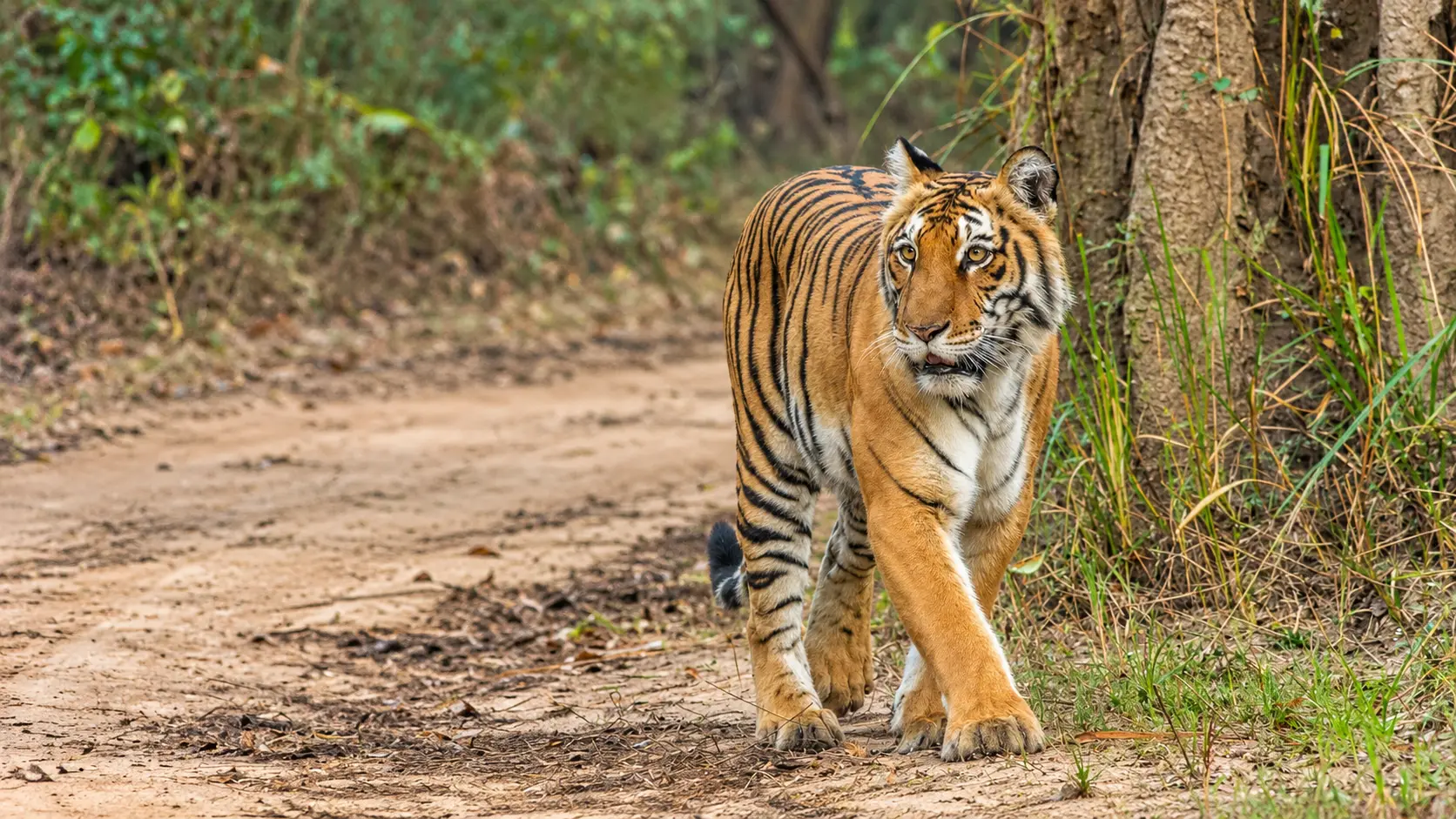
Dhikala is globally celebrated for its exceptional biodiversity, harboring one of the highest densities of wild Royal Bengal tigers (Panthera tigris) anywhere on Earth. Alongside the tiger, Dhikala supports majestic breeding herds of wild Asian elephants (Elephas maximus), which congregate in large family groups across the sweeping Dhikala Chaur during the warmer spring and summer months. The meandering Ramganga River and its backwaters form a vital lifeline for critically endangered fish-eating gharials (Gavialis gangeticus), mugger crocodiles, smooth-coated otters, and golden mahseer. Above the waters and forest canopies soar more than 600 species of resident and migratory birds, including the magnificent Pallas’s fish eagle, tawny fish owl, lesser fish eagle, kalij pheasant, and red junglefowl, making Dhikala a pilgrimage site for international wildlife photographers and naturalists.
To protect its delicate ecological integrity, the Uttarakhand Forest Department enforces rigorous access protocols. Unlike peripheral ecotourism zones such as Bijrani, Jhirna, or Dhela, day visits by private open gypsies are strictly prohibited in Dhikala. Day visitors are permitted to explore the zone exclusively aboard official 16-seater Canter Safaris operated on fixed morning and afternoon schedules. The only private gypsies allowed past Dhangarhi Gate are those belonging to visitors holding confirmed, pre-booked night stay reservations at the historic British-colonial Dhikala Forest Rest House or its satellite lodges (Gairal, Sarapduli, and Sultan). Because monsoon rainfall causes the Ramganga River to swell and sweeps away temporary seasonal causeways, Dhikala observes a mandatory annual closure, opening for tourism only from 15 November to 15 June each year.
Start here. Open a tile for the full details.
Why goRead details
Dhikala Zone provides an authentic, raw wildlife safari experience unmatched by any other protected reserve in northern India:
When to visitRead details
Dhikala Zone operates strictly within a seven-month tourism window from 15 November to 15 June. The zone remains completely closed to all tourists from 16 June to 14 November during the monsoon.
Entry & permissionsRead details
Fees, visiting hours and entry rules may change. Confirm the latest details with the official operator or local authority before travelling.
Because Dhikala is a strictly regulated tiger habitat, entry is governed by strict Forest Department quotas and statutory protocols:
- Advance Booking Procedures: All safari permits (both Canter day tours and FRH night stays) must be secured exclusively through the official Uttarakhand Forest Department portal (corbettnationalpark.uk.gov.in). Bookings open 45 days in advance for Indian citizens and 90 days in advance for international tourists. Night stay permits sell out within seconds of opening, especially for weekends and holidays.
- Safari Timings and Shifts:
- Morning Canter Safari: Departs Ramnagar at 05:30 to 06:00 (winter) / 05:00 to 05:30 (summer); enters Dhangarhi Gate by 06:00; exits park by 11:30.
- Afternoon Canter Safari: Departs Ramnagar at 11:00 to 11:30; enters Dhangarhi Gate by 11:30 to 12:00; exits park before nightfall by 17:00 to 17:30.
- Entry Fee Structure:
- Canter Safari: ₹1,500 to ₹2,000 per seat for Indian nationals; ₹3,500 to ₹4,500 per seat for foreign nationals (inclusive of park entry, vehicle seat, and guide charges).
- Overnight Forest Rest House (FRH) Stay: Room tariffs range from ₹2,500 to ₹5,500 per night for standard Forest Rest House rooms and cottages. In addition, guests pay vehicle entry fees (approx. ₹500), guide fees (approx. ₹700 to ₹1,000 per safari drive), and private gypsy rental charges (approx. ₹4,500 to ₹6,500 per day for the hired vehicle).
- Mandatory Identification: Every visitor must present their original government-issued photo identity proof (Aadhaar Card, Passport, Voter ID, or Driving License) matching the exact details submitted during online booking. Discrepancies result in immediate cancellation of entry without refund.
Plan your visitRead details
Reaching Dhikala Zone requires traveling to the gateway town of Ramnagar in Nainital District, Uttarakhand, before proceeding to Dhangarhi Gate:
Explore the full guide - choose a topic below.
Why visit?
Dhikala Zone provides an authentic, raw wildlife safari experience unmatched by any other protected reserve in…Explore detailsClose details
Dhikala Zone provides an authentic, raw wildlife safari experience unmatched by any other protected reserve in northern India:
- Encounter Royal Bengal Tigers in their Natural Habitat: Dhikala’s mosaic of dense sal forests, riverine marshes, and expansive open grasslands provides the ideal hunting territory for wild Bengal tigers. Sightings frequently occur along the Sambhar Road, Ramganga riverbanks, and Dhikala Chaur, where tigers hunt spotted deer, hog deer, and sambar.
- Witness Great Herds of Wild Asian Elephants: The expansive Dhikala Chaur - one of Asia's largest remaining natural riverine grasslands - is world-famous for its massive elephant herds. Watching matriarch-led family herds with playful calves grazing against the backdrop of the Shiwalik hills in late afternoon light is an iconic Corbett memory.
- Stay at the Historic Dhikala Forest Rest House: Established by British foresters over a century ago, the Dhikala FRH complex sits atop a cliff overlooking the Ramganga River and the Patli Dun valley. Overnight guests enjoy an exhilarating sense of wilderness immersion, hearing tiger roar echoes, sambar alarm calls, and owl screeches under star-filled skies from within a secure solar-fenced compound.
- Observe Ancient Aquatic Reptiles along the Ramganga: Dhikala is one of the few places in India where travelers can view wild gharials basking on sandy river islands alongside prehistoric-looking mugger crocodiles and river otters, particularly around Crocodile Point and the High Bank viewpoint.
- World-Class Himalayan Birdwatching: With varied habitats spanning river rapids, deep pools, tall elephant grass, and dense sal canopy, Dhikala is home to rare raptors and forest birds, including the Great Pied Hornbill, Collared Falconet, Crested Serpent Eagle, Pallas's Fish Eagle, and Brown Fish Owl.
What to expect
Entering Dhikala Zone through Dhangarhi Gate transports visitors from the modern vehicular corridor of NH 309…Explore detailsClose details
Entering Dhikala Zone through Dhangarhi Gate transports visitors from the modern vehicular corridor of NH 309 into a secluded, prehistoric landscape where wildlife holds absolute supremacy.
- The 31-Kilometre Interior Forest Drive: The expedition begins at Dhangarhi Gate, where visitors pass through identity checks and permit verification. The unpaved dirt track traverses 31 kilometres of dense virgin sal forests, crossing crystal-clear forest streams and riverbed gravel bars. Keep your camera ready throughout this drive; wild elephants, spotted deer, barking deer, and leopards frequently cross the track near Sultan and Sarapduli.
- Vast Grasslands of Dhikala Chaur: Emerging from the sal forest into Dhikala Chaur reveals a breathtaking savannah stretching to the horizon, framed by the blue silhouette of the Shiwalik mountains. This alluvial plain is crisscrossed by dirt safari tracks where herds of chital (spotted deer), hog deer, and wild boars graze peacefully until an explosive alarm call signals the presence of an approaching predator.
- Safari Operations (Canters vs. Night-Stay Gypsies): Day visitors experience Dhikala inside elevated, open-topped 16-seater 4WD Canter trucks. The elevated seating provides panoramic visibility over tall elephant grass, though maneuvers are confined to main safari tracks. In contrast, overnight lodge residents tour in private 6-seater Maruti Gypsy vehicles guided by certified forest trackers, allowing for quiet ambushes at waterholes and flexible tracking.
- Wildlife Encounters at Waterholes and Riverbeds: Safaris frequently pause at strategic viewpoints such as Crocodile Point, Kamarpatta, and the High Bank, where binoculars reveal aquatic predators in the Ramganga River and raptors circling thermals above the cliffs.
Best time to visit
Dhikala Zone operates strictly within a seven-month tourism window from 15 November to 15 June.Explore detailsClose details
Dhikala Zone operates strictly within a seven-month tourism window from 15 November to 15 June. The zone remains completely closed to all tourists from 16 June to 14 November during the monsoon.
- Winter Season (15 November to February): Winter brings crisp, exhilarating forest air and picturesque landscapes. Morning temperatures regularly drop to between 5°C and 10°C, creating ethereal blankets of mist over the Ramganga River and grasslands. Afternoon temperatures reach a comfortable 20°C to 24°C. Winter is prime season for migratory waterfowl, raptors, and spectacular photography, though travelers require heavy woolens, gloves, and windproof jackets on open canter drives.
- Spring Transition (March to April): March and April are considered by many naturalists to be the most pleasant months in Dhikala. Temperatures range from 15°C to 30°C, forest trees burst into fresh foliage and flame-of-the-forest blossoms, and mist dissipates early, offering crystal-clear visibility for tracking tiger movements and elephant herds.
- Summer Season (May to 15 June): Summer temperatures climb to between 32°C and 42°C. While afternoons are intensely hot, May and early June offer the highest probability of tiger sightings. As ephemeral forest puddles dry out, big cats and elephant herds concentrate around the permanent pools and channels of the Ramganga River.
- Monsoon Closure (16 June to 14 November): Heavy rainfall transforms mountain streams into raging torrents and floods the riverine grasslands. Dhikala shuts down completely to safeguard tourists and allow the wilderness ecosystem an undisturbed breeding and rejuvenation period.
How to reach
Reaching Dhikala Zone requires traveling to the gateway town of Ramnagar in Nainital District, Uttarakhand…Explore detailsClose details
Reaching Dhikala Zone requires traveling to the gateway town of Ramnagar in Nainital District, Uttarakhand, before proceeding to Dhangarhi Gate:
- By Train: The nearest railhead is Ramnagar Railway Station (RMR), situated 19 kilometres south of Dhangarhi Gate. Ramnagar enjoys direct overnight train connectivity with New Delhi via the Corbett Link Express / Ranikhet Express, as well as regular passenger trains from Moradabad and Kashipur. Alternatively, Kathgodam Railway Station (KGM) is located 85 kilometres southeast (approx. 2.5 hours by taxi), offering broad connections to Delhi, Lucknow, Kolkata, and Dehradun.
- By Road: Dhangarhi Gate is located directly along National Highway 309 (Ramnagar - Ranikhet highway), 18 kilometres north of Ramnagar town. Well-paved all-weather highways connect Ramnagar to Delhi (260 km, approx. 5.5 to 6.5 hours via Hapur, Moradabad, and Kashipur), Nainital (65 km via Kaladhungi), and Dehradun (230 km via Haridwar and Kashipur). State transport buses and private tourist coaches run frequently from Delhi's Anand Vihar ISBT to Ramnagar.
- By Air: The closest domestic airport is Pantnagar Airport (PGH), situated approximately 100 kilometres southeast of Ramnagar (2.5 to 3 hours by private cab). Commercial flights operate from New Delhi and Dehradun. For international travelers, Indira Gandhi International Airport (DEL) in New Delhi (260 km) serves as the primary aviation hub.
- Transit from Ramnagar to Dhikala: Day canter safaris depart from the CTR Reception Office in Ramnagar or pick up passengers directly at Dhangarhi Gate. Travelers with overnight FRH permits must report to the Ramnagar CTR office to validate paperwork and hire an authorized registered Gypsy vehicle and certified forest guide before proceeding through Dhangarhi Gate.
Entry, timings and permissions
Fees, visiting hours and entry rules may change.Explore detailsClose details
Fees, visiting hours and entry rules may change. Confirm the latest details with the official operator or local authority before travelling.
Because Dhikala is a strictly regulated tiger habitat, entry is governed by strict Forest Department quotas and statutory protocols:
- Advance Booking Procedures: All safari permits (both Canter day tours and FRH night stays) must be secured exclusively through the official Uttarakhand Forest Department portal (corbettnationalpark.uk.gov.in). Bookings open 45 days in advance for Indian citizens and 90 days in advance for international tourists. Night stay permits sell out within seconds of opening, especially for weekends and holidays.
- Safari Timings and Shifts:
- Morning Canter Safari: Departs Ramnagar at 05:30 to 06:00 (winter) / 05:00 to 05:30 (summer); enters Dhangarhi Gate by 06:00; exits park by 11:30.
- Afternoon Canter Safari: Departs Ramnagar at 11:00 to 11:30; enters Dhangarhi Gate by 11:30 to 12:00; exits park before nightfall by 17:00 to 17:30.
- Entry Fee Structure:
- Canter Safari: ₹1,500 to ₹2,000 per seat for Indian nationals; ₹3,500 to ₹4,500 per seat for foreign nationals (inclusive of park entry, vehicle seat, and guide charges).
- Overnight Forest Rest House (FRH) Stay: Room tariffs range from ₹2,500 to ₹5,500 per night for standard Forest Rest House rooms and cottages. In addition, guests pay vehicle entry fees (approx. ₹500), guide fees (approx. ₹700 to ₹1,000 per safari drive), and private gypsy rental charges (approx. ₹4,500 to ₹6,500 per day for the hired vehicle).
- Mandatory Identification: Every visitor must present their original government-issued photo identity proof (Aadhaar Card, Passport, Voter ID, or Driving License) matching the exact details submitted during online booking. Discrepancies result in immediate cancellation of entry without refund.
Nearby places to consider
Combining a safari in Dhikala with other natural and cultural attractions in the Ramnagar and Nainital foothill…Explore detailsClose details
Combining a safari in Dhikala with other natural and cultural attractions in the Ramnagar and Nainital foothill region creates a comprehensive holiday itinerary:
- Dhangarhi Museum and Reception Centre: Situated right at Dhangarhi Gate, this official visitor centre showcases taxidermy exhibits of tigers, leopards, and king cobras that died of natural causes in Corbett, along with historic archival photographs and British colonial hunting memorabilia.
- Corbett Museum, Kaladhungi: Located 35 kilometres southeast of Ramnagar in Kaladhungi (Nainital District), this historic heritage cottage was the winter home of legendary author Jim Corbett. It houses his personal furniture, original letters, hunting manuscripts, and maps.
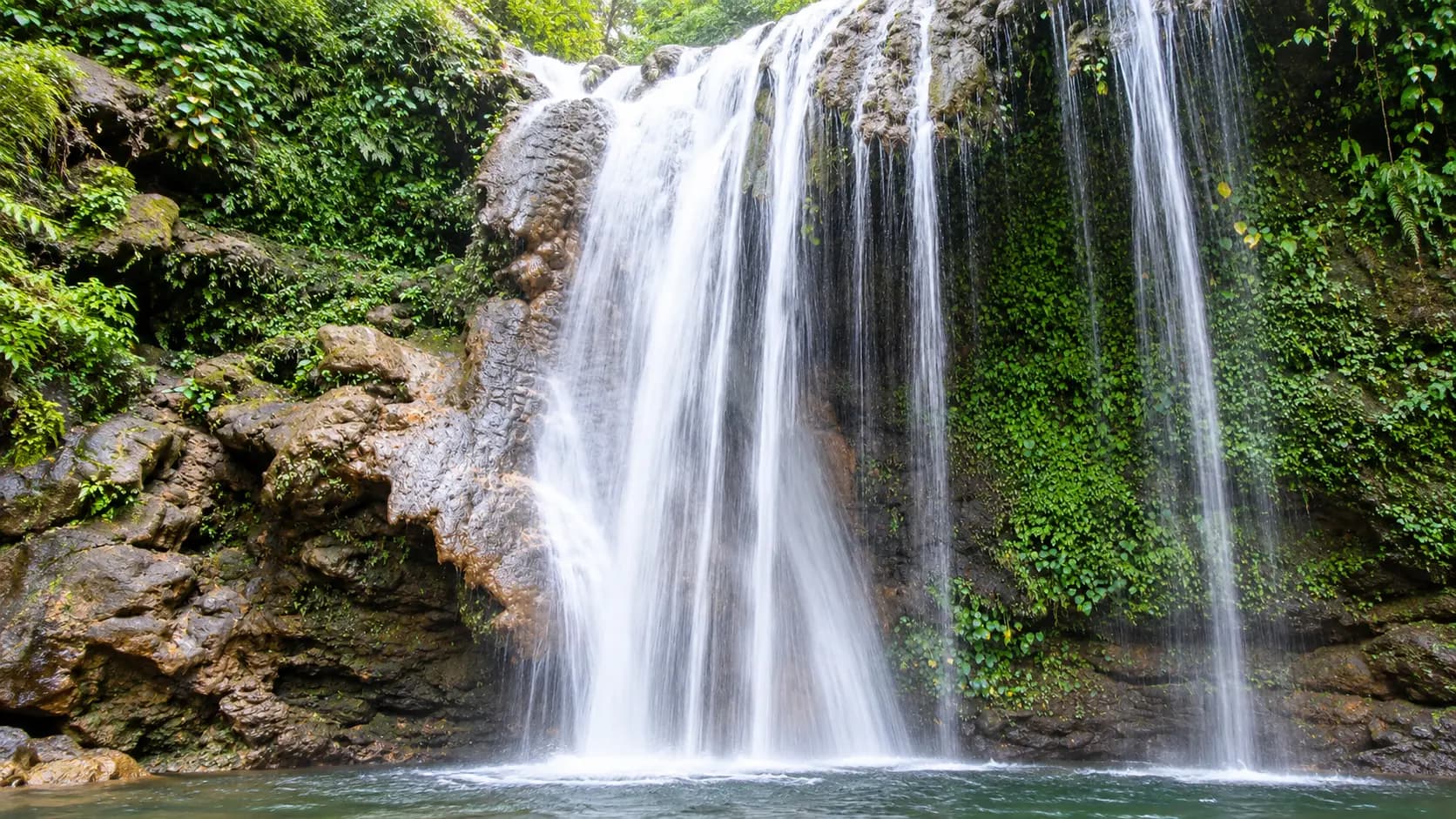
- Corbett Waterfall: Located 4 kilometres west of Kaladhungi on the Ramnagar road, this pristine 20-metre waterfall offers a tranquil 1.5-kilometre forest nature walk beneath ancient teak canopies.
- Bijrani and Jhirna Safari Zones: Neighboring ecotourism zones within Corbett Tiger Reserve that offer open gypsy safaris. While Dhikala remains closed during the monsoon, Jhirna and Dhela zones remain accessible year-round for wildlife enthusiasts.
- Garjia Devi Temple: Perched dramatically atop a massive, isolated rock island in the middle of the Kosi River along NH 309, 14 kilometres north of Ramnagar, this revered Shakti shrine is an essential spiritual stop on the route to Dhangarhi Gate.
In pictures
The practical bits
Before you go.
Plan ahead
A safari into Dhikala requires advance logistical coordination and adherence to strict reserve etiquette: -Explore detailsClose details
A safari into Dhikala requires advance logistical coordination and adherence to strict reserve etiquette:
Advance Permit Acquisition
Secure your canter safari seat or FRH accommodation months in advance on the official CTR website.Explore detailsClose details
Secure your canter safari seat or FRH accommodation months in advance on the official CTR website. Do not arrive in Ramnagar expecting spot bookings for Dhikala, as day gypsy safaris do not exist here and canter quotas are strictly capped at four vehicles (64 seats) per shift.
Layered Clothing and Winter Gear
Open canter and gypsy rides generate severe windchill.Explore detailsClose details
Open canter and gypsy rides generate severe windchill. On winter morning safaris (November to February), dress in multiple thermal layers, a windproof outer jacket, woolen beanie, gloves, and a neck warmer. In summer months (April to June), wear loose, breathable cottons in neutral earth tones (khaki, olive green, beige) with wide-brimmed hats and polarized sunglasses. Brightly colored clothing is strictly discouraged.
Zero-Waste and Hydration Strategy
Single-use plastic bottles, polythene carry bags, and non-biodegradable snack packaging are completely banned…Explore detailsClose details
Single-use plastic bottles, polythene carry bags, and non-biodegradable snack packaging are completely banned inside Corbett Tiger Reserve. Carry a durable, reusable stainless steel or thermal water flask. Filtered refill stations are available at Dhangarhi Gate and the Dhikala canteen.
Optics and Camera Protection
A quality pair of 8x42 or 10x42 binoculars is essential for scanning tree lines and distant riverbanks.Explore detailsClose details
A quality pair of 8x42 or 10x42 binoculars is essential for scanning tree lines and distant riverbanks. For wildlife photography, bring a telephoto lens (300mm to 600mm) and protective dust covers or dry bags, as unpaved dirt tracks kick up significant fine dust during dry summer drives.
A few things you might wonder
Common questions about visiting Jim Corbett National Park (Dhikala Zone). Fees, visiting hours and ceremonies are researched details that may change; confirm current arrangements with the operator before travelling.
Can day visitors take open Maruti Gypsies into Dhikala Zone?
How far in advance must I book the Dhikala Forest Rest House?
Is Dhikala Zone open throughout the year?
What wildlife species am I most likely to see in Dhikala?
Are meals and dining facilities available inside the Dhikala tourism complex?
What is the difference between Canter Safaris and Gypsy Safaris in Corbett?
Explore more in Nainital Jim Corbett
Discover other destinations around this hub
More Hubs in Uttarakhand
Continue exploring other travel hubs in this state
Planning a trip to Nainital Jim Corbett?