Munsiyari
Comprehensive visitor guide to Munsiyari in Pithoragarh, Uttarakhand. Discover up-close Panchachuli views, Khaliya Top trek, Shauka tribal culture & Birthi Falls.
Location
Deep Kumaon, Uttarakhand
A closer look
Your visit, at a glance.
Deep Kumaon, Uttarakhand
GET TO KNOW THE PLACE
Perched dramatically upon a broad alpine terrace at an altitude of 2,200 metres (7,218 feet) above sea level in the northern reaches of Pithoragarh District, Uttarakhand…
The story of Munsiyari
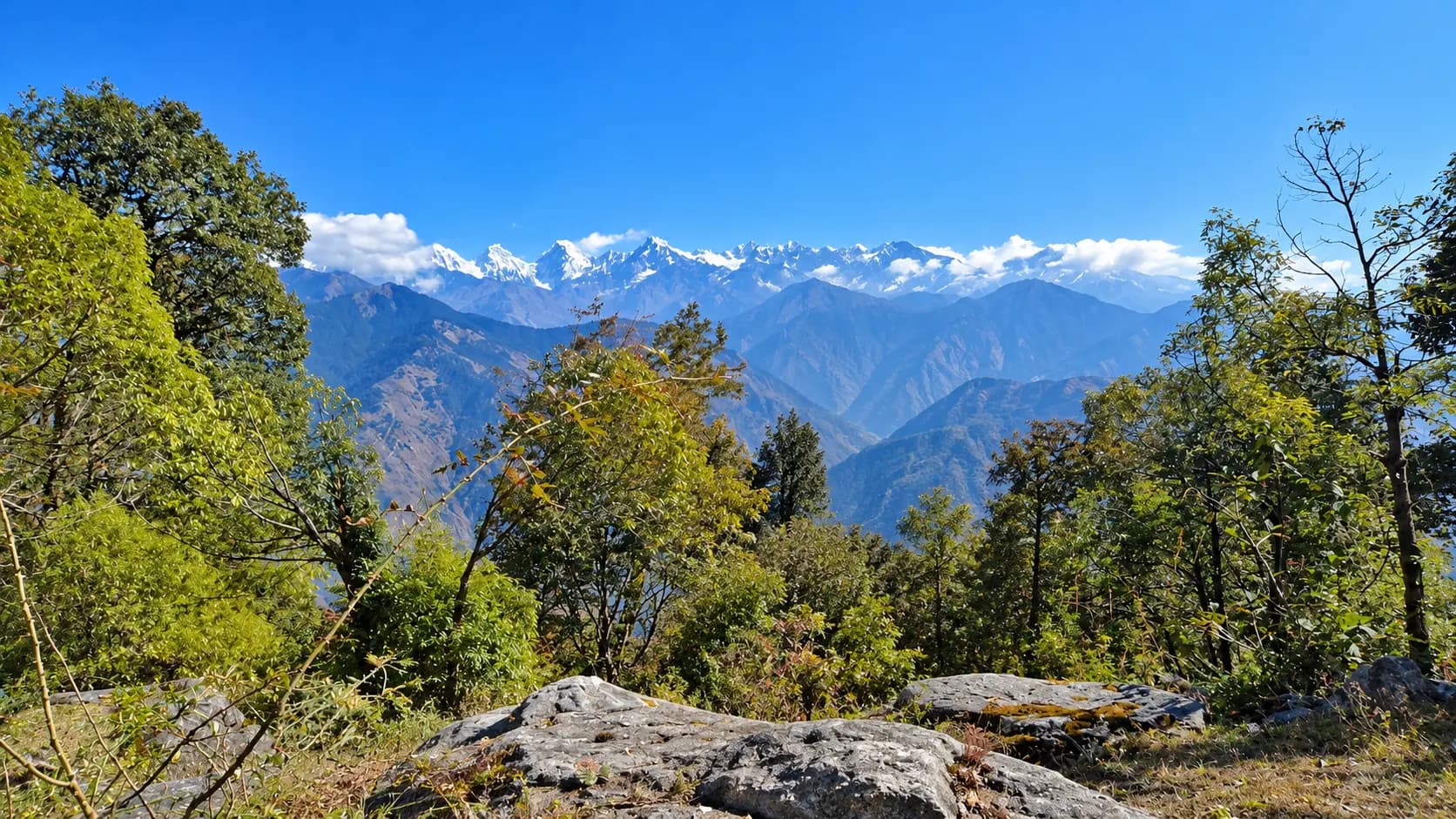
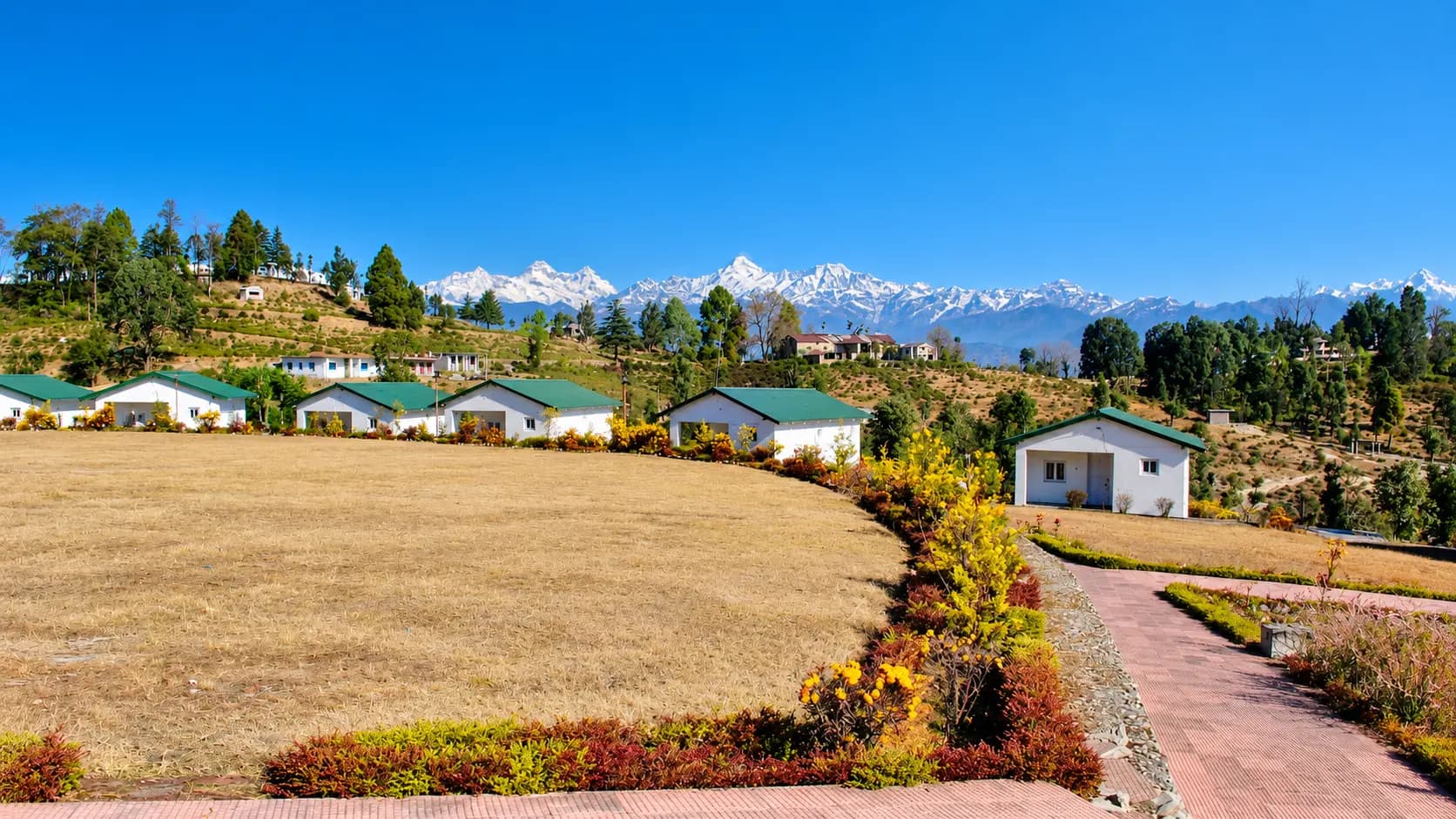
Perched dramatically upon a broad alpine terrace at an altitude of 2,200 metres (7,218 feet) above sea level in the northern reaches of Pithoragarh District, Uttarakhand, Munsiyari is widely celebrated as the crowning jewel of Deep Kumaon. Translating in the indigenous Shauka dialect literally to "place with snow", and affectionately heralded by travelers and poets as "Little Kashmir", Munsiyari commands an unparalleled geographical setting along the deep, roaring gorge of the Gori Ganga river. Perched on the eastern mountain shoulder overlooking this canyon, the town sits directly face-to-face with one of the most sublime and awe-inspiring natural spectacles on Earth: the iconic Panchachuli peaks.
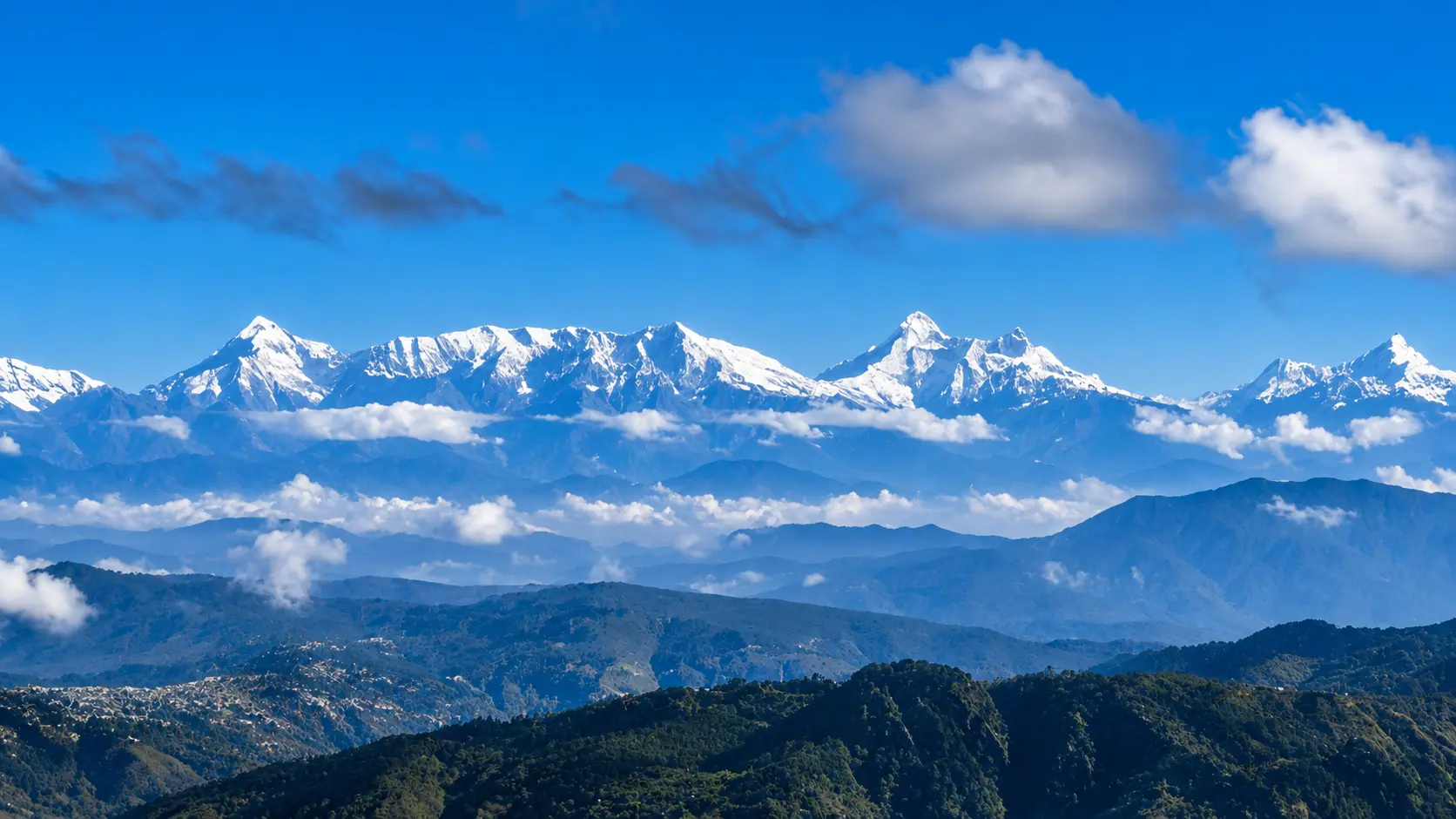
The proximity of the Panchachuli massif (comprising five sharp granite pyramids numbered I through V, ranging from 6,334 m to 6,904 m) is so intimate that from Munsiyari's stone verandas and hotel lawns, the massive glaciers, icefalls, and sheer fluted snow-faces seem within arm's reach. In sacred Hindu mythology, these five summits are revered as the five celestial cooking hearths (chulhas) where the five Pandava brothers and Draupadi cooked their final earthly meal before ascending to heaven. Framing this dramatic massif across the northern horizon are Nanda Devi East (7,434 m), Nanda Kot (6,861 m), Hardeol (7,151 m), and the jagged spires of the Rajrambha and Kuchela massifs.
Munsiyari is also a cradle of legendary mountain culture. For centuries, it flourished as the bustling summer home and trading headquarters of the Shauka community (a branch of the trans-Himalayan Bhotia tribe). Intrepid Shauka merchants guided massive caravans of laden yaks, goats, and Tibetan mastiffs through the formidable gorges of the Gori Ganga and across the treacherous 5,300-metre Unta Dhura and Lipulekh passes into Western Tibet (Purang and Gartok), exchanging Indian grains, sugar, spices, and broadcloth for Tibetan salt, borax, and precious pashmina wool until the trade was abruptly terminated following the 1962 Sino-Indian War. Today, the Shaukas of Munsiyari preserve their extraordinary pastoral traditions, renowned as master weavers of exquisite hand-knotted sheep wool carpets (dan), thick fleecy blankets (thulma), and delicate pashmina shawls. Serving as the ultimate gateway for high-altitude trekking expeditions to the Milam Glacier, Ralam Glacier, and the panoramic alpine meadows of Khaliya Top (3,500 m), Munsiyari offers an unforgettable communion with raw Himalayan wilderness.
Start here. Open a tile for the full details.
Why goRead details
Munsiyari rewards travelers who undertake the scenic journey deep into Kumaon with breathtaking natural wonders, tribal heritage, and alpine adventures:
When to visitRead details
Munsiyari offers distinct seasonal attractions for nature lovers, trekkers, and photographers:
Entry & permissionsRead details
Fees, visiting hours and entry rules may change. Confirm the latest details with the official operator or local authority before travelling.
- Entry Fees: There are no entry fees to visit Munsiyari town, Nanda Devi temple, or the general viewpoints.
- Tribal Heritage Museum Timings and Fees: Open daily from 09:00 to 17:00. Admission fee is a nominal ₹20 to ₹50 per person, which directly supports the preservation and maintenance of the private collection.
- Khaliya Top Eco-Permit: Trekkers ascending to Khaliya Top pay a nominal eco-development permit fee (approx. ₹50 to ₹100 per person) at the Forest Department checkpost at Balati Farm.
- Inner Line Permits for Border Treks:
- Munsiyari Town and Khaliya Top: Neither domestic Indian tourists nor foreign nationals require any permit to stay in Munsiyari town, visit local temples, or trek to Khaliya Top.
- High-Altitude Glacier Treks (Milam / Ralam / Nanda Devi Base): Because these trails proceed toward the sensitive international border with Tibet, all travelers - both Indian and foreign - must obtain an Inner Line Permit (ILP) from the Sub-Divisional Magistrate (SDM) Office in Munsiyari, along with a police verification certificate from the local police station. Foreign nationals are subject to specific restricted-area mountaineering clearances.
- Drone Regulations: Due to close proximity to the international border and Indo-Tibetan Border Police (ITBP) garrisons, flying civilian drones is strictly prohibited across Munsiyari and the Gori Ganga valley without defense and district clearances.
Plan your visitRead details
Munsiyari is located in the far northeastern corner of Kumaon, accessible via scenic mountain highways from Kathgodam and Almora:
Explore the full guide - choose a topic below.
Why visit?
Munsiyari rewards travelers who undertake the scenic journey deep into Kumaon with breathtaking natural wonders…Explore detailsClose details
Munsiyari rewards travelers who undertake the scenic journey deep into Kumaon with breathtaking natural wonders, tribal heritage, and alpine adventures:
- Gaze Upon the Jaw-Dropping Panchachuli Massif: Experience the sheer thrill of standing directly opposite the five sacred peaks of Panchachuli. Unlike distant mountain viewpoints where peaks appear on the far horizon, here the vertical snow-and-ice wall rises directly from the valley floor just across the gorge, offering unforgettable sunrise and sunset photography.
- Trek to the Alpine Paradise of Khaliya Top (3,500 m): Embark on a rewarding 6-kilometre day hike ascending through dense rhododendron and oak forests from Balati Farm to Khaliya Top. This high-altitude meadow (bugyal) at 3,500 metres rewards trekkers with a breathless 360-degree panoramic vista encompassing the entire Greater Himalayan range from Garhwal to western Nepal.
- Visit the Sacred Nanda Devi Temple: Stroll across gentle meadows to the solitary white-domed Nanda Devi Temple, perched on a picturesque knoll at 2,300 metres surrounded by ancient deodars. Looking upon the temple's carved stone entrance with the snow-covered spires of Panchachuli towering in the background is one of the most iconic images of Uttarakhand.
- Discover Shauka Heritage at the Tribal Museum: Explore the fascinating private Tribal Heritage Museum established by retired scholar and educator Dr. S.S. Pangtey. Wander among rare antique artifacts, 19th-century birch-bark trade documents, authentic yak-bone jewelry, wooden measuring vessels, antique Tibetan firearms, and traditional Shauka bridal costumes that bring the historic trans-Himalayan salt trade vividly to life.
- Witness the Grandeur of Birthi Falls (33 km): Marvel at Birthi Falls, a spectacular 126-metre (413-foot) natural waterfall cascading down sheer granite cliffs amidst lush greenery along the mountain highway before Munsiyari. A paved walking trail leads directly to the misty plunge pool at its base.
- Gateway to Legendary Himalayan Glaciers: Stand at the historic trailhead for world-famous multi-day high-altitude trekking expeditions. Munsiyari is the starting base for classic treks through the remote Gori Ganga valley to the colossal Milam Glacier, the secluded Ralam Glacier, and the formidable Nanda Devi East Base Camp.
What to expect
Visiting Munsiyari is an authentic, rugged, and deeply rewarding high-altitude mountain journey: - Township…Explore detailsClose details
Visiting Munsiyari is an authentic, rugged, and deeply rewarding high-altitude mountain journey:
- Township Layout and Mountain Terrain: Munsiyari is a cluster of traditional rural hamlets (such as Tiksen, Sarmoli, and Naya Basti) terraced along the steep mountain slopes overlooking the Gori Ganga river. The town center features a modest bazaar lined with woollen handloom shops, grocery stores, and tea stalls. Accommodations range from the government-operated KMVN Tourist Rest House to charming community-run homestays (especially in the pioneer eco-tourism village of Sarmoli) and scenic private resorts with panoramic mountain balconies.
- The Mountain Journey via Kalamuni Pass: The road journey to Munsiyari is an adventure in itself. The highway winds up through pristine oak and rhododendron forests to conquer Kalamuni Pass at 2,740 metres (8,990 feet), marked by a historic roadside temple dedicated to Goddess Kali, before descending into the dramatic bowl of Munsiyari. The sudden, breathtaking revelation of the Panchachuli peaks as you cross Kalamuni Pass is unforgettable.
- Climate and High Mountain Cold: At 2,200 metres, Munsiyari has a crisp alpine climate. Summer days (April to June) are pleasantly cool and sunny (14°C to 24°C), with chilly evenings (8°C to 12°C). Autumn (September to November) brings crystal-clear mountain air, deep blue skies, and daytime temperatures of 10°C to 18°C, with nights dropping to 2°C to 6°C. Winter (December to February) brings freezing temperatures (-5°C to 8°C) and heavy snowfall that transforms the entire valley into a glistening winter wonderland.
- Authentic Shauka Homestays and Village Life: Many travelers stay in community-run homestays in villages like Sarmoli, spearheaded by local women's cooperatives. Guests enjoy warm, traditional wood-fire heated rooms, participate in village farming, and share home-cooked meals featuring local organic grains, high-altitude herbs, and wild honey.
Best time to visit
Munsiyari offers distinct seasonal attractions for nature lovers, trekkers, and photographers: - Spring (March to…Explore detailsClose details
Munsiyari offers distinct seasonal attractions for nature lovers, trekkers, and photographers:
- Spring (March to April): The hillsides explode into a vibrant spectacle of crimson, scarlet, and pale pink as vast rhododendron forests (buransh) burst into full bloom around Kalamuni Pass and Khaliya Top. Days are crisp and sunny, snow still clings heavily to the peaks, and birdlife is exceptionally active.
- Summer (May to June): The most accessible and comfortable season for trekking and family vacations. Pleasant daytime temperatures (15°C to 25°C) make it perfect for hiking to Khaliya Top, exploring Birthi Falls, and visiting local villages. Morning skies are clear, offering sublime views of Panchachuli before afternoon clouds roll in.
- Monsoon (July to August): The valley is enveloped in dramatic, swirling mountain mists and rain clouds, turning the meadows intensely emerald green with rushing waterfalls. However, heavy rains frequently trigger mudslides and roadblocks along the Thal-Munsiyari road. Mountain views are often completely obscured for days. Travel during peak monsoon requires patience and flexible schedules.
- Autumn (September to November): Universally considered the golden season to visit Munsiyari. Monsoon rains have washed the atmosphere clean, leaving razor-sharp, crystal-clear skies and unobstructed 360-degree panoramas of the snow-clad peaks from sunrise to sunset. Day temperatures are pleasantly cool, and night skies are brilliant for stargazing.
- Winter (December to February): A paradise for snow lovers. Munsiyari receives heavy snowfall, often accumulating 1 to 2 metres across the higher ridges. The town becomes a pristine white winter wonderland, offering thrilling snow trekking opportunities to Khaliya Top.
How to reach
Munsiyari is located in the far northeastern corner of Kumaon, accessible via scenic mountain highways from…Explore detailsClose details
Munsiyari is located in the far northeastern corner of Kumaon, accessible via scenic mountain highways from Kathgodam and Almora:
- By Road: The road journey to Munsiyari traverses some of the most dramatic mountain landscapes in Uttarakhand:
- From Kathgodam / Haldwani (275 km): The primary road gateway from the plains. The route follows the highway via Bhowali, Almora, Bageshwar, Kanda, Thal, and Birthi Falls, crossing the 2,740-metre Kalamuni Pass to reach Munsiyari (approx. 9 to 11 hours driving time). Many travelers prefer breaking the journey overnight at Chaukori, Bageshwar, or Almora.
- From Pithoragarh (128 km): Accessible via Thal and Didihat (approx. 4.5 to 5.5 hours drive).
- From Almora (195 km): The scenic drive via Bageshwar and Thal takes approximately 7 to 8 hours by private car or shared taxi.
- Public Transport: Regular shared passenger jeeps (Maxx cabs) depart early in the morning (05:00 to 07:00 AM) from Haldwani, Almora (Dharanaula Stand), and Bageshwar for Munsiyari. Uttarakhand Transport Corporation (UTC) operates daily state bus services from Haldwani/Kathgodam to Munsiyari.
- By Rail: The nearest broad-gauge railway terminus is Kathgodam Railway Station (KGM, 275 km), connecting to New Delhi, Lucknow, Kolkata, and Dehradun via trains like the Kathgodam Shatabdi Express and Ranikhet Express. Private taxis can be chartered outside the station.
- By Air: The closest commercial airport is Pantnagar Airport (PGH, 305 km). Regional domestic flights connect Naini Saini Airport in Pithoragarh (128 km) with Dehradun and Pantnagar under the UDAN regional aviation scheme.
Entry, timings and permissions
Fees, visiting hours and entry rules may change.Explore detailsClose details
Fees, visiting hours and entry rules may change. Confirm the latest details with the official operator or local authority before travelling.
- Entry Fees: There are no entry fees to visit Munsiyari town, Nanda Devi temple, or the general viewpoints.
- Tribal Heritage Museum Timings and Fees: Open daily from 09:00 to 17:00. Admission fee is a nominal ₹20 to ₹50 per person, which directly supports the preservation and maintenance of the private collection.
- Khaliya Top Eco-Permit: Trekkers ascending to Khaliya Top pay a nominal eco-development permit fee (approx. ₹50 to ₹100 per person) at the Forest Department checkpost at Balati Farm.
- Inner Line Permits for Border Treks:
- Munsiyari Town and Khaliya Top: Neither domestic Indian tourists nor foreign nationals require any permit to stay in Munsiyari town, visit local temples, or trek to Khaliya Top.
- High-Altitude Glacier Treks (Milam / Ralam / Nanda Devi Base): Because these trails proceed toward the sensitive international border with Tibet, all travelers - both Indian and foreign - must obtain an Inner Line Permit (ILP) from the Sub-Divisional Magistrate (SDM) Office in Munsiyari, along with a police verification certificate from the local police station. Foreign nationals are subject to specific restricted-area mountaineering clearances.
- Drone Regulations: Due to close proximity to the international border and Indo-Tibetan Border Police (ITBP) garrisons, flying civilian drones is strictly prohibited across Munsiyari and the Gori Ganga valley without defense and district clearances.
Nearby places to consider
Munsiyari serves as the gateway to some of the most spectacular natural attractions in the Kumaon Himalayas: -…Explore detailsClose details
Munsiyari serves as the gateway to some of the most spectacular natural attractions in the Kumaon Himalayas:
- Khaliya Top (6 km trek from Balati): A pristine alpine meadow at 3,500 metres offering an awe-inspiring 360-degree panorama of the Greater Himalayas, including Nanda Devi, Trishul, and Panchachuli peaks.
- Birthi Falls (33 km south): A magnificent 126-metre waterfall tumbling down sheer granite rock faces into a misty pool, surrounded by lush deodar and fern forests along the main highway.
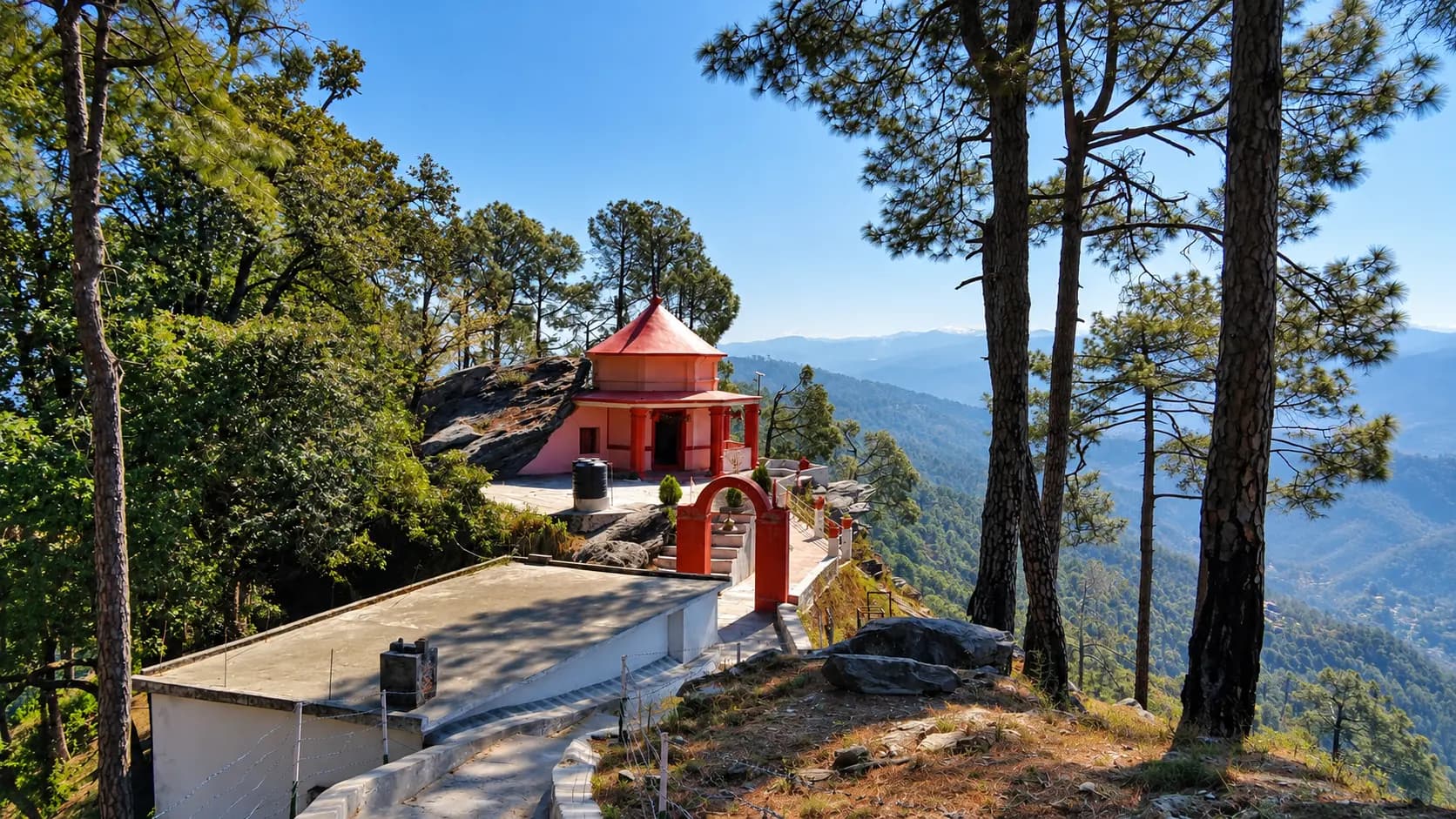
- Kalamuni Top and Kali Temple (15 km south): The highest point on the highway pass at 2,740 metres, featuring an ancient temple dedicated to Goddess Kali and the first dramatic vantage point overlooking the Panchachuli range.
- Thamri Kund (10 km from Munsiyari): A serene, natural alpine lake surrounded by dense musk-deer forests and paper birch trees, reached via a delightful 3-km forest nature trail from the road.
- Madkot Hot Sulfur Springs (22 km south): Natural geothermal sulfur springs situated on the banks of the Gori Ganga river, renowned for therapeutic mineral waters that relieve joint and skin ailments.
- Milam Glacier (60 km trek): The largest glacier in Kumaon (16 km long), originating from the eastern slopes of the Trishuli and Kohli peaks, accessible via a multi-day high-altitude trek through ancient Shauka ghost villages.
In pictures
The practical bits
Before you go.
Plan ahead
Because Munsiyari is an offbeat, high-altitude destination, thoughtful planning is essential for a comfortable…Explore detailsClose details
Because Munsiyari is an offbeat, high-altitude destination, thoughtful planning is essential for a comfortable and memorable journey:
Break the Long Road Journey
The 275-km drive from Kathgodam to Munsiyari takes 9 to 11 hours over winding mountain roads.Explore detailsClose details
The 275-km drive from Kathgodam to Munsiyari takes 9 to 11 hours over winding mountain roads. To avoid travel fatigue and motion sickness, strongly consider breaking the journey with an overnight halt at Almora, Bageshwar, or Chaukori (100 km before Munsiyari). This allows you to cross the magnificent Kalamuni Pass and visit Birthi Falls comfortably in daylight.
Pack Heavy Layered Clothing
Mountain weather at 2,200 metres can turn brisk quickly.Explore detailsClose details
Mountain weather at 2,200 metres can turn brisk quickly. Even in summer, pack warm fleeces, light thermal inners, and windproof jackets for chilly evenings. In autumn and winter, pack heavy thermal base layers, a down feather jacket, woollen gloves, warm beanies, and woollen socks. If trekking to Khaliya Top, sturdy waterproof hiking boots with deep rubber lugs are essential.
Book Ahead in May, June, and October
During peak summer holiday months and autumn trekking weeks, scenic guesthouses and KMVN rooms fill up rapidly.Explore detailsClose details
During peak summer holiday months and autumn trekking weeks, scenic guesthouses and KMVN rooms fill up rapidly. Pre-book your accommodation in advance. Consider staying in a community homestay in Sarmoli village for an authentic cultural experience.
Carry Adequate Physical Cash
Munsiyari has only one or two ATMs (State Bank of India), which frequently run out of cash or experience power…Explore detailsClose details
Munsiyari has only one or two ATMs (State Bank of India), which frequently run out of cash or experience power and network outages. While major resorts accept digital UPI payments, local jeeps, homestays, guides, and small dhabas require cash. Withdraw sufficient cash in Haldwani, Almora, or Thal before ascending to Munsiyari.
A few things you might wonder
Common questions about visiting Munsiyari. Fees, visiting hours and ceremonies are researched details that may change; confirm current arrangements with the operator before travelling.
Why is Munsiyari called 'Little Kashmir'?
What is the significance of the Panchachuli peaks seen from Munsiyari?
How difficult is the trek to Khaliya Top?
Do I need an Inner Line Permit to visit Munsiyari?
Does Munsiyari get snowfall in winter?
What handloom and organic products can I buy in Munsiyari?
Explore more in Deep Kumaon
Discover other destinations around this hub
More Hubs in Uttarakhand
Continue exploring other travel hubs in this state
Planning a trip to Deep Kumaon?