Huma Leaning Temple
Comprehensive visitor guide to the Leaning Temple of Huma near Sambalpur, Odisha.
Location
Sambalpur & West Odisha, Odisha
Duration
Plan around worship, the permitted temple areas and your return journey.
Best Time
Check the forecast and riverbank access for your date. Avoid closed paths and unsafe water edges.
Difficulty
Confirm the approach, steps and permitted riverbank access; accessibility has not been independently checked.
A closer look
Your visit, at a glance.
Sambalpur & West Odisha, Odisha
GET TO KNOW THE PLACE
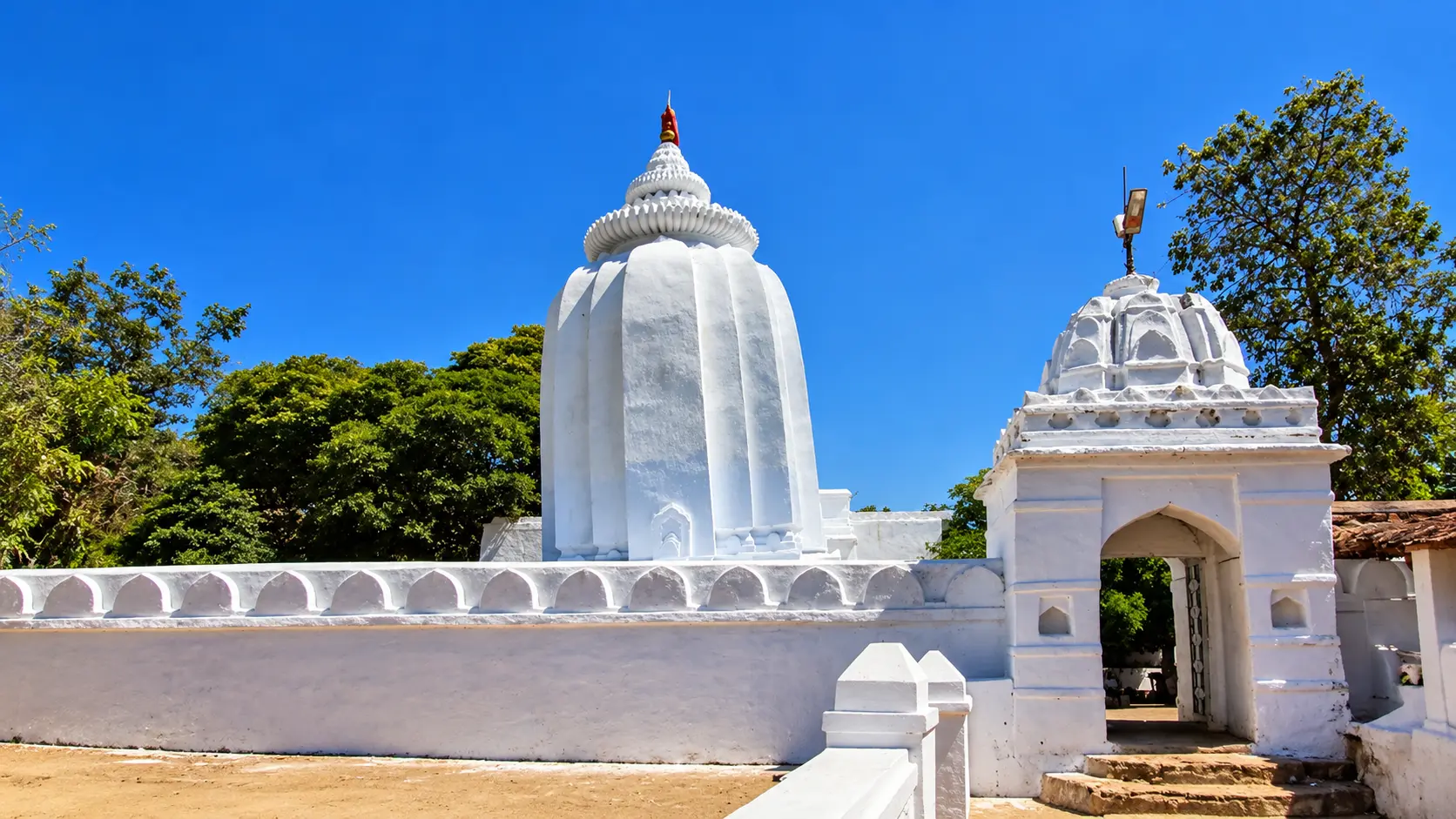
Perched on an uneven granite shelf right along the south-eastern bank of the majestic Mahanadi River, the Leaning Temple of Huma - dedicated to Lord Bimaleswar (Shiva) - is one…
The story of Huma Leaning Temple
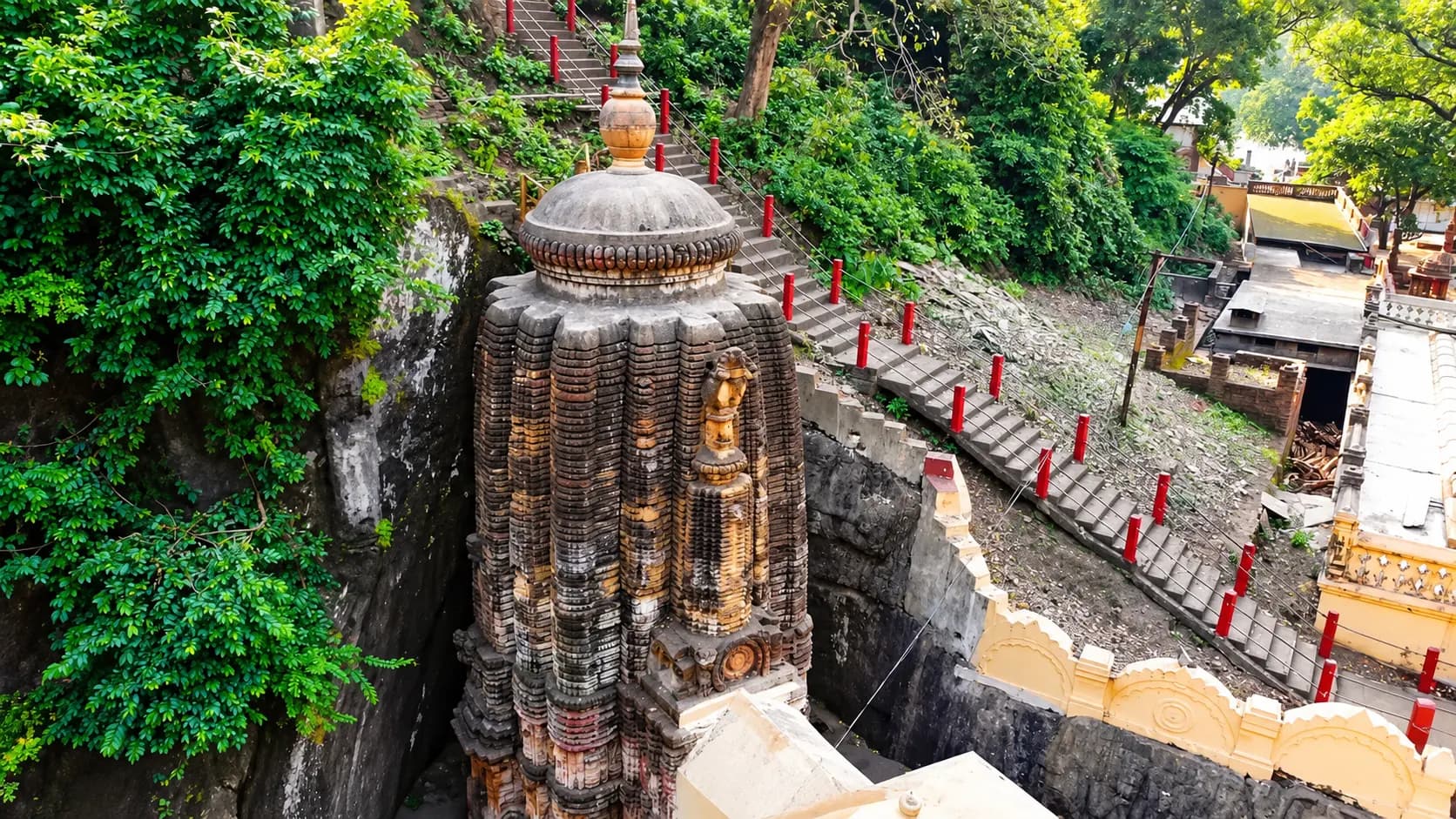
Perched on an uneven granite shelf right along the south-eastern bank of the majestic Mahanadi River, the Leaning Temple of Huma - dedicated to Lord Bimaleswar (Shiva) - is one of India’s most intriguing architectural marvels. Situated roughly 23 kilometres south of Sambalpur in Western Odisha, Huma stands out among the world’s rare leaning religious shrines. While popular global imagination frequently defaults to the campanile of Pisa or the bell towers of Venice, Huma presents a far more bewildering structural spectacle: a curvilinear stone deula that slants sharply toward the river, surrounded by subsidiary pavilions and boundary pillars that tilt in completely contradictory directions, all anchored securely onto fractured riverbed bedrock.
Beyond its gravitational eccentricity, Huma is a vibrant spiritual sanctuary and an exceptional living freshwater reserve. Below the temple’s stone courtyard, broad flights of granite steps lead down into the swirling, rocky currents of the Mahanadi. In these clear, deep pools dwell thousands of reddish-finned freshwater fish known locally as Kudo (Tor mahseer). Protected for centuries by a potent religious taboo which proclaims that anyone who harms or catches them will be turned to stone, these wild river creatures have discarded their natural wariness. When pilgrims descend to the water’s edge and clap their hands or scatter sweet dough and puffed rice, the water churns with hundreds of gleaming mahseer rising directly to the surface to take food from human fingers. Combining royal Chauhan dynasty history, architectural intrigue, Shaivite devotion, and a centuries-old community conservation sanctuary, Huma offers an unforgettable excursion into the cultural soul of Western Odisha.
Start here. Open a tile for the full details.
Why goRead details
Huma is not merely another roadside medieval shrine; it is a multifaceted destination that appeals equally to architects, history enthusiasts, pilgrims, and nature lovers. Here is why this remarkable site deserves a prominent place on any Western Odisha itinerary:
When to visitRead details
Western Odisha experiences an inland tropical climate characterized by extreme seasonal shifts. Choosing the right month and hour makes a significant difference to the comfort and richness of your visit.
Entry & permissionsRead details
Fees, visiting hours and entry rules may change. Confirm the latest details with the official operator or local authority before travelling.
A visit to Huma is straightforward, with minimal administrative barriers:
- Entrance Fees: Admission to the temple premises and the river ghats is entirely free. No ticketing counters exist. The temple is maintained under the administrative oversight of the Sambalpur Endowment Department and a local managing committee of village elders and priests.
- Parking Charges: A nominal community parking fee is collected by local village youth for vehicles parked in the designated clearing near the village square:
- Two-wheelers: ₹10
- Auto-rickshaws and Cars: ₹20 - ₹30
- Tourist Mini-buses / Large Buses: ₹50
- Operating Hours:
- The temple gates open daily at 06:00 in the morning and close at 18:00 in the evening.
- During the hot summer months, the temple doors may briefly close for public darshan between 13:00 and 15:30 following the midday bhog offering, reopening in the cooler late afternoon.
- During major religious celebrations like Maha Shivaratri, the sanctum remains open continuously for 24 to 36 hours to accommodate the influx of pilgrims.
- Ritual and Aarti Timings:
- Mangala Alati (Morning Lamp Ceremony): 06:30
- Madhyanna Dhoopa (Noon Bhog Offering): 12:30 to 13:30
- Sandhya Alati (Evening Prayer): 18:00
- Photography Rules and Guidelines:
- Photography and videography of the temple exterior, the architectural lean, the courtyard, the river vistas, and the fish feeding at the ghats are completely permitted without fee.
- Photography, video recording, and selfie sticks are strictly prohibited inside the inner sanctum (garbhagriha).
- Drones require formal written clearance from the Sambalpur District Collectorate and local police, as unauthorized aerial filming over religious sanctuaries and riverbanks is monitored.
- Customary Regulations and Dress Code:
- As with all traditional Hindu shrines in Odisha, modest and respectful attire covering shoulders and knees is expected.
- Footwear (shoes, sandals, slippers) must be removed at the footwear stand outside the main arched entrance before stepping into the stone compound.
- Leather articles, including leather belts, wallets, and bags, should be avoided or left inside vehicles when entering the sanctum.
- It is strictly forbidden to fish, cast nets, drop angling lines, or harm the Kudo fish in any manner along the temple river frontage.
Plan your visitRead details
Huma is conveniently situated in Sambalpur District, making it easily accessible as a half-day excursion from Sambalpur town, or as an integrated day trip combined with Hirakud Dam, Samaleswari Temple, and Chiplima.
Footwear and River Step Safety
Because footwear must be removed at the temple entrance, visiting during the midday sun between April and June is physically painful due to scorching stone flagstones. During winter or early mornings, walking barefoot is comfortable. However, when descending the granite steps to the Mahanadi River, exercise extreme caution: the rocks at the water's waterline are often coated in thin, slick river algae (slime). Always step on dry, textured rock surfaces rather than submerged, greenish stones to avoid sudden slips into deep river pools.
Accessibility and Physical Considerations
The outer village approach and upper temple terrace are relatively level, offering partial accessibility for elderly visitors and wheelchair users who wish to observe the leaning vimana. However, reaching the water's edge where the Kudo fish swim requires navigating approximately 25 to 35 uneven, steep stone steps down the natural river embankment. There are no ramps or handrails along the lower river rocks. Visitors with limited mobility should take advantage of the upper river overlook terrace, from which the swirling water and riverbed formations can be enjoyed comfortably without descending to the slippery boulders.
Explore the full guide - choose a topic below.
Why visit?
Huma is not merely another roadside medieval shrine; it is a multifaceted destination that appeals equally to…Explore detailsClose details
Huma is not merely another roadside medieval shrine; it is a multifaceted destination that appeals equally to architects, history enthusiasts, pilgrims, and nature lovers. Here is why this remarkable site deserves a prominent place on any Western Odisha itinerary:
- A Living Architectural Enigma: Huma is one of the only leaning Hindu temples on Earth. The primary curvilinear spire (rekha deula) of Lord Bimaleswar tilts dramatically toward the north-east, with its summit displaced several feet from its base. Yet, unlike an unstable building slipping toward ruin, the crowning amalaka and sacred kalasa remain harmoniously balanced, allowing the shrine to endure heavy monsoons, roaring floods, and minor tremors for over three and a half centuries without collapsing.
- The Mystery of Divergent Leans: What baffles visitors and structural engineers alike is the complex's internal geometric anarchy. Walk around the inner flagstone courtyard: the main sanctum tilts toward the river; the subsidiary temple dedicated to Goddess Bhairabi leans at a distinct angle; and an adjacent Shiva pavilion tips toward the south-west. No two structures share the same gravitational axis, turning a stroll through the compound into an optical adventure.
- The Sacred Kudo Fish Feeding Experience: Descending the temple steps to the Mahanadi River offers one of the most heartwarming wildlife interactions in India. The resident Kudo fish - identified by freshwater biologists as majestic Mahseer (Tor tor) - swarm the shallows in broad daylight. They are completely wild yet entirely tame, swimming between the submerged rocks and surfacing fearlessly to accept balls of sweet dough, puffed rice (lia), and parched grains right out of your palms.
- Ancient Chauhan Dynastic Heritage: Constructed in 1670 CE during the golden age of the Chauhan rulers of Sambalpur under Maharaja Baliar Singh, the temple exemplifies the robust, unadorned stone masonry developed in the upper Mahanadi valley, reflecting the regional synthesis of classical Kalinga architectural canons with indigenous fortifying techniques.
- Serene Mahanadi River Panorama: Located at a point where the Mahanadi carves through low granitic hillocks, the temple terrace provides sweeping vistas over the broad, shimmering river waters. Watching the evening river mist roll across the dark rocks while temple bells echo across the water offers a meditative experience far removed from bustling highway routes.
What to expect
Visiting Huma is a tactile, evocative experience that engages the senses through stone, river currents, and…Explore detailsClose details
Visiting Huma is a tactile, evocative experience that engages the senses through stone, river currents, and sacred ritual. Approaching the village of Huma through shaded groves of Sal and Mahua trees along the Maneswar corridor, the countryside transitions from quiet farming hamlets to the open expanses of the Mahanadi river plain.
Arrival and Village Surroundings
The road terminates at an open village square near the eastern entrance of the temple precinct. Here, rows of rustic wooden stalls and small thatched shops line the approach. Local vendors sell woven bamboo baskets packed with devotional offerings: earthen lamps (diyas), fresh marigold garlands, incense sticks, and most importantly, polythene packets and clay bowls filled with puffed rice (lia), sweet sugar drops (batasa), and dough pellets specially prepared for feeding the river fish. Modest parking spaces accommodate two-wheelers, private cars, and chartered tourist buses under the canopy of ancient banyan and neem trees.
The Temple Courtyard and Architecture
Passing through the arched gateway, you step onto the paved stone compound of the Bimaleswar temple. The visual disorientation is instantaneous. From the gateway, the main deula appears to be leaning precariously, prompting first-time visitors to instinctively tilt their heads to correct their perspective.
The temple consists of two primary interconnected chambers built from local greyish-buff sandstone and coarse granitic blocks:
- The Vimana (Sanctum Sanctorum): Built in the classical rekha deula form with a curvilinear profile, the tower stands approximately 16 to 18 metres in height. From the plinth upward, the entire mass inclines visibly toward the river bank at an angle measured between 10 and 14 degrees off the vertical perpendicular. Inscriptions and masonry joints reveal that the master builders calibrated the upper stone tiers, placing the crowning amalaka stone disk and the sacred trident (trishula) in a manner that counterweights the center of mass.
- The Jagamohana (Assembly Hall): A low, pyramidal assembly hall with a stepped tiered roof (pidha deula) adjoining the sanctum. The plinth shows noticeable subsidence on the river-facing side, underscoring the shifting subterranean bedrock on which the entire temple rests.
- Ancillary Shrines: Scattered across the flagstone courtyard are subsidiary shrines dedicated to Lord Ganesha, Goddess Parvati, Lord Bhairava, and Goddess Bhairabi. Curiously, the Bhairabi temple tilts in a direction counter to the main vimana, while stone boundary pillars lean outward, creating a surreal landscape where vertical lines seem entirely absent.
Inner Sanctum Devotion
Stepping into the cool, shadowy interior of the garbhagriha, you leave the outdoor brightness behind. The inner sanctum is sunken slightly below courtyard level into an authentic natural rock fissure. Here rests the swayambhu (self-manifested) lingam of Lord Bimaleswar, continually bathed in sacred water, milk, and bilva leaves by the local hereditary priests. Oil lamps illuminate the damp stone walls, casting soft shadows across ancient floral carvings. The atmosphere inside is intensely serene, scented with burning camphor, sandalwood paste, and river moss.
The Mahanadi River Ghats and Kudo Fish
After paying respects in the sanctum, visitors head down the rear stone steps directly leading to the Mahanadi River. The riverbank here is composed of enormous, water-worn black granite boulders polished smooth by centuries of roaring flood currents. Between these boulders lies a natural, sheltered eddy where the river water flows gently even during high river levels.
As soon as you walk down to the lowest water-washed steps, the sacred Kudo fish appear. Averaging between 30 centimetres to nearly a metre in length, these magnificent freshwater fish boast iridescent copper-bronze scales, streamlined muscular bodies, and distinctive reddish-orange pelvic and caudal fins. As you clap your hands above the surface or gently toss a handful of puffed rice into the water, dozens of fish break the surface with soft splashing sounds, their rounded snouts emerging eagerly. Visitors of all ages sit on the stone steps, dipping their fingers into the clear water with dough pellets; the fish gently brush against fingers and palms to take the food, showing zero fear of humans.
Along the upper rocks of the ghat, priests often point out strange natural rock formations shaped vaguely like crouching humans or fish, recounting the village legend of an arrogant fisherman or greedy cook who defied the sacred prohibition by netting a Kudo fish, only to be turned instantly into solid stone by Lord Bimaleswar’s fiery gaze.
Best time to visit
Western Odisha experiences an inland tropical climate characterized by extreme seasonal shifts.Explore detailsClose details
Western Odisha experiences an inland tropical climate characterized by extreme seasonal shifts. Choosing the right month and hour makes a significant difference to the comfort and richness of your visit.
Seasonal Breakdown
- Winter (October to March) - Ideal Season: This is by far the finest period to explore Huma. Daytime temperatures remain pleasant, ranging between 18°C and 28°C, while mornings and evenings are cool and crisp (12°C to 16°C). The Mahanadi River settles into a crystal-clear, steady flow with moderate water levels, exposing the rocky riverbed steps and making fish-feeding completely safe and accessible. Clear winter sunlight brings out the warm golden tones of the temple sandstone and makes photography across the river terrace delightful.
- Summer (April to June) - Extremely Hot: Summers in Sambalpur district are notoriously severe. Afternoon temperatures routinely climb between 42°C and 46°C, accompanied by dry, scorching heat waves (loo). Check the current visiting hours and permitted access with the site operator before departure; ceremonies, closures and visitor sessions can affect access. If visiting during summer, you must plan your arrival strictly between 06:00 and 08:30 in the morning or after 17:00 in the evening.
- Monsoon (July to September) - Swollen Rivers and Lush Scenery: The southwest monsoon brings dramatic cloudscapes and intense rainfall to the Mahanadi catchment basin. While the surrounding forests and rural countryside turn vividly green, upstream dam releases from Hirakud Dam cause the river to rise rapidly. During peak flood surges, the lower ghat steps and riverbed boulders where the Kudo fish congregate can be completely submerged under turbulent, muddy floodwaters. Access to the water's edge is often cordoned off for visitor safety during high water releases.
Festivals to Experience
- Maha Shivaratri (February / March): The grandest religious and cultural event at Huma. On the 14th day of the dark fortnight of Phalguna, tens of thousands of devotees assemble from across Sambalpur, Jharsuguda, Bargarh, and Sonepur districts. The entire village transforms into an enormous carnival (Huma Mela) that lasts for several days. Hundreds of folk craft stalls, brassware artisans, Sambalpuri handloom weavers, and traditional food vendors set up shop. Check the current visiting hours and permitted access with the site operator before departure; ceremonies, closures and visitor sessions can affect access.
- Kartika Purnima (November): Celebrated during the full moon of the holy month of Kartika. Devotees gather at dawn to float miniature boats made of cork, banana stem, or paper bearing earthen lamps down the Mahanadi, commemorating Odisha’s ancient maritime trading heritage (Boita Bandana). Feeding the sacred fish on this morning is considered an act of supreme spiritual merit.
How to reach
Huma is conveniently situated in Sambalpur District, making it easily accessible as a half-day excursion from…Explore detailsClose details
Huma is conveniently situated in Sambalpur District, making it easily accessible as a half-day excursion from Sambalpur town, or as an integrated day trip combined with Hirakud Dam, Samaleswari Temple, and Chiplima.
By Air
- Veer Surendra Sai Airport, Jharsuguda (JRG): The closest domestic commercial airport, located approximately 85 kilometres north of Huma. Jharsuguda operates regular scheduled flights connecting to major hubs including Kolkata, Delhi, Bengaluru, Hyderabad, and Bhubaneswar. From Jharsuguda airport, you can hire a private taxi directly to Sambalpur and Huma (approximately 1 hour 45 minutes to 2 hours drive via the four-lane Biju Expressway / NH-53).
- Biju Patnaik International Airport, Bhubaneswar (BBI): Located approximately 290 kilometres east. Bhubaneswar provides comprehensive flight connections across India and international destinations. Travelers arriving at Bhubaneswar can reach Sambalpur via regular intercity express trains (such as the Vande Bharat Express or Puri-Durg Express, taking 4 to 5 hours) or via private cab along the newly widened NH-55 corridor.
By Train
- Sambalpur Junction (SBP): The primary railway gateway, situated roughly 25 kilometres north of Huma. Sambalpur Junction is an important railway division headquarters on the East Coast Railway network, connected by direct superfast and express trains to New Delhi, Mumbai, Kolkata (Howrah), Chennai, Hyderabad, Bengaluru, Ahmedabad, Raipur, and Puri.
- Sambalpur City Station (SBPY): Located about 24 kilometres north, serving select long-distance express services.
- Local Transit from Railway Stations: Prepaid auto-rickshaws, app-based cabs, and round-trip private tourist taxis are readily available outside Sambalpur Junction. Confirm the current charge and what it includes with the operator or service provider. Visitor admission, vehicles, parking, activities and accommodation can have separate charges.
By Road
- From Sambalpur Town (23 km / ~40 - 50 minutes): Exit Sambalpur city via Dhanupali chowk and proceed south along the Sambalpur - Huma Major District Road (MDR). The route passes through Maneswar and picturesque village belts fringed with paddy fields, minor irrigation canals, and Sal tree groves. The road is well-paved two-lane asphalt with clear directional signboards erected by Odisha Tourism.
- From Bargarh (approx. 65 km / 1 hour 30 minutes): Drive east along NH-53 toward Sambalpur, bypass the city via the southern ring road, and join the Huma road at Maneswar.
- From Raipur, Chhattisgarh (approx. 285 km / 5.5 hours): Travel east along NH-53 via Saraipali, Sohela, and Bargarh directly to the Sambalpur outskirts, then head south to Huma.
- Public Buses: Confirm the current charge and what it includes with the operator or service provider. Visitor admission, vehicles, parking, activities and accommodation can have separate charges. Shared auto-rickshaws also operate on this corridor from Maneswar.
Entry, timings and permissions
Fees, visiting hours and entry rules may change.Explore detailsClose details
Fees, visiting hours and entry rules may change. Confirm the latest details with the official operator or local authority before travelling.
A visit to Huma is straightforward, with minimal administrative barriers:
- Entrance Fees: Admission to the temple premises and the river ghats is entirely free. No ticketing counters exist. The temple is maintained under the administrative oversight of the Sambalpur Endowment Department and a local managing committee of village elders and priests.
- Parking Charges: A nominal community parking fee is collected by local village youth for vehicles parked in the designated clearing near the village square:
- Two-wheelers: ₹10
- Auto-rickshaws and Cars: ₹20 - ₹30
- Tourist Mini-buses / Large Buses: ₹50
- Operating Hours:
- The temple gates open daily at 06:00 in the morning and close at 18:00 in the evening.
- During the hot summer months, the temple doors may briefly close for public darshan between 13:00 and 15:30 following the midday bhog offering, reopening in the cooler late afternoon.
- During major religious celebrations like Maha Shivaratri, the sanctum remains open continuously for 24 to 36 hours to accommodate the influx of pilgrims.
- Ritual and Aarti Timings:
- Mangala Alati (Morning Lamp Ceremony): 06:30
- Madhyanna Dhoopa (Noon Bhog Offering): 12:30 to 13:30
- Sandhya Alati (Evening Prayer): 18:00
- Photography Rules and Guidelines:
- Photography and videography of the temple exterior, the architectural lean, the courtyard, the river vistas, and the fish feeding at the ghats are completely permitted without fee.
- Photography, video recording, and selfie sticks are strictly prohibited inside the inner sanctum (garbhagriha).
- Drones require formal written clearance from the Sambalpur District Collectorate and local police, as unauthorized aerial filming over religious sanctuaries and riverbanks is monitored.
- Customary Regulations and Dress Code:
- As with all traditional Hindu shrines in Odisha, modest and respectful attire covering shoulders and knees is expected.
- Footwear (shoes, sandals, slippers) must be removed at the footwear stand outside the main arched entrance before stepping into the stone compound.
- Leather articles, including leather belts, wallets, and bags, should be avoided or left inside vehicles when entering the sanctum.
- It is strictly forbidden to fish, cast nets, drop angling lines, or harm the Kudo fish in any manner along the temple river frontage.
Nearby places to consider
Huma is ideally positioned to be paired with other outstanding natural, cultural, and spiritual landmarks across…Explore detailsClose details
Huma is ideally positioned to be paired with other outstanding natural, cultural, and spiritual landmarks across the Sambalpur regional circuit. Consider incorporating these destinations into a full-day Western Odisha itinerary:
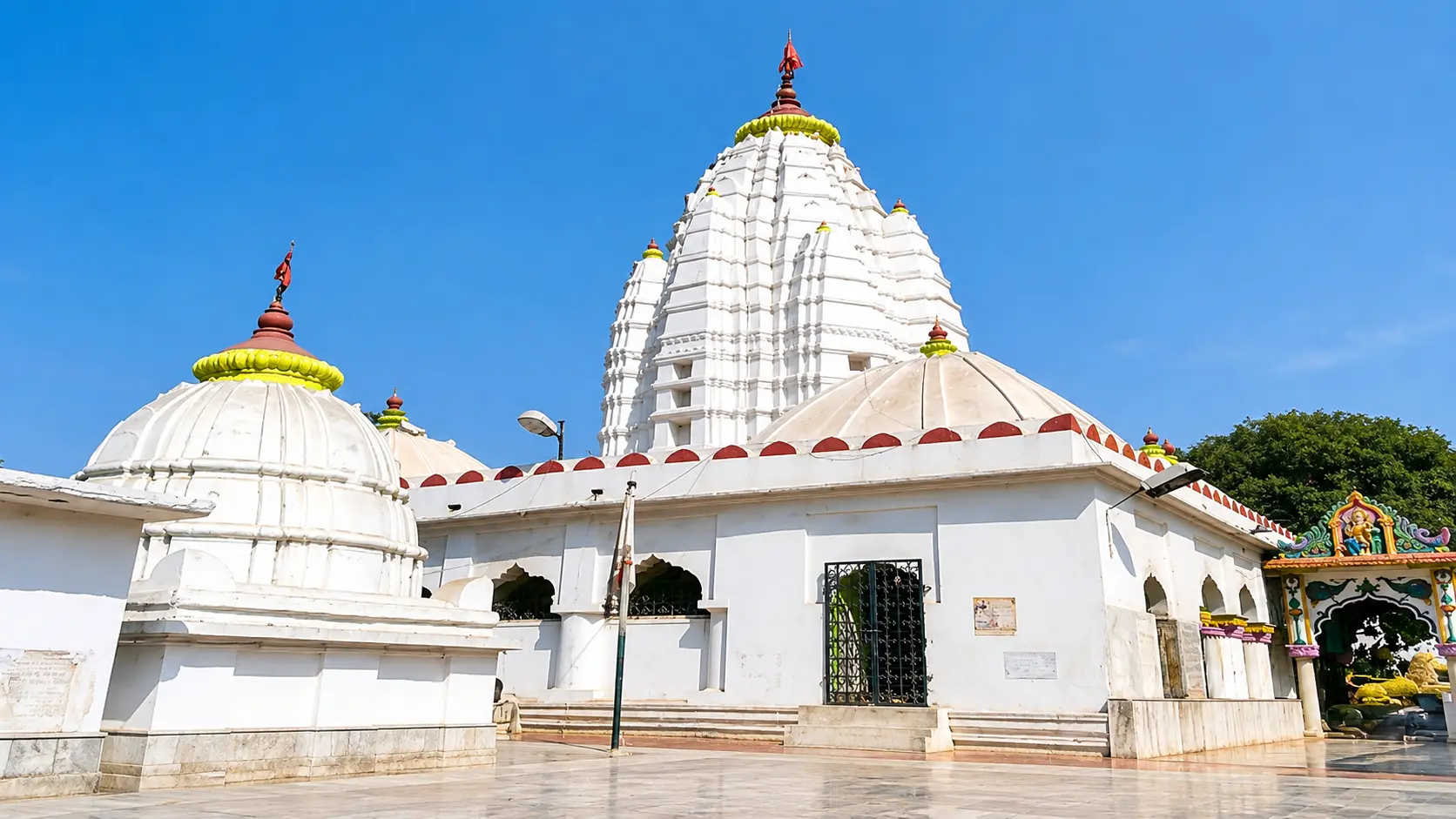
- Samaleswari Temple, Sambalpur (approx. 23 km north): The spiritual heart of Western Odisha, this revered 16th-century Chauhan shrine on the Mahanadi bank is dedicated to Maa Samaleswari, the presiding deity of the region. Extensively modernized under the historic SAMALEI heritage project, the temple precinct boasts landscaped river promenades, heritage walking corridors, and vibrant cultural plazas.
- Ghanteswari Temple, Chiplima (approx. 25 km northwest): Perched beside the Mahanadi River near the Chiplima hydroelectric power station, this unique shrine is famous for the thousands of brass and bronze bells hung across every pillar, arch, and tree by grateful devotees. Historically, the clanging bells served as an acoustic lighthouse alerting boatmen to dangerous river whirlpools and rapids in this rocky gorge.
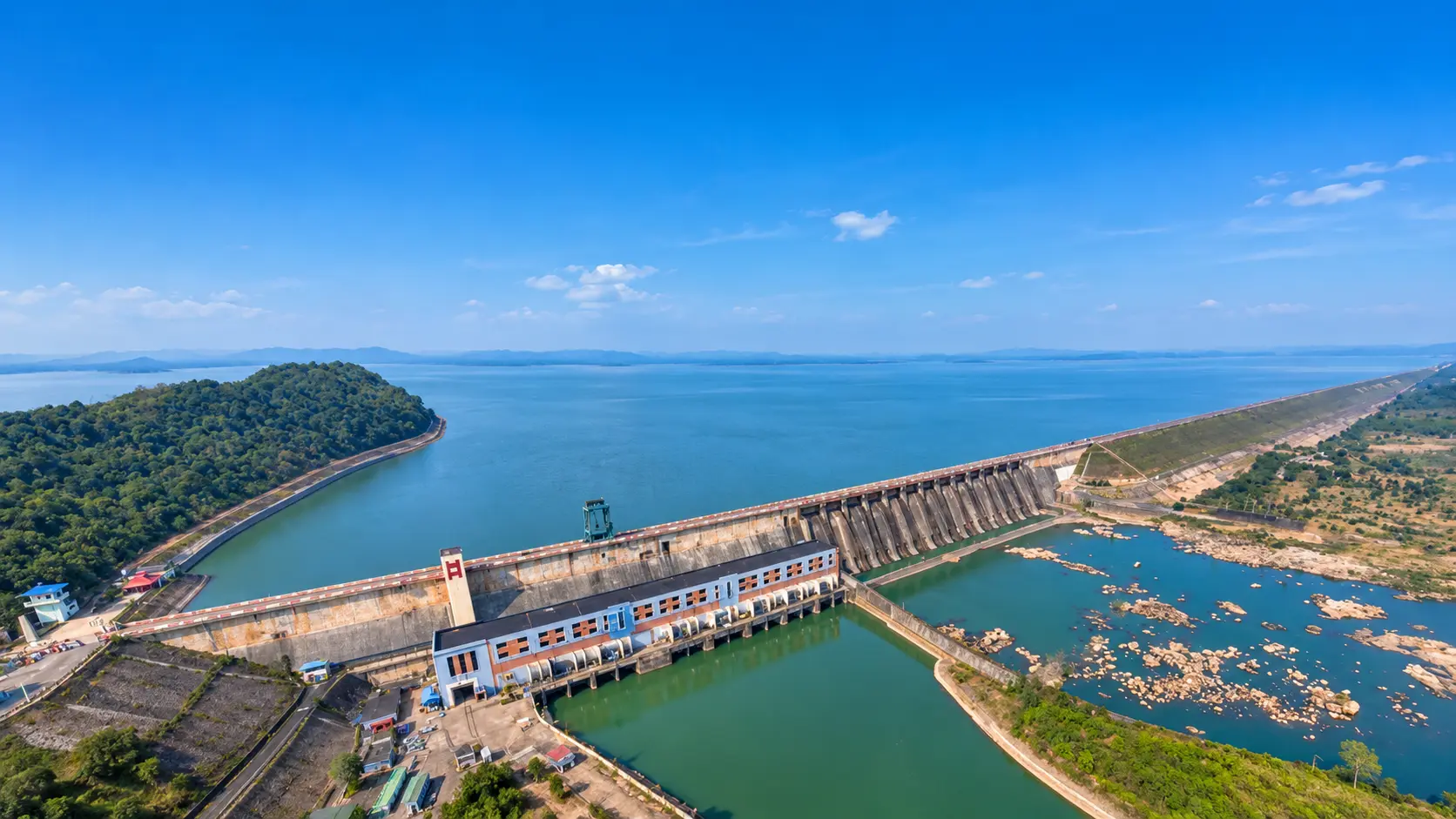
- Hirakud Dam and Gandhi Minar (approx. 38 km northwest): One of independent India’s greatest engineering triumphs, Hirakud impounds the world's longest earthen dam (25.8 km total length). Climb the Gandhi Minar observation tower for breathtaking panoramic views over the vast inland freshwater sea, or visit the nearby Nehru Minar and the newly established Debrigarh eco-tourism boat safari terminals.
- Maneswar Shiva Temple (approx. 14 km north): Located directly along the return road to Sambalpur, this ancient temple dedicated to Lord Mandhata Shiva features an adjoining sacred temple pond inhabited by hundreds of massive, tame Indian softshell and flapshell turtles that surface to feed on puffed rice offered by pilgrims.
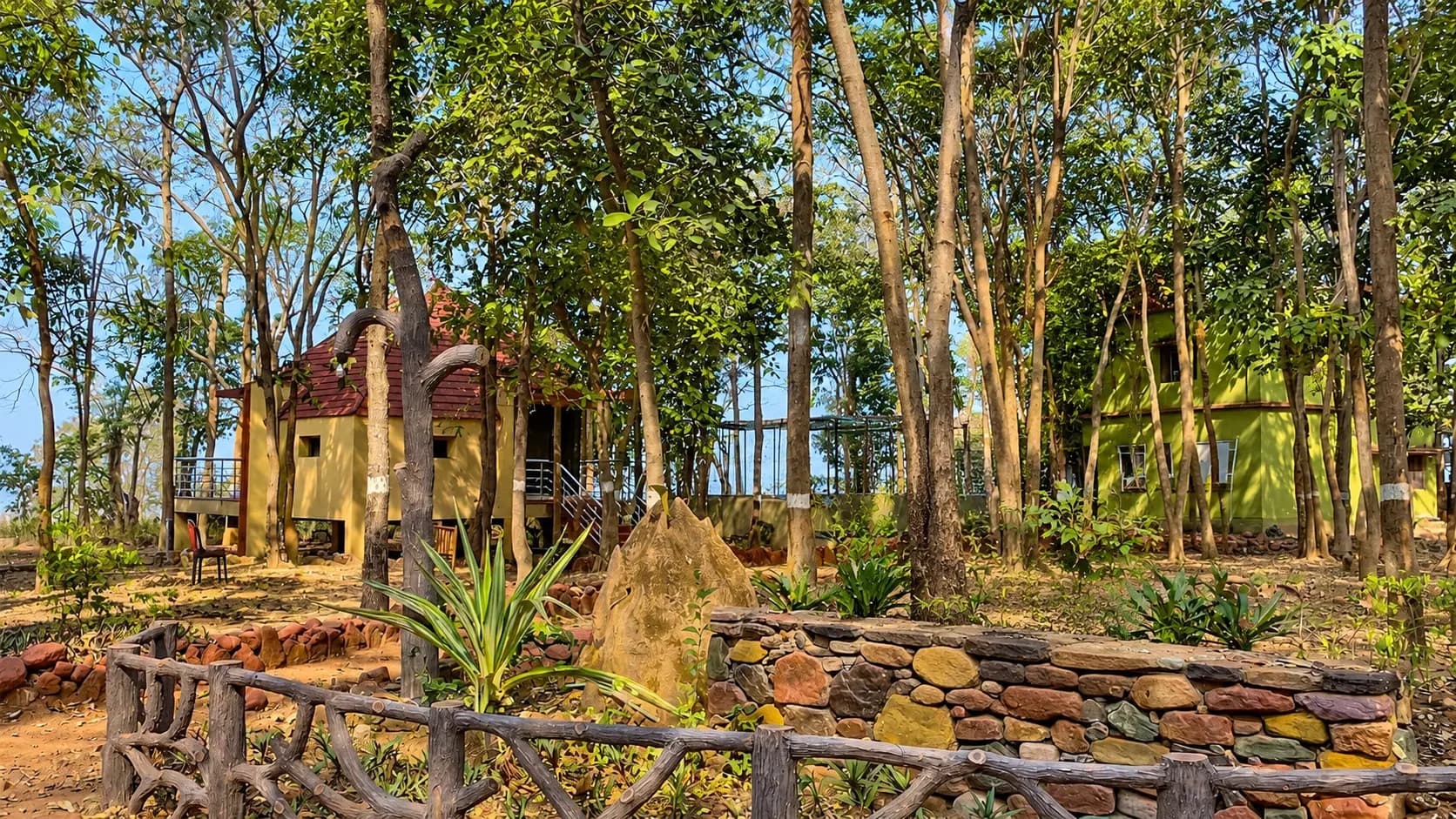
- Debrigarh Wildlife Sanctuary (approx. 65 km northwest): Hugging the western shoreline of the Hirakud reservoir, Debrigarh is one of Odisha’s premier wildlife sanctuaries. Known for its thriving populations of Indian gaur (bison), leopards, sambar deer, spotted deer, wild boars, and four-horned antelopes (chousingha), the sanctuary offers morning and evening vehicle safaris and tranquil overnight stays at the Barkhandia eco-cottages.
In pictures
The practical bits
Before you go.
Plan ahead
To make the most of your half-day excursion to Huma, keep the following structured planning considerations in mind:Explore detailsClose details
To make the most of your half-day excursion to Huma, keep the following structured planning considerations in mind:
Timing Your Visit
Plan to arrive at Huma either in the early morning between 07:00 and 09:30 or in the mid-afternoon around 15:30.Explore detailsClose details
Plan to arrive at Huma either in the early morning between 07:00 and 09:30 or in the mid-afternoon around 15:30. In the early morning, the sun shines directly onto the river-facing northeastern face of the leaning temple, providing optimal lighting for architectural observation. Furthermore, morning visitors will find the Kudo fish at their most energetic, eagerly seeking food before the midday heat sets in. Check the current visiting hours and permitted access with the site operator before departure; ceremonies, closures and visitor sessions can affect access.
Footwear and River Step Safety
Because footwear must be removed at the temple entrance, visiting during the midday sun between April and June is…Explore detailsClose details
Because footwear must be removed at the temple entrance, visiting during the midday sun between April and June is physically painful due to scorching stone flagstones. During winter or early mornings, walking barefoot is comfortable. However, when descending the granite steps to the Mahanadi River, exercise extreme caution: the rocks at the water's waterline are often coated in thin, slick river algae (slime). Always step on dry, textured rock surfaces rather than submerged, greenish stones to avoid sudden slips into deep river pools.
Ethical Fish Feeding
Only feed the Kudo fish natural, non-harmful food items.Explore detailsClose details
Only feed the Kudo fish natural, non-harmful food items. The village stalls outside sell traditional puffed rice (lia), parched rice (khai), and simple wheat-flour and jaggery dough pellets that are safe and traditional for these freshwater carp. Never throw plastic wrappers, aluminum foils, potato chips, oily deep-fried snacks, or processed bakery items into the river. Dispose of empty plastic bags in designated dustbins in the village square to prevent plastic waste from polluting the Mahanadi ecosystem.
Accessibility and Physical Considerations
The outer village approach and upper temple terrace are relatively level, offering partial accessibility for…Explore detailsClose details
The outer village approach and upper temple terrace are relatively level, offering partial accessibility for elderly visitors and wheelchair users who wish to observe the leaning vimana. However, reaching the water's edge where the Kudo fish swim requires navigating approximately 25 to 35 uneven, steep stone steps down the natural river embankment. There are no ramps or handrails along the lower river rocks. Visitors with limited mobility should take advantage of the upper river overlook terrace, from which the swirling water and riverbed formations can be enjoyed comfortably without descending to the slippery boulders.
A few things you might wonder
Common questions about visiting Huma Leaning Temple. Fees, visiting hours and ceremonies are researched details that may change; confirm current arrangements with the operator before travelling.
Why does the Huma Temple lean?
What kind of fish are the sacred Kudo fish, and why can visitors feed them?
Is there an entry fee to visit Huma Leaning Temple?
How far is Huma from Sambalpur town, and how long does the journey take?
Can elderly visitors or people with walking difficulties visit Huma comfortably?
Is photography allowed inside Huma Temple?
What food can I feed the Kudo fish, and where can I buy it?
When is the best time of year and day to visit Huma?
Explore more in Sambalpur
Discover other destinations around this hub
More Hubs in Odisha
Continue exploring other travel hubs in this state
Planning a trip to Sambalpur & West Odisha?