Hirakud Dam
Complete visitor guide to Hirakud Dam in Sambalpur, Odisha.
Location
Sambalpur & West Odisha, Odisha
Duration
Plan around the viewpoints and operating facilities you confirm.
Best Time
Choose comfortable weather and check current access notices. Spillway releases, reservoir levels and bird sightings are not guaranteed.
Difficulty
Confirm steps, boarding and accessibility at your chosen viewpoint; easy or step-free access is not established here.
A closer look
Your visit, at a glance.
Sambalpur & West Odisha, Odisha
GET TO KNOW THE PLACE
Stretching with awe-inspiring grandeur across the vast, sunlit valley of the mighty Mahanadi River in Sambalpur District, Western Odisha, Hirakud Dam is one of the most…
The story of Hirakud Dam
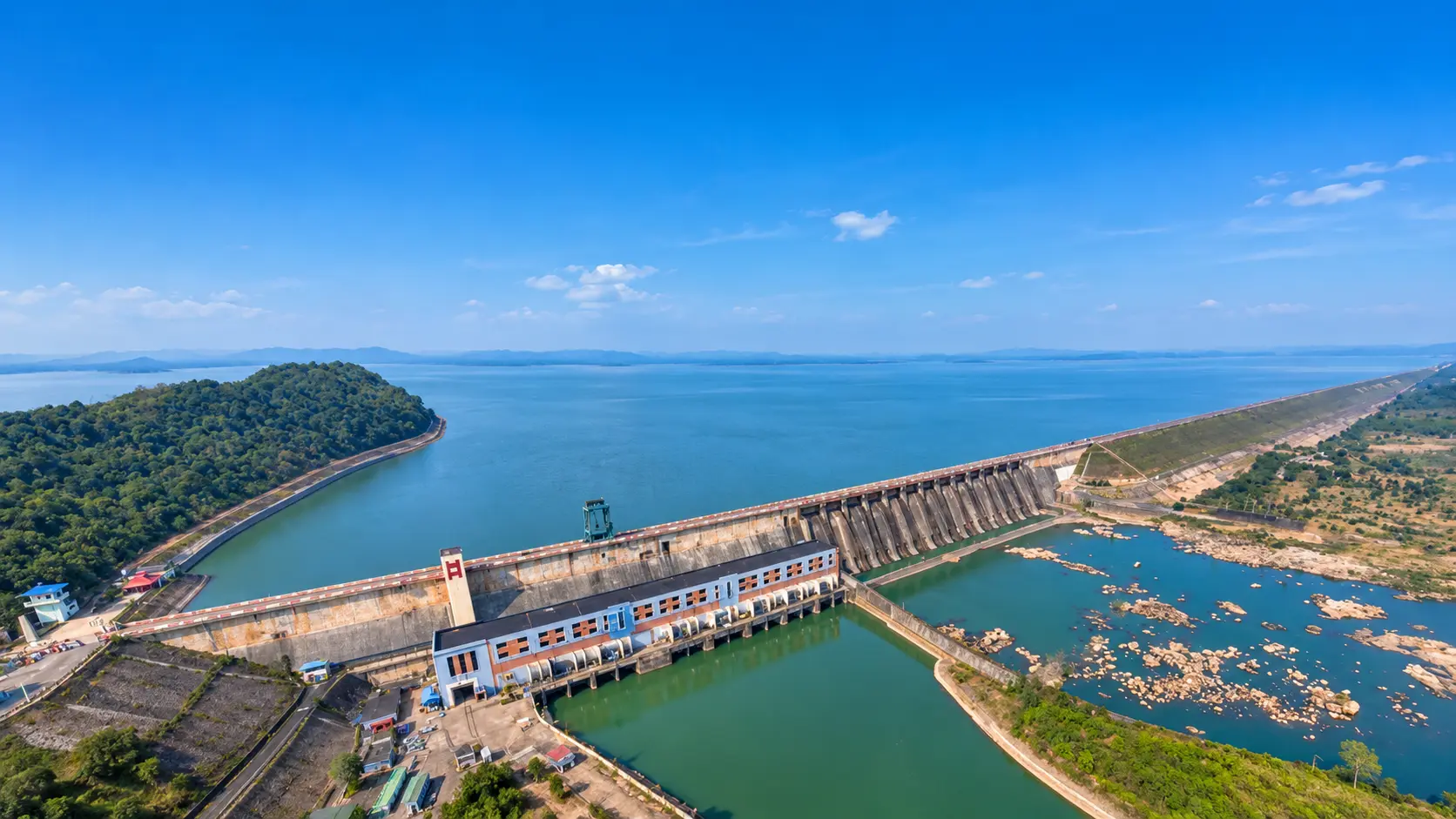
Stretching with awe-inspiring grandeur across the vast, sunlit valley of the mighty Mahanadi River in Sambalpur District, Western Odisha, Hirakud Dam is one of the most monumental civil engineering achievements in human history. With a staggering total composite length of 25.79 kilometres (approximately 16 miles) - encompassing its concrete gravity structures, earth-fill embankments, and extensive flanking dykes - it holds the uncontested global record as the longest major earthen dam in the world. Situated roughly 15 kilometres north-northwest of Sambalpur city, spanning between the industrial settlement of Hirakud on the northern bank and the university town of Burla on the southern bank, the dam impounds an enormous inland sea: the Hirakud Reservoir, which spreads across 743 square kilometres (over 183,000 acres) with an undulating shoreline exceeding 640 kilometres.
The historical genesis of Hirakud Dam marks a pivotal turning point in the modernization of post-independence India. Conceived in the wake of the catastrophic Mahanadi flood of 1937, the project was championed by visionary statesman Dr. B.R. Ambedkar and legendary engineer Sir M. Visvesvaraya, with construction commencing in 1948 shortly after Indian independence. On January 13, 1957, Prime Minister Pandit Jawaharlal Nehru formally dedicated the monumental project to the nation, famously heralding such multipurpose river valley projects as the "Temples of Modern India." Engineered to conquer the devastating cycles of drought and flood in coastal Odisha, the dam generates 347.5 megawatts of clean hydroelectric power through its powerhouses at Burla and Chiplima, while irrigating over 2.35 lakh hectares of agricultural land, transforming Western Odisha into the fertile "Rice Bowl" of the state.
In 2021, the environmental significance of Hirakud was recognized on the global stage when the reservoir was officially designated as an international Ramsar Wetland Site (Site No. 2479), covering over 65,400 hectares. The vast expanse of open water, mudflats, and marshy bays provides an irreplaceable wintering habitat for more than 200,000 migratory waterfowl traveling along the Central Asian Flyway. For travelers, Hirakud offers an extraordinary blend of engineering spectacle, ecological grandeur, and panoramic beauty. From the summit of Gandhi Minar - the iconic revolving observation tower that provides 360-degree aerial views of the reservoir - to riding the modern passenger ropeway, strolling the landscaped musical fountain gardens of Jawahar Udyan, or driving along the scenic 10.6-kilometre Right Dyke corridor toward Debrigarh Wildlife Sanctuary, Hirakud is a towering testament to human ingenuity harmonizing with nature.
Start here. Open a tile for the full details.
Why goRead details
- Stand Before the World's Longest Earthen Dam: Gaze across an engineering marvel that stretches 25.79 kilometres across the river valley. Comprehend the colossal scale of human effort that assembled millions of tons of earth, masonry, and reinforced concrete to tame the floodwaters of one of India's mightiest river systems.
- Experience 360-Degree Panoramas from Gandhi Minar: Climb to the two-level observation gallery of Gandhi Minar, perched high atop the hill on the northern flank of the dam. Behold an unbroken, ocean-like expanse of sapphire water stretching to the horizon on one side, and the geometric beauty of irrigation canals and forested hill ranges on the other.
- Ride the Modern Hirakud Aerial Ropeway: Soar smoothly above the lush green hillside in an aerial passenger cable car. The ropeway connects the waterfront Jawahar Udyan eco-park with the hilltop observation plaza, offering breathtaking aerial perspectives over the dam wall, spillway gates, and surging river currents.
- Explore an Internationally Acclaimed Ramsar Wetland: Discover an ecological haven that hosts over 200,000 wintering migratory waterbirds between November and February. Scan the backwaters for massive flocks of bar-headed geese, common pochards, red-crested pochards, northern pintails, and soaring white-bellied sea eagles.
- Drive the 10.6-Kilometre Scenic Right Dyke Corridor: Experience one of the most picturesque coastal-style drives in central India. The paved road running along the crest of the right earthen dyke offers uninterrupted reservoir vistas on one side and the forested slopes of the Barapahad hills on the other, directly connecting Burla with the gate of Debrigarh Wildlife Sanctuary.
- Witness the Thunderous Roar of Monsoon Floodgates: If visiting during the peak monsoon season in August or September, witness the awe-inspiring sight of the dam's massive sluice gates opened to release excess floodwaters. Thousands of tons of churning white foam crash into the Mahanadi riverbed, creating a deafening roar and rising clouds of spray that can be felt hundreds of metres away.
When to visitRead details
Hirakud Dam experiences a tropical savanna and wetland climate characterized by three distinct seasonal phases: a pleasant, cool winter, an intensely hot and arid summer, and a dramatic, high-energy southwest monsoon. Choosing the right season determines the visual character of your visit.
Entry & permissionsRead details
Fees, visiting hours and entry rules may change. Confirm the latest details with the official operator or local authority before travelling.
- Admission Charges:
- Public access to the dam dyke roads, roadside panoramic viewpoints, and Jawahar Udyan gardens is completely free (₹0).
- Gandhi Minar Observation Tower: ₹10 to ₹20 per person (nominal municipal maintenance ticket).
- Hirakud Passenger Ropeway: Approximately ₹60 to ₹100 per person for a two-way round-trip cable car ride.
- Vehicle Parking Fees: Paved parking plazas at the base of Gandhi Minar and Jawahar Udyan charge ₹20 for two-wheelers and ₹50 for cars/SUVs.
- Operational Hours:
- Public Viewpoints and Dyke Roads: Open daily from 06:00 AM to 18:30 PM.
- Gandhi Minar Observation Deck: Open daily from 06:30 AM to 18:00 PM.
- Hirakud Passenger Ropeway: Operates daily from 10:00 AM to 18:30 PM (and up to 20:00 PM on weekends).
- Jawahar Udyan Eco-Park & Musical Fountains: Open daily from 08:00 AM to 20:30 PM (musical fountain show commences at 18:45 PM).
- Security Regulations & Permissions:
- No prior permits or passes are required for general tourists to visit Gandhi Minar, Nehru Minar, Jawahar Udyan, or drive along the Right Dyke.
- Restricted Spillway Crest Road: Driving or walking along the operational crest road directly atop the active concrete spillway gates is strictly prohibited to the general public for national critical infrastructure security, heavily guarded by the Central Industrial Security Force (CISF) and Odisha Police.
- Photography Restrictions: While photography of the reservoir, garden, and panoramic landscapes from Gandhi Minar and public dykes is completely unrestricted, photographing active powerhouse machinery, switchyards, or high-security gate installations is strictly prohibited. Unlicensed drone flights over the dam structure are illegal.
Plan your visitRead details
Hirakud Dam is situated in the central sector of Sambalpur District, enjoying outstanding road, rail, and air connectivity.
Explore the full guide - choose a topic below.
Why visit?
Stand Before the World's Longest Earthen Dam: Gaze across an engineering marvel that stretches 25.79 kilometres…Explore detailsClose details
- Stand Before the World's Longest Earthen Dam: Gaze across an engineering marvel that stretches 25.79 kilometres across the river valley. Comprehend the colossal scale of human effort that assembled millions of tons of earth, masonry, and reinforced concrete to tame the floodwaters of one of India's mightiest river systems.
- Experience 360-Degree Panoramas from Gandhi Minar: Climb to the two-level observation gallery of Gandhi Minar, perched high atop the hill on the northern flank of the dam. Behold an unbroken, ocean-like expanse of sapphire water stretching to the horizon on one side, and the geometric beauty of irrigation canals and forested hill ranges on the other.
- Ride the Modern Hirakud Aerial Ropeway: Soar smoothly above the lush green hillside in an aerial passenger cable car. The ropeway connects the waterfront Jawahar Udyan eco-park with the hilltop observation plaza, offering breathtaking aerial perspectives over the dam wall, spillway gates, and surging river currents.
- Explore an Internationally Acclaimed Ramsar Wetland: Discover an ecological haven that hosts over 200,000 wintering migratory waterbirds between November and February. Scan the backwaters for massive flocks of bar-headed geese, common pochards, red-crested pochards, northern pintails, and soaring white-bellied sea eagles.
- Drive the 10.6-Kilometre Scenic Right Dyke Corridor: Experience one of the most picturesque coastal-style drives in central India. The paved road running along the crest of the right earthen dyke offers uninterrupted reservoir vistas on one side and the forested slopes of the Barapahad hills on the other, directly connecting Burla with the gate of Debrigarh Wildlife Sanctuary.
- Witness the Thunderous Roar of Monsoon Floodgates: If visiting during the peak monsoon season in August or September, witness the awe-inspiring sight of the dam's massive sluice gates opened to release excess floodwaters. Thousands of tons of churning white foam crash into the Mahanadi riverbed, creating a deafening roar and rising clouds of spray that can be felt hundreds of metres away.
What to expect
Visiting Hirakud Dam is an exhilarating, multi-faceted travel experience that combines panoramic sightseeing…Explore detailsClose details
Visiting Hirakud Dam is an exhilarating, multi-faceted travel experience that combines panoramic sightseeing, modern garden leisure, and scenic driving across both banks of the Mahanadi River. Because the dam spans several kilometres across the valley, the destination encompasses two primary visitor complexes: the Northern Flank (Hirakud Town & Gandhi Minar) and the Southern Flank (Burla & Nehru Minar), connected by highway bridges and dyke roads.
The Northern Flank: Gandhi Minar, Ropeway & Jawahar Udyan:
Most travelers begin their visit on the northern Hirakud side. At the base of the hill lies Jawahar Udyan, an expansive landscaped public garden filled with trimmed hedges, flowering rose gardens, illuminated fountains, and paved pedestrian promenades. Adjacent to the park is the lower terminal of the Hirakud Aerial Ropeway. Boarding the enclosed cable car, you glide smoothly upward along the forested hill slope, enjoying sweeping vistas of the dam's concrete spillway and downstream tailrace channels.
At the summit of the hill stands Gandhi Minar, a striking observation tower. Ascending the spiraling internal staircase or lift to the observation deck, you step out onto an open balcony that delivers one of the most breathtaking visual panoramas in Odisha. To the west, the reservoir stretches away into the blue distance like an endless ocean, its surface dotted with small green islands and traditional fishing boats. To the east, you can trace the twin main irrigation canals (Bargarh and Sason canals) snaking across the lush green paddy plains of Western Odisha. High-magnification coin-operated binoculars on the deck allow visitors to inspect the distant Barapahad mountains and bird colonies.
The Southern Flank: Burla & Nehru Minar:
Crossing to the southern bank brings you into the peaceful, tree-shaded university town of Burla. Perched on a hill overlooking the southern abutment of the dam stands Nehru Minar, the twin observation tower dedicated to India's first Prime Minister. From this vantage point, you look directly across the face of the main concrete gravity dam and the massive hydroelectric powerhouse. You can observe the giant penstock pipes descending into the powerhouse turbines, where the relentless force of the impounded waters is converted into clean electricity.
The Right Dyke Coastal-Style Drive:
Departing Burla toward the west, travelers can embark on the legendary Right Dyke Drive. This smooth, two-lane paved road runs along the top of the 10.6-kilometre earthen dyke that prevents the reservoir waters from spilling into the southern valleys. Driving along this elevated berm feels like motoring along a marine causeway: gentle waves lap against the protective stone rip-rap just feet from the road shoulder on one side, while expansive vistas of farmland and village groves stretch out below on the other.
Best time to visit
Hirakud Dam experiences a tropical savanna and wetland climate characterized by three distinct seasonal phases: a…Explore detailsClose details
Hirakud Dam experiences a tropical savanna and wetland climate characterized by three distinct seasonal phases: a pleasant, cool winter, an intensely hot and arid summer, and a dramatic, high-energy southwest monsoon. Choosing the right season determines the visual character of your visit.
The undisputed premier time to explore Hirakud Dam is during the winter months, from October through March. During this period, the weather in Western Odisha is delightful, with daytime temperatures fluctuating comfortably between 14°C and 28°C. The skies are crisp and clear, humidity is low, and refreshing, cool breezes sweep across the vast reservoir surface. The mild winter sunshine makes climbing the open observation galleries of Gandhi Minar and walking through Jawahar Udyan thoroughly enjoyable. Furthermore, the winter season coincides with the arrival of over 200,000 migratory waterfowl on the Ramsar wetland, offering an unmatched spectacle for birdwatchers and nature photographers between November and February.
The monsoon period, extending from July through late September, offers an entirely different, awe-inspiring experience. During heavy rainfall spells in the upper catchment of Chhattisgarh, the dam authorities open between 20 and 50 of the massive sluice and crest gates to discharge surging floodwaters. Standing at the authorized viewing pavilions to watch colossal jets of water hurling into the Mahanadi riverbed amidst churning thunder and rising mists is an unforgettable spectacle. However, heavy rains can make open tower climbing windy and wet.
The summer season, spanning from April to June, brings extreme inland heat to the Deccan plateau, with midday temperatures regularly climbing to 42°C to 45°C. The exposed concrete and stone surfaces of the viewing towers become intensely hot, and the reservoir water level recedes toward its dead storage level (590 feet). If visiting in summer, schedule your trip strictly for early morning between 06:00 and 08:30 AM, or late evening between 17:00 and 19:30 PM, when the sunset over the reservoir creates spectacular golden hour reflections.
How to reach
Hirakud Dam is situated in the central sector of Sambalpur District, enjoying outstanding road, rail, and air…Explore detailsClose details
Hirakud Dam is situated in the central sector of Sambalpur District, enjoying outstanding road, rail, and air connectivity.
- By Road and Driving Routes:
- From Sambalpur City Center (15 km): Drive northwest along National Highway 53 (NH-53) and cross the Mahanadi River via the new high-level bridge to reach Burla and the dam road in approximately 20 to 25 minutes. Confirm the current charge and what it includes with the operator or service provider. Visitor admission, vehicles, parking, activities and accommodation can have separate charges.
- From Jharsuguda (60 km): Drive south via NH-49 and the Biju Expressway to Sambalpur, then proceed west to Hirakud in roughly 1 hour and 15 minutes.
- From Bargarh (45 km): Drive northeast along NH-53 via Attabira directly to Burla and the Right Dyke entrance (~50 minutes drive).
- Public Bus Transit: Regular city buses and state transport (OSRTC) buses operate frequently between Sambalpur (Ainthapali Bus Stand) and Burla / Hirakud town. Passengers can alight at the Jawahar Udyan gate on the Hirakud side or at the Burla checkpost.
- By Rail:
- Hirakud Railway Station (HKG): Located just 8 kilometres east of the dam, handling local passenger and select express train stops.
- Sambalpur Junction Railway Station (SBP): Situated roughly 15 kilometres southeast, Sambalpur is a major divisional terminus of the East Coast Railway, served by daily superfast and express trains connecting with New Delhi, Kolkata (Howrah), Chennai, Hyderabad, Mumbai, Visakhapatnam, and Raipur. Taxis and auto-rickshaws are available round-the-clock outside the station.
- By Air:
- Veer Surendra Sai Airport, Jharsuguda (JRG): Located approximately 60 kilometres north, this is the closest operational airport, operating daily non-stop flights to New Delhi, Kolkata, Bengaluru, Hyderabad, and Bhubaneswar. Travel from the airport to Hirakud Dam takes roughly 1 hour and 15 minutes by taxi.
- Swami Vivekananda Airport, Raipur (RPR): Situated roughly 260 kilometres west in Chhattisgarh (~5 hours drive via NH-53).
Entry, timings and permissions
Fees, visiting hours and entry rules may change.Explore detailsClose details
Fees, visiting hours and entry rules may change. Confirm the latest details with the official operator or local authority before travelling.
- Admission Charges:
- Public access to the dam dyke roads, roadside panoramic viewpoints, and Jawahar Udyan gardens is completely free (₹0).
- Gandhi Minar Observation Tower: ₹10 to ₹20 per person (nominal municipal maintenance ticket).
- Hirakud Passenger Ropeway: Approximately ₹60 to ₹100 per person for a two-way round-trip cable car ride.
- Vehicle Parking Fees: Paved parking plazas at the base of Gandhi Minar and Jawahar Udyan charge ₹20 for two-wheelers and ₹50 for cars/SUVs.
- Operational Hours:
- Public Viewpoints and Dyke Roads: Open daily from 06:00 AM to 18:30 PM.
- Gandhi Minar Observation Deck: Open daily from 06:30 AM to 18:00 PM.
- Hirakud Passenger Ropeway: Operates daily from 10:00 AM to 18:30 PM (and up to 20:00 PM on weekends).
- Jawahar Udyan Eco-Park & Musical Fountains: Open daily from 08:00 AM to 20:30 PM (musical fountain show commences at 18:45 PM).
- Security Regulations & Permissions:
- No prior permits or passes are required for general tourists to visit Gandhi Minar, Nehru Minar, Jawahar Udyan, or drive along the Right Dyke.
- Restricted Spillway Crest Road: Driving or walking along the operational crest road directly atop the active concrete spillway gates is strictly prohibited to the general public for national critical infrastructure security, heavily guarded by the Central Industrial Security Force (CISF) and Odisha Police.
- Photography Restrictions: While photography of the reservoir, garden, and panoramic landscapes from Gandhi Minar and public dykes is completely unrestricted, photographing active powerhouse machinery, switchyards, or high-security gate installations is strictly prohibited. Unlicensed drone flights over the dam structure are illegal.
Nearby places to consider
Debrigarh Wildlife Sanctuary (~25 km west via Right Dyke): A pristine 353-square-kilometre protected reserve…Explore detailsClose details
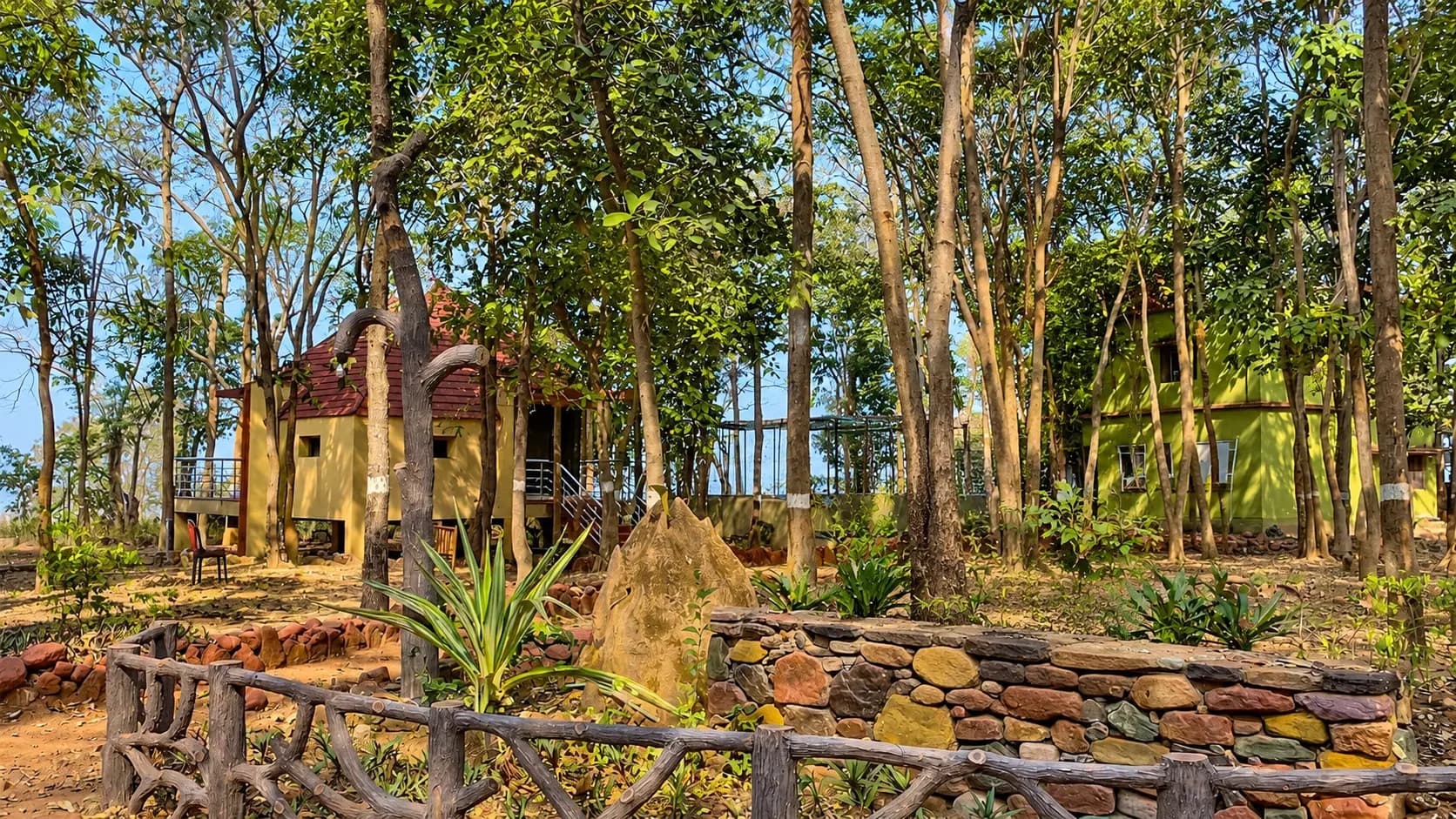
- Debrigarh Wildlife Sanctuary (~25 km west via Right Dyke): A pristine 353-square-kilometre protected reserve flanking the western shores of the reservoir, famous for harboring massive herds of Indian bison (gaur), leopards, sambar, and luxury waterfront eco-cottages at Barkhandia.
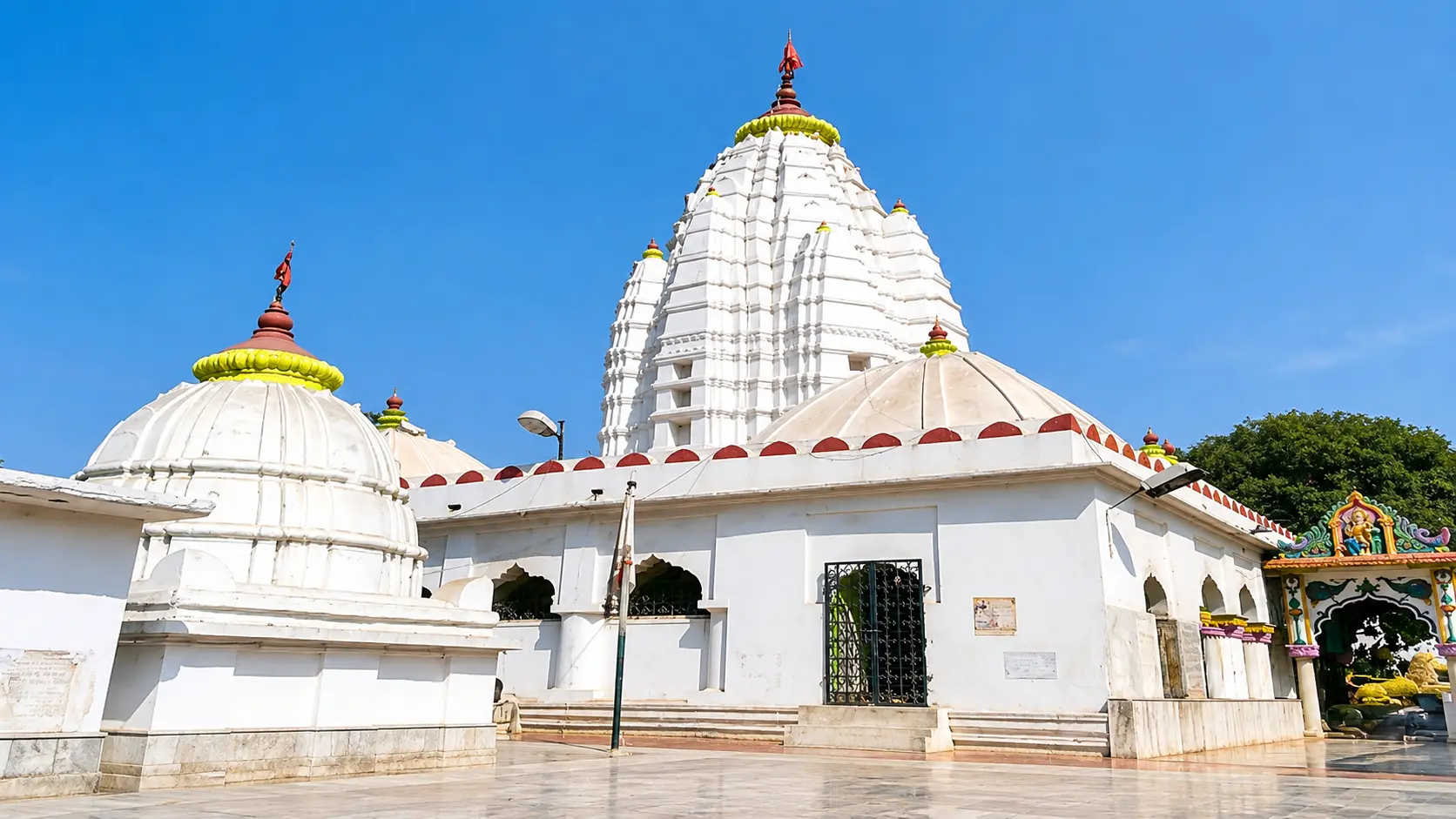
- Maa Samaleswari Temple, Sambalpur (~15 km southeast): The revered 16th-century spiritual heart of Western Odisha, dedicated to Goddess Samaleswari (the presiding deity of Sambalpur), situated amidst sprawling modern heritage corridors on the banks of the Mahanadi.
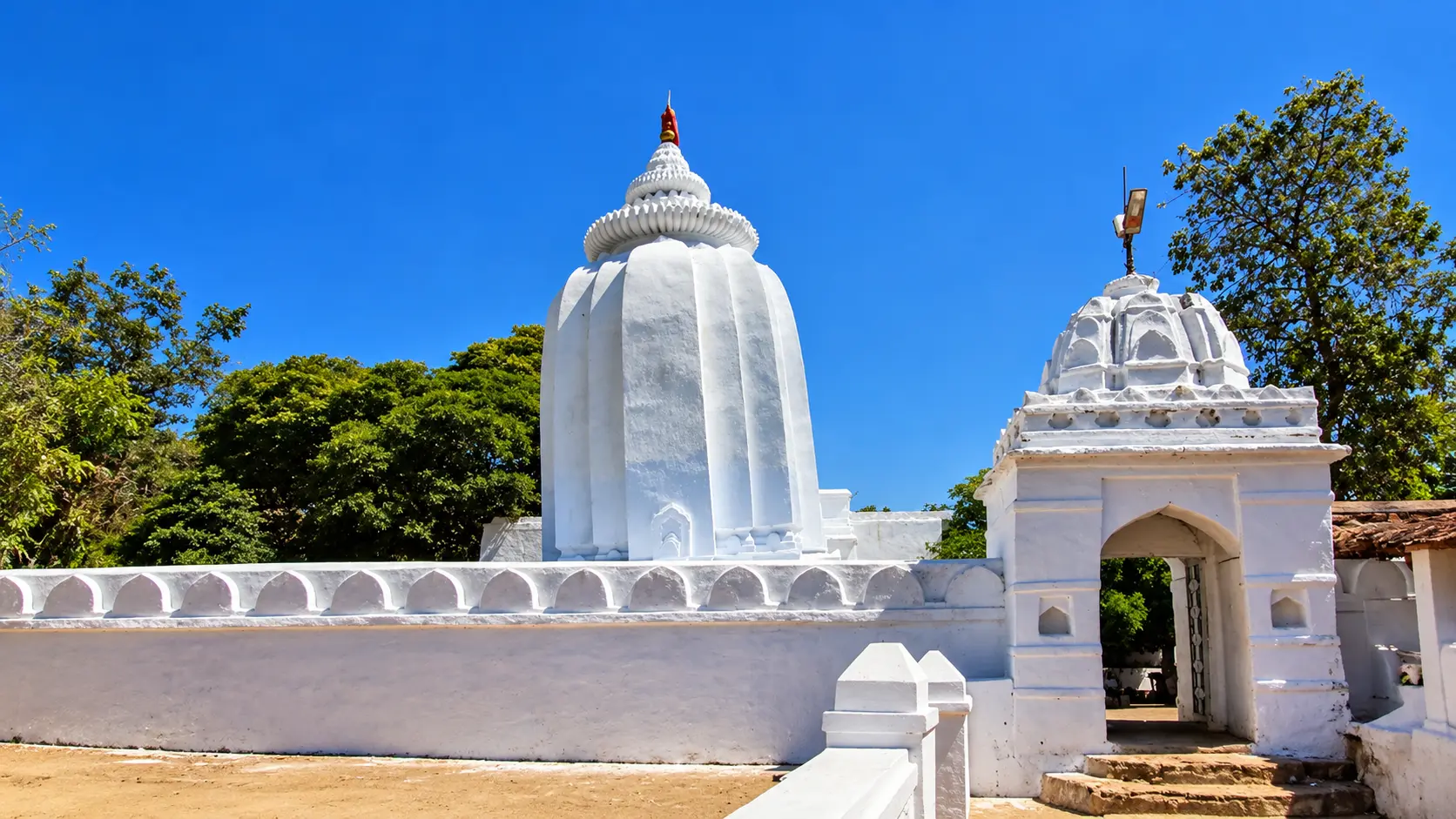
- Huma Leaning Temple (~40 km south): A world-famous 17th-century architectural curiosity located on the rocky banks of the Mahanadi River, featuring an ancient Shiva temple with an intentional 13-degree structural tilt and sacred "Kudo" fish that eat grain directly from devotees' hands.
- Chiplima Hydroelectric Powerhouse & Ghanteswari Temple (~35 km south): The downstream second stage of the Hirakud project on the Mahanadi River, featuring the historic Maa Ghanteswari shrine adorned with thousands of chiming brass bells.
- Budharaja Hill & Temple, Sambalpur (~14 km southeast): A prominent forested granite hill rising in the center of Sambalpur city, crowned by an ancient Shiva shrine and a panoramic hilltop park offering sweeping city views.
In pictures
The practical bits
Before you go.
What to pack
When visiting Hirakud Dam, wear comfortable, breathable casual clothing.Explore detailsClose details
When visiting Hirakud Dam, wear comfortable, breathable casual clothing. Footwear should be suitable for walking and stair climbing: wear comfortable sneakers, walking shoes, or supportive sandals, as ascending Gandhi Minar and strolling through the expansive Jawahar Udyan gardens involves considerable walking. The elevated observation decks on Gandhi Minar can be windy; if visiting during winter mornings or late evenings (November to February), carry a light windbreaker or jacket. Essential sun protection includes a wide-brimmed sunhat, sunglasses, and high-SPF sunscreen, as the open dam dykes and viewing terraces have minimal shade during midday. Carry a pair of binoculars (8x42 or 10x42) to identify distant waterbirds on the reservoir and examine the gates across the valley. Bring a refillable water bottle and cash in small denominations for parking fees, ropeway tokens, and snacks.
Security protocols and restricted zones
Hirakud Dam is categorized as a vital national infrastructure asset under round-the-clock armed security.Explore detailsClose details
Hirakud Dam is categorized as a vital national infrastructure asset under round-the-clock armed security. Always observe all posted signage and instructions from CISF personnel and police officers. Never attempt to bypass security barriers, climb perimeter fences, or enter gated powerhouse access roads. If security personnel request to inspect vehicle trunks or personal bags at entrance checkposts, cooperate courteously. Drones must not be launched anywhere within the dam perimeter without prior written clearance from the Ministry of Home Affairs and the Odisha State Police.
Comparing Gandhi Minar and Nehru Minar
To experience the full grandeur of the dam, travelers should understand the unique visual perspectives offered by…Explore detailsClose details
To experience the full grandeur of the dam, travelers should understand the unique visual perspectives offered by the two twin minars:
Gandhi Minar (Hirakud / North Bank)
The premier tourist attraction.Explore detailsClose details
The premier tourist attraction. It is taller, offers the highest elevation, and provides an unobstructed, ocean-like view of the vast reservoir looking west, alongside views of the left spillway and the irrigation canals. It is directly integrated with the ropeway and eco-park, making it the top choice for families and first-time visitors.
Nehru Minar (Burla / South Bank)
Quieter, less commercialized, and positioned closer to the main hydroelectric powerhouse and tailrace channel.Explore detailsClose details
Quieter, less commercialized, and positioned closer to the main hydroelectric powerhouse and tailrace channel. It provides dramatic, technical perspectives of the massive penstock pipes, concrete dam wall, and right spillway, making it a favorite for engineers and architecture enthusiasts.
Ropeway and Jawahar Udyan logistics
If traveling with children or elderly family members, taking the Hirakud Ropeway is the most convenient and…Explore detailsClose details
If traveling with children or elderly family members, taking the Hirakud Ropeway is the most convenient and memorable way to reach the hilltop viewing plaza without climbing the vehicular access road. After descending from the tower, spend an hour strolling through Jawahar Udyan. If your visit coincides with the evening, stay until 18:45 PM to witness the musical fountain show, where choreographed water jets dance to patriotic and popular Indian tunes under multi-colored LED floodlights.
Scenic driving on the Right Dyke corridor
One of the finest hidden experiences of Hirakud is taking the 10.6-kilometre drive along the Right Dyke.Explore detailsClose details
One of the finest hidden experiences of Hirakud is taking the 10.6-kilometre drive along the Right Dyke. Beginning near Burla, this paved, elevated road follows the western rim of the reservoir all the way toward the Dhodrokusum gate of Debrigarh Wildlife Sanctuary. Driving this stretch in late afternoon (between 16:30 and 17:45 PM) offers an unforgettable experience: the road is uncrowded, cool breezes blow off the water, and the sun sets in a blaze of crimson and gold directly over the reservoir horizon.
A few things you might wonder
Common questions about visiting Hirakud Dam. Fees, visiting hours and ceremonies are researched details that may change; confirm current arrangements with the operator before travelling.
Why is Hirakud Dam considered the longest earthen dam in the world?
What is the capacity and surface area of the Hirakud Reservoir?
What are the primary purposes and benefits of the Hirakud Dam project?
Why is Hirakud Reservoir recognized as a Ramsar Wetland Site?
What is the difference between Gandhi Minar and Nehru Minar?
Can visitors drive or walk across the top of the main dam wall?
Is there a ropeway at Hirakud Dam, and what are its operating hours?
How much time should I allocate for a comprehensive visit to Hirakud Dam?
Explore more in Sambalpur
Discover other destinations around this hub
More Hubs in Odisha
Continue exploring other travel hubs in this state
Planning a trip to Sambalpur & West Odisha?