Debrigarh Wildlife Sanctuary
Complete visitor guide to Debrigarh Wildlife Sanctuary in Odisha. Discover Indian bison (gaur), leopards, Hirakud reservoir boat safaris, nature camps, and travel tips.
Location
Sambalpur & West Odisha, Odisha
Duration
Plan around the duration and reporting time of your confirmed booking.
Best Time
Check current safari operation and weather. Seasonal advice does not guarantee wildlife sightings or an available vehicle.
Difficulty
Ask the operator about vehicle boarding and the terrain of any authorised walk; accessibility is not certified here.
A closer look
Your visit, at a glance.
Sambalpur & West Odisha, Odisha
GET TO KNOW THE PLACE
Stretching along the dramatic western and northwestern shorelines of the colossal Hirakud Reservoir in Bargarh District, Western Odisha, Debrigarh Wildlife Sanctuary is widely…
The story of Debrigarh Wildlife Sanctuary
Stretching along the dramatic western and northwestern shorelines of the colossal Hirakud Reservoir in Bargarh District, Western Odisha, Debrigarh Wildlife Sanctuary is widely acclaimed as one of the most successful, biologically vibrant, and visually breathtaking conservation models in eastern India. Encompassing 353.81 square kilometres across the rugged Barapahad hill ranges of the Eastern Ghats, this protected wilderness is managed under the Hirakud Wildlife Division with its administrative headquarters situated in nearby Sambalpur. Located roughly 40 kilometres west of Sambalpur and 50 kilometres north of Bargarh town, Debrigarh occupies a magnificent ecotone where steep granitic mountain ridges - culminating at the Debrigarh peak at 674 metres (2,211 feet) - slope steeply down into dense sal forests before terminating at the vast, sparkling waters of the Hirakud wetland, an officially designated Ramsar Site of international ecological importance.
Historically, Debrigarh is steeped in the heroic lore of India's first war of independence. During the 1857 rebellion against the British East India Company, the legendary Western Odia freedom fighter Veer Surendra Sai converted the impenetrable natural ramparts, hidden springs, and secret rock caverns (Barapathar) of the Barapahad hills into his primary guerrilla headquarters. From these rugged mountain redoubts, Sai and his tribal warriors launched daring campaigns against colonial garrisons, utilizing the terrain's inaccessible topography to evade capture for years until his betrayal in 1864. Today, those same forested mountains stand protected, preserving both the memory of indigenous resistance and an extraordinary diversity of central Indian fauna.
Biologically, Debrigarh is celebrated for harboring one of the highest population densities of the magnificent Indian bison or gaur (Bos gaurus) anywhere in South Asia. Massive herds numbering 30 to 60 individuals are a signature sight of the sanctuary, commonly observed emerging from the dry deciduous sal and bamboo forests to graze on the lush green meadows bordering the reservoir at twilight. The sanctuary also supports a flourishing population of Indian leopards (Panthera pardus), four-horned antelopes (chousingha), sambar deer, spotted deer (chital), nilgai, sloth bears, Indian wolves, and transient Royal Bengal tigers moving through regional corridors. Furthermore, the adjoining backwaters of Hirakud Reservoir attract over 100,000 to 200,000 wintering migratory waterbirds every year, transforming the shoreline into a bustling avian paradise. Enhanced with state-of-the-art community eco-tourism amenities - including the luxurious Barkhandia Eco-Resort set right on the water's edge and solar-powered boat safaris - Debrigarh delivers a premier wildlife and wetland experience.
Start here. Open a tile for the full details.
Why goRead details
- Encounter Vast Herds of Indian Bison (Gaur): Experience the thrill of watching herds of gaur - the largest and most muscular wild bovine species on earth - grazing peacefully along the open grassy margins of the Hirakud Reservoir. Sightings in Debrigarh are remarkably reliable, offering unmatched close-range viewing and photography opportunities.
- Embark on Solar-Powered Boat Safaris on Hirakud Reservoir: Board an eco-friendly safari boat operated by the Forest Department. Cruise quietly across the vast backwaters of the Ramsar-certified Hirakud wetland, observing massive basking mugger crocodiles on sandspits, playful smooth-coated otters, and flocks of winter waterfowl skimming the surface.
- Stay at the Waterfront Barkhandia Eco-Resort: Spend a night in rustic luxury at one of India's finest community-managed nature camps. Wake up in air-conditioned canvas cottages overlooking the misty waters of the reservoir, listen to the chattering of wild langurs in the sal canopy, and dine under starlit skies by a campfire.
- Witness the Winter Migration of Over 100,000 Waterfowl: Between November and February, the reservoir margins host an extraordinary spectacle of international avian migration. Spot thousands of bar-headed geese, northern pintails, red-crested pochards, common shelducks, Eurasian wigeons, and majestic fishing raptors like the white-bellied sea eagle.
- Walk in the Footsteps of Freedom Fighter Veer Surendra Sai: Visit the historic guerrilla stronghold of Veer Surendra Sai. Explore the natural rock cave forts and observation watchpoints in the Barapahad hills where the legendary revolutionary directed his anti-British rebellion in 1857.
- Enjoy 25 Kilometres of Scenic Shoreline Safari Driving: Motor along the well-graded jungle track that hugs the contours of the reservoir for 25 uninterrupted kilometres. This unique road layout ensures that visitors enjoy sweeping water views on one side and towering forested ridges on the other, maximizing wildlife viewing prospects.
When to visitRead details
Debrigarh Wildlife Sanctuary experiences a tropical dry deciduous forest and wetland climate characterized by distinct seasons: a crisp, delightful winter, an intensely hot and arid summer, and an emerald-green southwest monsoon. Because wildlife sightings and wetland activities vary significantly with the seasons, timing your visit is essential.
Entry & permissionsRead details
Fees, visiting hours and entry rules may change. Confirm the latest details with the official operator or local authority before travelling.
- Admission Charges: Debrigarh is a centrally regulated protected wildlife area.
- Entry Permit Fee: ₹40 per Indian adult (concession rate of ₹20 for students and children under 12 years).
- Foreign Nationals: ₹1,000 per person.
- Vehicle Entry Charges:
- Four-Wheelers (Cars, Jeeps, SUVs): ₹100 per vehicle
- Two-Wheelers: ₹50 per vehicle (permitted only up to designated peripheral points)
- Camera Charges:
- Still Camera (Digital / DSLR / Mirrorless): ₹50
- Video Camera (Non-commercial): ₹500
- Mandatory Nature Guide Fee: ₹200 to ₹300 per vehicle paid to the authorized local community guide assigned at the checkgate.
- Boat Safari Charges: Solar-powered boat safaris on the Hirakud Reservoir are operated by the Forest Department at approximately ₹250 to ₹400 per person (or ₹2,000 to ₹3,000 for a private 8-seater boat charter).
- Visiting & Safari Timings:
- Sanctuary Checkgate Hours: Open daily from 06:00 AM to 17:30 PM.
- Official Safari Shifts:
- Morning Safari: 06:00 AM to 10:00 AM (optimal for viewing gaur herds grazing in the mist, bird activity, and cool weather).
- Afternoon Safari: 14:30 PM to 17:30 PM (best for waterhole activity, crocodile basking, and spectacular sunsets over the reservoir).
- All day-visitor vehicles must exit the forest checkposts before dusk (17:30 PM). Night driving inside the core zone is strictly prohibited, though supervised night safaris are occasionally arranged for overnight guests at the nature camp.
- Permissions and Booking:
- Day safari permits are issued on a walk-in basis at the Dhodrokusum Forest Checkgate.
- Overnight accommodation at Barkhandia Eco-Resort / Debrigarh Nature Camp must be reserved in advance through the official state portal:
ecotourodisha.com.
Plan your visitRead details
Debrigarh Wildlife Sanctuary is located in Western Odisha, accessible via road connections from the regional hubs of Sambalpur, Burla, and Bargarh.
Explore the full guide - choose a topic below.
Why visit?
Encounter Vast Herds of Indian Bison (Gaur): Experience the thrill of watching herds of gaur - the largest and…Explore detailsClose details
- Encounter Vast Herds of Indian Bison (Gaur): Experience the thrill of watching herds of gaur - the largest and most muscular wild bovine species on earth - grazing peacefully along the open grassy margins of the Hirakud Reservoir. Sightings in Debrigarh are remarkably reliable, offering unmatched close-range viewing and photography opportunities.
- Embark on Solar-Powered Boat Safaris on Hirakud Reservoir: Board an eco-friendly safari boat operated by the Forest Department. Cruise quietly across the vast backwaters of the Ramsar-certified Hirakud wetland, observing massive basking mugger crocodiles on sandspits, playful smooth-coated otters, and flocks of winter waterfowl skimming the surface.
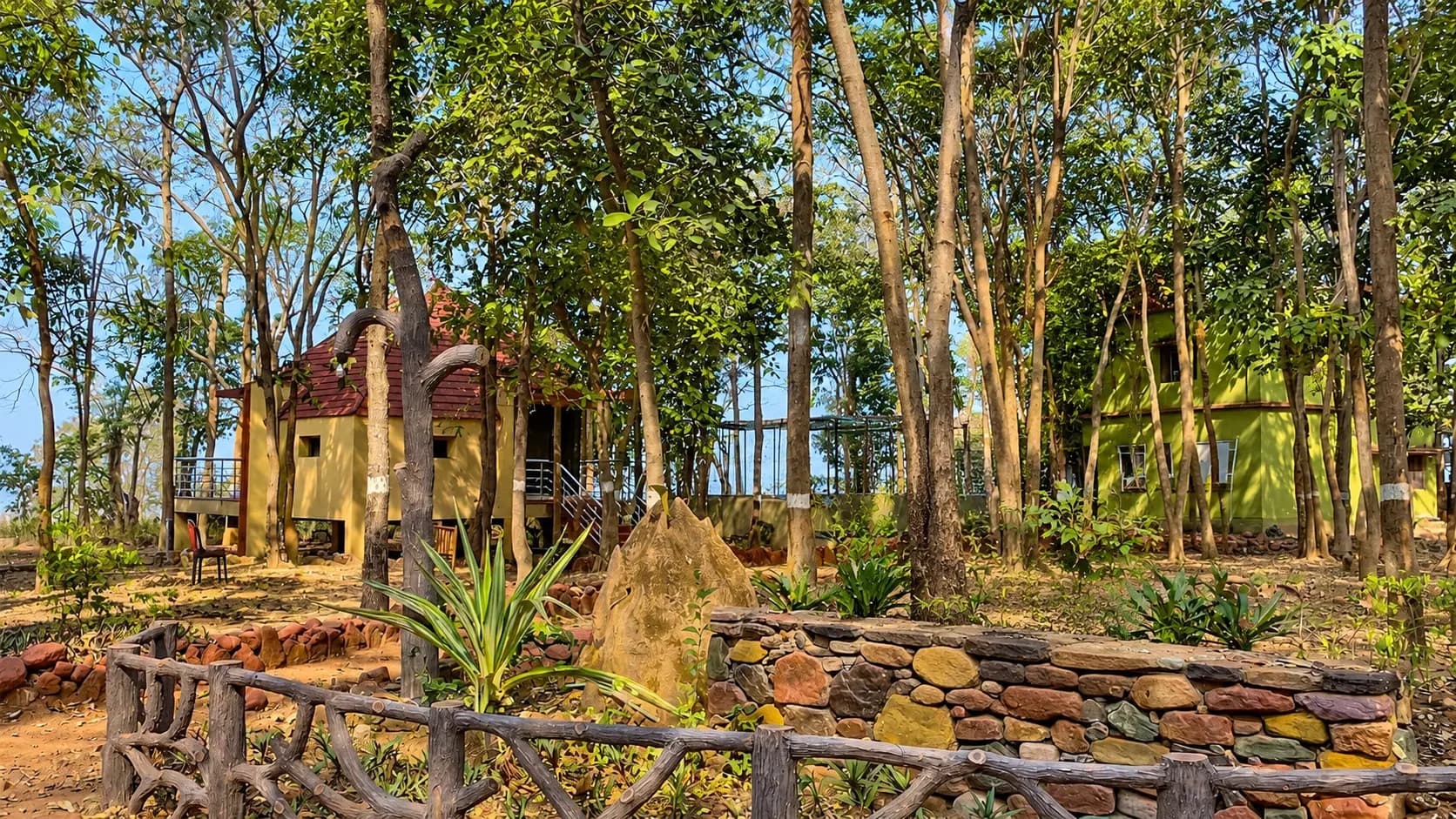
- Stay at the Waterfront Barkhandia Eco-Resort: Spend a night in rustic luxury at one of India's finest community-managed nature camps. Wake up in air-conditioned canvas cottages overlooking the misty waters of the reservoir, listen to the chattering of wild langurs in the sal canopy, and dine under starlit skies by a campfire.
- Witness the Winter Migration of Over 100,000 Waterfowl: Between November and February, the reservoir margins host an extraordinary spectacle of international avian migration. Spot thousands of bar-headed geese, northern pintails, red-crested pochards, common shelducks, Eurasian wigeons, and majestic fishing raptors like the white-bellied sea eagle.
- Walk in the Footsteps of Freedom Fighter Veer Surendra Sai: Visit the historic guerrilla stronghold of Veer Surendra Sai. Explore the natural rock cave forts and observation watchpoints in the Barapahad hills where the legendary revolutionary directed his anti-British rebellion in 1857.
- Enjoy 25 Kilometres of Scenic Shoreline Safari Driving: Motor along the well-graded jungle track that hugs the contours of the reservoir for 25 uninterrupted kilometres. This unique road layout ensures that visitors enjoy sweeping water views on one side and towering forested ridges on the other, maximizing wildlife viewing prospects.
What to expect
Visiting Debrigarh Wildlife Sanctuary is an impeccably organized, peaceful, and visually splendid wilderness…Explore detailsClose details
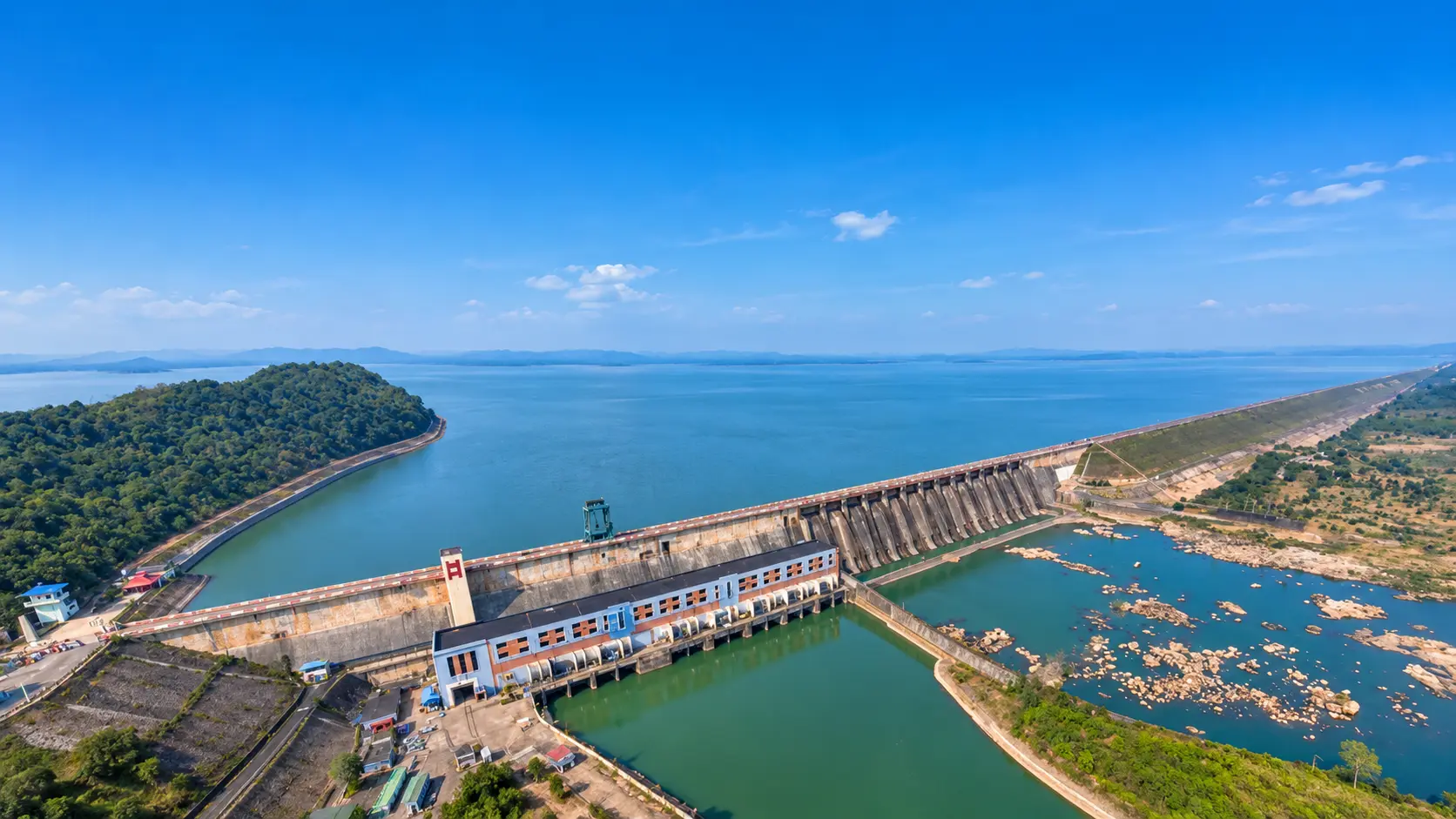
Visiting Debrigarh Wildlife Sanctuary is an impeccably organized, peaceful, and visually splendid wilderness excursion. Approaching from Sambalpur or Burla, your journey takes you across the monumental Hirakud Dam Right Dyke - an engineering marvel that offers breathtaking views of the colossal reservoir stretching like an inland sea toward the Barapahad hills.
The primary entry point into the sanctuary is the Dhodrokusum Forest Checkgate, located approximately 40 kilometres from Sambalpur. Here, the Forest Department has established an efficient visitor reception complex. Visitors stop to complete permit registration, pay entry and vehicle fees, and meet their assigned local community nature guide before passing through the sanctuary gate.
The Shoreline Safari Track:
Once inside the sanctuary, the safari route follows a wide, unpaved gravel road that hugs the shoreline of the Hirakud Reservoir for approximately 25 kilometres, leading toward Zerol Point and the Barkhandia Eco-Resort. The scenery is sensational: to your left, the deep blue waters of the lake extend to the horizon; to your right, the forested slopes of the Barapahad ridge rise sharply, clothed in dense stands of Sal (Shorea robusta), Bija, Kendu, and golden bamboo.
Because the forest road directly parallels the water, wildlife viewing is extraordinarily productive. In the early morning (06:00 to 09:00 AM) and late afternoon (15:00 to 17:30 PM), large herbivores emerge from the dense hill slopes to drink and feed along the moist shoreline. It is common to round a bend in the safari track and encounter a herd of 20 to 40 massive gaurs, their muscular slate-black coats and white "stockinged" legs gleaming in the sun. Sambar stags with towering antlers stand alert in the shallows, while spotted deer and wild boars forage in the open meadows.
The Hirakud Boat Safari:
From the eco-tourism boat jetty near Barkhandia, visitors can board silent, solar-powered safari boats. Cruising into the calm backwaters provides an entirely different perspective on the sanctuary. Giant mugger crocodiles (Crocodylus palustris) - some measuring 10 to 14 feet in length - can be seen sunning themselves lazily on exposed sandbars and rocky islets. The sky is filled with the flapping wings of cormorants, river terns, and osprey swooping down to catch fish.
Barkhandia Eco-Camp:
Situated on an elevated promontory overlooking a sweeping bay of the reservoir, Barkhandia Nature Camp consists of well-furnished cottages with expansive glass windows, en-suite modern bathrooms, and private wooden verandas. Managed entirely by local villagers under the eco-development committee, the camp serves wholesome Odishan meals, organizes guided nature walks, and provides an unmatched sense of tranquil seclusion.
Best time to visit
Debrigarh Wildlife Sanctuary experiences a tropical dry deciduous forest and wetland climate characterized by…Explore detailsClose details
Debrigarh Wildlife Sanctuary experiences a tropical dry deciduous forest and wetland climate characterized by distinct seasons: a crisp, delightful winter, an intensely hot and arid summer, and an emerald-green southwest monsoon. Because wildlife sightings and wetland activities vary significantly with the seasons, timing your visit is essential.
The undisputed premier season to visit Debrigarh is during the winter window from October through March. During these months, the weather in Western Odisha is glorious, with daytime temperatures fluctuating comfortably between 14°C and 28°C, accompanied by low humidity, azure skies, and refreshing lake breezes. The cool morning air makes open gypsy safaris exceptionally pleasant. Furthermore, the winter season coincides with the arrival of over 100,000 migratory waterfowl on the Hirakud backwaters, providing unmatched birdwatching and photography opportunities that peak between December and February.
The summer period, spanning from April through June, brings extreme inland heat to the Deccan plateau, with midday temperatures regularly climbing to 42°C to 44°C. However, for dedicated wildlife enthusiasts and big mammal trackers, early summer is a magnificent time: the deciduous forests shed their foliage, offering unobstructed visibility through the trees. Because small natural streams and pools inside the hills dry up completely, large animals - especially leopards, gaurs, sloth bears, and sambar - are compelled to spend hours congregating along the permanent reservoir shoreline, making safari sightings virtually weather-dependent during dawn and dusk hours.
The monsoon season, lasting from July through late September, transforms Debrigarh into an emerald paradise. While the surrounding hills are draped in misty clouds and waterfalls roar down the Barapahad slopes, heavy rains can make sections of the unpaved shoreline track muddy and slippery. The Forest Department occasionally regulates boat safaris during periods of heavy wind or high water discharge from the dam.
How to reach
Debrigarh Wildlife Sanctuary is located in Western Odisha, accessible via road connections from the regional hubs…Explore detailsClose details
Debrigarh Wildlife Sanctuary is located in Western Odisha, accessible via road connections from the regional hubs of Sambalpur, Burla, and Bargarh.
- By Road and Safari Gateway:
- From Sambalpur (40 km): Drive southwest across the Mahanadi River to the university town of Burla, then proceed along the scenic paved road that runs atop the Hirakud Dam Right Dyke. The road offers magnificent panoramic views of the reservoir on one side and irrigated canal valleys on the other, terminating directly at the Dhodrokusum Forest Checkgate in approximately 50 to 60 minutes. Confirm the current charge and what it includes with the operator or service provider. Visitor admission, vehicles, parking, activities and accommodation can have separate charges.
- From Bargarh (50 km): Drive north via Ambabhona and Bhatli along well-paved district roads to reach the southern entry gates or connect via Burla.
- From Jharsuguda (90 km): Take NH-49 and Biju Expressway south to Sambalpur, then proceed across the dam dyke to the sanctuary (~2 hours drive).
- Public Bus Services: Regular state transport (OSRTC) and city buses run frequently between Sambalpur and Burla. From Burla, auto-rickshaws or chartered taxis can be hired to reach the Dhodrokusum gate (18 km away). However, having a private vehicle or chartered taxi is essential to undertake the 25-kilometre interior shoreline safari track.
- By Rail:
- Sambalpur Junction Railway Station (SBP): Located approximately 40 kilometres east, Sambalpur is a major divisional headquarters of the East Coast Railway, served by daily superfast express trains (including Vande Bharat Express, Samaleswari Express, and Puri-Durg Express) connecting directly with Kolkata (Howrah), New Delhi, Bhubaneswar, Visakhapatnam, Mumbai, and Raipur.
- Bargarh Road Railway Station (BRGA): Situated roughly 50 kilometres southwest, offering convenient connections on the Sambalpur - Titlagarh line.
- By Air:
- Veer Surendra Sai Airport, Jharsuguda (JRG): Located approximately 90 kilometres northeast, this is the nearest operational airport, handling daily non-stop flights to New Delhi, Kolkata, Bengaluru, Hyderabad, and Bhubaneswar. Travel from Jharsuguda airport to Debrigarh takes roughly 2 hours by road.
- Swami Vivekananda Airport, Raipur (RPR): Located roughly 260 kilometres west in Chhattisgarh (~5 hours drive via NH-53).
Entry, timings and permissions
Fees, visiting hours and entry rules may change.Explore detailsClose details
Fees, visiting hours and entry rules may change. Confirm the latest details with the official operator or local authority before travelling.
- Admission Charges: Debrigarh is a centrally regulated protected wildlife area.
- Entry Permit Fee: ₹40 per Indian adult (concession rate of ₹20 for students and children under 12 years).
- Foreign Nationals: ₹1,000 per person.
- Vehicle Entry Charges:
- Four-Wheelers (Cars, Jeeps, SUVs): ₹100 per vehicle
- Two-Wheelers: ₹50 per vehicle (permitted only up to designated peripheral points)
- Camera Charges:
- Still Camera (Digital / DSLR / Mirrorless): ₹50
- Video Camera (Non-commercial): ₹500
- Mandatory Nature Guide Fee: ₹200 to ₹300 per vehicle paid to the authorized local community guide assigned at the checkgate.
- Boat Safari Charges: Solar-powered boat safaris on the Hirakud Reservoir are operated by the Forest Department at approximately ₹250 to ₹400 per person (or ₹2,000 to ₹3,000 for a private 8-seater boat charter).
- Visiting & Safari Timings:
- Sanctuary Checkgate Hours: Open daily from 06:00 AM to 17:30 PM.
- Official Safari Shifts:
- Morning Safari: 06:00 AM to 10:00 AM (optimal for viewing gaur herds grazing in the mist, bird activity, and cool weather).
- Afternoon Safari: 14:30 PM to 17:30 PM (best for waterhole activity, crocodile basking, and spectacular sunsets over the reservoir).
- All day-visitor vehicles must exit the forest checkposts before dusk (17:30 PM). Night driving inside the core zone is strictly prohibited, though supervised night safaris are occasionally arranged for overnight guests at the nature camp.
- Permissions and Booking:
- Day safari permits are issued on a walk-in basis at the Dhodrokusum Forest Checkgate.
- Overnight accommodation at Barkhandia Eco-Resort / Debrigarh Nature Camp must be reserved in advance through the official state portal:
ecotourodisha.com.
Nearby places to consider
Hirakud Dam & Gandhi Minar (~25 km east): The world's longest earthen dam (25.8 km total length), built across…Explore detailsClose details
- Hirakud Dam & Gandhi Minar (~25 km east): The world's longest earthen dam (25.8 km total length), built across the mighty Mahanadi River in 1957. Visitors can climb the Gandhi Minar observation tower on the dam crest for breathtaking panoramic views of the vast reservoir on one side and the sprawling agricultural delta on the other.
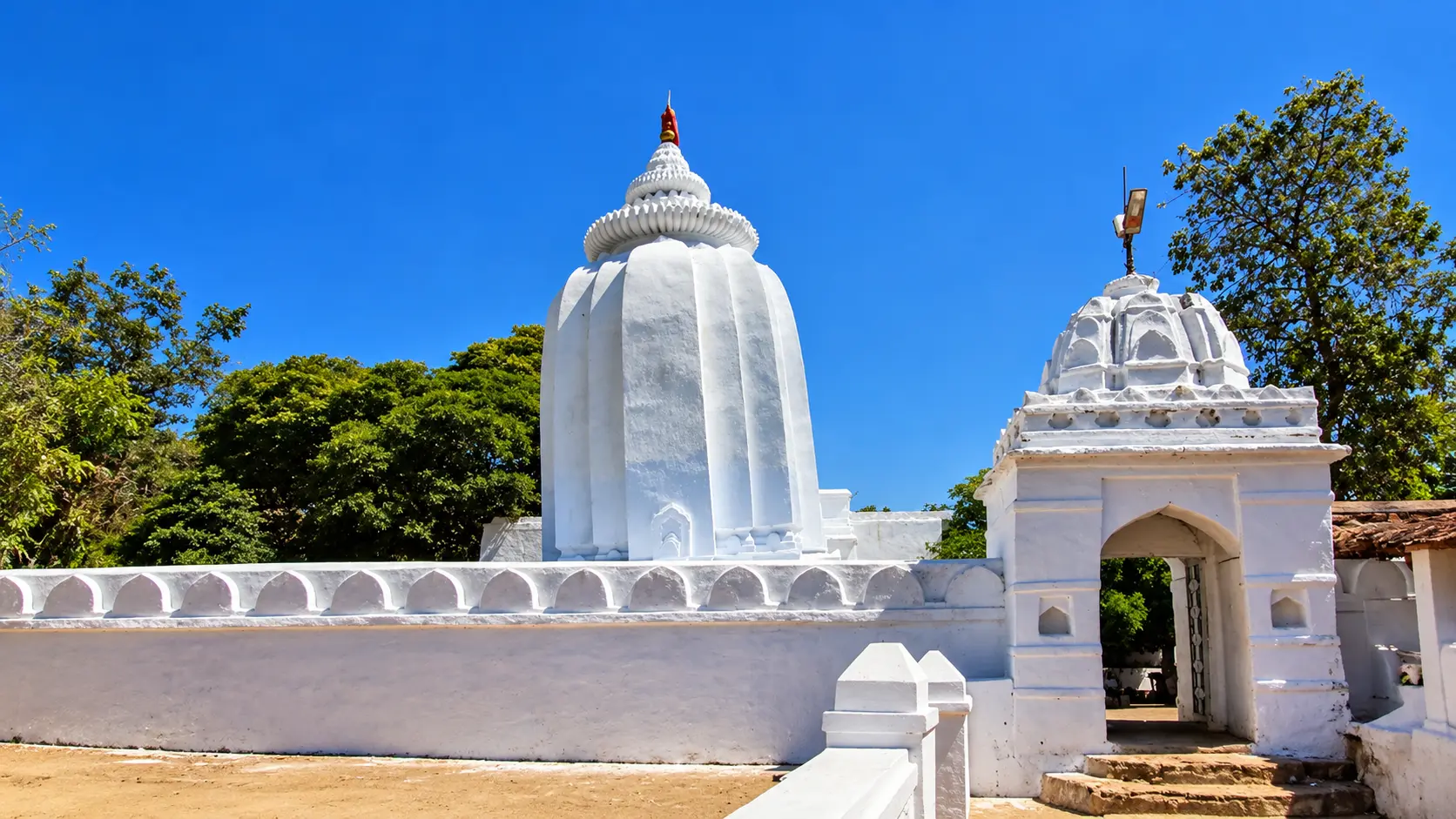
- Huma Leaning Temple (~65 km southeast): Situated on the rocky banks of the Mahanadi River near Sambalpur, this 17th-century temple dedicated to Lord Bimaleswara is globally famous for its deliberate 13-degree architectural tilt and sacred "Kudo" fish that eat grain directly from visitors' hands.
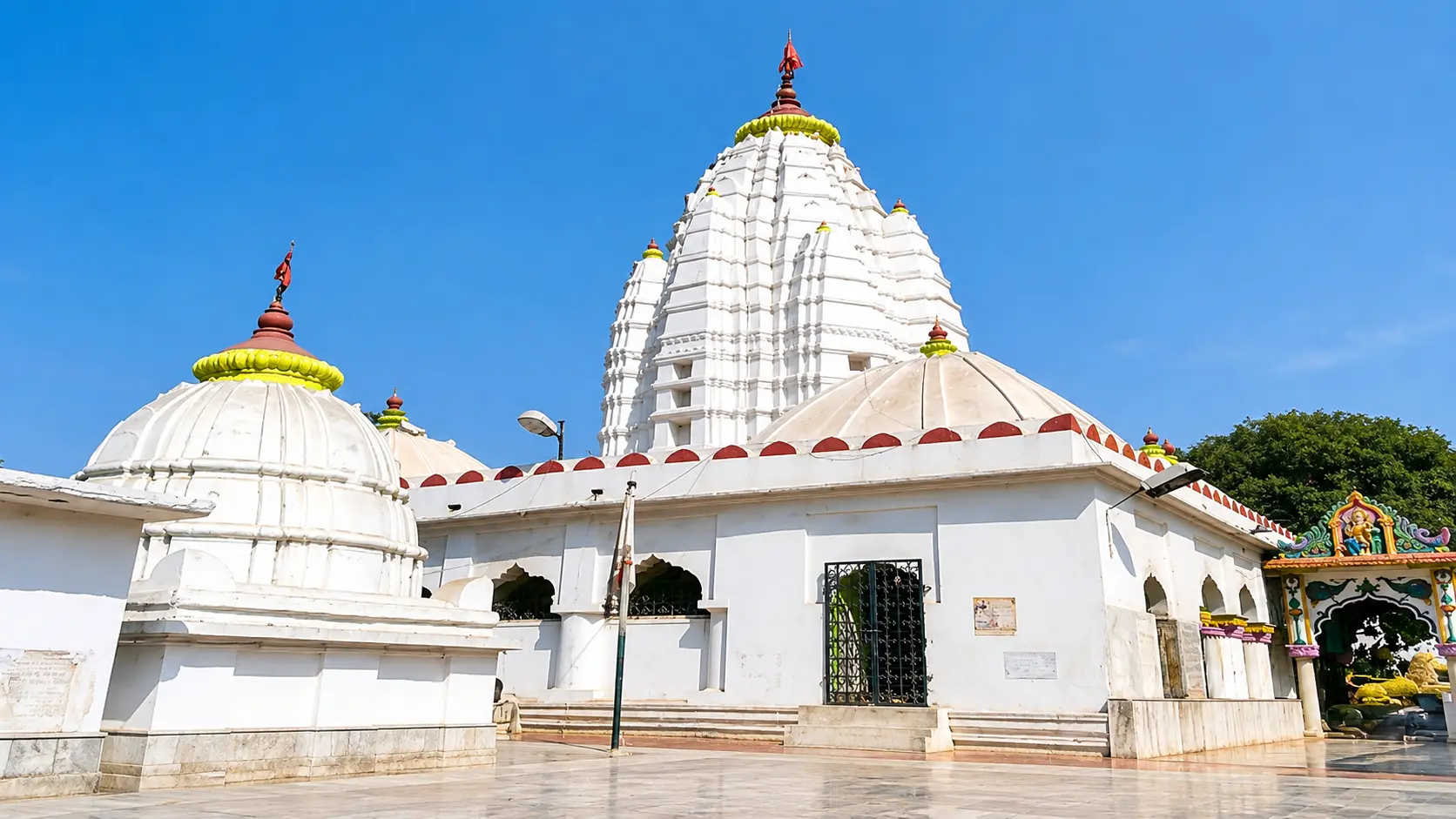
- Maa Samaleswari Temple, Sambalpur (~40 km east): The revered 16th-century spiritual crown jewel of Western Odisha, dedicated to Goddess Samaleswari (the presiding deity of Sambalpur), situated amidst sprawling heritage corridors along the Mahanadi riverbank.
- Nrusinghanath Temple, Gandhamardan Hills (~110 km southwest): An ancient 14th-century temple dedicated to Lord Vishnu in his feline-man avatar (Marjara Kesari), situated at the base of the medicinal-herb-rich Gandhamardan mountain range beside rushing mountain torrents.
- Chiplima Hydroelectric Falls (~55 km southeast): A scenic waterfall and powerhouse site on the Mahanadi River near Burla, featuring the historic Ghanteswari Temple where thousands of brass bells offered by devotees chime in the river breeze.
In pictures
The practical bits
Before you go.
What to pack
When packing for Debrigarh, select neutral, muted outdoor clothing in shades of olive green, khaki, grey, or tan…Explore detailsClose details
When packing for Debrigarh, select neutral, muted outdoor clothing in shades of olive green, khaki, grey, or tan that blend with the dry deciduous forest. Avoid bright red, white, or fluorescent clothes that spook wild herbivores. Morning safaris on open vehicles between November and February can be surprisingly cold and breezy due to the large expanse of the reservoir; bring a warm fleece jacket, windbreaker, or woolen shawl. Sturdy closed-toe walking shoes or boots are essential for guided nature trails around the camp. Pack high-magnification binoculars (8x42 or 10x42) to scan the reservoir shoreline and identify distant waterbirds. For photographers, a telephoto zoom lens (100 - 400mm or 150 - 600mm) is ideal for capturing gaurs, raptors, and basking crocodiles. Carry personal mosquito repellent, sunscreen, a wide-brimmed hat, and a reusable water bottle.
Safari logistics and vehicle clearance
The 25-kilometre shoreline safari track between Dhodrokusum and Zerol Point is an unpaved, all-weather gravel road.Explore detailsClose details
The 25-kilometre shoreline safari track between Dhodrokusum and Zerol Point is an unpaved, all-weather gravel road. While standard passenger hatchbacks and sedans can drive along the main track in dry winter weather with careful driving, a vehicle with high ground clearance (such as an SUV, Bolero, Scorpio, or Thar) is strongly recommended to easily navigate occasional rocky dips and sandy sections. Ensure your vehicle has a full fuel tank before leaving Burla or Sambalpur, as there are no fuel stations inside the sanctuary.
Hirakud boat safari guidelines
The boat safari is one of Debrigarh's crowning attractions and should not be missed.Explore detailsClose details
The boat safari is one of Debrigarh's crowning attractions and should not be missed. Always wear the approved life jacket provided by the boat crew before boarding. Remain seated while the boat is in motion, and avoid leaning dangerously over the sides or trailing your hands in the water, as large mugger crocodiles inhabit the reservoir. Maintain absolute silence when the boat approaches sandspits populated by resting waterbirds or basking reptiles, allowing everyone on board to enjoy close, undisturbed wildlife viewing.
Booking Barkhandia nature camp
To experience the true magic of Debrigarh, an overnight stay at Barkhandia Nature Camp is unreservedly recommended.Explore detailsClose details
To experience the true magic of Debrigarh, an overnight stay at Barkhandia Nature Camp is unreservedly recommended. The eco-cottages are perched on a hillock overlooking the reservoir, offering panoramic sunset views. The all-inclusive online booking tariff on ecotourodisha.com covers comfortable AC cottage lodging, all three daily meals prepared with authentic local flavor by the village eco-development committee, guided forest walks, and campfire sessions. Due to high demand during the winter migratory bird season, reservations should be made 3 to 6 weeks in advance.
Freedom struggle heritage of Veer Surendra Sai
History enthusiasts should allocate time to explore the freedom struggle heritage preserved within the sanctuary.Explore detailsClose details
History enthusiasts should allocate time to explore the freedom struggle heritage preserved within the sanctuary. Ask your forest guide to point out the historic observation points in the Barapahad hills and narrate the history of Veer Surendra Sai's guerrilla campaign. Sai's strategic genius lay in utilizing the natural topography - the vertical sandstone cliffs, dense sal canopy, and natural freshwater springs - to create self-sustaining guerrilla outposts that the British East India Company could not conquer by conventional military force for decades.
A few things you might wonder
Common questions about visiting Debrigarh Wildlife Sanctuary. Fees, visiting hours and ceremonies are researched details that may change; confirm current arrangements with the operator before travelling.
What is the legal status and geographical area of Debrigarh Wildlife Sanctuary?
Why is Debrigarh famous for its Indian bison (gaur) population?
What is the historical connection between Debrigarh and Veer Surendra Sai?
What kind of boat safaris are available on the Hirakud Reservoir at Debrigarh?
How many species of migratory birds visit the sanctuary in winter?
How can travelers book accommodation at Barkhandia Eco-Resort?
Is it safe to visit Debrigarh Wildlife Sanctuary with family and children?
How much time should I plan for a visit to Debrigarh Wildlife Sanctuary?
Explore more in Sambalpur
Discover other destinations around this hub
More Hubs in Odisha
Continue exploring other travel hubs in this state
Planning a trip to Sambalpur & West Odisha?