Shree Jagannath Temple
Complete visitor guide to Shree Jagannath Temple in Puri, Odisha.
Location
Golden Triangle, Odisha
A closer look
Your visit, at a glance.
Golden Triangle, Odisha
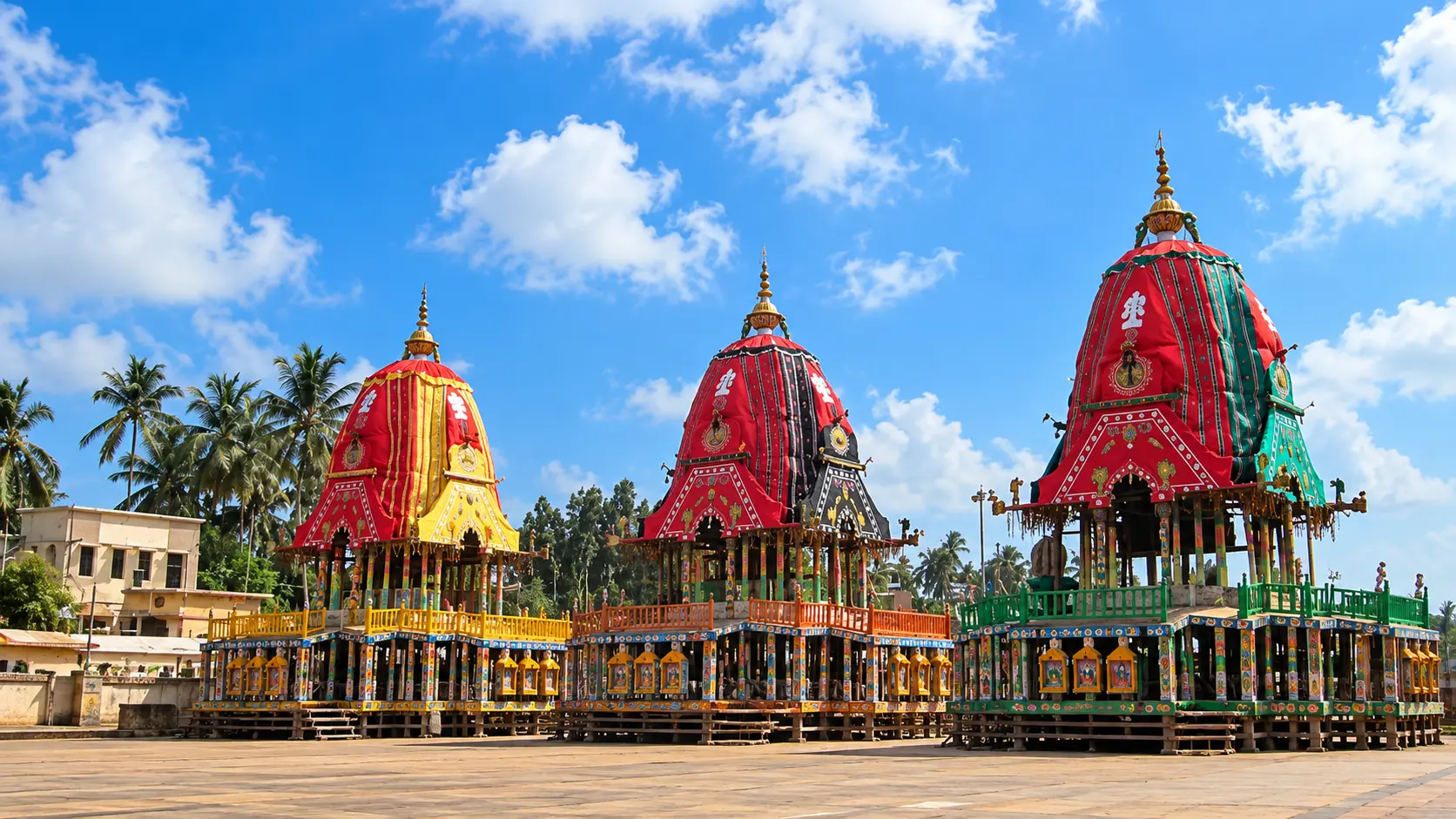
GET TO KNOW THE PLACE
Rising with breathtaking majesty against the azure coastal sky of Puri, the Shree Jagannath Temple (reverently celebrated as Srimandir) is the spiritual heart, cultural anchor…
The story of Shree Jagannath Temple
Rising with breathtaking majesty against the azure coastal sky of Puri, the Shree Jagannath Temple (reverently celebrated as Srimandir) is the spiritual heart, cultural anchor, and living soul of Odisha. Recognized across the globe as one of the four supreme Char Dham pilgrimage sanctuaries of Hinduism - alongside Badrinath in the Himalayas, Dwarka in the west, and Rameswaram in the south - this colossal 12th-century stone titan is the earthly abode of Lord Jagannath, the "Lord of the Universe," worshiped alongside his elder brother Lord Balabhadra and his sister Devi Subhadra.
Set atop an ancient elevated sand ridge known as Nilachala (the Blue Mountain), the temple compound spans over 10.7 fortified acres, enclosed by massive double concentric stone walls. The soaring main sanctuary tower (Bada Deul) - a masterpiece of mature Kalinga architecture - climbs to an astonishing height of 65 metres (214 feet), crowned by the miraculous eight-spoked Neela Chakra and the fluttering Patitapabana Bana flag, which hereditary servitors scale the vertical stone spire daily without ropes to replace.
Unlike conventional Hindu sanctums housing stone or metallic deities, the Holy Trinity of Puri is uniquely sculpted from sacred neem wood (daru), displaying large, hypnotic, circular lotus eyes and armless forms that embody an ancient synthesis of indigenous tribal (Sabara) worship and profound Vedic metaphysics. From the legendary Ratha Yatra - where millions pull colossal wooden chariots down the 3-kilometre Grand Road - to the bustling Ananda Bazar, where millions share steaming Mahaprasad cooked in the world’s largest traditional temple kitchen, Shree Jagannath Temple represents an unparalleled epic of living devotion, sacred culinary heritage, and architectural splendor.
Start here. Open a tile for the full details.
Why goRead details
- Supreme Char Dham Pilgrimage Site: Journey to one of Hinduism's four most sacred pilgrimage destinations, established in antiquity and revered as the spiritual center of Vishnu's earthly dining hall.
- Masterpiece of Kalinga Stone Architecture: Behold the monumental 65-metre (214-foot) rekha deul built in the 12th century by Eastern Ganga Emperor Anantavarman Chodaganga Deva, adorned with intricate stone reliefs, guardian lions, and celestial nymphs.
- The Holy Trinity of Nilachala: Witness the sacred wooden forms of Lord Jagannath, Lord Balabhadra, Devi Subhadra, and Sudarshana Chakra, seated upon the elevated stone Ratnavedi platform.
- The World’s Largest Traditional Temple Kitchen: Experience the sacred culinary marvel of the Rosaghara, where hereditary cooks use 250 earthen wood-fired hearths to cook 56 varieties of food (Chhappan Bhog) in vertical stacks of clay pots.
- Savoring Sacred Mahaprasad at Ananda Bazar: Dine at the world’s largest open-air consecrated food market, enjoying aromatic rice, Dalma, Kanika, sweet Kheeri, and seasonal curries served on fresh sal leaves.
- The Iconic Aruna Stambha and Lion's Gate: Stand before the magnificent 11-metre-high 16-sided monolithic chlorite Sun Pillar brought from the Konark Sun Temple in the 18th century, guarding the majestic Singhadwara entrance.
- The Modern Srimandir Parikrama Heritage Corridor: Walk the newly developed 75-metre landscaped heritage promenade encircling the outer Meghanada Pacheri wall, offering green lawns, shaded walkways, and state-of-the-art pilgrim amenities.
When to visitRead details
Entry & permissionsRead details
Fees, visiting hours and entry rules may change. Confirm the latest details with the official operator or local authority before travelling.
Religious Entry Regulations & Prohibited Items
- Exclusive Hindu Entry Law: Under long-standing customary temple law and Supreme Court legal affirmations, entry into the inner compound of Shree Jagannath Temple is strictly restricted to practicing Hindus / Sanatana Dharma followers. Non-Hindus, foreign tourists of other faiths, and non-Indian citizens are not permitted beyond the gates.
- Alternative Viewing for Non-Hindus: Non-Hindu visitors can view the 65-metre shikhara, the Aruna Stambha, the Lion's Gate, and the Patitapabana deity image from the Grand Road, or enjoy a panoramic elevated view of the entire temple complex from the open rooftop viewing terrace of the Raghunandan Library, situated directly across from the Singhadwara.
- Strict Prohibition of Electronics: Mobile phones, cameras, smart watches, fitness bands, and electronic car key fobs are strictly prohibited inside the temple premises. Visitors must deposit all digital devices at the free, secure computerized cloakrooms located along the Srimandir Parikrama corridor outside the Singhadwara.
- Ban on Leather Articles: All leather products - including leather belts, wallets, shoes, watch straps, and leather handbags - are strictly forbidden inside the temple. Ensure you carry cloth or jute pouches for cash.
- Dress Code: Devotees must dress in modest traditional attire. Men should wear dhotis or kurta-pyjamas, and women should wear sarees, salwar suits, or modest long dresses. Western casuals such as shorts, bermudas, miniskirts, ripped jeans, and sleeveless tops are strictly barred.
Temple Timings and Daily Rituals
The temple operates according to an elaborate ancient timetable (Niti):
- 05:00 AM: Mangala Alati (Morning auspicious lamp ritual; temple doors open to pilgrims).
- 06:00 to 07:00 AM: Mailam and Abakasha (Changing of floral robes and divine teeth-cleansing).
- 08:00 AM: Sahanamela (Public free darshan up close to the Ratnavedi).
- 10:00 AM: Gopala Ballabha Bhoga (Morning sweet breakfast offering).
- 12:00 to 13:30 PM: Sakala Dhupa and Madhyanna Dhupa (Midday royal food offerings, followed by Mahaprasad arrival at Ananda Bazar).
- 17:00 to 18:00 PM: Sandhya Alati (Evening twilight lamp waving ceremony).
- 22:30 to 23:00 PM: Badasinghara Bhoga and Pahuda (Night floral dress, lullaby singing, and retiring to slumber; gates close).
Plan your visitRead details
The nearest airport is Biju Patnaik International Airport (BBI) in Bhubaneswar, situated approximately 60 kilometres northwest of Puri.
- Major domestic airlines provide regular non-stop flights connecting Bhubaneswar with New Delhi, Mumbai, Bengaluru, Kolkata, Chennai, and Hyderabad.
- From the airport, pre-paid taxis, private tourist cabs, and app-based rides (Ola/Uber) reach Puri via the four-lane Bhubaneswar - Puri National Highway (NH-316) in approximately 70 to 80 minutes.
Explore the full guide - choose a topic below.
Why visit?
Supreme Char Dham Pilgrimage Site: Journey to one of Hinduism's four most sacred pilgrimage destinations…Explore detailsClose details
- Supreme Char Dham Pilgrimage Site: Journey to one of Hinduism's four most sacred pilgrimage destinations, established in antiquity and revered as the spiritual center of Vishnu's earthly dining hall.
- Masterpiece of Kalinga Stone Architecture: Behold the monumental 65-metre (214-foot) rekha deul built in the 12th century by Eastern Ganga Emperor Anantavarman Chodaganga Deva, adorned with intricate stone reliefs, guardian lions, and celestial nymphs.
- The Holy Trinity of Nilachala: Witness the sacred wooden forms of Lord Jagannath, Lord Balabhadra, Devi Subhadra, and Sudarshana Chakra, seated upon the elevated stone Ratnavedi platform.
- The World’s Largest Traditional Temple Kitchen: Experience the sacred culinary marvel of the Rosaghara, where hereditary cooks use 250 earthen wood-fired hearths to cook 56 varieties of food (Chhappan Bhog) in vertical stacks of clay pots.
- Savoring Sacred Mahaprasad at Ananda Bazar: Dine at the world’s largest open-air consecrated food market, enjoying aromatic rice, Dalma, Kanika, sweet Kheeri, and seasonal curries served on fresh sal leaves.
- The Iconic Aruna Stambha and Lion's Gate: Stand before the magnificent 11-metre-high 16-sided monolithic chlorite Sun Pillar brought from the Konark Sun Temple in the 18th century, guarding the majestic Singhadwara entrance.
- The Modern Srimandir Parikrama Heritage Corridor: Walk the newly developed 75-metre landscaped heritage promenade encircling the outer Meghanada Pacheri wall, offering green lawns, shaded walkways, and state-of-the-art pilgrim amenities.
What to expect
The sprawling temple complex occupies a 10.7-acre quadrilateral perimeter, safeguarded by two concentric stone…Explore detailsClose details
The Sacred Enclosure and Concentric Fortifications
The sprawling temple complex occupies a 10.7-acre quadrilateral perimeter, safeguarded by two concentric stone defense walls built to protect the sacred sanctum from historic sea-borne invasions:
- The Meghanada Pacheri (Outer Wall): Constructed of massive dressed sandstone blocks, measuring approximately 198 metres by 192 metres (652 by 630 feet) and rising between 6 and 7.5 metres (20 to 24 feet) in height, crowned with decorative crenellations.
- The Kurma Bedha (Inner Wall): Encircling the inner sacred courtyard and subsidiary shrines, creating a serene, highly sanctified inner ambulatory path.
+-----------------------------------------------------------------------------------+
|                        SHREE JAGANNATH TEMPLE (SRIMANDIR)                         |
+-----------------------------------------------------------------------------------+
|                                                                                   |
|                                [ NORTH GATE ]                                     |
|                      Hastidwara (Elephant Gate) & Uttaradwara                     |
|                                       │                                           |
|                                       ▼                                           |
|   +---------------------------------------------------------------------------+   |
|   |                  MEGHANADA PACHERI (OUTER ENCLOSURE WALL)                 |   |
|   |   +-------------------------------------------------------------------+   |   |
|   |   |                  KURMA BEDHA (INNER ENCLOSURE WALL)               |   |   |
|   |   |                                                                   |   |   |
| [ WEST GATE ]       ┌───────────┐    ┌───────────┐      ┌───────────────┐ [ EAST GATE ]
| Vyaghradwara        │ BADA DEUL │───►│ JAGAMOHAN │───►  │ ANANDA BAZAR  │ Singhadwara
| (Tiger Gate)        │ (Sanctum  │    │(Assembly  │      │(World-Largest │ (Lion Gate)
|                     │  65 m)    │    │  Hall)    │      │ Food Market)  │ & Aruna
|   |   |             └───────────┘    └───────────┘      └───────────────┘   Stambha
|   |   |                  ▲                 ▲                   ▲          |   |   |
|   |   |                  │                 │                   │          |   |   |
|   |   |             [Ratnavedi: Jagannath, Balabhadra, Subhadra]          |   |   |
|   |   |                                                                   |   |   |
|   |   +-------------------------------------------------------------------+   |   |
|   +---------------------------------------------------------------------------+   |
|                                       ▲                                           |
|                                       │                                           |
|                      Ashwadwara (Horse Gate) & Dakshinadwara                      |
|                                [ SOUTH GATE ]                                     |
|                                                                                   |
|  [ 75-METRE SRIMANDIR PARIKRAMA HERITAGE CORRIDOR & SHADED PILGRIM PLAZAS ]       |
|                                                                                   |
+-----------------------------------------------------------------------------------+
The Four Sacred Gates and the Baisi Pahacha
Access to the temple is gained through four monumental gates oriented to the cardinal compass points, each guarded by sculpted animal sentinels:
- Singhadwara (The Lion’s Gate / Eastern Entrance): The primary ceremonial portal facing the bustling Bada Danda. Guarded by two massive crouching stone lions, this entrance is preceded by the Aruna Stambha - an exquisite 11-metre-high 16-sided monolithic chlorite pillar topped by a statue of Aruna, the charioteer of Surya, transported here from Konark by the Marathas in the late 18th century. Passing through the outer portal leads to the legendary Baisi Pahacha (22 Sacred Stone Steps). Walking or rolling on these steps is believed by devotees to cleanse sins accumulated across lifetimes.
- Ashwadwara (The Horse Gate / Southern Entrance): Guarded by colossal rearing stone stallions, leading toward the temple kitchens and southern shrines.
- Vyaghradwara (The Tiger Gate / Western Entrance): Framed by fierce carved stone tigers, traditionally used by ascetic sadhus and renunciates.
- Hastidwara (The Elephant Gate / Northern Entrance): Flanked by majestic stone elephants, leading toward the sacred burial grounds of Koili Vaikuntha.
The Architectural Components of Srimandir
The architectural layout of the main sanctuary represents the absolute pinnacle of mature Kalinga architecture, arranged along a harmonious east-west axis comprising four interconnected structures:
- The Vimana (Bada Deul): The sanctum sanctorum, built in the curvilinear rekha deul style, soaring 65 metres (214 feet) high. Resting inside is the Ratnavedi (Jeweled Dais), a massive raised chlorite throne measuring 16 by 13 feet, upon which the Holy Trinity resides. Crowned atop the shikhara is the Neela Chakra, a massive eight-spoked Vishnu discus forged from an alloy of eight sacred metals (ashtadhatu).
- The Jagamohana (Mukhasala): The monumental square assembly hall featuring a stepped pyramidal roof (pidha deul) rising 36 metres (120 feet) high, where devotees gather for congregational prayers.
- The Nata Mandapa (Dancing Hall): A spacious pillared hall where Devadasis historically performed classical Mahari dances for the pleasure of the Lord.
- The Bhoga Mandapa (Hall of Offerings): A richly sculpted hall where four daily public food offerings (bhogas) are consecrated in elaborate rituals.
The Sacred Holy Trinity and Nabakalebara
Unlike conventional Hindu deities carved from black granite or cast in bronze, the idols of Lord Jagannath, Lord Balabhadra, and Devi Subhadra are carved from the timber of the sacred neem tree (Azadirachta indica).
- Lord Jagannath: Dark black in complexion, with colossal circular eyes symbolizing eternal wakefulness and universal vision, lacking hands and feet, representing the formless (Nirakara) Divine taking manifest form.
- Lord Balabhadra: Fair and white in complexion, with oval eyes and a protective hood of seven serpents.
- Devi Subhadra: Radiant yellow in complexion, standing gracefully between her two divine brothers.
Every 12 to 19 years, when the Hindu lunar calendar produces an extra intercalary month of Ashadha (Joda Ashadha), the sacred ritual of Nabakalebara ("New Body Manifestation") takes place. Senior servitors embark on a secretive quest to locate four specific sacred neem trees bearing divine marks (such as a four-armed snake guarding the trunk, no bird nests, and proximity to a cremation ground). The wood (daru) is transported in wooden carts to Puri, where sculptors secretly carve new idols inside the temple. The mysterious spiritual essence (Brahma Padartha) is transferred from the old deities to the new under absolute darkness, and the old deities are reverently buried in the sacred cemetery of Koili Vaikuntha within the temple walls (last conducted in 2015).
The Rosaghara and Mahaprasad
The temple kitchen (Rosaghara) of Shree Jagannath Temple is universally acknowledged as the largest traditional kitchen in the world. Spread across 32 individual kitchen rooms with 250 traditional earthen ovens (chulis), over 600 hereditary cooks (Suaras) prepare holy offerings daily for up to 50,000 pilgrims (and over 100,000 during festivals).
The culinary technique is extraordinary:
- Pure vegetarian food is cooked exclusively without onions, garlic, potatoes, tomatoes, green chilies, or cauliflower (using only indigenous tubers, raw banana, pumpkin, and native spices).
- Cooks stack seven to nine earthenware pots (kuduas) vertically on top of each other over a single charcoal and wood fire; by divine principle, the food in the top pot cooks first.
- Once cooked, the food is carried to the sanctum and offered to Lord Jagannath, whereupon it is transformed into Mahaprasad.
- It is then brought to the Ananda Bazar, a lively open-air market inside the outer courtyard where people of all castes, creeds, and social ranks sit together on the ground to eat from the same leaf plate, transcending all societal divisions.
The Annual Ratha Yatra (Car Festival)
Celebrated annually on the second day of the bright fortnight of Ashadha (June - July), the Puri Ratha Yatra is one of humanity’s largest and oldest religious gatherings. For nine days, the Holy Trinity emerges from the sanctum in a dramatic rocking procession (Pahandi Bije) to mount three newly constructed wooden chariots:
- Nandighosa (Lord Jagannath’s Chariot): 45 feet tall, adorned with red and yellow fabric, supported by 16 colossal wooden wheels.
- Taladhwaja (Lord Balabhadra’s Chariot): 44 feet tall, draped in red and green fabric, supported by 14 wheels.
- Darpadalana (Devi Subhadra’s Chariot): 43 feet tall, draped in red and black fabric, supported by 12 wheels.
Before the chariots are pulled, the titular King of Puri (the Gajapati Maharaja) performs the ceremonial Chhera Pahanra, sweeping the chariot platforms with a gold-handled broom and sprinkling sandalwood water, affirming that even emperors are humble servants before the Lord. Over a million devotees grip the thick coir ropes to pull the chariots along the 3-kilometre Grand Road to the Gundicha Temple, where the deities reside for nine days before returning in the Bahuda Yatra.
Best time to visit
Explore detailsClose details
Seasonal breakdown
Season | Months | Daytime Temp (°C) | Nighttime Temp (°C) | Temple Atmosphere & Darshan Experience |
|---|---|---|---|---|
Peak Winter | November - February | 25°C - 28°C | 16°C - 19°C | Optimal. Pleasant coastal temperatures, cool ocean breezes, and clear blue skies. Perfect for comfortable temple queuing, parikrama walks, and exploring Ananda Bazar. |
Early Spring | March - April | 29°C - 33°C | 21°C - 25°C | Very Good. Warm days and refreshing evenings. Crowd sizes are moderate on non-festive weekdays, making sanctum darshan relatively swift. |
Summer | May - June | 35°C - 39°C | 27°C - 30°C | Hot & Humid. Stone temple courtyards become searingly hot to walk upon barefoot between 11:00 AM and 16:00 PM. Early morning or late night darshans are strongly recommended. |
Monsoon | July - October | 28°C - 32°C | 24°C - 26°C | Vibrant & Intense. Coincides with the monumental Ratha Yatra (June/July) and the holy month of Kartika (October/November). Millions of pilgrims crowd the city; advance accommodation bookings are mandatory. |
How to reach
The nearest airport is Biju Patnaik International Airport (BBI) in Bhubaneswar, situated approximately 60…Explore detailsClose details
By Air
The nearest airport is Biju Patnaik International Airport (BBI) in Bhubaneswar, situated approximately 60 kilometres northwest of Puri.
- Major domestic airlines provide regular non-stop flights connecting Bhubaneswar with New Delhi, Mumbai, Bengaluru, Kolkata, Chennai, and Hyderabad.
- From the airport, pre-paid taxis, private tourist cabs, and app-based rides (Ola/Uber) reach Puri via the four-lane Bhubaneswar - Puri National Highway (NH-316) in approximately 70 to 80 minutes.
By Train
- Puri Railway Station (PURI): A premier terminal on the East Coast Railway, located just 2.5 kilometres northeast of the temple. Puri is directly connected by daily superfast trains (including the Howrah - Puri and Rourkela - Puri Vande Bharat Expresses, Purushottam Express, and Shatabdi) to Kolkata, New Delhi, Mumbai, Ahmedabad, and Chennai. Confirm the current charge and what it includes with the operator or service provider. Visitor admission, vehicles, parking, activities and accommodation can have separate charges.
By Road & Public Transit
- National Highway 316: A modern, high-speed four-lane toll highway connecting Bhubaneswar directly to Puri in 1 hour.
- Puri - Konark Marine Drive (NH-316A): A stunning, 35-km coastal scenic drive linking the Konark Sun Temple and Chandrabhaga Beach to Puri along the Bay of Bengal coastline.
- Mo Bus (Urban Transit): The Capital Region Urban Transport (CRUT) operates frequent, clean, air-conditioned Mo Bus Route 50 from Bhubaneswar railway station and airport directly to the Puri bus terminal.
Entry, timings and permissions
Fees, visiting hours and entry rules may change.Explore detailsClose details
Fees, visiting hours and entry rules may change. Confirm the latest details with the official operator or local authority before travelling.
Religious Entry Regulations & Prohibited Items
- Exclusive Hindu Entry Law: Under long-standing customary temple law and Supreme Court legal affirmations, entry into the inner compound of Shree Jagannath Temple is strictly restricted to practicing Hindus / Sanatana Dharma followers. Non-Hindus, foreign tourists of other faiths, and non-Indian citizens are not permitted beyond the gates.
- Alternative Viewing for Non-Hindus: Non-Hindu visitors can view the 65-metre shikhara, the Aruna Stambha, the Lion's Gate, and the Patitapabana deity image from the Grand Road, or enjoy a panoramic elevated view of the entire temple complex from the open rooftop viewing terrace of the Raghunandan Library, situated directly across from the Singhadwara.
- Strict Prohibition of Electronics: Mobile phones, cameras, smart watches, fitness bands, and electronic car key fobs are strictly prohibited inside the temple premises. Visitors must deposit all digital devices at the free, secure computerized cloakrooms located along the Srimandir Parikrama corridor outside the Singhadwara.
- Ban on Leather Articles: All leather products - including leather belts, wallets, shoes, watch straps, and leather handbags - are strictly forbidden inside the temple. Ensure you carry cloth or jute pouches for cash.
- Dress Code: Devotees must dress in modest traditional attire. Men should wear dhotis or kurta-pyjamas, and women should wear sarees, salwar suits, or modest long dresses. Western casuals such as shorts, bermudas, miniskirts, ripped jeans, and sleeveless tops are strictly barred.
Temple Timings and Daily Rituals
The temple operates according to an elaborate ancient timetable (Niti):
- 05:00 AM: Mangala Alati (Morning auspicious lamp ritual; temple doors open to pilgrims).
- 06:00 to 07:00 AM: Mailam and Abakasha (Changing of floral robes and divine teeth-cleansing).
- 08:00 AM: Sahanamela (Public free darshan up close to the Ratnavedi).
- 10:00 AM: Gopala Ballabha Bhoga (Morning sweet breakfast offering).
- 12:00 to 13:30 PM: Sakala Dhupa and Madhyanna Dhupa (Midday royal food offerings, followed by Mahaprasad arrival at Ananda Bazar).
- 17:00 to 18:00 PM: Sandhya Alati (Evening twilight lamp waving ceremony).
- 22:30 to 23:00 PM: Badasinghara Bhoga and Pahuda (Night floral dress, lullaby singing, and retiring to slumber; gates close).
Nearby places to consider
Puri Golden Beach (~1.5 km southeast): The world-renowned Blue Flag certified coastal promenade of Puri…Explore detailsClose details
- Puri Golden Beach (~1.5 km southeast): The world-renowned Blue Flag certified coastal promenade of Puri, celebrated for morning ocean swims, camel rides, and fresh seafood stalls.
- Gundicha Temple (~3 km northeast along Grand Road): The revered garden palace temple of Lord Jagannath, where the Holy Trinity resides for nine days during the annual Ratha Yatra.
- Loknath Temple (~2.5 km west): An ancient Shiva temple where the sanctum lingam remains submerged under the natural waters of a perennial spring throughout the year, revealed only on Pankodhar Ekadashi.
- Raghurajpur Artist Heritage Village (~14 km north): A UNESCO-recognized heritage artisan hamlet where every family preserves the ancient tradition of Pattachitra palm-leaf scroll painting and stone carving.
- Balukhand-Konark Wildlife Sanctuary (~8 km east on Marine Drive): A protected coastal littoral forest sanctuary stretching along the Marine Drive, home to thousands of spotted deer and Olive Ridley turtle nesting beaches.
- Konark Sun Temple (~35 km northeast via Marine Drive): The world-renowned 13th-century UNESCO World Heritage architectural titan sculpted as a colossal stone chariot of Surya with 24 carved stone wheels.
In pictures
The practical bits
Before you go.
Cloakroom and Shoe Storage Strategy
Confirm the current charge and what it includes with the operator or service provider.Explore detailsClose details
Confirm the current charge and what it includes with the operator or service provider. Visitor admission, vehicles, parking, activities and accommodation can have separate charges. Next, remove your footwear and leave them at the designated free shoe counters. Carry your paper currency, identity cards, and reading glasses in a simple cotton cloth sling bag.
Timing Your Darshan for Minimal Queues
Check the current visiting hours and permitted access with the site operator before departure; ceremonies…Explore detailsClose details
Check the current visiting hours and permitted access with the site operator before departure; ceremonies, closures and visitor sessions can affect access.
Experiencing Mahaprasad at Ananda Bazar
Plan your lunch at the Ananda Bazar inside the northeast quadrant of the temple compound between 13:00 PM and…Explore detailsClose details
Plan your lunch at the Ananda Bazar inside the northeast quadrant of the temple compound between 13:00 PM and 15:00 PM. Approach the certified Suara servitors selling freshly delivered, steaming earthenware pots (kuduas). A classic lunch includes Sada Anna (steamed rice), Dalma (lentils with native vegetables and cumin), Besara (vegetables in mild mustard paste), Kanika (sweet saffron pulao), and Khatta (sweet mango or tomato chutney), enjoyed sitting on straw mats or marble platforms with your hands.
Watching the Flag Changing Ceremony (Dhwaja Parivartana)
Check the current visiting hours and permitted access with the site operator before departure; ceremonies…Explore detailsClose details
Check the current visiting hours and permitted access with the site operator before departure; ceremonies, closures and visitor sessions can affect access. A hereditary Chunara Sevayat climbs the sheer, unassisted vertical stone surface of the 65-metre (214-foot) main shikhara barefoot without ropes or harnesses, carrying large silk banners tied to his waist. Standing atop the dizzying pinnacle next to the Neela Chakra, he unties the old fluttering banner and hoists the new Patitapabana Bana against the setting sun while thousands of devotees chant "Jai Jagannath!" below.
A few things you might wonder
Common questions about visiting Shree Jagannath Temple. Fees, visiting hours and ceremonies are researched details that may change; confirm current arrangements with the operator before travelling.
Why is Shree Jagannath Temple in Puri considered one of the Char Dham?
Can non-Hindus enter Shree Jagannath Temple?
What is the famous Ratha Yatra of Puri?
What is the mystery of the deities being made of wood?
What is Mahaprasad and where can tourists taste it?
Are mobile phones and cameras allowed inside the temple?
What is the Neela Chakra atop the temple?
What is the dress code for visiting Shree Jagannath Temple?
Explore more in Puri Konark Bhubaneswar
Discover other destinations around this hub
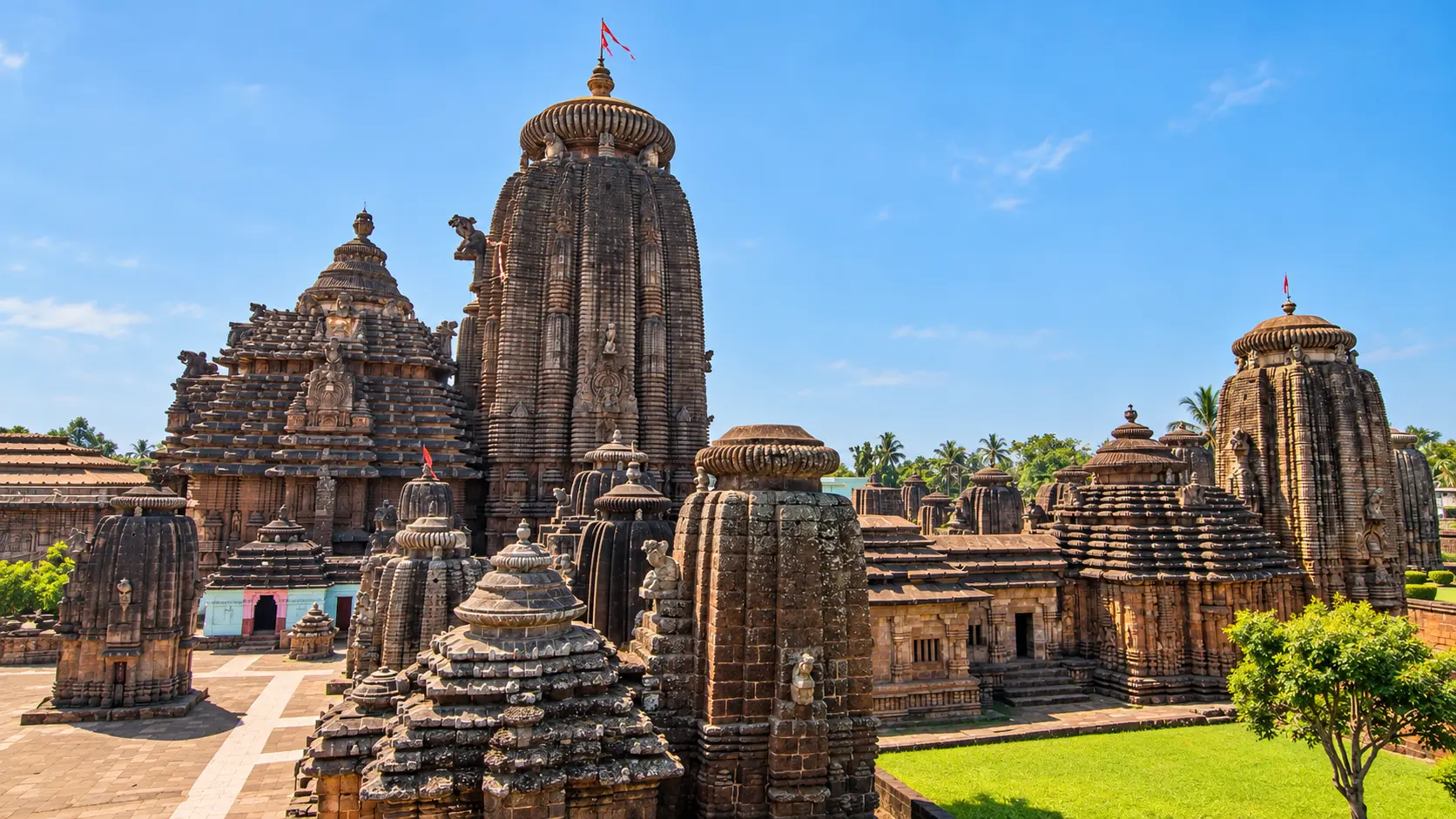
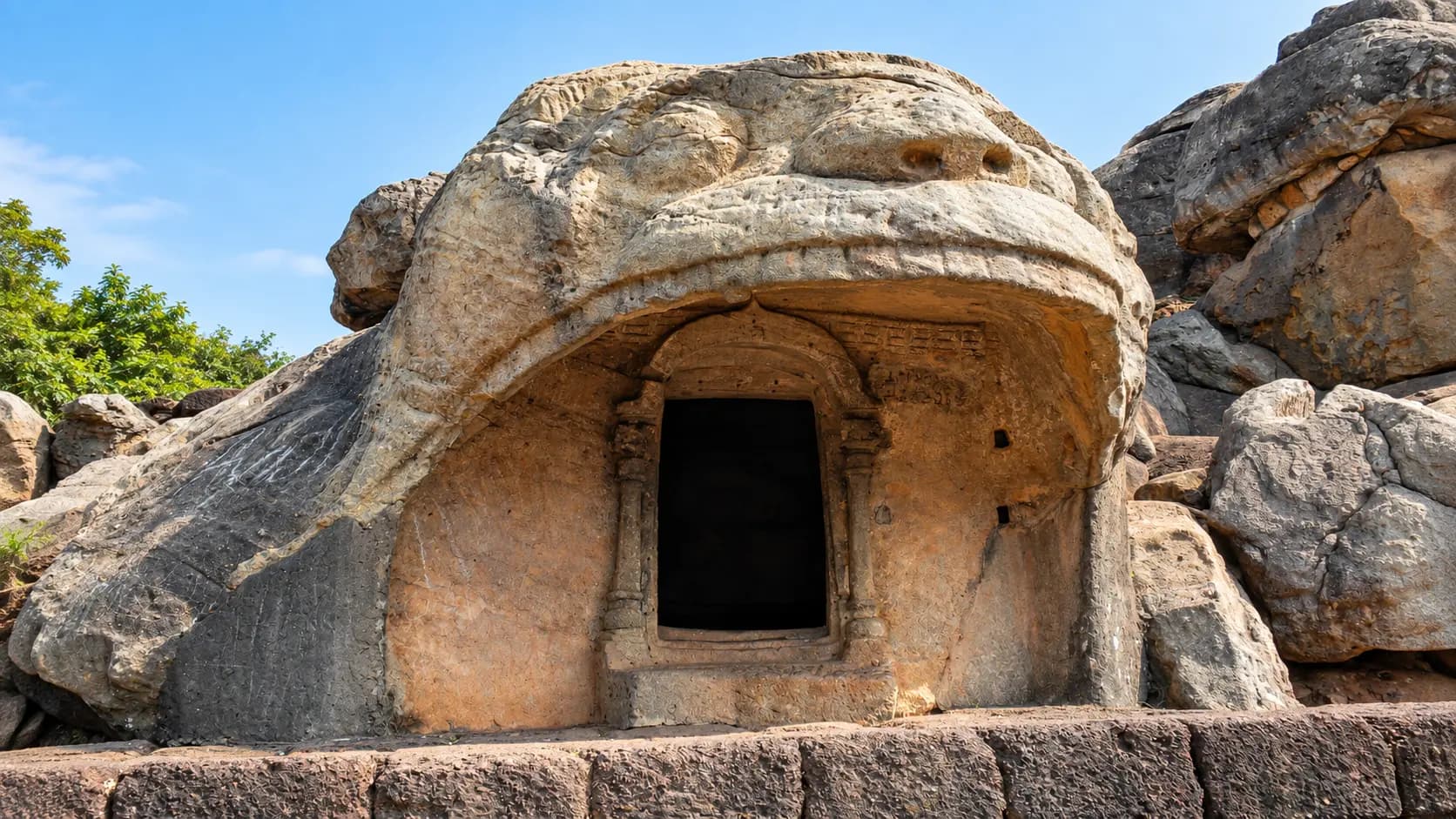
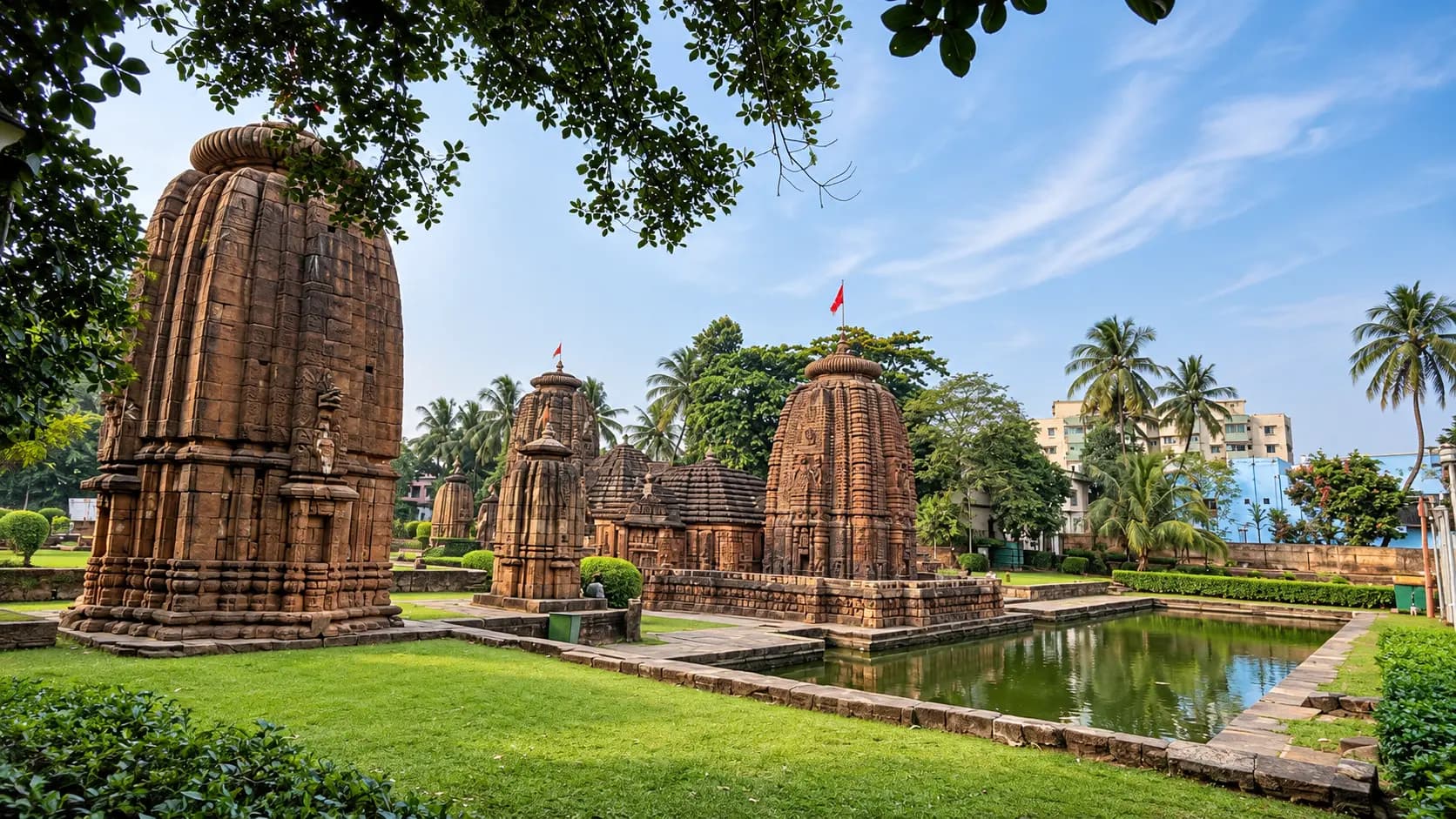
More Hubs in Odisha
Continue exploring other travel hubs in this state
Planning a trip to Golden Triangle?