Bindu Sagar Lake
Complete visitor guide to Bindu Sagar Lake in Old Town Bhubaneswar. Discover ancient ghats, Jala Mandir, Chandan Yatra, Ananta Vasudeva Temple, and spiritual rituals.
Location
Golden Triangle, Odisha
A closer look
Your visit, at a glance.
Golden Triangle, Odisha
GET TO KNOW THE PLACE
Resting like a liquid mirror in the spiritual heart of Old Town Bhubaneswar, Bindu Sagar Lake (also reverently known as Bindu Sarovara) is the mythological and ritual focal point…
The story of Bindu Sagar Lake
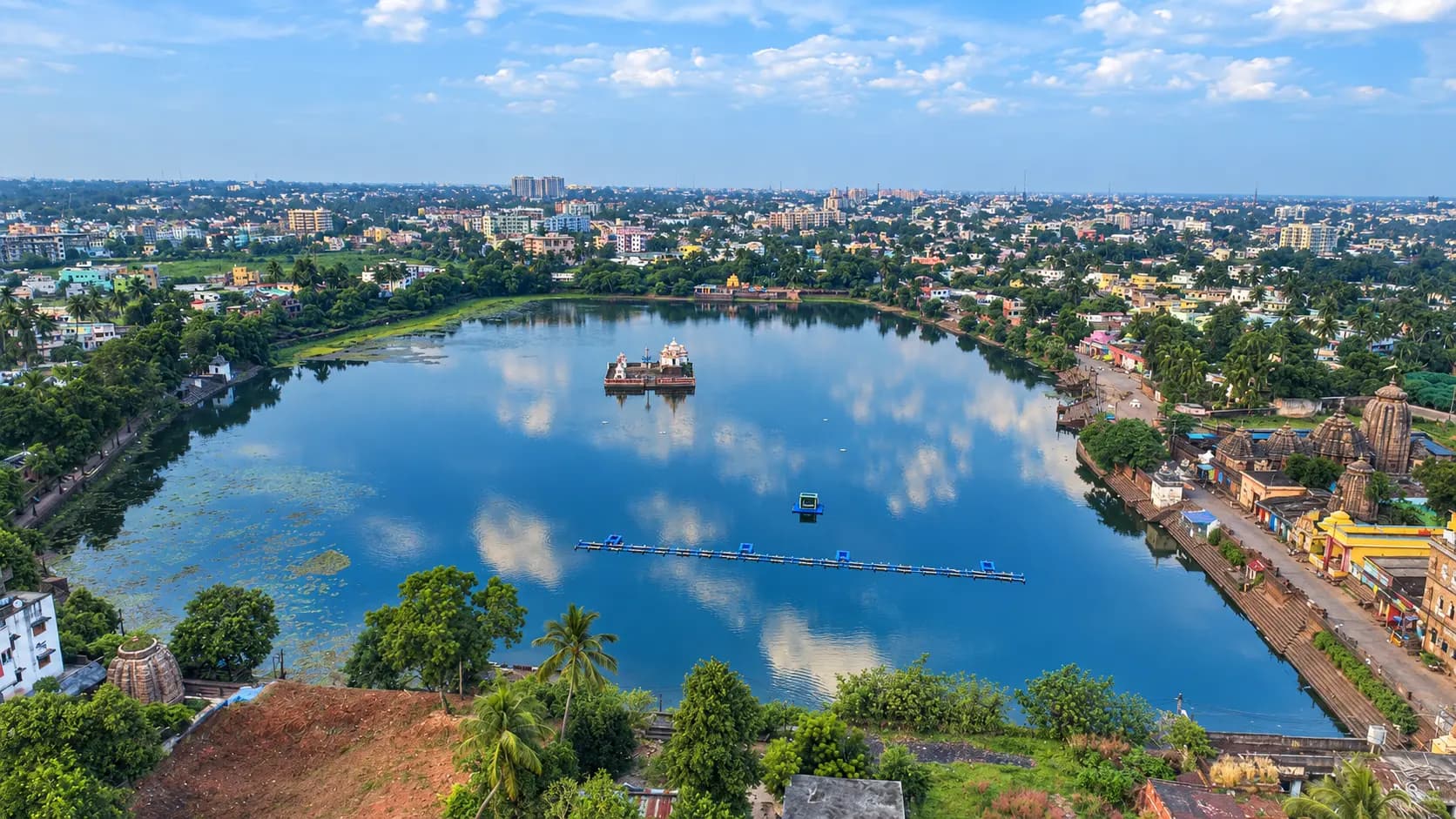
Resting like a liquid mirror in the spiritual heart of Old Town Bhubaneswar, Bindu Sagar Lake (also reverently known as Bindu Sarovara) is the mythological and ritual focal point around which the legendary temple metropolis of Ekamra Kshetra was built. Measuring an impressive 450 metres (1,476 feet) in length and 300 metres (984 feet) in width, this ancient rectangular water body has sustained the spiritual life, religious rituals, and community gatherings of Odisha’s capital city for well over a millennium.
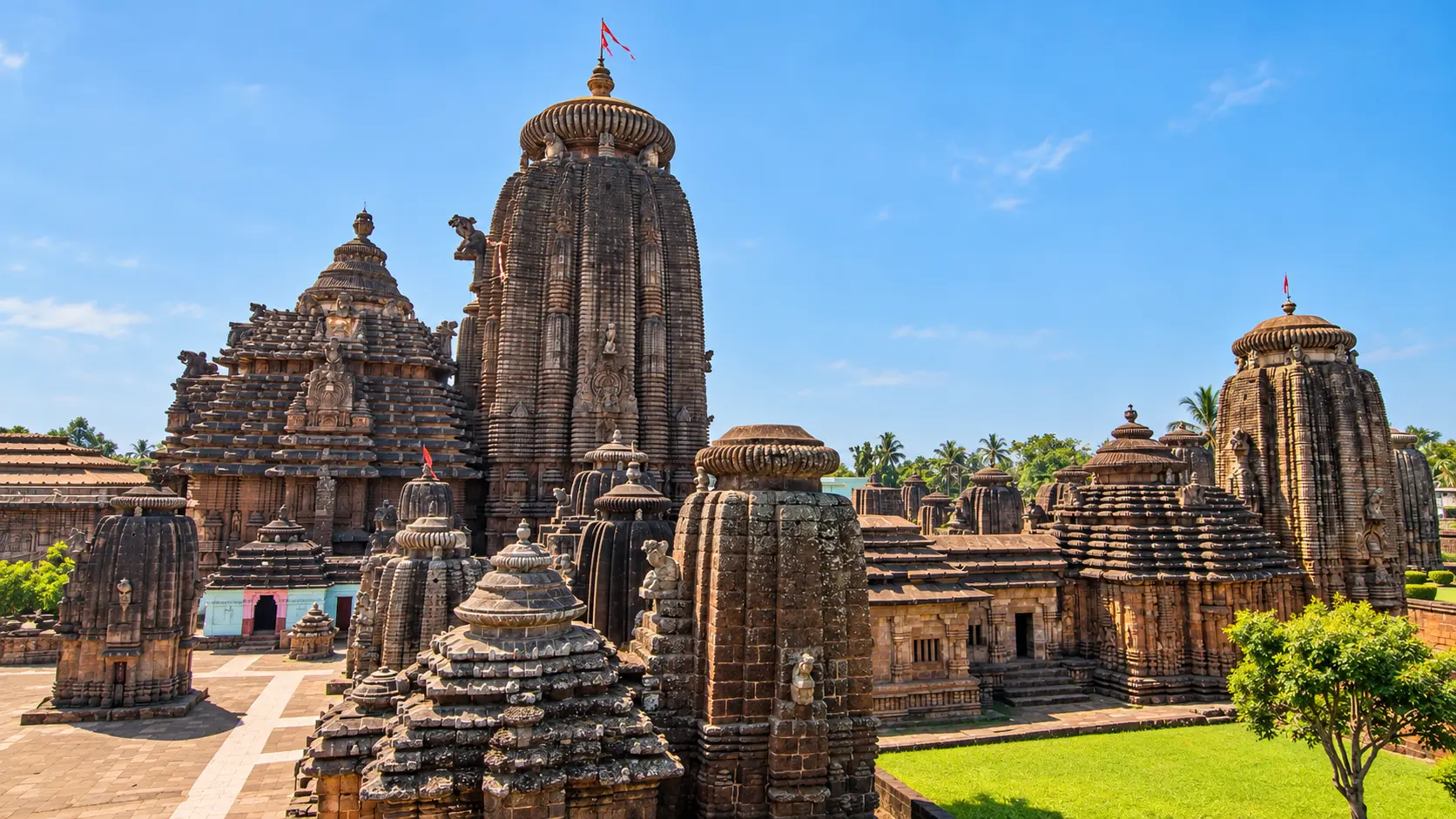
Encircled on all four sides by weathered laterite stone ghats and shadowed by the soaring stone deuls of some of eastern India’s most magnificent 7th to 13th-century temples - including the monumental 11th-century Lingaraj Temple, the 13th-century Ananta Vasudeva Temple, and the archaic Mohini Temple - Bindu Sagar is far more than a municipal reservoir. It is a sanctified repository of pan-Indian spiritual geography. According to sacred Hindu tradition, the lake contains divine drops (bindu) summoned by Lord Shiva from every sacred river, holy stream, and celestial pool across Bharatvarsha, conferring upon anyone who bathes in its waters the collective merit of a pilgrimage across the entire Indian subcontinent.
From the vibrant, twilight rituals of the 22-day summer Chandan Yatra - when the representative idol of Lord Lingaraj is rowed across the rippling waters aboard a swan-shaped barge to the central island pavilion (Jala Mandir) - to the poignant pre-dawn spectacle of Kartika Purnima, when thousands float illuminated toy boats commemorating Kalinga's ancient maritime merchants, Bindu Sagar remains a vibrant living monument of living faith, cultural heritage, and architectural splendor.
Start here. Open a tile for the full details.
Why goRead details
- The Mythological Heart of Ekamra Kshetra: Experience the sacred center of Bhubaneswar's ancient temple city, revered since antiquity as holding waters from all holy rivers in India, including the Ganga, Yamuna, Godavari, and Saraswati.
- The Mysterious Island Pavilion (Jala Mandir): Admire the picturesque sandstone pavilion rising from an elevated stone terrace in the exact center of the lake, serving as the dramatic stage for royal boat festivals.
- Surrounded by Living Heritage Monuments: Walk an ancient perimeter lined with architectural gems, including the towering spire of Lingaraj Temple to the south, Ananta Vasudeva to the east, Mohini Temple to the south bank, and Uttareswar to the north.
- Vibrant Annual Festivals and Boat Pageantry: Witness the breathtaking spectacle of Chandan Yatra in summer, when the deity is ferried in the illuminated chapa boat, and Kartika Purnima at dawn, when thousands float glowing miniature paper and pith boats across the surface.
- Authentic Earthen-Pot Mahaprasad (Abhada): Relish consecrated vegetarian temple feasts cooked in stacked earthen pots at the bustling Ananda Bazar of adjacent Ananta Vasudeva Temple, right on the eastern ghat.
- Peaceful Heritage Promenade: Stroll the revitalized pedestrian parikrama walkways established under the Ekamra Kshetra Heritage Project, offering cool evening breezes, heritage lighting, and captivating reflections of ancient shikharas.
- Ancestral Rites and Spiritual Ablutions: Observe authentic Sanatana Dharma rituals, including dawn snana, pitru tarpan, and pinda daan ceremonies performed along the sacred stepped ghats by traditional priests.
When to visitRead details
Entry & permissionsRead details
Fees, visiting hours and entry rules may change. Confirm the latest details with the official operator or local authority before travelling.
Tariffs, Timings and Regulations
- Admission Fee: Admission to the lake ghats, viewing promenades, and public walking corridors is completely free (₹0) for all Indian citizens and international visitors.
- Opening Hours: The ghats and perimeter walkways are publicly accessible 24 hours a day, 365 days a year. The recommended visitor window is 05:00 AM to 21:00 PM, when streetlights illuminate the water and adjacent temple complexes are open.
- Photography & Videography:
- Photography of the lake, Jala Mandir, ghats, and temple exteriors from the public promenade is permitted and free.
- Photography inside the inner sanctums of active operational temples (such as Lingaraj Temple and Ananta Vasudeva sanctum) is strictly prohibited.
- Drones require mandatory statutory clearance from local administrative and police authorities due to heritage security zones.
- Cleanliness & Conservation Rules: Under municipal heritage conservation bylaws, throwing plastic bottles, wrappers, or domestic waste into the reservoir is strictly illegal. Washing clothes with chemical detergents or swimming in non-designated ritual ghats is strictly prohibited to safeguard water purity.
Plan your visitRead details
The nearest airport is Biju Patnaik International Airport (BBI) in Bhubaneswar, located just 4.5 kilometres northwest of Bindu Sagar. Prepaid airport taxis, app-based cabs (Ola and Uber), and auto-rickshaws operate from the terminal directly to Old Town via Ekamra Marg and Aerodrome Road, reaching the lake in approximately 15 to 20 minutes depending on city traffic.
Explore the full guide - choose a topic below.
Why visit?
The Mythological Heart of Ekamra Kshetra: Experience the sacred center of Bhubaneswar's ancient temple city…Explore detailsClose details
- The Mythological Heart of Ekamra Kshetra: Experience the sacred center of Bhubaneswar's ancient temple city, revered since antiquity as holding waters from all holy rivers in India, including the Ganga, Yamuna, Godavari, and Saraswati.
- The Mysterious Island Pavilion (Jala Mandir): Admire the picturesque sandstone pavilion rising from an elevated stone terrace in the exact center of the lake, serving as the dramatic stage for royal boat festivals.
- Surrounded by Living Heritage Monuments: Walk an ancient perimeter lined with architectural gems, including the towering spire of Lingaraj Temple to the south, Ananta Vasudeva to the east, Mohini Temple to the south bank, and Uttareswar to the north.
- Vibrant Annual Festivals and Boat Pageantry: Witness the breathtaking spectacle of Chandan Yatra in summer, when the deity is ferried in the illuminated chapa boat, and Kartika Purnima at dawn, when thousands float glowing miniature paper and pith boats across the surface.
- Authentic Earthen-Pot Mahaprasad (Abhada): Relish consecrated vegetarian temple feasts cooked in stacked earthen pots at the bustling Ananda Bazar of adjacent Ananta Vasudeva Temple, right on the eastern ghat.
- Peaceful Heritage Promenade: Stroll the revitalized pedestrian parikrama walkways established under the Ekamra Kshetra Heritage Project, offering cool evening breezes, heritage lighting, and captivating reflections of ancient shikharas.
- Ancestral Rites and Spiritual Ablutions: Observe authentic Sanatana Dharma rituals, including dawn snana, pitru tarpan, and pinda daan ceremonies performed along the sacred stepped ghats by traditional priests.
What to expect
The name Bindu Sagar translates literally from Sanskrit and Odia as the "Ocean of Divine Drops" (Bindu meaning…Explore detailsClose details
The Sacred Geography and Mythological Origins
The name Bindu Sagar translates literally from Sanskrit and Odia as the "Ocean of Divine Drops" (Bindu meaning droplet, Sagara meaning ocean). According to the ancient Ekamra Purana and Shiva Purana, the celestial narrative begins when Goddess Parvati took the form of a youthful cowherd maiden (Gopalini) to dwell in the sacred forest of Ekamra (the grove of the solitary mango tree). Two ferocious demon brothers, Kirti and Vasa, sought to conquer her hand by force. The goddess crushed the demons beneath her feet, crushing them into the earth.
Exhausted and parched with scorching thirst following the cosmic duel, Parvati petitioned her divine consort, Lord Shiva, for drinking water. Lord Shiva struck his trident into the bedrock, summoning sanctified waters from all the sacred rivers, streams, and holy pilgrimage tanks of the earth and the heavens - including the Ganga, Yamuna, Saraswati, Godavari, Narmada, Krishna, Cauvery, Sindhu, and Pushkar Sarovar. He gathered one divine droplet (bindu) from each into this single depression, creating a reservoir capable of quenching the goddess’s thirst and purifying any mortal soul of spiritual blemish.
+-----------------------------------------------------------------------------------+
|                           BINDU SAGAR LAKE MAP & GHATS                            |
+-----------------------------------------------------------------------------------+
|                                                                                   |
|                           [ NORTHERN BANK ]                                       |
|                  Uttareswar Temple & Manikarnika Ghat                             |
|                                     │                                             |
|                                     ▼                                             |
|   +---------------------------------------------------------------------------+   |
|   |                           SACRED WATER RESERVOIR                          |   |
|   |                           (450 m x 300 m Surface)                         |   |
|   |                                                                           |   |
| [ WESTERN BANK ]                      ┌─────────────┐       [ EASTERN BANK ]      |
| Pinda Daan Ghats,                     │ JALA MANDIR │       Ananta Vasudeva       |
| Shaded Banyan Groves,                 │(Island Pav.)│       Temple & Ananda Bazar |
| Old Town Alleys                       └─────────────┘       (Abhada Mahaprasad)   |
|                                                                                   |
|   |                                                                           |   |
|   +---------------------------------------------------------------------------+   |
|                                     ▲                                             |
|                                     │                                             |
|                  Mohini Temple, Bindu Sagar Promenade & Parikrama                 |
|                                     │                                             |
|                                     ▼                                             |
|                [ SHREE LINGARAJ TEMPLE (150 m South) ]                            |
|                                                                                   |
+-----------------------------------------------------------------------------------+
The Architecture of the Ghats and Jala Mandir
Bindu Sagar is laid out in a grand cardinal rectangle spanning roughly 13.5 hectares (33.3 acres). The tank perimeter is framed by broad, multi-tiered stepped ghats constructed from massive blocks of local khandolite and laterite stone. Over the centuries, Kings of the Somavamshi and Eastern Ganga dynasties embellished these ghats, providing distinct descending terraces for ceremonial temple baths, domestic ablutions, and Vedic ancestral offerings.
At the exact geometric center of the reservoir stands the Jala Mandir (also called Jagati). Constructed on a raised stone terrace with underwater foundation pillars, this open pavilion features carved stone columns, protective balustrades, and a traditional pyramidal roof. During festival nights, the island pavilion is draped in fresh marigold garlands, fragrant jasmine ropes, and flickering brass oil lamps, glowing brilliantly against the dark water as the sacred processional boat approaches.
Surrounding Heritage Temples
The immediate perimeter of Bindu Sagar forms one of the densest archaeological precincts in South Asia, with dozens of active and preserved stone monuments spanning six centuries of Kalinga architecture:
- Ananta Vasudeva Temple (Eastern Bank): Built in 1278 CE by Queen Chandrika Devi, daughter of King Anangabhima III, this is the only major Vaishnavite temple in the predominantly Shaivite heartland of Old Town Bhubaneswar. Dedicated to Lord Krishna, Balarama, and Subhadra, it is celebrated for its bustling Ananda Bazar, where hundreds of earthen pots are stacked atop roaring wood fires to prepare authentic temple Mahaprasad (Abhada).
- Lingaraj Temple (Southern Approach): The crown jewel of Kalinga temple architecture, rising 55 metres (180 feet) high, is located just 150 metres south of the lake embankment. Water from Bindu Sagar is drawn daily by temple sevayats for the ritual bathing and purification of the colossal Harihara Linga.
- Mohini Temple (Southern Embankment): A 10th-century Chamunda shrine featuring a squat, early rekha deul that rests directly above the water level, showcasing archaic figural carvings and protective snake deities.
- Uttareswar Temple Complex (Northern Bank): An ancient shrine dedicated to Lord Shiva situated on the northern embankment, surrounded by smaller subsidiary shrines and the revered Manikarnika Kund.
- Markandeyeswar and Sari Deul: Nestled within the narrow heritage lanes merely steps away from the western and southwestern ghats, these intricately carved stone temples illustrate the stylistic transition from the early Bhauma-Kara era to the mature Ganga period.
Living Culture and Festive Traditions
Bindu Sagar is neither a sterile archaeological relic nor an ordinary municipal pond; it is the throbbing nerve center of local spiritual life. Every dawn, long before the sun clears the palm canopies, temple priests (Pujapandas and Badus) perform ceremonial snana, chanting sacred Sanskrit mantras while offering water back to the rising sun. Families gather to perform Tarpan and Pinda Daan for deceased ancestors, offering balls of cooked rice and sesame seeds into the sanctified waters.
During festive seasons, the lake transforms into a spectacular carnival of devotion:
- Chandan Yatra (April - May): Commencing on the auspicious day of Akshaya Tritiya, this 22-day summer festival provides cooling respite for the deities. Each evening, the Chalanti Pratima (representative brass idol) of Lord Lingaraj - accompanied by Goddesses Parvati and Lakshmi - is carried in a lavish palanquin procession to the southern ghat of Bindu Sagar. The deity is placed inside a majestic, swan-headed ceremonial boat (chapa) adorned with silk canopies, fragrant blossoms, and illuminated lanterns. As traditional musicians play the Kahali (trumpet) and Mardala (drum), boatmen row the vessel three or seven times around the island Jala Mandir, while thousands of devotees cheer from the surrounding stone terraces.
- Boita Bandana (Kartika Purnima, October - November): Marking the conclusion of the holy month of Kartika, this dawn maritime festival draws tens of thousands to the shores of Bindu Sagar. Devotees launch colorful miniature boats made of banana bark, cork (sholapith), and paper, laden with lighted earthen lamps, betel leaves, betel nuts, and coins, reciting the iconic Odia refrain "Aa Ka Ma Boi, Pana Gua Thoi, Pana Gua Tora, Masaka Dharama Mora" to honor the ancient merchant sailors (sadhabas) who once embarked from Kalinga ports to Java, Sumatra, Bali, and Ceylon.
Best time to visit
Explore detailsClose details
Seasonal breakdown
Season | Months | Daytime Temp (°C) | Nighttime Temp (°C) | Lake Conditions & Visitor Experience |
|---|---|---|---|---|
Peak Winter | November - February | 24°C - 28°C | 14°C - 18°C | Optimal. Crisp, dry air, cool mornings, and mild sunshine. Perfect for walking the perimeter ghats, exploring heritage temples, and attending Kartika Purnima and Mahashivratri festivities. |
Early Spring | March - April | 30°C - 35°C | 20°C - 24°C | Very Good. Warm afternoons and pleasant evenings. Ideal for witnessing the grand Rukuna Ratha Yatra (Ashokashtami) and the vibrant commencement of Chandan Yatra. |
Summer | May - June | 36°C - 42°C | 26°C - 30°C | Hot & Humid. Midday heat is intense; stone ghats become scorching to walk upon barefoot. However, evenings are lively with the cool breezes of Chandan Yatra boat festivities. |
Monsoon | July - October | 29°C - 33°C | 24°C - 26°C | Lush & Dynamic. The reservoir fills to maximum capacity, and surrounding banyan trees and temple spires turn emerald green under moody monsoon skies. Periodic heavy showers require umbrellas. |
How to reach
The nearest airport is Biju Patnaik International Airport (BBI) in Bhubaneswar, located just 4.5 kilometres…Explore detailsClose details
By Air
The nearest airport is Biju Patnaik International Airport (BBI) in Bhubaneswar, located just 4.5 kilometres northwest of Bindu Sagar. Prepaid airport taxis, app-based cabs (Ola and Uber), and auto-rickshaws operate from the terminal directly to Old Town via Ekamra Marg and Aerodrome Road, reaching the lake in approximately 15 to 20 minutes depending on city traffic.
By Train
Bhubaneswar is a major railway hub on the East Coast Railway network:
- Bhubaneswar Main Railway Station (BBS): Located approximately 5 kilometres northeast of Bindu Sagar. It offers round-the-clock connectivity to all major Indian metropolitan hubs including New Delhi, Kolkata, Mumbai, Chennai, Hyderabad, and Bengaluru. Taxis, auto-rickshaws, and local city buses connect the station directly to Old Town in 20 minutes.
- Lingaraj Temple Road Railway Station (LGTR): Located approximately 2.5 kilometres southwest of the lake, serving local suburban passenger trains and select express services.
By Road & Public Transit
- City Bus Network (Mo Bus): The capital region's clean, air-conditioned Mo Bus system provides frequent, low-cost services directly into Old Town. Route 11 and connecting lines terminate near Lingaraj Temple / Garage Chhak, just a short 5-minute walk from the southern promenade of Bindu Sagar.
- Auto-Rickshaws & E-Rickshaws: Shared and private auto-rickshaws, as well as battery-powered green e-rickshaws, are readily available across Bhubaneswar. Confirm the current charge and what it includes with the operator or service provider. Visitor admission, vehicles, parking, activities and accommodation can have separate charges.
- Private Car & Taxi: Driving via Lewis Road, Tankapani Road, or the newly widened Ekamra heritage corridors leads seamlessly to designated municipal parking plazas located near the southern and eastern approaches.
Entry, timings and permissions
Fees, visiting hours and entry rules may change.Explore detailsClose details
Fees, visiting hours and entry rules may change. Confirm the latest details with the official operator or local authority before travelling.
Tariffs, Timings and Regulations
- Admission Fee: Admission to the lake ghats, viewing promenades, and public walking corridors is completely free (₹0) for all Indian citizens and international visitors.
- Opening Hours: The ghats and perimeter walkways are publicly accessible 24 hours a day, 365 days a year. The recommended visitor window is 05:00 AM to 21:00 PM, when streetlights illuminate the water and adjacent temple complexes are open.
- Photography & Videography:
- Photography of the lake, Jala Mandir, ghats, and temple exteriors from the public promenade is permitted and free.
- Photography inside the inner sanctums of active operational temples (such as Lingaraj Temple and Ananta Vasudeva sanctum) is strictly prohibited.
- Drones require mandatory statutory clearance from local administrative and police authorities due to heritage security zones.
- Cleanliness & Conservation Rules: Under municipal heritage conservation bylaws, throwing plastic bottles, wrappers, or domestic waste into the reservoir is strictly illegal. Washing clothes with chemical detergents or swimming in non-designated ritual ghats is strictly prohibited to safeguard water purity.
Nearby places to consider
Shree Lingaraj Temple (~150 m south): The grandest and most sacred monument in Bhubaneswar, this 11th-century…Explore detailsClose details
- Shree Lingaraj Temple (~150 m south): The grandest and most sacred monument in Bhubaneswar, this 11th-century architectural masterpiece is dedicated to Lord Harihara, featuring a magnificent 55-metre deul surrounded by 150 subsidiary shrines.
- Ananta Vasudeva Temple (~30 m east): The premier 13th-century Vaishnavite temple of Old Town, situated right on the eastern ghat of Bindu Sagar, renowned for its active wood-fired temple kitchens and sacred Mahaprasad.
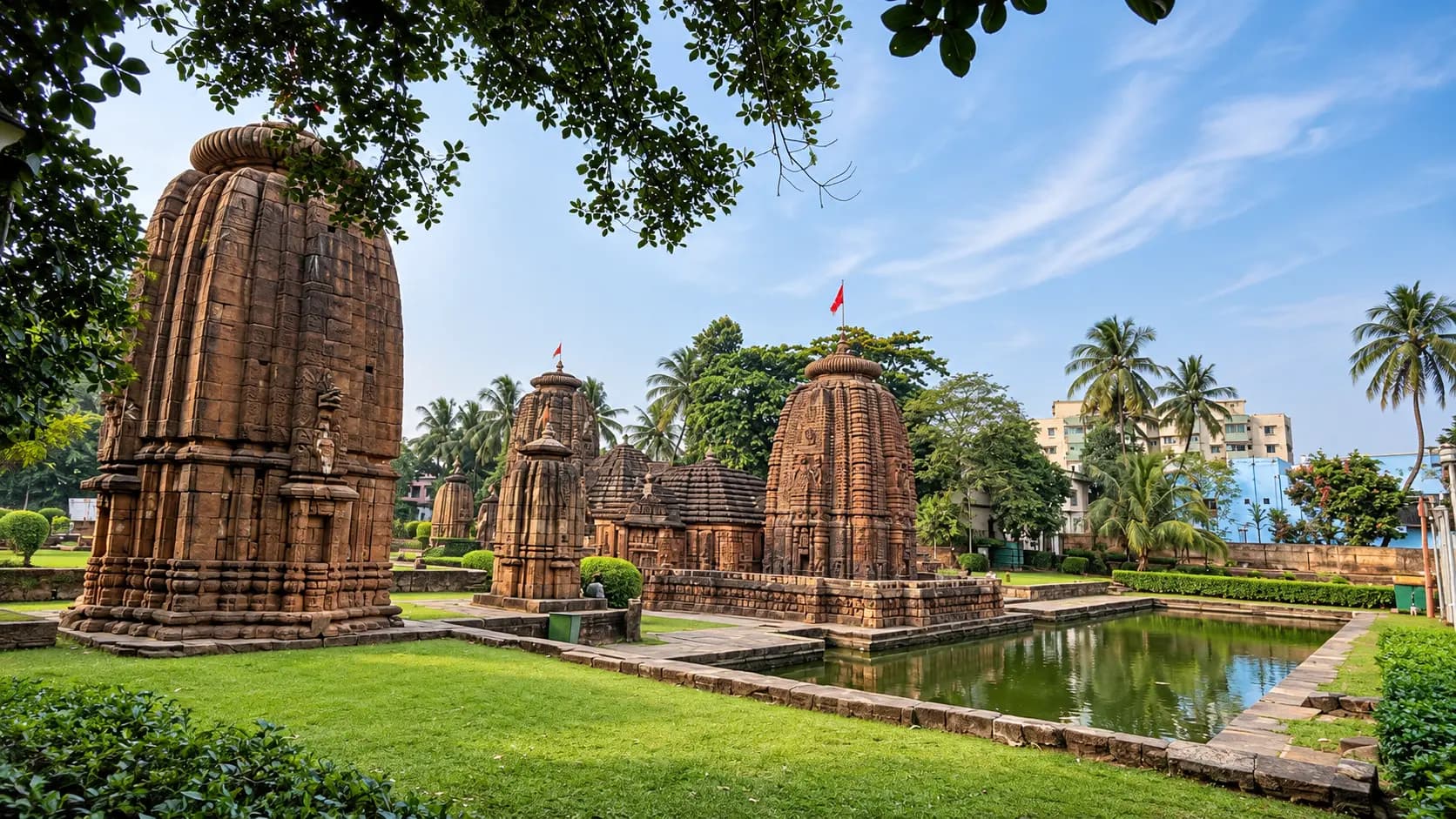
- Mukteswar & Siddheswar Temples (~1.2 km northeast): Widely heralded as the "Gem of Odisha Architecture," famous for its graceful carved stone torana (arched gateway) and exquisite 10th-century carvings.
- Parsurameswar Temple (~1.3 km northeast): One of the oldest surviving stone temples in Bhubaneswar (dating to ~650 CE), featuring exceptionally preserved Bhauma-Kara reliefs of Nataraja, Ganesha, and the Saptamatrikas.
- Rajarani Temple (~2 km east): The 11th-century "Love Temple" sculpted from fine yellowish rajarania sandstone, set in manicured ASI lawns and famed for its sensual nayikas and flying celestial nymphs.
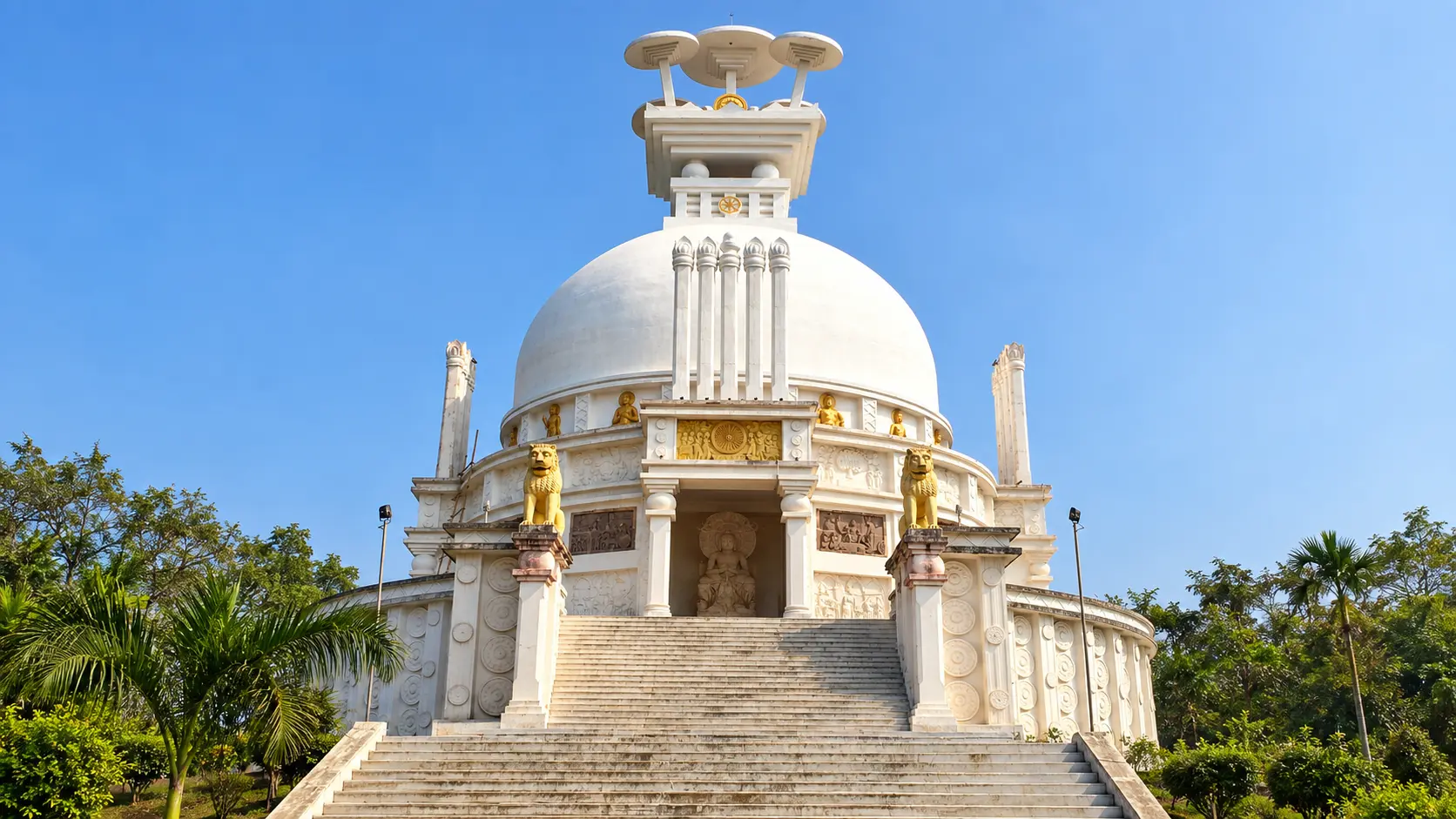
- Dhauli Shanti Stupa (~9 km south): The historic white Buddhist peace pagoda perched atop Dhauli Hill overlooking the Daya River, where Emperor Ashoka renounced warfare following the Kalinga War in 261 BCE.
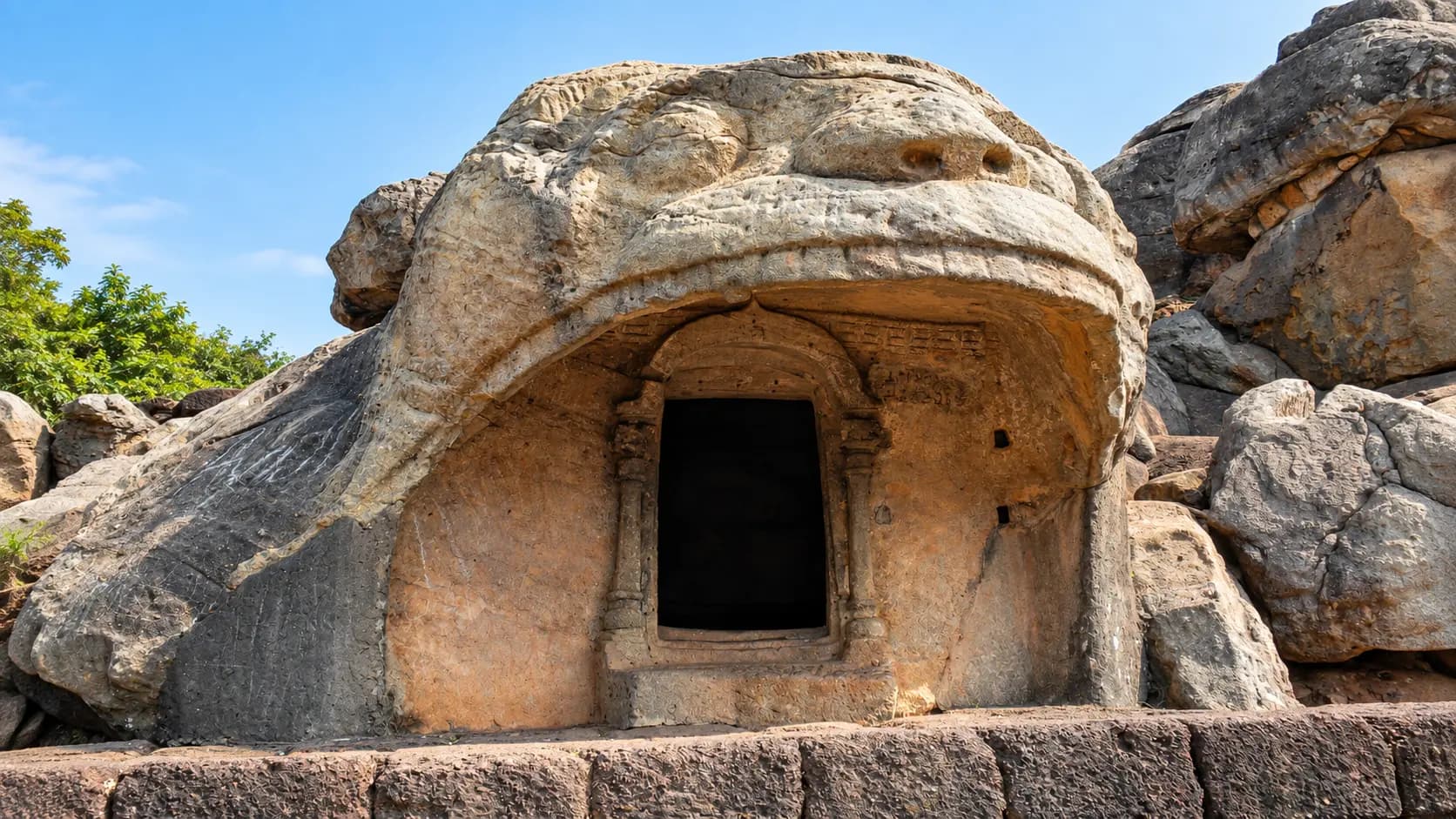
- Udayagiri and Khandagiri Caves (~8 km northwest): Ancient 1st-century BCE Jain rock-cut monasteries featuring the famous multi-line Hathigumpha inscription of Emperor Kharavela.
In pictures
The practical bits
Before you go.
Footwear and Walking Strategy
Plan your walking route during the early morning (06:00 to 09:00 AM) or late afternoon (16:30 to 18:30 PM).Explore detailsClose details
Plan your walking route during the early morning (06:00 to 09:00 AM) or late afternoon (16:30 to 18:30 PM). Strolling around the full rectangular perimeter of Bindu Sagar covers roughly 1.6 kilometres of paved stone walkway. Wear slip-on shoes or sturdy sandals, as you will need to remove your footwear frequently if stepping down onto sanctified bathing ghats or entering adjacent temples. During sunny afternoons, the dark sandstone and laterite steps become uncomfortably hot to traverse barefoot.
Temple Etiquette and Attire
Dress respectfully when visiting the ghats and surrounding heritage shrines.Explore detailsClose details
Dress respectfully when visiting the ghats and surrounding heritage shrines. Shoulders, upper arms, and knees should be modestly covered. While the open lake promenade does not have dress restrictions, non-Hindus are prohibited from entering the inner sanctum and inner compound of the adjacent Shree Lingaraj Temple (though the elevated viewing platform outside the northern boundary wall allows full photographic views). In contrast, the neighboring Ananta Vasudeva Temple allows open public access to its courtyard and Ananda Bazar.
Mahaprasad Lunch Experience at Ananta Vasudeva
Time your visit to coincide with lunch between 12:30 PM and 14:30 PM on the eastern bank of Bindu Sagar.Explore detailsClose details
Time your visit to coincide with lunch between 12:30 PM and 14:30 PM on the eastern bank of Bindu Sagar. At the Ananta Vasudeva Temple’s Ananda Bazar, traditional temple cooks prepare holy Mahaprasad (Abhada) in earthenware pots stacked over wood fires. You can purchase freshly prepared authentic Odia temple cuisine - including aromatic steamed rice, Kanika (sweet fragrant pulao), Dalma (lentils stewed with raw banana, pumpkin, and indigenous tubers), Besara (mustard paste vegetables), and Khatta (tangy tomato-date chutney) - served steaming hot on fresh sal-leaf platters.
Sunset Photography and Reflection Spots
The best vantage point for photography is along the eastern and northeastern ghats looking west and southwest…Explore detailsClose details
The best vantage point for photography is along the eastern and northeastern ghats looking west and southwest during golden hour (17:00 to 18:15 PM). From this angle, the sun sinks directly behind the soaring 55-metre shikhara of Lingaraj Temple and the central Jala Mandir, casting stunning orange, pink, and violet reflections across the rippling surface of Bindu Sagar. Bring a wide-angle lens for capturing the broad ghats and a telephoto lens for isolating carved detail on the island pavilion.
A few things you might wonder
Common questions about visiting Bindu Sagar Lake. Fees, visiting hours and ceremonies are researched details that may change; confirm current arrangements with the operator before travelling.
Why is Bindu Sagar considered so spiritually sacred in Hinduism?
Is there an entry fee to visit Bindu Sagar Lake?
What is the central stone building situated in the middle of Bindu Sagar?
Can tourists taste temple food (Mahaprasad) near Bindu Sagar?
What happens at Bindu Sagar during the Chandan Yatra festival?
What is the significance of Kartika Purnima at Bindu Sagar?
Are non-Hindus allowed to visit Bindu Sagar Lake?
How long does it take to explore Bindu Sagar Lake and its immediate surroundings?
Explore more in Puri Konark Bhubaneswar
Discover other destinations around this hub
More Hubs in Odisha
Continue exploring other travel hubs in this state
Planning a trip to Golden Triangle?