Balukhand-Konark Wildlife Sanctuary
Complete visitor guide to Balukhand-Konark Wildlife Sanctuary in Puri, Odisha.
Location
Golden Triangle, Odisha
A closer look
Your visit, at a glance.
Golden Triangle, Odisha
GET TO KNOW THE PLACE
Stretching as an enchanting, 35-kilometre-long emerald ribbon between the sacred temple city of Puri and the world-renowned Sun Temple at Konark, the Balukhand-Konark Wildlife…
The story of Balukhand-Konark Wildlife Sanctuary
Stretching as an enchanting, 35-kilometre-long emerald ribbon between the sacred temple city of Puri and the world-renowned Sun Temple at Konark, the Balukhand-Konark Wildlife Sanctuary represents one of coastal India's most unique and ecologically vital littoral protected areas. Notified in April 1984 under the Wildlife Protection Act, this 71.72-square-kilometre coastal sanctuary is bordered on the west by the scenic Puri - Konark Marine Drive and on the east by the crashing breakers and golden dunes of the Bay of Bengal, dissected by the estuarine mouths of the Nuanai and Kushabhadra rivers.
Unlike the dense inland deciduous jungles of central Odisha, Balukhand presents an ethereal coastal landscape dominated by whispering stands of towering Casuarina equisetifolia trees, fragrant wild cashew groves, undulating golden sand dunes, and mangrove-fringed brackish creeks. Within this tranquil seaside wilderness thrives a remarkable mammalian community: more than 4,000 spotted deer (Axis axis) that graze peacefully in coastal meadows and stroll along sandy dunes, alongside striped hyenas, fishing cats, golden jackals, and a celebrated breeding herd of blackbucks (Antilope cervicapra) recently reintroduced under a state conservation program.
Moreover, the pristine ocean beaches along the sanctuary’s eastern boundary provide vital nesting habitat for endangered Olive Ridley sea turtles (Lepidochelys olivacea) during the winter and spring breeding season. With eco-tourism centered around the flagship Nuanai Nature Camp, guided e-rickshaw trails, and scenic cycling routes along the Marine Drive, Balukhand-Konark Wildlife Sanctuary delivers an idyllic coastal wildlife retreat that perfectly complements the architectural wonders of Odisha's Golden Triangle.
Start here. Open a tile for the full details.
Why goRead details
- Unique Coastal Littoral Wilderness: Explore a rare 71.72 sq km sanctuary where coastal sand dunes, evergreen Casuarina forests, and tidal estuaries meet the open ocean waves of the Bay of Bengal.
- Thriving Spotted Deer Herds: Observe thousands of graceful spotted deer (Chital) roaming freely through shaded Casuarina glades and drinking from freshwater ponds, often visible directly from the Marine Drive.
- Historic Blackbuck Reintroduction: Learn about the historic wildlife recovery program launched in June 2024 that brought magnificent spiraled-horned blackbucks back to their historic coastal range in Odisha.
- Olive Ridley Sea Turtle Nesting Beaches: Discover the secluded coastal sandbars near the Kushabhadra and Nuanai river mouths, which serve as crucial sporadic nesting grounds for Olive Ridley sea turtles between November and May.
- The Scenic Puri - Konark Marine Drive Corridor: Enjoy one of India's most celebrated road journeys, driving parallel to the sanctuary with towering pine-like Casuarinas on one side and glistening ocean surf on the other.
- Eco-Stay at Nuanai Nature Camp: Experience peaceful overnight glamping in comfortable tented cottages on the banks of the Nuanai River, managed by local community members under the state's award-winning Ecotour Odisha initiative.
- Birdwatching in Coastal Estuaries: Spot over 100 species of resident and migratory coastal birds, including white-bellied sea eagles, ospreys, kingfishers, sandpipers, and terns along the tidal mudflats.
When to visitRead details
Entry & permissionsRead details
Fees, visiting hours and entry rules may change. Confirm the latest details with the official operator or local authority before travelling.
- Sanctuary Timings: Open daily from 06:00 AM to 18:00 PM (daylight hours only).
- Sanctuary Entry Fees:
- Indian Citizens: ₹40 per adult, ₹20 per child.
- Foreign Visitors: ₹100 per person.
- E-Rickshaw Guided Safari (at Nuanai): Approximately ₹20 to ₹50 per passenger for a 45-minute eco-trail tour.
- Nuanai Nature Camp Bookings: Overnight accommodations in eco-cottages and tented suites must be reserved in advance through the official state eco-tourism portal (
ecotourodisha.com). Tariffs range from ₹4,000 to ₹6,000 per room per night, including all meals and guided forest walks. - Permissions and Conservation Rules: No prior travel permits are required for day visitors. Driving private motor vehicles off-road onto sand dunes or beaches is strictly illegal. The use of drones, campfires, loud speakers, and feeding wild animals is strictly prohibited under the Wildlife Protection Act.
Plan your visitRead details
The nearest operational commercial airport is Biju Patnaik International Airport (BBI) in Bhubaneswar, located approximately 68 kilometres northwest. The airport provides frequent non-stop flights to all major Indian metropolitan hubs (New Delhi, Mumbai, Kolkata, Bengaluru, Hyderabad, Chennai). From the airport, private tourist taxis take approximately 1.5 hours to reach the Nuanai sanctuary gate via the 4-lane National Highway 316 to Puri and the Marine Drive onwards.
Explore the full guide - choose a topic below.
Why visit?
Unique Coastal Littoral Wilderness: Explore a rare 71.72 sq km sanctuary where coastal sand dunes, evergreen…Explore detailsClose details
- Unique Coastal Littoral Wilderness: Explore a rare 71.72 sq km sanctuary where coastal sand dunes, evergreen Casuarina forests, and tidal estuaries meet the open ocean waves of the Bay of Bengal.
- Thriving Spotted Deer Herds: Observe thousands of graceful spotted deer (Chital) roaming freely through shaded Casuarina glades and drinking from freshwater ponds, often visible directly from the Marine Drive.
- Historic Blackbuck Reintroduction: Learn about the historic wildlife recovery program launched in June 2024 that brought magnificent spiraled-horned blackbucks back to their historic coastal range in Odisha.
- Olive Ridley Sea Turtle Nesting Beaches: Discover the secluded coastal sandbars near the Kushabhadra and Nuanai river mouths, which serve as crucial sporadic nesting grounds for Olive Ridley sea turtles between November and May.
- The Scenic Puri - Konark Marine Drive Corridor: Enjoy one of India's most celebrated road journeys, driving parallel to the sanctuary with towering pine-like Casuarinas on one side and glistening ocean surf on the other.
- Eco-Stay at Nuanai Nature Camp: Experience peaceful overnight glamping in comfortable tented cottages on the banks of the Nuanai River, managed by local community members under the state's award-winning Ecotour Odisha initiative.
- Birdwatching in Coastal Estuaries: Spot over 100 species of resident and migratory coastal birds, including white-bellied sea eagles, ospreys, kingfishers, sandpipers, and terns along the tidal mudflats.
What to expect
The name Balukhand translates from Odia as the "Tract of Sand" (Balu meaning sand, Khanda meaning tract)…Explore detailsClose details
The Geographic Layout and Littoral Ecosystem
The name Balukhand translates from Odia as the "Tract of Sand" (Balu meaning sand, Khanda meaning tract), reflecting the sanctuary's foundation upon ancient marine sand dunes. Established originally as coastal shelterbelt plantations following devastating historic cyclones, the dense stands of Casuarina equisetifolia and Anacardium occidentale (cashew) have evolved over decades into a rich semi-natural ecosystem.
The sanctuary forms a continuous ecological corridor between two major rivers: the Nuanai River on the southern boundary near Puri and the Kushabhadra River near Ramachandi on the northern boundary. Freshwater wetlands, seasonal rain-fed ponds, and tidal mangrove patches dot the interior, providing crucial drinking water and browsing vegetation for wild herbivores.
+-----------------------------------------------------------------------------------+
|                        BALUKHAND-KONARK WILDLIFE SANCTUARY MAP                    |
+-----------------------------------------------------------------------------------+
|                                                                                   |
|  [ Puri Town & Jagannath Temple (8 km SW) ]                                       |
|              │                                                                    |
|              ▼                                                                    |
|     [ NUANAI RIVER GATE ] ─── Nuanai Nature Camp, E-Rickshaw Safaris & Trails     |
|              │                                                                    |
|              │ (Puri-Konark Marine Drive: 35 km scenic coastal forest corridor)   |
|              ▼                                                                    |
|     [ BELESWAR FOREST SECTION ] ── Dense Casuarina groves & spotted deer herds    |
|              │                                                                    |
|              ▼                                                                    |
|     [ KUSHABHADRA RIVER MOUTH / RAMACHANDI ] ── Mangrove creeks & turtle beaches  |
|              │                                                                    |
|              ▼                                                                    |
|  [ KONARK SUN TEMPLE & CHANDRABHAGA (25 km NE) ]                                  |
|                                                                                   |
+-----------------------------------------------------------------------------------+
The Wildlife: Spotted Deer and the Return of the Blackbuck
The primary wildlife attraction of Balukhand is its extraordinarily dense and habituated population of spotted deer (Axis axis). With an estimated population exceeding 4,000 individuals, deer herds can be seen grazing peacefully under the dappled shadows of the Casuarina canopy throughout the morning and late afternoon. Visitors taking nature walks or riding e-rickshaws along designated eco-tracks can routinely observe stags with magnificent multi-tined antlers sparring or leading family groups across the sandy trails.
Equally remarkable is the sanctuary's conservation history with the blackbuck (Antilope cervicapra). Balukhand was historically one of the few places in India where blackbuck herds inhabited coastal sand dunes rather than dry inland scrublands. However, habitat fragmentation and feral dog predation led to a severe local decline over the past two decades. In June 2024, the Odisha Forest Department initiated a landmark translocation and reintroduction program, establishing a predator-proof conservation breeding enclosure within the sanctuary. Today, healthy herds of blackbucks are once again thriving along the coastal dunes, monitored by forest staff and camera traps.
In addition to deer and antelopes, the sanctuary provides refuge to nocturnal carnivores and smaller mammals, including the striped hyena, jungle cat, fishing cat, golden jackal, Indian fox, common mongoose, and wild boar.
Marine Life and Olive Ridley Turtles
Along the eastern seaward edge of the sanctuary, the wild sandy beaches are relatively free of artificial light pollution and human interference. Between November and May, solitary female Olive Ridley sea turtles crawl ashore under the cover of night, digging deep egg pits in the warm sands before returning to the sea. The Puri Wildlife Division operates protective turtle hatcheries at Nuanai, Beleswar, and Ramachandi, where forest guards relocate vulnerable nests to fenced enclosures to protect eggs from predatory wild boars and stray dogs, releasing hundreds of thousands of hatchlings safely into the Bay of Bengal each spring.
Ecotourism at Nuanai Nature Camp
The primary visitor and eco-tourism hub of the sanctuary is the Nuanai Nature Camp, situated on the banks of the Nuanai River just 8 km northeast of Puri town. Operated under the state government's community-managed Ecotour Odisha initiative, the camp features air-conditioned Swiss cottage tents and wooden chalets nestled under shady Casuarina trees. The camp serves as the departure point for guided nature walks, silent battery-operated e-rickshaw safaris into the interior forest trails, and leisurely boat rides along the tranquil Nuanai river estuary. The on-site restaurant serves wholesome, traditional Odia vegetarian and fish meals prepared fresh by local eco-development committee members.
Best time to visit
Explore detailsClose details
Seasonal breakdown
Season | Months | Daytime Temp (°C) | Nighttime Temp (°C) | Sanctuary Conditions & Wildlife Sightings |
|---|---|---|---|---|
Peak Winter | November - February | 25°C - 28°C | 16°C - 19°C | Optimal. Pleasant coastal breezes, mild temperatures, active deer herds grazing in daylight, and start of the Olive Ridley turtle nesting season. |
Early Spring | October & March | 29°C - 33°C | 20°C - 23°C | Very Good. Pleasant morning and evening forest walks. Excellent birdwatching along the Nuanai estuary. Moderate midday warmth. |
Pre-Monsoon Summer | April - June | 34°C - 38°C | 27°C - 30°C | Hot & Humid. High humidity and coastal heat. Wildlife retreats into dense thickets during midday; safaris must be completed before 08:30 AM or after 16:30 PM. |
Monsoon Season | July - September | 30°C - 33°C | 25°C - 27°C | Lush & Fresh. Heavy monsoon showers wash the coastal forest into brilliant emerald green. Waterholes fill up, though muddy tracks can restrict e-rickshaw tours. |
How to reach
The nearest operational commercial airport is Biju Patnaik International Airport (BBI) in Bhubaneswar, located…Explore detailsClose details
By air
The nearest operational commercial airport is Biju Patnaik International Airport (BBI) in Bhubaneswar, located approximately 68 kilometres northwest. The airport provides frequent non-stop flights to all major Indian metropolitan hubs (New Delhi, Mumbai, Kolkata, Bengaluru, Hyderabad, Chennai). From the airport, private tourist taxis take approximately 1.5 hours to reach the Nuanai sanctuary gate via the 4-lane National Highway 316 to Puri and the Marine Drive onwards.
By train
The sanctuary is exceptionally close to Puri Railway Station (station code: PURI), situated just 8 kilometres southwest of the main Nuanai gate:
- Puri is a major East Coast Railway terminal served by premier high-speed trains including the Vande Bharat Express, Shatabdi, Purushottam Express, and Duronto Express. Confirm the current charge and what it includes with the operator or service provider. Visitor admission, vehicles, parking, activities and accommodation can have separate charges.
By road
Access by road is among the most scenic and straightforward in eastern India:
- Along the Puri - Konark Marine Drive (NH-316A): The sanctuary runs directly parallel to the Marine Drive. Travelers driving from Puri toward Konark enter the sanctuary perimeter just 5 km outside Puri town. The main eco-tourism gate at Nuanai is clearly signposted near Toshali Sands.
- From Konark (25 km / 30 minutes): Drive southwest along the Marine Drive toward Puri; the sanctuary borders the road for almost the entire journey.
- From Bhubaneswar (65 km / 1.5 hours): Follow NH-316 south to Puri, then take the Marine Drive bypass directly to the Nuanai gate.
Entry, timings and permissions
Fees, visiting hours and entry rules may change.Explore detailsClose details
Fees, visiting hours and entry rules may change. Confirm the latest details with the official operator or local authority before travelling.
- Sanctuary Timings: Open daily from 06:00 AM to 18:00 PM (daylight hours only).
- Sanctuary Entry Fees:
- Indian Citizens: ₹40 per adult, ₹20 per child.
- Foreign Visitors: ₹100 per person.
- E-Rickshaw Guided Safari (at Nuanai): Approximately ₹20 to ₹50 per passenger for a 45-minute eco-trail tour.
- Nuanai Nature Camp Bookings: Overnight accommodations in eco-cottages and tented suites must be reserved in advance through the official state eco-tourism portal (
ecotourodisha.com). Tariffs range from ₹4,000 to ₹6,000 per room per night, including all meals and guided forest walks. - Permissions and Conservation Rules: No prior travel permits are required for day visitors. Driving private motor vehicles off-road onto sand dunes or beaches is strictly illegal. The use of drones, campfires, loud speakers, and feeding wild animals is strictly prohibited under the Wildlife Protection Act.
Nearby places to consider
Konark Sun Temple (~25 km northeast): UNESCO World Heritage monument celebrated worldwide for its breathtaking…Explore detailsClose details
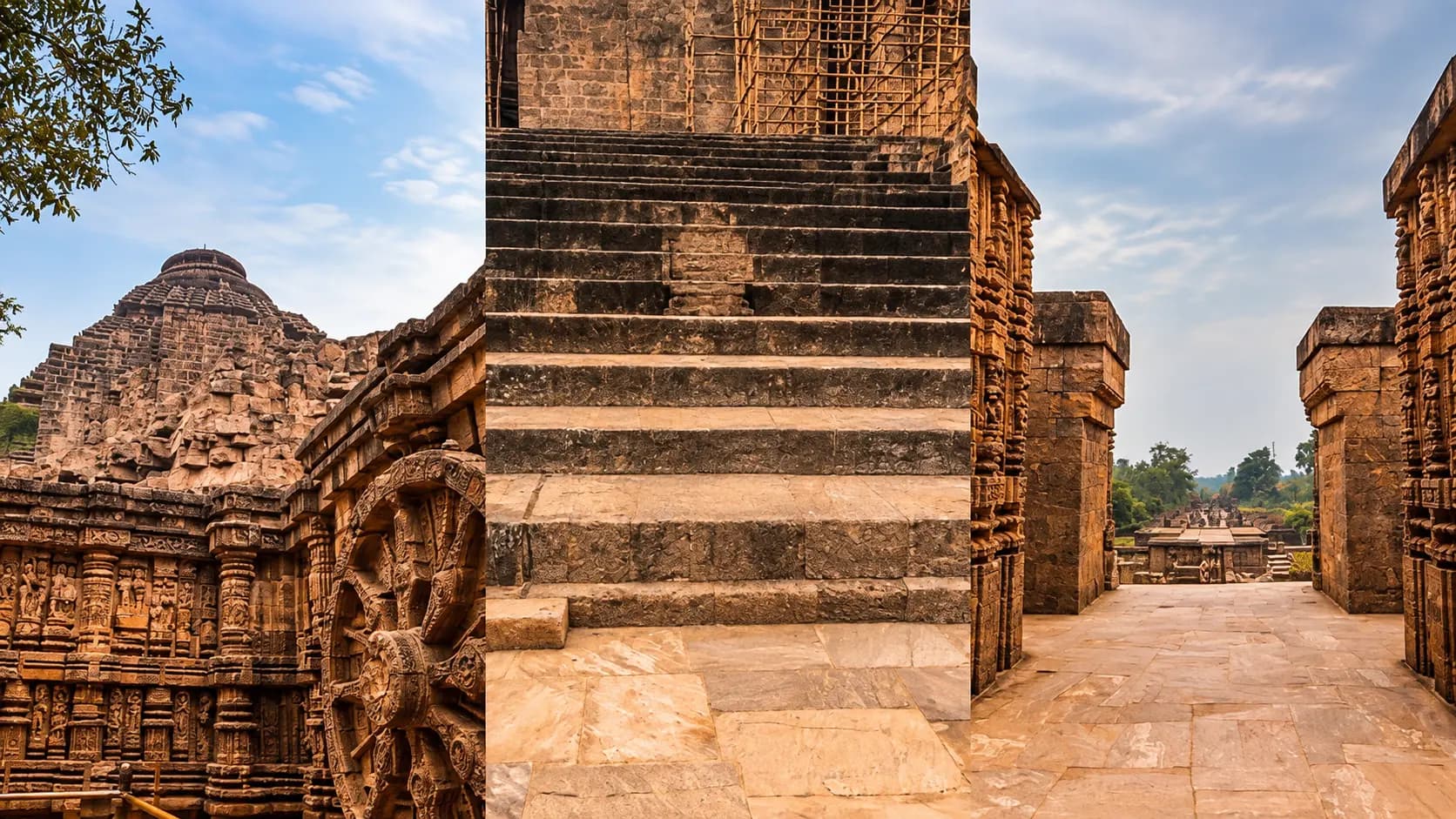
- Konark Sun Temple (~25 km northeast): UNESCO World Heritage monument celebrated worldwide for its breathtaking 13th-century chariot architecture and erotic stone carvings.
- Chandrabhaga Beach (~23 km northeast): Renowned Blue Flag certified beach famous for sacred sunrise rituals, tranquil golden sands, and clean swimming facilities.
- Ramachandi Beach & Temple (~18 km northeast on Marine Drive): A picturesque beach and river confluence where the Kushabhadra River meets the Bay of Bengal, famous for water sports and the ancient shrine of Goddess Ramachandi.
- Shree Jagannath Temple, Puri (~8 km southwest): The sacred 12th-century Char Dham pilgrimage epicenter of Odisha, home to Lord Jagannath, Balabhadra, and Subhadra.
- Puri Golden Beach (~8 km southwest): The lively Blue Flag certified ocean promenade of Puri, celebrated for swimming, morning camel rides, and fresh seafood street markets.
In pictures
The practical bits
Before you go.
Scheduling for Peak Deer Activity
Spotted deer in Balukhand are crepuscular, meaning they are most active during dawn and dusk.Explore detailsClose details
Spotted deer in Balukhand are crepuscular, meaning they are most active during dawn and dusk. Check the current visiting hours and permitted access with the site operator before departure; ceremonies, closures and visitor sessions can affect access.
Clothing and Footwear
Wear comfortable, breathable cotton clothing in neutral, earthy shades (olive, beige, brown, or dull green) that…Explore detailsClose details
Wear comfortable, breathable cotton clothing in neutral, earthy shades (olive, beige, brown, or dull green) that blend into the coastal forest. Avoid bright neon or white garments that startle wildlife. Sturdy walking shoes or sports shoes are ideal for navigating sandy, unpaved nature trails. Carry a light windbreaker or sweater for early morning and evening strolls during winter months.
Sun and Mosquito Protection
While the dense Casuarina canopy provides pleasant shade, walking across open sand dunes involves intense coastal…Explore detailsClose details
While the dense Casuarina canopy provides pleasant shade, walking across open sand dunes involves intense coastal sunlight. Bring a wide-brimmed sun hat, UV-blocking sunglasses, and sunscreen. In the late afternoon around sunset, coastal estuaries can experience mosquito activity; pack a reliable mosquito repellent lotion or spray.
Respecting Wildlife and Dunes
Never attempt to approach deer or blackbuck too closely on foot, as sudden movements can cause panic and cause…Explore detailsClose details
Never attempt to approach deer or blackbuck too closely on foot, as sudden movements can cause panic and cause animals to bolt onto the busy Marine Drive highway. Keep voices low, and always remain on established nature paths to prevent eroding fragile coastal sand dunes held together by delicate dune-grass roots.
A few things you might wonder
Common questions about visiting Balukhand-Konark Wildlife Sanctuary. Fees, visiting hours and ceremonies are researched details that may change; confirm current arrangements with the operator before travelling.
What wildlife can I see at Balukhand-Konark Wildlife Sanctuary?
Where is the main entry gate and eco-tourism center for the sanctuary?
How much is the entry fee for Balukhand-Konark Wildlife Sanctuary?
Can tourists stay overnight inside the sanctuary?
What is the best time of day to see spotted deer in the sanctuary?
Are private cars allowed inside the core forest trails of the sanctuary?
How does Balukhand-Konark Wildlife Sanctuary help Olive Ridley sea turtles?
Can I visit Balukhand on the way from Puri to Konark?
Explore more in Puri Konark Bhubaneswar
Discover other destinations around this hub
More Hubs in Odisha
Continue exploring other travel hubs in this state
Planning a trip to Golden Triangle?