Odisha State Maritime Museum
Comprehensive visitor guide to Odisha State Maritime Museum in Cuttack. Discover the historic 1869 Jobra Workshop, Kalinga boatbuilding, aquarium, and hours.
Location
Bhitarkanika & Cuttack, Odisha
Duration
Allow time for the galleries and any additional attraction you confirm.
Best Time
The operator lists Tuesday - Sunday, 10 am - 4:30 pm, with Monday closed. Confirm special closures before a dedicated journey.
Difficulty
Ask the museum about accessible entrances, gallery access and seating; full air-conditioning and step-free access throughout are not certified.
A closer look
Your visit, at a glance.
Bhitarkanika & Cuttack, Odisha
GET TO KNOW THE PLACE
The Odisha State Maritime Museum, situated along the tranquil southern embankment of the Mahanadi River at Jobra in Cuttack, stands as eastern India's premier institution…
The story of Odisha State Maritime Museum
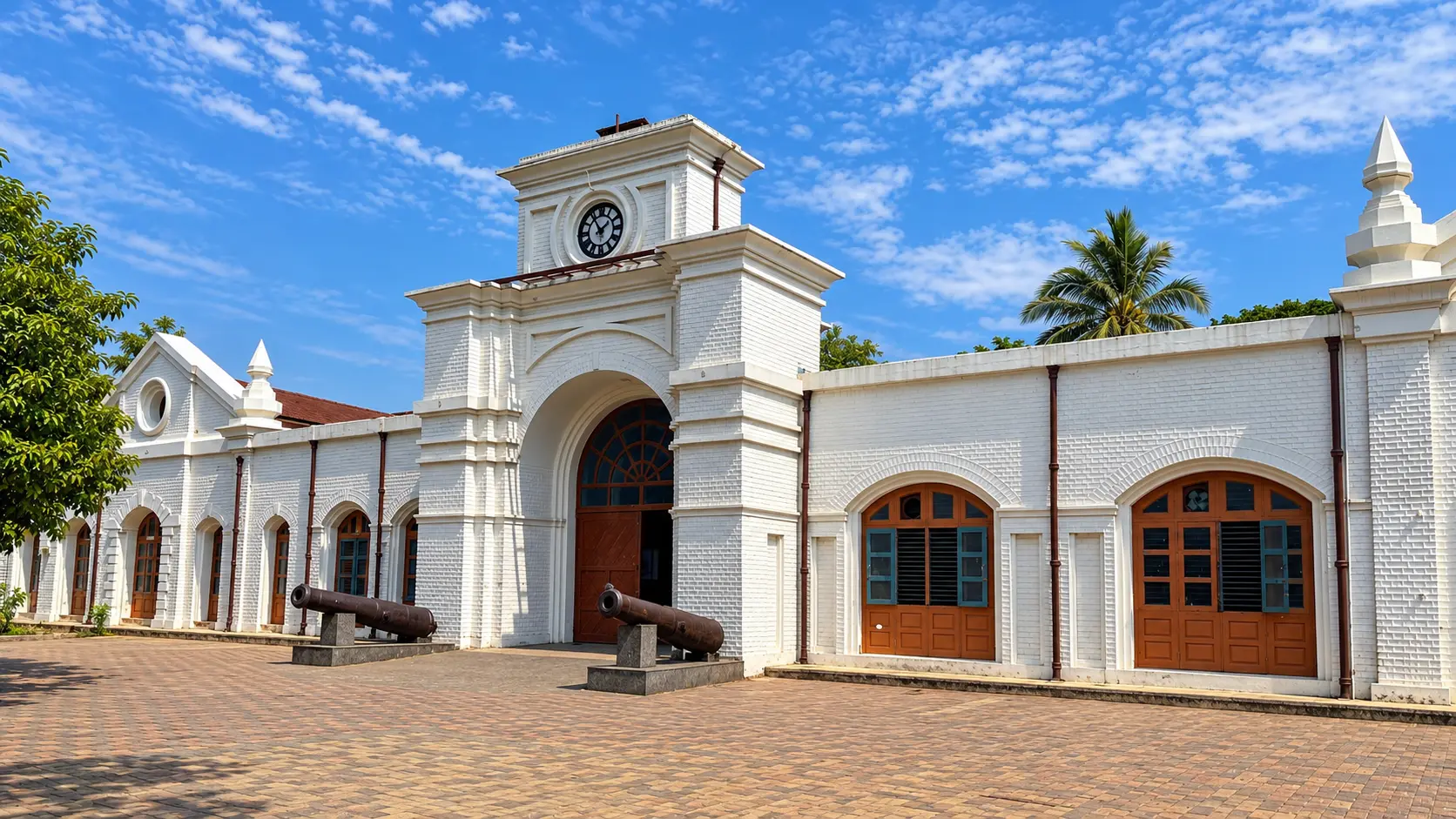
The Odisha State Maritime Museum, situated along the tranquil southern embankment of the Mahanadi River at Jobra in Cuttack, stands as eastern India's premier institution dedicated to oceanic heritage, traditional shipbuilding, and 19th-century industrial engineering. Spread across an expansive 4.5-acre riverfront campus, this celebrated museum is uniquely housed within the meticulously restored brick-and-stone structures of the historic Jobra Workshop. Built in 1869, this venerable industrial facility was once the sole canal navigation and mechanical maintenance depot serving three vast provinces - Bengal, Bihar, and Odisha - under the Bengal Presidency of British India. Today, having undergone an exhaustive conservation effort led by the Water Resources Department of the Government of Odisha, the site has been reborn as a world-class cultural complex where ancient seafaring lore intersects with Victorian engineering antiquity.
For centuries before the modern era, the ancient kingdom of Kalinga (modern-day Odisha) was synonymous with trans-oceanic navigation and maritime trade. Ancient Roman chroniclers like Pliny the Elder and Greco-Egyptian geographers like Ptolemy recorded the thriving maritime emporia dotting the Odishan littoral, from Tamralipti and Chelitalo to Palur and Manikapatna. Braving the monsoonal winds of the Bay of Bengal, ancient Odia seafarers - celebrated in folklore as Sadhavas - navigated sturdy wooden vessels (Boitas) across the Indian Ocean to trade fine textiles, elephant tusks, diamonds, and aromatic spices with the golden kingdoms of Suvarnabhumi, Java, Sumatra, Bali, Borneo, and Ceylon. This illustrious legacy of trans-oceanic commerce laid the cultural foundations for Indianized Southeast Asian civilizations and continues to be commemorated today across Odisha during the annual festival of Boita Bandana and the mega-carnival of Baliyatra.
At the same time, the museum tells an equally poignant modern story rooted in the tragic landscape of colonial drought and famine. Following the devastating Orissa Famine of 1866 (known in regional history as the Na'Anka Durbhiksha), in which more than a third of coastal Odisha's population perished due to crop failures and utter transit isolation, British authorities realized that roads were non-existent and that inland navigation canals offered the only viable lifeline for emergency grain transport. Under the direction of visionary Scottish civil engineer George Henderson Faulkner, the Public Works Department constructed the Jobra Workshop on the banks of the Mahanadi to fabricate massive steel sluice gates, iron barges, steam tugs, and dredging machinery required for the Mahanadi Anicut, the Taladanda Canal, and the High-Level Coast Canal network. The preserved workshops, sawmills, blacksmith forges, and dry docks provide an extraordinary physical window into this pivotal turning point in Indian hydraulic engineering.
Today, the Odisha State Maritime Museum encompasses 10 primary thematic galleries, multiple restored outdoor industrial exhibits, an exotic multi-tank aquarium showcasing regional riverine and marine biotopes, interactive 4D audio-visual simulators, and landscaped riverfront gardens overlooking the modern Jobra Barrage. Whether marveling at full-scale traditional boat replicas, examining antique astrolabes and brass compasses, watching exotic freshwater stingrays and Arapaima fish, or exploring the cavernous halls where steam-driven belts once hummed, visitors to the museum encounter a multi-layered narrative of courage, craftsmanship, and human resilience spanning over two millennia.
Start here. Open a tile for the full details.
Why goRead details
Within the Jobra Workshop Gallery, original machine tools - including massive belt-driven cast-iron lathes, vertical drill presses, heavy-duty shaping machines, overhead gantry cranes, and blacksmith hearths manufactured in Glasgow, Leeds, and Manchester - remain preserved in their original operative positions. These heavy machines once operated 24 hours a day, forging iron anchor chains, repairing river steamboats, and machining the colossal sluice gates that tamed the turbulent monsoon floods of the Mahanadi delta.
When to visitRead details
Because the Odisha State Maritime Museum combines climate-controlled indoor galleries with open-air workshop yards, riverfront gardens, and outdoor boat sheds, choosing the appropriate season and time of day ensures a comfortable, unhurried visit:
Entry & permissionsRead details
Fees, visiting hours and entry rules may change. Confirm the latest details with the official operator or local authority before travelling.
The Odisha State Maritime Museum is maintained as an accessible, family-friendly public heritage institution managed by the Water Resources Department of the Government of Odisha:
+-----------------------------------------------------------------------------------+
|                        MUSEUM OPERATIONAL RULES & TARIFFS                         |
+------------------------+----------------------------------------------------------+
| Category               | Regulatory Policy / Guidelines                           |
+------------------------+----------------------------------------------------------+
| Operating Hours        | Tuesday to Sunday: 10:00 AM to 17:00 PM                   |
|                        | (Ticket counter closes at 16:30 PM)                      |
+------------------------+----------------------------------------------------------+
| Weekly Closure         | STRICTLY CLOSED EVERY MONDAY & on national holidays      |
+------------------------+----------------------------------------------------------+
| General Museum Entry   | ₹10 per Indian adult; Free for children under 5 years;   |
|                        | ₹50 per foreign national                                 |
+------------------------+----------------------------------------------------------+
| Specialized Attractions| Exotic Aquarium: ₹30 - ₹50 per head                        |
| (Optional Add-ons)     | 4D SFX Cinema Hall: ₹70 per show                         |
|                        | Mirror Maze (Children): ₹20 per entry                    |
+------------------------+----------------------------------------------------------+
| Vehicle Parking        | Two-wheeler: ₹5 | Auto-rickshaw: ₹10 | Car: ₹20          |
| Charges                | Mini-bus: ₹50 | Large Tour Bus: ₹75                      |
+------------------------+----------------------------------------------------------+
| Photography Policy     | Still camera: Allowed (nominal fee/mobile photography    |
|                        | permitted in general halls; no flash in aquarium)        |
+------------------------+----------------------------------------------------------+
| Drone Regulations      | Commercial drones and UAV flights strictly PROHIBITED    |
|                        | without written clearance from Water Resources Dept      |
+-----------------------------------------------------------------------------------+
Admission Policies and Add-on Ticket Pricing
Admission to the Odisha State Maritime Museum is exceptionally economical. General entry tickets cost just ₹10 for Indian adults, while children below five years of age enter free of charge, and foreign tourists are charged ₹50. This base ticket grants comprehensive access to all 10 historical galleries, the restored Jobra Workshop sheds, the outdoor sawmill, the boat shed, and the landscaped riverfront gardens.
Visitors wishing to experience specialized auxiliary entertainment can purchase supplemental tickets at the counter:
- Exotic Aquarium: ₹30 to ₹50 per person.
- 4D SFX Cinema Hall: ₹70 per person for an immersive 15-minute cinematic experience.
- Mirror Maze / Children's Activity Room: ₹20 per entry.
Tickets can be purchased on the spot via cash or UPI digital payment, or booked in advance via the museum's official web portal (odishastatemaritimemuseum.org).
Operating Hours and Weekly Monday Closure
The museum opens promptly at 10:00 AM and concludes operations at 17:00 PM, with entry ticket sales closing at 16:30 PM. The museum operates six days a week from Tuesday through Sunday.
Important Notice: The museum is completely closed on Mondays for scheduled conservation work, tank water filtration, and premises maintenance. It is also closed on major national holidays (Republic Day, Independence Day, Gandhi Jayanti) and festive holidays like Holi and Diwali.
Photography Rules and Site Etiquette
- Mobile and Camera Usage: Non-commercial still photography using mobile phones or handheld cameras is permitted across the general galleries, courtyards, and workshop sheds.
- Aquarium Lighting Rules: Strictly do not use flash photography inside the Exotic Aquarium. Sudden bursts of bright artificial light severely stress and blind delicate aquatic creatures.
- Videography and Drones: Professional filming, tripod setups, and commercial recording require prior written permission from the museum curator. Flying civilian drones or unmanned aerial vehicles (UAVs) is strictly forbidden across the museum campus and the adjacent Jobra Barrage security zone.
- Heritage Preservation: Do not climb on antique wooden boats, sit on iron gantry equipment, or touch delicate maritime epigraphs and charts.
Plan your visitRead details
The Odisha State Maritime Museum is conveniently located in the Jobra locality of eastern Cuttack, well integrated into the urban road, rail, and regional air transportation networks:
Explore the full guide - choose a topic below.
Why visit?
Unlike standard museums housed within sterile, modern concrete galleries, the Odisha State Maritime Museum is an…Explore detailsClose details
The Living 19th-Century Industrial Legacy of Jobra Workshop
Unlike standard museums housed within sterile, modern concrete galleries, the Odisha State Maritime Museum is an authentic piece of living industrial archaeology. The complex occupies the original stone-and-lime masonry buildings of the Jobra Workshop, established in 1869. Walking through its lofty arched bays with exposed timber trusses and cast-iron pillars transports visitors directly into the late Industrial Revolution.
Within the Jobra Workshop Gallery, original machine tools - including massive belt-driven cast-iron lathes, vertical drill presses, heavy-duty shaping machines, overhead gantry cranes, and blacksmith hearths manufactured in Glasgow, Leeds, and Manchester - remain preserved in their original operative positions. These heavy machines once operated 24 hours a day, forging iron anchor chains, repairing river steamboats, and machining the colossal sluice gates that tamed the turbulent monsoon floods of the Mahanadi delta.
Ancient Kalinga's Trans-Oceanic Seafaring and the Sadhavas
The museum provides an unparalleled, scholarly tribute to the legendary Sadhavas - the fearless merchant mariners of ancient Kalinga who dominated the trade routes of the Bay of Bengal for more than fifteen centuries. Through detailed dioramas, ancient trade maps, and archaeological artifacts unearthed from coastal sites like Sisupalgarh and Manikapatna, the Maritime History Gallery brings alive the trade corridors that connected coastal Odisha with the Malacca Strait, Sri Lanka, and China.
Visitors learn how Kalingan merchants traded Odishan tussar silks, fine muslin, iron weaponry, conch shells, and betel nuts in exchange for cloves, sandalwood, porcelain, and gold from Southeast Asian kingdoms. The exhibits vividly depict how this continuous merchant intercourse led to the transmission of Odia temple architecture, Kalinga Brahmi script, and religious iconography to Indonesia, Cambodia, and Champa, creating enduring cultural affinities that survive in Balinese Hindu culture today.
Master Craft of Traditional Boat Building and Rivercraft
One of the most captivating sections of the museum is the Boat and Ship Building Gallery, accompanied by the outdoor Boat Shed. Odisha developed some of the most sophisticated indigenous watercraft designs in South Asia, uniquely engineered to negotiate shallow estuarine bars, turbulent river rapids, and high-energy ocean surf.
Visitors can inspect meticulously crafted full-scale models and authentic surviving wooden boats, including:
- The Boita: The classic, high-prowed deep-sea trading vessel with multiple masts, steering oars, and spacious cargo holds designed for ocean transits.
- The Chhoat: A sturdy, flat-bottomed clinker-built wooden vessel engineered specifically for navigating the treacherous tidal currents and sandbanks of the Dhamra and Baitarani river mouths.
- The Patia: A slender, nimble river craft utilized for fishing and freight movement across the interior channels of the Mahanadi and Kathajodi rivers.
- The Koshali: A specialized upland riverboat designed to carry heavy timber and agricultural produce down through the turbulent gorges of Sambalpur and Tikarpada.
The exhibits detail the traditional science of timber seasoning, the sacred rites of tree selection (Briksha Puja), the secret formulas of indigenous pitch and tree-resin caulking (Jhuna) that rendered hulls watertight, and the specialized iron joinery employed by Odia master carpenters (Bindhanis).
The Exotic Aquarium and Regional Aquatic Biotopes
Inaugurated in August 2014, the museum's Exotic Aquarium adds a vibrant living biological dimension to the historic complex. Housing 11 beautifully illuminated display tanks, the facility is designed around an educational biotope concept showcasing the four premier aquatic ecosystems of Odisha: the freshwater rapids of the Mahanadi River, the brackish estuarine lagoons of Chilika Lake, the tidal mangrove creeks of Bhitarkanika, and the alluvial waters of the Baitarani River.
Alongside indigenous riverine fish, the aquarium shelters magnificent exotic species from tropical rivers worldwide. Highlights include the prehistoric Arapaima gigas (one of the world's largest freshwater fish, native to the Amazon basin), predatory South American red-tail catfish, colorful Japanese Koi carp swimming in landscaped viewing ponds, dangerous marine lionfish, and delicate clownfish nestled within anemones, making it an extraordinary favorite for children and biology enthusiasts.
Immersive Multi-Sensory Displays: 4D Theatre and Interactive Models
To engage younger generations and modern travelers, the museum incorporates state-of-the-art interactive technology. A dedicated 4D SFX Theatre features motion-synchronized seating, wind bursts, water spray, and 3D visual projection, taking viewers on an adrenaline-pumping virtual voyage through stormy monsoon seas aboard an ancient merchant ship.
In the Navigation Gallery, interactive working displays allow visitors to test their skills at finding latitude using a replica sextant, charting celestial courses by the North Star (Dhruvatara), and operating coastal lighthouse beacon lenses, effectively bridging ancient observational astronomy with modern satellite-based GPS navigation.
What to expect
Visiting the Odisha State Maritime Museum is an expansive, multi-layered journey that seamlessly blends outdoor…Explore detailsClose details
Visiting the Odisha State Maritime Museum is an expansive, multi-layered journey that seamlessly blends outdoor industrial exploration with indoor gallery study:
+-----------------------------------------------------------------------------------+
|                        MUSEUM CAMPUS LAYOUT & VISITOR ZONES                       |
+-----------------------------------------------------------------------------------+
| Campus Zone                | Featured Exhibits & Architecture                     |
+----------------------------+------------------------------------------------------+
| Historic Entrance Complex  | Victorian ticket pavilion, luggage counter, and      |
|                            | commemorative archway flanking Jobra Road.           |
+----------------------------+------------------------------------------------------+
| 10 Main Indoor Galleries   | Introduction, Maritime History, Boat Building,       |
|                            | Jobra Workshop, Navigation, Coastal Monuments, etc.  |
+----------------------------+------------------------------------------------------+
| Outdoor Industrial Yard    | Restored steam sawmill, open-air boat shed,          |
|                            | historic blacksmith forges, and massive navy anchors.|
+----------------------------+------------------------------------------------------+
| Waterfront Dry Dock        | Historic river slipway on the Mahanadi where steam   |
|                            | tugs and canal barges were hauled out for repairs.   |
+----------------------------+------------------------------------------------------+
| Living Exotic Aquarium     | 11 thematic tanks featuring Amazonian Arapaima,      |
|                            | regional Chilika & Mahanadi biotopes, and marine reef|
+----------------------------+------------------------------------------------------+
| Modern Entertainment & F&B | 4D SFX cinema hall, children's mirror maze, outdoor  |
|                            | amphitheatre, garden cafeteria, and souvenir kiosks. |
+-----------------------------------------------------------------------------------+
Arrival and the Historic Workshop Compound
Visitors enter the museum campus directly from Jobra Road, passing through landscaped entry gates into a clean, paved central plaza bordered by royal palm trees, antique marine anchors, and British-era naval cannons. The heritage stone buildings feature distinctive reddish-ochre plaster, high arched doorways, and sweeping sloping roofs that reflect classical 19th-century utilitarian colonial architecture.
After purchasing tickets at the automated counter, visitors can deposit bags at the secure cloakroom and proceed into the main gallery arcade. Audio-visual orientation screens in the entrance lobby provide a brief documentary outlining the transformation of the derelict PWD workshop into a national museum.
Exploring the 10 Primary Thematic Galleries
The interior exhibits are systematically organized along a logical chronological and thematic loop:
- Introduction Gallery: Sets the geographic stage with archaeological maps of ancient Kalinga, port locations, and epigraphic records.
- Maritime History Gallery: Showcases the golden age of maritime trade, featuring detailed scale dioramas of Bali Yatra fleets, merchant lifestyle, and trade commodities.
- Boat Building Gallery: A deeply educational space featuring cutaway ship models, joinery techniques, and traditional carpentry hand tools.
- Jobra Workshop Gallery: The industrial sanctum sanctorum, retaining original cast-iron machine tools, shaft-drive pulleys, and photographic records of Scottish engineer G.H. Faulkner.
- Navigation Gallery: Traces the evolution of maritime guidance from sea-bird tracking and monsoon wind charting to brass compasses, chronometers, and electric coastal beacons.
- Coastal Monuments Gallery: Details how ancient navigators used prominent shoreline religious monuments - such as the Konark Sun Temple ("Black Pagoda") and Puri Jagannath Temple ("White Pagoda") - as visual landmarks to navigate along the coast of Odisha.
- Ritual Traditions Gallery: Celebrates folk traditions, including the song of Ta'apoi, women's maritime vows (Khudurukuni Osha), and models of decorative bark-and-paper boats floated during Kartika Purnima.
The Outdoor Industrial Heritage: Sawmill, Boat Shop, and Dry Dock
Stepping outside into the open courtyards reveals the heavy engineering heart of the 19th-century facility. The Historic Sawmill houses massive circular and vertical saws connected to overhead steam transmission shafts, used for processing timber rafted down the Mahanadi from the dense sal forests of Sambalpur and Boudh.
Nearby, the Boat Shed displays actual full-scale traditional riverboats, while the riverside Dry Dock and Slipway slopes gently down to the water's edge. Here, canal dredgers, steam launches, and patrol boats were pulled onto iron cradles using heavy winches for caulking, hull replating, and boiler inspections. Standing on the slipway offers an expansive panoramic vista of the vast Mahanadi River, the modern Jobra Barrage gates, and the distant hills flanking the delta.
The Marine Aquarium Experience
Housed in a modern, climate-controlled pavilion adjacent to the central gardens, the Exotic Aquarium offers a dramatic contrast of cool darkness and luminous blue water tanks. The exhibits are maintained with crystal-clear water filtration systems and educational signage in Odia, English, and Hindi. Visitors can observe giant freshwater predators, delicate saltwater reef fish, and endemic riverine species up close, providing a refreshing 30-to-45-minute interlude during the museum tour.
Best time to visit
Because the Odisha State Maritime Museum combines climate-controlled indoor galleries with open-air workshop…Explore detailsClose details
Because the Odisha State Maritime Museum combines climate-controlled indoor galleries with open-air workshop yards, riverfront gardens, and outdoor boat sheds, choosing the appropriate season and time of day ensures a comfortable, unhurried visit:
Season | Months | Weather, River Conditions & Visitor Experience |
|---|---|---|
Winter Peak (Best Time) | October to March | Temperature: 15°C - 28°C. Mild sunshine, pleasant breezes from the Mahanadi. Perfect for exploring outdoor sawmills, gardens, and attending the vibrant Baliyatra festival (Nov). |
Summer Season (Hot & Humid) | April to June | Temperature: 28°C - 40°C. Intense midday heat and coastal humidity. Plan visits for morning (10:00-12:30) or late afternoon; focus on air-cooled galleries and aquarium. |
Monsoon Season | July to September | Temperature: 25°C - 33°C. Heavy tropical rains; the Mahanadi River swells dramatically with all barrage gates opened. Lush green gardens, dramatic cloudy skies, indoor touring. |
Winter Season (October to March) - The Undisputed Golden Window
The winter months represent the absolute pinnacle for visiting the Odisha State Maritime Museum. During this period, the coastal plains of Cuttack enjoy dry, sunny, and temperate weather, with daytime temperatures hovering comfortably between 22°C and 28°C, dropping to a crisp 15°C in the evenings. A refreshing river breeze continuously blows off the waters of the Mahanadi across the museum lawns.
Visitors can spend hours outdoors exploring the exposed dry docks, examining outdoor anchors, and strolling along the riverfront promenade without experiencing fatigue or intense sun glare. Furthermore, visiting in November allows travelers to witness the historic Baliyatra festival, held along the Mahanadi riverbank near Barabati Fort just a short drive to the west, where millions celebrate ancient Kalinga's maritime merchants with fairgrounds, cultural pageants, and evening boat-floating rituals.
Summer Season (April to June) - High Temperatures and Indoor Touring
Summer in Cuttack brings intense tropical heat, with daytime temperatures routinely climbing to 38°C or 40°C accompanied by high humidity. Midday outdoor exploration of the paved industrial yards and metal exhibits can be uncomfortably warm.
Check the current visiting hours and permitted access with the site operator before departure; ceremonies, closures and visitor sessions can affect access.
Monsoon Season (July to September) - Swelling Waters and Dramatic Vistas
The southwest monsoon season transforms the geography of Cuttack. Heavy downpours in the upper catchment of Chhattisgarh and western Odisha cause the Mahanadi River to swell into a colossal, muddy ocean of water extending over two kilometres wide. Standing near the museum's riverfront perimeter or dry dock provides a breathtaking, awe-inspiring view of the raging river waters rushing through the open sluice gates of the adjacent Jobra Barrage.
While passing monsoon showers may require an umbrella when transitioning between heritage sheds, the museum's landscaped gardens appear lush, vibrant, and deep green, and the indoor galleries provide excellent shelter from rainy squalls.
How to reach
The Odisha State Maritime Museum is conveniently located in the Jobra locality of eastern Cuttack, well…Explore detailsClose details
The Odisha State Maritime Museum is conveniently located in the Jobra locality of eastern Cuttack, well integrated into the urban road, rail, and regional air transportation networks:
+-----------------------------------------------------------------------------------+
|                        REGIONAL GATEWAYS & URBAN APPROACH                         |
|                                                                                   |
|   Biju Patnaik Airport (BBI), Bhubaneswar          Cuttack Junction Railway (CTC) |
|            (~32 km / 50 mins via NH-16)                 (~3.5 km / 12 mins drive) |
+------------------------------------------+----------------------------------------+
                                           |
                                           v
+-----------------------------------------------------------------------------------+
|                           CENTRAL URBAN ARTERY: CUTTACK                           |
|   Approached via Ring Road / Cantonment Road / Malgodown Road -> Jobra Road        |
+------------------------------------------+----------------------------------------+
                                           |
                                           | (Direct paved waterfront approach)
                                           v
+-----------------------------------------------------------------------------------+
|                           ODISHA STATE MARITIME MUSEUM                            |
|             Jobra Barrage Riverfront | Gated Parking Plaza | Ticket Office        |
+-----------------------------------------------------------------------------------+
Rail Connectivity via Cuttack Junction (CTC)
The museum is exceptionally accessible by train. Cuttack Junction Railway Station (station code: CTC) is located just 3.5 to 4 kilometres west of the museum entrance. Cuttack is one of the premier railway hubs on the East Coast Railway's Howrah - Chennai mainline, served by scores of daily superfast, express, and Vande Bharat trains connecting Cuttack directly with Kolkata, New Delhi, Chennai, Mumbai, Bengaluru, and Hyderabad.
From the station exit, pre-paid auto-rickshaws, cycle-rickshaws, and app-based ride services (Ola, Uber) are readily available. Confirm the current charge and what it includes with the operator or service provider. Visitor admission, vehicles, parking, activities and accommodation can have separate charges.
Road Access and Urban Navigation from Central Cuttack
Cuttack is intersected by National Highway 16 (NH-16), making vehicular transit from neighbouring cities smooth and fast:
- From Badambadi Central Bus Stand (4.5 km south): Cuttack’s primary inter-district bus terminal connects to all parts of Odisha and neighbouring states. From Badambadi, auto-rickshaws and local city buses travel north through Malgodown and Ranihat directly to Jobra Road in 15 to 20 minutes.
- Driving from Bhubaneswar (30 - 32 km): Motorists follow National Highway 16 north across the Kathajodi River bridge into Cuttack. Branch onto the Ring Road or Cantonment Road following signposts for Jobra Barrage. Driving time is approximately 45 to 55 minutes under normal urban traffic conditions.
- Urban Transit (Mo Bus): The Capital Region Urban Transport (CRUT) operates comfortable air-conditioned Mo Bus services linking Bhubaneswar (Airport and Master Canteen Railway Station) with major stops in Cuttack, with convenient connecting auto-rickshaws from nearby stops like Badambadi or SCB Medical College.
Air Connectivity via Bhubaneswar (BBI)
The closest aviation gateway is Biju Patnaik International Airport (airport code: BBI), located approximately 32 kilometres south in central Bhubaneswar. BBI operates frequent non-stop flights to major Indian metros (New Delhi, Mumbai, Bengaluru, Kolkata, Hyderabad, Chennai, Pune) and direct international services to Dubai, Singapore, and Bangkok. Pre-paid airport taxis and app-based cabs take approximately 50 to 60 minutes to reach the museum gates via NH-16.
Entry, timings and permissions
Fees, visiting hours and entry rules may change.Explore detailsClose details
Fees, visiting hours and entry rules may change. Confirm the latest details with the official operator or local authority before travelling.
The Odisha State Maritime Museum is maintained as an accessible, family-friendly public heritage institution managed by the Water Resources Department of the Government of Odisha:
+-----------------------------------------------------------------------------------+
|                        MUSEUM OPERATIONAL RULES & TARIFFS                         |
+------------------------+----------------------------------------------------------+
| Category               | Regulatory Policy / Guidelines                           |
+------------------------+----------------------------------------------------------+
| Operating Hours        | Tuesday to Sunday: 10:00 AM to 17:00 PM                   |
|                        | (Ticket counter closes at 16:30 PM)                      |
+------------------------+----------------------------------------------------------+
| Weekly Closure         | STRICTLY CLOSED EVERY MONDAY & on national holidays      |
+------------------------+----------------------------------------------------------+
| General Museum Entry   | ₹10 per Indian adult; Free for children under 5 years;   |
|                        | ₹50 per foreign national                                 |
+------------------------+----------------------------------------------------------+
| Specialized Attractions| Exotic Aquarium: ₹30 - ₹50 per head                        |
| (Optional Add-ons)     | 4D SFX Cinema Hall: ₹70 per show                         |
|                        | Mirror Maze (Children): ₹20 per entry                    |
+------------------------+----------------------------------------------------------+
| Vehicle Parking        | Two-wheeler: ₹5 | Auto-rickshaw: ₹10 | Car: ₹20          |
| Charges                | Mini-bus: ₹50 | Large Tour Bus: ₹75                      |
+------------------------+----------------------------------------------------------+
| Photography Policy     | Still camera: Allowed (nominal fee/mobile photography    |
|                        | permitted in general halls; no flash in aquarium)        |
+------------------------+----------------------------------------------------------+
| Drone Regulations      | Commercial drones and UAV flights strictly PROHIBITED    |
|                        | without written clearance from Water Resources Dept      |
+-----------------------------------------------------------------------------------+
Admission Policies and Add-on Ticket Pricing
Admission to the Odisha State Maritime Museum is exceptionally economical. General entry tickets cost just ₹10 for Indian adults, while children below five years of age enter free of charge, and foreign tourists are charged ₹50. This base ticket grants comprehensive access to all 10 historical galleries, the restored Jobra Workshop sheds, the outdoor sawmill, the boat shed, and the landscaped riverfront gardens.
Visitors wishing to experience specialized auxiliary entertainment can purchase supplemental tickets at the counter:
- Exotic Aquarium: ₹30 to ₹50 per person.
- 4D SFX Cinema Hall: ₹70 per person for an immersive 15-minute cinematic experience.
- Mirror Maze / Children's Activity Room: ₹20 per entry.
Tickets can be purchased on the spot via cash or UPI digital payment, or booked in advance via the museum's official web portal (odishastatemaritimemuseum.org).
Operating Hours and Weekly Monday Closure
The museum opens promptly at 10:00 AM and concludes operations at 17:00 PM, with entry ticket sales closing at 16:30 PM. The museum operates six days a week from Tuesday through Sunday.
Important Notice: The museum is completely closed on Mondays for scheduled conservation work, tank water filtration, and premises maintenance. It is also closed on major national holidays (Republic Day, Independence Day, Gandhi Jayanti) and festive holidays like Holi and Diwali.
Photography Rules and Site Etiquette
- Mobile and Camera Usage: Non-commercial still photography using mobile phones or handheld cameras is permitted across the general galleries, courtyards, and workshop sheds.
- Aquarium Lighting Rules: Strictly do not use flash photography inside the Exotic Aquarium. Sudden bursts of bright artificial light severely stress and blind delicate aquatic creatures.
- Videography and Drones: Professional filming, tripod setups, and commercial recording require prior written permission from the museum curator. Flying civilian drones or unmanned aerial vehicles (UAVs) is strictly forbidden across the museum campus and the adjacent Jobra Barrage security zone.
- Heritage Preservation: Do not climb on antique wooden boats, sit on iron gantry equipment, or touch delicate maritime epigraphs and charts.
Nearby places to consider
The Odisha State Maritime Museum is situated at the eastern gateway of Cuttack's extraordinary millennium…Explore detailsClose details
The Odisha State Maritime Museum is situated at the eastern gateway of Cuttack's extraordinary millennium heritage corridor:
                            [ Dhabaleswar Island Shiva Temple ]
                          (Serene river island shrine in Mahanadi,
                                    20 km NW via bridge)
                                       ▲
                                       │
[ Barabati Fort & Chandi Temple ] ◄─── [ Maritime Museum Jobra ] ───► [ Jobra Barrage & Park ]
(Citadel ruins & sacred shrine,        │                             (Panoramic river barrage,
  3.5 to 4 km west)                    │                               adjacent east)
                                       ▼
                          [ Netaji Birthplace Museum ]
                        (Ancestral Janakinath Bhawan,
2.5 km southwest)- Jobra Barrage & Deer Park (Adjacent): Located immediately beside the museum, the modern Jobra Barrage stretches across the mighty Mahanadi River. A pedestrian-friendly embankment walkway offers sweeping sunset views over the delta, while a nearby municipal deer park provides green open spaces.
- Netaji Subhash Chandra Bose Birthplace Museum (~2.5 km southwest): Located at Odia Bazar, this historic two-storeyed ancestral mansion (Janakinath Bhawan) is where Netaji was born on January 23, 1897. Its 12 preserved galleries exhibit his childhood study, family letters, personal artifacts, and uniforms.
- Maa Cuttack Chandi Temple (~3.5 km west): The living spiritual heart of Cuttack, venerating the four-armed patron goddess of the city seated upon a lion, famous for her daily liturgies and spectacular 16-day Sharadiya Durga Puja transformations.
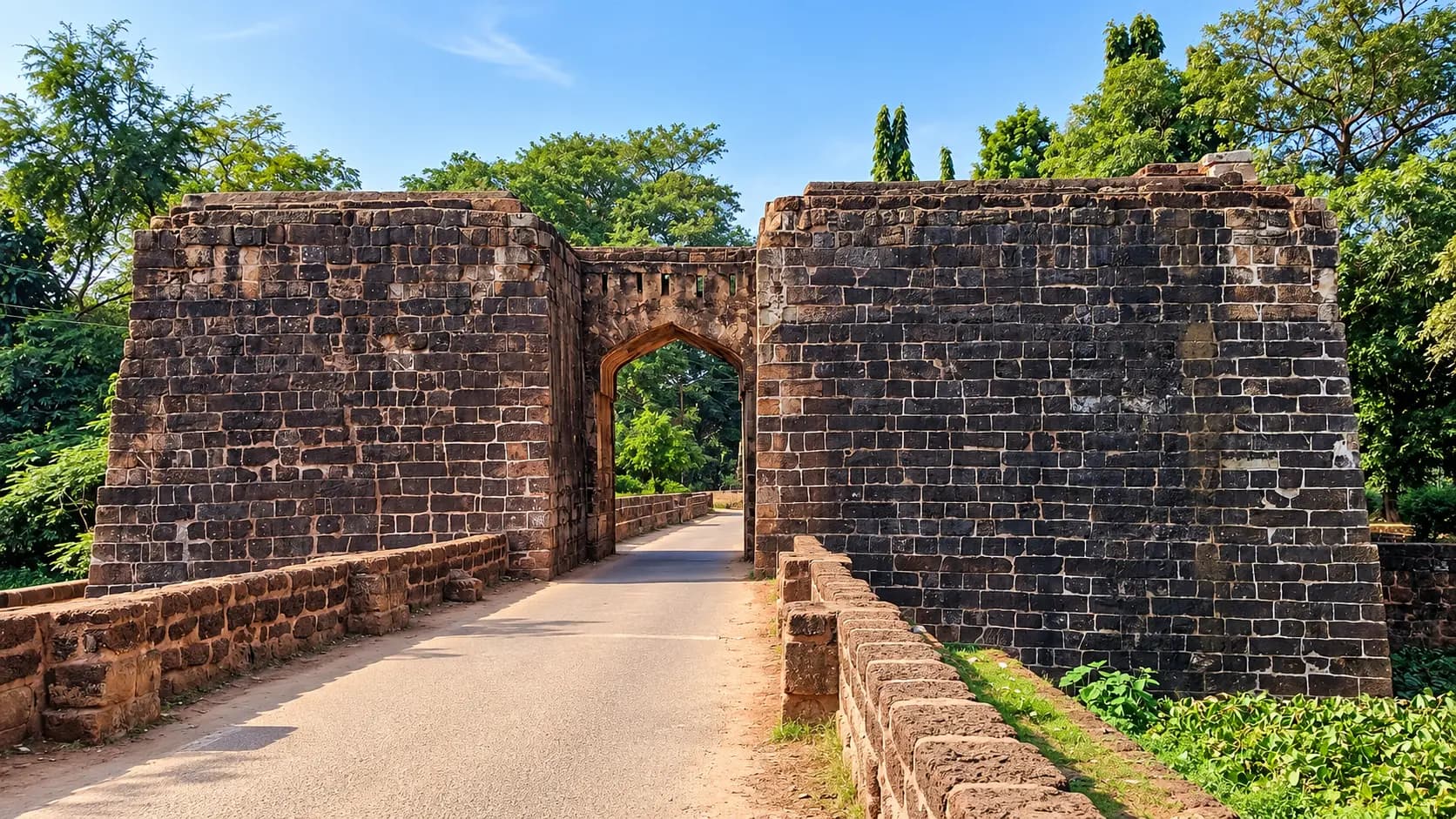
- Barabati Fort Ruins & Moat (~4 km west): The celebrated 13th-century military stronghold of the Eastern Ganga dynasty, featuring the massive laterite arched gateway, the wide defensive water moat, Fateh Khan Mosque, and the elevated palace mound of King Mukunda Deva.
- Dhabaleswar Island Shiva Temple (~20 km northwest): A famous Shaivite pilgrimage shrine situated on a serene rocky island in the middle of the Mahanadi River, accessible via a picturesque pedestrian suspension cable bridge or traditional wooden country boats.
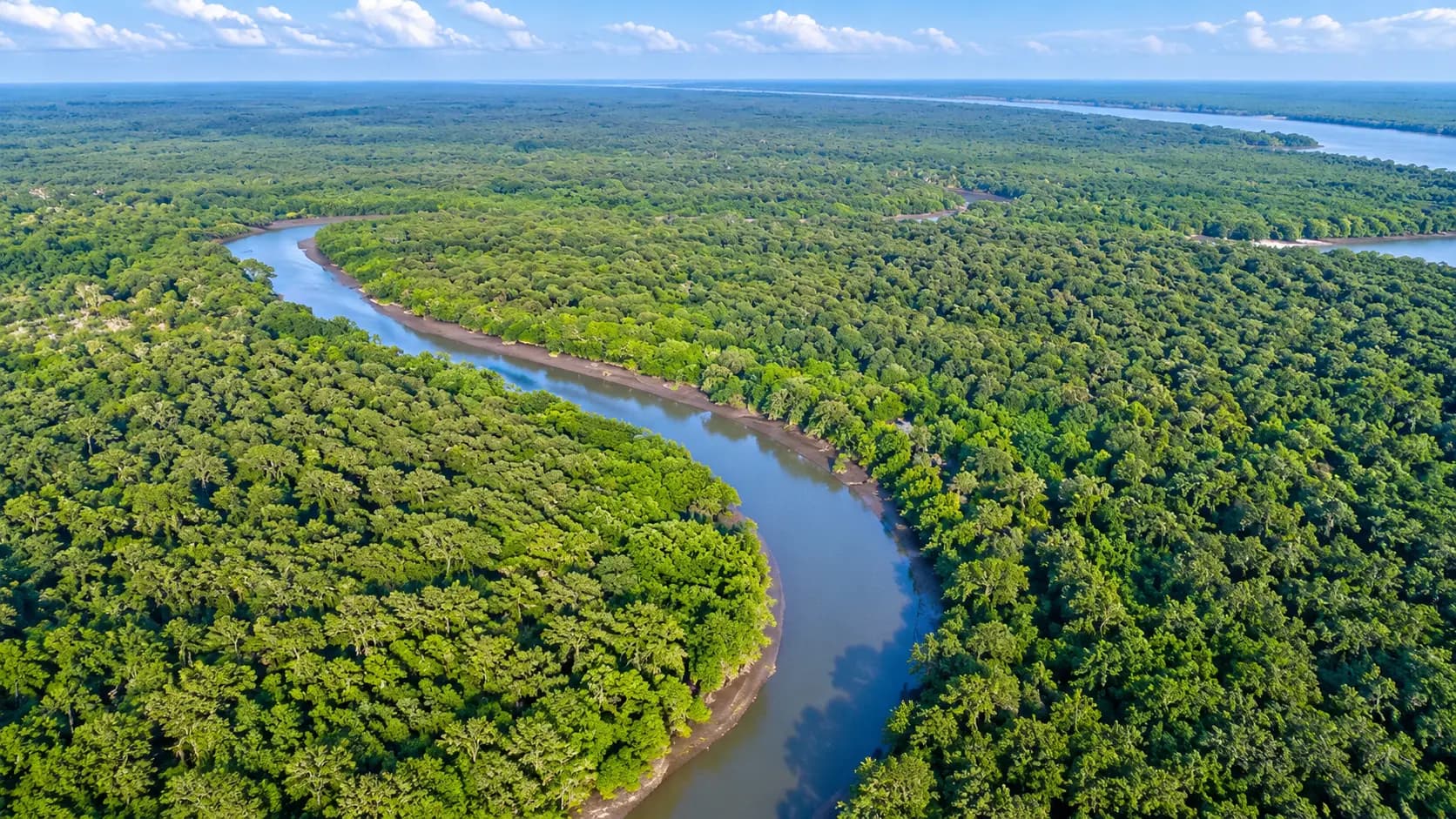
- Bhitarkanika National Park (~130 km northeast): India's second-largest mangrove wetland, harboring over 1,800 giant saltwater crocodiles, king cobras, spotted deer, and vibrant breeding waterbird colonies.
In pictures
The practical bits
Before you go.
Plan ahead
To make the most of your excursion to the Odisha State Maritime Museum, observe these practical preparation…Explore detailsClose details
To make the most of your excursion to the Odisha State Maritime Museum, observe these practical preparation guidelines:
Timing and ticketing
Check the current visiting hours and permitted access with the site operator before departure; ceremonies…Explore detailsClose details
Check the current visiting hours and permitted access with the site operator before departure; ceremonies, closures and visitor sessions can affect access.
Indoor and outdoor walking pacing
The museum campus encompasses over 4.5 acres with a combination of polished indoor stone floors and outdoor…Explore detailsClose details
The museum campus encompasses over 4.5 acres with a combination of polished indoor stone floors and outdoor gravel pathways; wear comfortable walking shoes with good grip and pace your visit by alternating between the indoor historical galleries and the outdoor sawmill and boat sheds.
Family and student educational planning
If visiting with children or students, dedicate ample time to the interactive Navigation Gallery and the Exotic…Explore detailsClose details
If visiting with children or students, dedicate ample time to the interactive Navigation Gallery and the Exotic Aquarium where descriptive signage in Odia and English explains regional aquatic biodiversity and basic astronomical navigation.
Riverfront weather and sun protection
If visiting between March and October, wear lightweight cotton clothing, carry a wide-brimmed sun hat…Explore detailsClose details
If visiting between March and October, wear lightweight cotton clothing, carry a wide-brimmed sun hat, sunglasses, and a refillable water bottle to stay hydrated while touring the open-air dry docks and unshaded riverfront lawns.
Combine with the Kataka Museum Trail
Maximise your cultural itinerary by combining your maritime museum visit with nearby heritage landmarks on the…Explore detailsClose details
Maximise your cultural itinerary by combining your maritime museum visit with nearby heritage landmarks on the official Cuttack heritage trail, including the Netaji Birthplace Museum (2.5 km south) and the 13th-century Barabati Fort and Cuttack Chandi Temple (3.5 km west).
A few things you might wonder
Common questions about visiting Odisha State Maritime Museum. Fees, visiting hours and ceremonies are researched details that may change; confirm current arrangements with the operator before travelling.
What are the primary daily opening hours and weekly closing days of the museum?
What is the historical significance of the Jobra Workshop where the museum is housed?
How much are ticket prices, and are there separate charges for the aquarium or 4D theatre?
How many galleries does the museum feature, and what are the main exhibits?
What species of aquatic life are displayed in the museum's Exotic Aquarium?
Is vehicle parking available at the Odisha State Maritime Museum?
How far is the Odisha State Maritime Museum from Cuttack Railway Station?
Can tourists take photographs and fly drones inside the museum complex?
Explore more in Bhitarkanika Cuttack
Discover other destinations around this hub
More Hubs in Odisha
Continue exploring other travel hubs in this state
Planning a trip to Bhitarkanika & Cuttack?