Cuttack Chandi Temple
Comprehensive visitor guide to Maa Cuttack Chandi Temple in Cuttack, Odisha.
Location
Bhitarkanika & Cuttack, Odisha
Duration
Allow time for worship and queues; festival timing can vary.
Best Time
Confirm daily darshan and the current festival programme before travelling.
Difficulty
Ask about queues, steps and an accessible entrance before visiting.
A closer look
Your visit, at a glance.
Bhitarkanika & Cuttack, Odisha
GET TO KNOW THE PLACE
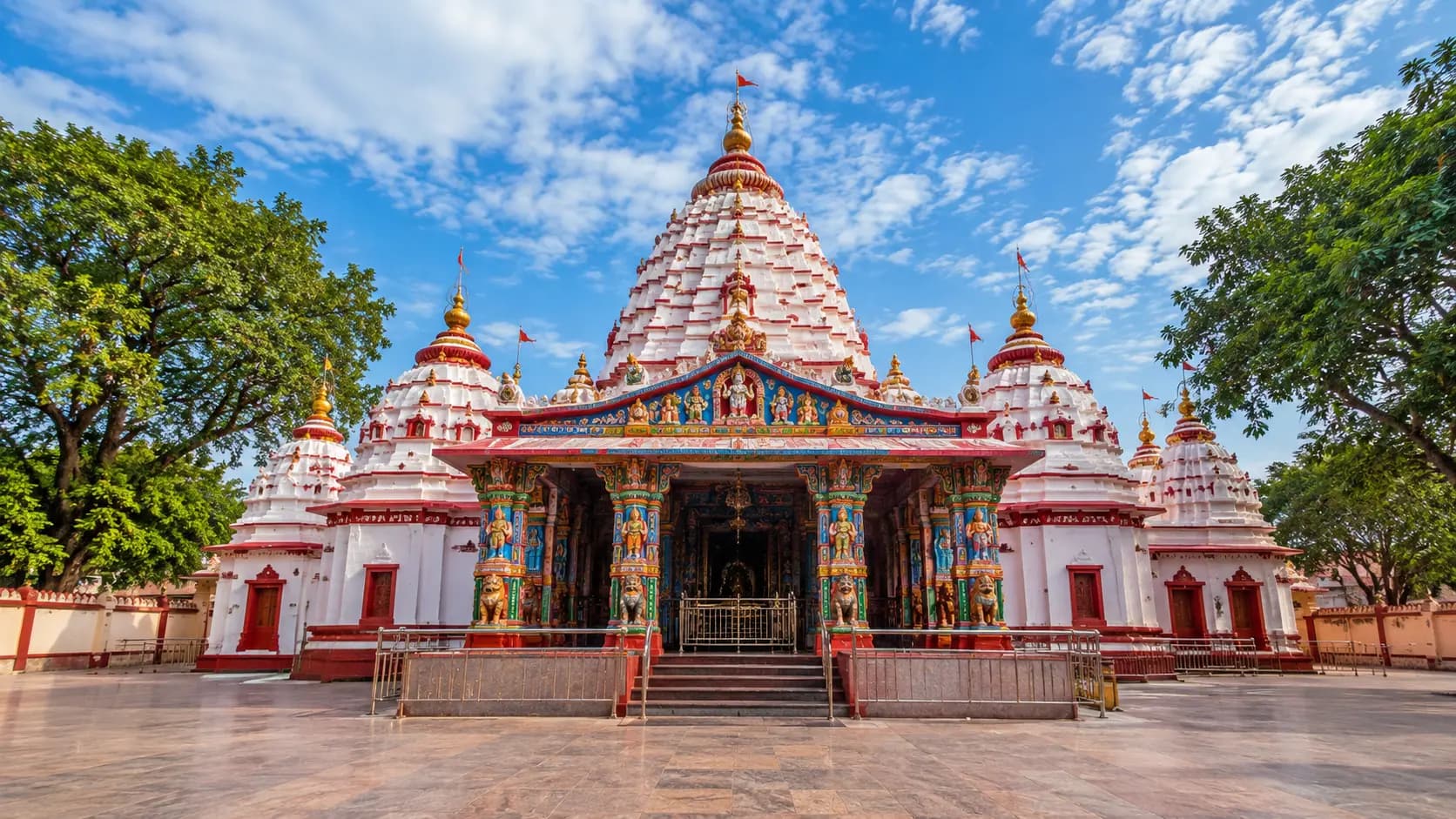
Nestled within the labyrinthine avenues of Bidanasi and Tulasipur in the historic city of Cuttack, the temple of Maa Kataka Chandi - popularly known across eastern India as the…
The story of Cuttack Chandi Temple
Nestled within the labyrinthine avenues of Bidanasi and Tulasipur in the historic city of Cuttack, the temple of Maa Kataka Chandi - popularly known across eastern India as the Cuttack Chandi Temple - stands as the primordial spiritual anchor and living guardian deity (Ishta Devi) of Odisha’s ancient "Millennium City." While the imperial stone fortresses of Barabati and the vast hydraulic embankments of the Mahanadi narrate the military and civil engineering sagas of medieval Odisha, the Chandi Mandir represents the beating devotional pulse of the urban populace. Here, the divine feminine is not merely memorialized as an abstract philosophical concept or an archaeological artifact from antiquity, but is actively celebrated as a living, protective monarch who guides the daily fortunes, civic safety, and commercial enterprises of the city’s residents. For over a millennium, from the medieval reign of the Somavamsi and Ganga dynasties down to the bustling contemporary metropolis of silver filigree artisans and riverine commerce, the goddess has occupied an unassailable sanctuary in the regional consciousness, serving as the fountainhead of religious syncretism, classical tantric theology, and grand public festival culture.
The shrine’s geographical setting reflects the peculiar deltaic topography that has shaped Cuttack since its legendary foundation in 989 CE by King Nrupa Keshari. Positioned upon a naturally elevated alluvial knoll in the western quarter of the city, the temple lies nestled within the narrow peninsula formed by the bifurcation of the mighty Mahanadi River and its southern branch, the Kathajodi. This maritime and riverine confluence provided Cuttack with formidable natural fortifications, turning it into the military capital (Kataka) of Odisha for nearly a thousand years. Within this defensive landscape, ancient kings and generals invariably sought the protection of local Shakti shrines before embarking upon military campaigns or embarking upon dangerous oceanic voyages to Southeast Asia from the riverine ports. Maa Chandi’s temple stands as the direct inheritor of this martial and civic protection tradition. Every morning, long before the sun ascends over the delta, the quiet surrounding lanes of Chandi Chhak awaken to the melodious resonance of the conch shell (shankha), the rhythmic beat of brass cymbals (ghanta), and the aromatic fragrance of burning camphor, incense, and freshly gathered red hibiscus blossoms, welcoming a steady procession of pilgrims seeking blessings from the mother of the city.
Visiting Cuttack Chandi Temple is an immersive cultural experience that connects the modern traveler directly with the profound spiritual rhythms of coastal Odisha. The temple does not present the silent, museological austerity of abandoned medieval stone ruins; rather, it is a bustling, vibrant sanctuary where classical Odia temple rituals, deeply emotional folk piety, and extraordinary seasonal pageantry intersect. Whether one observes the intricate morning dressing of the deity in fragrant sandalwood and silks, witnesses the dramatic sixteen-day Sharadiya Durga Puja wherein the goddess assumes sixteen distinct divine manifestations (Beshas), or marvels at the astonishing silver craftsmanship that adorns the city during the autumn festival season, the temple reveals the enduring power of sacred devotion to animate urban civic life. This comprehensive guide provides an exhaustive exploration of the history, iconography, rituals, architectural features, festival calendar, practical logistics, and local traditions that define this paramount Shakta pilgrimage destination.
Start here. Open a tile for the full details.
Why goRead details
Cuttack Chandi Temple provides an unforgettable spiritual, cultural, and aesthetic encounter with living Odia heritage:
When to visitRead details
Cuttack experiences a tropical savannah climate heavily influenced by the alluvial plains of the Mahanadi delta. Choosing the right visiting season ensures optimal comfort and rich cultural engagement.
Entry & permissionsRead details
Fees, visiting hours and entry rules may change. Confirm the latest details with the official operator or local authority before travelling.
Visiting Maa Cuttack Chandi Temple is straightforward, governed by the established traditions of the Odisha Hindu Religious Endowments Board:
+-----------------------------------------------------------------------------------+
|                        TEMPLE OPERATIONAL RULES & POLICIES                        |
+------------------------+----------------------------------------------------------+
| Category               | Regulatory Policy / Guidelines                           |
+------------------------+----------------------------------------------------------+
| Opening Hours          | Open daily from 06:00 to 13:00 and 16:00 to 21:30        |
|                        | (Midday closure for Madhyahna Dhupa & Pahada)            |
+------------------------+----------------------------------------------------------+
| Admission Fees         | Completely FREE for all visitors and devotees            |
+------------------------+----------------------------------------------------------+
| Special Seva Tickets   | Nominal trust rates (₹20 to ₹100) for archana, sankalpa, |
|                        | and consecrated anna-bhog packages at trust counter      |
+------------------------+----------------------------------------------------------+
| Photography Policy     | Strictly PROHIBITED inside the Garbhagriha sanctum;      |
|                        | respectful photography permitted in outer courtyard      |
+------------------------+----------------------------------------------------------+
| Drone Regulations      | Flying drones or commercial filming is strictly BANNED   |
|                        | without written clearance from temple trust & police     |
+------------------------+----------------------------------------------------------+
| Footwear Rules         | Must be removed before entering the courtyard; deposit   |
|                        | at authorized custody stalls near the main gate          |
+-----------------------------------------------------------------------------------+
Admission Policies and Trust Sevas
Entry to the temple and general queuing for darshan is 100% free of charge. Pilgrims do not require any advance tourist permits or online bookings. Those wishing to offer special personal services (such as Sankalpa, Chandi Archana, or the offering of sacred red hibiscus garlands and vermilion) can purchase standardized receipts directly from the official temple trust office counter located in the courtyard. Consecrated sweet packets (Chuda Ghasa, Khiri, and Pitha) can also be reserved at the counter.
Temple Etiquette and Sanctum Photography Bans
To preserve the sacred ambiance, visitors are expected to maintain dignified conduct:
- Strict Photography Prohibition: Absolutely no photography, videography, or audio recording is permitted inside the inner sanctum (Garbhagriha). Mobile phones must remain silenced and pocketed while inside the assembly halls.
- Footwear Custody: Leather shoes, slippers, and sandals are strictly forbidden within the consecrated courtyard. Use the official trust shoe custody counter situated immediately beside the main entrance gate (nominal fee of ₹2 to ₹5).
- Dress Modesty: All visitors should dress respectfully. Men should wear shirts with trousers, kurtas, or dhotis. Women should wear sarees, salwar-kameez, or modest clothing that covers the shoulders and knees. Shorts, sleeveless vests, and beachwear are not allowed.
Plan your visitRead details
Cuttack is one of the most well-connected transportation junctions in eastern India, integrated into a unified twin-city metropolitan corridor with Odisha’s capital city, Bhubaneswar, located just 28 km to the south.
Explore the full guide - choose a topic below.
Why visit?
Cuttack Chandi Temple provides an unforgettable spiritual, cultural, and aesthetic encounter with living Odia…Explore detailsClose details
Cuttack Chandi Temple provides an unforgettable spiritual, cultural, and aesthetic encounter with living Odia heritage:
- The Living Guardian Deity of the Millennium City: Veneration of Maa Kataka Chandi is not merely an individual religious act; she is the recognized Adhishtatri Devi (sovereign guardian goddess) of Cuttack. Local residents, civic authorities, legal professionals from the nearby Orissa High Court, and business merchants invariably initiate new ventures by offering their first prayers and floral tributes at her feet.
- The Miraculous Hansa Panda Discovery Legend: The shrine’s legendary origin recounts how humble Brahmin priest Hansa Panda, who grazed cattle across the wild brush outside Barabati Fort, observed his prize cow spontaneously pouring milk onto an overgrown knoll. Prompted by a luminous dream of the goddess, an excavation unearthed the intact four-armed stone idol surrounded by ancient vessels of sacred vermilion, sparking centuries of royal Kanika patronage.
- Masterpiece of Medieval Odishan Iconography: The presiding four-armed (Chaturbhuja) idol, carved from lustrous dark chlorite schist, portrays the goddess seated gracefully in the royal Lalitasana posture upon a roaring lion mount (Simhavahini). Brandishing the elephant goad (Ankusha) and divine noose (Pasha) while displaying the fear-dispelling Abhaya and boon-granting Varada mudras, she radiates a sublime synthesis of motherly compassion and cosmic sovereign power.
- The Renowned 16-Day Sharadiya Durga Puja & Beshas: Unlike conventional four-to-nine-day Durga Puja celebrations across India, Cuttack Chandi observes a lavish sixteen-day festival starting on Mulastami. Each day, the goddess is revealed in an entirely unique, meticulously crafted divine manifestation (Besha), including Bhubaneswari, Mahakali, Rajarajeswari, and Mahishasuramardini, drawing hundreds of thousands of pilgrims.
- Synergy with Cuttack's Silver Filigree (Tarakasi) Art: The temple serves as the spiritual fountainhead for Cuttack's world-famous GI-tagged silver filigree craft. Over 150 community puja committees design multi-million-rupee silver tableaus (Chandi Medhas) for the goddess, while the temple itself preserves antique silver crowns, aureoles, and ritual ornaments created by generational silversmith guilds.
- Pure Sattvika Shakta Liturgy: In contrast to medieval Shakti shrines that incorporated animal sacrifice, Maa Cuttack Chandi is worshipped exclusively with Sattvika (benevolent, non-violent) rites. Devotees partake in consecrated vegetarian feasts of aromatic rice, vegetable dalma, and sweet milk pithas prepared in traditional earthen pots over wood fires.
- The Anchor of Cuttack's Historic Triangle: Situated within five minutes of Barabati Fort's medieval ruins, the Odisha State Maritime Museum at Jobra, and Netaji Subhash Chandra Bose's ancestral birthplace, the temple forms an essential cornerstone of any comprehensive heritage itinerary in coastal Odisha.
What to expect
Visiting Cuttack Chandi Temple is an active, multi-sensory journey into the heart of living Odia temple culture.Explore detailsClose details
Visiting Cuttack Chandi Temple is an active, multi-sensory journey into the heart of living Odia temple culture. The shrine is situated on an elevated knoll along Chandi Road in the western sector of Cuttack, seamlessly integrated into the vibrant life of the Tulasipur and Bidanasi residential quarters:
+-----------------------------------------------------------------------------------+
|                        CUTTACK CHANDI TEMPLE SANCTUARY LAYOUT                     |
+-----------------------------------------------------------------------------------+
                                         │
                    [ Main Monumental Arched Gateway (Torana) ]
                                         │
                     [ Footwear Custody Stalls & Trust Office ]
                                         │
    +────────────────────────────────────+────────────────────────────────────+
    |                                    │                                    |
[Ganesha Shrine]             [Paved Granite Parikrama Courtyard]    [Hanuman Shrine]
(Obstacle-Remover)                       │                   (Strength & Devotion)
    │                                    │                                    │
    +──────────────────────────── [Mukhasala Porch] ──────────────────────────+
                                         │
                           [ Natamandapa (Pillared Hall) ]
                   (Devotional Kirtans, Bell Towers & Choirs)
                                         │
                         [ Garbhagriha / Rekha Vimana ]
                   (Four-Armed Idol of Maa Chandi in Lalitasana,
                    Seated upon Lion Mount beneath Silver Chhatra)
                                         │
    +────────────────────────────────────+────────────────────────────────────+
    |                                    │                                    |
[Chandeswar Mahadev]           [Navagraha Open Pavilion]      [Temple Kitchens /]
(Shiva Lingam Shrine)          (Nine Planetary Guardians)     [Ananda Bazar Bhog]
The Sacred Discovery Legend and the House of Kanika
The historical roots of Maa Cuttack Chandi Temple reflect the enduring dialogue between pastoral folklore and royal estate patronage in pre-modern Odisha. Long before the construction of modern asphalt thoroughfares and concrete residential complexes, the western periphery of Cuttack was an undulating expanse of marshy pastures, wild bamboo groves, and alluvial knolls situated between the walled citadel of Barabati and the surging waters of the Kathajodi River. In local lore, this tract was remembered as Kataka Chandi Pada.
During the late medieval era, Hansa Panda, a devout Brahmin priest in the religious retinue of the Raja of Kanika, grazed his dairy cows in this open expanse. When his finest cow repeatedly detached herself from the herd to stand over a specific buried stone and shed her milk, Panda was deeply perplexed. His doubts were resolved when Goddess Chandika manifested before him in a visionary dream, announcing that her sacred form was buried beneath that very mound, having been concealed underground centuries earlier during political strife to protect her sanctity from desecration.
The morning following the dream, Hansa Panda led royal officials from the Kanika estate and local villagers to the site. Spades struck a dense chlorite rock, and after hours of careful excavation, the magnificent four-armed idol of Goddess Chandi was unearthed intact, along with dozens of antique earthen pots filled with sacred red vermilion (sindoor), sandalwood flakes, and ancient copper coins. Overjoyed by this auspicious revelation, the Raja of Kanika established royal endowments (Devottara property) to fund daily priestly services and sacred food offerings. The present stone Rekha Vimana and spacious pillared mandapas were subsequently constructed through public donations and merchant subscriptions, cementing the shrine's status as Cuttack's chief civic sanctuary.
Sacred Iconography: The Four-Armed Chlorite Marvel
The central murti of Maa Kataka Chandi is an artistic and spiritual triumph of classical Kalingan stone sculpture. Standing approximately two and a half feet in height, the deity is carved from high-density, lustrous dark chlorite schist, polished to an exquisite obsidian-like sheen. The goddess is portrayed in Lalitasana, the posture of royal ease and divine serenity, seated upon the back of a muscular, roaring lion mount (Simhavahini). Her left leg is tucked horizontally across the lotus base, while her right leg hangs gracefully downward, its foot resting gently upon the lion's flank.
Her four arms display an extraordinary theological harmony of protective vigilance and maternal benevolence:
- Upper Right Hand (The Ankusha): Holds the sharp elephant goad, representing the divine power to restrain undisciplined human passions, ego, and base animal instincts.
- Upper Left Hand (The Pasha): Brandishes the cosmic noose, symbolizing the power of divine love to bind the delusions of Maya and draw the human soul inward toward eternal truth.
- Lower Right Hand (Abhaya Mudra): Held upward with an open, outward palm, dispensing an unconditional promise of fearlessness and spiritual protection to all who seek shelter.
- Lower Left Hand (Varada Mudra): Extended downward in the classic boon-granting gesture, bestowing health, worldly prosperity (Bhoga), and ultimate spiritual liberation (Moksha).
Her face is sculpted with oversized, almond-shaped eyes that gaze downward upon the worshipper with deep, compassionate awareness. During daily morning services, the priests apply fresh red vermilion to her forehead, install a radiant third eye (Trinetra) fashioned from beaten silver, and drape her shoulders in magnificent Sambalpuri and Khandua silk sarees woven with auspicious temple borders.
Kalingan Architectural Components: From Gateway to Vimana
The temple layout exemplifies classical Kalingan sacred geometry, designed to guide the devotee from the noise of the physical world into an intimate, contemplative communion with the divine:
- Monumental Torana (Gateway): Flanked by twin laterite pillars and crowned with a sculptured lintel portraying Gajalakshmi, the entrance gate serves as a formal threshold where pilgrims cleanse their minds and leave mundane worries behind.
- Parikrama Courtyard: A vast, immaculate open-air courtyard paved in polished granite flagstones. Covered colonnades line the perimeter, allowing devotees to circumambulate the shrine in comfort even during intense summer sunshine or monsoon showers.
- Natamandapa (Assembly Hall): Supported by heavy square stone pillars carved with relief figures of celestial dancers, musicians, and the ten Mahavidyas, this soaring hall serves as the congregational gathering place where pilgrims sit, sing hymns, and witness arati.
- Garbhagriha & Rekha Vimana: The innermost sanctuary is surmounted by a soaring Rekha Vimana spire, adorned with classical Kalingan horizontal mouldings (pidhas), an overarching Amalaka stone disc, and a consecrated brass trident bearing the red flag of the goddess. The interior of the sanctum is kept cool, quiet, and shadow-draped, lit only by flickering brass oil lamps that cast dancing golden reflections across the dark stone features of Maa Chandi.
The Sixteen Beshas of Sharadiya Durga Puja
The spiritual calendar of the temple reaches its absolute zenith during the sixteen-day Sharadiya Durga Puja (Shodasa Dinatmaka Puja). Beginning on Mulastami (the eighth day of the dark fortnight in the month of Ashvina), the goddess sheds her conventional daily appearance and is adorned in sixteen magnificent, successive divine manifestations:
+-----------------------------------------------------------------------------------+
|              MAA CUTTACK CHANDI - THE 16 SACRED SHARADIYA BESHAS                  |
+-----+-----------------------+-----------------------------------------------------+
| Day | Sacred Besha Guise    | Theological Significance & Visual Appearance        |
+-----+-----------------------+-----------------------------------------------------+
| 1   | Bhubaneswari Besha    | Supreme ruler of the cosmos, draped in red silks    |
| 2   | Mahakali Besha        | Fierce destroyer of cosmic time, adorned in indigo  |
| 3   | Rajarajeswari Besha   | Imperial empress bedecked in gold crown and jewels  |
| 4   | Tripura Sundari Besha | Radiance of universal beauty, maternal compassion   |
| 5   | Simhavahini Besha     | Invincible warrior mounted upon her ferocious lion  |
| 6   | Mahasaraswati Besha   | Dispenser of wisdom, holding veena and palm leaf    |
| 7   | Mahalakshmi Besha     | Bestower of prosperity, flanked by golden lotuses   |
| 8   | Matangi Besha         | Esoteric Tantric goddess of music and speech        |
| 9   | Bagalamukhi Besha     | Golden-yellow guise that silences adversaries       |
| 10  | Gayatri Besha         | Radiant embodiment of solar illumination & mantras  |
| 11  | Chinnamasta Besha     | Transcendent non-duality and victory over ego       |
| 12  | Bhairavi Besha        | Fiery purification and spiritual discipline         |
| 13  | Ugra Tara Besha       | Compassionate savior across the ocean of worldly woe|
| 14  | Mahadurga Besha       | Ten-armed cosmic protector bearing divine weapons   |
| 15  | Mahishasuramardini    | Heroic vanquisher of the buffalo demon on Navami    |
| 16  | Vijaya Dashami Besha  | Serene mother bestowing universal peace and victory |
+-----+-----------------------+-----------------------------------------------------+
Daily Liturgy and Sacred Offerings (Anna-Prasada)
The liturgical cycle at Cuttack Chandi Temple is conducted with unbroken discipline throughout the year:
+-----------------------------------------------------------------------------------+
|                      DAILY LITURGICAL TIMETABLE & OFFERINGS                       |
+-------------------+---------------------------------------------------------------+
| Timing            | Liturgical Event & Ritual Details                             |
+-------------------+---------------------------------------------------------------+
| 06:00             | Dwarapitha & Mangala Alati (Opening of doors, ghee lamp arati)|
| 06:30 - 08:00     | Maha-Snana (Purification with milk, honey, and rosewater)     |
| 08:00 - 09:30     | Bala Dhupa (Morning breakfast of fresh fruits & sweet pitha)  |
| 09:30 - 12:00     | Public Darshan (General queue viewing & archana offerings)    |
| 12:00 - 13:00     | Madhyahna Dhupa (Cooked noon feast of rice, dalma, and khiri) |
| 13:00 - 16:00     | Pahada (Sanctum doors closed for deities' afternoon rest)     |
| 16:00             | Evening Reopening & Public Darshan                            |
| 18:30 - 19:30     | Sandhya Alati (Grand camphor arati with drums, gongs & bells) |
| 19:30 - 21:00     | Sandhya Dhupa (Night offering and final darshan session)      |
| 21:00 - 21:30     | Badasinghara Besha & Ratri Pahada (Sanctum locked for night)  |
+-------------------+---------------------------------------------------------------+
The consecrated food offerings (Prasada) prepared in the temple kitchens follow ancient Odia culinary guidelines. Prepared exclusively in porous red clay earthen pots over seasoned wood fires, the midday Madhyahna Dhupa features aromatic boiled rice (Anna), traditional Odia lentil stew packed with raw plantain, pumpkin, and green papaya (Dalma), sweetened spiced ghee rice (Kanika), and delectable cottage-cheese puddings (Khiri and Chenagaja). The food is 100% vegetarian, cooked without onions or garlic, and is renowned for its wholesome, soul-nourishing quality. Devotees can purchase consecrated prasada from the designated Ananda Bazar stalls situated within the outer temple compound.
Best time to visit
Cuttack experiences a tropical savannah climate heavily influenced by the alluvial plains of the Mahanadi delta.Explore detailsClose details
Cuttack experiences a tropical savannah climate heavily influenced by the alluvial plains of the Mahanadi delta. Choosing the right visiting season ensures optimal comfort and rich cultural engagement.
+-----------------------------------------------------------------------------------+
|                        SEASONAL VISITATION MATRIX FOR CUTTACK                     |
+-------------------+-----------------+---------------+-----------------------------+
| Season            | Months          | Temperature   | Travel Suitability          |
+-------------------+-----------------+---------------+-----------------------------+
| Winter (Peak)     | Oct to Mar      | 16°C - 28°C   | Prime season: Cool, breezy, |
|                   |                 |               | clear skies, festive frenzy |
+-------------------+-----------------+---------------+-----------------------------+
| Summer (Low)      | Apr to May      | 28°C - 42°C   | Challenging: Intense heat,  |
|                   |                 |               | harsh sun, high humidity    |
+-------------------+-----------------+---------------+-----------------------------+
| Monsoon (Off-Peak)| Jun to Sep      | 25°C - 33°C   | Moderate: Lush greenery,    |
|                   |                 |               | humid, heavy river deluges  |
+-------------------+-----------------+---------------+-----------------------------+
1. Winter Season (October to March) - The Undisputed Golden Window
The period between October and March is by far the most rewarding time to visit Cuttack and Maa Chandi Temple. As the monsoon subsides in early October, the humidity drops and daytime temperatures hover between a pleasant 24°C and 28°C, dropping to a cool, refreshing 16°C at night.
This window encompasses the grandest cultural celebrations of the year:
- Sharadiya Durga Puja (September/October): The city transforms into an open-air art gallery featuring over 150 community pandals adorned with pure silver filigree (Chandi Medhas), with Maa Chandi Temple at the very epicenter of public devotion.
- Kali Puja & Diwali (October/November): Celebrated with magnificent midnight tantric illuminations, firework displays, and continuous temple aratis.
- Baliyatra Maritime Fair (November): Held along the banks of the Mahanadi near Barabati Fort on Kartik Purnima, this week-long festival is Asia's largest open-air cultural and trade fair, commemorating ancient Odisha's maritime expeditions to Southeast Asia.
2. Summer Season (April to May) - Severe Heat and High Humidity
Summer in coastal Odisha is intensely hot and oppressive. By mid-April, temperatures routinely exceed 38°C to 42°C, accompanied by heavy coastal humidity. The polished granite flagstones of the temple courtyard become uncomfortably hot to walk on barefoot between 10:30 and 15:30. Check the current visiting hours and permitted access with the site operator before departure; ceremonies, closures and visitor sessions can affect access.
3. Monsoon Season (June to September) - Dramatic Riverine Deluges
The southwest monsoon arrives in mid-June, bringing heavy, thunderous downpours that replenish the Mahanadi and Kathajodi rivers. While rainfall cools the atmosphere, relative humidity regularly exceeds 85%, and low-lying roads across older sectors of Cuttack can experience brief localized waterlogging. For photographers and nature enthusiasts, however, the monsoon offers majestic vistas of the roaring Mahanadi river barrages. Temple visits remain fully viable during monsoon, provided travelers carry sturdy umbrellas and waterproof footwear.
How to reach
Cuttack is one of the most well-connected transportation junctions in eastern India, integrated into a unified…Explore detailsClose details
Cuttack is one of the most well-connected transportation junctions in eastern India, integrated into a unified twin-city metropolitan corridor with Odisha’s capital city, Bhubaneswar, located just 28 km to the south.
+-----------------------------------------------------------------------------------+
|                        REGIONAL TRANSIT CONNECTIONS TO CUTTACK                    |
+--------------------+-----------------------+------------+-------------------------+
| Transit Mode       | Terminal Name         | Distance   | Typical Transit Time    |
+--------------------+-----------------------+------------+-------------------------+
| Commercial Flight  | Biju Patnaik Int.     | 30-32 km S | 45-60 min via NH-16     |
|                    | Airport (BBI), BBSR   |            | (Prepaid Taxi/Ola/Uber) |
+--------------------+-----------------------+------------+-------------------------+
| Long-Distance Rail | Cuttack Junction      | 5 km E     | 15-20 min via auto-     |
|                    | Railway Station (CTC) |            | rickshaw or taxi cab    |
+--------------------+-----------------------+------------+-------------------------+
| Inter-State Bus    | Badambadi Central Bus | 4.5 km SE  | 15 min via city bus     |
|                    | Stand, Cuttack        |            | or auto-rickshaw        |
+--------------------+-----------------------+------------+-------------------------+
| Capital Urban Bus  | Mo Bus Transit Net    | Citywide   | Direct urban routes to  |
|                    | (Route 10, 11, etc.)  |            | Bidanasi & Chandi Chhak |
+--------------------+-----------------------+------------+-------------------------+
Rail Access via Cuttack Junction (CTC)
Cuttack Junction (station code: CTC) is located approximately 5 kilometers east of Cuttack Chandi Temple. As an A-1 category hub on the East Coast Railway's Howrah-Chennai trunk line, it receives dozens of premium express, superfast, Rajdhani, and Vande Bharat trains daily:
- Vande Bharat Express & Shatabdi Express: Provide high-speed daytime links connecting Cuttack directly with Howrah (Kolkata), Rourkela, and Puri.
- Rajdhani & Duronto Express: Premium overnight services linking Cuttack with New Delhi, Chennai, and Secunderabad.
- Twin-City Local EMU Trains: Frequent commuter passenger trains run between Bhubaneswar and Cuttack every 20 to 30 minutes, taking less than half an hour.
Confirm the current charge and what it includes with the operator or service provider. Visitor admission, vehicles, parking, activities and accommodation can have separate charges.
Road Access and Urban Navigation within Cuttack
Cuttack is bisected by National Highway 16 (NH-16), the multi-lane divided highway connecting Kolkata and Chennai via Bhubaneswar.
- Driving from Bhubaneswar (30 km): Travel north along NH-16 across the multi-lane Kathajodi River bridge into Cuttack city. Follow Cantonment Road and Ring Road west toward Bidanasi, turning directly onto Chandi Road (driving time: approximately 45 to 60 minutes).
- Interstate Bus Travel: Badambadi Central Bus Stand (4.5 km southeast) is Odisha’s busiest bus terminal, operating regular government (OSRTC) and private deluxe sleeper services connecting Cuttack with every major city across Odisha, West Bengal (Kolkata), and Andhra Pradesh (Visakhapatnam).
- Public Urban Transit (Mo Bus): The air-conditioned Mo Bus urban network operated by CRUT (Capital Region Urban Transport) runs frequent, economical services linking Bhubaneswar Airport and Master Canteen Station directly with Cuttack’s Badambadi and Bidanasi termini. From nearby bus stops, local auto-rickshaws take passengers directly to Chandi Chhak.
Air Connectivity via Bhubaneswar (BBI)
The nearest air gateway is Biju Patnaik International Airport (airport code: BBI), located approximately 30 to 32 kilometers south in central Bhubaneswar. BBI operates frequent non-stop domestic flights to New Delhi, Mumbai, Bengaluru, Kolkata, Hyderabad, Chennai, and Pune, along with direct international services to Dubai, Singapore, and Bangkok. Pre-booked app-based cabs (Ola/Uber) and airport pre-paid taxis take approximately 50 minutes to reach Cuttack Chandi Temple via NH-16.
Entry, timings and permissions
Fees, visiting hours and entry rules may change.Explore detailsClose details
Fees, visiting hours and entry rules may change. Confirm the latest details with the official operator or local authority before travelling.
Visiting Maa Cuttack Chandi Temple is straightforward, governed by the established traditions of the Odisha Hindu Religious Endowments Board:
+-----------------------------------------------------------------------------------+
|                        TEMPLE OPERATIONAL RULES & POLICIES                        |
+------------------------+----------------------------------------------------------+
| Category               | Regulatory Policy / Guidelines                           |
+------------------------+----------------------------------------------------------+
| Opening Hours          | Open daily from 06:00 to 13:00 and 16:00 to 21:30        |
|                        | (Midday closure for Madhyahna Dhupa & Pahada)            |
+------------------------+----------------------------------------------------------+
| Admission Fees         | Completely FREE for all visitors and devotees            |
+------------------------+----------------------------------------------------------+
| Special Seva Tickets   | Nominal trust rates (₹20 to ₹100) for archana, sankalpa, |
|                        | and consecrated anna-bhog packages at trust counter      |
+------------------------+----------------------------------------------------------+
| Photography Policy     | Strictly PROHIBITED inside the Garbhagriha sanctum;      |
|                        | respectful photography permitted in outer courtyard      |
+------------------------+----------------------------------------------------------+
| Drone Regulations      | Flying drones or commercial filming is strictly BANNED   |
|                        | without written clearance from temple trust & police     |
+------------------------+----------------------------------------------------------+
| Footwear Rules         | Must be removed before entering the courtyard; deposit   |
|                        | at authorized custody stalls near the main gate          |
+-----------------------------------------------------------------------------------+
Admission Policies and Trust Sevas
Entry to the temple and general queuing for darshan is 100% free of charge. Pilgrims do not require any advance tourist permits or online bookings. Those wishing to offer special personal services (such as Sankalpa, Chandi Archana, or the offering of sacred red hibiscus garlands and vermilion) can purchase standardized receipts directly from the official temple trust office counter located in the courtyard. Consecrated sweet packets (Chuda Ghasa, Khiri, and Pitha) can also be reserved at the counter.
Temple Etiquette and Sanctum Photography Bans
To preserve the sacred ambiance, visitors are expected to maintain dignified conduct:
- Strict Photography Prohibition: Absolutely no photography, videography, or audio recording is permitted inside the inner sanctum (Garbhagriha). Mobile phones must remain silenced and pocketed while inside the assembly halls.
- Footwear Custody: Leather shoes, slippers, and sandals are strictly forbidden within the consecrated courtyard. Use the official trust shoe custody counter situated immediately beside the main entrance gate (nominal fee of ₹2 to ₹5).
- Dress Modesty: All visitors should dress respectfully. Men should wear shirts with trousers, kurtas, or dhotis. Women should wear sarees, salwar-kameez, or modest clothing that covers the shoulders and knees. Shorts, sleeveless vests, and beachwear are not allowed.
Nearby places to consider
Cuttack Chandi Temple anchors an extraordinary corridor of historical, maritime, and religious landmarks within…Explore detailsClose details
Cuttack Chandi Temple anchors an extraordinary corridor of historical, maritime, and religious landmarks within central Cuttack:
                           [ Dhabaleswar Island Temple ]
                         (Scenic island Shiva shrine in Mahanadi,
                                   22 km NW)
                                      ▲
                                      │
[ Barabati Fort & Moat ] ◄─── [ Cuttack Chandi ] ───► [ Maritime Museum Jobra ]
(13th-c. Ganga citadel,              │                (Historic 1880s workshops,
  1.5 km north)                      │                  3.5 km east)
                                     ▼
                          [ Netaji Birthplace Museum ]
                        (Ancestral Janakinath Bhawan,
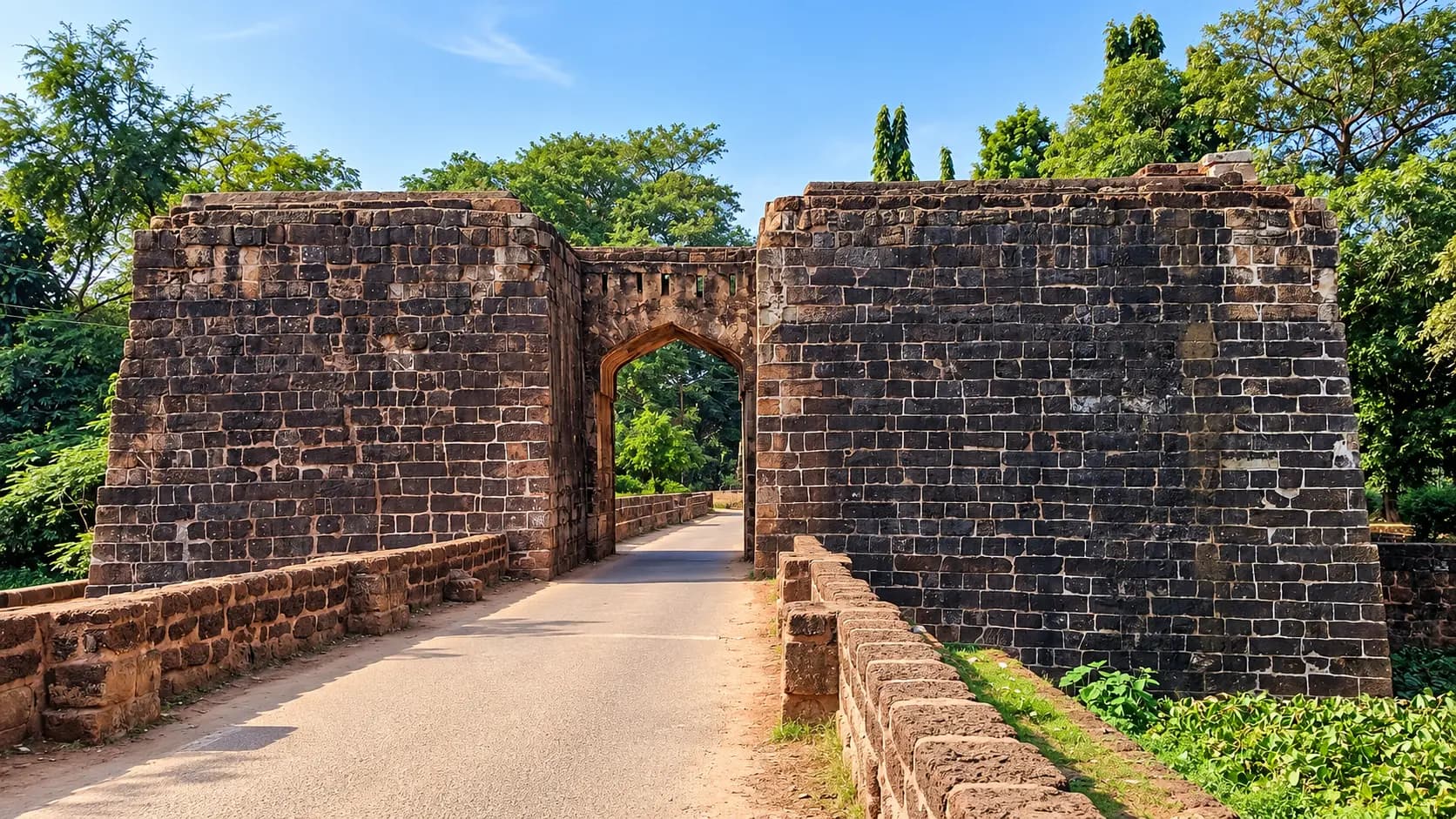
2.8 km southeast)- Barabati Fort Ruins & Moat (~1.5 km north): The celebrated 13th-century military citadel founded by Eastern Ganga King Anangabhima Deva III. Explore the surviving monumental laterite arched gateway, stroll along the wide defensive water moat, visit the 17th-century Fateh Khan Mosque, and climb the elevated palace mound where King Mukunda Deva's legendary nine-storeyed royal residence once stood.
- Barabati Sports Stadium (~1.8 km north): Situated directly adjacent to the fort ruins, this famous sports complex is one of India's historic international cricket stadiums, hosting major test matches, ODIs, and cultural gatherings.
- Odisha State Maritime Museum (~3.5 km east): Located at Jobra along the Mahanadi riverbank, this museum occupies the beautifully restored 19th-century British lighthouse and river workshops. Its thirteen interactive galleries display traditional boat-building tools, full-scale wooden merchant vessels (boitas), historic maps, and marine engineering artifacts celebrating ancient Kalinga's oceanic trade with Southeast Asia.
- Netaji Subhash Chandra Bose Birthplace Museum (~2.8 km southeast): Situated in Odia Bazar, this graceful ancestral mansion (Janakinath Bhawan) is where Netaji was born on January 23, 1897. Maintained as a national memorial, it houses twelve galleries showcasing his childhood bedroom, study room, vintage furniture, family letters, uniforms, and rare photographs.
- Dhabaleswar Island Temple (~22 km northwest): A famous Shaivite pilgrimage shrine situated on a serene rocky island in the middle of the Mahanadi River. Reached via a scenic pedestrian suspension cable bridge or traditional wooden boat ride, surrounded by rolling green hills and placid deltaic waters.
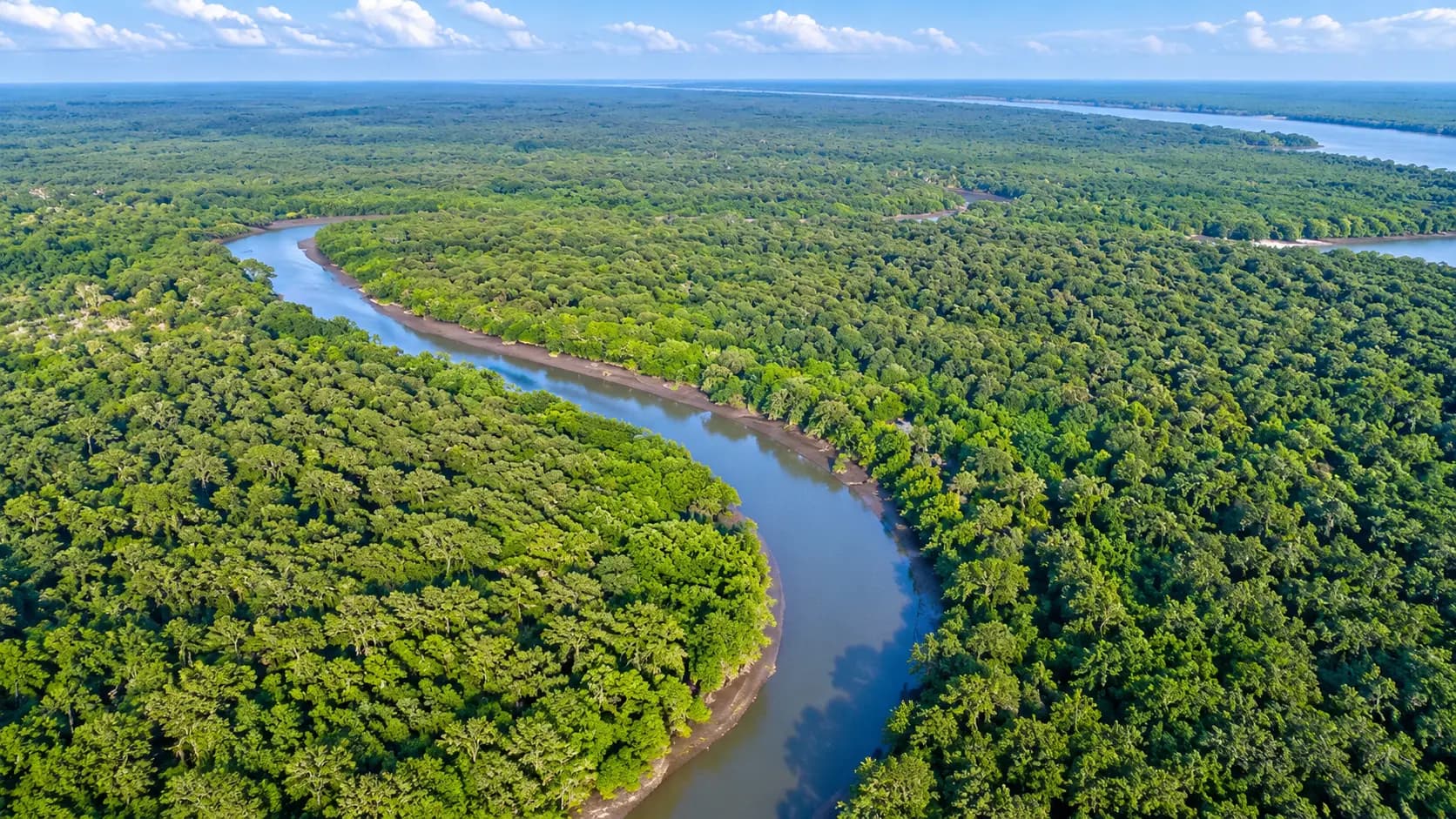
- Bhitarkanika National Park (~115 km northeast): India's second-largest mangrove wetland ecosystem, home to over 1,700 giant saltwater crocodiles, king cobras, spotted deer, and vibrant breeding waterbird colonies.
In pictures
The practical bits
Before you go.
Plan ahead
To make your pilgrimage or cultural visit to Cuttack Chandi Temple comfortable and fulfilling, observe these…Explore detailsClose details
To make your pilgrimage or cultural visit to Cuttack Chandi Temple comfortable and fulfilling, observe these practical recommendations:
Optimal morning timing and liturgical sequencing
The best time of day to experience the temple is between 06:30 and 09:30 AM when you can witness the sacred…Explore detailsClose details
The best time of day to experience the temple is between 06:30 and 09:30 AM when you can witness the sacred morning purification (Maha-Snana), fresh floral dressing, and the morning Bala Dhupa offering in a tranquil, unhurried atmosphere before large midday crowds gather.
Footwear and courtyard navigation
Devotees must walk barefoot across the open granite courtyard flagstones; while covered walkways provide shade…Explore detailsClose details
Devotees must walk barefoot across the open granite courtyard flagstones; while covered walkways provide shade along the perimeter, visit in the early morning or evening during summer to avoid walking on solar-heated stone surfaces.
Dress code and modest attire standards
Ensure you wear traditional, culturally modest attire covering both shoulders and legs; men wearing trousers or…Explore detailsClose details
Ensure you wear traditional, culturally modest attire covering both shoulders and legs; men wearing trousers or kurtas and women wearing sarees or salwar suits will experience seamless, respectful entry through all queues.
Sanctum queue navigation and peak festival advice
Expect queue waiting times of 60 to 90 minutes during the autumn Durga Puja, Kali Puja, and festive Tuesdays…Explore detailsClose details
Expect queue waiting times of 60 to 90 minutes during the autumn Durga Puja, Kali Puja, and festive Tuesdays; keep personal belongings minimal, stay patient in the barricaded lines, and utilize the temple trust's drinking water kiosks stationed along the queue route.
Gastronomic exploration of Cuttack delicacies
Conclude your temple visit by exploring the authentic culinary specialties of Cuttack at nearby sweet shops along…Explore detailsClose details
Conclude your temple visit by exploring the authentic culinary specialties of Cuttack at nearby sweet shops along Chandi Road and Cantonment Road, sampling piping-hot Dahibara Aloodum served with spiced curd water and fresh Odia Chhena Poda.
A few things you might wonder
Common questions about visiting Cuttack Chandi Temple. Fees, visiting hours and ceremonies are researched details that may change; confirm current arrangements with the operator before travelling.
What are the primary daily opening hours and darshan timings at Cuttack Chandi Temple?
Is there an entrance fee to visit Cuttack Chandi Temple, and how can special pujas be arranged?
What is the historical significance of the Hansa Panda legend associated with the temple's discovery?
What is the dress code and photography policy inside the temple complex?
How does Cuttack Chandi Temple celebrate the annual sixteen-day Sharadiya Durga Puja?
What facilities are available for pilgrims and elderly visitors within the temple grounds?
How is Cuttack Chandi Temple connected to the city's famous silver filigree (Tarakasi) art?
Can tourists combine a visit to Cuttack Chandi Temple with other major heritage sights nearby?
Explore more in Bhitarkanika Cuttack
Discover other destinations around this hub
More Hubs in Odisha
Continue exploring other travel hubs in this state
Planning a trip to Bhitarkanika & Cuttack?