Bhitarkanika National Park
Comprehensive visitor guide to Bhitarkanika National Park in Kendrapara. Explore boat safaris, saltwater crocodiles, Khola and Gupti gates, timings, and camps.
Location
Bhitarkanika & Cuttack, Odisha
Duration
Plan around the authorised boat circuit or camp stay you book.
Best Time
Check current closure and census notices before booking. A published 2025 closure does not establish the exact 2026 calendar.
Difficulty
Confirm boat boarding, steps and walking surfaces with the operator; flat wooden boardwalks and easy access throughout are not certified.
A closer look
Your visit, at a glance.
Bhitarkanika & Cuttack, Odisha
GET TO KNOW THE PLACE
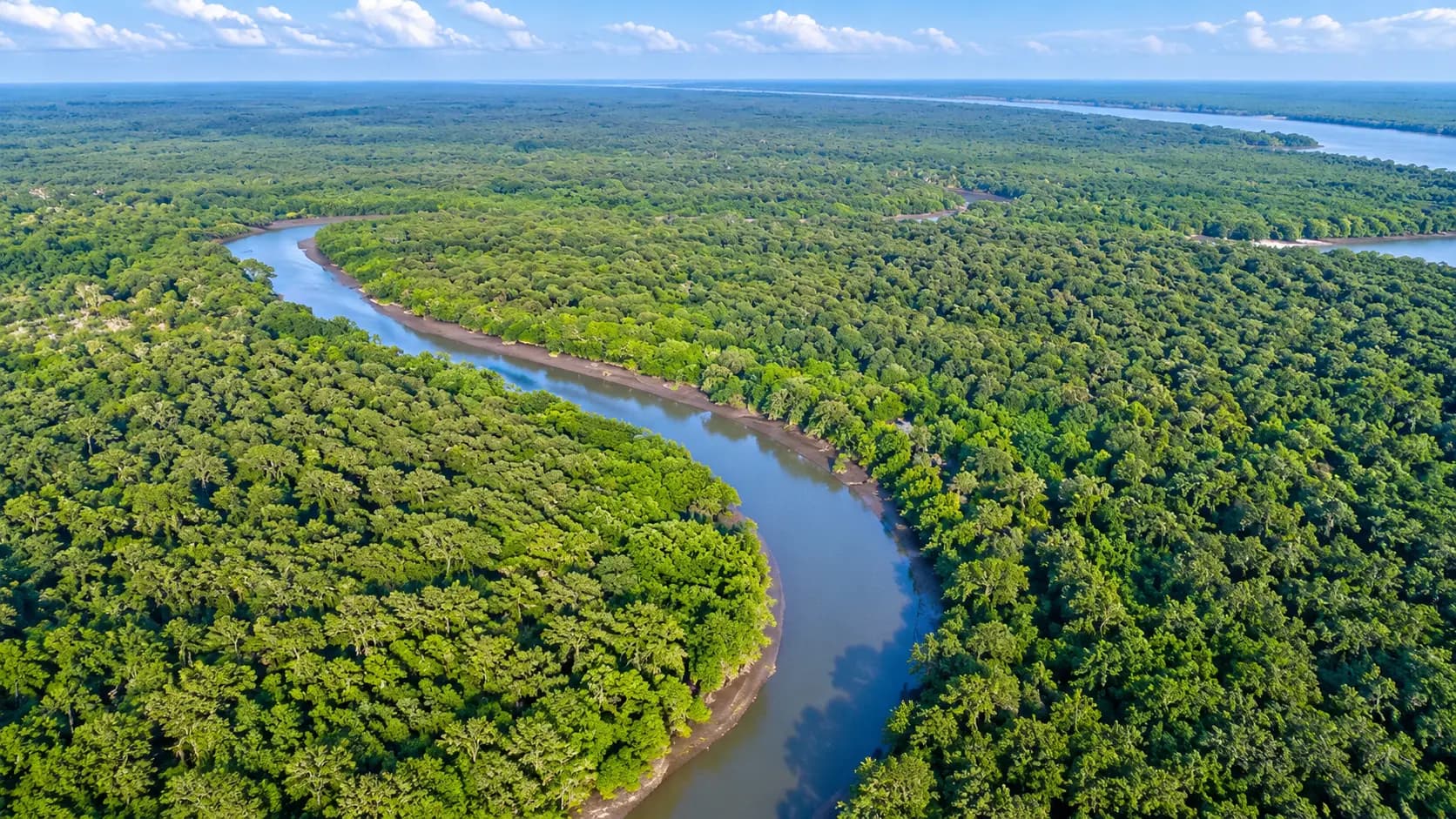
Meandering through a dense, primeval labyrinth of tidal creeks, mudflats, and emerald mangrove forests where the Brahmani, Baitarani, Dhamra, and Hansua rivers empty into the Bay…
The story of Bhitarkanika National Park
Meandering through a dense, primeval labyrinth of tidal creeks, mudflats, and emerald mangrove forests where the Brahmani, Baitarani, Dhamra, and Hansua rivers empty into the Bay of Bengal, Bhitarkanika National Park stands as one of the most astonishing ecological sanctuaries in Asia. Located in the coastal reaches of Kendrapara District in northern Odisha, this 145-square-kilometre national park (forming the core of the larger 672-square-kilometre Bhitarkanika Wildlife Sanctuary) represents India's second-largest mangrove ecosystem after the Sundarbans. Designated as a Ramsar Wetland of International Importance in 2002 (Site No. 1205), Bhitarkanika is a pristine estuarine wilderness often affectionately called the "mini-Amazon of India."
What elevates Bhitarkanika to global conservation acclaim is its status as the world's supreme stronghold for the Estuarine or Saltwater Crocodile (Crocodylus porosus) - the largest living reptile on Earth. Decimated by poaching and habitat loss in the mid-20th century, the crocodile population here staged an extraordinary ecological recovery following the launch of the pioneering Government of India / UNDP conservation project in 1975 at Dangamal. Today, Bhitarkanika harbors more than 1,800 wild saltwater crocodiles, including immense territorial males exceeding 20 to 22 feet in length and weighing over a ton.
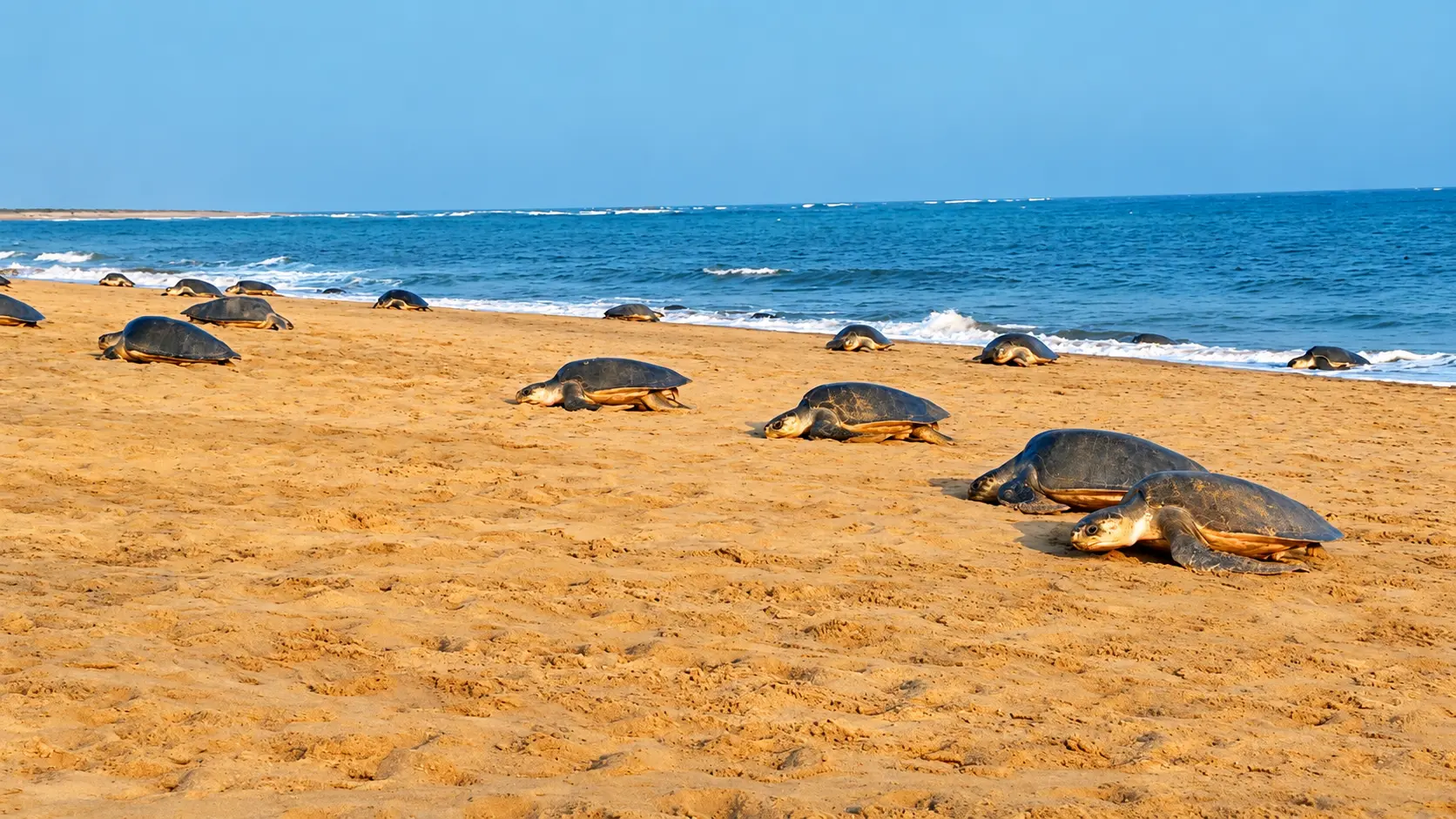
Yet crocodiles represent only one chapter of Bhitarkanika's biodiversity. The sanctuary preserves 62 of the world's known mangrove floral species, the internationally renowned Bagagahan Heronry where over 100,000 waterbirds nest each monsoon, eight species of resplendent kingfishers, elusive fishing cats, giant water monitor lizards, and venomous king cobras. Furthermore, immediately flanking the national park's eastern marine frontier lies the Gahirmatha Marine Sanctuary, the world's most populous mass-nesting beach (arribada) for endangered Olive Ridley sea turtles.
Whether you are silently cruising along mist-shrouded tidal creeks at dawn as giant crocodiles bask with open jaws on sunlit mudbanks, listening to the deafening chorus of breeding storks at Bagagahan, or walking along elevated boardwalks through stilt-rooted mangrove canopies, Bhitarkanika offers an unforgettable, wild safari experience. This guide provides an exhaustive, field-tested resource detailing safari gate logistics, boat navigation, seasonal closures, wildlife viewing strategies, and practical travel advice.
Start here. Open a tile for the full details.
Why goRead details
Bhitarkanika National Park provides an unparalleled immersion into one of Earth's rarest and most productive wetland biomes:
When to visitRead details
Bhitarkanika's coastal delta experiences distinct seasonal transitions that dictate both wildlife behavior and park access.
Entry & permissionsRead details
Fees, visiting hours and entry rules may change. Confirm the latest details with the official operator or local authority before travelling.
Wildlife tourism inside Bhitarkanika National Park is closely regulated by the Odisha Forest and Environment Department to protect fragile mangrove habitats:
+-----------------------------------------------------------------------------------+
|                        BHITARKANIKA TARIFFS & OPERATIONAL RULES                   |
+-----------------------------------------------------------------------------------+
| Operational Category   | Regulation / Tariff Details                              |
+------------------------+----------------------------------------------------------+
| Daily Safari Timings   | 08:00 AM to 17:00 PM daily (All boats must return to    |
|                        | base jetties before dusk for navigation safety)          |
+------------------------+----------------------------------------------------------+
| Annual Closure Period  | STRICTLY CLOSED FROM MAY 1 TO JULY 31                    |
|                        | (Statutory crocodile breeding and nesting closure)       |
+------------------------+----------------------------------------------------------+
| Forest Permit Fee      | ₹40 per Indian adult; ₹20 per child (under 12);          |
|                        | ₹1,000 per foreign tourist                               |
+------------------------+----------------------------------------------------------+
| Motorized Boat Safari  | ₹2,500 to ₹4,500 per boat (seats up to 8 - 15 passengers)  |
| Tariff (Standardized)  | depending on selected cruise circuit (Khola or Gupti)    |
+------------------------+----------------------------------------------------------+
| Mandatory Guide Fee    | ₹250 to ₹350 per boat for certified eco-guide            |
+------------------------+----------------------------------------------------------+
| Camera Fees            | Still cameras: ₹50 (amateur); Commercial video camera    |
|                        | filming requires advance written permission from PCCF    |
+------------------------+----------------------------------------------------------+
| Drone Regulations      | Commercial and recreational drone flights are strictly   |
|                        | prohibited across the national park and sanctuary        |
+-----------------------------------------------------------------------------------+
Mandatory Permits, Boat Tariffs, and Safari Hours
Every visitor entering Bhitarkanika must obtain an official entry permit at the Khola Forest Check Gate or Gupti Forest Check Gate. Bring an original government photo identification card (Aadhaar, Passport, or Voter ID), as visitor details are entered into the forest registry.
Private motorized safari boats operate under a cooperative association regulated by the Forest Department. Boats are equipped with covered canvas roofs for sun protection, cushioned benches, lifebuoys, and lifejackets. Fixed boat hire charges cover the vessel and boatman for the duration of the chosen circuit (typically 3 to 4 hours, including a 1.5-hour stopover at Dangamal to tour the museum and breeding ponds).
Plan your visitRead details
Bhitarkanika National Park is located in the rural coastal zone of Kendrapara District, accessible via road connections from Cuttack, Bhubaneswar, and Bhadrak:
Mandatory crocodile safety protocols
Saltwater crocodiles are apex ambush predators possessing extraordinary burst speed and territorial aggression. Visitors must strictly adhere to the following safety rules:
- Never lean out of the boat, sit on boat gunwales, or dangle hands and arms in the water.
- Never alight from the boat onto muddy tidal creek banks under any circumstances; crocodiles conceal themselves just below the surface of turbid water and can launch their entire body length onto the bank in a fraction of a second.
- Always wear the USCG-approved lifejacket provided by the boat operator while on the water.
Explore the full guide - choose a topic below.
Why visit?
Bhitarkanika National Park provides an unparalleled immersion into one of Earth's rarest and most productive…Explore detailsClose details
Bhitarkanika National Park provides an unparalleled immersion into one of Earth's rarest and most productive wetland biomes:
- The World Capital of Giant Saltwater Crocodiles: Bhitarkanika holds the highest concentration of estuarine crocodiles anywhere on the planet, with census counts recording over 1,800 individuals. Safari boats regularly glide within meters of massive prehistoric specimens basking along the muddy riverbanks, offering wildlife photographers thrilling, heart-pounding encounters with animals that have remained virtually unchanged since the Jurassic era.
- India's Second-Largest Mangrove Ecosystem: Covering over 650 square kilometres across the sanctuary and park, Bhitarkanika's lush mangrove canopy is fed by the nutrient-rich sediment of four major rivers. The forest exhibits exceptional botanical richness, preserving 62 distinct mangrove and mangrove-associate plant species adapted to fluctuating marine salinity through specialized stilt roots (Rhizophora), breathing pneumatophores (Avicennia and Sonneratia), and salt-secreting leaves.
- The Spectacular Bagagahan Heronry: Between June and November, an eight-hectare mangrove island near Dangamal known as Bagagahan transforms into one of Asia's most magnificent communal nesting colonies. Over 50,000 to 100,000 colonial waterbirds - including Asian openbill storks, black-headed ibises, purple herons, night herons, darters, and little cormorants - congregate to build tens of thousands of nests, creating an astonishing acoustic and visual spectacle.
- Kingfisher Paradise: For birdwatchers, Bhitarkanika is unmatched, supporting eight distinct species of kingfishers within a single wetland: the common kingfisher, pied kingfisher, white-throated kingfisher, black-capped kingfisher, stork-billed kingfisher, collared kingfisher, brown-winged kingfisher, and the rare, elusive mangrove pitta (Pitta megarhyncha).
- Dangamal Research and Conservation Complex: Situated at the heart of the national park, the Dangamal facility offers an educational encounter with Odisha's crocodile conservation history. Visitors can view the captive breeding ponds, explore the comprehensive interpretation centre museum, observe hatchlings, and learn about "Gori," the famous captive albino crocodile that lived here for over four decades.
- Unique Boat Safari Exploration: Unlike terrestrial wildlife parks navigated in noisy diesel jeeps, Bhitarkanika is explored almost exclusively by silent motorized boats cruising along calm, winding tidal rivers and narrow creeks. Gliding silently through the dense overhanging foliage provides an intimate, undisturbed vantage point for observing wildlife along the waterline.
- Adjacency to Gahirmatha Olive Ridley Turtle Rookery: Flanking the park's eastern boundary along the Bay of Bengal is Gahirmatha, the world's most vital nesting sanctuary for Olive Ridley turtles, where hundreds of thousands of female sea turtles emerge simultaneously during winter nights to lay eggs in mass synchronized arribadas.
What to expect
Visiting Bhitarkanika National Park is a maritime wilderness expedition conducted via motorized boats departing…Explore detailsClose details
Visiting Bhitarkanika National Park is a maritime wilderness expedition conducted via motorized boats departing from designated forest jetties. The national park occupies the interior deltaic reaches of the Brahmani and Baitarani river basins in Kendrapara District, with administrative headquarters and primary eco-tourism lodges centered around Dangamal:
+-----------------------------------------------------------------------------------+
|                        BAY OF BENGAL / GAHIRMATHA MARINE ZONE                     |
+-----------------------------------------------------------------------------------+
                                         │
                 [ Dhamra River Estuary & Habalikhati Beach ]
                                         │
        +────────────────────────────────+────────────────────────────────+
        |                                                                 |
[Khola Forest Gate]                                             [Gupti Forest Gate]
(Northern Entry Jetty near Rajnagar;                            (Southern Entry Jetty;
 Quick 30-min Boat Ride to Dangamal)                             Scenic 1.5-hr Creek Cruise)
        │                                                                 │
        +─────────────────────► [Tidal Creeks Safari] ◄───────────────────+
                                         │
        +────────────────────────────────+────────────────────────────────+
        |                                                                 |
[Dangamal Forest HQ]                                            [Bagagahan Heronry]
(Crocodile Breeding Centre,                                     (Colonial Nesting Island;
 Interpretation Museum, Nature Trail)                            100,000+ Breeding Storks)
        │                                                                 │
        +─────────────────── [Dangamal Eco-Cottages] ─────────────────────+
                                         │
                   [ Rajnagar & Kendrapara Highway Corridors ]
India's Second-Largest Mangrove Wilderness and Ramsar Estuary
The landscape of Bhitarkanika is dictated by the rhythmic ebb and flow of oceanic tides from the Bay of Bengal, which surge up to thirty kilometres inland through an intricate labyrinth of interconnected rivers, creeks, and tidal channels. During low tide, wide, glistening mudbanks are exposed along the water's edge, creating the primary thermal basking platforms for crocodiles and foraging grounds for mudskippers, fiddler crabs, and wading herons. At high tide, seawater floods the mangrove floor, submerging the breathing roots of the trees and allowing predatory fish, crabs, and juvenile bull sharks to penetrate deep into the forest interior.
Bhitarkanika is botanically distinguished by its extraordinary floral diversity, supporting the highest concentration of true mangrove species on the Indian mainland. Visitors cruising the channels will encounter:
- Red Mangroves (Rhizophora mucronata and Rhizophora apiculata): Prominent along outer channel banks, recognized by their sprawling, arching aerial stilt roots that anchor the trees firmly in unstable tidal mud and trap sediment to build new land.
- Black and White Mangroves (Avicennia officinalis and Avicennia marina): Characterized by thousands of pencil-like vertical breathing roots (pneumatophores) that poke up through the mud like carpet spikes to take in oxygen during low tide.
- Sundari (Heritiera fomes) and Hental (Phoenix paludosa): Found in higher, brackish zones, where the spiky wild date palm (Hental) forms dense, impenetrable thickets that provide shelter for spotted deer, wild boars, and nesting king cobras.
The Giant Estuarine Crocodiles (Crocodylus porosus) of Bhitarkanika
The saltwater crocodile is the apex predator and undisputed monarch of Bhitarkanika. Capable of thriving in freshwater rivers, brackish estuaries, and open oceanic waters, Crocodylus porosus is the largest, heaviest, and most behaviorally formidable crocodilian species on Earth.
+-----------------------------------------------------------------------------------+
|                        BHITARKANIKA CROCODILE FACTS                               |
+-----------------------------------------------------------------------------------+
| Metric                     | Data / Ecological Detail                             |
+----------------------------+------------------------------------------------------+
| Total Wild Population      | Over 1,800 individuals (2024 - 2026 census counts)     |
+----------------------------+------------------------------------------------------+
| Maximum Adult Male Length  | Exceeds 20 to 22 feet (6.0 to 6.7 metres)            |
+----------------------------+------------------------------------------------------+
| Historical Record Specimen | 23-foot (7.01 m) giant recorded in Kanika records;   |
|                            | recognized by Guinness Book of World Records         |
+----------------------------+------------------------------------------------------+
| Primary Basking Season     | November to February (sunny low-tide hours)          |
+----------------------------+------------------------------------------------------+
| Breeding & Nesting Period  | May 1 to July 31 (park strictly closed to tourists)  |
+----------------------------+------------------------------------------------------+
| Conservation Status        | Schedule I (Wildlife Protection Act); IUCN Least     |
|                            | Concern globally, but highly threatened nationally   |
+-----------------------------------------------------------------------------------+
During winter months (November to February), when ambient water temperatures drop, crocodiles emerge from the cold channels onto exposed, sun-drenched mudbanks to thermoregulate. Safari boats regularly encounter dozens of crocodiles during a single two-hour cruise:
- Giant Territorial Bull Crocodiles: Mature adult males measuring between 18 and 22 feet, recognizable by their colossal, broad triangular snouts, massive muscular ridges, and heavily armored dorsal scutes. These prehistoric behemoths often lie completely motionless on mudbanks with their massive jaws agape to release excess heat, unbothered by passing safari boats.
- Sub-Adults and Juveniles: Measuring between 4 and 10 feet, actively swimming through the creeks or resting along the edge of mangrove roots.
- Hatchlings: Tiny, 10-inch babies with bright yellow-and-black striped patterns, hunting insects, fiddler crabs, and small fish in shallow tidal gullies.
Boat Safari Gateways: Khola vs Gupti Gate Networks
To explore the national park, visitors must enter through one of two primary forest department check gates and boat jetties:
1. Khola Gate (The Northern / Central Gateway)
Located near the village of Rajnagar, Khola Gate is the most popular, practical, and frequently used entry point for day visitors and tourists arriving from Cuttack, Bhubaneswar, or Kendrapara:
- Safari Route: Boats depart from the Khola jetty and cruise along the Khola creek and the main river directly to the Dangamal Forest Headquarters, taking approximately 30 to 45 minutes each way.
- Wildlife Sightings: Because the creek between Khola and Dangamal is narrow, deep, and heavily forested, it offers the most reliable, close-range crocodile basking sightings, alongside frequent glimpses of spotted deer, monitor lizards, and kingfishers.
- Convenience: Positioned closest to the primary road bridge at Rajnagar, making it the fastest gateway to access for day-trippers.
2. Gupti Gate (The Southern Gateway)
Situated approximately 25 kilometres south of Khola along the river network, Gupti Gate serves as the southern maritime access point:
- Safari Route: Boats departing from Gupti undertake a longer, more expansive river voyage (approx. 1.5 to 2 hours) traversing broad estuarine waters and deep tidal creeks before reaching Dangamal.
- Extended Expeditions: Gupti is the mandatory departure jetty for multi-day wilderness boat safaris traveling onward to the remote coastal beaches of Habalikhati and the Gahirmatha Marine Sanctuary.
- Landscape Character: The Gupti route offers wider, dramatic river vistas, majestic mangrove canopies, and excellent opportunities for spotting soaring white-bellied sea eagles and pods of playful Indo-Pacific finless porpoises near river mouths.
Dangamal Research Station, Interpretation Centre, and Crocodile Rearing
All boat safaris converge at Dangamal, the operational and administrative nerve center of Bhitarkanika National Park. Situated on an elevated clearing surrounded by dense mangrove forests, Dangamal contains several key educational and conservation facilities:
- The Captive Crocodile Breeding & Rearing Centre: Established in 1975 under the leadership of renowned wildlife biologist Dr. H.R. Bustard, this facility pioneered the "rear-and-release" program that saved Odisha's saltwater crocodiles from regional extinction. Visitors can walk safely along fenced enclosures to observe segregated breeding pools housing adult breeding pairs, intermediate rearing tanks, and nursery pools containing hundreds of lively hatchlings being nurtured until they reach the 1-meter release size.
- The Legend of "Gori": The centre was internationally renowned as the lifelong home of Gori, a rare captive female albino saltwater crocodile born in 1975 with pristine white-and-cream skin. Gori lived at Dangamal for 44 years until her passing in 2019, captivating generations of visitors and researchers. Today, new generations of leucistic hatchlings continue her conservation legacy.
- The Wildlife Interpretation Centre & Museum: A modern, well-curated museum displaying detailed topographical maps of the delta, preserved skeletal specimens of a colossal 19.8-foot crocodile, taxidermy displays of regional fauna, educational panels detailing mangrove ecology, and an orientation theater screening documentary films on Bhitarkanika's conservation journey.
- Dangamal Nature Trail: An elevated 2-kilometre walking path equipped with timber boardwalks that winds through dense terrestrial and mangrove forest behind the complex. Walking quietly along this shaded trail allows visitors to observe spotted deer herds, wild boars, troops of rhesus macaques, giant wood spiders (Nephila), and an array of woodland birds. A high observation watchtower at the trail's terminus overlooks an open lotus meadow where deer and waterbirds congregate at dusk.
Avian Spectacle: The Bagagahan Heronry and Eight Species of Kingfishers
For ornithologists and birdwatchers, Bhitarkanika is a sanctuary of global renown. The undisputed centerpiece of avian activity is Bagagahan, an eight-hectare mangrove island situated just four kilometres north of Dangamal:
+-----------------------------------------------------------------------------------+
|                        BAGAGAHAN HERONRY NESTING PROFILE                          |
+-----------------------------------------------------------------------------------+
| Nesting Season        | June to November (peak nesting July - September)            |
+-----------------------+-----------------------------------------------------------+
| Estimated Population  | 50,000 to 100,000 breeding birds during peak monsoons     |
+-----------------------+-----------------------------------------------------------+
| Dominant Species      | Asian Openbill Stork (*Anastomus oscitans*)               |
|                       | (constitutes over 70% of total nesting census)            |
+-----------------------+-----------------------------------------------------------+
| Associated Nesters    | Purple Herons, Night Herons, Little Egrets, Great Egrets, |
|                       | Darter / Snakebirds, Black-Headed Ibises, Cormorants      |
+-----------------------+-----------------------------------------------------------+
| Preferred Nest Trees  | *Guan* (*Excoecaria agallocha*), *Bani* (*Avicennia*),    |
|                       | and *Keruan* (*Sonneratia apetala*) mangrove trees        |
+-----------------------------------------------------------------------------------+
From an observation watchtower erected directly opposite the island, visitors are treated to an astonishing sensory spectacle: every branch of every mangrove tree is laden with dozens of large stick nests, with thousands of adult storks and herons wheeling overhead against the clouds, returning with fish, frogs, and water snails to feed their hungry, clamoring chicks.
Along the smaller tidal gullies, birders will encounter Bhitarkanika's celebrated kingfisher guild. The eight species distribute themselves across specific micro-habitats:
- Stork-Billed Kingfisher (Pelargopsis capensis): India's largest kingfisher, distinguished by its colossal scarlet dagger-like bill, blue wings, and golden-buff head, hunting fish and crabs from low overhanging branches.
- Black-Capped Kingfisher (Halcyon pileata): An exquisite winter visitor featuring a velvety black cap, deep cobalt-blue mantle, purple wings, and a rich coral-red bill.
- Brown-Winged Kingfisher (Pelargopsis amauroptera): A globally near-threatened mangrove specialist restricted strictly to eastern India and Southeast Asia, possessing a rich chocolate-brown head and wings with an intensely brilliant azure back patch.
- Mangrove Pitta (Pitta megarhyncha): A jewel-like, secretive ground-foraging bird with nine brilliant colours, including a bright crimson belly, turquoise wing patches, and a black eye-stripe, which visits Bhitarkanika's mudflats in spring.
Mammalian and Herpetological Wildlife: From Fishing Cats to Water Monitors
Beyond crocodiles and birds, Bhitarkanika supports a diverse assemblage of mammals and reptiles adapted to life in a saline estuarine environment:
- Asian Water Monitor Lizard (Varanus salvator): The world's second-heaviest lizard species, growing up to two metres (6.5 feet) in length. These powerful, predatory reptiles are frequently seen swimming across tidal channels using their flattened tails, or foraging on mudflats for crab burrows and bird eggs.
- Spotted Deer (Axis axis): Thousands of spotted deer roam the elevated meadows and forest clearings of Dangamal and Habalikhati, having adapted to browse on salty mangrove leaves and drink slightly brackish water.
- Fishing Cat (Prionailurus viverrinus): The state animal of West Bengal and a nocturnal wetland specialist, this muscular wild cat hunts fish, frogs, and waterfowl along tidal creek edges, possessing partially webbed paws and water-resistant fur.
- Snakes of the Mangrove: Bhitarkanika is a stronghold for the formidable King Cobra (Ophiophagus hannah), which reaches lengths of 14 feet and constructs elaborate leaf-litter ground nests inside dense Hental palm thickets, alongside massive Indian Rock Pythons (Python molurus) that constrict deer and wild boars.
Gahirmatha Marine Sanctuary: The World's Premier Olive Ridley Rookery
Bordering Bhitarkanika National Park to the east along the open shores of the Bay of Bengal lies the Gahirmatha Marine Sanctuary, designated in 1997 to encompass 1,435 square kilometres of coastal waters and pristine sandspits stretching from the mouth of the Dhamra River to the Mahanadi mouth. Gahirmatha is universally acknowledged by marine biologists as the single largest sea turtle rookery on Earth.
Every winter between November and April, millions of Olive Ridley sea turtles (Lepidochelys olivacea) complete epic oceanic migrations across thousands of miles of the Indian Ocean to assemble in the shallow coastal waters off Gahirmatha for mating. Between January and March, during specific moonlit nights accompanied by offshore winds, the mass nesting phenomenon known as Arribada (Spanish for "arrival") takes place:
- Over the course of three to seven nights, between 200,000 and 500,000 female Olive Ridley turtles haul themselves out of the surf simultaneously onto the isolated sandspits of Ekakula and Nasi Islands.
- Each female uses her hind flippers to dig a deep flask-shaped pit in the sand, deposits approximately 100 to 120 leathery eggs, covers the nest, and crawls back into the sea.
- Fifty to sixty days later, millions of tiny hatchlings emerge from the sand in unison, instinctively scrambling down the beach toward the luminous ocean waves.
[!NOTE] Gahirmatha's core nesting islands (Nasi I and Nasi II) are high-security military-adjacent zones situated near the APJ Abdul Kalam Missile Testing Range (Wheeler Island). Direct public landings on the primary nesting beaches are strictly prohibited to safeguard turtle nests from human disturbance. However, daytime boat excursions from Gupti to Habalikhati beach allow visitors to observe thousands of adult turtles swimming and mating in offshore waters during January and February.
Best time to visit
Bhitarkanika's coastal delta experiences distinct seasonal transitions that dictate both wildlife behavior and…Explore detailsClose details
Bhitarkanika's coastal delta experiences distinct seasonal transitions that dictate both wildlife behavior and park access.
+-----------------------------------------------------------------------------------+
|                        BHITARKANIKA SEASONAL VISITING MATRIX                      |
+-----------------------------------------------------------------------------------+
| Season        | Months          | Ecological Status           | Safari Experience |
+---------------+-----------------+-----------------------------+-------------------+
| Peak Winter   | October to      | Prime visiting season;      | Outstanding;      |
| Prime Season  | March           | giant crocodiles bask on    | cool breezes,     |
|               |                 | sunny mudbanks; migrants    | maximum wildlife  |
+---------------+-----------------+-----------------------------+-------------------+
| Statutory     | May 1 to        | STRICTLY CLOSED TO ALL      | NO TOURIST ENTRY  |
| Breeding      | July 31         | TOURISTS; crocodile mating  | PERMITTED UNDER   |
| Closure       | (ANNUAL)        | & egg-laying season         | ANY CIRCUMSTANCES |
+---------------+-----------------+-----------------------------+-------------------+
| Post-Monsoon  | August to       | Park re-opens; lush green   | Great for heronry |
| Green Season  | September       | mangroves; Bagagahan        | viewing; warm &   |
|               |                 | heronry in full nesting     | humid; occasional |
|               |                 | clamor                      | tropical storms   |
+-----------------------------------------------------------------------------------+
Winter Prime Season & Birding Splendour (October to February)
The cooler winter months represent the undisputed golden window for visiting Bhitarkanika. Daytime temperatures range pleasantly between 15°C and 28°C, accompanied by dry sunny skies and cool sea breezes, while nighttime temperatures drop to a comfortable 12°C to 16°C.
During winter:
- Maximum Crocodile Sightings: Because the estuarine water is cold, giant crocodiles are driven out of the creeks onto exposed mudbanks to absorb solar warmth, remaining on view for hours between 09:00 AM and 03:00 PM.
- Winter Migratory Waterfowl: Thousands of migratory ducks (northern pintails, garganeys, gadwalls), plovers, and waders arrive from Siberia and Central Asia to forage along the mudflats.
- Smooth Creek Navigation: Winter tidal waters are calm and free of monsoon squalls, making long boat safaris smooth and peaceful.
Pre-Monsoon Heat and the Statutory Breeding Closure (May 1 to July 31)
Travelers must plan around the statutory annual tourism closure:
- Statutory Closure: By order of the Wildlife Organization of the Odisha Forest Department, Bhitarkanika National Park is strictly closed to all tourists from May 1 to July 31 every year.
- Ecological Justification: May to July is the peak mating, nesting, and egg-incubation period for saltwater crocodiles. Female crocodiles construct large mound nests of mud and mangrove leaves on creek banks and become extraordinarily aggressive and territorial, defending their nests against all intruders. Halting boat safaris prevents fatal human-wildlife encounters and provides the breeding population with complete tranquility during this sensitive reproductive phase.
Post-Monsoon Greenery & Heronry Fledging (August to September)
When the park officially re-opens to visitors on August 1, the landscape is transformed into an emerald paradise. Heavy monsoon rains have flushed the estuaries, the mangrove canopy is lush and dark green, and the Bagagahan Heronry is operating at peak volume, with tens of thousands of stork and heron chicks clamoring for food from their treetop nests. While temperatures are warm and humid (28°C to 34°C) with occasional rain showers, visiting in late August and September offers an uncrowded, highly atmospheric wildlife experience.
How to reach
Bhitarkanika National Park is located in the rural coastal zone of Kendrapara District, accessible via road…Explore detailsClose details
Bhitarkanika National Park is located in the rural coastal zone of Kendrapara District, accessible via road connections from Cuttack, Bhubaneswar, and Bhadrak:
+-----------------------------------------------------------------------------------+
|                        CONNECTIVITY & DISTANCE MATRIX                             |
+-----------------------------------------------------------------------------------+
| Gateway / Hub               | Distance | Transit Mode & Travel Time               |
+-----------------------------+----------+------------------------------------------+
| Rajnagar (Nearest Town)     | 10 km    | 15 mins by road to Khola Gate jetty;     |
|                             |          | local auto-rickshaws and shared taxis    |
+-----------------------------+----------+------------------------------------------+
| Bhadrak Railway Station     | 70 km    | 2 hours by road via Chandbali;           |
| (BHK)                       |          | convenient railhead for Kolkata trains   |
+-----------------------------+----------+------------------------------------------+
| Cuttack Junction (CTC)      | 140 km   | 3 to 3.5 hours via Kendrapara &          |
| Railway Station             |          | Pattamundai along SH-9A highway          |
+-----------------------------+----------+------------------------------------------+
| Bhubaneswar International   | 160 km   | 3.5 to 4 hours via NH-16 and SH-9A;      |
| Airport (BBI)               |          | primary air hub with direct metro flights|
+-----------------------------+----------+------------------------------------------+
| Chandbali Jetty (Bhadrak)   | 35 km    | 1 hour by boat across Baitarani River to |
|                             |          | Dangamal forest headquarters             |
+-----------------------------------------------------------------------------------+
Road Routing via Rajnagar and Chandbali
The vast majority of travelers access the park by road, arriving at the Khola Gate or Gupti Gate jetties near Rajnagar:
- From Bhubaneswar / Cuttack (140 - 160 km): Follow National Highway 16 (NH-16) north past Cuttack to Jagatpur, branch onto State Highway 9A (SH-9A) eastward through Kendrapara town and Pattamundai, and continue straight to Rajnagar. From Rajnagar, a paved 10-kilometre rural road leads directly to the Khola check gate parking plaza (total driving time: approx. 3.5 to 4 hours).
- From Bhadrak (70 km): Drive southeast along the state highway to Chandbali on the banks of the Baitarani River. From Chandbali, you can either hire a direct motorized boat cruise downriver into Bhitarkanika (approx. 1.5 hours) or drive via the newly constructed river bridges to Rajnagar and Khola gate.
- Bus Services: The Odisha State Road Transport Corporation (OSRTC) and private bus operators run regular daily express buses from Bhubaneswar (Baramunda Bus Stand) and Cuttack (Badambadi) to Kendrapara, Pattamundai, and Rajnagar. From Rajnagar, local auto-rickshaws readily transport visitors to Khola or Gupti gates.
Rail Access via Bhadrak and Cuttack
- Bhadrak Railway Station (station code: BHK): Located 70 kilometres northwest of the park, Bhadrak is an exceptionally convenient railway gateway, particularly for visitors arriving from Kolkata (Howrah / Sealdah). All premier trains on the Howrah - Chennai trunk route - including the Vande Bharat Express, Shatabdi, and Coromandel Express - halt at Bhadrak. Pre-booked private taxis from Bhadrak station to Khola gate take roughly 2 hours.
- Cuttack Junction (station code: CTC): Located 140 kilometres to the west, Cuttack offers direct express train connections across the entire Indian railway network. Taxis from Cuttack station take approximately 3.5 hours.
Air Connectivity via Bhubaneswar (BBI)
The primary aviation gateway is Biju Patnaik International Airport (airport code: BBI) in Bhubaneswar, located 160 kilometres southwest of the park. Bhubaneswar operates multiple daily nonstop flights from New Delhi, Mumbai, Bengaluru, Kolkata, Hyderabad, and Chennai. Confirm the current charge and what it includes with the operator or service provider. Visitor admission, vehicles, parking, activities and accommodation can have separate charges.
Entry, timings and permissions
Fees, visiting hours and entry rules may change.Explore detailsClose details
Fees, visiting hours and entry rules may change. Confirm the latest details with the official operator or local authority before travelling.
Wildlife tourism inside Bhitarkanika National Park is closely regulated by the Odisha Forest and Environment Department to protect fragile mangrove habitats:
+-----------------------------------------------------------------------------------+
|                        BHITARKANIKA TARIFFS & OPERATIONAL RULES                   |
+-----------------------------------------------------------------------------------+
| Operational Category   | Regulation / Tariff Details                              |
+------------------------+----------------------------------------------------------+
| Daily Safari Timings   | 08:00 AM to 17:00 PM daily (All boats must return to    |
|                        | base jetties before dusk for navigation safety)          |
+------------------------+----------------------------------------------------------+
| Annual Closure Period  | STRICTLY CLOSED FROM MAY 1 TO JULY 31                    |
|                        | (Statutory crocodile breeding and nesting closure)       |
+------------------------+----------------------------------------------------------+
| Forest Permit Fee      | ₹40 per Indian adult; ₹20 per child (under 12);          |
|                        | ₹1,000 per foreign tourist                               |
+------------------------+----------------------------------------------------------+
| Motorized Boat Safari  | ₹2,500 to ₹4,500 per boat (seats up to 8 - 15 passengers)  |
| Tariff (Standardized)  | depending on selected cruise circuit (Khola or Gupti)    |
+------------------------+----------------------------------------------------------+
| Mandatory Guide Fee    | ₹250 to ₹350 per boat for certified eco-guide            |
+------------------------+----------------------------------------------------------+
| Camera Fees            | Still cameras: ₹50 (amateur); Commercial video camera    |
|                        | filming requires advance written permission from PCCF    |
+------------------------+----------------------------------------------------------+
| Drone Regulations      | Commercial and recreational drone flights are strictly   |
|                        | prohibited across the national park and sanctuary        |
+-----------------------------------------------------------------------------------+
Mandatory Permits, Boat Tariffs, and Safari Hours
Every visitor entering Bhitarkanika must obtain an official entry permit at the Khola Forest Check Gate or Gupti Forest Check Gate. Bring an original government photo identification card (Aadhaar, Passport, or Voter ID), as visitor details are entered into the forest registry.
Private motorized safari boats operate under a cooperative association regulated by the Forest Department. Boats are equipped with covered canvas roofs for sun protection, cushioned benches, lifebuoys, and lifejackets. Fixed boat hire charges cover the vessel and boatman for the duration of the chosen circuit (typically 3 to 4 hours, including a 1.5-hour stopover at Dangamal to tour the museum and breeding ponds).
Nearby places to consider
Bhitarkanika forms the centerpiece of a rich coastal biodiversity and heritage corridor across Kendrapara and…Explore detailsClose details
Bhitarkanika forms the centerpiece of a rich coastal biodiversity and heritage corridor across Kendrapara and Bhadrak districts:
                          [ Dhamra Port & Chandbali ]
                        (Historic river port & trade hub, 35 km NW)
                                     ▲
                                     │
[ Rajnagar & Kendrapara ] ◄── [ Bhitarkanika ] ──► [ Gahirmatha Marine Sanctuary ]
(Baladevjew temple & sweets,         │             (Mass Olive Ridley turtle rookery,
  10 - 45 km southwest)                │               30 km east by boat)
                                     ▼
                          [ Hukitola Island Monument ]
                        (19th-century colonial maritime palace,
45 km south)- Gahirmatha Marine Sanctuary & Beach (~30 km east by boat): The world-renowned marine sanctuary encompassing the open ocean waters and barrier sandspits where hundreds of thousands of Olive Ridley sea turtles engage in mass synchronized arribadas between January and March.
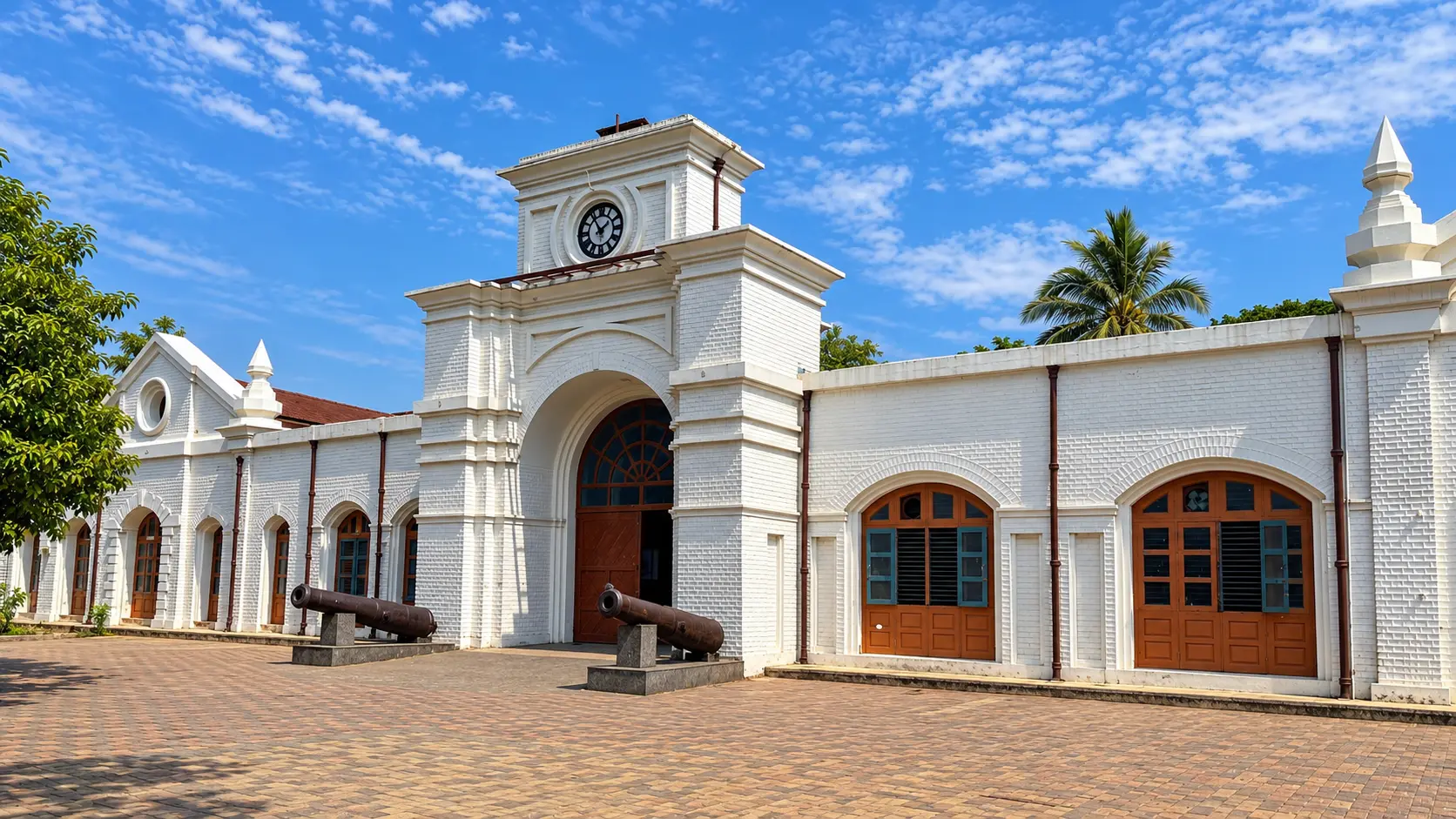
- Hukitola Island Heritage Monument (~45 km south): An intriguing colonial heritage monument situated on a remote island in the Mahanadi delta. Built by British engineers in 1867 following the catastrophic Orissa Famine (Na'Anka Durbhiksha), this massive stone complex features an ingenious subterranean rainwater harvesting reservoir and served as an offshore customs house and rice depot.
- Kendrapara Town & Baladevjew Temple (~45 km southwest): The historic district headquarters, famous across Odisha for the magnificent 17th-century Sri Baladevjew Temple, dedicated to Lord Balarama (elder brother of Lord Jagannath), and celebrated for its iconic local milk delicacy, Kendrapara Rasabali (a Geographical Indication tagged sweet consisting of deep-fried paneer patties soaked in thickened cardamom-infused milk).
- Chandbali Historic Port (~35 km northwest): A historic 19th-century river port on the banks of the Baitarani River in Bhadrak district, which served as a bustling trading gateway between British Bengal and Odisha.
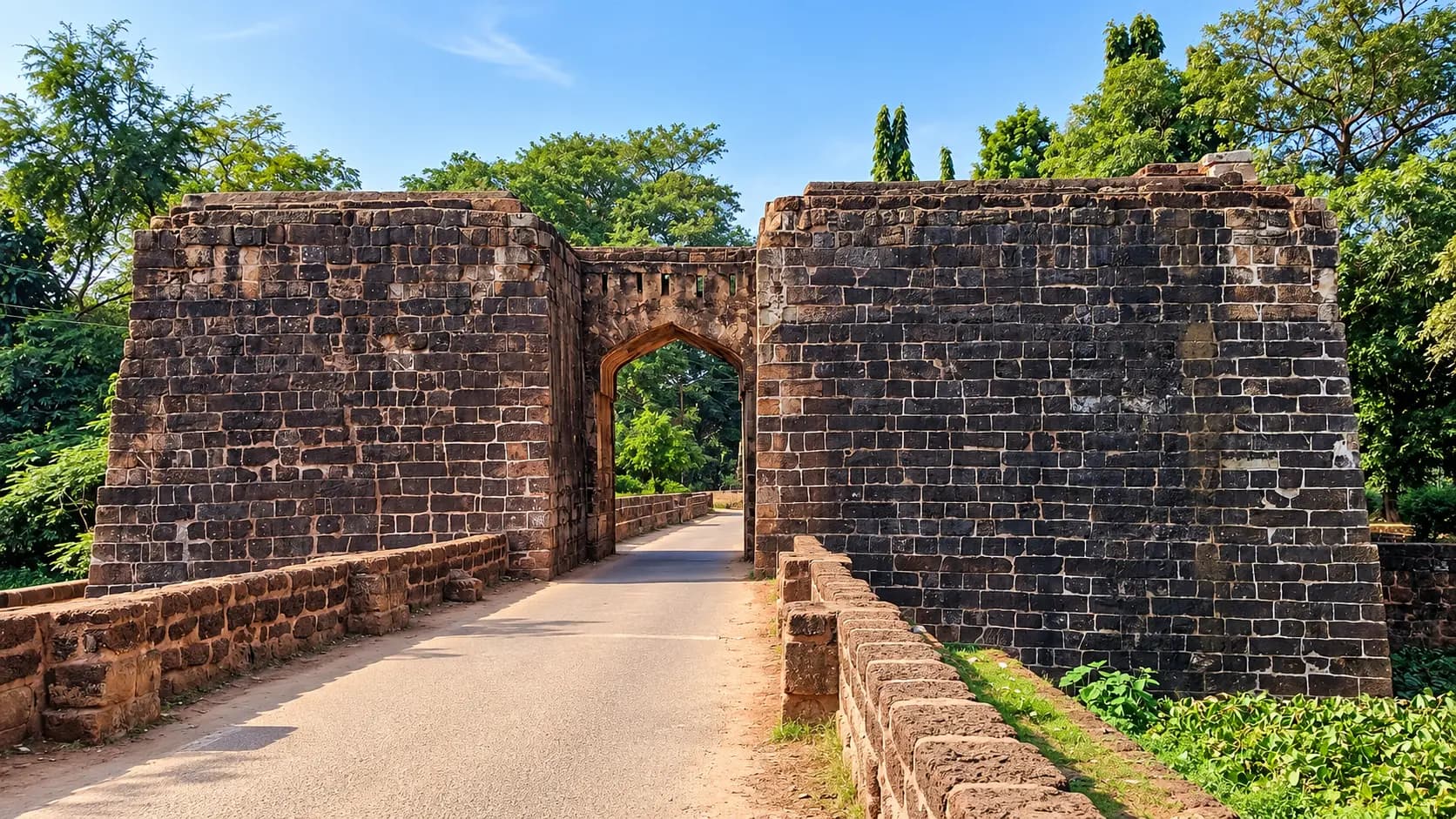
- Barabati Fort & Cuttack City (~140 km west): The 13th-century capital of the Eastern Ganga dynasty in Cuttack, featuring the ancient nine-storeyed palace mound, monumental arched gateway, and adjacent silver filigree artisan bazaars.
In pictures
The practical bits
Before you go.
Plan ahead
A successful expedition to Bhitarkanika requires thoughtful advance planning to navigate tide schedules, boat…Explore detailsClose details
A successful expedition to Bhitarkanika requires thoughtful advance planning to navigate tide schedules, boat logistics, and park safety:
Annual breeding closure date verification
The single most critical rule when planning a trip to Bhitarkanika is respecting the annual breeding closure.Explore detailsClose details
The single most critical rule when planning a trip to Bhitarkanika is respecting the annual breeding closure. The national park is strictly closed to all tourists from May 1 to July 31 every single year. Do not book travel or accommodation for Bhitarkanika during these three months, as no safari boats are permitted onto the water. Plan your visit between October and March for the finest combination of pleasant weather and peak crocodile basking activity.
Tidal timing and crocodile basking strategy
Because saltwater crocodiles are ectothermic (cold-blooded) reptiles, their basking habits are heavily influenced…Explore detailsClose details
Because saltwater crocodiles are ectothermic (cold-blooded) reptiles, their basking habits are heavily influenced by the daily tidal cycle. The optimal time for spotting giant crocodiles basking along the mudbanks is during low tide on warm, sunny winter mornings (between 09:00 AM and 01:30 PM). When the tide goes out, wide mudflats are exposed, and crocodiles emerge to bask in direct sunlight. Consult your local boatman or forest guide regarding the daily tide tables to time your boat safari departure to coincide with the falling tide.
Mandatory crocodile safety protocols
Saltwater crocodiles are apex ambush predators possessing extraordinary burst speed and territorial aggression.Explore detailsClose details
Saltwater crocodiles are apex ambush predators possessing extraordinary burst speed and territorial aggression. Visitors must strictly adhere to the following safety rules:
- Never lean out of the boat, sit on boat gunwales, or dangle hands and arms in the water.
- Never alight from the boat onto muddy tidal creek banks under any circumstances; crocodiles conceal themselves just below the surface of turbid water and can launch their entire body length onto the bank in a fraction of a second.
- Always wear the USCG-approved lifejacket provided by the boat operator while on the water.
Booking government eco-cottages (Dangamal Nature Camp)
To experience the magic of Bhitarkanika without rushing, stay overnight inside the forest at the Dangamal Nature…Explore detailsClose details
To experience the magic of Bhitarkanika without rushing, stay overnight inside the forest at the Dangamal Nature Camp, operated by the Odisha Forest Development Corporation (OFDC). Located in a tranquil forest clearing near the crocodile centre, the camp offers comfortable air-conditioned luxury tents and deluxe stone cottages, with all meals (traditional Odia buffet cuisine) included. Accommodations must be reserved several weeks in advance through the official state eco-tourism portal (https://ecotourodisha.com/). Additional private eco-resorts operate outside the forest gate in Rajnagar and near Khola jetty.
A few things you might wonder
Common questions about visiting Bhitarkanika National Park. Fees, visiting hours and ceremonies are researched details that may change; confirm current arrangements with the operator before travelling.
Why is Bhitarkanika National Park closed from May 1 to July 31 every year?
Which entrance gate is best for taking a boat safari in Bhitarkanika?
How many saltwater crocodiles live in Bhitarkanika National Park?
Is it safe to visit Bhitarkanika given the large crocodile population?
What is the best time of year to visit Bhitarkanika National Park?
Can you see Olive Ridley turtles during a safari in Bhitarkanika?
Where can visitors stay overnight inside Bhitarkanika National Park?
What species of birds can be seen in Bhitarkanika?
Explore more in Bhitarkanika Cuttack
Discover other destinations around this hub
More Hubs in Odisha
Continue exploring other travel hubs in this state
Planning a trip to Bhitarkanika & Cuttack?