Kabini River (Nagarhole)
Plan your wildlife trip to Kabini River in Nagarhole, Karnataka. Complete guide covering boat and jeep safaris, wild elephant gatherings, black panthers, and resorts.
Location
Bandipur & Kabini, Karnataka
A closer look
Your visit, at a glance.
Bandipur Kabini, Karnataka
GET TO KNOW THE PLACE
The Kabini River and its sprawling, fifty-five-square-kilometer reservoir constitute one of the most celebrated, visually captivating, and ecologically dramatic wildlife…
The story of Kabini River (Nagarhole)
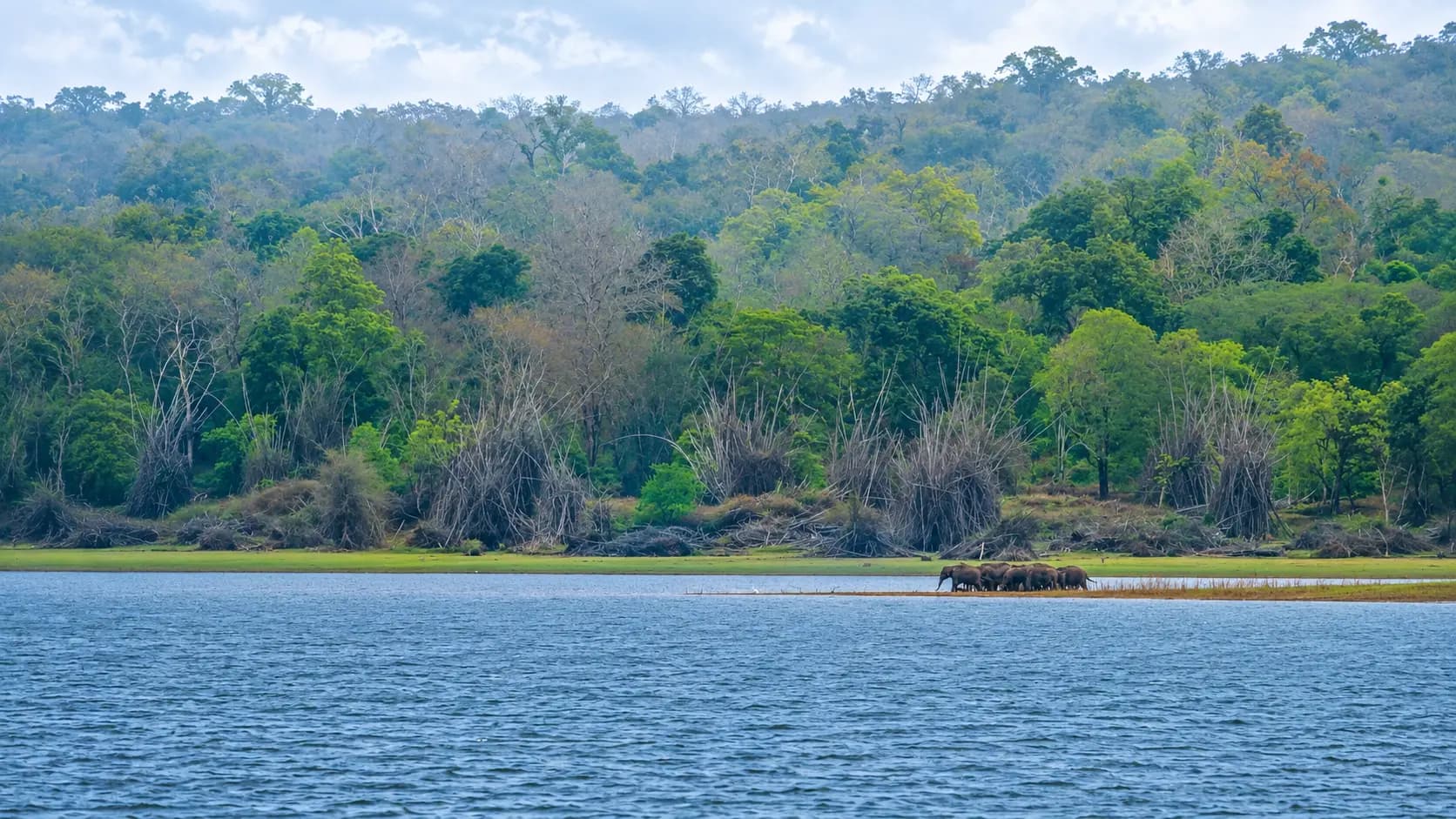
The Kabini River and its sprawling, fifty-five-square-kilometer reservoir constitute one of the most celebrated, visually captivating, and ecologically dramatic wildlife spectacles on the Indian subcontinent. Situated within the H.D. Kote (Heggadadevankote) Taluk of southern Karnataka’s Mysuru District - approximately seventy-five kilometers southwest of Mysuru city - Kabini sits at an average water level elevation of 705 meters (2,313 feet) above mean sea level. Flowing out of the rugged, rainforest-clad peaks of Wayanad in Kerala, the river was impounded in 1974 by the construction of the Kabini Dam near Beechanahalli, creating a vast, shimmering inland sea that forms the natural, aquatic boundary separating two of India's greatest wildlife sanctuaries: Nagarhole National Park (Rajiv Gandhi National Park) along its northern banks and Bandipur National Park along its southern shores.
Originally the private hunting preserve of the Maharajas of Mysore and British viceroys - where elaborate khedda operations were mounted to capture wild elephants in the late nineteenth and early twentieth centuries - Kabini was transformed in 1980 with the founding of the world-famous Kabini River Lodge, the inaugural property of Jungle Lodges & Resorts that pioneered India’s modern ecotourism model. Today, Kabini is internationally renowned for offering a dual safari experience: silent motorized boat safaris that cruise along the reservoir edges where megafauna emerge to drink and bathe, and thrilling open 4x4 Gypsy game drives that track deep into the moist deciduous teak and rosewood jungles of Nagarhole Tiger Reserve. Most famously, during the dry summer months, the receding reservoir waters expose vast, emerald grazing meadows, triggering the legendary Great Asian Elephant Congregation, where hundreds of wild elephants gather along the shorelines in one of the grandest wildlife spectacles on Earth.
+----------------------------------------------------------------------------------------------------+
|                                    KABINI RESERVOIR & RIVER ECOSYSTEM PROFILE                      |
|                                                                                                    |
|  [NAGARHOLE NATIONAL PARK / TIGER RESERVE] (Northern Bank: Moist Deciduous Teak & Rosewood)         |
|  ================================================================================================= |
|                ~ ~ ~ ~ ~ ~ ~ ~ ~ ~ ~ ~ ~ ~ ~ ~ ~ ~ ~ ~ ~ ~ ~ ~ ~ ~ ~ ~ ~ ~ ~ ~ ~ ~ ~ ~             |
|             ~ ~ ~ ~ ~ [KABINI RESERVOIR / BACKWATERS: 55 sq km Surface Area] ~ ~ ~ ~ ~             |
|           ~ ~ ~   (Summer Elephant Gathering, Mugger Crocodiles, Ospreys, Boat Safaris)  ~ ~ ~     |
|                ~ ~ ~ ~ ~ ~ ~ ~ ~ ~ ~ ~ ~ ~ ~ ~ ~ ~ ~ ~ ~ ~ ~ ~ ~ ~ ~ ~ ~ ~ ~ ~ ~ ~ ~ ~             |
|  ================================================================================================= |
|  [BANDIPUR NATIONAL PARK / TIGER RESERVE] (Southern Bank: Dry Deciduous Scrub & Forests)           |
|                                                                                                    |
|  Safari Bases: Karapura (Kabini River Lodge / JLR) & Dammanakatte (KFD Counter) | Elev: 705 m      |
|  Key Highway: State Highway 33 (SH-33) from Mysuru | Administrative District: Mysuru (H.D. Kote)   |
+----------------------------------------------------------------------------------------------------+
Start here. Open a tile for the full details.
Why goRead details
Kabini is universally recognized by wildlife filmmakers, safari connoisseurs, and professional photographers as one of the ultimate wilderness destinations in Asia. It offers an intoxicating combination of high predator densities, unique boat safari perspectives, and monumental elephant herds.
When to visitRead details
Kabini offers rewarding wildlife viewing throughout the year, but the landscape and animal movements shift dramatically between the wet monsoonal season and the parched summer months.
Entry & permissionsRead details
Fees, visiting hours and entry rules may change. Confirm the latest details with the official operator or local authority before travelling.
Because Kabini encompasses protected water bodies and borders core tiger reserves in both Nagarhole and Bandipur, all visitor movements are strictly regulated by the Karnataka Forest Department.
+----------------------------------------------------------------------------------------------------+
|                                    PERMIT & ENTRY FEE STRUCTURE                                    |
|                                                                                                    |
|  Category             | Indian Nationals                    | Foreign Nationals                    |
|  ---------------------+-------------------------------------+------------------------------------- |
|  KFD Boat Safari      | Approx. ₹450 - ₹600 per seat        | Approx. ₹1,500 - ₹2,000 per seat     |
|  KFD Canter Bus Safari| Approx. ₹400 - ₹550 per seat        | Approx. ₹1,200 - ₹1,800 per seat     |
|  JLR Naturalist Safari| Approx. ₹3,500 - ₹5,500 per session | Approx. ₹5,500 - ₹8,000 per session  |
|                       | (or included in residential tariff) | (or included in residential tariff)  |
|  Private Boat Entry   | Strictly prohibited on reservoir    | Strictly prohibited on reservoir     |
|  Night Road Curfew    | Core forest gates closed 18:00-06:00| Core forest gates closed 18:00-06:00 |
+----------------------------------------------------------------------------------------------------+
Safari Modes and Departmental Permissions
Visitors to Kabini have two main administrative routes for undertaking safaris:
- Jungle Lodges & Resorts (Kabini River Lodge) & Partner Resorts: Guests staying at the state-owned Kabini River Lodge or affiliated luxury eco-resorts have safaris integrated into their stay packages. These safaris are conducted in specialized open 4x4 Maruti Gypsy vehicles and 20-seat motorized safari boats accompanied by expert senior naturalists holding forest department clearances.
- Karnataka Forest Department Public Counter (Dammanakatte / Antharasanthe): For budget travelers and day visitors, the forest department operates direct counter safaris from the Dammanakatte safari center. Here, travelers can purchase tickets for departmental canter bus safaris into the forest or motorized boat safaris onto the reservoir on a first-come, first-served basis.
Daily Safari Timings
- Morning Safari Shift: 06:30 AM to 09:15 AM (Boats and jeeps depart simultaneously).
- Afternoon Safari Shift: 15:30 PM to 18:15 PM (Returning to base gates promptly before sunset).
- Check-in Protocols: Visitors booking direct KFD safaris must arrive at the Dammanakatte counter at least forty-five minutes before departure (by 05:45 AM for morning safaris and by 02:30 PM for afternoon safaris) to complete identity verification and permit allocation.
Forest Conduct and Conservation Ethics
Visitors must respect essential conservation guidelines while on Kabini waters and forest trails:
- Private Boating Ban: Absolutely no private boats, kayaks, jet skis, or private watercraft are permitted on the Kabini reservoir. The water surface is patrolled strictly by forest department anti-poaching boats.
- No Disembarking: Disembarking from safari boats onto islands, sandbanks, or forest shorelines is strictly prohibited. Similarly, guests on jeep safaris must remain seated inside the vehicle at all times.
- Life Jackets Mandatory: All passengers boarding boat safaris must wear approved life jackets provided by the operators throughout the duration of the cruise.
- Zero Plastic & Noise Discipline: Single-use plastic bottles and plastic snack wrappers are strictly banned. Visitors must refrain from loud talking, shouting, or using mobile ringtones that disrupt the natural tranquility of the sanctuary.
Plan your visitRead details
Kabini is easily accessible by road from major cities in southern Karnataka and northern Kerala, situated along well-maintained state and national highways.
Explore the full guide - choose a topic below.
Why visit?
Kabini is universally recognized by wildlife filmmakers, safari connoisseurs, and professional photographers as…Explore detailsClose details
Kabini is universally recognized by wildlife filmmakers, safari connoisseurs, and professional photographers as one of the ultimate wilderness destinations in Asia. It offers an intoxicating combination of high predator densities, unique boat safari perspectives, and monumental elephant herds.
1. The Great Summer Asian Elephant Gathering
Between late February and May, Kabini plays host to an extraordinary biological phenomenon:
- Exposed Alluvial Meadows: As the dry season progresses, the water level in the Kabini reservoir steadily drops, exposing thousands of acres of nutrient-rich silt along the dry lakebed. Sunlit shoots of fresh, tender green grass rapidly carpet the newly exposed banks.
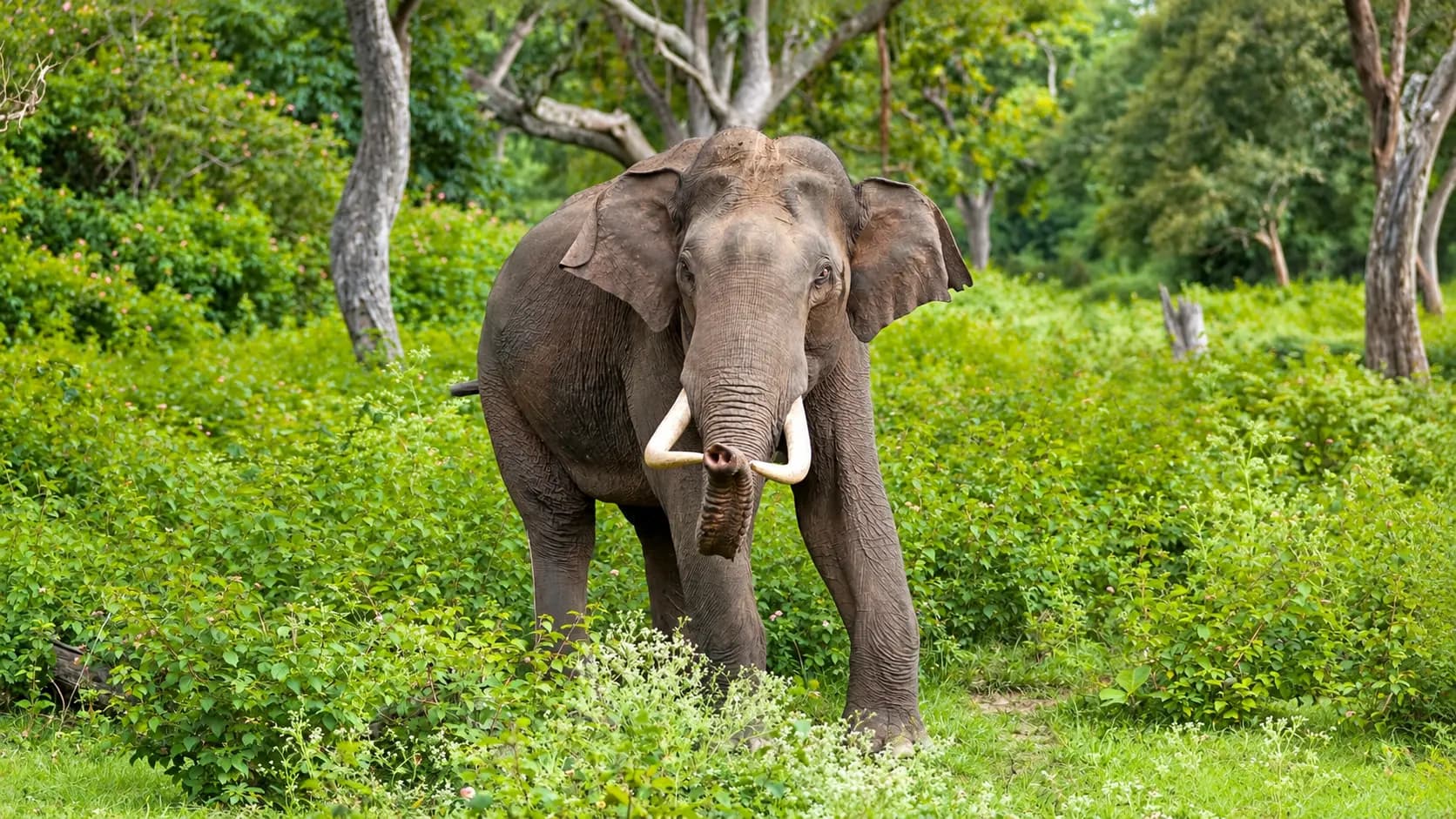
- The Largest Congregation in Asia: Scenting the fresh forage from miles away across the dry deciduous forests of Bandipur, Nagarhole, Wayanad, and Mudumalai, wild Asian elephants (Elephas maximus) converge on the reservoir shores. During peak summer in April and May, herds numbering three hundred to five hundred individuals gather simultaneously along the shoreline. Visitors on safari boats can observe multi-generational elephant clans - ranging from tiny suckling calves to imposing matriarchs and majestic tusker bulls - mud-wallowing, dust-bathing, playfully swimming with trunks held high like snorkels, and engaging in complex social rituals.
2. The Realm of the Black Panther and Apex Predators
Kabini possesses an almost mythical reputation among big cat enthusiasts:
- The Melanistic Leopard (Black Panther): Kabini gained global fame through celebrated wildlife documentaries (such as National Geographic's The Real Black Panther) chronicling the life of "Saya," an elusive melanistic leopard who established his territory within the tourist zone of Nagarhole along the Kabini backwaters. While sightings of black panthers are rare and thrilling, regular spotted leopards (Panthera pardus) thrive here in astonishing numbers, often seen lounging on horizontal branches of massive Indian rosewood and teak trees.
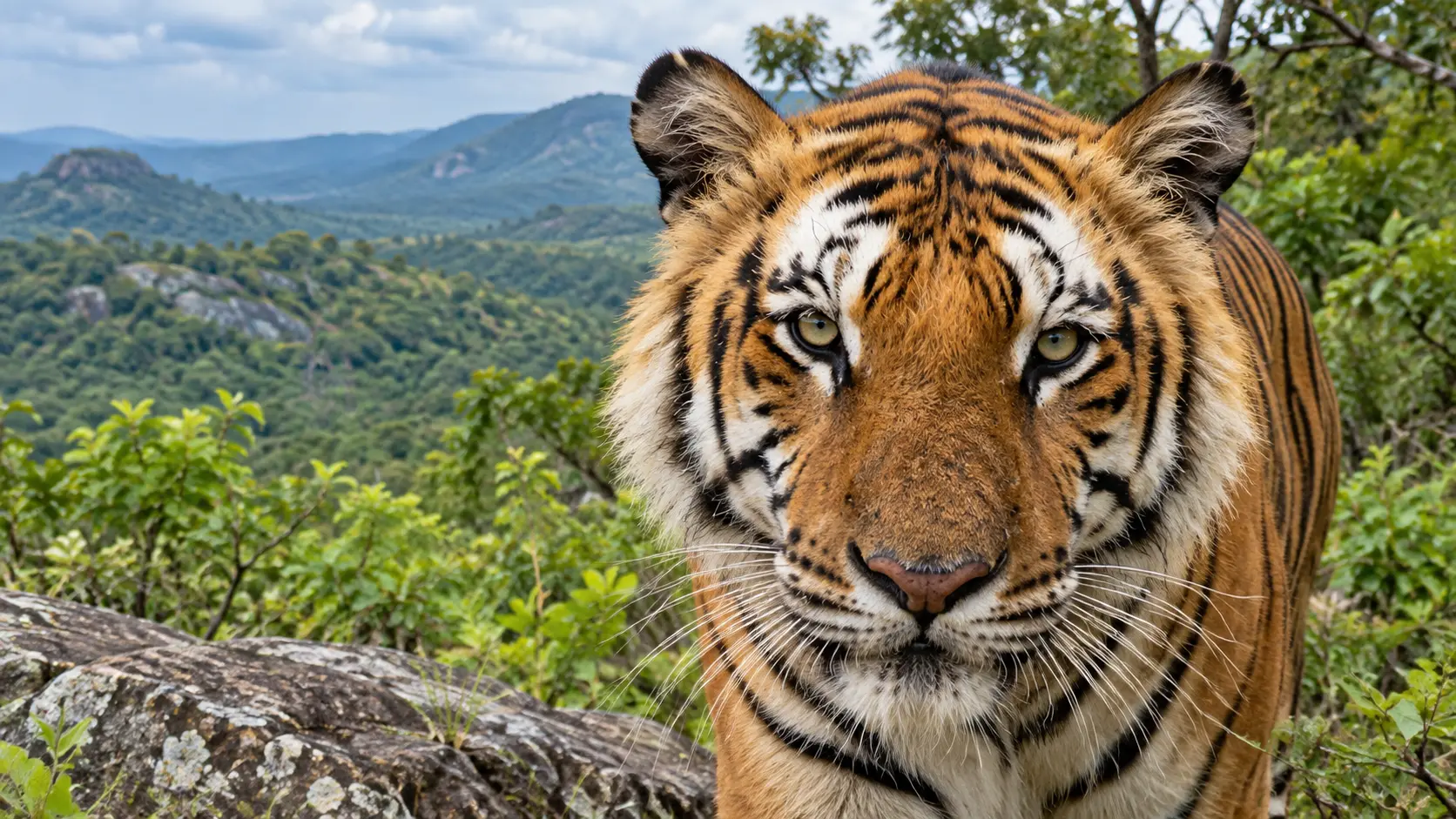
- High Bengal Tiger Density: The lush riverine ecology supports an immense prey base of spotted deer (chital), sambar, and Indian gaur, allowing the tiger population of Nagarhole to flourish. Seeing a massive Bengal tiger emerge silently from the bamboo thickets to cool off in the reservoir water or stalk across an open shoreline meadow is one of Kabini’s signature highlights.
- Asiatic Wild Dogs (Dholes): Disciplined packs of dholes roam the Kabini riverbanks, coordinating lightning-fast hunts across open clearings with breathtaking tactical precision.
3. The Dual Safari Dimension: Water and Land
Unlike most wildlife sanctuaries in India that permit only terrestrial vehicle safaris, Kabini offers a deeply complementary dual safari model:
- Motorized Boat Safaris: Gliding silently across the open reservoir waters in specially designed motorized safari boats provides a tranquil, unobtrusive vantage point. Wildlife on the banks does not perceive boats as a threat, allowing passengers to approach within safe viewing distance of swimming elephants, basking marsh crocodiles, and drinking predators without engine vibrations.
- Terrestrial 4x4 Jeep Safaris: Open Maruti Gypsy game drives venture deep into the interior D.B. Kuppe and Antharasanthe forest ranges of Nagarhole, tracking through towering teak groves, dense bamboo canopies, and sacred ancient tribal shrines.
4. Rich Aquatic and Avian Biodiversity
The expansive water surface and dead submerged tree trunks create an extraordinary habitat for wetland birds and aquatic reptiles:
- Mugger Crocodiles & Otters: Massive marsh crocodiles (Crocodylus palustris) bask openly on sandbanks and half-submerged logs, while playful family groups of smooth-coated otters (Lutrogale perspicillata) hunt fish in coordinated swimming formations.
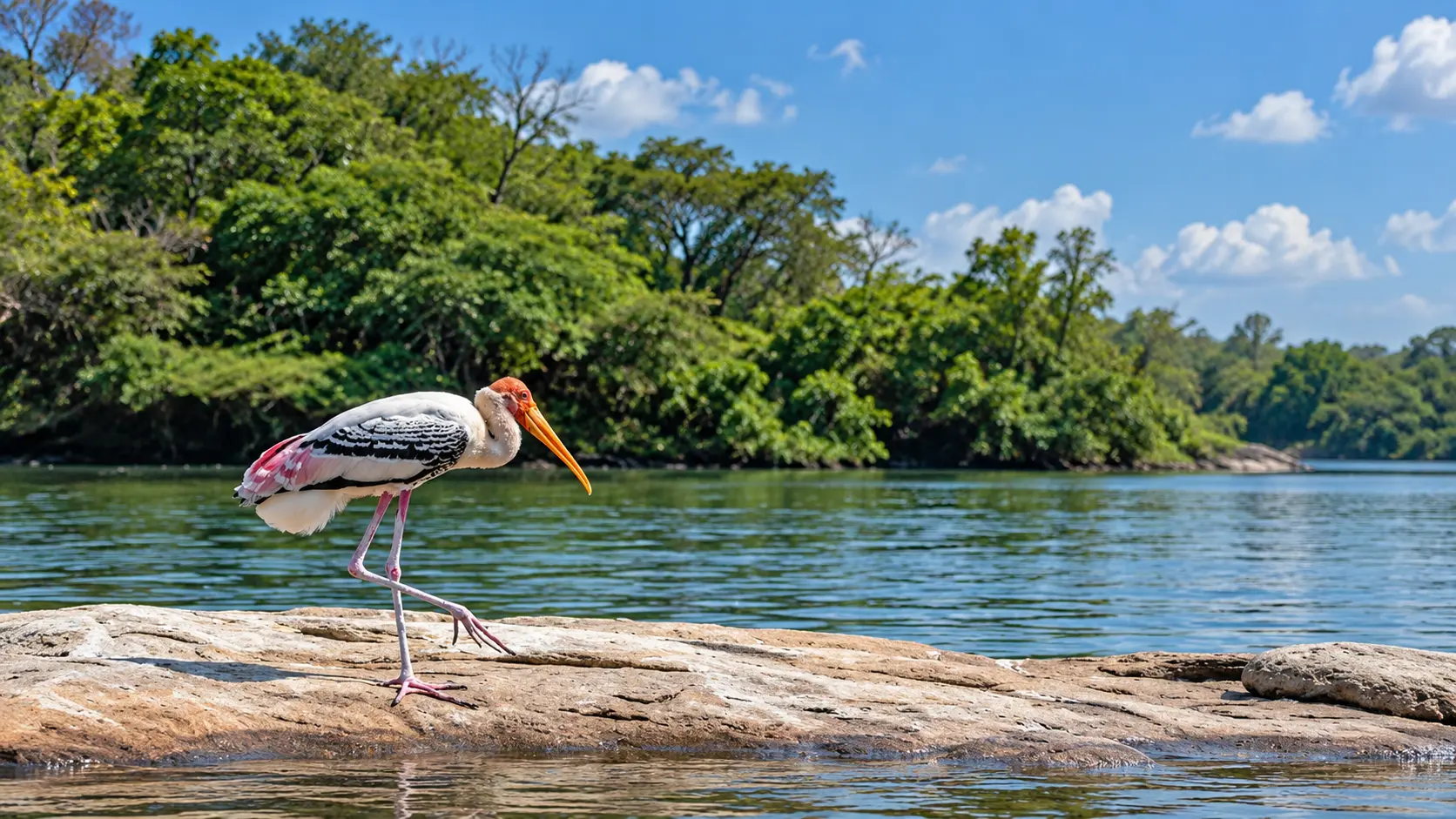
- Prolific Avifauna: Kabini is an avian paradise. Towering dead snags protruding from the water serve as perches for ospreys, grey-headed fish eagles, white-bellied sea eagles, river terns, painted storks, woolly-necked storks, oriental darters, and spot-billed pelicans. In the surrounding woodlands, the forest rings with the distinctive ringing calls of the Malabar pied hornbill and the vibrant plumage of the Indian pitta.
What to expect
Visiting Kabini is an immersive, high-end wildlife experience that combines the rugged thrill of tracking big…Explore detailsClose details
Visiting Kabini is an immersive, high-end wildlife experience that combines the rugged thrill of tracking big game with luxurious hospitality and deep natural history interpretation.
+----------------------------------------------------------------------------------------------------+
|                                    KABINI SAFARI ROUTINE & EXPECTATIONS                            |
|                                                                                                    |
|  Feature              | Details & Practical Realities                                              |
|  ---------------------+--------------------------------------------------------------------------- |
|  Morning Safari Shift | 06:30 to 09:15 daily (Chilly, misty water; high predator activity)         |
|  Afternoon Safari Shift| 15:30 to 18:15 daily (Warm golden light; high elephant gatherings at shore)|
|  Safari Staging Bases | Karapura (Kabini River Lodge / JLR) and Dammanakatte (KFD Public Counter)  |
|  Safari Modalities    | Rotational alternation: Boat Safari on reservoir / Jeep Safari in forest   |
|  Terrain & Scenery    | Broad water bodies, dead tree snags, exposed grassbeds, dense teak forest  |
|  Weather (Winter)     | Misty, cool mornings (14°C-18°C); warm, breezy afternoons (26°C-28°C)      |
|  Weather (Summer)     | Dry, warm afternoons (32°C-36°C); low reservoir waters; high animal density|
|  Atmospheric Vibe     | Sophisticated eco-wilderness, naturalists, silent boat cruises, campfires  |
+----------------------------------------------------------------------------------------------------+
The Typical Daily Safari Schedule
Most visitors stay at authorized eco-lodges along the Kabini riverfront (such as the government-owned Kabini River Lodge or neighboring boutique luxury resorts) that follow a classic safari rhythm:
- The Morning Safari (06:30 to 09:15): The day begins before dawn with a wake-up call and hot coffee or tea. Guests assemble at the resort jetty or departure bay as thick ribbons of white mist hang over the glassy water. Whether boarding a silent safari boat or climbing into an open 4x4 Gypsy, early morning drives offer the best chances of intercepting big cats returning from nocturnal hunts or catching leopards warming themselves on sunny tree branches.
- Midday Rest and Naturalist Interaction: Between 10:00 AM and 03:00 PM, guests relax during the warm midday hours. Activities include birdwatching within resort grounds, visiting the wildlife interpretation center, or taking a peaceful coracle (circular woven boat) ride along protected backwater bays.
- The Afternoon Safari (15:30 to 18:15): Departing in the late afternoon, this drive captures the magic of golden-hour lighting. Terrestrial jeeps search waterhole clearings, while boat safaris witness the majestic spectacle of elephant families streaming out of the jungle to feed along the exposed grassy banks, silhouetted against vibrant crimson sunsets.
Best time to visit
Kabini offers rewarding wildlife viewing throughout the year, but the landscape and animal movements shift…Explore detailsClose details
Kabini offers rewarding wildlife viewing throughout the year, but the landscape and animal movements shift dramatically between the wet monsoonal season and the parched summer months.
+----------------------------------------------------------------------------------------------------+
|                                    ANNUAL SEASONAL & WILDLIFE CALENDAR                             |
|                                                                                                    |
|  Season               | Months         | Temperature Range | Reservoir Character & Wildlife Trends |
|  ---------------------+----------------+-------------------+-------------------------------------- |
|  Summer (Dry Prime)   | Mar - May      | 24°C to 36°C      | Receding water exposes grass; massive |
|                       |                |                   | elephant herds; highest cat sightings |
|  Monsoon (Green Season| Jun - Sep      | 20°C to 28°C      | Full reservoir, heavy rain (1,500 mm),|
|                       |                |                   | lush green jungle; lower cat sighting |
|  Winter (Post-Monsoon)| Oct - Feb      | 14°C to 28°C      | Misty cool mornings, pleasant days,   |
|                       |                |                   | balanced boat/jeep safaris, birdlife  |
+----------------------------------------------------------------------------------------------------+
Summer (March to May): The Unrivaled Peak Wildlife Season
For dedicated wildlife photographers, big cat enthusiasts, and megafauna observers, summer is indisputably the finest time to visit Kabini. As the water level drops by several meters, the expansive exposed shoreline turns into a vibrant green pasture surrounded by parched deciduous forest. Animals have no choice but to visit the reservoir daily for hydration and food. Giant herds of elephants, massive solitary gaurs, herds of chital, and predators congregate in the open along the water's edge, offering unobstructed, world-class photographic opportunities. Daytime temperatures can reach 32°C to 36°C, but boat safaris on the water remain pleasantly cool.
Winter and Post-Monsoon (October to February): The Scenic & Birding Prime
Winter offers the most comfortable and picturesque climate for leisure travelers and birdwatchers. Mornings are misty and cool (14°C to 18°C), while afternoons are mild and sunny (24°C to 28°C). The reservoir is full to the brim, with green forest foliage dipping directly into the water. Winter brings thousands of migratory waterfowl, ospreys, and raptors to the backwaters. While the thick post-monsoon foliage makes spotting leopards and tigers in the forest interior slightly more challenging than in summer, overall wildlife activity is high, and the ambiance is magical.
Monsoon (June to September): The Romantic Rejuvenation
Between June and September, the southwest monsoon drenches the Kabini basin in heavy, nourishing rainfall (1,200 mm to 1,800 mm). The river swells, the reservoir fills to maximum capacity, and the forest awakens in shades of brilliant emerald green. While heavy downpours can occasionally cause muddy track conditions on jeep safaris and undergrowth is dense, monsoon boat safaris through misty, rain-washed backwaters offer deep romance, solitude, and magnificent dramatic skies.
How to reach
Kabini is easily accessible by road from major cities in southern Karnataka and northern Kerala, situated along…Explore detailsClose details
Kabini is easily accessible by road from major cities in southern Karnataka and northern Kerala, situated along well-maintained state and national highways.
+----------------------------------------------------------------------------------------------------+
|                                    ROAD APPROACH ROUTES TO KABINI                                  |
|                                                                                                    |
|  [Route 1: Mysuru to Kabini via SH-33]                                                             |
|  Mysuru ---> SH-33 (Mysuru-Mananthavady Road) ---> Jayapura ---> Hampapura (35 km)                 |
|  Hampapura ---> H.D. Kote / Handpost Junction (50 km) ---> Antharasanthe / Karapura (75 km)        |
|  Distance: ~75 km | Driving Time: 1.5 to 2 hours | Smooth, well-paved all-weather road             |
|                                                                                                    |
|  [Route 2: Bengaluru to Kabini via Mysuru Expressway]                                              |
|  Bengaluru ---> Bengaluru-Mysuru Expressway (NH-275, 140 km) ---> Mysuru Outer Ring Road           |
|  Mysuru Ring Road ---> SH-33 South ---> H.D. Kote / Handpost ---> Karapura / Dammanakatte          |
|  Distance: ~215 km | Driving Time: 4.5 to 5 hours | Rapid multi-lane transit to Mysuru             |
|                                                                                                    |
|  [Route 3: Wayanad / Kerala to Kabini via Bavali]                                                  |
|  Mananthavady ---> Bavali Border Checkpost ---> D.B. Kuppe Forest Road ---> Antharasanthe          |
|  Distance: ~60 km | Driving Time: 1.5 hours through dense interstate tiger reserve forest          |
+----------------------------------------------------------------------------------------------------+
Approach from Mysuru (75 km)
Mysuru is the immediate domestic transit gateway to Kabini:
- Travelers depart Mysuru via the southern ring road, taking State Highway 33 (SH-33, the Mananthavady Road) southwest through rural sugarcane and paddy landscapes.
- Passing through Jayapura and Hampapura, the road crosses the Kapila River and reaches the commercial junction town of Handpost (H.D. Kote) at the 50-kilometer mark.
- From Handpost, vehicles continue southwest along SH-33 for approximately twenty-five kilometers through Antharasanthe to reach the village clusters of Karapura and Nisana, where the safari boarding points and riverside eco-resorts are concentrated.
Approach from Bengaluru (215 km)
The drive from Bengaluru to Kabini is exceptionally smooth:
- Travelers take the ten-lane Bengaluru-Mysuru Access-Controlled Expressway (NH-275), reaching the outskirts of Mysuru in approximately ninety minutes.
- From the northern junction of the Mysuru ring road, motorists bypass the city center along the western or southern ring road to connect seamlessly onto SH-33 toward H.D. Kote and Karapura. The entire 215-kilometer journey takes roughly 4.5 to 5 hours.
Rail and Air Connections
- Nearest Railway Station: Mysuru Junction (MYS), located 75 kilometers northeast. Mysuru is connected by high-speed Vande Bharat, Shatabdi, and express trains to Bengaluru, Chennai, and other southern cities. Authorized tourist taxis and pre-paid cars are readily available outside the station.
- Nearest Domestic Airport: Mysuru Airport (MYQ), located approximately 70 kilometers northeast via Nanjangud and SH-33.
- Nearest International Airports: Kempegowda International Airport Bengaluru (BLR) (approx. 250 km) and Calicut International Airport (CCJ) in Kerala (approx. 145 km via Mananthavady).
Entry, timings and permissions
Fees, visiting hours and entry rules may change.Explore detailsClose details
Fees, visiting hours and entry rules may change. Confirm the latest details with the official operator or local authority before travelling.
Because Kabini encompasses protected water bodies and borders core tiger reserves in both Nagarhole and Bandipur, all visitor movements are strictly regulated by the Karnataka Forest Department.
+----------------------------------------------------------------------------------------------------+
|                                    PERMIT & ENTRY FEE STRUCTURE                                    |
|                                                                                                    |
|  Category             | Indian Nationals                    | Foreign Nationals                    |
|  ---------------------+-------------------------------------+------------------------------------- |
|  KFD Boat Safari      | Approx. ₹450 - ₹600 per seat        | Approx. ₹1,500 - ₹2,000 per seat     |
|  KFD Canter Bus Safari| Approx. ₹400 - ₹550 per seat        | Approx. ₹1,200 - ₹1,800 per seat     |
|  JLR Naturalist Safari| Approx. ₹3,500 - ₹5,500 per session | Approx. ₹5,500 - ₹8,000 per session  |
|                       | (or included in residential tariff) | (or included in residential tariff)  |
|  Private Boat Entry   | Strictly prohibited on reservoir    | Strictly prohibited on reservoir     |
|  Night Road Curfew    | Core forest gates closed 18:00-06:00| Core forest gates closed 18:00-06:00 |
+----------------------------------------------------------------------------------------------------+
Safari Modes and Departmental Permissions
Visitors to Kabini have two main administrative routes for undertaking safaris:
- Jungle Lodges & Resorts (Kabini River Lodge) & Partner Resorts: Guests staying at the state-owned Kabini River Lodge or affiliated luxury eco-resorts have safaris integrated into their stay packages. These safaris are conducted in specialized open 4x4 Maruti Gypsy vehicles and 20-seat motorized safari boats accompanied by expert senior naturalists holding forest department clearances.
- Karnataka Forest Department Public Counter (Dammanakatte / Antharasanthe): For budget travelers and day visitors, the forest department operates direct counter safaris from the Dammanakatte safari center. Here, travelers can purchase tickets for departmental canter bus safaris into the forest or motorized boat safaris onto the reservoir on a first-come, first-served basis.
Daily Safari Timings
- Morning Safari Shift: 06:30 AM to 09:15 AM (Boats and jeeps depart simultaneously).
- Afternoon Safari Shift: 15:30 PM to 18:15 PM (Returning to base gates promptly before sunset).
- Check-in Protocols: Visitors booking direct KFD safaris must arrive at the Dammanakatte counter at least forty-five minutes before departure (by 05:45 AM for morning safaris and by 02:30 PM for afternoon safaris) to complete identity verification and permit allocation.
Forest Conduct and Conservation Ethics
Visitors must respect essential conservation guidelines while on Kabini waters and forest trails:
- Private Boating Ban: Absolutely no private boats, kayaks, jet skis, or private watercraft are permitted on the Kabini reservoir. The water surface is patrolled strictly by forest department anti-poaching boats.
- No Disembarking: Disembarking from safari boats onto islands, sandbanks, or forest shorelines is strictly prohibited. Similarly, guests on jeep safaris must remain seated inside the vehicle at all times.
- Life Jackets Mandatory: All passengers boarding boat safaris must wear approved life jackets provided by the operators throughout the duration of the cruise.
- Zero Plastic & Noise Discipline: Single-use plastic bottles and plastic snack wrappers are strictly banned. Visitors must refrain from loud talking, shouting, or using mobile ringtones that disrupt the natural tranquility of the sanctuary.
Nearby places to consider
The Kabini River region is strategically located at the crossroads of southern Karnataka's premier national…Explore detailsClose details
The Kabini River region is strategically located at the crossroads of southern Karnataka's premier national parks, royal monuments, and Western Ghats hill ranges.
+----------------------------------------------------------------------------------------------------+
|                                    NEARBY DESTINATIONS NETWORK                                     |
|                                                                                                    |
|  [Nagarhole Core & Iruppu Falls: 65 km]          [Mysuru Royal Palace & Heritage: 75 km]           |
|  (Brahmagiri Range, Waterfalls, Western Ghats)   (Wodeyar Palaces, Chamundi Hill, Zoo)             |
|         ^                                              ^                                           |
|          \                                            /                                            |
|           \                                          /                                             |
|  ================= [KABINI RIVER & RESERVOIR: 705 m] ============================================= |
|           /                                          \                                             |
|          /                                            \                                            |
|         v                                              v                                           |
|  [Bandipur National Park: 55 km]                 [Wayanad Wildlife Sanctuary: 60 km]               |
|  (Core Tiger Reserve, NH-766 Safari Corridor)    (Tholpetty & Muthanga Ranges, Kerala)             |
+----------------------------------------------------------------------------------------------------+
Bandipur National Park (55 km)
Located just fifty-five kilometers southeast of Kabini via Sargur and Begur, Bandipur National Park forms the southern counterpart of the Kabini ecosystem. While Kabini is famous for water safaris and moist deciduous teak forests, Bandipur offers extensive dry deciduous and scrubland game drives along the base of the Nilgiri Hills, renowned for frequent sightings of Indian gaurs, sloth bears, and tiger clans.
Nagarhole National Park (Kutta / Nanachi Gate - 65 km)
Situated sixty-five kilometers northwest of Kabini on the border of Kodagu (Coorg) District, the western sectors of Nagarhole National Park feature dense semi-evergreen rainforests, bamboo valleys, and scenic streams. Nearby lies the sacred Iruppu Falls, a roaring cascade plunging down the Brahmagiri Range into the Lakshmana Tirtha River.
Wayanad Wildlife Sanctuary (Kerala - 60 km)
Extending seamlessly across the interstate border into Kerala via the Bavali checkpost, the Wayanad Wildlife Sanctuary encompasses the Tholpetty and Muthanga forest ranges. These lush Western Ghats forests offer tranquil jeep safaris through bamboo corridors that shelter wild Asian elephants, leopards, and endemic Nilgiri langurs.
Mysuru Royal Heritage (75 km)
Located seventy-five kilometers northeast along SH-33, the historic royal city of Mysuru offers a cultural contrast to Kabini's wilderness. Visitors can explore the world-renowned Mysore Palace (Amba Vilas), visit the historic Sri Chamarajendra Zoological Gardens, climb Chamundi Hill to view the ancient Chamundeshwari Temple and colossal Nandi monolith, and tour the Devaraja Market.
In pictures
The practical bits
Before you go.
Plan ahead
To experience the very best of Kabini’s aquatic and terrestrial wilderness, travelers must plan their itinerary…Explore detailsClose details
To experience the very best of Kabini’s aquatic and terrestrial wilderness, travelers must plan their itinerary to encompass both safari modalities, pack appropriately for open-air observation, and secure permits well in advance.
Dual Safari Modality Booking
Ensure your itinerary includes at least one water boat safari and one land jeep safari across a two-night stay…Explore detailsClose details
Ensure your itinerary includes at least one water boat safari and one land jeep safari across a two-night stay, allowing you to witness the magnificent shoreline elephant gatherings from the water and track tigers and leopards through the interior teak forest.
Neutral Field Clothing and Sun Protection
Wear lightweight, breathable clothing in muted earthy shades of olive green, khaki, and brown, and bring…Explore detailsClose details
Wear lightweight, breathable clothing in muted earthy shades of olive green, khaki, and brown, and bring polarized sunglasses, a wide-brimmed sun hat, high-SPF sunscreen, and a lightweight windbreaker jacket to protect against chilly morning lake breezes.
Long-Range Photographic Equipment
Equip telephoto lenses with focal lengths between 300mm and 600mm to capture distant shoreline wildlife from…Explore detailsClose details
Equip telephoto lenses with focal lengths between 300mm and 600mm to capture distant shoreline wildlife from boats, bring a monopod or beanbag for stabilizing heavy camera gear on moving watercraft, and carry protective waterproof dry bags to shield optics from lake spray.
Advance Residential Reservations
Book your accommodation at the Kabini River Lodge (Jungle Lodges & Resorts) or surrounding authorized eco-resorts…Explore detailsClose details
Book your accommodation at the Kabini River Lodge (Jungle Lodges & Resorts) or surrounding authorized eco-resorts several months in advance, especially for travel between October and May, as room quotas and associated safari permits are strictly capped to prevent overcrowding.
Combine with Southern Karnataka Wildlife
Pair your Kabini expedition with neighboring Bandipur National Park (55 km away via Begur) or the misty heights…Explore detailsClose details
Pair your Kabini expedition with neighboring Bandipur National Park (55 km away via Begur) or the misty heights of Himavad Gopalaswamy Betta, creating a comprehensive circuit exploring diverse habitats across the Nilgiri Biosphere Reserve.
+----------------------------------------------------------------------------------------------------+
|                                  SUGGESTED 2-DAY KABINI WILDLIFE ITINERARY                         |
|                                                                                                    |
|  Day 1: Arrival & The Afternoon Water Boat Safari                                                  |
|  - 12:30 PM: Arrive at Kabini River Lodge / resort via SH-33 from Mysuru. Check-in and lunch.     |
|  - 03:00 PM: Naturalist briefing and life-jacket fitting at the resort boat jetty.                |
|  - 03:30 PM to 06:15 PM: Afternoon Motorized Boat Safari. Cruise along reservoir margins; observe  |
|    elephant herds mud-bathing, basked marsh crocodiles, ospreys, and sunset over Nagarhole.       |
|  - 07:30 PM: Wildlife documentary screening, campfire interaction with naturalists, dinner.       |
|                                                                                                    |
|  Day 2: Morning Forest Game Drive & Departure                                                     |
|Check the current visiting hours and permitted access with the site operator before departure; ceremonies, closures and visitor sessions can affect access.|
|  - 06:30 AM to 09:15 AM: Morning Land Safari into Nagarhole Tiger Reserve (D.B. Kuppe range).     |
|    Track tigers and leopards along mist-draped teak tracks; observe gaurs and spotted deer.       |
|  - 09:30 AM: Full buffet breakfast at resort dining pavilion.                                     |
|  - 10:30 AM: Leisurely coracle ride along backwater bay or visit local tribal interpretation room.|
|  - 11:30 AM: Check-out; drive onward toward Mysuru, Coorg, or Bandipur.                          |
+----------------------------------------------------------------------------------------------------+
A few things you might wonder
Common questions about visiting Kabini River (Nagarhole). Fees, visiting hours and ceremonies are researched details that may change; confirm current arrangements with the operator before travelling.
What is the difference between Kabini and Nagarhole National Park?
What is the Great Summer Elephant Gathering in Kabini, and when does it happen?
Can tourists take both boat safaris and jeep safaris in Kabini?
Is it possible to see the famous Black Panther in Kabini?
How do day visitors book safaris if they are not staying at Jungle Lodges & Resorts?
Are private boats or private fishing permitted on the Kabini reservoir?
What is the best time of year to visit Kabini?
How far is Kabini from Bengaluru and Mysuru, and how do travelers get there?
Explore more in Bandipur Kabini
Discover other destinations around this hub
More Hubs in Karnataka
Continue exploring other travel hubs in this state
Planning a trip to Bandipur Kabini?