Himavad Gopalaswamy Betta
Plan your trip to Himavad Gopalaswamy Betta in Bandipur, Karnataka. Complete guide covering KSRTC bus shuttles, temple history, wild elephants, timings, and rules.
Location
Bandipur & Kabini, Karnataka
A closer look
Your visit, at a glance.
Bandipur Kabini, Karnataka
GET TO KNOW THE PLACE
Rising with solitary, mist-draped majesty out of the undulating forests of southern Karnataka, Himavad Gopalaswamy Betta is the highest geographical peak in Bandipur National…
The story of Himavad Gopalaswamy Betta
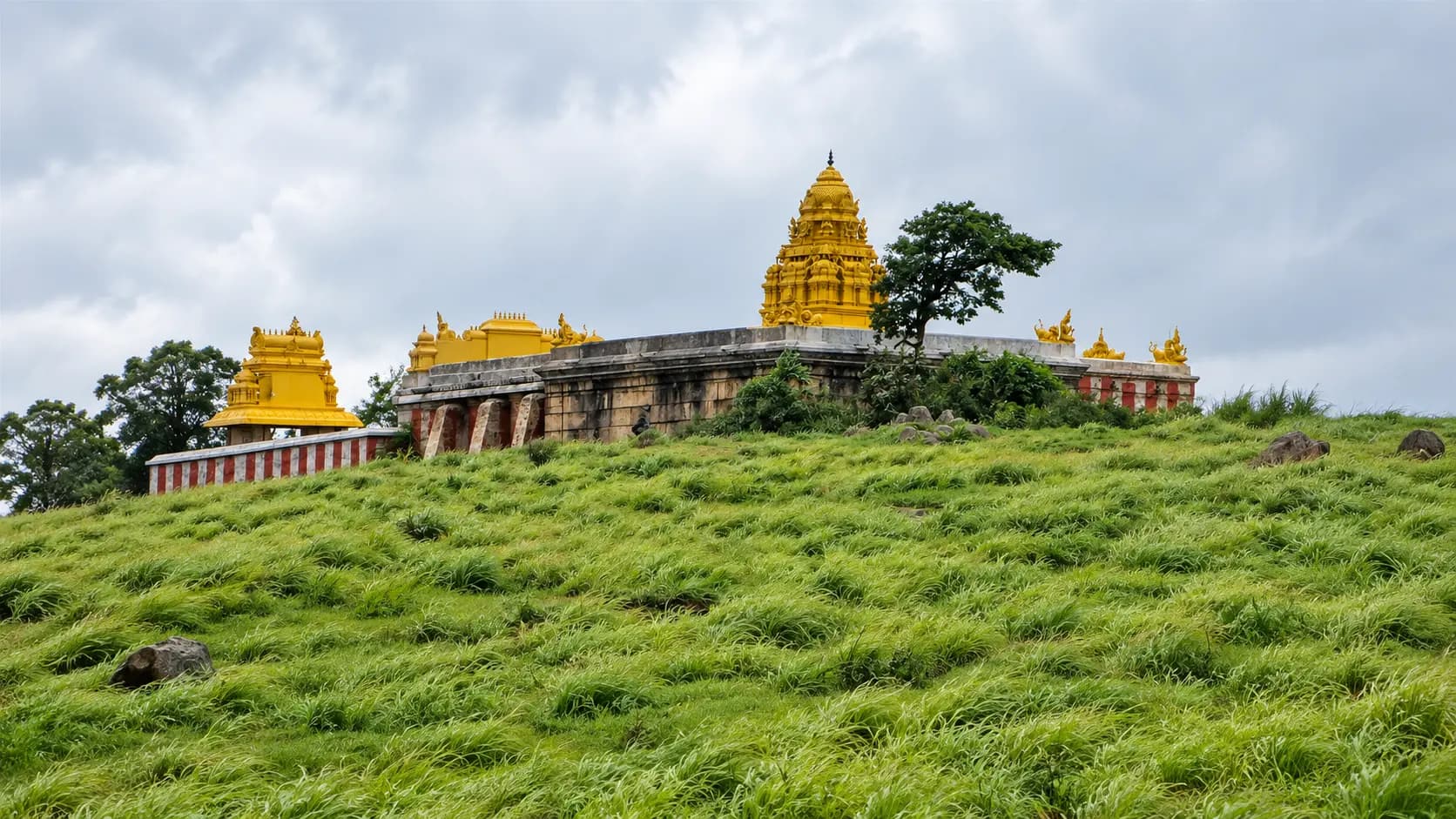
Rising with solitary, mist-draped majesty out of the undulating forests of southern Karnataka, Himavad Gopalaswamy Betta is the highest geographical peak in Bandipur National Park (Bandipur Tiger Reserve), reaching a summit elevation of 1,454 meters (4,770 feet) above mean sea level. Located within the Gundlupet Taluk of Chamarajanagar District - approximately seventy-five kilometers south of Mysuru and sixteen kilometers southwest of the market town of Gundlupet - this isolated montane sanctuary represents one of the most ecologically sensitive, spiritually revered, and visually enchanting high-altitude vantage points in the Nilgiri Biosphere landscape.
The name Himavad Gopalaswamy Betta is deeply descriptive of its unique meteorological and religious identity in the Kannada language: Himavad translates to "cloaked in snow, frost, or mist," referring to the dense, swirling blankets of white fog that envelop the mountain crest throughout virtually the entire year; Gopalaswamy honors Lord Krishna in his pastoral manifestation as the protector of cattle and wild herds (Gopala); and Betta means "hill." Crowned by an ancient fourteenth-century stone temple built during the reign of the Hoysala Empire and later patronized by the royal Wodeyar dynasty of Mysore, the peak is surrounded by rolling high-altitude grasslands (hadlus) and stunted evergreen shola forest patches. These lush, secluded plateaus serve as a vital grazing haven for herds of wild Asian elephants (Elephas maximus), which roam peacefully across the misty ridge beneath the watchful eye of the temple deity.
+----------------------------------------------------------------------------------------------------+
|                                    HIMAVAD GOPALASWAMY BETTA ELEVATION PROFILE                     |
|                                                                                                    |
|                                [TEMPLE SUMMIT CREST: 1,454 m]                                      |
|                        (Hoysala Venugopala Temple, Swirling Mist, Sacred Theertha)                 |
|                                            /\                                                      |
|                                           /  \                                                     |
|  [Rolling Montane Grasslands / Sholas]   /    \   [Elephant Grazing Ponds / Sholas]                |
|  - Wild Elephant Herds                  /      \  - Hamsa, Shankha, Chakra Sacred Ponds            |
|  - Strictly Fenced Viewing Perimeter   /        \ - Dangerous Drop-offs into Bandipur Forest       |
|                                       /          \                                                 |
|  ==================================== [10 km Mountain Ghat Road] ================================= |
|  - Strictly KSRTC Eco-Shuttle Buses Only (Private Vehicles Completely Banned)                      |
|  - Negotiates Steep Switchbacks and Forest Wildlife Corridors                                      |
|                                       \          /                                                 |
|  ==================================== [HANGALA BASE CHECKPOST: ~850 m] ============================ |
|  - Forest Parking Ground, Ticket Counter, KSRTC Bus Boarding Bay, Security Logging                 |
|                                                                                                    |
|  Summit Elevation: 1,454 m | Highest Point in Bandipur | Administrative District: Chamarajanagar   |
+----------------------------------------------------------------------------------------------------+
Start here. Open a tile for the full details.
Why goRead details
Himavad Gopalaswamy Betta offers a rare convergence of ancient Hoysala temple architecture, high-altitude montane weather, sweeping panoramas over a tiger reserve, and thrilling wild elephant sightings.
When to visitRead details
Himavad Gopalaswamy Betta can be visited year-round, but the quality of the experience changes markedly across the seasons.
Entry & permissionsRead details
Fees, visiting hours and entry rules may change. Confirm the latest details with the official operator or local authority before travelling.
Access to Himavad Gopalaswamy Betta is strictly regulated by the Karnataka Forest Department and the Revenue Department (Religious Endowments) to harmonize religious pilgrimage with wildlife conservation.
+----------------------------------------------------------------------------------------------------+
|                                    REGULATORY & FEE SCHEDULE MATRIX                                |
|                                                                                                    |
|  Category             | Operational Rules & Tariffs                                                |
|  ---------------------+--------------------------------------------------------------------------- |
|  Temple Entry Fee     | Completely free; no tickets or religious tax for darshan                   |
|  KSRTC Bus Shuttle    | Approx. ₹60 to ₹80 per person round trip (Hangala Base to Summit & Return) |
|  Private Vehicle Rule | Strictly prohibited past Hangala checkpost; must park at base parking lot  |
|  Operating Hours      | Checkpost and shuttle buses operate strictly from 08:30 AM to 16:00 (4 PM) |
|  Curfew & Evacuation  | Summit closes at 16:30; all visitors must return to base by 17:00 PM       |
|  Trekking Off-Trail   | Strictly forbidden; walking into surrounding sholas is a punishable offense|
|  Prohibited Items     | Single-use plastics, alcohol, cigarettes, matchboxes, and commercial drones|
+----------------------------------------------------------------------------------------------------+
The Private Vehicle Prohibition
In 2018, following extensive ecological impact assessments and tragic vehicular collisions with wild elephants, the Karnataka High Court upheld the Forest Department's order completely barring private vehicles from driving up Gopalaswamy Betta. Motorists must respect this rule without exception:
- All private cars, two-wheelers, and commercial tourist vans must halt and park at the Hangala base.
- Only authorized KSRTC state transport shuttle buses, forest department patrol jeeps, and emergency medical vehicles are permitted on the mountain ghat road.
Daily Timings and Strict Afternoon Curfew
- Checkpost Opening: The forest checkpost at Hangala opens at 08:30 AM. The first KSRTC shuttle bus departs for the summit shortly thereafter.
- Checkpost Closure: The checkpost closes for ascending traffic at 16:00 (4:00 PM). No tickets are sold and no buses ascend after this time.
- Temple Darshan Hours: The Venugopala Swamy Temple conducts daily worship rituals from 08:30 AM to 16:30 PM.
- Mandatory Summit Clearance: Because wild elephants begin moving across the summit meadows in large numbers toward dusk, forest guards enforce an absolute summit curfew. All visitors must board the return shuttle buses by 16:30 PM, and the summit plateau is completely evacuated and sealed by 17:00 PM. Overnight stays, camping, or lingering after hours are strictly forbidden.
Critical Safety and Wildlife Regulations
Visitors must adhere to vital safety rules while on the summit:
- Stay Behind the Fence: Under no circumstances should visitors cross the protective stone and wire boundary fence to walk into the open grasslands or approach wild elephants. Wild tuskers and protective elephant mothers can charge at speeds exceeding 40 km/h; approaching wildlife for photographs or selfies is reckless, life-threatening, and illegal.
- Zero Plastic Policy: Bandipur Tiger Reserve enforces a strict zero-plastic mandate. Single-use plastic bottles, snack wrappers, and polythene bags are strictly banned. Visitors must bring reusable metal flasks and retain all waste in their bags for disposal at the Hangala base.
- Drone Ban: Flying recreational or commercial drones is strictly prohibited across the entire tiger reserve, punishable by immediate confiscation of equipment and statutory legal prosecution under the Wildlife Protection Act.
Plan your visitRead details
Himavad Gopalaswamy Betta is easily accessible via the well-maintained highway network of southern Karnataka, situated just a short detour off the primary highway connecting Mysuru to Ooty and Wayanad.
Explore the full guide - choose a topic below.
Why visit?
Himavad Gopalaswamy Betta offers a rare convergence of ancient Hoysala temple architecture, high-altitude montane…Explore detailsClose details
Himavad Gopalaswamy Betta offers a rare convergence of ancient Hoysala temple architecture, high-altitude montane weather, sweeping panoramas over a tiger reserve, and thrilling wild elephant sightings.
1. The Perennial Sea of Mist (Himavad)
The defining natural phenomenon of Gopalaswamy Betta is its atmospheric microclimate:
- Year-Round Cloud Immersion: Because the solitary peak rises abruptly over six hundred meters above the surrounding Deccan plateau, moisture-laden breezes sweeping across the Nilgiri Hills cool rapidly upon ascending its slopes, condensing into thick, rolling blankets of white fog. Even during the scorching summer months of April and May when the plains below bake in 36°C heat, the summit remains delightfully cool, wrapped in swirling mists that reduce visibility to a few meters before suddenly parting to reveal dramatic sunlit vistas.
- Panoramic Views of the Nilgiri Hills: On clear mornings when the fog lifts, standing on the summit viewing perimeter reveals an astonishing 360-degree panorama. To the south, the colossal blue escarpments of the Nilgiri mountains in Tamil Nadu rise like a fortress wall; to the west and north, the vast, unbroken emerald canopy of Bandipur and Nagarhole tiger reserves stretches endlessly toward the horizon.
2. The Ancient Hoysala Venugopala Swamy Temple
The architectural and spiritual soul of the mountain is the historic Himavad Venugopala Swamy Temple:
- Hoysala Imperial Foundation: Historical epigraphs indicate that the temple was constructed in 1315 CE by the Hoysala monarch Vira Ballala III, the last great ruler of the Hoysala dynasty. In subsequent centuries, the temple was expanded with stone ramparts, a decorative entrance gopuram, and granite pillared halls (mukhamantapa) under the royal patronage of the Mysore Wodeyars, who revered Venugopala as an ancestral guardian deity.
- The Sacred Single-Stone Deity: Inside the dimly lit, cool granite sanctum sanctorum stands a magnificent idol of Lord Krishna depicted as Venugopala. Sculpted from a single block of dark chlorite schist (soapstone), the deity stands in the graceful tribhanga (thrice-bent) posture, playing the flute (muralidhara) beneath a blossoming champaka tree. Surrounding the central figure are his divine consorts Rukmini and Satyabhama, adorned with delicate jewelry, accompanied by grazing cows, calves, and cowherd companions (gopas).
- The Perennial Dripping Theertha: A remarkable architectural and hydrologic phenomenon occurs inside the sanctum: clear water droplets continuously condense and drip down from the stone lintel directly above the idol, regardless of the season or external drought. The temple priests collect this water as sacred theertha (holy water) to bless visiting devotees.
3. Wild Elephant Encounters in the Shola Meadows
Gopalaswamy Betta is legendary as one of the premier natural habitats for wild Asian elephants in southern India:
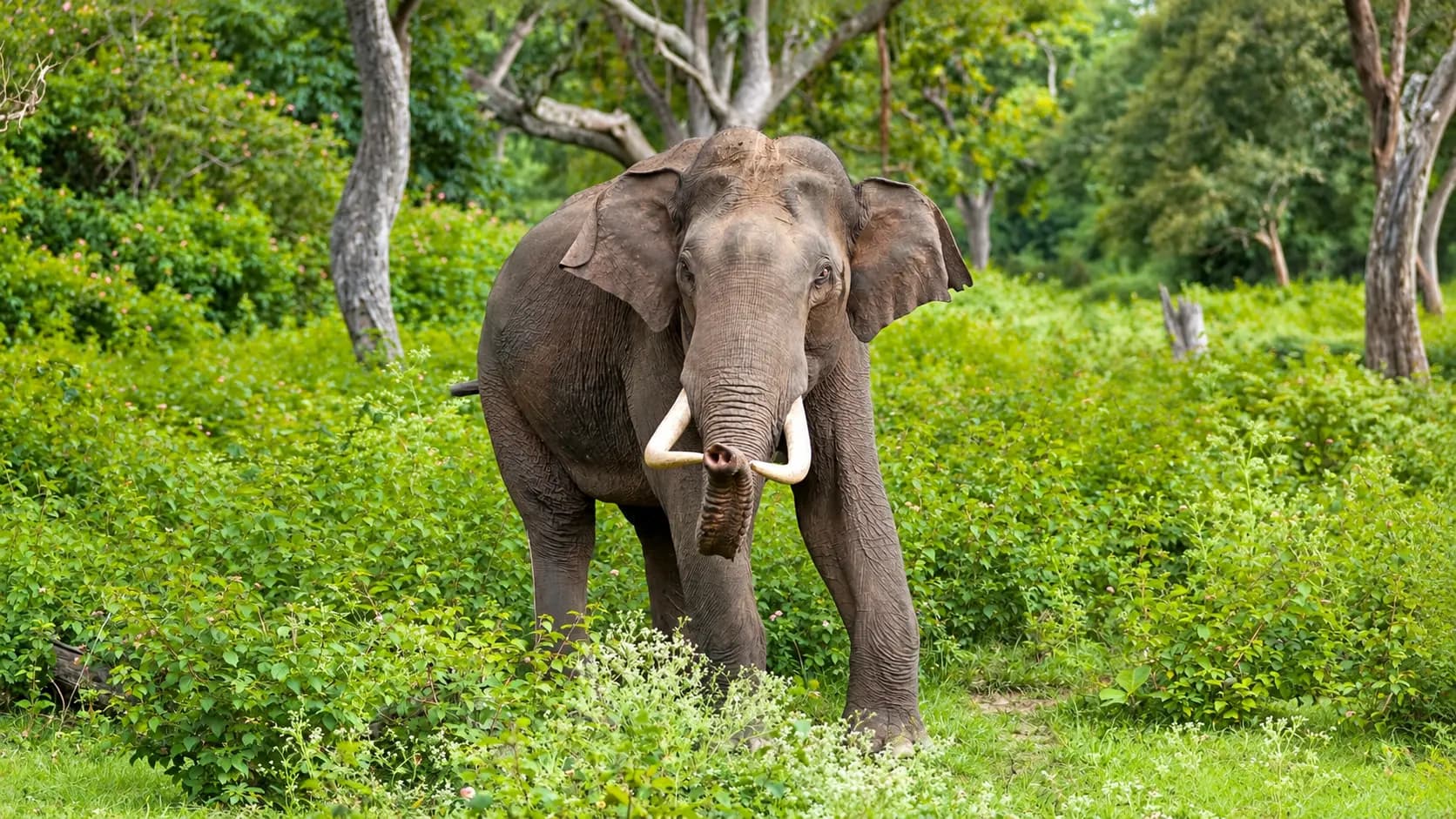
- High-Altitude Grazing: The cool grasslands and freshwater spring-fed ponds (kola) surrounding the temple summit provide succulent forage that remains green even when the lower valley forests dry out. Herds of wild elephants - including matriarchs leading energetic calves and solitary tuskers - frequently emerge from the dense shola ravines to graze on the open slopes in plain view of visitors standing behind the temple security fence.
- Sacred Water Ponds: The hill features several historic spring-fed ponds - including Hamsa Theertha, Shankha Theertha, Chakra Theertha, and Padma Theertha. These ancient water bodies serve as vital lifelines for wildlife, where gaurs, sambar deer, and elephants gather to drink during the early morning and late afternoon hours.
What to expect
Visiting Himavad Gopalaswamy Betta is an organized, eco-conscious excursion governed by strict forest department…Explore detailsClose details
Visiting Himavad Gopalaswamy Betta is an organized, eco-conscious excursion governed by strict forest department protocols. Since the implementation of the private vehicle ban, the summit has reclaimed its historic peace, free from traffic jams, blaring horns, and automotive exhaust.
+----------------------------------------------------------------------------------------------------+
|                                    GOPALASWAMY BETTA EXPERIENCE PROFILE                            |
|                                                                                                    |
|  Factor               | Practical Expectations & Operational Realities                             |
|  ---------------------+--------------------------------------------------------------------------- |
|  Base Staging Ground  | Hangala Forest Checkpost (Base parking, restrooms, KSRTC ticket counter)   |
|  Transit Vehicle      | Dedicated KSRTC Eco-Shuttle Bus (10 km winding mountain ghat road)         |
|  Checkpost Timings    |Check the current visiting hours and permitted access with the site operator before departure; ceremonies, closures and visitor sessions can affect access.|
|  Summit Atmosphere    | Intensely windy, cold, mist-shrouded, meditative temple bells, pure silence|
|  Visitor Movement     | Strictly confined to the fenced temple courtyard and observation terrace   |
|  Commercial Footprint | Zero commercial vendors, zero snack stalls, zero plastic shops at summit   |
|  Average Visit Time   | 2.5 to 3 hours total (including bus ascent, temple darshan, descent)       |
+----------------------------------------------------------------------------------------------------+
The Journey from Hangala Base to the Summit
The visit begins at the designated forest staging area in Hangala village, located at the base of the hill off NH-766. Private cars, tourist tempo travelers, and motorcycles must be parked in the spacious municipal parking lot. Confirm the current charge and what it includes with the operator or service provider. Visitor admission, vehicles, parking, activities and accommodation can have separate charges.
The ten-kilometer drive up the mountain is an unforgettable journey. The narrow, paved road climbs through dense dry deciduous forest, navigating steep switchbacks and blind curves where forest canopies form green tunnels overhead. As the bus gains elevation, the air cools dramatically, deciduous trees give way to stunted shola woods, and thick clouds begin drifting across the windshield. During the climb, passengers often spot spotted deer, wild boars, peacocks, and occasionally wild elephants browsing along the roadsides.
The Summit Ambiance
Stepping off the bus at the summit terminal (1,454 meters), visitors are greeted by a gust of chilly, mountain wind and swirling mist. The ancient temple compound stands proudly upon the highest rock knoll, enclosed by a sturdy protective chain-link and stone perimeter fence designed to keep wild elephants from entering the visitor walking zone.
Inside the temple courtyard, the atmosphere is quiet and reverent. Visitors remove their footwear at the stone threshold - the granite flagstones are often wet with condensation and bitingly cold underfoot. Devotees line up for darshan of Lord Venugopala, receiving fragrant holy basil (tulsi), sacred water, and sweet prasada from the priests. Outside the temple, visitors can walk along the perimeter fence to gaze into the mist-filled valleys, watching for elephant herds grazing peacefully in the distant emerald hollows.
Best time to visit
Himavad Gopalaswamy Betta can be visited year-round, but the quality of the experience changes markedly across…Explore detailsClose details
Himavad Gopalaswamy Betta can be visited year-round, but the quality of the experience changes markedly across the seasons.
+----------------------------------------------------------------------------------------------------+
|                                    ANNUAL SEASONAL & CLIMATIC CYCLE                                |
|                                                                                                    |
|  Season               | Months         | Temperature Range | Summit Weather & Travel Highlights    |
|  ---------------------+----------------+-------------------+-------------------------------------- |
|  Winter (Prime Season)| Oct - Feb      | 12°C to 22°C      | Crisp cool air, rolling morning mist, |
|                       |                |                   | lush green grasslands, high clarity   |
|  Summer (Dry Season)  | Mar - May      | 18°C to 28°C      | Cool breeze escaping plains heat,     |
|                       |                |                   | high elephant activity at water ponds |
|  Monsoon (Heavy Rains)| Jun - Sep      | 14°C to 20°C      | Intense fog, high winds, heavy rain,  |
|                       |                |                   | slippery stones; low distant visibility|
+----------------------------------------------------------------------------------------------------+
Winter and Post-Monsoon (October to February): The Perfect Season
The post-monsoon and winter months offer the finest combination of comfort, scenic beauty, and cultural festivities. Following the monsoon rains, the rolling grasslands surrounding the summit are a brilliant emerald green, and mountain streams flow vigorously. Daytime temperatures hover pleasantly around 16°C to 22°C, while early mornings are brisk and chilled (12°C to 14°C). The swirling fog creates an ethereal, magical atmosphere during the early morning hours, often parting around 11:00 AM to reveal crystalline panoramas extending all the way to the Nilgiri Hills. Warm sweaters or windproof jackets are essential during this season.
Summer (March to May): Wildlife Viewing and Pleasant Relief
While the surrounding plains of Gundlupet and Mysuru bake under intense summer heat (34°C to 38°C), Gopalaswamy Betta remains a refreshing oasis, with daytime temperatures rarely exceeding 26°C to 28°C accompanied by steady mountain breezes. Because low-lying forest water sources dry up during these months, the spring-fed ponds atop Gopalaswamy Betta become vital focal points for wildlife. Summer afternoons offer the highest statistical probability of observing wild elephants and gaurs drinking and bathing in the summit ponds.
Monsoon (June to September): The Romantic White-Out
During the southwest monsoon, Gopalaswamy Betta is drenched in heavy rainfall and battered by powerful, gusting winds. The hill is completely enveloped in a perpetual "white-out" of dense, impenetrable clouds, with visibility frequently dropping below five meters. While the raw, moody atmosphere appeals strongly to romantic travelers, nature photographers, and monsoon lovers, distant valley panoramas are obscured, and walking on the wet temple stones requires caution. Travelers must carry sturdy umbrellas and waterproof raincoats.
How to reach
Himavad Gopalaswamy Betta is easily accessible via the well-maintained highway network of southern Karnataka…Explore detailsClose details
Himavad Gopalaswamy Betta is easily accessible via the well-maintained highway network of southern Karnataka, situated just a short detour off the primary highway connecting Mysuru to Ooty and Wayanad.
+----------------------------------------------------------------------------------------------------+
|                                    ROAD APPROACH ROUTES TO GOPALASWAMY BETTA                       |
|                                                                                                    |
|  [Route 1: Mysuru to Hangala Base Staging]                                                         |
|  Mysuru ---> NH-766 (4-lane asphalt) ---> Nanjangud (Kapila River) ---> Gundlupet (60 km)          |
|  Gundlupet ---> NH-766 toward Bandipur (8 km) ---> Right Turn at Hangala Village Junction (8 km)   |
|  Distance: ~75 km | Driving Time to Base: 1.5 hours | Paved all-weather highway                     |
|                                                                                                    |
|  [Route 2: Bengaluru to Hangala Base Staging]                                                      |
|  Bengaluru ---> Bengaluru-Mysuru Expressway (NH-275) ---> Mysuru Outer Ring Road                  |
|  Mysuru Ring Road ---> NH-766 ---> Nanjangud ---> Gundlupet ---> Hangala Base Parking              |
|  Distance: ~220 km | Driving Time to Base: 4 to 4.5 hours | Excellent multi-lane roads             |
|                                                                                                    |
|  [Final Mountain Sector: Hangala Base to Summit]                                                   |
|  Hangala Base Parking & Forest Checkpost ---> KSRTC Shuttle Bus (10 km Ghat Road) ---> Summit Crest|
|  Travel Time: 25 minutes on dedicated KSRTC eco-shuttle bus (Private vehicles strictly barred)    |
+----------------------------------------------------------------------------------------------------+
Reaching the Hangala Base Staging Area
- From Mysuru (75 km): Vehicles take National Highway 766 (NH-766) south through the temple town of Nanjangud to Gundlupet (60 km). Approximately eight kilometers past Gundlupet toward Bandipur, prominent forest department signboards direct drivers to turn right toward Hangala village. Following the paved link road for eight kilometers leads directly to the Gopalaswamy Betta Forest Entry Checkpost and KSRTC Bus Terminal at Hangala.
- From Bengaluru (220 km): Motorists utilize the high-speed Bengaluru-Mysuru Access-Controlled Expressway (NH-275) to reach Mysuru in approximately ninety minutes, before connecting southward onto NH-766 via the Mysuru southern ring road toward Nanjangud, Gundlupet, and Hangala.
- From Bandipur Safari Reception (18 km): Visitors staying at Bandipur resorts head north along NH-766 for approximately ten kilometers, turn left onto the Hangala link road, and reach the base parking area in less than twenty minutes.
The Mandatory KSRTC Shuttle Bus Operation
To protect the tiger reserve from traffic hazards and preserve wildlife peace, no private vehicles (cars, SUVs, two-wheelers, tourist vans) are allowed past the Hangala forest checkpost.
- At the Hangala base, motorists park their vehicles in the secure forest department parking lot. Confirm the current charge and what it includes with the operator or service provider. Visitor admission, vehicles, parking, activities and accommodation can have separate charges.
- Regular KSRTC shuttle buses operate continuously between 08:30 AM and 16:00 PM, transporting passengers up the ten-kilometer winding mountain road to the temple summit in approximately twenty-five minutes, and returning passengers down to the base after their visit.
Public Transit and Rail Links
- Nearest Railway Station: Mysuru Junction (MYS), located 75 kilometers north, offering express train connections to Bengaluru, Chennai, Mumbai, and Delhi. Taxis and rental cars can be hired easily at the station.
- Bus Connectivity: Frequent KSRTC intercity buses run between Mysuru Central Bus Stand and Gundlupet. From Gundlupet, local rural buses and shared autos connect to Hangala village checkpost, where visitors board the summit shuttle.
Entry, timings and permissions
Fees, visiting hours and entry rules may change.Explore detailsClose details
Fees, visiting hours and entry rules may change. Confirm the latest details with the official operator or local authority before travelling.
Access to Himavad Gopalaswamy Betta is strictly regulated by the Karnataka Forest Department and the Revenue Department (Religious Endowments) to harmonize religious pilgrimage with wildlife conservation.
+----------------------------------------------------------------------------------------------------+
|                                    REGULATORY & FEE SCHEDULE MATRIX                                |
|                                                                                                    |
|  Category             | Operational Rules & Tariffs                                                |
|  ---------------------+--------------------------------------------------------------------------- |
|  Temple Entry Fee     | Completely free; no tickets or religious tax for darshan                   |
|  KSRTC Bus Shuttle    | Approx. ₹60 to ₹80 per person round trip (Hangala Base to Summit & Return) |
|  Private Vehicle Rule | Strictly prohibited past Hangala checkpost; must park at base parking lot  |
|  Operating Hours      | Checkpost and shuttle buses operate strictly from 08:30 AM to 16:00 (4 PM) |
|  Curfew & Evacuation  | Summit closes at 16:30; all visitors must return to base by 17:00 PM       |
|  Trekking Off-Trail   | Strictly forbidden; walking into surrounding sholas is a punishable offense|
|  Prohibited Items     | Single-use plastics, alcohol, cigarettes, matchboxes, and commercial drones|
+----------------------------------------------------------------------------------------------------+
The Private Vehicle Prohibition
In 2018, following extensive ecological impact assessments and tragic vehicular collisions with wild elephants, the Karnataka High Court upheld the Forest Department's order completely barring private vehicles from driving up Gopalaswamy Betta. Motorists must respect this rule without exception:
- All private cars, two-wheelers, and commercial tourist vans must halt and park at the Hangala base.
- Only authorized KSRTC state transport shuttle buses, forest department patrol jeeps, and emergency medical vehicles are permitted on the mountain ghat road.
Daily Timings and Strict Afternoon Curfew
- Checkpost Opening: The forest checkpost at Hangala opens at 08:30 AM. The first KSRTC shuttle bus departs for the summit shortly thereafter.
- Checkpost Closure: The checkpost closes for ascending traffic at 16:00 (4:00 PM). No tickets are sold and no buses ascend after this time.
- Temple Darshan Hours: The Venugopala Swamy Temple conducts daily worship rituals from 08:30 AM to 16:30 PM.
- Mandatory Summit Clearance: Because wild elephants begin moving across the summit meadows in large numbers toward dusk, forest guards enforce an absolute summit curfew. All visitors must board the return shuttle buses by 16:30 PM, and the summit plateau is completely evacuated and sealed by 17:00 PM. Overnight stays, camping, or lingering after hours are strictly forbidden.
Critical Safety and Wildlife Regulations
Visitors must adhere to vital safety rules while on the summit:
- Stay Behind the Fence: Under no circumstances should visitors cross the protective stone and wire boundary fence to walk into the open grasslands or approach wild elephants. Wild tuskers and protective elephant mothers can charge at speeds exceeding 40 km/h; approaching wildlife for photographs or selfies is reckless, life-threatening, and illegal.
- Zero Plastic Policy: Bandipur Tiger Reserve enforces a strict zero-plastic mandate. Single-use plastic bottles, snack wrappers, and polythene bags are strictly banned. Visitors must bring reusable metal flasks and retain all waste in their bags for disposal at the Hangala base.
- Drone Ban: Flying recreational or commercial drones is strictly prohibited across the entire tiger reserve, punishable by immediate confiscation of equipment and statutory legal prosecution under the Wildlife Protection Act.
Nearby places to consider
Himavad Gopalaswamy Betta is ideally situated within southern Karnataka’s premier ecotourism belt, making it easy…Explore detailsClose details
Himavad Gopalaswamy Betta is ideally situated within southern Karnataka’s premier ecotourism belt, making it easy to integrate with neighboring tiger reserves, elephant camps, and royal heritage sites.
+----------------------------------------------------------------------------------------------------+
|                                    NEARBY DESTINATIONS NETWORK                                     |
|                                                                                                    |
|  [Kabini River & Reservoir: 55 km]               [Nanjangud Srikanteshwara Temple: 50 km]          |
|  (Boat Safaris, Elephants, Black Panther)        (Historic Dravidian Temple on Kapila River)       |
|         ^                                              ^                                           |
|          \                                            /                                            |
|           \                                          /                                             |
|  ================= [HIMAVAD GOPALASWAMY BETTA: 1,454 m] ========================================== |
|           /                                          \                                             |
|          /                                            \                                            |
|         v                                              v                                           |
|  [Bandipur Safari Reception: 18 km]              [Mudumalai Tiger Reserve: 30 km]                  |
|  (Core Tiger Reserve & Forest Department Safaris)(Theppakadu Elephant Camp, Tamil Nadu)            |
+----------------------------------------------------------------------------------------------------+
Bandipur National Park Safari Reception (18 km)
Located just eighteen kilometers southeast of Gopalaswamy Betta along NH-766, the Bandipur Safari Reception Centre at Melukamanahalli is the gateway to the core tiger reserve. Check the current visiting hours and permitted access with the site operator before departure; ceremonies, closures and visitor sessions can affect access.
Nanjangud and the Srikanteshwara Temple (50 km)
Situated fifty kilometers north along NH-766 on the banks of the sacred Kapila (Kabini) River, Nanjangud is renowned as the "Varanasi of the South" (Dakshina Kashi). The town is anchored by the colossal Srikanteshwara Temple, dedicated to Lord Shiva as the healer of ailments. Featuring a towering nine-tiered entrance gopuram and over one hundred intricately carved Shiva lingas, Nanjangud is one of the grandest Dravidian pilgrimage centers in Karnataka.
Mudumalai Tiger Reserve and Theppakadu (30 km)
Extending seamlessly south of Bandipur across the Tamil Nadu border at Kakkanallah, Mudumalai Tiger Reserve lies thirty kilometers from Gopalaswamy Betta. At Theppakadu, visitors can tour the historic Theppakadu Elephant Camp - one of the oldest working Asian elephant camps in India - to witness daily feeding and bathing rituals of trained camp elephants and take forest department vehicle safaris through the Moyar River valley.
Kabini River Backwaters (55 km)
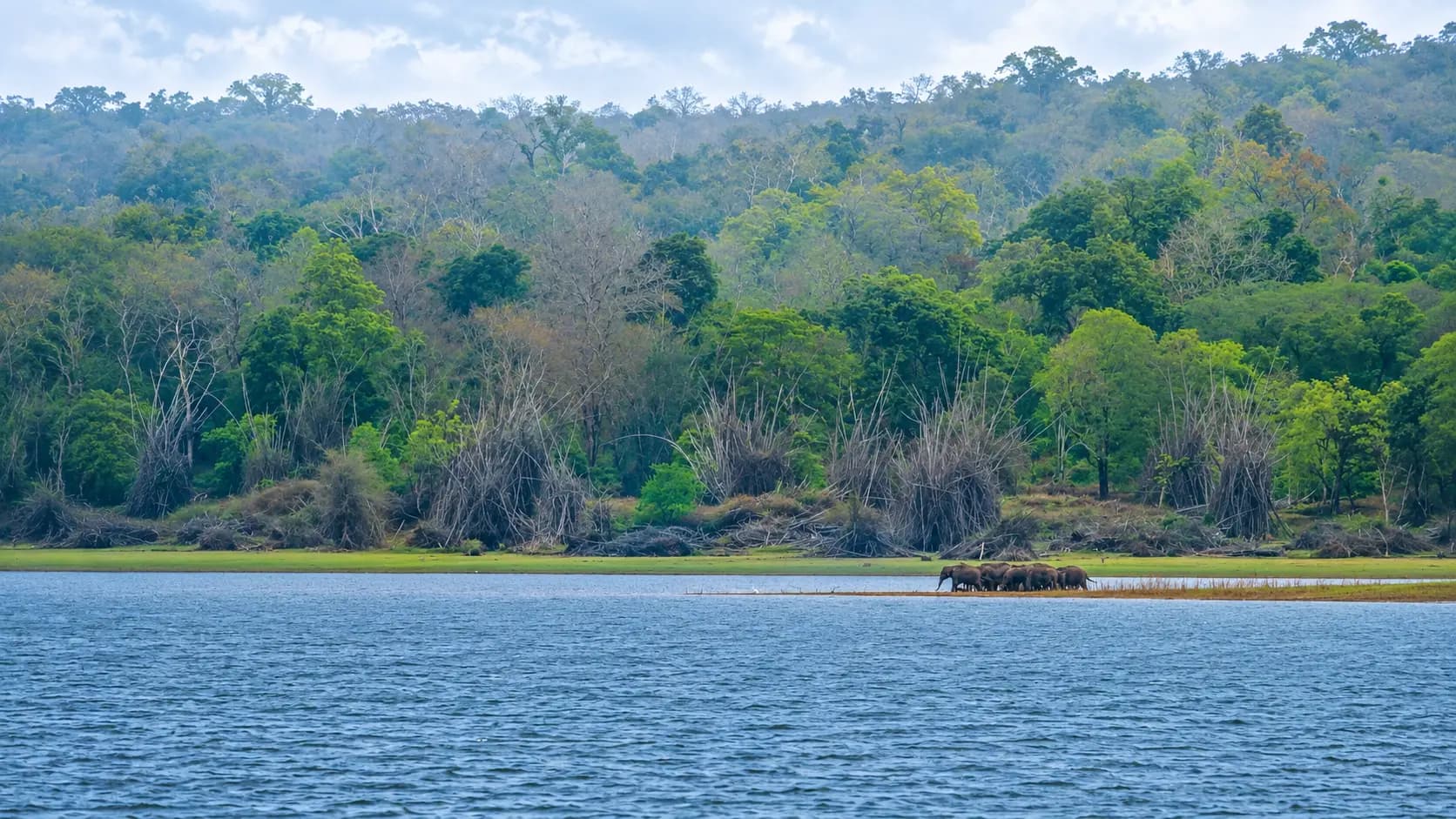
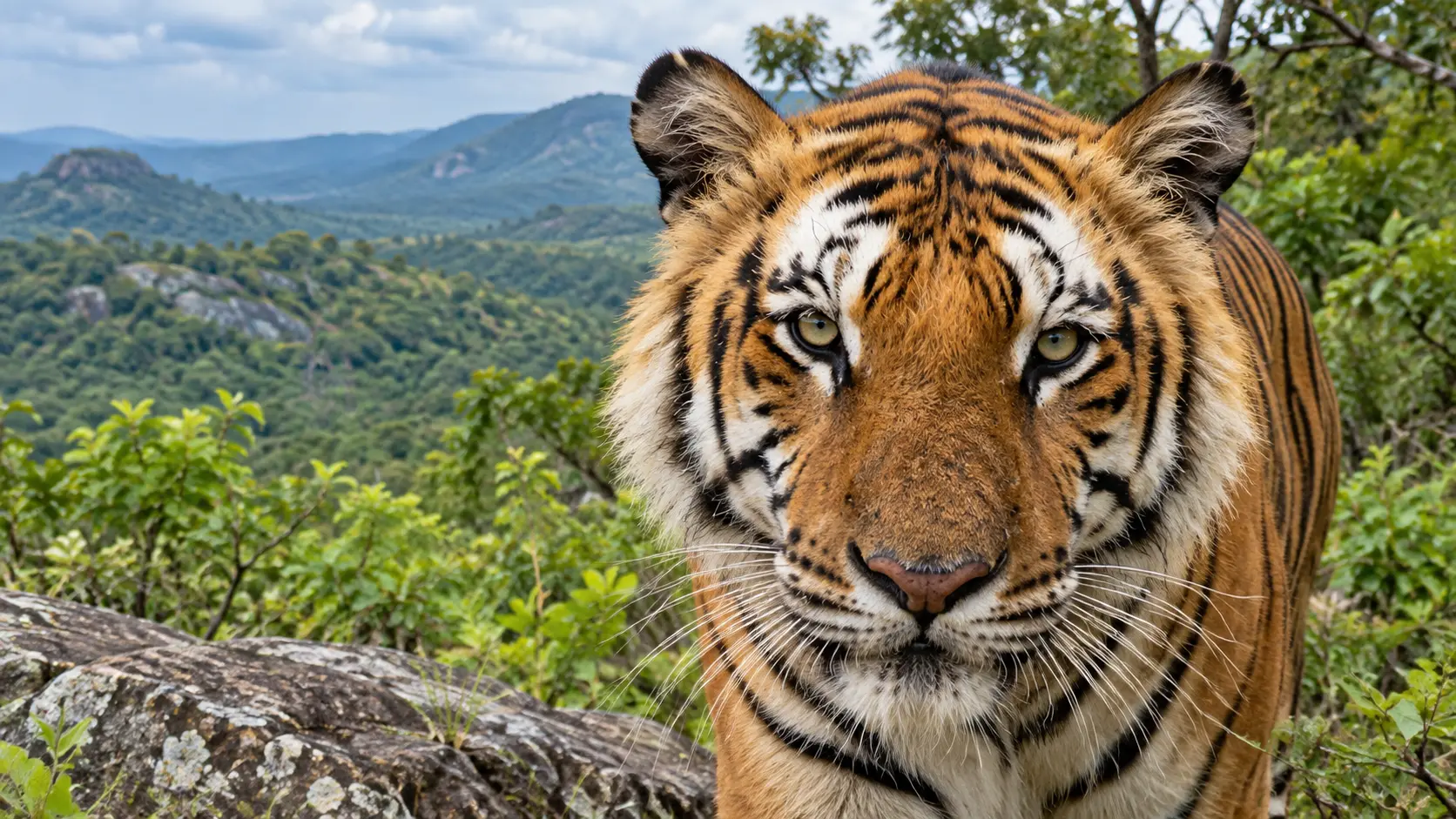
Situated fifty-five kilometers northwest via Gundlupet and Begur, the Kabini River reservoir borders Nagarhole National Park. World-famous for its motorized boat safaris and open jeep drives, Kabini is celebrated for massive congregations of wild elephants along its shores during the dry summer months and regular sightings of leopards, tigers, and the rare melanistic leopard (black panther).
In pictures
The practical bits
Before you go.
Plan ahead
A seamless, memorable trip to Himavad Gopalaswamy Betta requires adhering to departure windows, dressing…Explore detailsClose details
A seamless, memorable trip to Himavad Gopalaswamy Betta requires adhering to departure windows, dressing appropriately for high-altitude mist, and combining the excursion with adjacent wildlife attractions.
Morning Arrival Scheduling
Check the current visiting hours and permitted access with the site operator before departure; ceremonies…Explore detailsClose details
Check the current visiting hours and permitted access with the site operator before departure; ceremonies, closures and visitor sessions can affect access.
Warm Montane Attire
Dress in warm layers - including a lightweight windproof fleece jacket, woolen cap, and comfortable walking shoes…Explore detailsClose details
Dress in warm layers - including a lightweight windproof fleece jacket, woolen cap, and comfortable walking shoes - as summit temperatures at 1,454 meters are significantly colder than the plains below, accompanied by strong, damp winds and condensation.
Strict Departure Discipline
Respect the forest department’s 16:00 PM ascent cutoff time, planning your travel itinerary to reach Hangala well…Explore detailsClose details
Respect the forest department’s 16:00 PM ascent cutoff time, planning your travel itinerary to reach Hangala well before mid-afternoon to ensure you are not turned away at the base checkpost.
Base Hydration and Snacking
Carry your own reusable water flask and light refreshments in your vehicle for consumption at the Hangala base…Explore detailsClose details
Carry your own reusable water flask and light refreshments in your vehicle for consumption at the Hangala base, as there are zero commercial restaurants, snack stalls, or bottled water vendors operating at the summit to protect the ecosystem from litter.
Pair with Bandipur Safari Staging
Coordinate your visit to Gopalaswamy Betta as a midday excursion between morning and evening wildlife safaris at…Explore detailsClose details
Coordinate your visit to Gopalaswamy Betta as a midday excursion between morning and evening wildlife safaris at Bandipur National Park (18 km away), maximizing your wildlife exposure across different elevations in a single day.
+----------------------------------------------------------------------------------------------------+
|                                  SUGGESTED COMBINED DAY ITINERARY                                  |
|                                                                                                    |
|  06:15 AM to 09:00 AM  -  Bandipur Tiger Reserve Morning Safari                                      |
|  - Board open Gypsy or canter bus at Bandipur reception; track tigers, leopards, and gaurs.        |
|                                                                                                    |
|  09:30 AM to 10:30 AM  -  Breakfast & Refreshment                                                    |
|  - Enjoy breakfast at your resort or local restaurant near Melukamanahalli / Gundlupet.            |
|                                                                                                    |
|  11:00 AM to 01:30 PM  -  Himavad Gopalaswamy Betta Excursion                                        |
|  - Drive to Hangala base parking lot; park private vehicle.                                        |
|  - Board KSRTC shuttle bus for the scenic 10-km ghat climb to the summit (1,454 m).                |
|  - Experience the swirling mist, visit the historic Hoysala Venugopala Temple, receive theertha.   |
|  - Spot wild elephant herds grazing across the shola grasslands from the viewing perimeter.        |
|  - Board return KSRTC shuttle bus back to Hangala base.                                            |
|                                                                                                    |
|  02:00 PM to 03:00 PM  -  Traditional Countryside Lunch                                              |
|  - Enjoy traditional Karnataka meals or ragi mudde at a highway restaurant in Gundlupet.           |
|                                                                                                    |
|  03:30 PM to 06:00 PM  -  Afternoon Safari or Return Scenic Drive                                    |
|  - Proceed to an afternoon game drive or drive onward toward Mysuru or Ooty before night curfew.   |
+----------------------------------------------------------------------------------------------------+
A few things you might wonder
Common questions about visiting Himavad Gopalaswamy Betta. Fees, visiting hours and ceremonies are researched details that may change; confirm current arrangements with the operator before travelling.
Can visitors drive their own private cars or two-wheelers up Gopalaswamy Betta?
How much does the KSRTC shuttle bus cost, and how frequently does it run?
What are the official visiting hours for Himavad Gopalaswamy Betta?
Why is the hill called "Himavad" Gopalaswamy Betta?
Is it safe to see wild elephants at Gopalaswamy Betta?
Who built the temple on top of Gopalaswamy Betta, and which deity is worshipped?
Are there food, snacks, or hotel facilities available at the summit?
How far is Gopalaswamy Betta from Mysuru and Bengaluru?
Explore more in Bandipur Kabini
Discover other destinations around this hub
More Hubs in Karnataka
Continue exploring other travel hubs in this state
Planning a trip to Bandipur Kabini?