Similipal National Park
Comprehensive visitor guide to Similipal National Park & Tiger Reserve in Mayurbhanj, Odisha. Discover the world's only wild black tigers, safaris, gates & rules.
Location
Similipal & North Odisha, Odisha
A closer look
Your visit, at a glance.
Similipal & North Odisha, Odisha
GET TO KNOW THE PLACE
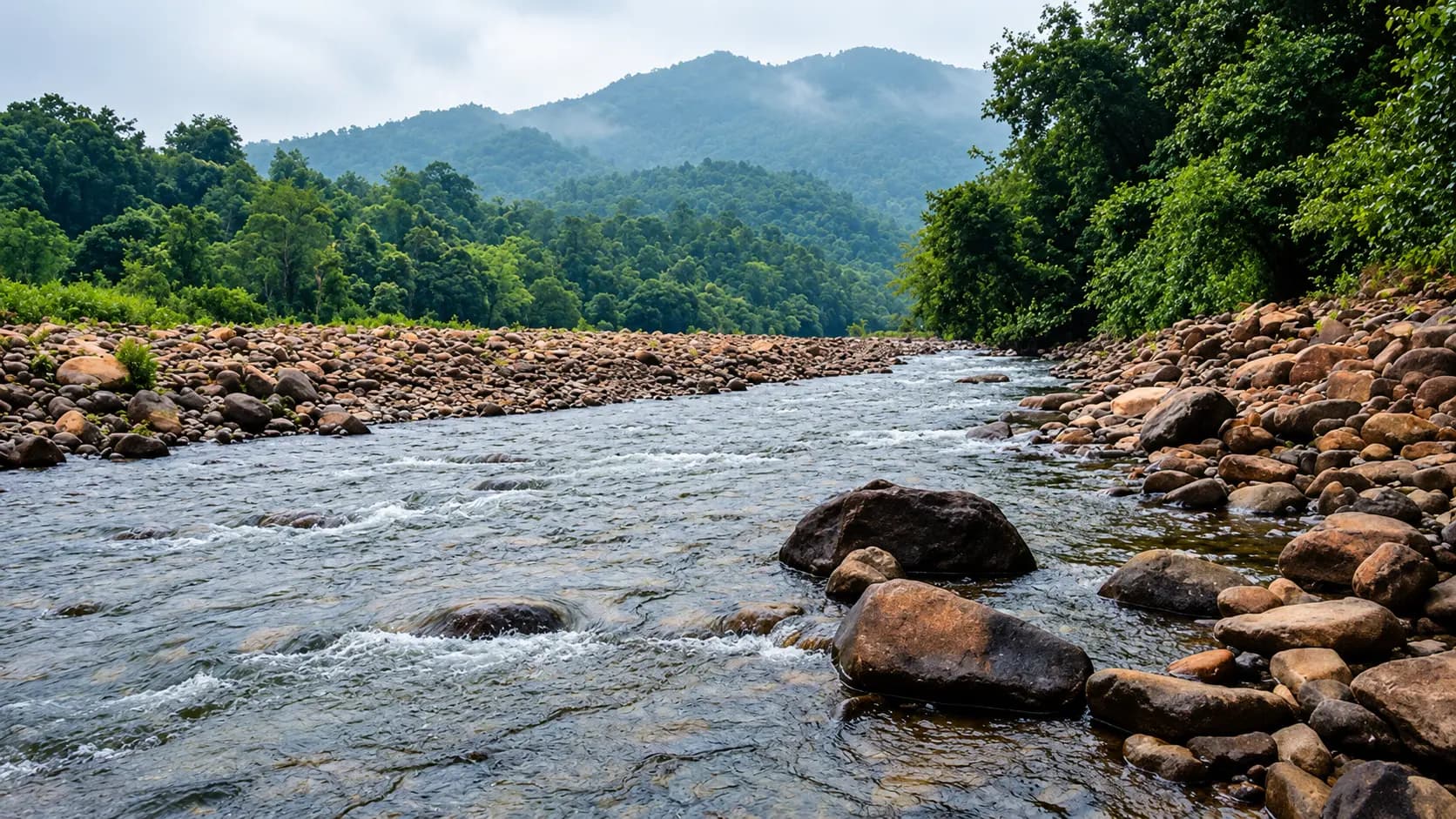
Sprawling across a monumental 2,750 square kilometres in the heart of Mayurbhanj District in Northern Odisha, Similipal National Park and Tiger Reserve is one of India’s…
The story of Similipal National Park
Sprawling across a monumental 2,750 square kilometres in the heart of Mayurbhanj District in Northern Odisha, Similipal National Park and Tiger Reserve is one of India’s grandest, most ecologically vital wilderness sanctuaries. Formally inducted into the UNESCO World Network of Biosphere Reserves in 2009, this vast, rugged highland forms the ecological bridge between the Eastern Ghats and the Chota Nagpur plateau.
The name Similipal originates from the Simul (Red Silk Cotton tree, Bombax ceiba), which bursts into fiery crimson blossoms across the highland plateaus every spring, painting the canopy in dazzling shades of red. Rising from dense foothill valleys to cloud-swept mountain peaks at Khairiburu (1,165 metres) and Meghasani (1,158 metres), Similipal serves as a colossal ecological sponge, capturing monsoon clouds to nourish six perennial river systems - including the Budhabalanga, Khairi, and Salandi.
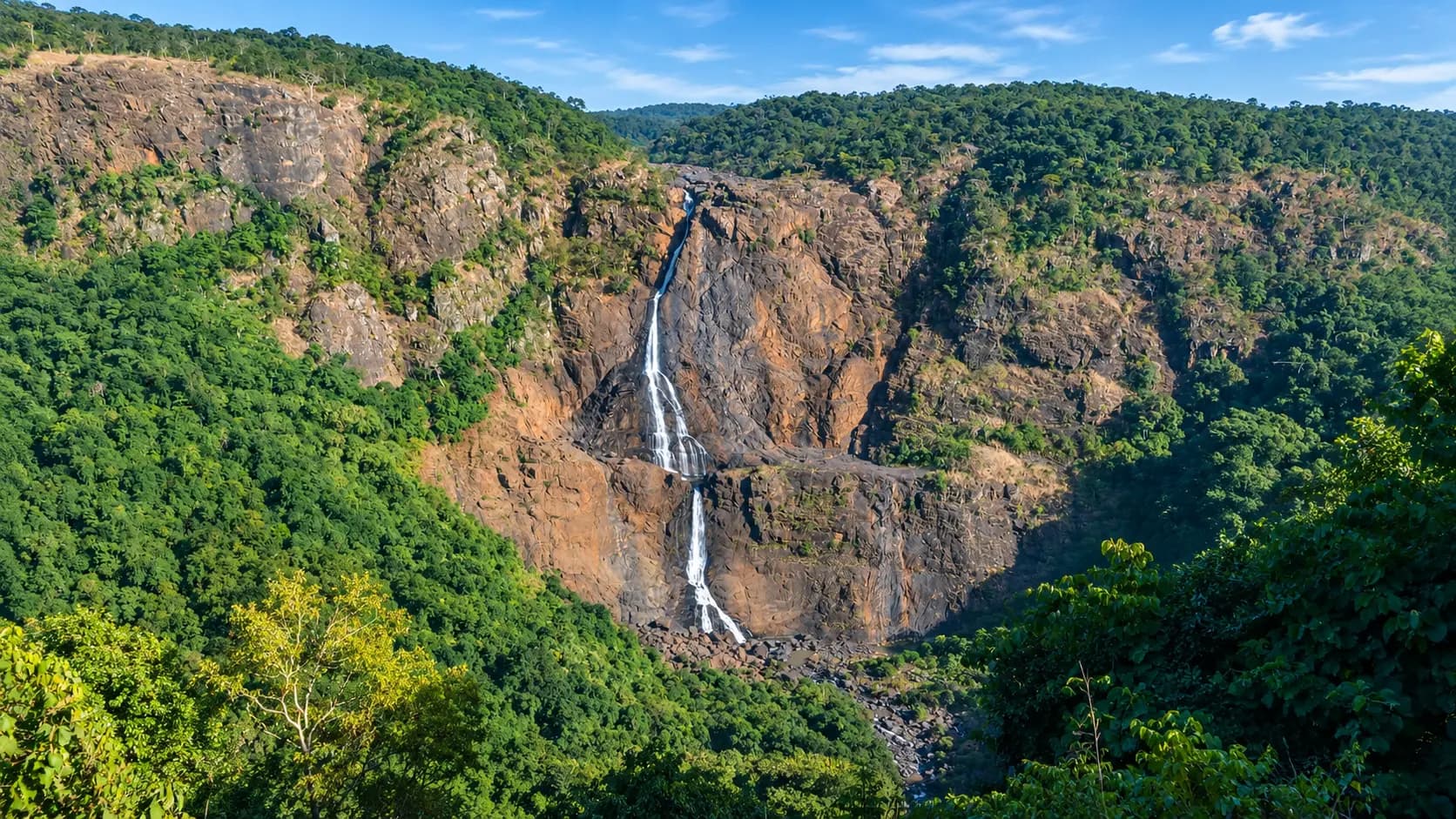
On the global wildlife stage, Similipal is renowned as the only natural habitat on Earth harboring wild pseudo-melanistic (black) Royal Bengal Tigers. Caused by a rare recessive genetic trait that broadens and merges their black stripes across a golden coat, these majestic black tigers roam a dense jungle paradise alongside more than 400 wild Asian elephants, elusive leopards, Indian bison (gaur), 94 species of wild orchids, and two of India’s highest waterfalls - the thunderous two-tiered Barehipani Waterfall (399 metres) and the sheer vertical plunge of Joranda Waterfall (181 metres).
Start here. Open a tile for the full details.
Why goRead details
Similipal offers an authentic, untamed safari experience far removed from commercialized, crowded wildlife circuits:
When to visitRead details
Because Similipal Tiger Reserve closes completely during the heavy monsoon rains, understanding the seasonal cycles is vital for a successful trip.
Entry & permissionsRead details
Fees, visiting hours and entry rules may change. Confirm the latest details with the official operator or local authority before travelling.
Visiting Similipal National Park involves strict statutory procedures enforced by the Project Tiger Directorate:
- Permit Issuance Window:
- Entry permits are issued in person at Jashipur and Pithabata checkposts strictly between 06:00 AM and 09:00 AM only. No vehicle is permitted inside the reserve after 09:00 AM under any circumstances.
- Day safari visitors must begin their return drive by 15:30 PM to exit the park gates before the mandatory 17:00 PM curfew.
- Tariff Structure:
- Entry Permit (Adult): ₹100 per person (Indian national).
- Entry Permit (Student / Child): ₹30 per person (children under 5 enter free).
- Vehicle Entry Fee (Light Motor Vehicle): ₹200 per vehicle.
- Mandatory Eco-Guide Fee: ₹500 per vehicle per day, paid to the registered tribal guide cooperative at the checkpost.
- Overnight Stays in Eco-Nature Camps:
- Overnight visitors must book cottages in advance through the official Odisha Forest Eco-Tourism website (
ecotourodisha.com). Camps are situated at Jamuani, Gudgudia, Barehipani, and Kumari, and include full boarding, guided forest walks, and night security.
- Overnight visitors must book cottages in advance through the official Odisha Forest Eco-Tourism website (
- Strict Conservation Regulations:
- Zero Plastic & Alcohol Ban: Similipal is a zero-tolerance plastic-free and dry zone. Forest guards conduct strict bag and vehicle inspections at the gates; all single-use polythene bags and alcohol are confiscated.
- No Alighting Off Designated Points: Visitors must remain inside their vehicles along the safari route. Stepping out is permitted only at authorized, fenced viewpoints like Chahala, Barehipani, and Joranda.
- Speed Limits & Decibel Restrictions: The maximum speed limit is 30 km/h. Playing music, honking horns, or shouting is strictly prohibited.
Plan your visitRead details
Similipal is located in Northern Odisha and is accessible via two main gateway towns that flank the reserve: Jashipur on the west and Baripada on the east.
Explore the full guide - choose a topic below.
Why visit?
Similipal offers an authentic, untamed safari experience far removed from commercialized, crowded wildlife…Explore detailsClose details
Similipal offers an authentic, untamed safari experience far removed from commercialized, crowded wildlife circuits:
- The World’s Only Sanctuary for Wild Black Tigers: Similipal is celebrated worldwide for its unique population of melanistic Bengal tigers. Over 60% of the reserve's wild tigers carry the genetic mutation that produces broad, swirling black stripes. Observing the pugmarks, scent marks, or rare sightings of these shadowy apex predators is the holy grail of Indian wildlife tracking.
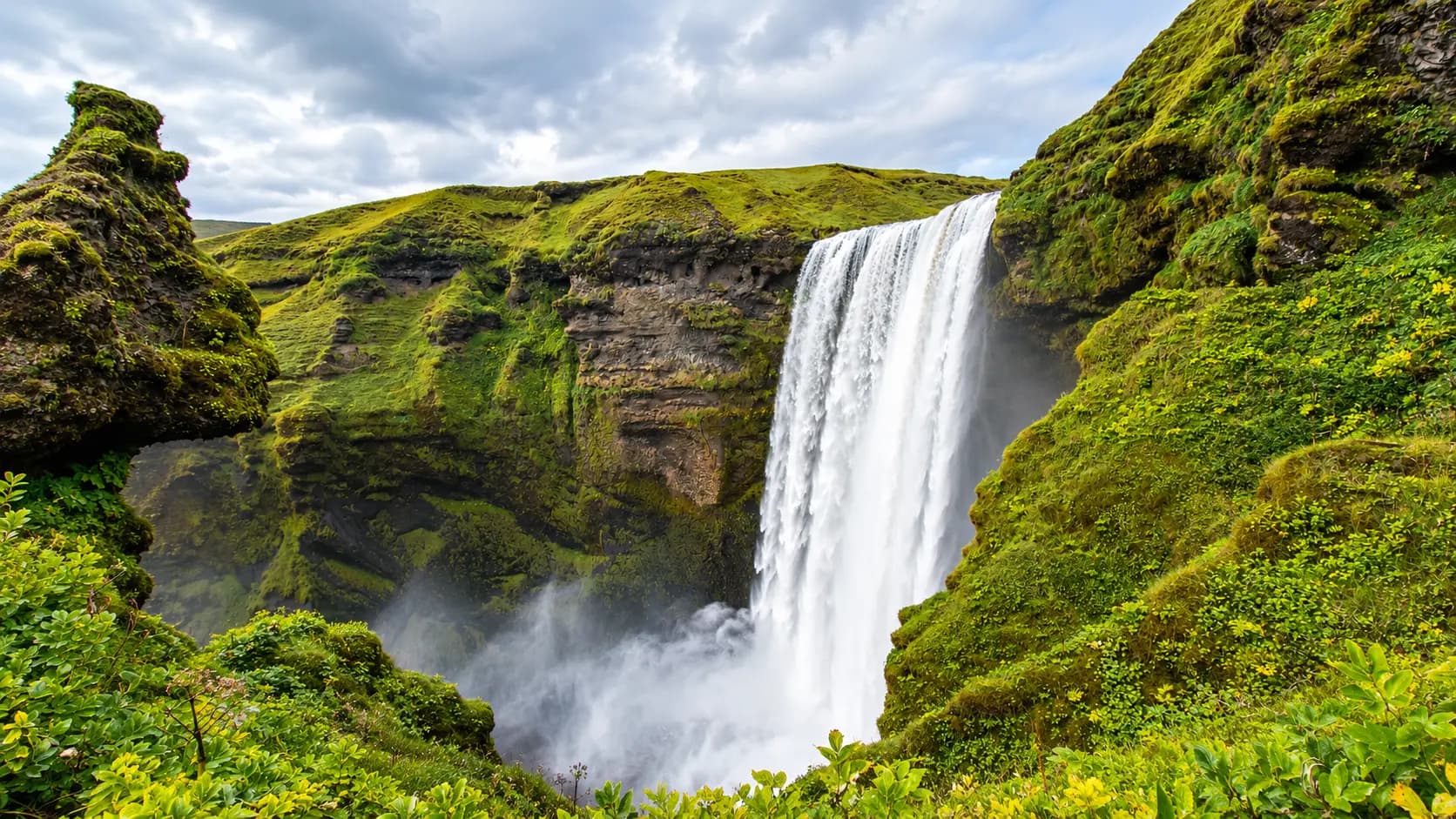
- Monumental Waterfalls of Continental Stature: Similipal contains two of the most spectacular waterfalls on the Indian subcontinent: the colossal 399-metre, two-tiered Barehipani Waterfall, and the 181-metre single vertical freefall of Joranda Waterfall. Both cascades are viewed from dramatic canyon-edge watchtowers looking over ancient geological chasms.
- Vast Herds of Wild Asian Elephants: As the vital core of the Mayurbhanj Elephant Reserve, Similipal supports over 400 wild Asian elephants. Travelers frequently witness breeding herds, majestic tuskers, and calves bathing in the clear waters of the Khairi and Palpala rivers or congregating at forest salt licks.
- The Historic Chahala Salt Lick: Once the royal hunting outpost of the Bhanja Maharajas of Mayurbhanj, the meadow clearing at Chahala features an ancient stone forest lodge and a solar-illuminated natural salt lick. Here, visitors can safely watch herds of spotted deer, wild boars, barking deer, and massive Indian gaurs emerge from the forest at midday.
- Pristine Rainforest and Orchid Biodiversity: With over 1,076 species of vascular plants, Similipal is a botanical treasure house. Between February and May, the forest branches are festooned with flowering sprays of 94 species of wild epiphytic orchids, while Malabar giant squirrels leap between ancient sal crowns and Malabar pied hornbills glide overhead.
What to expect
A safari journey into Similipal is a rugged, dawn-to-dusk expedition across wilderness tracks that demands early…Explore detailsClose details
A safari journey into Similipal is a rugged, dawn-to-dusk expedition across wilderness tracks that demands early rising, proper vehicle preparation, and patient nature observation.
The Dawn Entry Checkposts
Your safari begins early in the morning at one of two primary forest gates: the Jashipur (Kaliani) gate in western Mayurbhanj or the Pithabata gate near Baripada in the east. Check the current visiting hours and permitted access with the site operator before departure; ceremonies, closures and visitor sessions can affect access.
At 09:00 AM sharp, the gates are locked; no vehicle may enter after this deadline. Once inside, the roar of highway traffic fades, replaced by the deep silence of primary sal jungle, the fragrant aroma of damp earth, and the melodic whistle of the hill myna.
Navigating the Forest Interior
The interior safari tracks cover over 150 kilometres of unpaved, red laterite dirt roads winding through river valleys and mountain saddles. Travel speeds are strictly restricted to 20 to 30 km/h, ensuring safety and optimal wildlife viewing.
Along the route, your 4WD vehicle negotiates shallow river causeways, rocky forest ascents, and vaulted bamboo tunnels. As morning fog burns off the plateaus, roadside sightings are frequent: troops of common langurs groom each other on fallen logs, pairs of red junglefowl scurry into the undergrowth, and large sambar deer freeze among the sal trunks before bounding gracefully into the green thickets.
Key Landmarks and Viewing Hubs
During an all-day safari circuit, visitors typically explore three cornerstone wilderness hubs:
- Chahala: Situated in the north-central plateau, Chahala offers an open grassland clearing equipped with a raised wooden observation tower overlooking a natural mineral salt lick. Visitors spend quiet hours here observing mixed herds of herbivores that emerge from the forest to lick essential minerals.
- Barehipani Waterfall: India’s second-highest waterfall cascades 399 metres down a sheer red-rock amphitheatre in two colossal tiers. The Forest Department watchtower opposite the gorge offers jaw-dropping panoramic views of the water plunging into the cloud-filled Budhabalanga chasm.
- Joranda Waterfall: Located 25 kilometres southwest of Barehipani, Joranda drops 181 metres in a single, uninterrupted vertical curtain into an enclosed forest canyon surrounded by mossy cliffs and wild orchids.
- Gudgudia & Jamuani Eco-Camps: Picturesque riverside clearings along the crystal-clear Khairi river, featuring government-managed wooden cottages, pine groves, and peaceful walking pathways.
The Return Journey and Evening Curfew
Day visitors must begin their return journey toward the exit gates by 15:30 PM. Because the forest roads are completely unlit and wild elephants begin moving along transit corridors at dusk, all safari vehicles must pass through the exit checkpoints before the strict 17:00 PM curfew. Overnight visitors with pre-booked Forest Department eco-cottage permits retire to their wilderness camps for warm Odia dinners, crackling campfires, and the nocturnal calls of owls and nightjars.
Best time to visit
Because Similipal Tiger Reserve closes completely during the heavy monsoon rains, understanding the seasonal…Explore detailsClose details
Because Similipal Tiger Reserve closes completely during the heavy monsoon rains, understanding the seasonal cycles is vital for a successful trip.
Seasonal Breakdown
- Winter (November to February) - Prime Safari Season: Winter is the most comfortable and rewarding period to explore Similipal. Days are crisp, sunny, and clear, with temperatures averaging between 12°C and 22°C. Nights are cold, with plateau temperatures dropping to 6°C to 10°C, and morning ground mist blanketing the forest clearings. Waterfalls flow with strong, clean volume, dirt tracks are firm, and wildlife viewing along the roadsides is exceptional.
- Spring and Summer (March to May) - Orchids, Wildflowers & Waterhole Game Drives: Between March and May, daytime temperatures climb to 26°C - 37°C. While midday can be hot, this is the prime season for nature photographers and wildlife enthusiasts. The forest canopy sheds its winter foliage, dramatically increasing visibility into the jungle. Similipal’s 94 orchid species bloom in dazzling colors, while shrinking water pools concentrate elephants, gaurs, and tigers along the main river corridors.
- Monsoon (Mid-June to Late October) - Annual Reserve Closure: Similipal receives intense rainfall during the southwest monsoon, averaging over 2,000 mm. Mountain rivers swell into raging torrents, wooden bridges are washed out, and dirt tracks become impassable mud troughs. To ensure visitor safety and protect wildlife during their crucial breeding season, the entire national park is strictly closed to all tourists from mid-June to late October or early November.
How to reach
Similipal is located in Northern Odisha and is accessible via two main gateway towns that flank the reserve…Explore detailsClose details
Similipal is located in Northern Odisha and is accessible via two main gateway towns that flank the reserve: Jashipur on the west and Baripada on the east.
By Air
- Biju Patnaik International Airport, Bhubaneswar (BBI): Situated approximately 260 kilometres south of the Jashipur gate. Travelers can drive north along NH-16 and NH-20 via Keonjhar to Jashipur (approx. 5.5 to 6.5 hours).
- Netaji Subhash Chandra Bose International Airport, Kolkata (CCU): Located roughly 240 kilometres northeast of Baripada and 280 kilometres from Jashipur. From Kolkata, take NH-16 south through Kharagpur to Baripada (approx. 4.5 to 5 hours).
By Train
- Baripada Railway Station (BPI): Located just 20 kilometres east of the Pithabata gate. Baripada connects by daily passenger and express services to Balasore, Bhubaneswar, and Shalimar (Kolkata).
- Balasore Railway Station (BLS): The most practical major mainline junction, located approximately 75 kilometres southeast of the Pithabata gate. Balasore sits on the Howrah - Chennai mainline and is served by top-tier trains like the Vande Bharat, Shatabdi, and Coromandel Expresses. Private cabs are readily available from Balasore station to Baripada or Jashipur.
By Road & Safari Gates
- Jashipur Gate (Kaliani Checkpost): Located on National Highway 49 in western Mayurbhanj, Jashipur is the most convenient entry point for travelers driving from Bhubaneswar, Cuttack, Rourkela, Ranchi, or Jamshedpur. It provides direct track access to Chahala, Barehipani, Joranda, and Gudgudia.
- Pithabata Gate (Baripada): Situated 20 kilometres west of Baripada town, this eastern gate is ideal for travelers arriving from Kolkata or Balasore. The safari track winds through the scenic Palpala river valley before ascending to the central plateau.
- Mandatory Vehicle Regulations: Entry is strictly restricted to private four-wheel-drive (4WD) or high-ground-clearance passenger commercial vehicles (Mahindra Bolero, Scorpio, Tata Safari, Maruti Gypsy). Hatchbacks, sedans, and low-slung compact cars are strictly prohibited at the gates.
Entry, timings and permissions
Fees, visiting hours and entry rules may change.Explore detailsClose details
Fees, visiting hours and entry rules may change. Confirm the latest details with the official operator or local authority before travelling.
Visiting Similipal National Park involves strict statutory procedures enforced by the Project Tiger Directorate:
- Permit Issuance Window:
- Entry permits are issued in person at Jashipur and Pithabata checkposts strictly between 06:00 AM and 09:00 AM only. No vehicle is permitted inside the reserve after 09:00 AM under any circumstances.
- Day safari visitors must begin their return drive by 15:30 PM to exit the park gates before the mandatory 17:00 PM curfew.
- Tariff Structure:
- Entry Permit (Adult): ₹100 per person (Indian national).
- Entry Permit (Student / Child): ₹30 per person (children under 5 enter free).
- Vehicle Entry Fee (Light Motor Vehicle): ₹200 per vehicle.
- Mandatory Eco-Guide Fee: ₹500 per vehicle per day, paid to the registered tribal guide cooperative at the checkpost.
- Overnight Stays in Eco-Nature Camps:
- Overnight visitors must book cottages in advance through the official Odisha Forest Eco-Tourism website (
ecotourodisha.com). Camps are situated at Jamuani, Gudgudia, Barehipani, and Kumari, and include full boarding, guided forest walks, and night security.
- Overnight visitors must book cottages in advance through the official Odisha Forest Eco-Tourism website (
- Strict Conservation Regulations:
- Zero Plastic & Alcohol Ban: Similipal is a zero-tolerance plastic-free and dry zone. Forest guards conduct strict bag and vehicle inspections at the gates; all single-use polythene bags and alcohol are confiscated.
- No Alighting Off Designated Points: Visitors must remain inside their vehicles along the safari route. Stepping out is permitted only at authorized, fenced viewpoints like Chahala, Barehipani, and Joranda.
- Speed Limits & Decibel Restrictions: The maximum speed limit is 30 km/h. Playing music, honking horns, or shouting is strictly prohibited.
Nearby places to consider
The region surrounding Similipal National Park offers a treasure trove of heritage, nature, and cultural…Explore detailsClose details
The region surrounding Similipal National Park offers a treasure trove of heritage, nature, and cultural destinations:
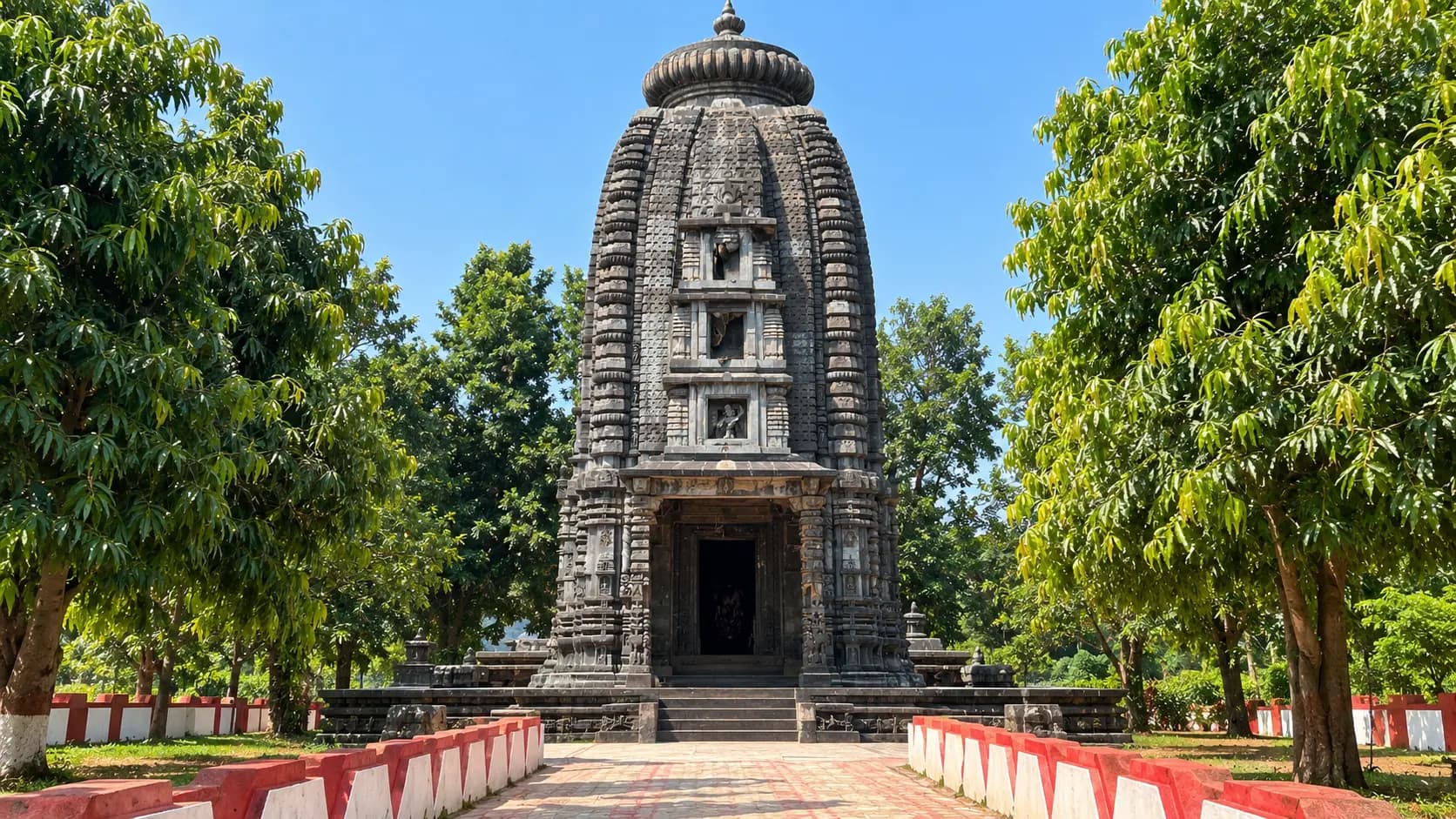
- Khiching Kichakeswari Temple (approx. 50 km west of Jashipur): The ancient 10th-century capital of the Bhanja rulers, famed for its 100-foot rekha deula built entirely of black chlorite stone and its rich Archaeological Museum.
- Devkund Waterfall & Maa Ambika Temple (approx. 60 km south of Baripada): A sacred 50-foot waterfall in the outer Udala foothills featuring five natural rock pools (Pancha Kunda) and a cliffside temple.
- Belgadia Palace, Baripada (approx. 20 km east of Pithabata): An elegant 18th-century Victorian-style royal palace of the Bhanja dynasty, now operating as a premier heritage hotel and cultural retreat.
- Kuldiha Wildlife Sanctuary (approx. 90 km south): A contiguous mixed deciduous wildlife sanctuary in Balasore district, famous for breeding elephant herds, leopards, and giant squirrels.
- Chandipur Beach (approx. 100 km southeast): A world-famous beach on the Bay of Bengal where the ocean recedes by up to 5 kilometres during low tide, offering an extraordinary marine walk.
In pictures
The practical bits
Before you go.
Plan ahead
To ensure an unforgettable and safe safari adventure across Similipal, keep these essential planning rules in mind:Explore detailsClose details
To ensure an unforgettable and safe safari adventure across Similipal, keep these essential planning rules in mind:
Book 4WD Safari Vehicles in Advance
Because low-clearance hatchbacks and sedans are barred from entering the park, book a high-clearance Mahindra…Explore detailsClose details
Because low-clearance hatchbacks and sedans are barred from entering the park, book a high-clearance Mahindra Bolero or Scorpio from verified safari operators in Jashipur or Baripada at least a few days ahead, particularly on peak holiday weekends. Verify that the vehicle has good all-terrain tires, a functioning spare wheel, and a full tank of fuel, as there are no mechanics or fuel pumps inside the 2,750 sq km reserve.
Carry Packed Rations and Water
There are no restaurants, roadside dhabas, or grocery shops inside the core national park.Explore detailsClose details
There are no restaurants, roadside dhabas, or grocery shops inside the core national park. Arrange with your hotel in Jashipur or Baripada to prepare packed breakfasts and boxed lunches, and carry ample bottles of drinking water for the full day. Keep all food securely packed inside backpacks to prevent attracting troop monkeys at rest areas.
Dress in Warm, Earth-Toned Layers
Early morning safari drives through Similipal’s dense river valleys are frigid between November and February…Explore detailsClose details
Early morning safari drives through Similipal’s dense river valleys are frigid between November and February, with brisk mountain winds. Dress in multiple layers, including a thermal inner, fleece jacket, and windbreaker, along with a warm cap. Wear muted, earth-toned clothing (khaki, olive green, brown, or beige) to blend into the jungle; avoid bright reds, yellows, and whites that can startle wild animals.
Respect Forest Curfews and Wildlife Corridors
Adhere strictly to your forest guide’s advice regarding departure times.Explore detailsClose details
Adhere strictly to your forest guide’s advice regarding departure times. Elephants and leopards become highly active along the dirt roads after sunset. Check the current visiting hours and permitted access with the site operator before departure; ceremonies, closures and visitor sessions can affect access.
A few things you might wonder
Common questions about visiting Similipal National Park. Fees, visiting hours and ceremonies are researched details that may change; confirm current arrangements with the operator before travelling.
Where is Similipal National Park located and what is its size?
Why is Similipal famous for its Royal Bengal Tigers?
What are the two major waterfalls inside Similipal National Park?
What are the safari entry gate timings and rules?
What kind of vehicle is required to explore Similipal?
When is Similipal National Park open and when does it close?
How much does a day safari to Similipal cost?
Can tourists stay overnight inside Similipal National Park?
Explore more in Similipal
Discover other destinations around this hub
More Hubs in Odisha
Continue exploring other travel hubs in this state
Planning a trip to Similipal & North Odisha?