Subai Jain Temple
Explore the historic Subai Jain Temple complex near Semiliguda in Koraput, Odisha.
Location
Koraput, Odisha
A closer look
Your visit, at a glance.
Koraput, Odisha
GET TO KNOW THE PLACE
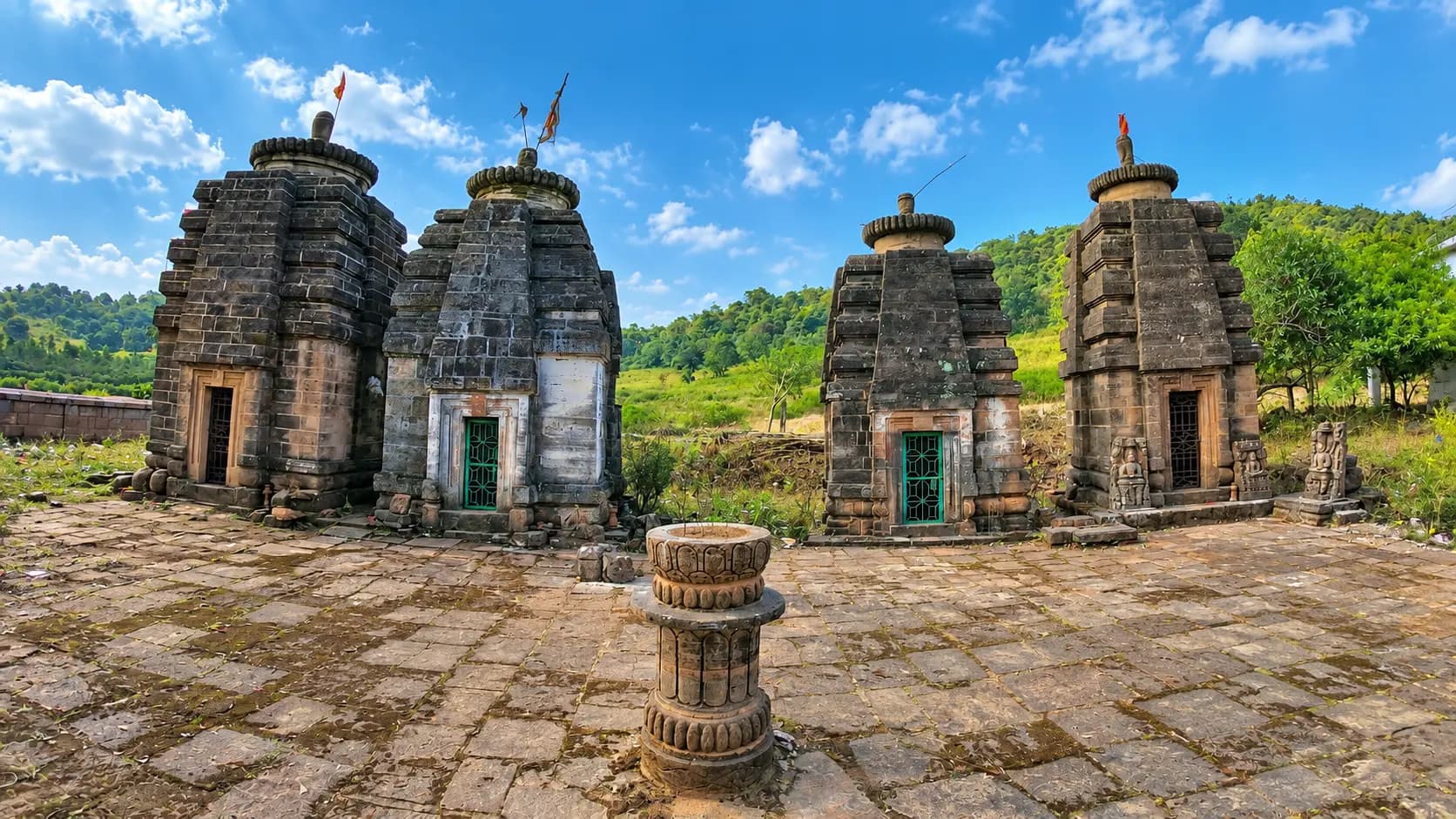
Set against the rugged silhouette of Panagiri hill just outside the roadside hamlet of Subai in Semiliguda block, the Subai Jain Temple complex is one of the most remarkable…
The story of Subai Jain Temple
Set against the rugged silhouette of Panagiri hill just outside the roadside hamlet of Subai in Semiliguda block, the Subai Jain Temple complex is one of the most remarkable, enigmatic, and historically consequential archaeological sites in southern Odisha. Situated 34 kilometres from Koraput town and 16 kilometres from Sunabeda along the scenic highway to Nandapur, this secluded heritage sanctuary offers an evocative glimpse into an era when Jainism flourished throughout the Eastern Ghats highland corridors. Dating between the eighth and tenth centuries CE, Subai preserves the weathered remnants of an ancient monastic settlement and temple cluster that served as a spiritual haven for Jain ascetics, monastic preceptors, and trading caravans travelling across early medieval India.
While coastal Odisha is widely renowned for its Buddhist monuments at Ratnagiri and magnificent Hindu stone temples in Bhubaneswar and Puri, the inland plateaus of Koraput shelter a distinguished, lesser-known heritage of Jain sacred architecture. During the reign of the early medieval dynasties - including the Somavamsis and Eastern Gangas - the highland trade routes linking the coastal kingdom of Kalinga with the fertile Krishna-Godavari deltas of Vengi and the Deccan plateau traversed the forested valleys of Koraput. Prosperous Jain gemstone, iron, and spice merchant guilds established monastic retreats and votive shrines along these caravan paths. Subai stood at the geographic heart of this network, as evidenced by its rich sculptural hoard dedicated primarily to Lord Rishabhanatha (Adinatha), the first Tirthankara.
Today, the site is legally protected under the Odisha State Archaeology Department. Although the passage of a millennium and the harsh elements of the montane climate have weathered many stone surfaces, the surviving shrines and sculptures retain profound artistic majesty. In 2002, state archaeological conservators systematically reassembled two of the original stone shrines using traditional dry-stone architectural masonry. Concurrently, Subai presents a fascinating cultural phenomenon: standing inside the very same fenced enclosure is a stone Shiva temple, where local Brahmin priests and tribal Goudo pastoralists have worshipped side by side for generations, venerating the ancient Tirthankara icons alongside the Shiva Lingam as protective ancestral deities.
Start here. Open a tile for the full details.
Why goRead details
- Rarest Jain Heritage in Southern Odisha: Subai is the foremost surviving Jain archaeological monument in Koraput district. For historians, epigraphists, and heritage travellers, it offers an indispensable window into the spread of Digambara Jainism across tribal highland belts during the early medieval period (8th to 10th centuries CE).
- Masterpieces of Ancient Chlorite Sculpture: The temple compound preserves an exceptional collection of stone icons, including eight to nine detailed images of Lord Rishabhanatha (Adinatha) carved with his distinctive bull (vrishabha) emblem and matted ascetic tresses (jata-mukuta), a depiction of the 24th Tirthankara Mahavira, and two exceedingly rare stone slabs portraying the Jain Sasanadevis (guardian yakshis) Chakresvari and Rohini.
- Unique Religious Syncretism: The site is a living testament to interfaith harmony. Within a single rural compound, classical Jain shrines coexist directly with a medieval stone Shiva temple. Local villagers and pastoral Goudo families venerate the Jain idols as "Bhairaba," actively maintaining centuries-old syncretic rituals alongside traditional Shaivite ceremonies.
- Atmospheric Rural Setting at Panagiri Hill: Located away from heavy urban sprawl, the complex sits in an idyllic agrarian setting at the foot of Panagiri hill. The backdrop of green agricultural terraces, grazing cattle, and towering mountain ridges creates a profoundly quiet, contemplative environment ideal for photography and reflective travel.
- Seamless Addition to the Koraput Heritage Circuit: Subai is strategically situated directly along the state highway connecting Semiliguda and Nandapur. A visit here can be effortlessly combined with other regional highlights, including the royal ruins of Nandapur, the cascading waters of Rani Duduma, and the heights of Deomali peak.
When to visitRead details
The highland climate of Semiliguda block and the open-air nature of the archaeological site make seasonal timing an important travel consideration:
Entry & permissionsRead details
Fees, visiting hours and entry rules may change. Confirm the latest details with the official operator or local authority before travelling.
- Admission Fees: Visiting the Subai Jain Temple complex is completely free of charge. As an open state-protected monument, there are no commercial turnstiles, ticket windows, or parking tolls.
- Visiting Hours: The archaeological site is accessible daily during daylight hours from 07:00 to 18:00. Visiting after dark is neither permitted nor safe, as the rural complex lacks artificial floodlights and the village path is unlit.
- Archaeological Status & Regulations:
- The monument is legally protected under the Odisha State Archaeology Act.
- Defacing, marking, climbing upon, or removing ancient stone carvings, plinth blocks, or architectural fragments is a serious punishable offence under state antiquities laws.
- Visitors are requested to treat the centuries-old sculptures with utmost care. Do not apply water, chemicals, or abrasive substances to the carvings.
- Permits: No special permissions, permits, or forest passes are required for general leisure, cultural, or academic visitors.
- Religious Etiquette: Because the on-site shrines remain active places of worship for the local village community, visitors must remove their footwear before stepping onto the stone plinths of the shrines.
Plan your visitRead details
Subai is exceptionally accessible due to its strategic position along the paved state highway linking Semiliguda with Nandapur:
Explore the full guide - choose a topic below.
Why visit?
Rarest Jain Heritage in Southern Odisha: Subai is the foremost surviving Jain archaeological monument in Koraput…Explore detailsClose details
- Rarest Jain Heritage in Southern Odisha: Subai is the foremost surviving Jain archaeological monument in Koraput district. For historians, epigraphists, and heritage travellers, it offers an indispensable window into the spread of Digambara Jainism across tribal highland belts during the early medieval period (8th to 10th centuries CE).
- Masterpieces of Ancient Chlorite Sculpture: The temple compound preserves an exceptional collection of stone icons, including eight to nine detailed images of Lord Rishabhanatha (Adinatha) carved with his distinctive bull (vrishabha) emblem and matted ascetic tresses (jata-mukuta), a depiction of the 24th Tirthankara Mahavira, and two exceedingly rare stone slabs portraying the Jain Sasanadevis (guardian yakshis) Chakresvari and Rohini.
- Unique Religious Syncretism: The site is a living testament to interfaith harmony. Within a single rural compound, classical Jain shrines coexist directly with a medieval stone Shiva temple. Local villagers and pastoral Goudo families venerate the Jain idols as "Bhairaba," actively maintaining centuries-old syncretic rituals alongside traditional Shaivite ceremonies.
- Atmospheric Rural Setting at Panagiri Hill: Located away from heavy urban sprawl, the complex sits in an idyllic agrarian setting at the foot of Panagiri hill. The backdrop of green agricultural terraces, grazing cattle, and towering mountain ridges creates a profoundly quiet, contemplative environment ideal for photography and reflective travel.
- Seamless Addition to the Koraput Heritage Circuit: Subai is strategically situated directly along the state highway connecting Semiliguda and Nandapur. A visit here can be effortlessly combined with other regional highlights, including the royal ruins of Nandapur, the cascading waters of Rani Duduma, and the heights of Deomali peak.
What to expect
Visiting the Subai Jain Temple is an authentic, off-the-beaten-path archaeological encounter that transports…Explore detailsClose details
Visiting the Subai Jain Temple is an authentic, off-the-beaten-path archaeological encounter that transports travellers centuries into Odisha’s spiritual past:
1. The Village Approach and Enclosure
Located roughly 200 metres off the main Semiliguda - Nandapur State Highway, a quiet rural dirt lane leads to the foot of Panagiri hill where the Subai temple complex is situated. The site is surrounded by a low stone boundary fence erected by the Odisha State Archaeology Department to safeguard the monuments from cattle and encroaching farmland. An iron gate opens into a peaceful, grassy courtyard dotted with ancient carved architectural fragments, weathered lintels, broken stone amalakas, and foundation plinths.
2. The Conserved Triratha Stone Shrines
Archaeological investigations indicate that the Subai complex originally comprised a cluster of ten small stone shrines arranged in a deliberate sacred configuration. Today, two complete triratha stone shrines are standing, having been painstakingly conserved and reconstructed in 2002 using original blocks discovered during clearance operations. These compact shrines exemplify the early rekha deula architectural style of Kalinga:
- Each shrine rises upon a low stone plinth (pista), featuring plain ashlar masonry walls that step gracefully inward as they rise toward the curvilinear spire (gandi).
- The crowning components include the flat stone beki, the ribbed circular amalaka, and the sacred finial kalasha.
- The miniature proportions of these shrines indicate they served primarily as votive chapels (deula) erected by devout pilgrims and merchant guilds to enshrine individual Tirthankara icons.
3. The Sculptural Hoard and Iconography
The defining glory of Subai is its extraordinary hoard of carved stone sculptures, primarily hewn from local fine-grained metamorphic rock and dense greenish chlorite:
- Tirthankara Rishabhanatha (Adinatha): Eight to nine images of Rishabhanatha are present in the compound. Several icons portray the first Tirthankara seated in deep meditative posture (padmasana / yogamudra) upon an ornate double-lotus pedestal supported by crouching lions. Below the throne, his signature lanchhana - the sacred bull - is carved in relief. His serene facial expression, elongated earlobes, and finely coiled jata-mukuta (matted ascetic hair) falling over his shoulders reflect supreme meditative detachment.
- Tirthankara Mahavira: A prominent standing sculpture depicts Lord Mahavira in the austere kayotsarga (standing detachment) posture, framed by attendant chauri-bearers and flying celestial vidyadharas bearing floral garlands.
- Sasanadevis Chakresvari and Rohini: Among the most remarkable discoveries at Subai are two carved stone slabs depicting the Jain guardian deities. One slab portrays Chakresvari, the twelve-armed Yakshi of Rishabhanatha, holding her celestial discuses and riding her eagle mount (garuda). The other depicts Rohini, the Yakshi of the second Tirthankara Ajitanatha, illustrating the sophisticated theological depth of the monastic community that once flourished here.
4. The Adjoining Shiva Temple and Priesthood
Directly adjacent to the Jain shrines stands a functional stone Shiva temple housing a sacred Shiva Lingam. This dual presence fosters a distinctive spiritual atmosphere: while an invited Brahmin priest attends to the Shiva Lingam, local villagers from the Goudo (traditional milkmen/pastoralist) community act as hereditary caretakers for the Jain shrines. Devotees apply vermilion, light earthen oil lamps, and offer wild forest flowers to the Tirthankaras, celebrating them as benevolent village guardians.
5. The Detached Field Shrine (500 Yards Away)
Approximately 500 yards (roughly 450 metres) southwest of the main compound, nestled amidst cultivated agricultural fields, lie the ruins of a separate, detached stone shrine. Although its superstructure has collapsed and its masonry was scattered over centuries, a magnificent carved image of Lord Rishabhanatha remains in situ at the centre of the broken plinth. Seated in flawless yogic meditation upon a lion throne and measuring approximately 0.87 metres by 0.52 metres, this solitary figure gazing across the farmland is one of the most evocative sights in Koraput.
Best time to visit
The highland climate of Semiliguda block and the open-air nature of the archaeological site make seasonal timing…Explore detailsClose details
The highland climate of Semiliguda block and the open-air nature of the archaeological site make seasonal timing an important travel consideration:
Season | Months | Climate & Site Conditions | Travel Recommendation |
|---|---|---|---|
Winter | October to February | Crisp, bright, sunny days (16°C - 24°C) with cool montane breezes; cold nights (8°C - 12°C); completely dry rural access paths. | Prime Season: The absolute best period for photography and prolonged archaeological study; comfortable walking without midday heat. |
Spring Transition | March | Warm, sunny weather (24°C - 31°C); flowering palash trees paint the foot of Panagiri hill vibrant red; dry conditions. | Good Season: Highly enjoyable for morning visits between 08:00 and 11:00 before the midday sun intensifies. |
Summer | April to June | Hot, dry conditions (32°C - 37°C); intense midday sun on unshaded stone monuments; stone surfaces become very warm. | Moderate Season: Plan your visit strictly in early morning (07:00 - 09:30) or late afternoon (16:00 - 18:00); carry sun protection and water. |
Monsoon | July to September | Frequent heavy showers; lush emerald landscape across Panagiri hill; wet stone surfaces and muddy village access tracks. | Exercise Caution: The green rural landscape is stunning, but rain gear is essential; moss on stone plinths can make walking slippery. |
Recommended Hours of the Day: The ideal window to explore Subai is morning between 08:00 and 11:00 or afternoon between 15:00 and 17:00. In the morning, eastern sunlight strikes the facade of the stone shrines directly, highlighting the delicate relief carving on the Tirthankaras' thrones and chest emblems. In the late afternoon, the setting sun casts a warm golden glow across the ancient stones, with the towering shadow of Panagiri hill stretching gracefully across the compound.
How to reach
Subai is exceptionally accessible due to its strategic position along the paved state highway linking Semiliguda…Explore detailsClose details
Subai is exceptionally accessible due to its strategic position along the paved state highway linking Semiliguda with Nandapur:
[Visakhapatnam (170 km)] ----> [Sunabeda (16 km)] ----> [Semiliguda (8 km)] ----> [Subai Village] ----> [Nandapur (18 km)]
                                                                |
                                (34 km via NH-26)               v
[Koraput Town (34 km)] -----------------------------------------+
                                                                |
[Jeypore Town (50 km)] -----------------------------------------+
By Road (Private Car, Hired Taxi, or Motorcycle)
Road travel is the most dependable and flexible method to reach Subai:
- From Semiliguda (8 - 10 km, 15 minutes): From the major highway crossroads at Semiliguda, take the paved Semiliguda - Nandapur State Highway heading southwest. Drive past rural hamlets and agricultural fields until you reach the roadside sign for Subai village. Turn left onto the short village lane (approx. 200 m) leading directly to the base of the hill.
- From Sunabeda (16 km, 25 minutes): Head south along NH-26 to Semiliguda (approx. 7 km), then turn right onto the Nandapur road.
- From Koraput Town (34 km, 50 minutes): Follow NH-26 southeast past Dumuriput and Sunabeda to Semiliguda (approx. 24 km), then turn onto the Nandapur road. The road is fully paved two-lane asphalt in good condition.
- From Jeypore (50 km, 1 hour 20 minutes): Drive east via Koraput town or take the interior state highway via Borigumma and Semiliguda.
- From Visakhapatnam (170 km, 4.5 hours): Ascend through Araku Valley or the Salur Ghat via NH-26 to reach Semiliguda, branching off to Subai before continuing into interior Koraput.
By Public Bus or Shared Transport
- Frequent rural minibuses and shared auto-rickshaws ply regularly along the Semiliguda - Nandapur route. Travellers can board any bus heading toward Nandapur from Semiliguda bus stand and request to be dropped off at the "Subai Chhak" (Subai road junction). From the junction, the temple enclosure is an easy 5-minute walk along the village path.
By Rail
- Damanjodi Railway Station (DMNJ, ~18 km): The closest active railway station, serving express trains such as the Hirakhand Express from Bhubaneswar and Jagdalpur. Taxis or auto-rickshaws can be hired from Damanjodi to reach Subai via Semiliguda.
- Koraput Junction (KRPU, ~34 km): A major rail hub connecting to Visakhapatnam, Rayagada, Raipur, and Rourkela. Hired cabs from Koraput town can cover Subai as part of a day-long circuit.
By Air
- Jeypore Airport (PYB, ~50 km): Regional domestic airport with scheduled UDAN flights connecting to Bhubaneswar and Visakhapatnam.
- Visakhapatnam International Airport (VTZ, ~170 km): The primary commercial airport with comprehensive daily flight connectivity across India. Taxis can be booked directly for the scenic highland journey.
Entry, timings and permissions
Fees, visiting hours and entry rules may change.Explore detailsClose details
Fees, visiting hours and entry rules may change. Confirm the latest details with the official operator or local authority before travelling.
- Admission Fees: Visiting the Subai Jain Temple complex is completely free of charge. As an open state-protected monument, there are no commercial turnstiles, ticket windows, or parking tolls.
- Visiting Hours: The archaeological site is accessible daily during daylight hours from 07:00 to 18:00. Visiting after dark is neither permitted nor safe, as the rural complex lacks artificial floodlights and the village path is unlit.
- Archaeological Status & Regulations:
- The monument is legally protected under the Odisha State Archaeology Act.
- Defacing, marking, climbing upon, or removing ancient stone carvings, plinth blocks, or architectural fragments is a serious punishable offence under state antiquities laws.
- Visitors are requested to treat the centuries-old sculptures with utmost care. Do not apply water, chemicals, or abrasive substances to the carvings.
- Permits: No special permissions, permits, or forest passes are required for general leisure, cultural, or academic visitors.
- Religious Etiquette: Because the on-site shrines remain active places of worship for the local village community, visitors must remove their footwear before stepping onto the stone plinths of the shrines.
Nearby places to consider
Subai's prime location on the Semiliguda - Nandapur corridor makes it a natural focal point for an expansive day…Explore detailsClose details
Subai's prime location on the Semiliguda - Nandapur corridor makes it a natural focal point for an expansive day itinerary exploring southern Koraput:
[Batisa Simhasana, Nandapur] (18 km southwest)
                     ^
                     |
         [SUBAI JAIN TEMPLE]
        /                   \
       v                     v
[Rani Duduma Falls]     [Deomali Mountain Peak]
(21 km southwest) (38 km northeast)- Historic Nandapur & Batisa Simhasana (18 km southwest): The ancient capital of the Jeypore Kingdom, featuring the legendary 32-stepped royal throne mound (Batisa Simhasana) attributed to King Vikramaditya, monumental stone royal elephant sculptures, and medieval Shaivite monuments.
- Rani Duduma Waterfall (21 km southwest): A picturesque multi-tiered woodland cascade tumbling across stepped granite shelves near Nandapur, offering shaded picnic glades and nature walks.
- Deomali Mountain Massif (38 km northeast): The highest peak in Odisha (1,672 m), accessible via Semiliguda and Kunduli. A stunning montane tableland offering hang-gliding viewpoints, rolling alpine meadows, and 360-degree highland panoramas.
- Damanjodi & NALCO Township (18 km east): Home to one of Asia’s largest bauxite mining and alumina refinery complexes at the foot of Panchapatmali hills, featuring modern township amenities and scenic hill views.
- Sabara Srikhetra Jagannath Temple, Koraput (34 km northwest): The iconic hilltop temple in Koraput town, renowned for celebrating the tribal origins of Lord Jagannath and welcoming visitors of all faiths.
In pictures
The practical bits
Before you go.
Plan ahead
To ensure a seamless, respectful, and culturally enriching visit to Subai Jain Temple, observe these four…Explore detailsClose details
To ensure a seamless, respectful, and culturally enriching visit to Subai Jain Temple, observe these four essential planning considerations:
Coordinating Transportation Logistics
Because Subai is a quiet rural village without dedicated taxi stands or auto-rickshaw ranks, travellers arriving…Explore detailsClose details
Because Subai is a quiet rural village without dedicated taxi stands or auto-rickshaw ranks, travellers arriving by hired vehicle should arrange for their driver to wait on site during their visit. If travelling via public bus or shared transport from Semiliguda, note the return bus schedule carefully or ensure you have the mobile contact of a local auto-rickshaw driver in Semiliguda to avoid long roadside waits in the afternoon.
Footwear and Walking Considerations
The terrain around the archaeological complex consists of unpaved dirt tracks, packed earth, and grassy clearings.Explore detailsClose details
The terrain around the archaeological complex consists of unpaved dirt tracks, packed earth, and grassy clearings. Footwear must be removed before ascending the stone plinths of the shrines; during sunny months, the exposed granite slabs can become hot by midday. Sturdy, easy-to-slip-off footwear (such as walking sandals or slip-on shoes) is ideal. If you plan to walk the 500 yards out to the detached Rishabhanatha shrine across agricultural fields, wear closed-toe shoes to protect your feet from thorns, rough stubble, and uneven field dykes.
Supplies, Cash and Dining Arrangements
There are no commercial tourist facilities, restaurants, bottled water stalls, or public restrooms at the Subai…Explore detailsClose details
There are no commercial tourist facilities, restaurants, bottled water stalls, or public restrooms at the Subai temple site. While small convenience kiosks in the village sell packaged biscuits and tea, visitors should carry their own drinking water, sun protection, and personal snacks. Full-fledged multi-cuisine restaurants, modern pharmacies, ATMs, and petrol stations are situated just 8 km away in Semiliguda town.
Cultural Sensitivity with Local Caretakers
Although the site is officially managed by the State Archaeology Department, day-to-day oversight is maintained…Explore detailsClose details
Although the site is officially managed by the State Archaeology Department, day-to-day oversight is maintained informally by the village community and local Goudo families. If the iron entrance gate appears latched or locked, inquire courteously at the nearest village home; the local caretaker will gladly unlock the gate for visitors. Leaving a small voluntary donation in the temple hundi box or offering a modest token of appreciation to the local caretaker is a thoughtful gesture that supports rural temple upkeep.
A few things you might wonder
Common questions about visiting Subai Jain Temple. Fees, visiting hours and ceremonies are researched details that may change; confirm current arrangements with the operator before travelling.
How old is the Subai Jain Temple complex?
Which Jain Tirthankaras and deities are enshrined at Subai?
Why is there a Shiva temple in the same compound as the Jain shrines?
Is there an admission fee or ticket required to visit Subai?
What are the recommended visiting hours for Subai Jain Temple?
Can visitors photograph the ancient sculptures at Subai?
Are there public restrooms or food facilities at the temple site?
How do I reach the detached Jain shrine located in the fields?
Explore more in Koraput
Discover other destinations around this hub

More Hubs in Odisha
Continue exploring other travel hubs in this state
Planning a trip to Koraput?