Taratarini Temple
Complete visitor guide to Maa Tara Tarini Temple in Ganjam, Odisha. Explore the Stana Peetha shrine, 999 holy steps, cable car ropeway, and Chaitra Mela.
Location
Chilika & South Coast, Odisha
A closer look
Your visit, at a glance.
Chilika & South Coast, Odisha
GET TO KNOW THE PLACE
Rising with dramatic majesty from the fertile alluvial plains of southern Odisha's Ganjam district, the ancient holy hill of Purnagiri (also known as Kumari Hill) cradles one of…
The story of Taratarini Temple
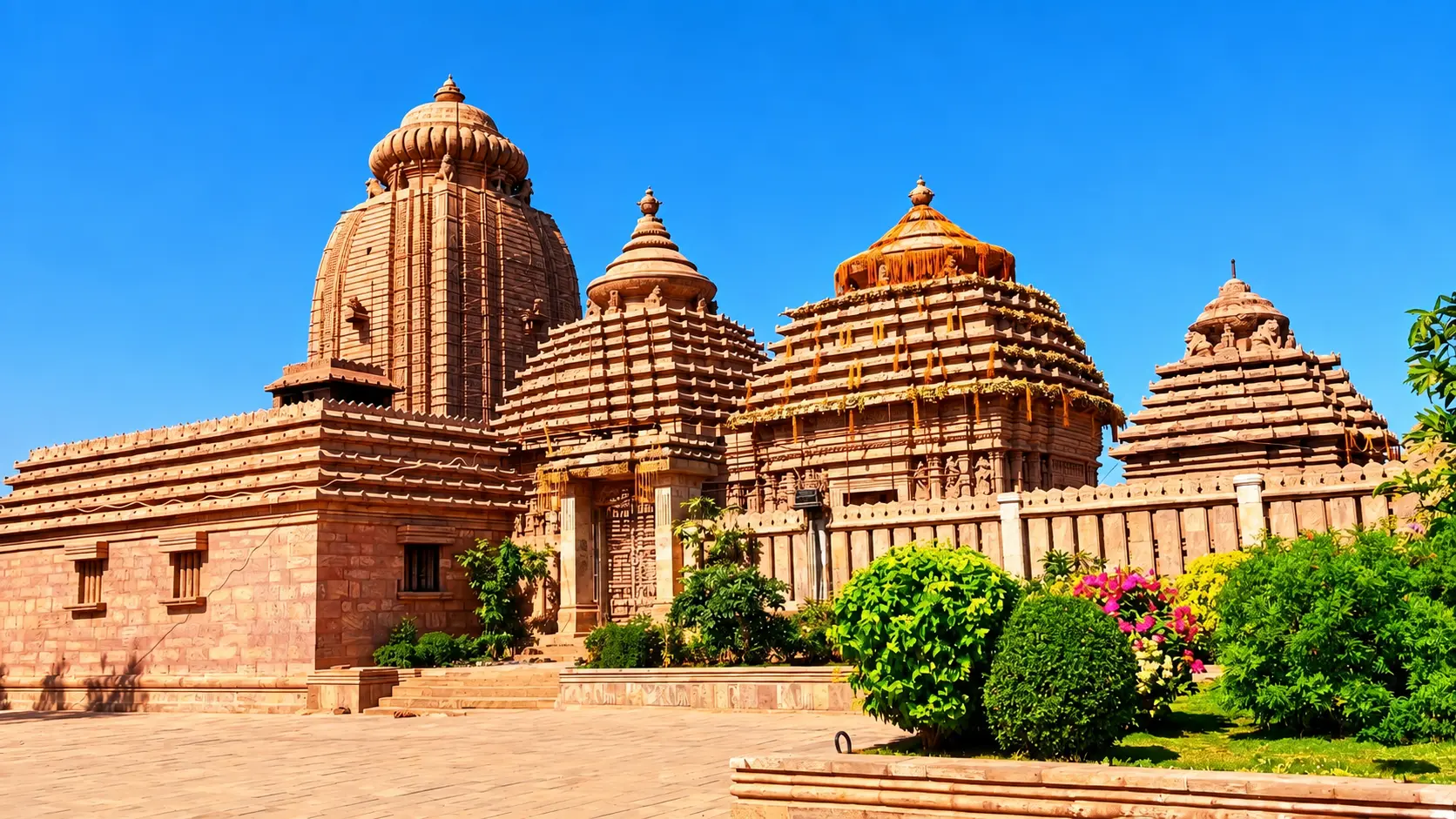
Rising with dramatic majesty from the fertile alluvial plains of southern Odisha's Ganjam district, the ancient holy hill of Purnagiri (also known as Kumari Hill) cradles one of the most venerated spiritual sanctuaries in the Indian subcontinent: Maa Tara Tarini Temple. Perched high atop this isolated summit at an elevation of 215 metres (708 feet) above sea level, directly overlooking the glistening meanders of the sacred Rushikulya River, this sacred hillside shrine is revered across the Hindu world as one of the four cardinal Adi Shakti Peethas of ancient India.
According to classical Puranic traditions recorded in the Kalika Purana, Brihat Samhita, and regional Tantric scriptures, when the grief-stricken Lord Shiva performed his cosmic dance of destruction (Rudra Tandava) while carrying the charred corpse of Goddess Sati, her sacred severed limbs scattered across the sacred geography of India. While her feet (Pada) fell at Puri's Bimala shrine, her genitals (Yoni) at Kamakhya in Assam, and her face (Mukha) at Kalighat in Kolkata, her sacred breasts (Stana) fell upon the summit of Purnagiri, consecrating Tara Tarini as the supreme Stana Peetha - the primordial cosmic source of maternal nourishment, fertility, and divine Shakti.
Enshrined within the inner sanctum are the twin sister goddesses, Maa Tara and Maa Tarini, represented by two ancient, self-manifested (Svayambhu) stone icons adorned with expressive silver eyes, gold crowns, and vibrant red vermilion. Historically worshipped by the ancient seafaring mariners (Sadhabas) of the maritime Kalinga empire before embarking on long voyages to Southeast Asia, and today visited by millions of pilgrims seeking health, family prosperity, and spiritual blessings, Taratarini combines profound Tantric antiquity, breathtaking Eastern Ghats vistas, and modern pilgrim amenities including an aerial cable car ropeway and newly sculpted Kalingan stone architecture.
Start here. Open a tile for the full details.
Why goRead details
- One of the Four Cardinal Adi Shakti Peethas: Worship at the supreme Stana Peetha (Breast Shrine) of Goddess Sati, celebrated alongside Kamakhya and Kalighat as one of ancient India's four primordial seats of cosmic Shakti.
- The Twin Sister Goddesses (Tara & Tarini): Receive the divine darshan of twin self-manifested stone deities representing the dual cosmic forces: Maa Tara (transcendent wisdom and spiritual liberation) and Maa Tarini (maternal compassion and protection from life's perils).
- Thrilling Passenger Ropeway (Cable Car) Ascent: Glide effortlessly through the air from the riverbank base station to the temple summit in just 4 to 5 minutes aboard the modern passenger cable car, enjoying exhilarating aerial views of the Rushikulya River and surrounding green valley.
- The Sacred 999 Holy Stone Stairs: Experience the traditional pilgrim penance by ascending the 999 wide, ancient stone steps winding through shaded banyan and neem groves to the hilltop.
- Magnificent Modern Kalingan Stone Architecture: Marvel at the grand temple complex reconsecrated in May 2022, painstakingly hand-carved from fine red and gray Khandolite stone in classical Rekha and Pidha Deula styles by master Odishan stone sculptors.
- The Grand Chaitra Mela (Chaitra Parba): Witness one of eastern India's largest religious gatherings during the Tuesdays of the Hindu month of Chaitra (mid-March to mid-April), when over 100,000 pilgrims assemble for sacred prayers and traditional child tonsuring (mundan) rituals.
- Panoramic Hilltop Vistas: Soak in breathtaking 360-degree views from the temple parikrama terrace, taking in the winding silver ribbon of the Rushikulya River, patchwork agricultural fields, and the distant blue silhouettes of the Eastern Ghats.
When to visitRead details
Entry & permissionsRead details
Fees, visiting hours and entry rules may change. Confirm the latest details with the official operator or local authority before travelling.
- Temple Entry Fee: Free public admission to the temple complex. Special puja tickets and VIP darshan passes can be obtained at the official temple trust counter inside the complex.
- Daily Darshan Hours:
- Morning Session: 05:00 AM to 12:30 PM.
- Afternoon Closure (Pahada): 12:30 PM to 14:00 PM (temple doors close for deity rest and bhog).
- Evening Session: 14:00 PM to 20:30 PM.
- Chaitra Tuesdays: The temple remains open continuously from 02:00 AM through midnight.
- Passenger Ropeway Timings & Tariffs:
- Hours: 07:30 AM to 17:30 PM daily (lunch break between 13:00 and 14:00).
- Tariff: ₹40 to ₹50 round-trip per adult; ₹28 for one-way ascent. Children below 110 cm in height ride free of charge.
- Vehicle Ghat Road Toll: Nominal toll of ₹30 to ₹50 per four-wheeler for using the 4.5 km hilltop motorable road.
- Photography Rules: Photography on the outdoor hilltop plaza, terrace, and ropeway is permitted without fee. Photography inside the inner sanctum is strictly prohibited.
Plan your visitRead details
The nearest major airport is Biju Patnaik International Airport (BBI) in Bhubaneswar, located approximately 160 kilometres north. Bhubaneswar connects with all premier Indian metropolitan centers via frequent daily non-stop flights. From the airport terminal, pre-paid taxis and rental cars take approximately 3.5 hours to reach Taratarini via the 6-lane National Highway 16 (NH-16), branching west onto State Highway 36 at Ganjam or Chhatrapur.
Explore the full guide - choose a topic below.
Why visit?
One of the Four Cardinal Adi Shakti Peethas: Worship at the supreme Stana Peetha (Breast Shrine) of Goddess Sati…Explore detailsClose details
- One of the Four Cardinal Adi Shakti Peethas: Worship at the supreme Stana Peetha (Breast Shrine) of Goddess Sati, celebrated alongside Kamakhya and Kalighat as one of ancient India's four primordial seats of cosmic Shakti.
- The Twin Sister Goddesses (Tara & Tarini): Receive the divine darshan of twin self-manifested stone deities representing the dual cosmic forces: Maa Tara (transcendent wisdom and spiritual liberation) and Maa Tarini (maternal compassion and protection from life's perils).
- Thrilling Passenger Ropeway (Cable Car) Ascent: Glide effortlessly through the air from the riverbank base station to the temple summit in just 4 to 5 minutes aboard the modern passenger cable car, enjoying exhilarating aerial views of the Rushikulya River and surrounding green valley.
- The Sacred 999 Holy Stone Stairs: Experience the traditional pilgrim penance by ascending the 999 wide, ancient stone steps winding through shaded banyan and neem groves to the hilltop.
- Magnificent Modern Kalingan Stone Architecture: Marvel at the grand temple complex reconsecrated in May 2022, painstakingly hand-carved from fine red and gray Khandolite stone in classical Rekha and Pidha Deula styles by master Odishan stone sculptors.
- The Grand Chaitra Mela (Chaitra Parba): Witness one of eastern India's largest religious gatherings during the Tuesdays of the Hindu month of Chaitra (mid-March to mid-April), when over 100,000 pilgrims assemble for sacred prayers and traditional child tonsuring (mundan) rituals.
- Panoramic Hilltop Vistas: Soak in breathtaking 360-degree views from the temple parikrama terrace, taking in the winding silver ribbon of the Rushikulya River, patchwork agricultural fields, and the distant blue silhouettes of the Eastern Ghats.
What to expect
The temple is situated near Purushottampur in Ganjam district, approximately 32 km north of Berhampur.Explore detailsClose details
The Sacred Geography of Purnagiri Hill
The temple is situated near Purushottampur in Ganjam district, approximately 32 km north of Berhampur. The setting is spiritually and geographically exceptional: Purnagiri Hill rises abruptly from flat alluvial plains, standing like an ancient natural watchtower over the Rushikulya River, known in Odishan tradition as the sacred Ganga of South Odisha.
From the foot of the hill, the river flows gently past the bathing ghats where pilgrims perform ritual ablutions before ascending. The hill itself is cloaked in dense vegetation, including sacred bilva (bael), neem, banyan, and pipal trees. At the summit, the newly redeveloped temple complex crowns the hilltop with intricately sculpted stone shikharas that gleam in the morning sunlight.
+-----------------------------------------------------------------------------------+
|                        MAA TARA TARINI HILLTOP PILGRIMAGE LAYOUT                  |
+-----------------------------------------------------------------------------------+
|                                                                                   |
|  [ Rushikulya River & Sacred Bathing Ghats ]                                      |
|              │                                                                    |
|              ▼                                                                    |
|     [ FOOTHILL BASE PLAZA ] ──── Parking, Shoe Stands, Ticket Counters & Dhabas   |
|              │                                                                    |
|              ├───────────────► [ 999 Stone Stairs ] (Walking pilgrim path, 35 min)|
|              │                                                                    |
|              ├───────────────► [ Passenger Ropeway ] (Udan Khatola Cable Car, 4m) |
|              │                                                                    |
|              ▼                                                                    |
|     [ 4.5 km Paved Ghat Road ] Motorable access for private cars & shuttle buses  |
|              │                                                                    |
|              ▼                                                                    |
|  [ HILLTOP TEMPLE COMPLEX ] ── New Kalingan Stone Sanctum, Parikrama & Viewpoints |
|                                                                                   |
+-----------------------------------------------------------------------------------+
The Sanctum and the Twin Goddesses
Entering the inner sanctum (Garbhagriha) of the newly sculpted Kalingan stone temple, pilgrims are greeted by an atmosphere of deep devotional reverence, fragrant with burning camphor, incense, and fresh red hibiscus garlands (mandara mala).
Enshrined upon a raised silver-plated pedestal are two distinct stone icons standing side by side:
- Maa Tara: The elder manifestation, representing the fierce and transcendental aspect of Adi Shakti. In Tantric and Buddhist traditions, Tara is the embodiment of transcendent wisdom who rescues devotees from the fires of spiritual ignorance.
- Maa Tarini: The younger manifestation, embodying compassionate, maternal benevolence. Historically, the mariners of Kalinga revered Tarini as the protective navigator (Tarini meaning "she who ferries across"), invoking her blessings to guide their wooden Boitas safely through sea storms and whirlpools at the mouth of the Rushikulya.
The two crude stone idols are adorned with large, captivating silver eyes, elaborately sculpted gold crowns (mukuta), and draped in sumptuous red and yellow silk sarees. Between the two idols rests a brass representative icon (Chalanti Pratima) used for ceremonial festival processions. Surrounding the main shrine are beautifully sculpted niches housing deities of the Shaivite and Shakta pantheon, including Lord Ganesha, Kartikeya, and Bhairava.
Three Ways to Reach the Summit
Travelers and pilgrims have three distinct methods to ascend from the riverbank foothills to the temple summit:
- The Passenger Ropeway (Udan Khatola Cable Car): The most popular, scenic, and accessible mode of transit. Operating continuously from the base terminal near the riverbank, modern enclosed cable car cabins glide up the steep hillside, covering the 500-metre diagonal ascent in just 4 to 5 minutes. The ride offers stunning bird's-eye views of the sacred Rushikulya River curling through green paddy fields.
- The 999 Holy Stone Stairs: For devout pilgrims and fitness enthusiasts, the traditional stone stairway provides an authentic spiritual pilgrimage. Shaded by ancient trees and punctuated by stone resting pavilions, the climb involves 999 wide laterite and granite steps. Barefoot pilgrims chanting devotional hymns often complete the climb in 30 to 45 minutes.
- The Paved Motorable Ghat Road: A smooth, two-lane 4.5-kilometre paved hill road winds gently around the western contours of the hill. Private cars, SUVs, and auto-rickshaws can drive directly to the hilltop parking plaza for a nominal toll fee. Additionally, the temple trust operates subsidized mini-buses from the base station during peak morning hours.
The Phenomenon of Chaitra Mela & Mundan Rituals
The spiritual power of Taratarini reaches its zenith during the Hindu month of Chaitra (mid-March to mid-April). On each of the four or five Tuesdays of the month (Chaitra Mangalabara), the temple hosts the legendary Chaitra Mela, attracting between 100,000 and 200,000 pilgrims on a single day.
Check the current visiting hours and permitted access with the site operator before departure; ceremonies, closures and visitor sessions can affect access. Tens of thousands of families from across Odisha, Andhra Pradesh, Chhattisgarh, and West Bengal bring their infants and young children to Taratarini for the sacred ritual of Mundan (first tonsuring ceremony). It is an ancient and deeply held belief that offering a child's birth hair to Maa Tara Tarini ensures divine protection, health, and a long life. Hundreds of traditional barbers operate in the shaded halls at the base and top of the hill, while massive lines of devotees snake patiently up the steps to offer coconuts, red silk fabrics, and sweet rice porridge (kheer).
Best time to visit
Explore detailsClose details
Seasonal breakdown
Season | Months | Daytime Temp (°C) | Nighttime Temp (°C) | Hilltop Conditions & Travel Experience |
|---|---|---|---|---|
Peak Winter | November - February | 25°C - 28°C | 15°C - 18°C | Optimal. Delightful, cool weather, crisp mountain air, and clear panoramic visibility. Ideal for climbing the 999 steps and leisurely hilltop temple darshan. |
Festival Spring | March - April | 32°C - 37°C | 22°C - 25°C | Vibrant & Crowded. Features the massive annual Chaitra Mela on Tuesdays. Very heavy pilgrim crowds; deeply spiritual atmosphere but expects long queues. |
Pre-Monsoon Summer | May - June | 38°C - 42°C | 27°C - 30°C | Very Hot. Scorching daytime heat; barefoot walking on the stone parikrama is painful after 10:30 AM. Visits should be restricted to early morning (05:00 - 08:30 AM). |
Monsoon Season | July - September | 30°C - 33°C | 24°C - 26°C | Lush & Dramatic. Eastern Ghats hills turn vivid green; Rushikulya River swells. Occasional rain showers make stone steps slippery, but the ropeway operates smoothly. |
How to reach
The nearest major airport is Biju Patnaik International Airport (BBI) in Bhubaneswar, located approximately 160…Explore detailsClose details
By air
The nearest major airport is Biju Patnaik International Airport (BBI) in Bhubaneswar, located approximately 160 kilometres north. Bhubaneswar connects with all premier Indian metropolitan centers via frequent daily non-stop flights. From the airport terminal, pre-paid taxis and rental cars take approximately 3.5 hours to reach Taratarini via the 6-lane National Highway 16 (NH-16), branching west onto State Highway 36 at Ganjam or Chhatrapur.
By train
Taratarini has excellent mainline rail access through two nearby stations in Ganjam district:
- Brahmapur Railway Station (station code: BAM): Located 32 kilometres south, Brahmapur is a premier national junction on the East Coast Railway trunk corridor. Major trains including the Vande Bharat Express, Coromandel Express, and Howrah - Chennai superfast trains halt here. Confirm the current charge and what it includes with the operator or service provider. Visitor admission, vehicles, parking, activities and accommodation can have separate charges.
- Chhatrapur Railway Station (station code: CAP): Located 30 kilometres southeast, Chhatrapur is the administrative headquarters of Ganjam district and serves numerous express trains.
By road
Road connectivity to Taratarini is well-developed and smooth:
- From Berhampur (32 km / 45 minutes): Drive north along the Berhampur - Purushottampur state highway directly to the temple foothills.
- From Bhubaneswar (160 km / 3.5 hours): Head south along NH-16 past Khurda, Balugaon, and Rambha to the Ganjam bypass. Turn west onto State Highway 36 (SH-36) through Purushottampur directly to Taratarini.
- From Rambha / Chilika Lake (40 km / 50 minutes): Drive south on NH-16 to the Ganjam junction, then head west on SH-36 through Purushottampur.
- Public Bus Service: Regular OSRTC state buses and private minibuses depart from the Berhampur Old Bus Stand every 15 to 20 minutes, dropping passengers directly at the Taratarini base station plaza.
Entry, timings and permissions
Fees, visiting hours and entry rules may change.Explore detailsClose details
Fees, visiting hours and entry rules may change. Confirm the latest details with the official operator or local authority before travelling.
- Temple Entry Fee: Free public admission to the temple complex. Special puja tickets and VIP darshan passes can be obtained at the official temple trust counter inside the complex.
- Daily Darshan Hours:
- Morning Session: 05:00 AM to 12:30 PM.
- Afternoon Closure (Pahada): 12:30 PM to 14:00 PM (temple doors close for deity rest and bhog).
- Evening Session: 14:00 PM to 20:30 PM.
- Chaitra Tuesdays: The temple remains open continuously from 02:00 AM through midnight.
- Passenger Ropeway Timings & Tariffs:
- Hours: 07:30 AM to 17:30 PM daily (lunch break between 13:00 and 14:00).
- Tariff: ₹40 to ₹50 round-trip per adult; ₹28 for one-way ascent. Children below 110 cm in height ride free of charge.
- Vehicle Ghat Road Toll: Nominal toll of ₹30 to ₹50 per four-wheeler for using the 4.5 km hilltop motorable road.
- Photography Rules: Photography on the outdoor hilltop plaza, terrace, and ropeway is permitted without fee. Photography inside the inner sanctum is strictly prohibited.
Nearby places to consider
Jaugarh Asokan Rock Edict (~8 km northwest near Purushottampur): A world-famous Archaeological Survey of India…Explore detailsClose details
- Jaugarh Asokan Rock Edict (~8 km northwest near Purushottampur): A world-famous Archaeological Survey of India (ASI) protected monument containing ancient 3rd-century BCE rock-cut edicts of Emperor Asoka inscribed in Prakrit and Brahmi script, including the celebrated separate Kalinga edicts.
- Potagarh Fort (~35 km southeast near Ganjam): A historic 18th-century star-shaped fort complex featuring evocative ruined walls, tunnels, and residential quarters of British, French, and Muslim administrators at the mouth of the Rushikulya River.
- Tampara Lake (~30 km southeast near Chhatrapur): A pristine 300-hectare freshwater coastal lake offering thrilling water scooters, kayaking, pedal boats, and a beautifully landscaped eco-park.
- Rambha Southern Chilika Hub (~40 km northeast via NH-16): The scenic southern gateway to Chilika Lake, celebrated for Breakfast Island, Beacon Island, and tranquil boat cruises.
- Gopalpur-on-Sea (~45 km southeast via Berhampur): Historic colonial seaport and tranquil beach resort featuring the DGLL Lighthouse, golden sands, and vintage beach bungalows.
In pictures
The practical bits
Before you go.
Footwear and Parikrama Heat Advisory
Like all active Hindu temples in Odisha, footwear must be removed before entering the temple gates.Explore detailsClose details
Like all active Hindu temples in Odisha, footwear must be removed before entering the temple gates. During sunny days - especially between March and June - the stone flagstones of the outdoor parikrama terrace absorb intense solar heat by 11:00 AM. Jute mats are laid out along main corridors, but visiting during the early morning hours (06:00 to 09:30 AM) or late afternoon (16:00 to 18:30 PM) ensures a comfortable, burn-free barefoot experience.
Navigating the Afternoon Closure (Pahada)
Check the current visiting hours and permitted access with the site operator before departure; ceremonies…Explore detailsClose details
Check the current visiting hours and permitted access with the site operator before departure; ceremonies, closures and visitor sessions can affect access. If you arrive at the temple base after 11:30 AM, plan to take the ropeway up, enjoy the panoramic view, have lunch at the base restaurants, and enter the sanctum when the doors reopen at 14:00 PM.
Managing Chaitra Festival Crowds
If visiting during the month of Chaitra (mid-March to mid-April), be prepared for extraordinary crowd densities…Explore detailsClose details
If visiting during the month of Chaitra (mid-March to mid-April), be prepared for extraordinary crowd densities, especially on Tuesdays (Chaitra Mangalabara). Queues for the ropeway can exceed 1 to 2 hours. If you prefer a tranquil, contemplative spiritual experience, visit on any weekday (Monday, Wednesday, Thursday, or Friday) outside the Chaitra festival month.
Dress Code and Temple Modesty
Wear traditional, modest clothing suitable for a revered Shakti Peetha (dhoti-kurta, saree, salwar-kameez, or…Explore detailsClose details
Wear traditional, modest clothing suitable for a revered Shakti Peetha (dhoti-kurta, saree, salwar-kameez, or trousers covering knees and shoulders). Avoid sleeveless tops, shorts, or provocative attire. Leather items (belts, wallets, bags) must be deposited in cloakrooms or left in your vehicle before entering the sanctum.
A few things you might wonder
Common questions about visiting Taratarini Temple. Fees, visiting hours and ceremonies are researched details that may change; confirm current arrangements with the operator before travelling.
Why is Taratarini Temple considered an Adi Shakti Peetha?
What are the different ways to reach the hilltop temple?
What are the operating hours and ticket price for the Taratarini ropeway?
Who are the deities worshipped at Taratarini?
What is the significance of the Chaitra Mela at Taratarini?
Does the temple close during the afternoon?
How far is Taratarini Temple from Berhampur railway station?
Can I visit both Taratarini Temple and the Jaugarh Asokan Rock Edict in one trip?
Explore more in Chilika
Discover other destinations around this hub




More Hubs in Odisha
Continue exploring other travel hubs in this state
Planning a trip to Chilika & South Coast?