Mangalajodi
Comprehensive guide to Mangalajodi in Khordha, Odisha. Discover the legendary poachers-to-protectors conservation story, silent boat birding safaris, and photography.
Location
Chilika & South Coast, Odisha
A closer look
Your visit, at a glance.
Chilika & South Coast, Odisha
GET TO KNOW THE PLACE
Nestled along the tranquil northern freshwater fringe of Chilika Lake in coastal Odisha's Khordha district, Mangalajodi is globally celebrated by naturalists, wildlife…
The story of Mangalajodi
Nestled along the tranquil northern freshwater fringe of Chilika Lake in coastal Odisha's Khordha district, Mangalajodi is globally celebrated by naturalists, wildlife photographers, and environmentalists as one of the world's greatest grassroots conservation triumphs. Just three decades ago, this quiet marshland hamlet bore a dark and notorious reputation: it was widely known as a ruthless "poachers' village," where local hunters trapped, netted, and poisoned hundreds of thousands of migratory waterfowl each winter to supply commercial bushmeat markets in nearby urban centers.
Today, through a remarkable moral awakening and visionary community leadership that began in the late 1990s, Mangalajodi has undergone a miraculous metamorphosis. The very men who once tracked wild birds to kill them have renounced their weapons, taking sacred oaths before the village deity to become passionate wildlife protectors. United under the banner of the Sri Sri Mahavir Pakshi Suraksha Samiti (Bird Protection Committee), these former poachers now serve as world-renowned birding guides and boatmen, using their intimate, multi-generational knowledge of avian behavior to safeguard the marshes.
Unlike other marine destinations where noisy motorized engines shatter the tranquility of nature, motorized boats are strictly banned in the winding marsh channels of Mangalajodi. Here, visitors embark on silent, slender wooden catamarans manually propelled by boatmen wielding long bamboo poles. Gliding soundlessly through floating carpets of blooming water lilies and towering reed beds, birdwatchers and photographers can approach within arm's length of wild purple swamphens, foraging sandpipers, and flocking pintails without alarming them. For anyone who cherishes ethical eco-tourism, wildlife photography, and inspirational human stories, Mangalajodi is an unmissable coastal pilgrimage.
Start here. Open a tile for the full details.
Why goRead details
- The Poachers-to-Protectors Conservation Miracle: Experience firsthand an internationally celebrated conservation model where an entire community of commercial bird poachers voluntarily surrendered their nets to establish a globally acclaimed eco-tourism reserve.
- Silent Non-Motorized Wooden Boat Safaris: Glide noiselessly through narrow wetland channels aboard traditional, hand-poled wooden country boats (catamarans) that allow visitors to observe wild birds at breathtakingly intimate distances without disturbance.
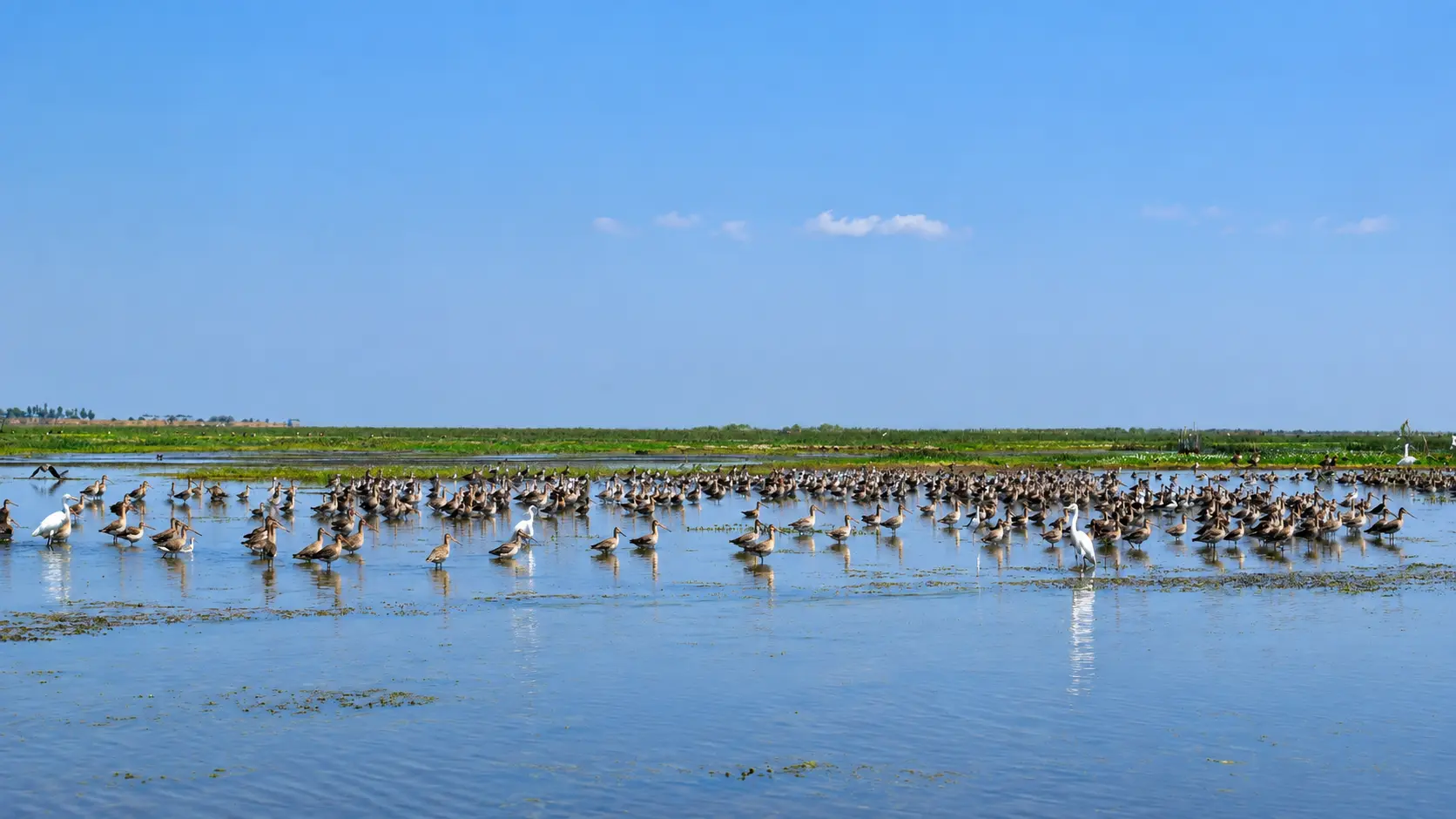
- World-Class Bird Photography Encounters: Capture astonishing close-up portraits of rare and skittish waterbirds - including bronze-winged jacanas, pheasant-tailed jacanas, black-tailed godwits, ruffs, and yellow bitterns - foraging calmly just feet from your boat.
- Over 150 Species of Avian Wonders: Explore an Important Bird Area (IBA) designated by BirdLife International that shelters over 300,000 wintering migratory waterbirds arriving along the Central Asian Flyway from Siberia, Mongolia, and the Caspian Sea.
- Eagle-Eyed Former Poacher Guides: Benefit from the extraordinary identification skills and behavioral intuition of local community guides, who can spot well-camouflaged snipes and rails hidden deep within dense reeds from remarkable distances.
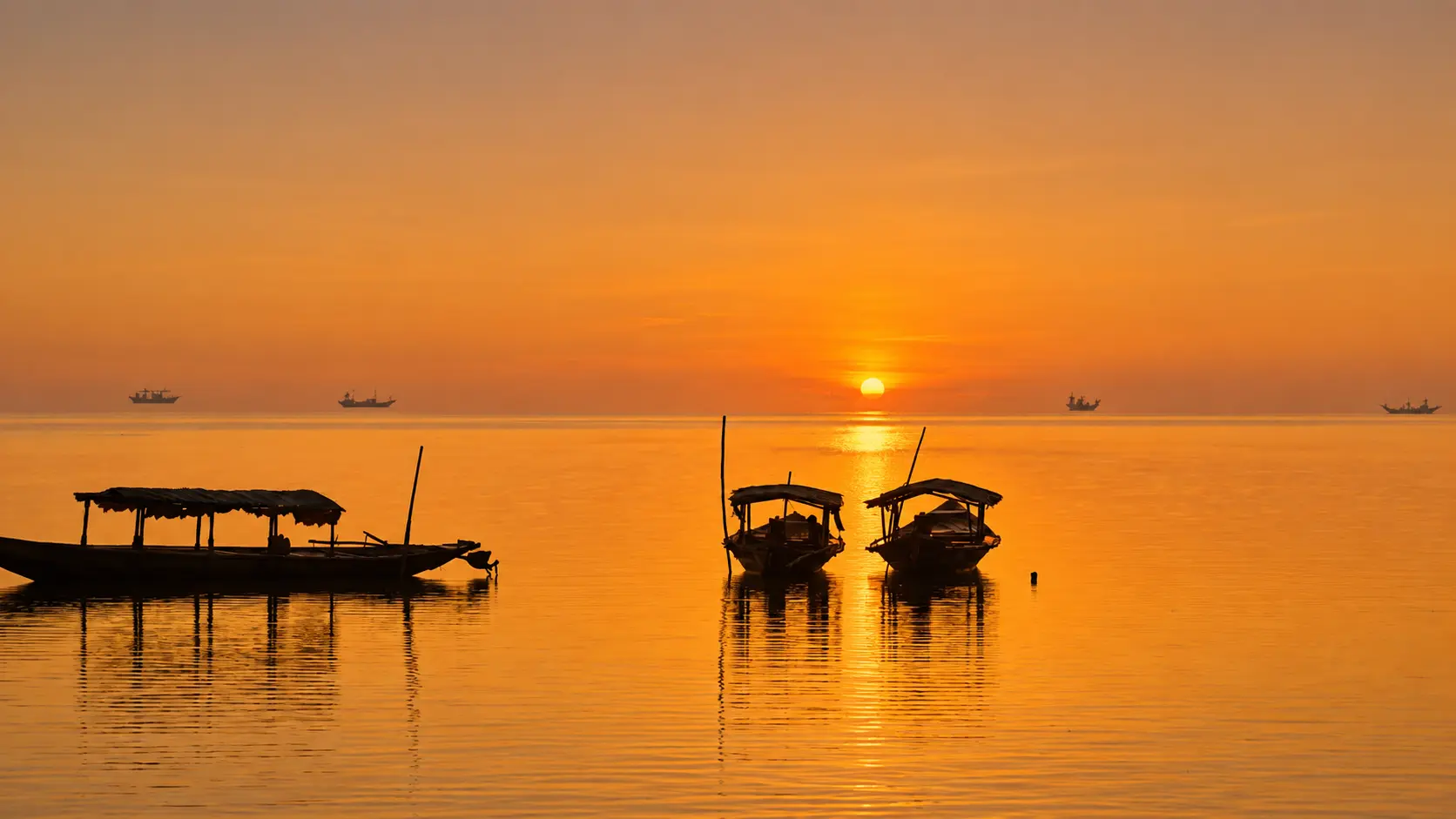
- Lush Freshwater Wetland Ecology: Witness the unique freshwater deltaic regime of northern Chilika, fed by the Daya and Bhargavi rivers, characterized by blooming water lilies, floating mats of aquatic vegetation, and golden sunrises over mirror-calm waters.
- Effortless Proximity to Bhubaneswar: Situated just 70 km (approx. 1.5 hours drive) southwest of Odisha's capital via the multi-lane National Highway 16, Mangalajodi is ideally suited for both overnight immersive stays and easy day trips.
When to visitRead details
Entry & permissionsRead details
Fees, visiting hours and entry rules may change. Confirm the latest details with the official operator or local authority before travelling.
- Wetland Entry Fee: There is no general entrance fee charged by the government to enter the Mangalajodi wetland area.
- Boat Safari Timings:
- Morning Safari: 06:00 AM to 09:30 AM (the absolute best window for bird activity, golden lighting, and calm water).
- Afternoon Safari: 15:00 PM to 17:30 PM (ideal for sunset photography and evening roosting flights).
- Midday safaris are strongly discouraged by the community to avoid stressing feeding birds during hot midday hours.
- Boat Safari Tariffs (Community-Managed):
- Standard Boat Charter: ₹1,200 to ₹1,500 per wooden boat.
- Inclusions: Covers a 2.5 to 3-hour guided cruise, services of an experienced local boatman, dedicated certified community bird guide, lifejackets, and shared binoculars.
- Capacity: Maximum of 4 adult passengers per boat to ensure safety, balance, and unobstructed photographic angles.
- Photography & Equipment Rules:
- Standard photography with handheld cameras, tripods, and long telephoto lenses (up to 600mm or 800mm) is permitted without additional fee.
- Flying camera drones is strictly prohibited across the entire Mangalajodi wetland ecosystem to prevent panicking nesting and feeding migratory flocks.
- Advance Booking: Highly recommended for morning safaris during peak winter weekends (December and January) through the Mangalajodi Ecotourism Trust or your eco-cottage host.
Plan your visitRead details
The nearest airport is Biju Patnaik International Airport (BBI) in Bhubaneswar, located approximately 70 kilometres northeast of Mangalajodi. Bhubaneswar connects with non-stop flights to all major Indian metropolitan cities (New Delhi, Mumbai, Kolkata, Bengaluru, Hyderabad, Chennai). From the airport arrivals terminal, private tourist taxis and app-based cabs take approximately 1.5 hours to reach Mangalajodi via the 6-lane National Highway 16 (NH-16).
Explore the full guide - choose a topic below.
Why visit?
The Poachers-to-Protectors Conservation Miracle: Experience firsthand an internationally celebrated conservation…Explore detailsClose details
- The Poachers-to-Protectors Conservation Miracle: Experience firsthand an internationally celebrated conservation model where an entire community of commercial bird poachers voluntarily surrendered their nets to establish a globally acclaimed eco-tourism reserve.
- Silent Non-Motorized Wooden Boat Safaris: Glide noiselessly through narrow wetland channels aboard traditional, hand-poled wooden country boats (catamarans) that allow visitors to observe wild birds at breathtakingly intimate distances without disturbance.
- World-Class Bird Photography Encounters: Capture astonishing close-up portraits of rare and skittish waterbirds - including bronze-winged jacanas, pheasant-tailed jacanas, black-tailed godwits, ruffs, and yellow bitterns - foraging calmly just feet from your boat.
- Over 150 Species of Avian Wonders: Explore an Important Bird Area (IBA) designated by BirdLife International that shelters over 300,000 wintering migratory waterbirds arriving along the Central Asian Flyway from Siberia, Mongolia, and the Caspian Sea.
- Eagle-Eyed Former Poacher Guides: Benefit from the extraordinary identification skills and behavioral intuition of local community guides, who can spot well-camouflaged snipes and rails hidden deep within dense reeds from remarkable distances.
- Lush Freshwater Wetland Ecology: Witness the unique freshwater deltaic regime of northern Chilika, fed by the Daya and Bhargavi rivers, characterized by blooming water lilies, floating mats of aquatic vegetation, and golden sunrises over mirror-calm waters.
- Effortless Proximity to Bhubaneswar: Situated just 70 km (approx. 1.5 hours drive) southwest of Odisha's capital via the multi-lane National Highway 16, Mangalajodi is ideally suited for both overnight immersive stays and easy day trips.
What to expect
While southern Chilika near Rambha and the outer channel near Satapada are dominated by open saline bays and…Explore detailsClose details
The Setting: Northern Chilika's Freshwater Marsh
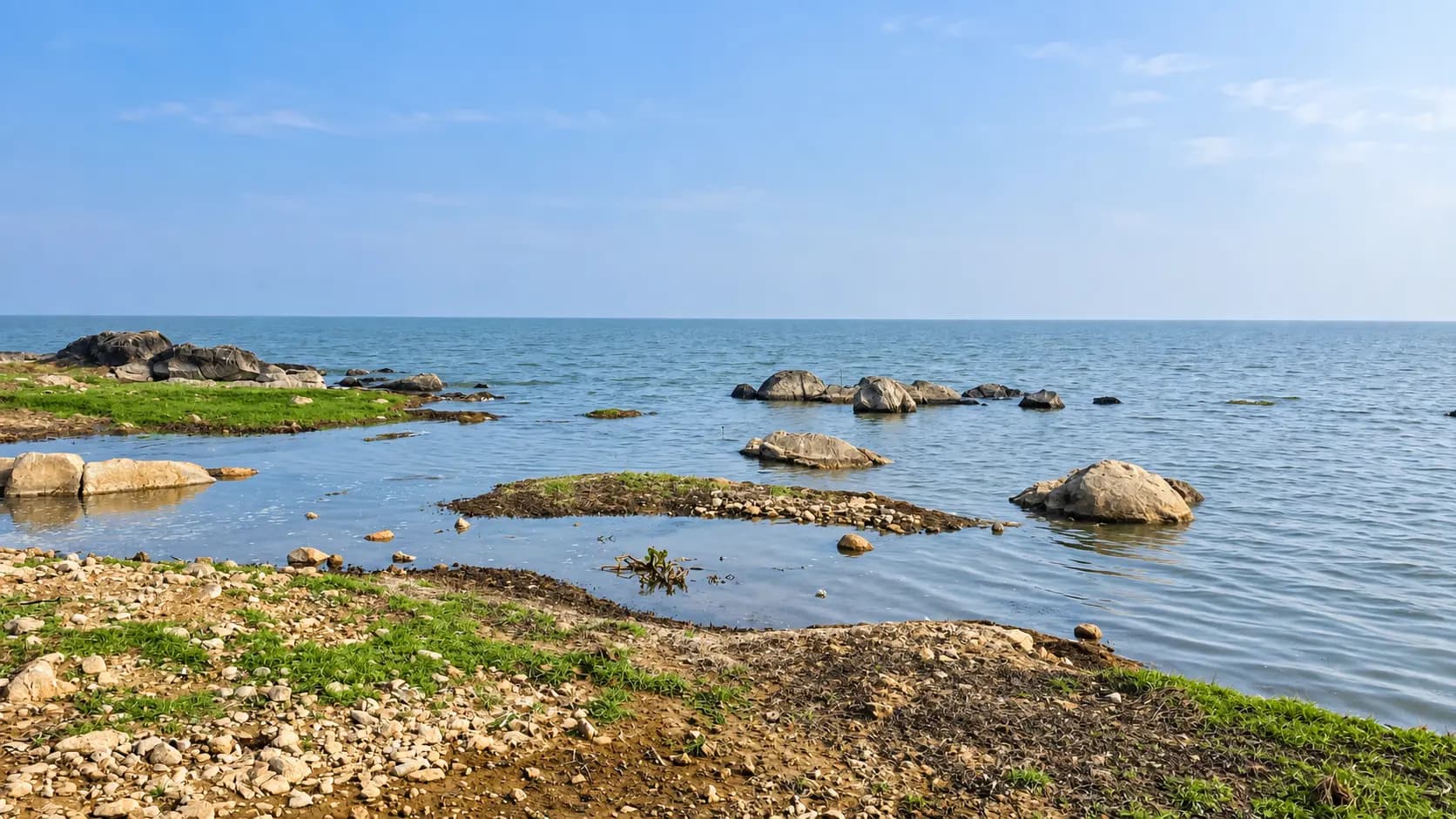
While southern Chilika near Rambha and the outer channel near Satapada are dominated by open saline bays and marine estuaries, Mangalajodi occupies the lake’s northern deltaic headwaters. Here, freshwater poured into the basin by the Daya and Bhargavi rivers creates a vast, shallow marshland of slow-moving channels, mudflats, and dense stands of Phragmites karka (giant reeds) and water lilies (Nymphaea).
Because water depths in the marsh channels average between 1 and 3 feet throughout the winter months, large predatory marine fish cannot enter, making the shallows an extraordinarily rich nursery for small freshwater fishes, snails, water beetles, and insect larvae. This biological abundance creates an irresistible seasonal buffet for millions of hungry migratory birds completing their exhausting trans-Himalayan journeys.
+-----------------------------------------------------------------------------------+
|                        MANGALAJODI ECO-TOURISM WETLAND LAYOUT                     |
+-----------------------------------------------------------------------------------+
|                                                                                   |
|  [ NH-16 / Tangi Junction (5 km) ] ◄─── From Bhubaneswar (70 km) / Cuttack        |
|              │                                                                    |
|              ▼                                                                    |
|     [ MANGALAJODI VILLAGE ] ─── Community Eco-Cottages & Conservation Center      |
|              │                                                                    |
|              ▼                                                                    |
|     [ EMBANKMENT JETTY ] ───── Wooden Boat Dispatch (Strictly Non-Motorized)      |
|              │                                                                    |
|              │ (Silent hand-poled boat transit along reed-lined channels)         |
|              ▼                                                                    |
|  [ INNER BIRDING MARSHES ] ─── Deep reed beds, lotus pools, mudflats & waders     |
|                                                                                   |
+-----------------------------------------------------------------------------------+
The Conservation Journey: The Transformation of Sri Sri Mahavir Pakshi Suraksha Samiti
The story of Mangalajodi is one of modern India's most stirring conservation epics: During the 1980s and 1990s, the village was gripped by chronic poverty and seasonal agricultural unemployment. With vast flocks of plump migratory ducks arriving on their doorstep every autumn, many villagers turned to commercial poaching. Using nylon fishing nets, wire snares, and deadly organophosphate agricultural poisons (such as Furadan), poachers slaughtered up to 1,000 birds every single night. The dead birds were packed into gunny sacks and transported on the early morning passenger trains from Kalupara Ghat to supply black-market meat stalls in Bhubaneswar, Cuttack, and Berhampur.
The turnaround began in 1996 through the patient, compassionate intervention of Nanda Kishore Bhujabal, founder of the wildlife conservation organization Wild Orissa. Recognizing that punitive police raids only entrenched resentment and poverty, Bhujabal moved into the village, lived among the poachers, and initiated a patient dialogue based on moral conscience, local spiritual traditions, and alternative economic opportunities.
Slowly, the poachers’ mindset began to shift. The breakthrough occurred in December 2000, when key poaching ringleaders - including Kishore Behera and Madhab Behera - publicly renounced hunting. In a solemn ceremony before the village temple of Lord Mahavir, the former poachers surrendered their nets and traps and took an inviolable vow never to harm another bird. They established the Sri Sri Mahavir Pakshi Suraksha Samiti, taking upon themselves the responsibility of patrolling the marshes against outside poachers.
Over the ensuing decades, with support from the Odisha Forest Department, national eco-tourism trusts, and conservation organizations, the Samiti developed a community-managed eco-tourism enterprise. Today, the reformed poachers are celebrated conservation heroes who have won the Biju Patnaik Wildlife Conservation Award (2007) and the United Nations World Tourism Organization (UNWTO) Ulysses Award (2018).
The Safari Experience: The Silent Art of Hand-Poled Boating
A safari at Mangalajodi is fundamentally different from wildlife excursions in any other national park in India. Boarding takes place at the edge of the earthen embankment jetty. Each safari uses a traditional flat-bottomed wooden country boat (nauka or catamaran) measuring approximately 25 feet in length, fitted with cushioned bench seating for up to four passengers. There are no diesel engines, outboard motors, or electrical propellers; the boat is powered solely by the physical skill of a local boatman wielding a slender 15-foot bamboo pole (baunshe kanta).
Standing on the aft deck, the boatman silently presses the bamboo pole into the soft clay lake bed, propelling the boat forward with smooth, rhythmic thrusts. Beside the boatman sits a certified local bird guide - often a former poacher or his son - equipped with a spotting scope, high-power binoculars, and a dog-eared copy of regional bird field guides.
As the boat glides soundlessly into the dense reeds, the natural world unfolds around you in startling intimacy:
- Flocks of iridescent grey-headed swamphens (purple moorhens) with brilliant scarlet beaks and legs hop fearlessly across floating lily pads within five feet of your gunwale.
- Delicate bronze-winged jacanas and pheasant-tailed jacanas step lightly across floating vegetation on elongated toes, foraging unhurriedly.
- Tens of thousands of northern pintails, garganeys, and lesser whistling ducks feed in open water pools, occasionally erupting into the morning sky in a thunderous whirr of wings.
- Along muddy channel margins, dense gatherings of long-billed black-tailed godwits, ruffs, common snipes, and wood sandpipers probe the silt for food, completely unperturbed by the drifting boat.
- Cryptic marsh birds that are notoriously difficult to spot elsewhere - such as the yellow bittern, black bittern, ruddy-breasted crake, and watercock - are routinely pointed out by your guide with uncanny precision.
Best time to visit
Explore detailsClose details
Seasonal breakdown
Season | Months | Daytime Temp (°C) | Nighttime Temp (°C) | Wetland Conditions & Birding Experience |
|---|---|---|---|---|
Peak Birding Winter | November - February | 24°C - 28°C | 14°C - 18°C | Optimal. Peak arrival of over 300,000 migratory waterfowl. Crisp, clear mornings, mirror-flat water, and superb golden-hour light for photography. |
Shoulder Months | October & March | 29°C - 33°C | 19°C - 22°C | Very Good. Early migrants arrive in October; late stragglers remain in March. Pleasant morning boat safaris; moderate midday warmth. |
Summer Season | April - June | 35°C - 41°C | 26°C - 29°C | Dry & Hot. Water levels recede drastically; migratory birds have departed. Excellent for resident breeding birds (jacanas, swamphens), but midday heat is punishing. |
Monsoon Season | July - September | 30°C - 33°C | 25°C - 27°C | Flooded & Inundated. Heavy river discharge fills the lagoon to maximum depth. Marshes become deep lakes; birding safaris are largely suspended. |
How to reach
The nearest airport is Biju Patnaik International Airport (BBI) in Bhubaneswar, located approximately 70…Explore detailsClose details
By air
The nearest airport is Biju Patnaik International Airport (BBI) in Bhubaneswar, located approximately 70 kilometres northeast of Mangalajodi. Bhubaneswar connects with non-stop flights to all major Indian metropolitan cities (New Delhi, Mumbai, Kolkata, Bengaluru, Hyderabad, Chennai). From the airport arrivals terminal, private tourist taxis and app-based cabs take approximately 1.5 hours to reach Mangalajodi via the 6-lane National Highway 16 (NH-16).
By train
Mangalajodi can be reached via several mainline railway options:
- Kalupara Ghat Railway Station (station code: KAPG): Situated just 8 kilometres north of Mangalajodi, this local station on the Howrah - Chennai mainline handles frequent passenger and selected express trains. Auto-rickshaws from Kalupara Ghat reach Mangalajodi in about 15 minutes.
- Balugaon Railway Station (station code: BALU): Located 30 kilometres southwest, Balugaon is a premier express railhead where major superfast trains (Coromandel Express, Prashanti Express, East Coast Express) stop. Taxis and autos from Balugaon take 35 to 40 minutes via NH-16.
- Khurda Road Junction (station code: KUR): Located 45 kilometres northeast, this major railway junction connects trains from all regions of India. Taxis can be hired outside Khurda Road station for a direct 1-hour drive to the birding jetty.
By road
Access by road is exceptionally convenient:
- From Bhubaneswar (70 km / 1.5 hours): Drive south along National Highway 16 (NH-16) past Khurda and Jankia to the major highway town of Tangi (approx. 65 km). At Tangi junction, turn east onto the well-paved, signposted rural road and proceed 5 km through lush rural hamlets directly to the Mangalajodi embankment jetty.
- From Cuttack (100 km / 2 hours): Travel south along NH-16 through Bhubaneswar and Khurda to Tangi, then branch to Mangalajodi.
- From Barkul (35 km / 40 minutes): Drive northeast along NH-16 toward Bhubaneswar. After passing Balugaon and Kalupara Ghat, turn east at Tangi.
- From Puri (80 km / 1.75 hours): Head northwest along State Highway 13 through Brahmagiri, Kanas, and Jankia to join NH-16 near Tangi.
Entry, timings and permissions
Fees, visiting hours and entry rules may change.Explore detailsClose details
Fees, visiting hours and entry rules may change. Confirm the latest details with the official operator or local authority before travelling.
- Wetland Entry Fee: There is no general entrance fee charged by the government to enter the Mangalajodi wetland area.
- Boat Safari Timings:
- Morning Safari: 06:00 AM to 09:30 AM (the absolute best window for bird activity, golden lighting, and calm water).
- Afternoon Safari: 15:00 PM to 17:30 PM (ideal for sunset photography and evening roosting flights).
- Midday safaris are strongly discouraged by the community to avoid stressing feeding birds during hot midday hours.
- Boat Safari Tariffs (Community-Managed):
- Standard Boat Charter: ₹1,200 to ₹1,500 per wooden boat.
- Inclusions: Covers a 2.5 to 3-hour guided cruise, services of an experienced local boatman, dedicated certified community bird guide, lifejackets, and shared binoculars.
- Capacity: Maximum of 4 adult passengers per boat to ensure safety, balance, and unobstructed photographic angles.
- Photography & Equipment Rules:
- Standard photography with handheld cameras, tripods, and long telephoto lenses (up to 600mm or 800mm) is permitted without additional fee.
- Flying camera drones is strictly prohibited across the entire Mangalajodi wetland ecosystem to prevent panicking nesting and feeding migratory flocks.
- Advance Booking: Highly recommended for morning safaris during peak winter weekends (December and January) through the Mangalajodi Ecotourism Trust or your eco-cottage host.
Nearby places to consider
Barkul & Kalijai Island (~35 km southwest via NH-16): The bustling water-sports hub of Chilika Lake, featuring…Explore detailsClose details
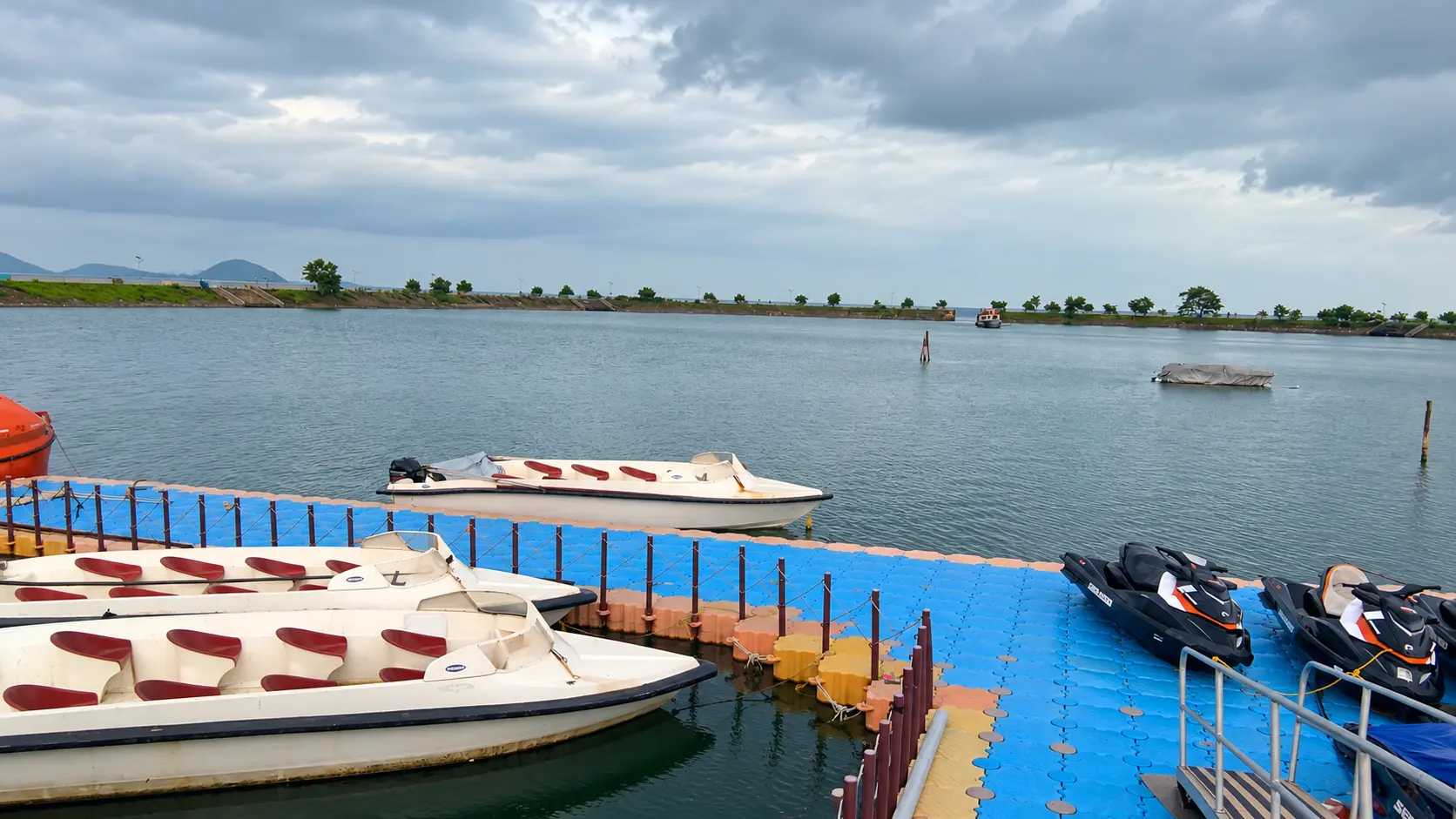
- Barkul & Kalijai Island (~35 km southwest via NH-16): The bustling water-sports hub of Chilika Lake, featuring speedboating, the sacred island temple of Goddess Kalijai, and the OTDC Panthanivas waterfront restaurant.
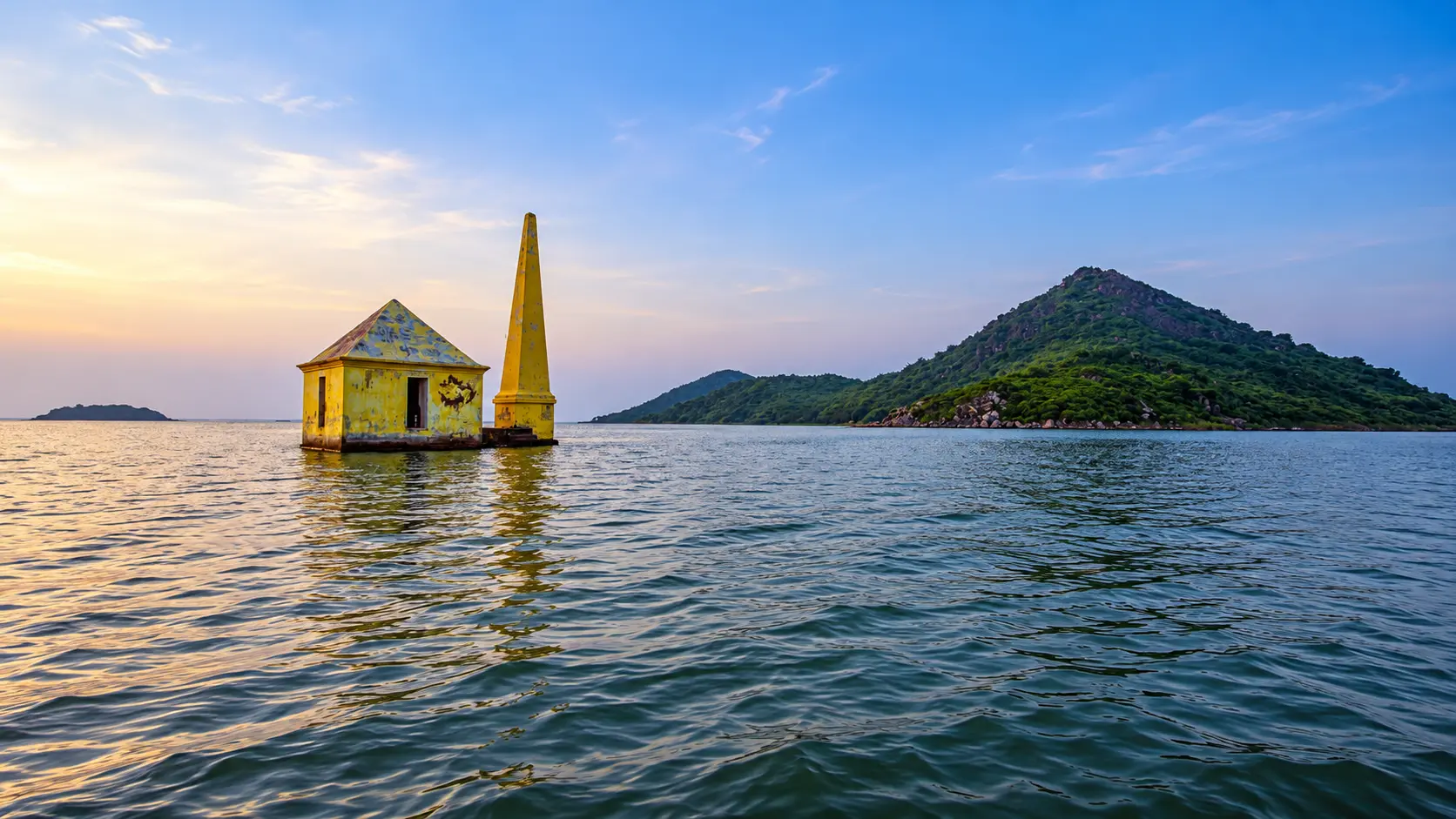
- Rambha Southern Island Hub (~65 km southwest via NH-16): The scenic southern gateway to Chilika, celebrated for its colonial-era islands (Breakfast Island, Beacon Island) set against the dramatic spurs of the Eastern Ghats.
- Ugra Tara Temple, Bhushandapur (~20 km northeast): An ancient and highly revered Shakti shrine dating to the 10th century CE, featuring an exquisite four-armed black chlorite stone idol of Goddess Tara.
- Atri Hot Sulphur Springs (~45 km north via Khurda): A natural perennial sulfur hot spring surrounded by agricultural greenery, famous for therapeutic bathing pools maintained by Odisha Tourism.
- Barunei Hill & Temple (~50 km north near Khurda): A historic forested hill famous for the twin shrines of Goddess Barunei and Karunei, scenic perennial mountain waterfalls, and its legacy as the stronghold of the historic 1817 Paika Rebellion.
In pictures
The practical bits
Before you go.
Scheduling the Morning Safari
Bird activity in the wetlands peaks during the first three hours of daylight.Explore detailsClose details
Bird activity in the wetlands peaks during the first three hours of daylight. To experience the magic of Mangalajodi at its height, aim to be at the embankment jetty by 05:45 AM, ready to board as the first rays of dawn illuminate the marsh mist. If staying in Bhubaneswar, arrange a private taxi departure by 04:15 AM. Alternatively, staying overnight in Mangalajodi village at the community eco-cottages allows you to wake up just five minutes from the jetty.
Clothing and Field Camouflage
Birds in the open marshes possess sharp eyesight and are easily startled by unnatural, high-contrast colors.Explore detailsClose details
Birds in the open marshes possess sharp eyesight and are easily startled by unnatural, high-contrast colors. Avoid wearing bright red, fluorescent yellow, orange, or stark white clothing. Dress in muted, earthy tones - such as khaki, olive green, dull brown, or navy blue. Early morning boat rides between November and January can be surprisingly chilly due to open-water drafts; wear a warm fleece jacket, light windbreaker, and long trousers that can be unzipped or layered as the sun rises.
Camera Gear and Stabilization
Mangalajodi is widely regarded as India's premier wetland photography classroom.Explore detailsClose details
Mangalajodi is widely regarded as India's premier wetland photography classroom. Because the wooden boats glide within 10 to 20 feet of wild birds, extreme telephoto lenses are not strictly mandatory; a 100 - 400mm or 70 - 200mm lens on a full-frame or crop-sensor camera body will yield magnificent full-frame portraits. If using heavy prime telephotos (500mm or 600mm), bring a beanbag or small monopod to rest your lens on the wooden gunwale of the boat. Tripods can be set up on the floor of the boat, but adjustments must be made slowly to avoid rocking the vessel.
Wetland Etiquette and Conservation Mindset
Maintain absolute quiet once your boat enters the marsh channels.Explore detailsClose details
Maintain absolute quiet once your boat enters the marsh channels. Speak only in low, hushed whispers to your guide and companions. Never request your boatman to chase flying birds or bang on the gunwales to induce flight for action shots; ethical guides will rightfully refuse such requests. Carry all plastic wrappers, water bottles, and personal litter back to your vehicle on the mainland; Mangalajodi is a zero-litter conservation sanctuary.
A few things you might wonder
Common questions about visiting Mangalajodi. Fees, visiting hours and ceremonies are researched details that may change; confirm current arrangements with the operator before travelling.
What is the famous conservation story behind Mangalajodi?
Why are motorized boats not allowed in Mangalajodi?
What are the best hours of the day to do a birding safari at Mangalajodi?
What species of birds can I expect to see at Mangalajodi?
How much does a boat safari cost at Mangalajodi?
Are there places to stay overnight in Mangalajodi?
What camera lens is best for photography at Mangalajodi?
Can I visit Mangalajodi as a day trip from Bhubaneswar?
Explore more in Chilika
Discover other destinations around this hub
More Hubs in Odisha
Continue exploring other travel hubs in this state
Planning a trip to Chilika & South Coast?