Yana Caves
Comprehensive visitor guide to Yana Caves in Uttara Kannada near Gokarna and Kumta. Explore the 120m Bhairaveshwara rock, Mohini spire, cave temple, and rainforest trek.
Location
Gokarna & Murudeshwar, Karnataka
A closer look
Your visit, at a glance.
Gokarna Murudeshwar, Karnataka
GET TO KNOW THE PLACE
Deep within the secluded, mist-wreathed tropical evergreen rainforests of the Sahyadri Western Ghats in Karnataka's Uttara Kannada district, Yana Caves (often called Yana Rocks)…
The story of Yana Caves
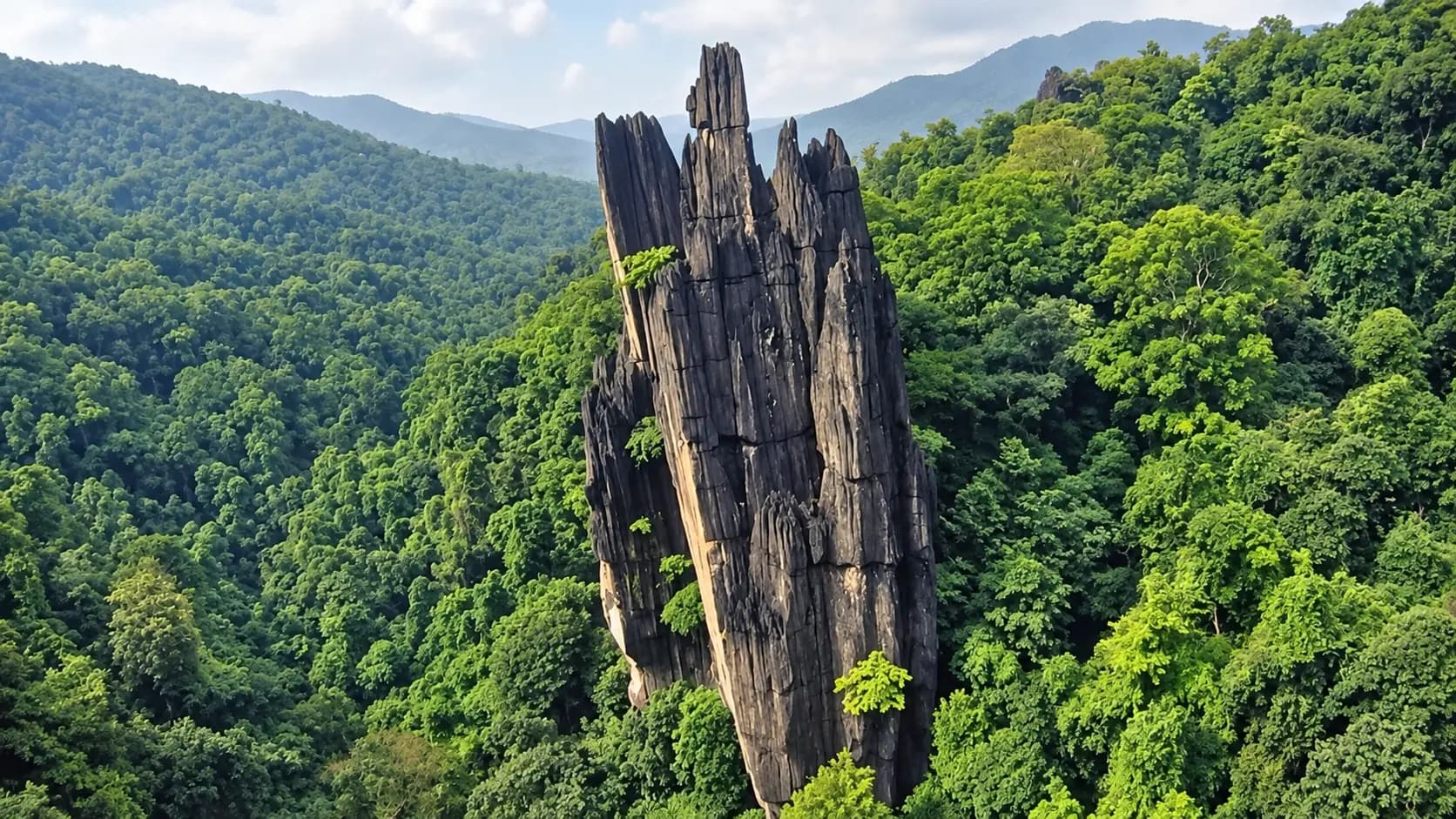
Deep within the secluded, mist-wreathed tropical evergreen rainforests of the Sahyadri Western Ghats in Karnataka's Uttara Kannada district, Yana Caves (often called Yana Rocks) presents one of the most astonishing geological anomalies and mystical pilgrimage sanctuaries in peninsular India. Soaring like monumental gothic cathedrals straight out of a primeval forest canopy, two colossal, pitch-black karst limestone monoliths - Bhairaveshwara Shikhara and Mohini Shikhara - pierce the sky at heights of 120 meters and 90 meters respectively. Composed of dark, silicious dolomitic limestone sculpted over millions of years by subterranean water courses, chemical weathering, and tectonic uplift, these dramatic rock spires stand completely isolated in an otherwise undulating granite and laterite mountainous landscape.
Beyond their exceptional geological rarity, the monoliths of Yana are steeped in ancient Hindu mythology and living Agamic worship. According to regional Puranic tradition, this was the cosmic battleground where the arrogant demon king Bhasmasura was outwitted and incinerated into ashes by Lord Vishnu in his enchanting guise as the celestial dancer Mohini, giving the sooty black rocks their scorched appearance. At the base of the towering Bhairaveshwara Shikhara lies a natural, cavernous temple enshrining a self-manifested (swayambhu) linga, where sacred subterranean spring water trickles unceasingly from the limestone ceiling directly onto the deity day and night. For generations, regional folklore has celebrated the challenging forest pilgrimage to Yana through the famous Kannada proverb: "Sokku iddare Yana, Rokka iddare Gokarna" - a testament to the youthful physical stamina and adventurous spirit required to trek through these magnificent rainforests.
Start here. Open a tile for the full details.
Why goRead details
Yana Caves offers an unforgettable travel experience that merges awe-inspiring geological grandeur, sacred Puranic mythology, and rich Western Ghats biodiversity:
When to visitRead details
Yana's high-rainfall rainforest environment in the Western Ghats requires careful seasonal planning to balance comfortable hiking, clear rock viewing, and lush forest beauty:
Entry & permissionsRead details
Fees, visiting hours and entry rules may change. Confirm the latest details with the official operator or local authority before travelling.
A complete guide to operational schedules, tariffs, and conservation regulations at Yana Caves:
Parameter / Service | Official Schedule | Tariff / Fees | Key Visitor Guidelines |
|---|---|---|---|
Forest Trail & Cave Hours | 08:00 to 18:00 Daily | Free Entry (₹0) | Open seven days a week. Last entry at the forest checkpost is permitted until 16:30 PM for visitor safety. |
Eco-Development Fee (EDC) | Collected at Checkpost | ₹10 to ₹20 per adult | Nominal maintenance fee supporting local village forest committees and trail cleaning. |
Vehicle Parking | Daylight Hours | ₹20 (Bikes) / ₹50 (Cars) | Dedicated parking grounds at both the lower (Kumta) and upper (Sirsi) trailheads. |
Temple Darshan & Teertha | 08:30 to 17:30 Daily | Free / Voluntary Dakshina | Priests conduct daily pujas at the swayambhu linga; visitors must enter the cave barefoot. |
Forest Conservation and Sanctum Etiquette
Because Yana Caves is an eco-sensitive protected reserve within the central Western Ghats biodiversity hotspot, visitors must strictly adhere to statutory environmental regulations:
- Footwear Etiquette at the Cave Sanctum: Footwear is worn along the forest trekking path up to the base of Bhairaveshwara Shikhara. Before ascending the final concrete steps leading into the cave sanctum and pradakshina passage, all shoes and sandals must be deposited at the designated shoe racks. Visitors walk barefoot across the natural, cool, damp limestone floor of the cavern.
- Strict Plastic Prohibition: The Karnataka Forest Department enforces a strict zero-tolerance plastic ban across the Yana sanctuary. Discarding plastic water bottles, snack wrappers, or polythene bags along the forest trail is heavily penalized. Visitors are encouraged to carry reusable metal or hard-plastic water bottles.
- Wildlife Protection and Noise Control: The forest is home to diverse wildlife and delicate rock bee colonies. Playing amplified music, shouting loudly near the cliffs, lighting campfires, and smoking are strictly forbidden. Visitors must stay on the marked stone-flagged path at all times.
Plan your visitRead details
Yana Caves is tucked inside the forested interior of the Sahyadri mountains between the coastal plain of Kumta and the highland plateau of Sirsi, accessible via two distinct approach routes.
Wild Rock Bee Hive Caution
The vertical cliffs of Bhairaveshwara Shikhara host massive colonies of giant Asian rock bees (Apis dorsata); visitors must strictly avoid smoking, lighting incense sticks, wearing pungent chemical perfumes, or creating loud shouting noises near the base of the rock, as smoke and agitation can trigger dangerous defensive swarming.
Explore the full guide - choose a topic below.
Why visit?
Yana Caves offers an unforgettable travel experience that merges awe-inspiring geological grandeur, sacred…Explore detailsClose details
Yana Caves offers an unforgettable travel experience that merges awe-inspiring geological grandeur, sacred Puranic mythology, and rich Western Ghats biodiversity:
- Unrivalled Karst Limestone Monoliths: Rising 120 meters (394 feet) and 90 meters (295 feet) above the forest floor, the twin limestone pinnacles of Bhairaveshwara and Mohini represent an extraordinarily rare geological occurrence in South India. Their jagged, fluted black surfaces, deep vertical fissures, and massive overhanging buttresses create a dramatic silhouette that feels transported from an ancient prehistoric world.
- The Sacred Cave Temple and Perennial Dripping Linga: Inside a natural subterranean cavern carved beneath the base of Bhairaveshwara Shikhara lies a consecrated sanctum housing a self-manifested Shiva linga. Water continuously seeps through the subterranean limestone karst strata, dripping directly and perpetually onto the crown of the linga in an unceasing, natural ritual abhisheka that feeds the holy Chandihole stream.
- The Mythological Epic of Bhasmasura and Mohini: Yana is the legendary stage of the dramatic Puranic tale where Lord Vishnu assumed the Mohini avatar to destroy the demon Bhasmasura through the cosmic dance of death. The scorched black coloration of the rock towers and the unique, soot-like soil of the surrounding valley are revered by pilgrims as the physical remnants of the cosmic incineration.
- Enchanting Rainforest Trekking and Wildlife: Approaching Yana from the Kumta side involves a mesmerizing 1.5-kilometer uphill trek along a stone-paved forest trail shaded by massive Dipterocarp trees, towering wild bamboos, and ancient ferns. The surrounding Sahyadri canopy is alive with the calls of Malabar pied hornbills, emerald doves, lion-tailed macaques, and flying squirrels.
- Gateway to the Vibhooti Falls Forest Hike: Yana serves as the starting point for a scenic 9.7-kilometer jungle trail connecting the rock monoliths through pristine evergreen forest to Vibhooti Falls, a multi-tiered natural cascade tumbling into an emerald plunge pool celebrated for post-trek swimming.
- Maha Shivaratri Forest Brahmotsava: During the annual 10-day festival of Maha Shivaratri in February/March, Yana transforms into a vibrant spiritual gathering. Over ten thousand barefoot devotees trek through the jungle carrying brass pots of holy water to celebrate the car festival (Rathotsava) under the shadow of the monoliths.
What to expect
Visiting Yana Caves is an immersive wilderness expedition that combines quiet forest walking, cave exploration…Explore detailsClose details
Visiting Yana Caves is an immersive wilderness expedition that combines quiet forest walking, cave exploration, and geological wonder. Depending on which approach road you choose, the journey begins either with a 1.5-kilometer stone-step hike up from the Kumta side or a shorter 500-meter walk down from the Sirsi side.
As you near the site, the thick canopy of evergreen trees suddenly parts to reveal the jaw-dropping sight of Bhairaveshwara Shikhara: a colossal, jagged fang of black crystalline rock erupting vertically toward the clouds. The air is cool, humid, and scented with wet moss, damp limestone, and forest foliage. The sound of trickling water from the Chandihole stream and the distant buzzing of wild rock bee colonies high above the cliff walls create an ethereal, ancient atmosphere.
[ Forest Trailhead & Parking Checkpost ]
                   │
                   ▼
[ 1.5 km Stone-Paved Rainforest Trail (Kumta Approach) ]
                   │
                   ▼
[ Valley Clearing Between the Twin Monoliths ]
      ├── Mohini Shikhara (90-meter graceful southern spire)
      └── Bhairaveshwara Shikhara (120-meter massive northern rock)
                   │
                   ▼
[ Cave Temple Sanctum of Lord Bhairaveshwara ]
      ├── Perennial Spring Dripping onto the Swayambhu Linga
      ├── Origin Point of the Sacred Chandihole Stream
      └── Subterranean Circumambulatory Cavern Passage
                   │
                   ▼
[ Forest Trailhead Linking to Vibhooti Falls (9.7 km) ]
Geological Wonder of Karst Monoliths
From a geological perspective, Yana represents an extraordinary anomaly within the geology of peninsular India. While the surrounding Western Ghats mountains are composed primarily of ancient peninsular gneiss and weathered volcanic laterite, the twin peaks of Yana are composed of dense, crystalline, dark grey and black dolomitic karst limestone.
- Bhairaveshwara Shikhara: The larger and more imposing of the twin towers, Bhairaveshwara rises to an elevation of 120 meters (394 feet). It features a broad, muscular base tapering into a jagged triangular peak. The outer rock face is deeply fluted with vertical solution grooves (karren), overhangs, and caverns formed by millions of years of chemical dissolution by acidic monsoon rainwater.
- Mohini Shikhara: Situated approximately 100 meters to the southwest across a forested saddle, Mohini Shikhara is a more slender, elegant needle-like spire rising 90 meters (295 feet). Its tapered, symmetrical silhouette resembles a graceful cosmic dancer, perfectly mirroring the mythological enchantress for whom it is named.
Geologists believe that these limestone blocks originated as marine sedimentary deposits laid down hundreds of millions of years ago when coastal Karnataka lay submerged beneath shallow prehistoric seas. Uplifted by tectonic movements associated with the formation of the Western Ghats, the surrounding softer rock strata were gradually eroded away by intense monsoon deluges and river action, leaving these resilient, highly silicious limestone cores standing as dramatic residual monoliths (inselbergs). The distinct black coloration is attributed to surface oxidation, manganese and iron mineral coatings, and centuries of exposure to organic plant tannins.
The Mythological Saga of Bhasmasura and Mohini
The mythological origin of Yana is one of the most vivid and beloved legends in the Shiva Purana and regional folklore. The rakshasa king Bhasmasura performed severe and relentless austerities to propitiate Lord Shiva. Pleased by his devotion, Shiva granted him a devastating boon: any living being on whose head Bhasmasura placed his right hand would instantly combust into a heap of ashes (bhasma).
Corrupted by his newfound, invincible power, Bhasmasura immediately resolved to test the boon on Shiva himself, intending to incinerate the god and claim his consort, Goddess Parvati. Terrified by the demon's hubris, Shiva fled Mount Kailash, seeking refuge deep within the forested caves of the Sahyadri mountains at Yana.
To deliver the universe from Bhasmasura's terror, Lord Vishnu assumed the divine avatar of Mohini - a maiden of peerless celestial beauty, grace, and charm. Appearing along the forest paths of Yana, Mohini enchanted Bhasmasura, who was instantly overcome with passion and begged her to marry him. Mohini agreed, but imposed one playful condition: Bhasmasura had to prove his devotion by matching her step-for-step in a classical dance contest.
Smitten and blind to the trap, Bhasmasura accepted the challenge. As Mohini danced with dazzling speed and grace across the forest glades, Bhasmasura mirrored her every pose and gesture. At the dramatic climax of the dance, Mohini executed a pose placing her right palm gracefully upon her own forehead. Mesmerized and unthinking, Bhasmasura instantly mimicked her posture, placing his own hand firmly upon his head. The dreadful boon activated immediately: celestial fire consumed the demon, reducing his body to a mound of black ash within seconds.
According to regional belief, the intense, incandescent heat of Bhasmasura's cosmic immolation scorched the surrounding limestone monoliths, permanently charring them black. To this day, the dark, powdery soil collected around the base of the rocks is treated by visiting pilgrims as consecrated bhasma (sacred ash) endowed with protective spiritual potency.
The Cave Temple and the Perennial Swayambhu Linga
At the southern base of Bhairaveshwara Shikhara, a wide arched natural rock portal leads inward into the subterranean heart of the mountain. Here lies the ancient Sri Bhairaveshwara Temple, managed under the joint guardianship of local Brahmin priests and the Karnataka Forest Department.
Passing through the cool, shadowy entrance, visitors remove their footwear and step barefoot onto the damp, natural limestone bedrock. Inside the sanctum cavern, the primary object of veneration is not an artificially sculpted idol, but a naturally formed swayambhu (self-manifested) linga emerging directly from the rocky floor.
What makes this shrine truly miraculous to devotees is the natural hydrological phenomenon occurring directly above:
- Filtered through hundreds of feet of subterranean limestone fissures, pristine mineral water trickles continuously from a stalactite formation in the cave ceiling.
- The water drops rhythmically and without interruption directly onto the crown of the linga day and night, performing a natural, eternal ritual bath (jalabhisheka).
- The holy water flows from the sanctum floor down into a stone channel, emerging from the cave as a bubbling subterranean brook known as the Chandihole stream.
- The Chandihole meanders through the forest valley, eventually joining the Aghanashini River as it flows westward toward the Arabian Sea near Gokarna.
Devotees receive sanctified teertha from this natural spring, circumambulating the sacred linga through an enclosed, dark natural passage (pradakshina patha) that leads behind the sanctum through narrow crevices carved deep into the limestone massif.
The Rainforest Trekking Trails
Reaching Yana is as much about the journey as the destination. The surrounding wilderness forms part of the dense evergreen forest belt of the central Sahyadris, renowned for its rich botanical and zoological diversity:
- The Kumta Approach Trail (~1.5 km uphill): This is the classic, highly rewarding trekking route. Starting from the lower parking checkpost near Baddi village, the trail consists of broad, stone-flagged steps that ascend gently alongside the tumbling waters of the Chandihole stream. The trail is completely sheltered under a magnificent, multi-tiered rainforest canopy dominated by towering Hopea parviflora, wild nutmeg, giant bamboo clumps, and thick woody lianas. Mosses, lichens, and epiphytic orchids cling to every tree trunk. The hike takes approximately 45 to 60 minutes at a leisurely pace, with small wooden resting benches placed at scenic viewpoints along the bubbling stream.
- The Sirsi Approach Trail (~500 m walk): For senior citizens, young children, or travelers short on time, the approach from the Sirsi side via Mattighatta is much gentler. A paved forest road ascends high onto the mountain ridge, terminating at an upper parking lot located merely 500 meters from the base of the monoliths. From here, a smooth, shaded downhill path reaches the clearing between the two spires in less than 15 minutes.
- The Colossal Wild Rock Bee Colonies: Looking up at the vertical face of Bhairaveshwara Shikhara, visitors will notice hundreds of large, dark, crescent-shaped patches hanging from the underside of overhanging limestone ledges. These are the massive nests of the giant Asian rock bee (Apis dorsata). These wild bees have colonized the inaccessible heights of Yana for centuries, playing a crucial role in pollinating the surrounding rainforest. Because rock bees are highly sensitive to smoke, strong perfumes, and loud noises, visitors must maintain quiet decorum beneath the cliffs to prevent defensive swarming.
The Trail to Vibhooti Falls
For adventurous hikers, Yana is directly connected to Vibhooti Falls via an exhilarating 9.7-kilometer forest trek. The trail branches off near the southern base of Mohini Shikhara, winding through dense, uninhabited moist-deciduous and semi-evergreen forest reserves.
The hike involves navigating undulating jungle terrain, crossing shallow seasonal streams, and walking beneath dense bamboo groves. Reaching Vibhooti Falls, travelers are greeted by a spectacular sight: a multi-tiered perennial waterfall tumbling over white limestone terraces into a wide, crystalline emerald-green plunge pool. The pool, surrounded by thick bamboo and limestone cliffs, provides an invigorating, cool freshwater swim that serves as the ultimate reward after completing the Yana rainforest circuit.
Best time to visit
Yana's high-rainfall rainforest environment in the Western Ghats requires careful seasonal planning to balance…Explore detailsClose details
Yana's high-rainfall rainforest environment in the Western Ghats requires careful seasonal planning to balance comfortable hiking, clear rock viewing, and lush forest beauty:
[ October to February: Peak Season ]
Pleasant forest temperatures (16°C - 28°C), dry stone steps, clear skies.
Optimal for hiking, cave exploration, wildlife birding, and photography.
                │
                ▼
[ March to May: Summer Season ]
Warm and humid (up to 35°C), morning treks essential.
Maha Shivaratri festival celebrations in February/March draw vibrant crowds.
                │
                ▼
[ June to September: Southwest Monsoon ]
Torrential downpours (4,000+ mm), swollen streams, active terrestrial leeches.
Atmospheric green rainforest; requires sturdy waterproof gear and leech socks.
Post-Monsoon and Winter Season (October to February)
This is universally acknowledged as the premier window to visit Yana Caves. Following the retreat of the heavy monsoon rains by early October, the forest emerges in its most pristine, vibrant state. Daytime temperatures hover pleasantly between 16°C and 28°C, with cool, refreshing mountain breezes rustling the rainforest canopy.
The stone-paved steps along the 1.5-km trekking path have dried out, eliminating slip hazards, and terrestrial leeches retreat into the deep undergrowth. Water continues to trickle steadily onto the swayambhu linga inside the cave, while the Chandihole stream runs crystal-clear along the trail. The skies are radiant blue, allowing photographers to capture the contrast between the black limestone spires and the lush green forest canopy. This season is also prime time for spotting Western Ghats endemic bird species and butterflies along the trail.
Summer Season (March to May)
Summer in the interior valleys of the Western Ghats brings elevated temperatures and heavy humidity. Daytime highs can reach 32°C to 35°C, and the air beneath the dense forest canopy can feel heavy and still during the afternoon hours.
However, summer is of immense cultural significance because the annual Maha Shivaratri festival falls between mid-February and early March. The forest around Yana comes alive with thousands of pilgrims, temporary colorful fair stalls, and spiritual fervor. If visiting during the summer months outside of the festival, plan to start the trek early in the morning between 08:00 and 09:30 AM to complete the ascent before the midday heat develops. Carry ample drinking water, as the climb up the Kumta stone stairs can be physically demanding in the humid air.
Southwest Monsoon (June to September)
Uttara Kannada is one of the wettest districts in India, and the high-altitude forests of Yana receive over 4,000 mm of torrential rain during the Southwest Monsoon. The rainforest is transformed into a roaring, primeval water-world. Enormous sheets of rain cascade off the vertical faces of Bhairaveshwara Shikhara, and the Chandihole stream swells into a rushing torrent.
For seasoned trekkers, nature enthusiasts, and adventurers, the monsoon offers a deeply mystical encounter with Yana. However, practical challenges are substantial:
- The stone steps become covered in slick green algae and require footwear with aggressive rubber traction.
- Terrestrial forest leeches (Haemadipsa) are active along damp leaf litter and stone paths; travelers must wear protective leech socks or apply salt/tobacco powder to shoes.
- Heavy downpours demand robust waterproof bags to shield cameras and phones.
- Stream crossings along the longer trek to Vibhooti Falls can become impassable during peak July/August deluges.
How to reach
Yana Caves is tucked inside the forested interior of the Sahyadri mountains between the coastal plain of Kumta…Explore detailsClose details
Yana Caves is tucked inside the forested interior of the Sahyadri mountains between the coastal plain of Kumta and the highland plateau of Sirsi, accessible via two distinct approach routes.
Route from Kumta and Gokarna (The Classic Trekking Route)
This is the most popular route for travelers staying along the coastal beach belt of Gokarna, Kumta, and Honnavar:
- Distance: Approximately 31 km from Kumta town, 50 km from Gokarna, and 76 km from Murudeshwar.
- Driving Route: From Kumta or Gokarna, drive east along the Kumta - Sirsi State Highway (SH-69) past Mirjan into the foothills of the Western Ghats. At Katgal, turn south onto a narrow, paved single-lane forest road that winds through dense teak and areca nut plantations to Baddi village. The road terminates at the Forest Department checkpost and parking area.
- The Trek: From the parking lot, visitors embark on the scenic 1.5-km uphill trek along stone-flagged steps through the rainforest alongside the Chandihole stream, reaching the monolith clearing in approximately 45 to 60 minutes.
- Transit Options: Taxis and private auto-rickshaws can be hired from Kumta or Gokarna for a round-trip day excursion (negotiate waiting time for the 3-hour visit).
Route from Sirsi (The Shorter, Easier Walking Route)
This route is ideal for travelers descending from the interior Karnataka plateau (Hubballi, Haveri, Shivamogga) or those traveling with elderly family members and small children:
- Distance: Approximately 40 km west of Sirsi town.
- Driving Route: From Sirsi, take the road heading southwest toward Mattighatta and Devanahalli, following signboards toward Yana through the dense Sundane forest range.
- The Walk: The well-maintained asphalt road climbs directly up the mountain ridge, terminating at an upper parking area located only 500 meters from the base of the monoliths. A gentle, downhill shaded path reaches the cave entrance in just 10 to 15 minutes of easy walking.
Rail Connections
- Kumta Railway Station (Station Code: KT): Located approximately 31 km west of Yana, Kumta is the nearest and most convenient railhead. It lies on the prestigious Konkan Railway network, receiving scheduled daily halts from major superfast express trains including the Panchaganga Superfast Express (from KSR Bengaluru), the Matsyagandha Express (from Mumbai LTT), the Netravati Express, and the Marusagar Express. Pre-booked taxis and rental cars are available outside Kumta station for the 1-hour drive to Yana.
Air Travel Access
- Hubballi Airport (HBX): Located approximately 130 km northeast of Yana. Hubballi is the nearest domestic airport, operating regular daily flights to Bengaluru, Mumbai, and Hyderabad. Taxis drive southwest through the Western Ghats via Yellapur and Sirsi in approximately 3 to 3.5 hours.
- Goa Dabolim Airport (GOI): Located approximately 160 km north of Yana. A major aviation hub with nationwide connectivity. Taxis make the journey southward along NH-66 to Kumta and inland to Yana in approximately 4 hours.
- Mangaluru International Airport (IXE): Located approximately 210 km south. Pre-paid taxis drive northward along NH-66 via Udupi and Kundapura to Kumta before heading inland, requiring approximately 4.5 hours.
Entry, timings and permissions
Fees, visiting hours and entry rules may change.Explore detailsClose details
Fees, visiting hours and entry rules may change. Confirm the latest details with the official operator or local authority before travelling.
A complete guide to operational schedules, tariffs, and conservation regulations at Yana Caves:
Parameter / Service | Official Schedule | Tariff / Fees | Key Visitor Guidelines |
|---|---|---|---|
Forest Trail & Cave Hours | 08:00 to 18:00 Daily | Free Entry (₹0) | Open seven days a week. Last entry at the forest checkpost is permitted until 16:30 PM for visitor safety. |
Eco-Development Fee (EDC) | Collected at Checkpost | ₹10 to ₹20 per adult | Nominal maintenance fee supporting local village forest committees and trail cleaning. |
Vehicle Parking | Daylight Hours | ₹20 (Bikes) / ₹50 (Cars) | Dedicated parking grounds at both the lower (Kumta) and upper (Sirsi) trailheads. |
Temple Darshan & Teertha | 08:30 to 17:30 Daily | Free / Voluntary Dakshina | Priests conduct daily pujas at the swayambhu linga; visitors must enter the cave barefoot. |
Forest Conservation and Sanctum Etiquette
Because Yana Caves is an eco-sensitive protected reserve within the central Western Ghats biodiversity hotspot, visitors must strictly adhere to statutory environmental regulations:
- Footwear Etiquette at the Cave Sanctum: Footwear is worn along the forest trekking path up to the base of Bhairaveshwara Shikhara. Before ascending the final concrete steps leading into the cave sanctum and pradakshina passage, all shoes and sandals must be deposited at the designated shoe racks. Visitors walk barefoot across the natural, cool, damp limestone floor of the cavern.
- Strict Plastic Prohibition: The Karnataka Forest Department enforces a strict zero-tolerance plastic ban across the Yana sanctuary. Discarding plastic water bottles, snack wrappers, or polythene bags along the forest trail is heavily penalized. Visitors are encouraged to carry reusable metal or hard-plastic water bottles.
- Wildlife Protection and Noise Control: The forest is home to diverse wildlife and delicate rock bee colonies. Playing amplified music, shouting loudly near the cliffs, lighting campfires, and smoking are strictly forbidden. Visitors must stay on the marked stone-flagged path at all times.
Nearby places to consider
Yana Caves serves as the dramatic inland anchor of Uttara Kannada's eco-tourism and heritage circuit, seamlessly…Explore detailsClose details
Yana Caves serves as the dramatic inland anchor of Uttara Kannada's eco-tourism and heritage circuit, seamlessly connecting with coastal beaches, fortresses, and thundering waterfalls:
                         [ Mirjan Fort & Gokarna ]
                       (Citadel & beaches, 35 - 50 km NW)
                                    ▲
                                    │
[ Kumta Coastal Town ] ◄──── [ Yana Caves ] ────► [ Sirsi Temple Town ]
(Beaches & railhead,                │             (Marikamba & spices,
  31 km west)                       │                 40 km east)
                                    ▼
                         [ Vibhooti Falls ]
                       (Emerald cascade, 9.7 km trail)
                                    │
                                    ▼
                         [ Murudeshwar & Jog Falls ]
(Giant Shiva & 253m falls, 65 - 76 km)- Vibhooti Falls (~9.7 km via trek / ~14 km via road): A breathtaking multi-tiered natural waterfall tucked inside dense bamboo forests, cascading over white limestone formations into an emerald plunge pool ideal for refreshing post-hike swims.
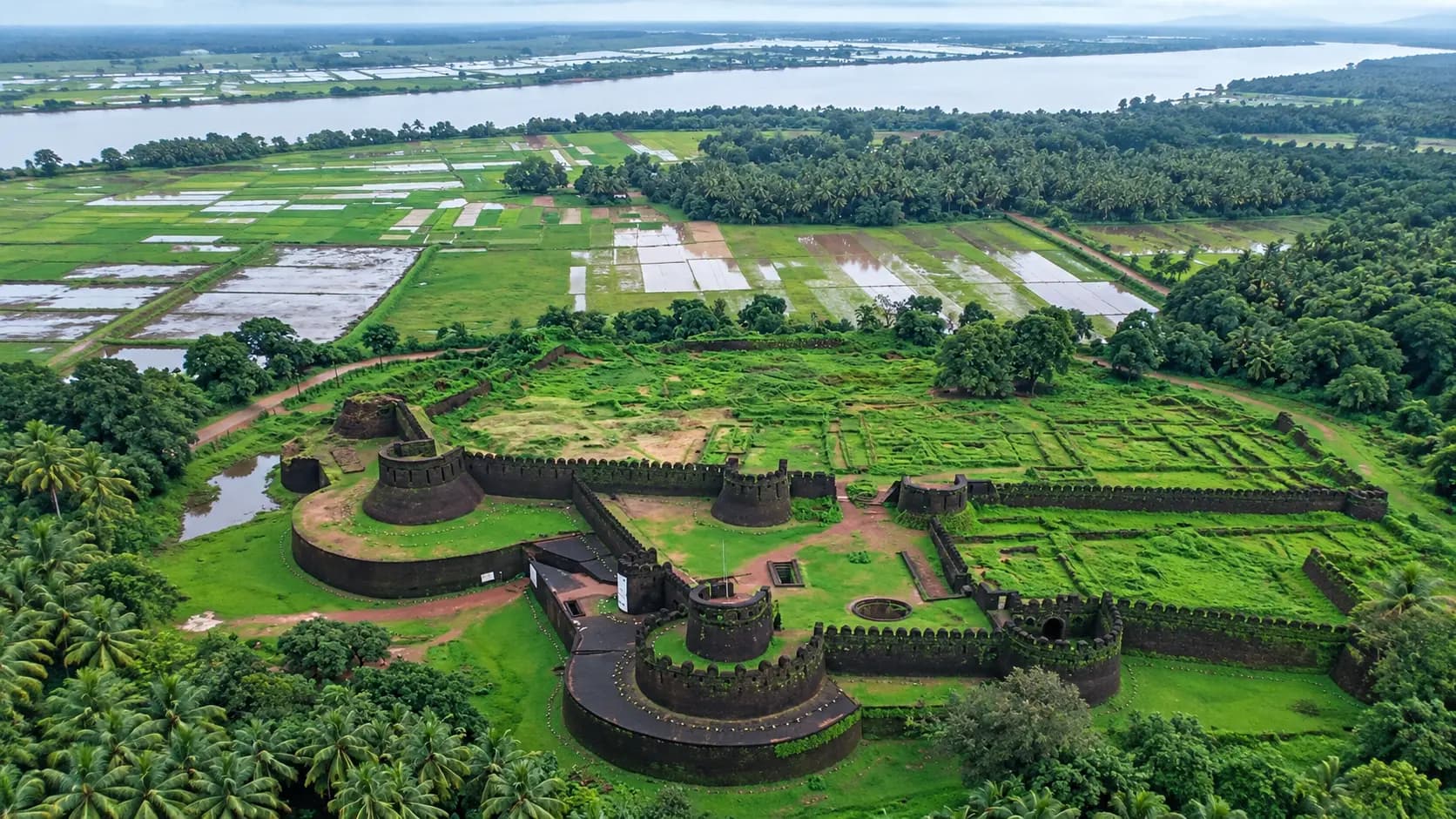
- Mirjan Fort (~35 km northwest near Kumta): An imposing 16th-century coastal fortress built from massive dark laterite stones by Queen Chennabhairadevi ("The Pepper Queen"), celebrated for its double-walled ramparts, nine historic wells, and post-monsoon emerald-green velvet moss blanket.
- Kumta Town and Secluded Beaches (~31 km west): The nearest railway gateway, offering access to tranquil, uncrowded coastlines including Vannalli Beach, Kadle Beach, and Nirvana Beach, known for peaceful sunset walks and coastal seafood dining.
- Sirsi Highland Temple Town (~40 km east): A picturesque hill station on the Sahyadri crest renowned for its historic 16th-century Marikamba Temple, aromatic spice plantations (black pepper, vanilla, cardamom), and the rock-carved Shaivite river sanctuary of Sahasralinga.
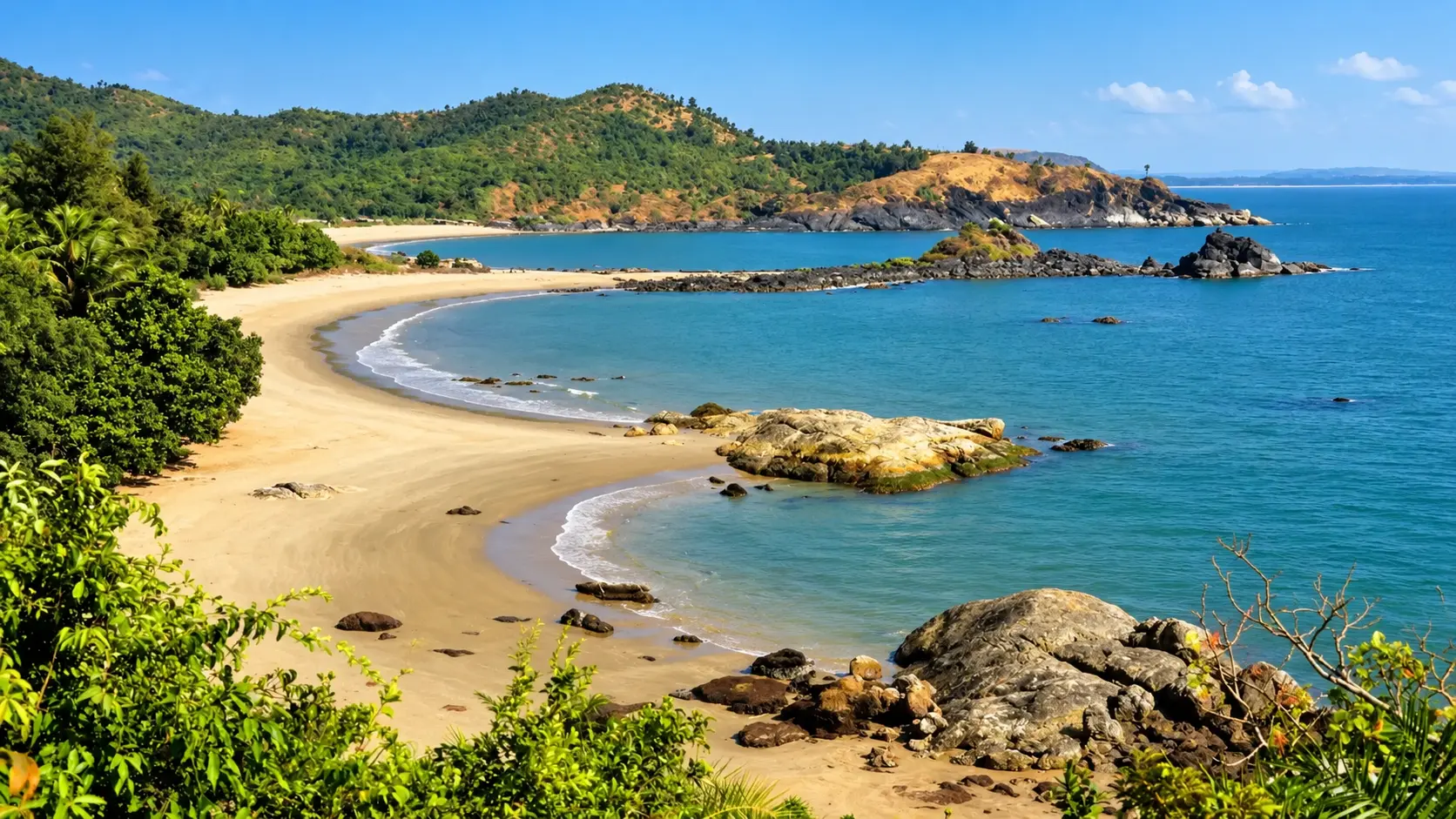
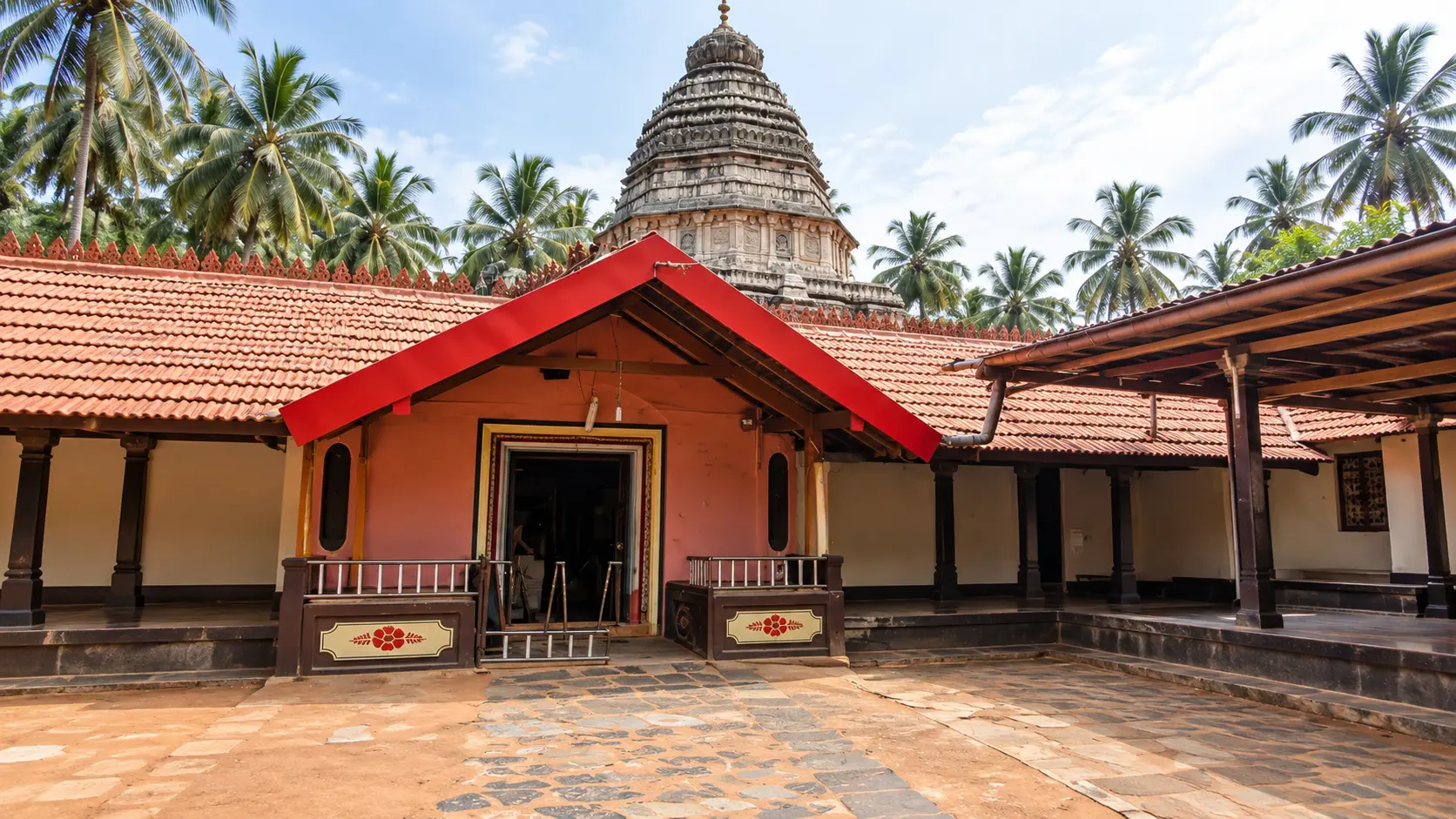
- Gokarna Town and Beaches (~50 km northwest): The sacred home of the 4th-century CE Mahabaleshwar Temple enshrining the primary root Atmalinga, alongside the celebrated beach trekking chain connecting Kudle Beach, Om Beach, Half Moon Beach, and Paradise Beach.
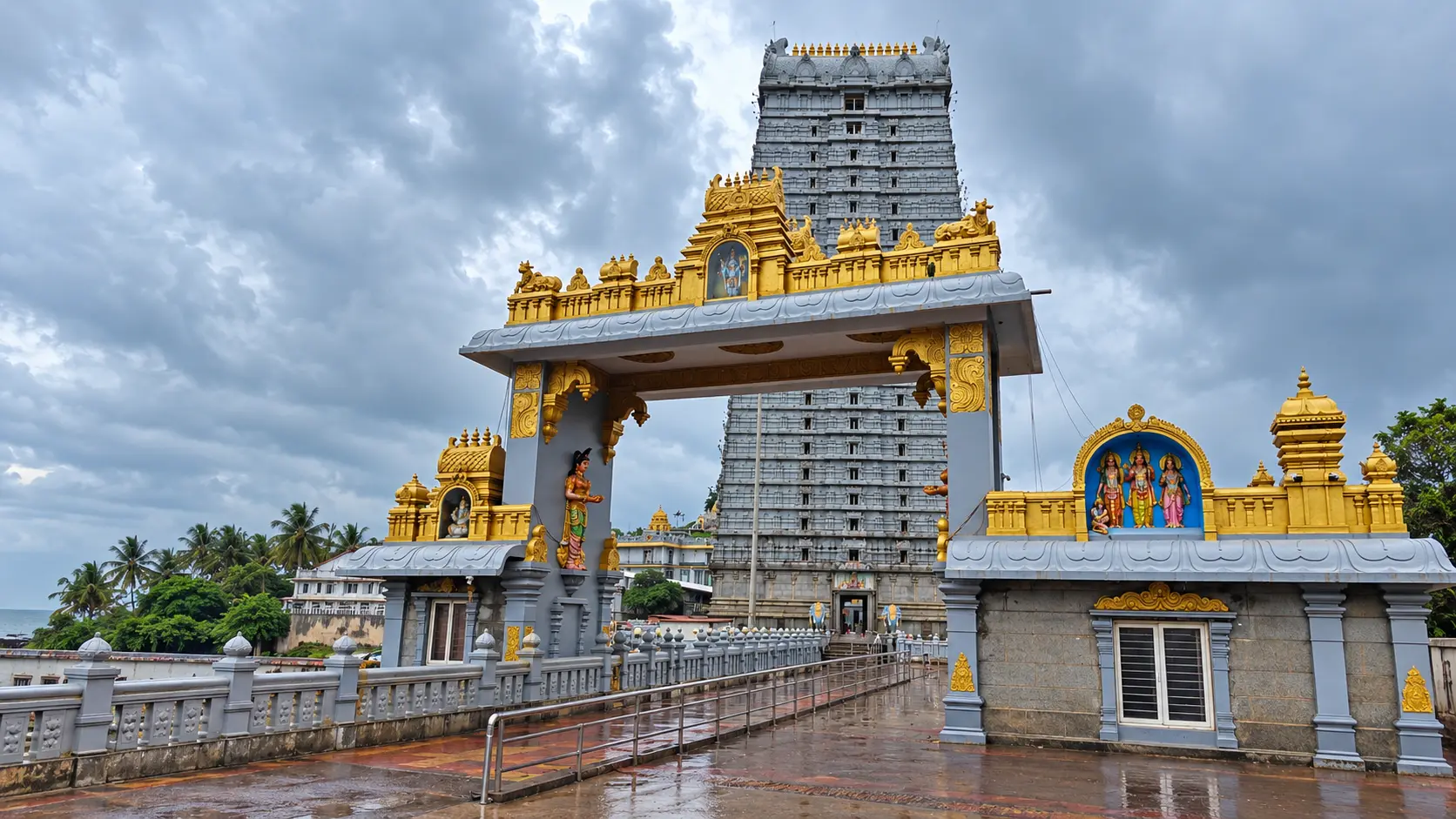
- Murudeshwar Temple and Beach (~76 km southwest): A coastal landmark famous for the world's second-tallest statue of Lord Shiva (123 feet tall), a 20-storey Raja Gopura with an 18th-floor passenger elevator offering 360-degree ocean views, and boat trips to Netrani Island for scuba diving.
- Jog Falls (~65 km south via Sirsi and Siddapur): India's second-highest plunge waterfall, where the Sharavathi River thunders 253 meters (830 feet) downward in four distinct torrents - Raja, Rani, Rover, and Rocket - at its roaring, misty best during and after the monsoon.
In pictures
The practical bits
Before you go.
Plan ahead
To ensure a safe, comfortable, and memorable journey to Yana Caves, keep these five essential preparation…Explore detailsClose details
To ensure a safe, comfortable, and memorable journey to Yana Caves, keep these five essential preparation guidelines in mind:
Trek Footwear and Wet Stone Traction
Visitors undertaking the 1.5-kilometer forest walk from the Kumta side should wear sturdy walking shoes or…Explore detailsClose details
Visitors undertaking the 1.5-kilometer forest walk from the Kumta side should wear sturdy walking shoes or trekking sandals equipped with deep rubber tread, as the damp stone steps can be uneven and slick from natural springs and forest humidity.
Wild Rock Bee Hive Caution
The vertical cliffs of Bhairaveshwara Shikhara host massive colonies of giant Asian rock bees (Apis dorsata)…Explore detailsClose details
The vertical cliffs of Bhairaveshwara Shikhara host massive colonies of giant Asian rock bees (Apis dorsata); visitors must strictly avoid smoking, lighting incense sticks, wearing pungent chemical perfumes, or creating loud shouting noises near the base of the rock, as smoke and agitation can trigger dangerous defensive swarming.
Monsoon Leech and Waterproof Protection
Hikers visiting between June and October must prepare for active forest leeches by wearing ankle-high leech socks…Explore detailsClose details
Hikers visiting between June and October must prepare for active forest leeches by wearing ankle-high leech socks or applying salt, lime, or eucalyptus oil to shoes, while securing camera equipment and smartphones inside heavy-duty waterproof dry-bags against sudden tropical downpours.
Daylight and Forest Gate Closure Timing
Because the dense canopy cuts off sunlight early and the forest trail has no artificial lighting, travelers…Explore detailsClose details
Because the dense canopy cuts off sunlight early and the forest trail has no artificial lighting, travelers should arrive by 14:00 PM and begin their descent back to the parking lot no later than 16:30 PM before forest gates are secured at dusk.
Dual-Approach Route Selection Strategy
Travelers with limited mobility or elderly family members should choose the Sirsi-side approach via Mattighatta…Explore detailsClose details
Travelers with limited mobility or elderly family members should choose the Sirsi-side approach via Mattighatta, which offers a gentle 500-meter walk from the upper parking lot, whereas active trekkers seeking an authentic rainforest hike should opt for the scenic 1.5-kilometer uphill stone-step trail from the Kumta/Katgal side.
A few things you might wonder
Common questions about visiting Yana Caves. Fees, visiting hours and ceremonies are researched details that may change; confirm current arrangements with the operator before travelling.
What are Yana Caves and how were the giant black rock monoliths formed?
What is the mythological story behind Yana Caves and Bhasmasura?
What is inside the cave at Yana Caves and why is it considered holy?
How difficult is the trek to Yana Caves and how long does it take?
Can I visit both Yana Caves and Vibhooti Falls on the same day?
Are there dangerous wild rock bees at Yana Caves?
What does the Kannada proverb "Sokku iddare Yana, Rokka iddare Gokarna" mean?
What facilities and amenities are available for tourists at Yana Caves?
Explore more in Gokarna Murudeshwar
Discover other destinations around this hub
More Hubs in Karnataka
Continue exploring other travel hubs in this state
Planning a trip to Gokarna Murudeshwar?