Belghar
Complete visitor guide to Belghar in Kandhamal, Odisha. Discover the 778m Eastern Ghats plateau, Kutia Kondh tribal culture, nail-less British wooden bungalow, and wildlife.
Location
Satkosia & Daringbadi, Odisha
Duration
Plan around the authorised visit or accommodation arrangement you confirm.
Best Time
Check current visitor arrangements and road conditions before making a remote-area journey.
Difficulty
Access depends on the route and permissions. No independently verified safari, trekking grade or accessible visitor circuit is listed here.
A closer look
Your visit, at a glance.
Satkosia & Daringbadi, Odisha
GET TO KNOW THE PLACE
Perched high in the mist-veiled southwestern reaches of Kandhamal District, Western Odisha, Belghar is one of Eastern India’s most secluded and ecologically pristine highland…
The story of Belghar
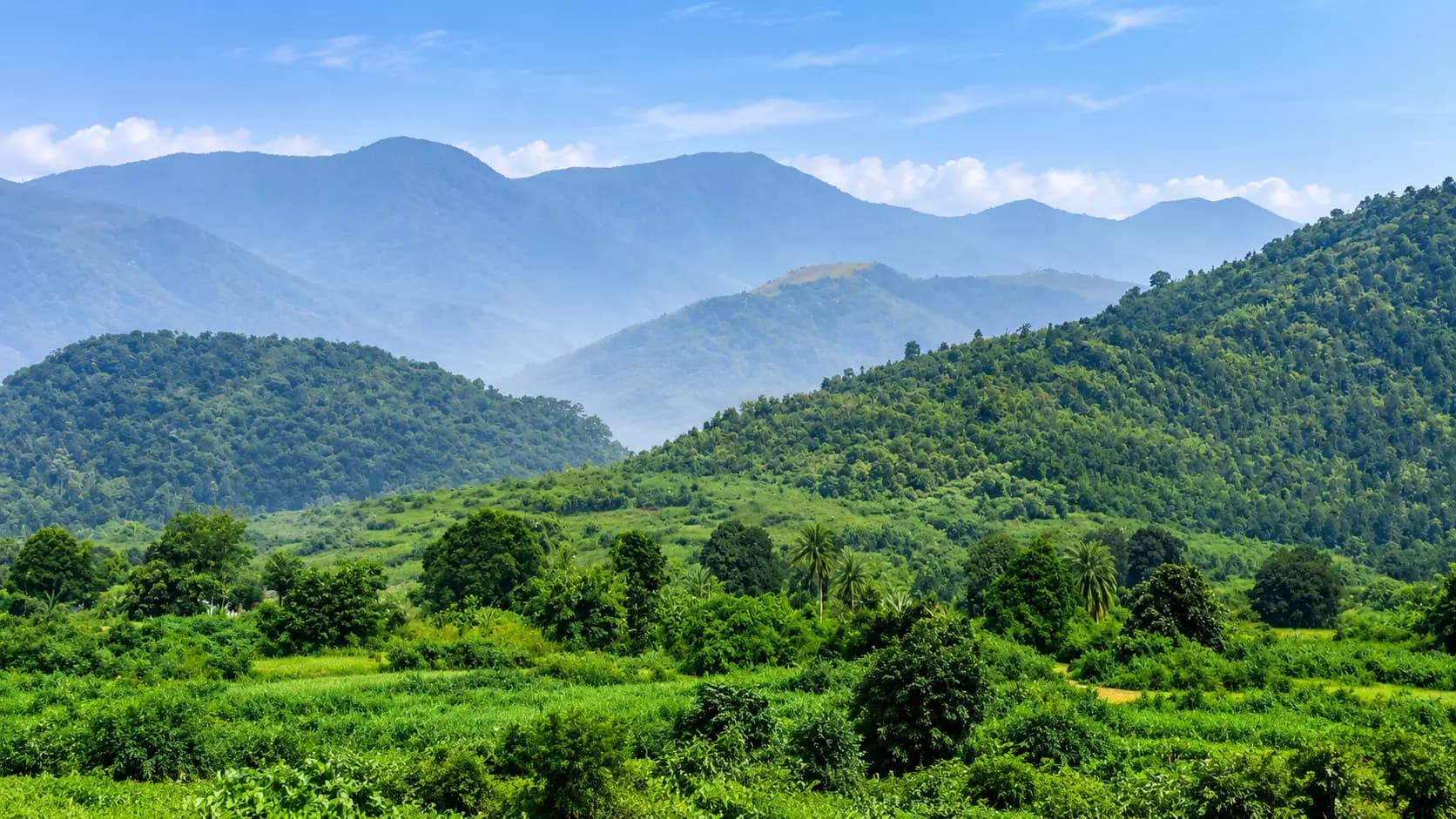
Perched high in the mist-veiled southwestern reaches of Kandhamal District, Western Odisha, Belghar is one of Eastern India’s most secluded and ecologically pristine highland sanctuaries. Resting atop a rolling plateau in the Eastern Ghats at an elevation of roughly 778 metres (2,555 feet) above mean sea level, Belghar feels a world away from the crowded plains below. Here, dense virgin canopies of towering Sal (Shorea robusta), Asan, Mahua, and wild bamboo wrap around endless mountain ridges, filling the crisp highland air with the scent of wild blossoms and forest earth.
Belghar is celebrated across India for two extraordinary and deeply complementary identities: its rich indigenous heritage and its wilderness allure. It is the ancestral homeland of the Kutia Kondh, one of Odisha’s thirteen recognized Particularly Vulnerable Tribal Groups (PVTGs), whose traditional mud-and-thatch hamlets, animistic reverence for the Earth Goddess (Dharani Penu), and intricate facial tattoos preserve a living connection to India's prehistoric forest cultures. Alongside this cultural tapestry stands a legendary piece of colonial architecture - a century-old British Wooden Bungalow crafted entirely from heavy seasoned Sal timber without the use of a single iron nail or metal bolt. Bordering the expansive Kotagarh Wildlife Sanctuary and functioning as an active migration corridor for wild Asian elephants and Indian leopards, Belghar invites travelers into an authentic, deeply respectful realm of community-managed eco-tourism and untouched nature.
Start here. Open a tile for the full details.
Why goRead details
Belghar is not an ordinary sightseeing destination; it is an expedition into living anthropology, colonial architectural ingenuity, and raw wilderness. Here is why this secluded highland retreat warrants an essential detour for the conscious explorer:
When to visitRead details
Because Belghar sits on an elevated mountain plateau, its climatic patterns differ markedly from the coastal and southern plains of Odisha. Aligning your journey with the seasonal weather ensures both safety and comfort.
Entry & permissionsRead details
Fees, visiting hours and entry rules may change. Confirm the latest details with the official operator or local authority before travelling.
A journey to Belghar requires understanding local forest regulations and tribal sensitivities:
- Admission Charges: Traveling along the public roads of Belghar, viewing the forested landscapes, and observing the exterior of the historic wooden bungalow is 100% free of charge.
- Nature Camp Tariffs: Overnight accommodation at the Belghar Nature Camp (managed under EcoTour Odisha) must be booked in advance via the official state eco-tourism portal (ecotourodisha.com). Tariffs typically range from ₹3,000 to ₹5,000 per cottage per night, which includes double-occupancy lodging, three wholesome home-style meals, morning/evening tea, and the services of local community nature guides.
- Operating Hours and Transit Guidelines:
- Day visitors should plan their arrival and departure to remain strictly within daylight hours (06:00 to 17:30).
- Driving along the 50-kilometre Tumudibandha - Belghar forest ghat road after dark is strongly discouraged by the district administration and forest department. The dense corridor is an active wild elephant movement zone, lacks streetlights, and has zero cellular network connectivity in the event of a mechanical breakdown.
- Permit and Regulatory Requirements:
- Indian citizens do not require any prior permits to visit Belghar or transit through the public village areas.
- Foreign Nationals: Foreign passport holders visiting the tribal areas of Kandhamal must carry valid passports and Indian visas and are required to register their travel details at the local police station (Balliguda or Tumudibandha Police Station) upon arrival, in compliance with state tribal protection advisories.
- Photography Rules and Ethical Protocols:
- Landscape, architectural, and wildlife photography is freely permitted around the nature camp, bungalow grounds, and forest trails.
- Strict Ethical Restrictions in Tribal Hamlets: Photographing Kutia Kondh women, elders, or children without their explicit, smiling consent is strictly prohibited. Commercial ethnographic photography, videography with intrusive telephoto lenses, and drone flights over indigenous settlements are strictly banned to protect community dignity and privacy.
- Never offer money, packaged junk food, or alcohol to tribal villagers in exchange for poses or photographs.
Plan your visitRead details
Belghar is a remote, off-the-beaten-track destination located deep in Kandhamal district. Reaching it requires careful route planning, preferably utilizing a reliable private vehicle or chartered tourist cab.
Explore the full guide - choose a topic below.
Why visit?
Belghar is not an ordinary sightseeing destination; it is an expedition into living anthropology, colonial…Explore detailsClose details
Belghar is not an ordinary sightseeing destination; it is an expedition into living anthropology, colonial architectural ingenuity, and raw wilderness. Here is why this secluded highland retreat warrants an essential detour for the conscious explorer:
- Encounter the Kutia Kondh Indigenous Heritage: Belghar offers a rare, respectful window into the traditional life of the Kutia Kondhs. Living in harmonious balance with their forested mountains, the community practices shifting terrace cultivation (podu chasa), creates distinctive geometrical wall paintings (daka), and organizes seasonal spiritual gatherings centered on the sacred Earth altar. Visiting their village clearings in the company of local youth guides provides profound insights into sustainable living, botanical knowledge, and indigenous resilience.
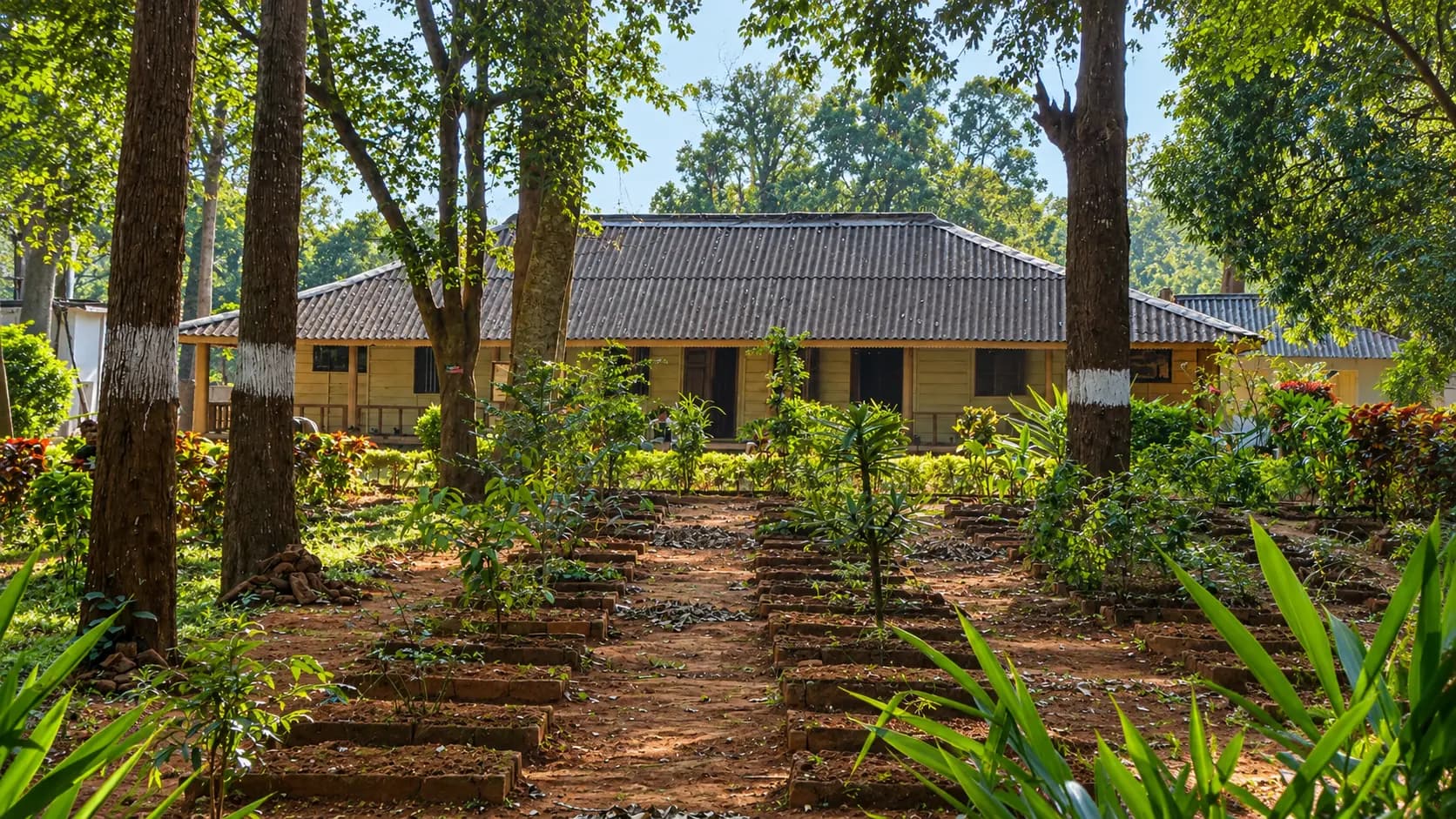
- The British-Era Nail-less Wooden Bungalow: Erected over a century ago by British colonial forest officers as a remote inspection retreat and hunting lodge, the Belghar Wooden Bungalow is a masterwork of timber carpentry. Constructed entirely out of massive, seasoned Sal logs and planks felled from the surrounding forest, the entire structure was assembled without driving a single iron nail, rivet, or bolt into the wood. Instead, master local craftsmen used traditional interlocking tongue-and-groove joinery and hand-carved wooden pegs (dowels), creating a sturdy lodge that has stood resilient against monsoons and mountain winds for generations.
- Thrilling Wildlife and Elephant Corridors: Forming an uninterrupted forest landscape with the nearby Kotagarh Wildlife Sanctuary, the valleys surrounding Belghar are home to wild Asian elephants (Elephas maximus). Herds of pachyderms frequently migrate along the forested ravines, feeding on wild bamboo clumps and watering at mountain streams. The forests also harbor Indian leopards, sloth bears, Indian gaur (bison), barking deer, wild boars, and the elusive Malabar giant squirrel.
- Cool Montane Climate and Misty Sunrises: Thanks to its 778-metre elevation, Belghar escapes the oppressive heat of the Odisha plains. Winter mornings see temperatures plunge into single digits (5°C to 10°C), blanketing the Sal tree canopies in thick, cinematic mountain mist. Sitting on the elevated wooden veranda of the bungalow with a hot cup of tea as the morning sun burns through the mist and illuminates distant blue ridges is an unforgettable experience.
- Pristine Community-Run Eco-Tourism: Through the Belghar Nature Camp, operated by the Odisha Forest Department in collaboration with the local Van Suraksha Samiti (VSS), tourism revenue directly benefits local tribal families and conservation patrols. Guests stay in eco-cottages and deluxe tents, savor home-cooked regional meals prepared with locally cultivated mountain grains and organic forest produce, and explore hidden nature trails accompanied by village elders.
What to expect
Visiting Belghar is an immersive, sensory retreat that demands a deliberate, unhurried mindset.Explore detailsClose details
Visiting Belghar is an immersive, sensory retreat that demands a deliberate, unhurried mindset. From the moment your vehicle begins ascending the winding forest ghat road from Tumudibandha, the outside world falls away.
The Mountain Ascent and Forest Landscape
The journey to Belghar involves a dramatic 50-kilometre climb from Tumudibandha along a narrow, paved mountain road that threads through dense deciduous and semi-evergreen forest. The road navigates steep hairpins and forested ridgelines, crossing shallow, crystal-clear mountain streams where tribal women gather wild greens and men tend terraced hill paddies. As the altitude rises, the air turns distinctly cooler and fresher, and the canopy overhead thickens into a vaulted ceiling of ancient Sal trees festooned with wild lianas and hanging mosses.
Arrival at the Forest Clearing and Wooden Bungalow
Belghar itself is an open, tranquil highland clearing encircled by rolling forested hills. At the centre of the forest reserve stands the iconic Wooden Bungalow. Resting upon a raised masonry plinth to protect against moisture and wildlife, the lodge is constructed from dark, oiled Sal planks that have weathered into a warm mahogany hue.
Walking around the exterior, visitors can closely examine the intricate joinery: heavy horizontal wall beams are notched and slotted together at the corners with dovetail joints, while roof rafters and ceiling joists are pinned firmly with cylindrical wooden pegs. A wide covered wooden veranda wraps around the front and sides of the bungalow, furnished with colonial-style cane easy chairs. Stepping inside, the polished wooden floorboards creak softly underfoot, leading into high-ceilinged bedrooms fitted with vintage wooden furniture, cast-iron fireplaces, and large shuttered windows that frame panoramic vistas over the forest canopy.
Exploring the Kutia Kondh Hamlets
Beyond the forest reserve grounds, narrow earthen pathways lead into traditional Kutia Kondh hamlets (sahi) nestled in the valley folds. The villages are laid out in two parallel rows of contiguous single-story dwellings facing a broad, clean central street.
The architecture is entirely organic: walls are built from split bamboo and mud mortar, thickly plastered with smooth red clay and adorned with delicate white and black geometric hand paintings depicting birds, wild beasts, and agricultural motifs. Roofs are thatched with wild hill grasses (kush) that extend low over front verandas, creating cool shaded outdoor living spaces. In the central village square stands the sacred wooden pillar (Dharani Khunta), representing the Earth Goddess, where villagers perform rituals to ensure the welfare of their families, cattle, and crops.
The Kutia Kondh people are warm and courteous yet naturally reserved. Village elders often sit on the verandas weaving bamboo baskets or repairing wooden ploughs, while women - distinguished by delicate geometrical facial tattoos on their chins and foreheads, intricate hair pins, and clusters of brass necklaces - grind ragi (finger millet) in stone mortars.
Wilderness Trails and Elephant Spotting
Evenings in Belghar are quiet and contemplative. Because the surrounding valleys form a primary corridor between the Balliguda and Kotagarh forests, wild elephants often pass within striking distance of the village outskirts. Accompanied by trained forest department guides, visitors can take late-afternoon walks to designated high-ground watchtowers and scenic viewpoints overlooking natural salt licks and watering holes. As twilight descends, the calls of nightjars, barking deer, and crickets fill the forest air, and clear highland skies open up into an astonishing canopy of brilliant, unpolluted stars.
Best time to visit
Because Belghar sits on an elevated mountain plateau, its climatic patterns differ markedly from the coastal and…Explore detailsClose details
Because Belghar sits on an elevated mountain plateau, its climatic patterns differ markedly from the coastal and southern plains of Odisha. Aligning your journey with the seasonal weather ensures both safety and comfort.
Seasonal Breakdown
- Winter (October to March) - The Prime Season: Winter is by far the finest period to explore Belghar. Daytime temperatures remain delightfully mild, averaging between 18°C and 25°C under brilliant blue skies, making long forest hikes and village walks effortless. Nights and early dawns are crisp and cold, with mercury levels regularly dropping between 5°C and 10°C (and occasionally even lower in open valley basins during December and January). Dense white mist rolls across the Sal forests until mid-morning, creating a dreamlike landscape. Packing heavy woolen sweaters, thermal inners, and windproof jackets is mandatory.
- Summer (April to June) - Warm Days, Cool Highland Nights: While the coastal plains and river valleys of Odisha swelter in extreme heat waves exceeding 42°C, Belghar’s altitude keeps daytime temperatures manageable, rarely exceeding 33°C to 35°C. Evenings and nights cool down pleasantly to around 20°C to 22°C. The forest trees shed their leaves, offering higher visibility for spotting wild animals, and the Mahua trees burst into fragrant blossom. However, forest trails become dry and dusty, and water sources dwindle.
- Monsoon (July to September) - Torrential Rains & Lush Wilderness: The southwest monsoon sweeps over the Eastern Ghats with tremendous force, drenching the Belghar plateau in heavy rains. The forests turn intensely vibrant and green, seasonal waterfalls roar down the ghat ravines, and wild orchids bloom along tree branches. However, monsoons present serious logistical hurdles: the winding 50-km forest road from Tumudibandha is prone to landslides, fallen Sal trees, and flash runoff across culverts. Leeches multiply along forest paths, and electrical outages are common. Casual tourists should avoid visiting during peak monsoons unless on specialized ecological or botanical assignments.
Cultural Festivals
- Kedu Yatra / Maria Yatra (February / March): The most significant spiritual and agrarian festival of the Kutia Kondh community. Celebrated over several days before the start of the summer shifting cultivation season, the festival honors the Earth Goddess (Dharani Penu) with traditional drumming, energetic circular folk dances, flute melodies, and community feasts to invoke divine blessings for rainfall and soil fertility.
- Chaitra Parba (April): An ancient springtime tribal celebration marked by ceremonial hunting expeditions into the forest, community dancing, and feasts sharing forest produce and mahua wine.
How to reach
Belghar is a remote, off-the-beaten-track destination located deep in Kandhamal district.Explore detailsClose details
Belghar is a remote, off-the-beaten-track destination located deep in Kandhamal district. Reaching it requires careful route planning, preferably utilizing a reliable private vehicle or chartered tourist cab.
By Air
- Swami Vivekananda Airport, Raipur, Chhattisgarh (RPR): Situated approximately 280 kilometres northwest of Belghar. Raipur offers comprehensive domestic flight connections across India. From Raipur, the drive to Belghar proceeds southeast via NH-353 through Bagbahara, Nuapada, Bhawanipatna, and Kesinga to Tumudibandha, then ascending the ghat road to Belghar (approximately 6.5 to 7.5 hours).
- Biju Patnaik International Airport, Bhubaneswar (BBI): Located approximately 310 kilometres east. Bhubaneswar provides frequent scheduled flights to all Indian metros. From Bhubaneswar, travelers can drive west via Nayagarh, Phulbani, and Balliguda to Tumudibandha and Belghar (roughly 7.5 to 8.5 hours).
By Train
- Muniguda Railway Station (MNGD): The closest active passenger railhead, situated roughly 70 kilometres south of Belghar in neighboring Rayagada district. Muniguda lies on the main Raipur - Vizianagaram East Coast Railway trunk line and receives numerous long-distance express trains. From Muniguda, private taxis can be hired to reach Belghar via Chandrapur and Tumudibandha in approximately 2 to 2.5 hours.
- Kesinga Railway Station (KSNG): Located about 95 kilometres northwest in Kalahandi district, serving as another convenient railhead connecting Western Odisha.
- Balangir Railway Station (BLGR): Located roughly 145 kilometres north.
By Road
- The Main Approach Route (via Tumudibandha): The only paved motorable approach to Belghar branches off State Highway 5 (SH-5) at the small junction town of Tumudibandha. From Tumudibandha, the narrow but well-maintained 50-kilometre Major District Road (MDR) winds through dense reserve forests, crossing several mountain ridges before reaching the Belghar plateau. The drive takes about 1.5 hours and should strictly be undertaken in daylight.
- From Balliguda (approx. 85 km / 2.5 hours): Head south on SH-5 to Tumudibandha (35 km), then turn west onto the Belghar ghat road (50 km).
- From Daringbadi (approx. 105 km / 3 to 3.5 hours): Travel west via Greenbadi and Bamunigam to Balliguda, or via Kotagarh, before joining the Tumudibandha corridor.
- From Phulbani (approx. 155 km / 4.5 hours): Drive southwest via G. Udayagiri and Balliguda to Tumudibandha and Belghar.
- Public Transport: Extremely limited. A few state transport (OSRTC) and private rural buses run once or twice daily between Balliguda, Tumudibandha, and Belghar. Due to infrequent schedules, having a private hired vehicle or high-clearance SUV is strongly recommended.
Entry, timings and permissions
Fees, visiting hours and entry rules may change.Explore detailsClose details
Fees, visiting hours and entry rules may change. Confirm the latest details with the official operator or local authority before travelling.
A journey to Belghar requires understanding local forest regulations and tribal sensitivities:
- Admission Charges: Traveling along the public roads of Belghar, viewing the forested landscapes, and observing the exterior of the historic wooden bungalow is 100% free of charge.
- Nature Camp Tariffs: Overnight accommodation at the Belghar Nature Camp (managed under EcoTour Odisha) must be booked in advance via the official state eco-tourism portal (ecotourodisha.com). Tariffs typically range from ₹3,000 to ₹5,000 per cottage per night, which includes double-occupancy lodging, three wholesome home-style meals, morning/evening tea, and the services of local community nature guides.
- Operating Hours and Transit Guidelines:
- Day visitors should plan their arrival and departure to remain strictly within daylight hours (06:00 to 17:30).
- Driving along the 50-kilometre Tumudibandha - Belghar forest ghat road after dark is strongly discouraged by the district administration and forest department. The dense corridor is an active wild elephant movement zone, lacks streetlights, and has zero cellular network connectivity in the event of a mechanical breakdown.
- Permit and Regulatory Requirements:
- Indian citizens do not require any prior permits to visit Belghar or transit through the public village areas.
- Foreign Nationals: Foreign passport holders visiting the tribal areas of Kandhamal must carry valid passports and Indian visas and are required to register their travel details at the local police station (Balliguda or Tumudibandha Police Station) upon arrival, in compliance with state tribal protection advisories.
- Photography Rules and Ethical Protocols:
- Landscape, architectural, and wildlife photography is freely permitted around the nature camp, bungalow grounds, and forest trails.
- Strict Ethical Restrictions in Tribal Hamlets: Photographing Kutia Kondh women, elders, or children without their explicit, smiling consent is strictly prohibited. Commercial ethnographic photography, videography with intrusive telephoto lenses, and drone flights over indigenous settlements are strictly banned to protect community dignity and privacy.
- Never offer money, packaged junk food, or alcohol to tribal villagers in exchange for poses or photographs.
Nearby places to consider
Belghar can be integrated into an extraordinary multi-day cultural and eco-tourism circuit through the Western…Explore detailsClose details
Belghar can be integrated into an extraordinary multi-day cultural and eco-tourism circuit through the Western Odisha highlands:
- Daringbadi (approx. 105 km east): Widely celebrated as the "Kashmir of Odisha," Daringbadi sits at an altitude of 915 metres amidst rolling pine forests, coffee plantations, black pepper orchards, and scenic viewpoints such as Hill View Park and Midubanda Waterfall.
- Kotagarh Wildlife Sanctuary (adjoining forest corridor): Encompassing nearly 400 square kilometres of pristine sal and bamboo wilderness, Kotagarh is a designated wildlife sanctuary known for wild elephants, leopards, sloth bears, chital deer, and diverse bird species.
- Mandasaru Valley (approx. 115 km northeast): Often called the "Silent Valley of Odisha," Mandasaru is a dramatic, cliff-girt ecological gorge teeming with rare ferns, medicinal herbs, and high-altitude waterfalls, featuring an eco-lodge perched directly over the canyon precipice.
- Khasada Waterfall, Chandragiri (approx. 140 km southeast): A picturesque cascade where the mountain river spills over massive, polished granite boulders, located near the famous Jirang Tibetan Buddhist settlement with its magnificent Padmasambhava Mahavihara monastery.
- Balliguda (approx. 85 km northeast): The historic administrative subdivisional headquarters of South Kandhamal, serving as the primary commercial gateway, banking center, and base for exploring regional tribal weekly markets (haats).
In pictures
The practical bits
Before you go.
Plan ahead
Because of its deep geographic isolation and limited commercial infrastructure, a successful excursion to Belghar…Explore detailsClose details
Because of its deep geographic isolation and limited commercial infrastructure, a successful excursion to Belghar depends on thorough advance preparation:
Vehicle Preparation and Fuel Security
Ensure your vehicle is in top mechanical condition with good tire tread and a functioning spare wheel.Explore detailsClose details
Ensure your vehicle is in top mechanical condition with good tire tread and a functioning spare wheel. There are no automobile mechanics, puncture repair shops, or commercial petrol stations in Belghar. The last reliable fuel stations and mechanical repair garages are located in Tumudibandha (50 km away) or Balliguda (85 km away). Always fill your fuel tank completely at Tumudibandha before commencing the mountain climb.
Cash and Digital Disconnection
Belghar has virtually no commercial banking infrastructure.Explore detailsClose details
Belghar has virtually no commercial banking infrastructure. ATMs do not exist in the village, and digital payment systems (UPI, credit cards) rarely function due to weak, intermittent, or non-existent cellular network coverage (BSNL provides occasional 2G/voice connectivity, while private networks often have zero signal). Carry sufficient physical cash in Indian Rupees for all incidental expenses, tribal handicraft purchases, driver tips, and emergency requirements.
Medical and Personal Supplies
The nearest primary health centre is basic, and specialized hospitals are over 85 kilometres away in Balliguda.Explore detailsClose details
The nearest primary health centre is basic, and specialized hospitals are over 85 kilometres away in Balliguda. Bring a comprehensive personal travel medical kit containing prescription medications, broad-spectrum antibiotics, pain relievers, digestive aids, oral rehydration salts, antiseptic cream, mosquito repellent creams (DEET-based), and bandages. During winter visits, pack thermal underwear, fleece jackets, woollen beanies, and warm socks, as highland nights can be intensely cold.
Respectful Tribal Interaction
When visiting Kutia Kondh villages with your local eco-guide, maintain an attitude of quiet humility and respect.Explore detailsClose details
When visiting Kutia Kondh villages with your local eco-guide, maintain an attitude of quiet humility and respect. Dress modestly, covering shoulders and knees. Remove shoes before stepping onto any house veranda if invited. Check the current visiting hours and permitted access with the site operator before departure; ceremonies, closures and visitor sessions can affect access. If you wish to purchase tribal handicrafts - such as hand-knotted grass mats, bamboo baskets, or organic forest honey - buy them directly from the artisans at fair prices.
A few things you might wonder
Common questions about visiting Belghar. Fees, visiting hours and ceremonies are researched details that may change; confirm current arrangements with the operator before travelling.
Where is Belghar located and what is its altitude?
Who are the Kutia Kondh and why is Belghar famous for them?
What is unique about the British Wooden Bungalow at Belghar?
Is it safe to visit Belghar given the presence of wild elephants?
Where can tourists stay in Belghar?
Can tourists visit and photograph the Kutia Kondh tribal villages?
How do I reach Belghar by public transport or train?
When is the best season to plan a trip to Belghar?
Explore more in Satkosia Daringbadi
Discover other destinations around this hub
More Hubs in Odisha
Continue exploring other travel hubs in this state
Planning a trip to Satkosia & Daringbadi?