Maa Majhighariani Temple
Complete visitor guide to Maa Majhighariani Temple in Rayagada, Odisha. Discover the powerful aniconic Shakta deity, history, Chaitra Yatra, timings, and pilgrim tips.
Location
Rayagada & Kalahandi, Odisha
Duration
Allow time for worship and queues; a fixed completion time is not guaranteed.
Best Time
Confirm festival dates and daily worship access. Chaitra Parba is described by the district as a March - April festival, but precise dates and crowds vary.
Difficulty
Ask about steps, queues and an accessible entrance before visiting.
A closer look
Your visit, at a glance.
Rayagada & Kalahandi, Odisha
GET TO KNOW THE PLACE
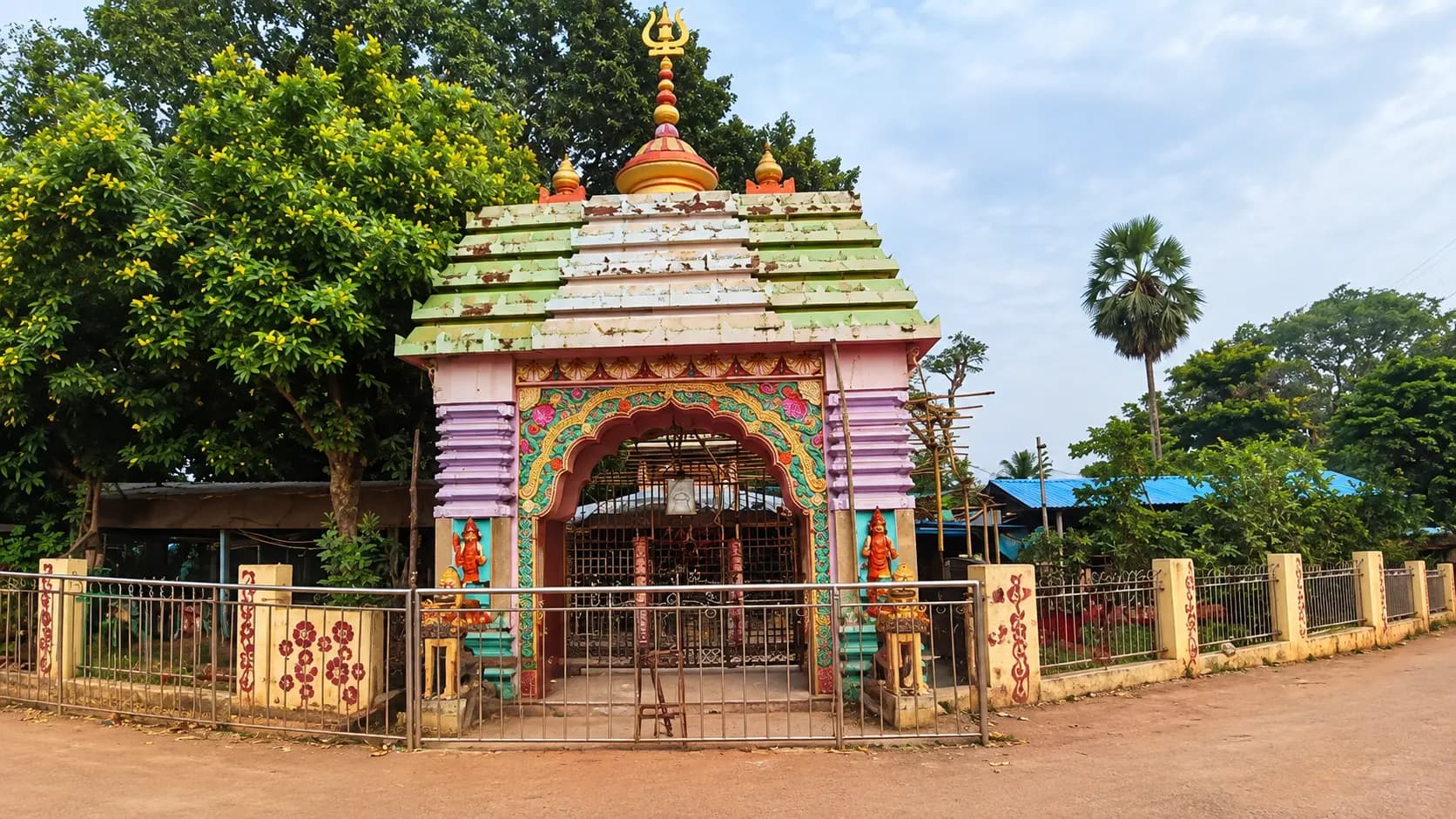
Commanding the spiritual landscape of the southern Eastern Ghats from the banks of a serene irrigation feeder canal near the Nagavali River in Rayagada, Odisha, Maa Majhighariani…
The story of Maa Majhighariani Temple
Commanding the spiritual landscape of the southern Eastern Ghats from the banks of a serene irrigation feeder canal near the Nagavali River in Rayagada, Odisha, Maa Majhighariani Temple is one of the most powerful, historically profound, and universally venerated Shakta shrines in eastern India. Situated just 2.5 kilometres southeast of the bustling Rayagada Railway Station, this sacred pilgrimage temple is dedicated to Goddess Majhighariani - an extraordinary aniconic manifestation of the Divine Mother revered across Odisha, northern Andhra Pradesh, and southern Chhattisgarh as a living, wish-fulfilling deity (Pratyaksha Devi) and the supreme protective mother (Ishtadevi) of the borderlands.
The historical genesis of the temple dates back to the 14th century CE during the reign of King Viswanath Deo Gajapati of the Suryavamsi dynasty. Seeking a strategic, impregnable military stronghold to protect his southern kingdom from regional incursions, the monarch selected the hill-girt river valley of Rayagada to establish his fortified southern capital. Within the very center of his royal earthen citadel, in the innermost sanctum known in Odia as the majhi-ghara ("the central room" or "middle chamber"), the king consecrated the sacred rock representation of the protective mother goddess. Over centuries, the deity came to be known affectionately and reverently as Maa Majhighariani - literally meaning "She who presides in the Central Chamber." Even after the ancient earthen ramparts of the fort dissolved into history, the goddess remained enshrined on the exact spot of her royal sanctuary, her spiritual influence radiating far beyond royal lineage to embrace millions of common devotees.
What strikes visitors most profoundly upon crossing the threshold of the temple is the deity's unique, non-anthropomorphic iconographical form. Unlike the classical sculpted multi-armed idols of Mahishasuramardini Durga or Kali found in northern and coastal Odisha, Maa Majhighariani is an aniconic rock deity. She is worshipped in the form of a sacred natural rock face depicting the head, brow, and luminous face of the goddess without an accompanying torso or limbs. Enshrined upon a silver-plated altar, the sacred stone is thickly coated in layers of fragrant red vermilion (sindoor), crowned with a gleaming golden tiara, and adorned with large, piercing silver eyes and an ornate golden nose-ring (nathani). Her intense, compassionate gaze is believed to penetrate directly into the hearts of devotees, drawing long queues of pilgrims who come to offer coconuts, tie sacred red vow-threads (manasika), and pray for health, prosperity, and protection.
Start here. Open a tile for the full details.
Why goRead details
- Seek Blessings from a Living Wish-Fulfilling Shakta Deity: Experience the intense spiritual aura of a temple revered as one of the most powerful Pratyaksha Kshetras (abodes of immediate divine response) in eastern India. Devotees firmly believe that sincere prayers and vows (manasika) made before Maa Majhighariani never go unanswered.
- Witness the Unique Aniconic Rock Iconography: Behold the ancient natural rock face of Goddess Majhighariani. Admire her radiant silver eyes, golden crown, and vermilion-adorned countenance, which represents an ancient indigenous fusion of tribal earth-worship and classical Puranic Shakta mysticism.
- Immerse Yourself in an Inter-State Cultural Confluence: Positioned at the cultural crossroads of southern Odisha and Andhra Pradesh, the temple is a vibrant bridge of linguistic and religious harmony. Hear devotional prayers and Vedic hymns chanted simultaneously in Odia and Telugu as pilgrims from both states gather in mutual reverence.
- Participate in the Grand Month-Long Chaitra Yatra: If visiting between late March and mid-April, witness the magnificent festival of Chaitra Yatra. Experience a vibrant carnival of faith featuring special midnight aartis, ceremonial fire-walking (Jhamu Yatra), folk musical recitals, and massive gatherings of devotees clad in sacred red robes.
- Savor Consecrated Temple Prasad and Free Annadanam: Partake in the temple's sacred food offerings (Mahaprasad), including traditional earthen-pot cooked rice, dal, and sweet khichdi. The temple trust operates a daily free community kitchen (Annadana Mandap) that feeds hundreds of pilgrims every afternoon with warmth and generosity.
- Observe Traditional Vow Fulfillment and Tonsuring Rites: Witness the moving rituals of gratitude performed by families whose prayers have been fulfilled. Watch parents bring infants for ceremonial first-hair tonsuring (mundan), while others tie miniature brass bells, silver eyes, and coconuts wrapped in red cloth to the temple's sacred vow railings.
When to visitRead details
Rayagada experiences a tropical savanna climate characterized by distinct seasons: a pleasant, dry winter, an intensely hot and humid summer, and a heavy southwest monsoon. Because visiting Maa Majhighariani involves waiting in queues and walking across open temple courtyards, timing your trip according to weather and festive cycles is vital.
Entry & permissionsRead details
Fees, visiting hours and entry rules may change. Confirm the latest details with the official operator or local authority before travelling.
- Admission Charges: General public entry to Maa Majhighariani Temple, queue lines, and daily darshan is completely free (₹0).
- Special Puja & Ritual Rates: For devotees wishing to perform personalized worship, the official Temple Trust Board counter issues tickets at fixed, government-regulated prices:
- Archana / Sankalpa Token: ₹20 to ₹50
- Special Vehicle Puja (Two-wheeler / Four-wheeler blessing): ₹50 to ₹100
- Tonsuring (Mundan) Token: ₹30
- Special Bhog Parcels (Khichdi, Kheer, Sweet Peda): ₹50 to ₹150
- Temple Timings:
- The temple is open daily from 05:00 AM to 21:00 PM.
- Morning Darshan: 05:00 AM to 14:00 PM (Sanctum Mangala Aarti at 05:30 AM).
- Sanctum Closure: 14:00 PM to 15:30 PM (Sanctum doors are closed for deity rest and Madhyanna Bhog preparation).
- Evening Darshan: 15:30 PM to 21:00 PM (Sandhya Aarti at 18:30 PM; Pahada / Night closure at 21:00 PM).
- Permissions and Guidelines:
- No prior bureaucratic permits or identity registration are required for general tourists or pilgrims of any nationality.
- Strict Photography Ban: Photography and videography are strictly prohibited inside the inner sanctum (garbhagriha) and the inner assembly hall. Mobile phones must be switched off or kept on silent mode inside the prayer halls. Handheld photography of the temple exterior and outer courtyard is permitted.
- Leather and Footwear Ban: Shoes, sandals, and leather accessories (such as leather belts, wallets, and bags) must be removed and deposited at the cloakroom before entering the sanctified precincts.
Plan your visitRead details
Maa Majhighariani Temple is situated centrally within Rayagada town, enjoying outstanding road and rail connectivity.
Explore the full guide - choose a topic below.
Why visit?
Seek Blessings from a Living Wish-Fulfilling Shakta Deity: Experience the intense spiritual aura of a temple…Explore detailsClose details
- Seek Blessings from a Living Wish-Fulfilling Shakta Deity: Experience the intense spiritual aura of a temple revered as one of the most powerful Pratyaksha Kshetras (abodes of immediate divine response) in eastern India. Devotees firmly believe that sincere prayers and vows (manasika) made before Maa Majhighariani never go unanswered.
- Witness the Unique Aniconic Rock Iconography: Behold the ancient natural rock face of Goddess Majhighariani. Admire her radiant silver eyes, golden crown, and vermilion-adorned countenance, which represents an ancient indigenous fusion of tribal earth-worship and classical Puranic Shakta mysticism.
- Immerse Yourself in an Inter-State Cultural Confluence: Positioned at the cultural crossroads of southern Odisha and Andhra Pradesh, the temple is a vibrant bridge of linguistic and religious harmony. Hear devotional prayers and Vedic hymns chanted simultaneously in Odia and Telugu as pilgrims from both states gather in mutual reverence.
- Participate in the Grand Month-Long Chaitra Yatra: If visiting between late March and mid-April, witness the magnificent festival of Chaitra Yatra. Experience a vibrant carnival of faith featuring special midnight aartis, ceremonial fire-walking (Jhamu Yatra), folk musical recitals, and massive gatherings of devotees clad in sacred red robes.
- Savor Consecrated Temple Prasad and Free Annadanam: Partake in the temple's sacred food offerings (Mahaprasad), including traditional earthen-pot cooked rice, dal, and sweet khichdi. The temple trust operates a daily free community kitchen (Annadana Mandap) that feeds hundreds of pilgrims every afternoon with warmth and generosity.
- Observe Traditional Vow Fulfillment and Tonsuring Rites: Witness the moving rituals of gratitude performed by families whose prayers have been fulfilled. Watch parents bring infants for ceremonial first-hair tonsuring (mundan), while others tie miniature brass bells, silver eyes, and coconuts wrapped in red cloth to the temple's sacred vow railings.
What to expect
Visiting Maa Majhighariani Temple is a dynamic, culturally rich, and deeply moving spiritual experience.Explore detailsClose details
Visiting Maa Majhighariani Temple is a dynamic, culturally rich, and deeply moving spiritual experience. Located in a tranquil, palm-shaded quarter on the outskirts of Rayagada town, the temple complex is easily approached by auto-rickshaw or taxi. As you near the shrine, the sensory cues of Hindu pilgrimage become unmistakable: the fragrant aroma of burning camphor, incense, and crushed marigold blossoms; the rhythmic clanging of heavy brass bells; the chanting of Shakta mantras; and bustling rows of flower and puja stalls flanking the approach road.
Entering the Complex:
Upon arrival, visitors leave their footwear at an organized shoe-storage counter outside the main gatehouse. Walking barefoot across the clean, cool granite and marble flagstones of the outer courtyard, you enter a well-organized queuing complex. To manage the immense daily influx of devotees, the Temple Trust Board has constructed broad, covered queue galleries equipped with ceiling fans and drinking water taps.
The main temple structure is built in a modern interpretation of the classical Kalinga temple style, featuring a soaring whitewashed vimana tower crowned with a golden kalasa and sacred flag (dhwaja). Inside the spacious, marble-tiled assembly hall (jagamohana), the atmosphere is charged with devotional fervor. Devotees hold brass puja thalis containing coconuts, red hibiscus flowers, sweet bananas, incense, and red silk scarves (chunri).
The Sanctum Darshan:
As you approach the threshold of the inner sanctum (garbhagriha), the illumination softens to the warm glow of dozens of brass ghee lamps. Inside, seated upon a silver-clad pedestal, the sacred rock face of Maa Majhighariani commands your attention. Her large, lifelike silver eyes appear to gaze directly into yours, surrounded by a radiant coating of red vermilion that is renewed daily during morning rituals. Devotees hand their offerings to the attending temple priests (sevayats), who touch the items to the divine rock, break the coconuts, and return blessed prasad along with sacred vermilion paste (sindoor tilak) to apply to the forehead.
Stepping out of the sanctum into the circumambulatory corridor (pradakshina patha), you will notice long brass railings and grilled enclosures densely tied with thousands of coconuts wrapped in red cloth, alongside miniature brass bells and sacred threads. These represent the manasika (sacred vows) made by pilgrims seeking divine intervention for marriages, childbearing, disease recovery, or success in examinations and business.
Confirm the current charge and what it includes with the operator or service provider. Visitor admission, vehicles, parking, activities and accommodation can have separate charges.
Best time to visit
Rayagada experiences a tropical savanna climate characterized by distinct seasons: a pleasant, dry winter, an…Explore detailsClose details
Rayagada experiences a tropical savanna climate characterized by distinct seasons: a pleasant, dry winter, an intensely hot and humid summer, and a heavy southwest monsoon. Because visiting Maa Majhighariani involves waiting in queues and walking across open temple courtyards, timing your trip according to weather and festive cycles is vital.
The ideal season to visit the temple is during the winter months, from October through March. During this period, the weather in Rayagada is remarkably pleasant and comfortable. Daytime temperatures hover between 14°C and 28°C, accompanied by low humidity and gentle breezes, making standing in temple queues and exploring the town completely effortless.
The Chaitra Yatra Festive Window: For those seeking an unforgettable cultural spectacle, the month of Chaitra (March to April) is the grandest festive period at the temple. During Chaitra Yatra, the entire district of Rayagada enters a festive spirit, with daily cultural programs, theatrical performances (Jatra), and special nighttime rituals that draw tens of thousands of pilgrims every day.
The summer period, spanning from April through June, brings severe heat to interior southern Odisha. Midday temperatures regularly climb between 40°C and 43°C, and the unshaded flagstones of the temple courtyard can become uncomfortably hot to walk upon barefoot. Check the current visiting hours and permitted access with the site operator before departure; ceremonies, closures and visitor sessions can affect access.
The monsoon season, lasting from July through September, brings heavy rains and high humidity to the valley. While the rain cools the air and the surrounding hills turn lush green, frequent heavy downpours can disrupt travel plans and make walking around the temple wet.
How to reach
Maa Majhighariani Temple is situated centrally within Rayagada town, enjoying outstanding road and rail…Explore detailsClose details
Maa Majhighariani Temple is situated centrally within Rayagada town, enjoying outstanding road and rail connectivity.
- By Rail:
- Rayagada Railway Station (RGDA): Located just 2.5 kilometres northwest of the temple, Rayagada is one of the most important railway junctions of the East Coast Railway. It sits on the primary trunk line connecting Vizianagaram (Andhra Pradesh) with Raipur (Chhattisgarh), and serves as the gateway to the Koraput railway line. The junction is served by numerous daily express and superfast trains (including Vande Bharat Express, Samaleswari Express, and Hirakhand Express) connecting directly with Kolkata (Howrah), New Delhi, Chennai, Hyderabad, Visakhapatnam, and Bhubaneswar. Confirm the current charge and what it includes with the operator or service provider. Visitor admission, vehicles, parking, activities and accommodation can have separate charges.
- By Road and Local Transit:
- National Highway 326 (NH-326) and State Highway 4 (SH-4): Rayagada is seamlessly connected by excellent paved highways to surrounding cities: Koraput (110 km), Jeypore (130 km), Bhawanipatna (110 km), and Berhampur (200 km).
- Local City Transit: Auto-rickshaws are the primary and most convenient mode of transport within Rayagada town. App-based taxi aggregators are limited, but local taxi stands at the railway station and bus stand offer private cabs for local sightseeing and outstation trips.
- Public Bus Services: The Rayagada New Bus Stand, located 2 km from the temple, operates frequent government (OSRTC) and private bus services connecting with all major towns across Odisha and northern Andhra Pradesh.
- By Air:
- Visakhapatnam International Airport (VTZ): Situated approximately 190 kilometres south in Andhra Pradesh, Visakhapatnam is the closest commercial airport, offering frequent daily domestic flights to all major Indian metropolises and select international connections. From Visakhapatnam, travelers can reach Rayagada in roughly 3.5 hours by train or 4.5 hours by private taxi via Salur and Parvathipuram.
- Biju Patnaik International Airport, Bhubaneswar (BBI): Located roughly 380 kilometres east (~7.5 hours by express train).
Entry, timings and permissions
Fees, visiting hours and entry rules may change.Explore detailsClose details
Fees, visiting hours and entry rules may change. Confirm the latest details with the official operator or local authority before travelling.
- Admission Charges: General public entry to Maa Majhighariani Temple, queue lines, and daily darshan is completely free (₹0).
- Special Puja & Ritual Rates: For devotees wishing to perform personalized worship, the official Temple Trust Board counter issues tickets at fixed, government-regulated prices:
- Archana / Sankalpa Token: ₹20 to ₹50
- Special Vehicle Puja (Two-wheeler / Four-wheeler blessing): ₹50 to ₹100
- Tonsuring (Mundan) Token: ₹30
- Special Bhog Parcels (Khichdi, Kheer, Sweet Peda): ₹50 to ₹150
- Temple Timings:
- The temple is open daily from 05:00 AM to 21:00 PM.
- Morning Darshan: 05:00 AM to 14:00 PM (Sanctum Mangala Aarti at 05:30 AM).
- Sanctum Closure: 14:00 PM to 15:30 PM (Sanctum doors are closed for deity rest and Madhyanna Bhog preparation).
- Evening Darshan: 15:30 PM to 21:00 PM (Sandhya Aarti at 18:30 PM; Pahada / Night closure at 21:00 PM).
- Permissions and Guidelines:
- No prior bureaucratic permits or identity registration are required for general tourists or pilgrims of any nationality.
- Strict Photography Ban: Photography and videography are strictly prohibited inside the inner sanctum (garbhagriha) and the inner assembly hall. Mobile phones must be switched off or kept on silent mode inside the prayer halls. Handheld photography of the temple exterior and outer courtyard is permitted.
- Leather and Footwear Ban: Shoes, sandals, and leather accessories (such as leather belts, wallets, and bags) must be removed and deposited at the cloakroom before entering the sanctified precincts.
Nearby places to consider
Chatikona Tribal Market & Shiva Temple (~48 km north): Situated in the scenic foothills of the Niyamgiri hills…Explore detailsClose details
- Chatikona Tribal Market & Shiva Temple (~48 km north): Situated in the scenic foothills of the Niyamgiri hills near Bissam Cuttack, famous for its Wednesday weekly market where the Dongria Kondh tribe trades mountain produce, and the ancient Patalesvara Shiva Temple waterfalls.
- Hanging Bridge over Nagavali River (~5 km northeast): Located at Chekaguda near Rayagada, this impressive 151-metre pedestrian suspension bridge spans the rushing waters of the Nagavali River, offering panoramic views of the riverbed and surrounding hill forests.
- Laxminarayan Temple, Therubali (~25 km north): An ornate modern temple complex built by the Indian Metals & Ferro Alloys (IMFA) industrial group, dedicated to Lord Jagannath, Shiva, and Laxminarayan, renowned for its manicured gardens and quiet spiritual atmosphere.
- Padmapur Archaeological Shiva Temples (~65 km east): An ancient 7th-century archaeological and pilgrimage site perched atop a granite hill, featuring five historic granite stone temples and early medieval inscriptions.
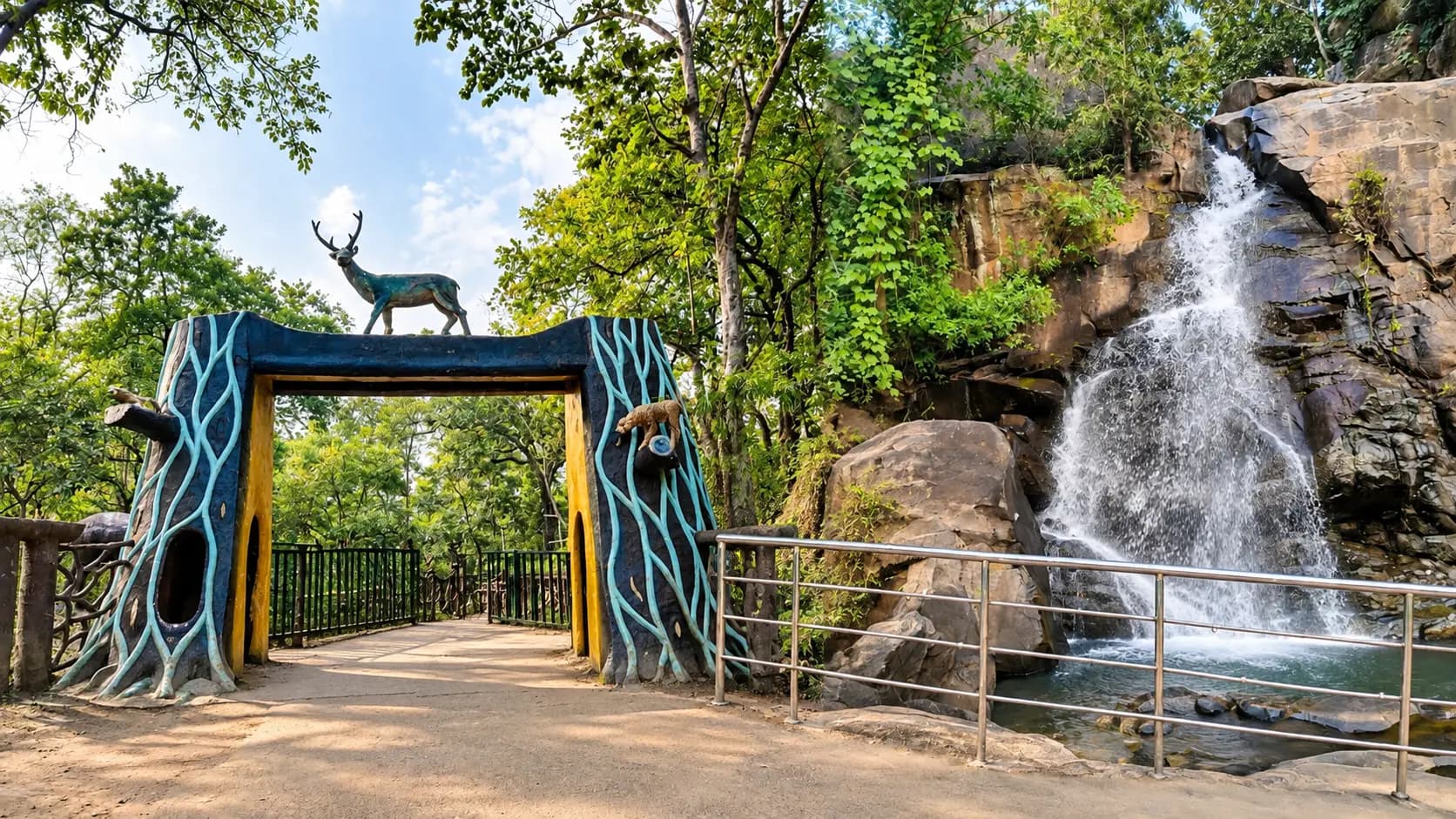
- Dokarichanchara Waterfalls & Eco-Tourism (~110 km northwest): A dramatic gorge in neighboring Kalahandi District featuring twin waterfalls (Dokaridhar and Bhairavadhar), the ancient Dokaribudi shrine, and nearby prehistoric rock art shelters.
In pictures
The practical bits
Before you go.
What to pack
When preparing to visit Maa Majhighariani Temple, dress in clean, modest, and culturally appropriate Indian or…Explore detailsClose details
When preparing to visit Maa Majhighariani Temple, dress in clean, modest, and culturally appropriate Indian or conservative clothing. Traditional attire such as a kurta-pyjama or dhoti for men, and a saree or salwar-kameez for women, is highly appreciated and blends seamlessly with the devotional ambiance. Wear simple slip-on footwear that can be quickly deposited and retrieved at the outer shoe counter. If you are visiting on a summer afternoon, bring a pair of clean cotton socks to protect your soles from hot flagstones in unshaded sections of the courtyard. Confirm the current charge and what it includes with the operator or service provider. Visitor admission, vehicles, parking, activities and accommodation can have separate charges.
Temple dress code and queue etiquette
While western casual wear (such as jeans and modest t-shirts) is permitted, revealing attire such as shorts…Explore detailsClose details
While western casual wear (such as jeans and modest t-shirts) is permitted, revealing attire such as shorts, miniskirts, sleeveless tops, or transparent clothing is strictly discouraged. Footwear must be deposited at the official shoe counter near the entrance gate. Remove leather belts and wallets, leaving them in your vehicle or depositing them in the cloakroom. Inside the queue galleries, maintain silence, patience, and decorum, moving forward gently without pushing or attempting to jump queue lines.
Special puja days and crowd surges
In regional tradition, Wednesdays, Fridays, and Sundays are considered the most auspicious days for worshipping…Explore detailsClose details
In regional tradition, Wednesdays, Fridays, and Sundays are considered the most auspicious days for worshipping Maa Majhighariani. On these three days, pilgrim footfall increases dramatically, with thousands of families arriving from Andhra Pradesh and neighboring districts. If you visit on a Wednesday, Friday, or Sunday, expect queue waiting times of 1 to 2.5 hours, especially between 08:30 AM and 12:30 PM. Check the current visiting hours and permitted access with the site operator before departure; ceremonies, closures and visitor sessions can affect access.
Prasad and community dining (Annadanam)
Sampling the sacred food offering (Mahaprasad) is considered an essential part of the pilgrimage experience.Explore detailsClose details
Sampling the sacred food offering (Mahaprasad) is considered an essential part of the pilgrimage experience. The temple trust prepares traditional earthen-pot cooked delicacies, including aromatic Khichdi, sweet Kheer (rice pudding), and lentil curry (Dalma), which can be purchased in sealed clay pots from the official prasad counters. Furthermore, the temple operates a daily free community kitchen (Annadana Mandap), where hundreds of pilgrims are served piping-hot, nutritious vegetarian meals every day between 12:30 PM and 14:00 PM. Partaking in this community feast, sitting side-by-side with devotees from diverse socio-economic backgrounds, is a deeply humbling experience.
Tonsuring and vow fulfillment
If you have made a sacred vow (manasika) or plan to perform the first haircutting ceremony (mundan) for a child…Explore detailsClose details
If you have made a sacred vow (manasika) or plan to perform the first haircutting ceremony (mundan) for a child, head directly to the Mundan Mandap located on the eastern side of the temple courtyard. Purchase the nominal token at the trust counter, which assigns an authorized temple barber. Traditional offerings for vow fulfillment - such as miniature silver eyes, tridents, or red-cloth-wrapped coconuts - can be purchased from licensed stalls in the outer bazaar and offered directly through the temple priests.
A few things you might wonder
Common questions about visiting Maa Majhighariani Temple. Fees, visiting hours and ceremonies are researched details that may change; confirm current arrangements with the operator before travelling.
Who is Goddess Majhighariani, and what is the meaning of her name?
What is unique about the idol of Maa Majhighariani?
What are the most crowded and auspicious days to visit the temple?
What is the Chaitra Yatra, and when is it celebrated?
Is photography allowed inside Maa Majhighariani Temple?
What are the temple's daily opening and closing hours?
Is free food (Annadanam) available for pilgrims at the temple?
How long does a visit to Maa Majhighariani Temple usually take?
Explore more in Rayagada Kalahandi
Discover other destinations around this hub
More Hubs in Odisha
Continue exploring other travel hubs in this state
Planning a trip to Rayagada & Kalahandi?