Dokarichanchara
Complete visitor guide to Dokarichanchara in Kalahandi, Odisha. Discover Dokaridhar and Bhairavadhar waterfalls, Dokaribudi shrine, Gudahandi rock art, and travel tips.
Location
Rayagada & Kalahandi, Odisha
Duration
Choose permitted stops around your available time and return journey.
Best Time
Check local access and rainfall before departure. Avoid closed paths, wet rocks and gorge routes during adverse weather.
Difficulty
Confirm walking, steps and route permission locally; an upstream scrambling route is not certified here.
A closer look
Your visit, at a glance.
Rayagada & Kalahandi, Odisha
GET TO KNOW THE PLACE
Tucked away in the rugged, forested folds of the Ampani hill range on the southwestern frontier of Kalahandi District, Odisha, Dokarichanchara is one of the state's most…
The story of Dokarichanchara
Tucked away in the rugged, forested folds of the Ampani hill range on the southwestern frontier of Kalahandi District, Odisha, Dokarichanchara is one of the state's most captivating hidden eco-tourism gems. Located approximately 25 kilometres southwest of the sub-divisional town of Dharamgarh and 80 kilometres from the district headquarters at Bhawanipatna, near the border with neighboring Nabarangpur District, this dramatic geological gorge is a place where thundering waterfalls, deep granite canyons, ancient indigenous faith, and prehistoric human history meet. The landscape is defined by sheer precipices of ancient metamorphic rock draped in dense tropical dry deciduous forest, towering sal trees, and sweeping groves of wild bamboo that shelter a rich diversity of Eastern Ghats wildlife.
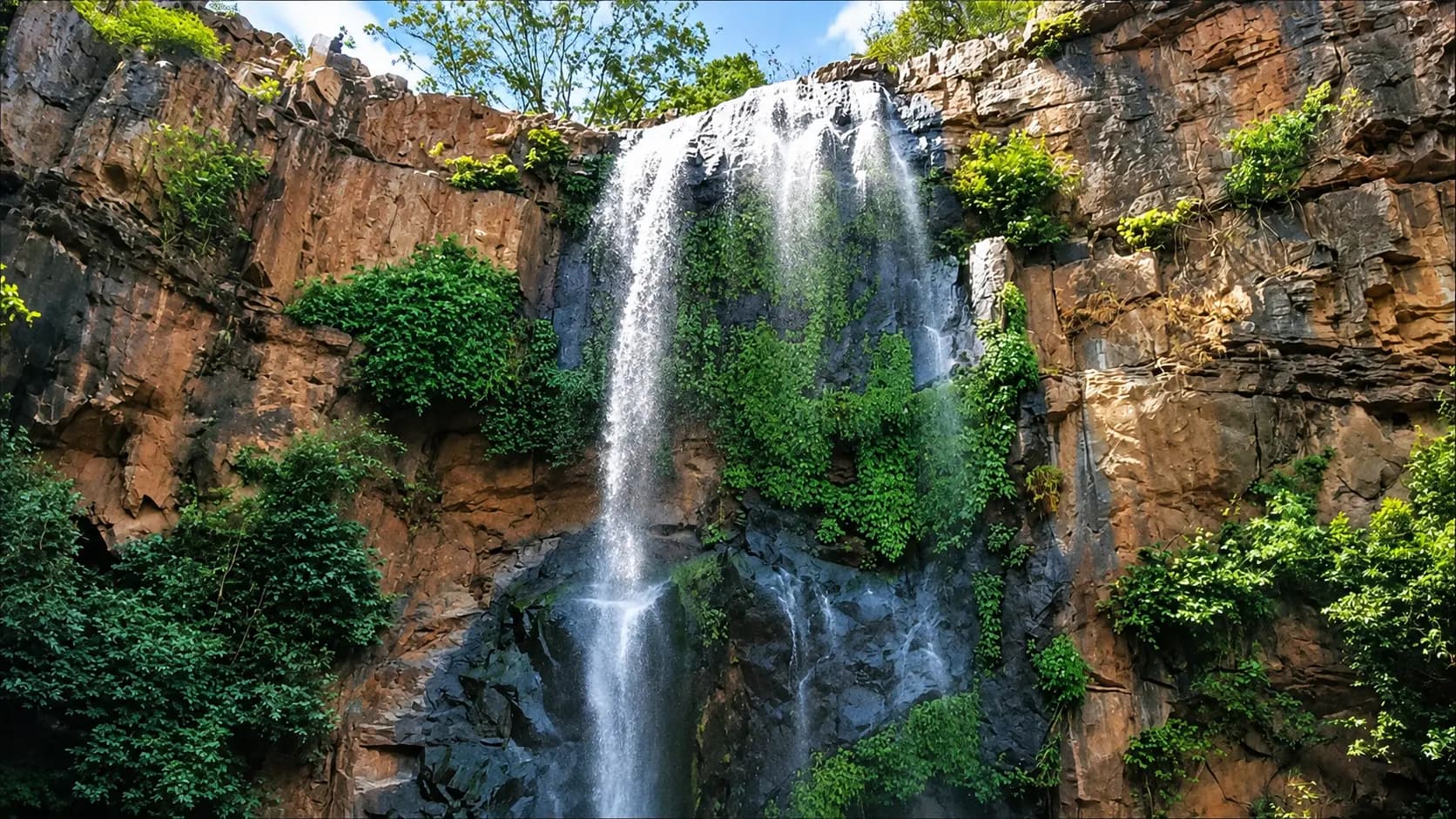
The crowning visual and auditory marvel of Dokarichanchara is its dramatic rocky chasm (chanchara in the local dialect referring to a deep, rocky ravine or gorge carved by flowing water). Here, two vigorous mountain streams fed by subterranean forest springs in the Ampani tablelands converge to plunge into a subterranean rock canyon. The primary cascade, known as Dokaridhar, plummets from a height of approximately 60 metres (nearly 200 feet) over a stepped amphitheatre of gigantic quartz and granite ledges before churning violently into a wide, boulder-strewn natural plunge pool below. An adjacent seasonal sister cascade, Bhairavadhar, roars through a narrow granite fissure during the rainy months, creating an amphitheatre filled with swirling mists, echoing water thunder, and radiant rainbows.
Beyond its raw geological grandeur, Dokarichanchara holds profound cultural and archaeological significance. Perched near the rim of the gorge stands the ancient Dokaribudi Shrine, dedicated to the benevolent mother deity Goddess Dokaribudi ("the Old Mother" or Gramadevati), revered by local Kondh and Gond tribal communities as the eternal protector of the forest, hill springs, and seasonal crops. Furthermore, the site is situated just 7 kilometres from the prehistoric rock shelters of Gudahandi, where ancient Mesolithic hunter-gatherers painted geometric hunting scenes and celestial symbols in red and black natural mineral pigments thousands of years ago. Enhanced in recent years with sustainable community-managed eco-tourism infrastructure - including wooden footbridges, panoramic watchtowers, and secure cliffside walkways - Dokarichanchara offers nature lovers, photographers, and heritage explorers an extraordinary off-the-beaten-path wilderness experience.
Start here. Open a tile for the full details.
Why goRead details
- Behold the Spectacular Twin Cascades of Dokaridhar and Bhairavadhar: Marvel at the awe-inspiring spectacle of two mountain streams plunging down sheer 60-metre granite precipices into a shadowy rock gorge. The swirling mists and constant rush of water create a cool, refreshing microclimate that feels a world away from the arid plains of interior Odisha.
- Explore a Dramatic Rocky Chasm and Hidden Gorge: Wander along natural boulder trails cut through a steep, ancient canyon carved over millennia. Giant granite boulders, deep natural plunge pools, overhanging rock shelters, and cascading mountain rapids make this a paradise for wilderness photography and geology enthusiasts.
- Pay Homage at the Ancient Dokaribudi Forest Shrine: Experience the living animistic and Shakta traditions of southern Odisha. Seek blessings at the rustic stone altar of Goddess Dokaribudi, where tribal devotees and forest dwellers offer clay terracotta horses, coconuts, and forest blossoms in thanksgiving for good health and bountiful harvests.
- Visit the Nearby Prehistoric Rock Art of Gudahandi: Combine your waterfall exploration with a visit to one of eastern India's most significant prehistoric archaeological sites, located just a short 7-kilometre drive away. Inspect ancient rock art shelters preserving red ochre pictographs painted by Stone Age humans over 10,000 years ago.
- Enjoy Community-Managed Eco-Tourism Amenities: Take advantage of well-designed eco-tourism facilities constructed by the Odisha Forest Department and managed by local village youth. Cross scenic suspension-style footbridges over rushing mountain torrents, climb the elevated wooden watchtower for panoramic canopy views, and relax in shaded thatched gazebos.
- Immerse Yourself in Pristine Eastern Ghats Wilderness: Escape tourist crowds in an unspoiled natural sanctuary where the air is scented with wild forest herbs and damp earth. Spot colorful hill birds, including paradise flycatchers, hornbills, and emerald doves flitting through the dense sal and bamboo canopies.
When to visitRead details
Dokarichanchara experiences a tropical dry deciduous highland climate characterized by a pleasant winter, an intensely hot and arid summer, and a vigorous southwest monsoon. Because enjoying this destination relies heavily on the volume of the waterfalls and the comfort of walking along outdoor rock trails, timing your visit correctly is essential.
Entry & permissionsRead details
Fees, visiting hours and entry rules may change. Confirm the latest details with the official operator or local authority before travelling.
- Admission Charges: Public access to Dokarichanchara, its waterfalls, hiking trails, and the Dokaribudi forest shrine is completely free (₹0). There are no state ticketing counters or entrance fees.
- Vehicle Parking Fees: The local community-run Eco-Development Committee (EDC) / Vana Samrakshana Samiti (VSS) collects a modest maintenance and parking fee at the entrance plaza to fund trail maintenance, safety staff, and waste management:
- Two-wheelers / Motorcycles: ₹20
- Cars / Taxis / SUVs: ₹50
- Minibuses and Tour Coaches: ₹100
- Operational Hours: The site is open daily from Sunrise to Sunset (06:00 AM to 18:00 PM) throughout the year. Visitors are strictly required to conclude their activities and leave the forest gorge before dusk (17:30 PM), as there is no electric lighting in the canyon and the approach road traverses secluded forest terrain.
- Permissions and Guidelines:
- No prior permits or passes are required for general tourists, day picnickers, or nature trekkers.
- Overnight Camping Ban: Setting up overnight tents or sleeping inside the gorge is strictly prohibited by the Odisha Forest Department to protect visitors from wildlife and prevent forest fires.
- Plastic and Alcohol Prohibition: The eco-tourism site is an environmentally protected zone; carrying plastic carry bags, littering disposable water bottles, or consuming alcoholic beverages is strictly prohibited and subject to fines by forest guards.
- Drone Photography: Flying recreational drones over the gorge is generally permitted for personal use, but avoid flying near wildlife, nesting raptors on the cliff walls, or over the sacred Dokaribudi shrine.
Plan your visitRead details
Dokarichanchara is located in the southwestern corner of Kalahandi District, accessible via road connections from the regional hubs of Dharamgarh, Bhawanipatna, and Nabarangpur.
Water safety and slippery boulders
While the natural plunge pools and cascading streams at Dokarichanchara look inviting, water safety must be taken seriously. The granite boulders lining the stream and the floor of the gorge are polished smooth by flowing water and can become extraordinarily slippery, especially where thin layers of wet green algae have formed. Always test your footing before putting your full weight on a wet rock. Never attempt to climb the vertical wet cliffs beside the main Dokaridhar waterfall, as a slip can result in severe injury. Avoid diving or jumping into deep rock pools, as submerged granite shelves and unpredictable depths create hidden hazards. Keep a watchful eye on young children at all times near the water's edge.
Explore the full guide - choose a topic below.
Why visit?
Behold the Spectacular Twin Cascades of Dokaridhar and Bhairavadhar: Marvel at the awe-inspiring spectacle of two…Explore detailsClose details
- Behold the Spectacular Twin Cascades of Dokaridhar and Bhairavadhar: Marvel at the awe-inspiring spectacle of two mountain streams plunging down sheer 60-metre granite precipices into a shadowy rock gorge. The swirling mists and constant rush of water create a cool, refreshing microclimate that feels a world away from the arid plains of interior Odisha.
- Explore a Dramatic Rocky Chasm and Hidden Gorge: Wander along natural boulder trails cut through a steep, ancient canyon carved over millennia. Giant granite boulders, deep natural plunge pools, overhanging rock shelters, and cascading mountain rapids make this a paradise for wilderness photography and geology enthusiasts.
- Pay Homage at the Ancient Dokaribudi Forest Shrine: Experience the living animistic and Shakta traditions of southern Odisha. Seek blessings at the rustic stone altar of Goddess Dokaribudi, where tribal devotees and forest dwellers offer clay terracotta horses, coconuts, and forest blossoms in thanksgiving for good health and bountiful harvests.
- Visit the Nearby Prehistoric Rock Art of Gudahandi: Combine your waterfall exploration with a visit to one of eastern India's most significant prehistoric archaeological sites, located just a short 7-kilometre drive away. Inspect ancient rock art shelters preserving red ochre pictographs painted by Stone Age humans over 10,000 years ago.
- Enjoy Community-Managed Eco-Tourism Amenities: Take advantage of well-designed eco-tourism facilities constructed by the Odisha Forest Department and managed by local village youth. Cross scenic suspension-style footbridges over rushing mountain torrents, climb the elevated wooden watchtower for panoramic canopy views, and relax in shaded thatched gazebos.
- Immerse Yourself in Pristine Eastern Ghats Wilderness: Escape tourist crowds in an unspoiled natural sanctuary where the air is scented with wild forest herbs and damp earth. Spot colorful hill birds, including paradise flycatchers, hornbills, and emerald doves flitting through the dense sal and bamboo canopies.
What to expect
Visiting Dokarichanchara is an invigorating, sensory-rich forest adventure that combines light trekking with…Explore detailsClose details
Visiting Dokarichanchara is an invigorating, sensory-rich forest adventure that combines light trekking with serene landscape viewing. Leaving the paved state highway at Koksara or Dharamgarh, your vehicle winds along a rural blacktopped road through expansive paddy fields and tribal villages before entering the foothills of the Ampani hills. As the road gently climbs, dense forests of sal, mahua, tendu, and thick bamboo replace the cultivated fields, creating a cool, shaded approach to the designated eco-tourism parking plaza.
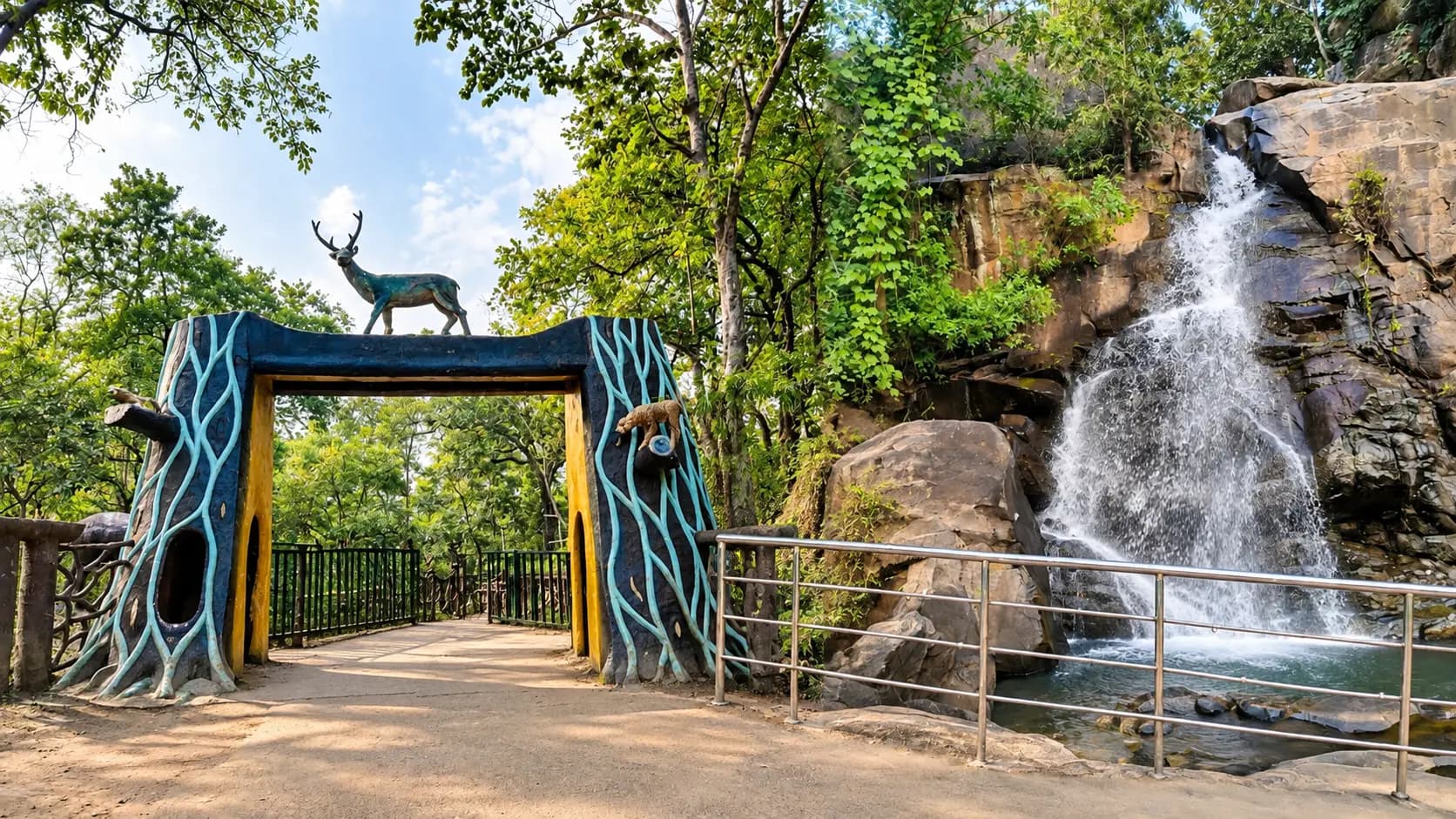
Upon arrival, the tranquil sound of rushing water and birdsong welcomes you. The entrance area is developed with paved flagstone pathways that lead toward the edge of the chasm. Walking down a series of broad stone steps flanked by sturdy iron safety railings, you reach the rim of the gorge.
The Waterfalls and the Gorge:
From the upper viewing platforms, the panoramic view across the canyon is breathtaking. Across the gorge, Dokaridhar leaps from the cliff edge, its white foaming waters tumbling across tiered dark granite shelves before crashing into a deep, turquoise-tinted rock basin 60 metres below. During the peak flow months of October and November, fine spray drifts upward from the base of the falls, creating vibrant double rainbows when morning sunlight pierces the forest canopy. To the side, the narrower, steeper cascade of Bhairavadhar slices through a cleft in the rock face, adding its resonant roar to the symphony of the canyon.
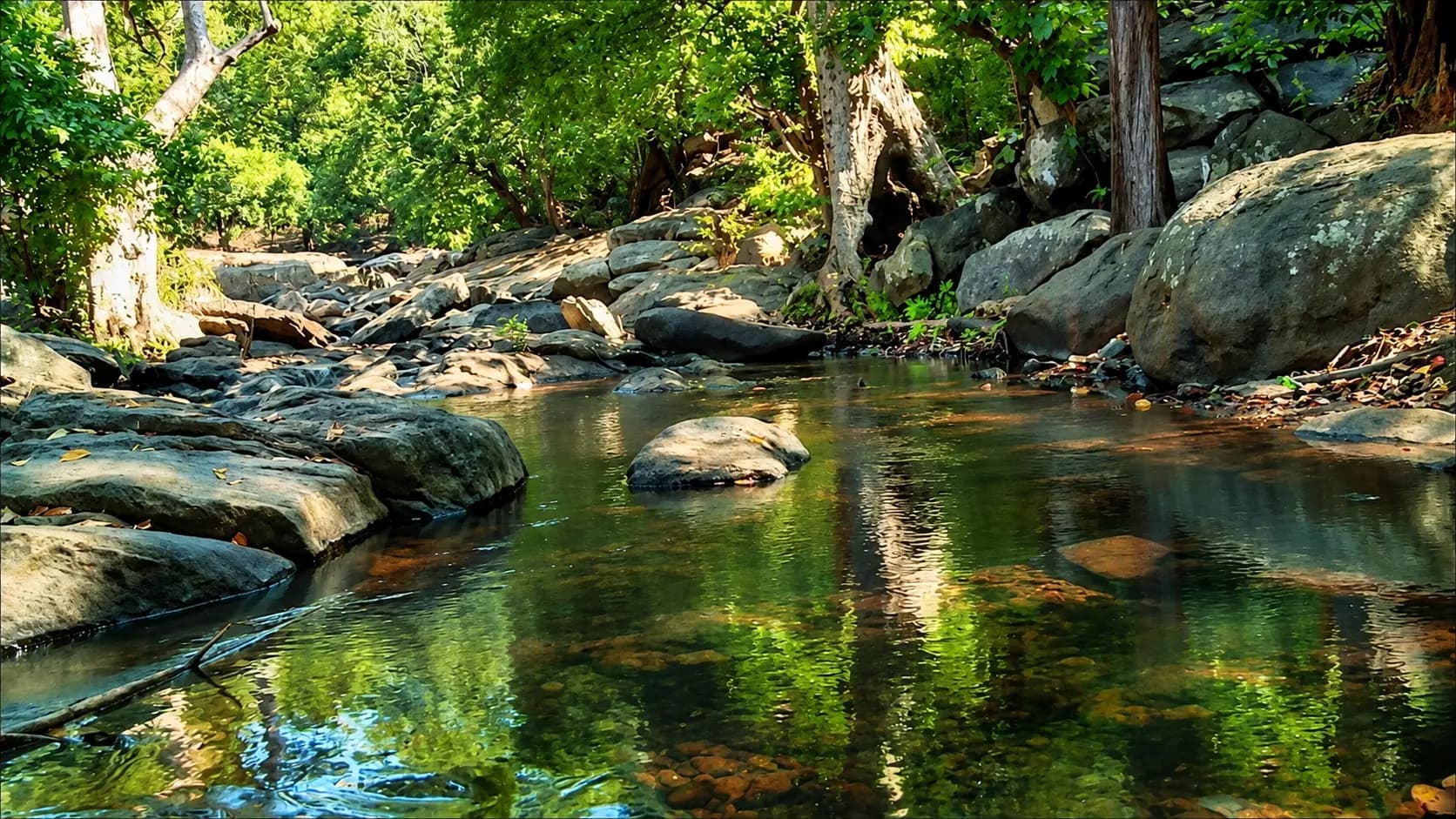
A sturdy footbridge spans the upper reaches of the stream, allowing visitors to cross safely and follow a trail leading down into the floor of the gorge. Along the base, enormous water-worn granite boulders - sculpted over centuries into smooth, organic shapes - form a labyrinth of natural stone platforms. Clear, cool mountain water rushes through channels between the rocks, creating safe, shallow wading pools where visitors can dip their feet and soak in the forest ambiance.
The Dokaribudi Shrine and Community Eco-Zone:
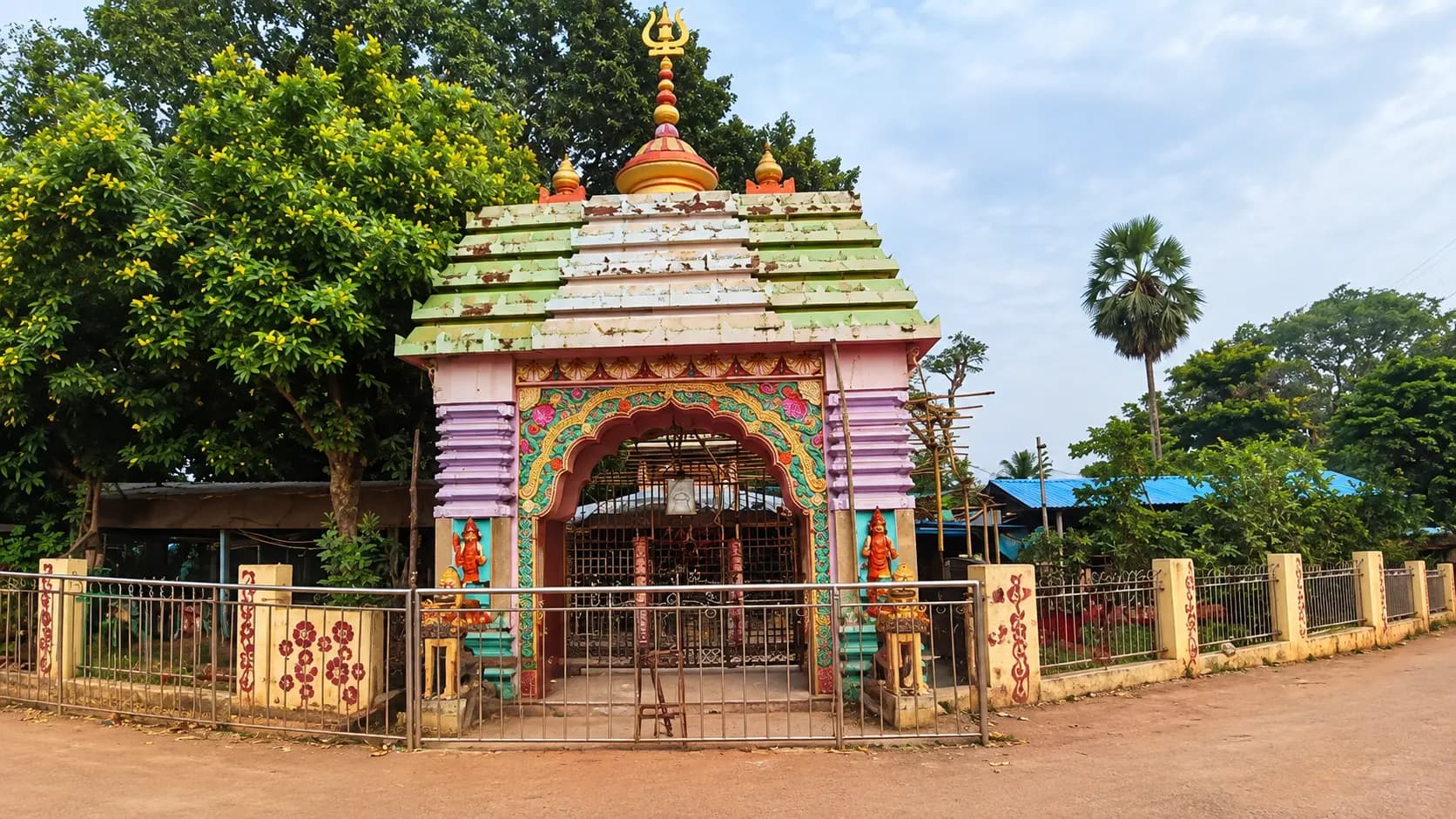
On a shaded stone terrace overlooking the chasm sits the humble Dokaribudi Shrine. Under the canopy of an ancient banyan tree, several natural stones daubed with vermilion (sindoor) and sandalwood paste mark the sanctified seat of the goddess. Around the altar, dozens of fired-clay terracotta horses and elephants - traditional votive offerings presented by Kondh tribespeople - create a deeply evocative spiritual tableau. Local priests (pujaris) perform simple aartis for visitors, offering blessings and holy water.
Nearby, a high wooden watchtower provides sweeping panoramic views overlooking the vast green carpet of the Ampani forest stretching toward the horizon. Shaded thatched gazebos and rustic stone benches positioned along the cliff edge offer ideal spots for families to relax, enjoy packed lunches, and listen to the ceaseless melody of cascading water.
Best time to visit
Dokarichanchara experiences a tropical dry deciduous highland climate characterized by a pleasant winter, an…Explore detailsClose details
Dokarichanchara experiences a tropical dry deciduous highland climate characterized by a pleasant winter, an intensely hot and arid summer, and a vigorous southwest monsoon. Because enjoying this destination relies heavily on the volume of the waterfalls and the comfort of walking along outdoor rock trails, timing your visit correctly is essential.
The optimal time to visit Dokarichanchara spans from October through February. Following the withdrawal of the southwest monsoon, the hill aquifers of the Ampani range are fully recharged, ensuring that both Dokaridhar and Bhairavadhar waterfalls flow with magnificent volume and thunderous force. During these post-monsoon and winter months, daytime temperatures are wonderfully comfortable, fluctuating between 15°C and 28°C, accompanied by clear blue skies, low humidity, and pleasant forest breezes. The crisp morning air and lush greenery make hiking down into the gorge and exploring the rock pools deeply enjoyable.
The Festive Winter Window: Visiting during late December or January is particularly popular for regional picnickers, families, and eco-tourists who gather to celebrate the New Year holidays amidst the scenic beauty of the falls. During the harvest festival of Nuakhai (September) and the annual Chaitra Parva (April), the Dokaribudi shrine witnesses colorful tribal rituals and folk gatherings.
The summer period, extending from April through June, brings severe inland heat and drought to Kalahandi. Daytime temperatures regularly surge between 40°C and 44°C. During these dry months, the mountain streams shrink dramatically, and Dokaridhar reduces to a slender trickle, while Bhairavadhar dries up entirely. The unshaded rock surfaces of the canyon become intensely hot, making daytime exploration physically exhausting.
The monsoon season, lasting from July through September, revives the landscape into a roaring, primeval wilderness. While the waterfalls are at their most colossal and spectacular during heavy monsoon spells, access paths down into the gorge can become dangerously muddy, waterlogged, and slick with green moss, and sudden flash floods in the hill streams pose serious hazards for unwary travelers.
How to reach
Dokarichanchara is located in the southwestern corner of Kalahandi District, accessible via road connections from…Explore detailsClose details
Dokarichanchara is located in the southwestern corner of Kalahandi District, accessible via road connections from the regional hubs of Dharamgarh, Bhawanipatna, and Nabarangpur.
- By Road and Driving Routes:
- From Dharamgarh (25 km): Drive southwest along State Highway 6 (SH-6) toward Koksara and Ampani. At the marked Dokarichanchara junction near Koksara, turn onto the well-paved rural connecting road. The drive takes approximately 35 to 45 minutes through peaceful agricultural and foothill landscapes.
- From Bhawanipatna (80 km): Take SH-6 west from the district headquarters, passing through Junagarh and Dharamgarh before reaching the turnoff for Dokarichanchara. A private chartered taxi or personal car reaches the site in approximately 1 hour and 45 minutes to 2 hours. Confirm the current charge and what it includes with the operator or service provider. Visitor admission, vehicles, parking, activities and accommodation can have separate charges.
- From Nabarangpur (65 km): Drive northeast through the scenic Ampani Ghat pass along SH-6, descending into Kalahandi District before turning into Dokarichanchara.
- Public Bus Transit: Regular state transport (OSRTC) and private buses run between Bhawanipatna, Dharamgarh, and Koksara. Confirm the current charge and what it includes with the operator or service provider. Visitor admission, vehicles, parking, activities and accommodation can have separate charges.
- By Rail:
- Junagarh Road Railway Station (JNRD): Situated approximately 45 kilometres northeast, this is the nearest railhead, operating passenger and express train connections (including the daily Junagarh Road - Bhubaneswar Express) to Raipur and coastal Odisha.
- Kesinga Railway Station (KSNG): Located approximately 115 kilometres northeast, Kesinga is a major railway junction on the primary Howrah - Chennai / Raipur - Vizianagaram main trunk line, served by nationwide superfast and express trains. Taxis are readily available outside the station.
- By Air:
- Swami Vivekananda Airport, Raipur (RPR): Located roughly 260 kilometres northwest in Chhattisgarh, operating extensive non-stop flights to all major Indian metropolises. Travel from Raipur by road takes approximately 5 to 6 hours via Dhamtari and Bhawanipatna.
- Visakhapatnam International Airport (VTZ): Situated roughly 280 kilometres southeast in Andhra Pradesh (~6 hours drive via Koraput and Nabarangpur).
Entry, timings and permissions
Fees, visiting hours and entry rules may change.Explore detailsClose details
Fees, visiting hours and entry rules may change. Confirm the latest details with the official operator or local authority before travelling.
- Admission Charges: Public access to Dokarichanchara, its waterfalls, hiking trails, and the Dokaribudi forest shrine is completely free (₹0). There are no state ticketing counters or entrance fees.
- Vehicle Parking Fees: The local community-run Eco-Development Committee (EDC) / Vana Samrakshana Samiti (VSS) collects a modest maintenance and parking fee at the entrance plaza to fund trail maintenance, safety staff, and waste management:
- Two-wheelers / Motorcycles: ₹20
- Cars / Taxis / SUVs: ₹50
- Minibuses and Tour Coaches: ₹100
- Operational Hours: The site is open daily from Sunrise to Sunset (06:00 AM to 18:00 PM) throughout the year. Visitors are strictly required to conclude their activities and leave the forest gorge before dusk (17:30 PM), as there is no electric lighting in the canyon and the approach road traverses secluded forest terrain.
- Permissions and Guidelines:
- No prior permits or passes are required for general tourists, day picnickers, or nature trekkers.
- Overnight Camping Ban: Setting up overnight tents or sleeping inside the gorge is strictly prohibited by the Odisha Forest Department to protect visitors from wildlife and prevent forest fires.
- Plastic and Alcohol Prohibition: The eco-tourism site is an environmentally protected zone; carrying plastic carry bags, littering disposable water bottles, or consuming alcoholic beverages is strictly prohibited and subject to fines by forest guards.
- Drone Photography: Flying recreational drones over the gorge is generally permitted for personal use, but avoid flying near wildlife, nesting raptors on the cliff walls, or over the sacred Dokaribudi shrine.
Nearby places to consider
Gudahandi Prehistoric Rock Shelters (~7 km north): Located on the conical Gudahandi hill, these internationally…Explore detailsClose details
- Gudahandi Prehistoric Rock Shelters (~7 km north): Located on the conical Gudahandi hill, these internationally renowned rock-cut shelters preserve prehistoric Mesolithic and Chalcolithic rock art executed in red ochre and black mineral pigment, depicting early human hunting and ritual motifs.
- Ampani Hills & Haladigundi Valley (~15 km southwest): A picturesque mountain pass on the Kalahandi-Nabarangpur border, famous for its winding ghat roads, scenic valley viewpoints, and the revered roadside temple of Budharaja (Bhairava).
- Phurli Jharan Waterfall (~90 km northeast): Situated near Bhawanipatna, this breathtaking 16-metre perennial waterfall tumbles over multi-tiered granite rocks into a crystal-clear jungle pool, renowned for producing luminous rainbow mists in the morning sun.
- Karlapat Wildlife Sanctuary (~95 km northeast): A premier protected reserve in the Eastern Ghats of Kalahandi, featuring dense sal forests, scenic river valleys, and thriving populations of leopards, sambar deer, barking deer, gaurs, and diverse avifauna.
- Asurgarh Fort Heritage Site (~60 km northeast): An ancient 3rd-century BCE fortified archaeological city located near Narla in Kalahandi, excavated to reveal ancient brick bastions, moat systems, punch-marked silver coins, and urban trade artifacts from the Mauryan and post-Mauryan eras.
In pictures
The practical bits
Before you go.
What to pack
When preparing for a trip to Dokarichanchara, wear lightweight, comfortable outdoor clothing suitable for walking…Explore detailsClose details
When preparing for a trip to Dokarichanchara, wear lightweight, comfortable outdoor clothing suitable for walking and light hiking. Breathable cotton trousers or sturdy cargo pants are preferable to protect your legs from rough brush and sharp granite rocks along the trails. Footwear is paramount: wear sturdy trekking shoes, hiking sandals, or sneakers with aggressive rubber tread that provide reliable traction on wet, mossy stone surfaces. Bring a quick-drying microfibre towel and a change of dry clothes if you plan on wading in the shallow rock pools or enjoying the refreshing waterfall spray. Pack a wide-brimmed sunhat, sunglasses, and high-SPF sunscreen. Carry adequate drinking water in reusable bottles and personal snacks, as on-site food stalls are limited. A waterproof dry bag or ziplock pouch is recommended to protect smartphones and camera gear from airborne mist.
Water safety and slippery boulders
While the natural plunge pools and cascading streams at Dokarichanchara look inviting, water safety must be taken…Explore detailsClose details
While the natural plunge pools and cascading streams at Dokarichanchara look inviting, water safety must be taken seriously. The granite boulders lining the stream and the floor of the gorge are polished smooth by flowing water and can become extraordinarily slippery, especially where thin layers of wet green algae have formed. Always test your footing before putting your full weight on a wet rock. Never attempt to climb the vertical wet cliffs beside the main Dokaridhar waterfall, as a slip can result in severe injury. Avoid diving or jumping into deep rock pools, as submerged granite shelves and unpredictable depths create hidden hazards. Keep a watchful eye on young children at all times near the water's edge.
Visiting the Dokaribudi shrine
The Dokaribudi shrine is an active, sacred indigenous place of worship.Explore detailsClose details
The Dokaribudi shrine is an active, sacred indigenous place of worship. When approaching the shrine, remove your footwear before stepping onto the sacred stone terrace. Approach the altar with respectful humility. Visitors are welcome to offer simple oblations such as a coconut, incense sticks (agarbatti), or marigold flowers. Take time to observe the remarkable collection of clay terracotta horses arranged around the shrine - in local tribal belief, these clay steeds are provided for the forest goddess to ride through the mountains at night to protect the villages from wild beasts and malevolent spirits.
Combining with Gudahandi rock art
To make the most of your excursion, plan to combine Dokarichanchara with a visit to the Gudahandi prehistoric…Explore detailsClose details
To make the most of your excursion, plan to combine Dokarichanchara with a visit to the Gudahandi prehistoric rock shelters, located just 7 kilometres north on the slopes of the Gudahandi hill. The site preserves ancient rock overhangs featuring red ochre and black Mesolithic pictographs depicting human figures, stylized deer, and geometric hunting emblems that date back over 10,000 years. Because the trail up Gudahandi hill involves a 20-to-30-minute moderate hike over unpaved forest paths, visiting Gudahandi in the cool morning hours (08:30 to 10:30 AM) followed by an afternoon of relaxation and picnic lunch at Dokarichanchara (11:00 AM to 02:30 PM) creates a balanced, highly fulfilling day itinerary.
Timing your return before dusk
Dokarichanchara is situated in a relatively remote corner of southwestern Kalahandi, and the connecting roads…Explore detailsClose details
Dokarichanchara is situated in a relatively remote corner of southwestern Kalahandi, and the connecting roads wind through forested tracts with limited vehicular traffic after dark. Furthermore, mobile telephone network reception can be spotty or absent in the deep floor of the canyon. Plan your schedule to pack up and depart the eco-tourism base by 17:00 to 17:30 PM, ensuring that you navigate the rural roads and return to the main state highway at Koksara or Dharamgarh before complete darkness falls.
A few things you might wonder
Common questions about visiting Dokarichanchara. Fees, visiting hours and ceremonies are researched details that may change; confirm current arrangements with the operator before travelling.
What does the name Dokarichanchara mean?
How many waterfalls are there at Dokarichanchara, and what are their names?
Who is Goddess Dokaribudi, and why is she worshipped here?
What is the connection between Dokarichanchara and the prehistoric rock art of Gudahandi?
Is it safe to visit Dokarichanchara with family and children?
Are there food stalls, restaurants, or lodging at Dokarichanchara?
How much time should I allocate for a trip to Dokarichanchara?
What is the best route to visit Dokarichanchara by road?
Explore more in Rayagada Kalahandi
Discover other destinations around this hub
More Hubs in Odisha
Continue exploring other travel hubs in this state
Planning a trip to Rayagada & Kalahandi?