Karlapat Wildlife Sanctuary
Complete visitor guide to Karlapat Wildlife Sanctuary in Kalahandi, Odisha. Discover Asian elephant corridors, leopards, Khandual reservoir, Jakham nature camp, and safaris.
Location
Rayagada & Kalahandi, Odisha
Duration
Plan around the authorised activity or stay you confirm.
Best Time
Check visitor access, weather and accommodation operation for your dates. No seasonal wildlife-sighting guarantee is made.
Difficulty
Depends on the authorised activity and route; unrestricted driving or trekking is not established by this guide.
A closer look
Your visit, at a glance.
Rayagada & Kalahandi, Odisha
GET TO KNOW THE PLACE
Sprawling across 147.66 square kilometres of rugged, undulating hill terrain within the Eastern Ghats of Kalahandi District, Odisha, Karlapat Wildlife Sanctuary stands as one of…
The story of Karlapat Wildlife Sanctuary
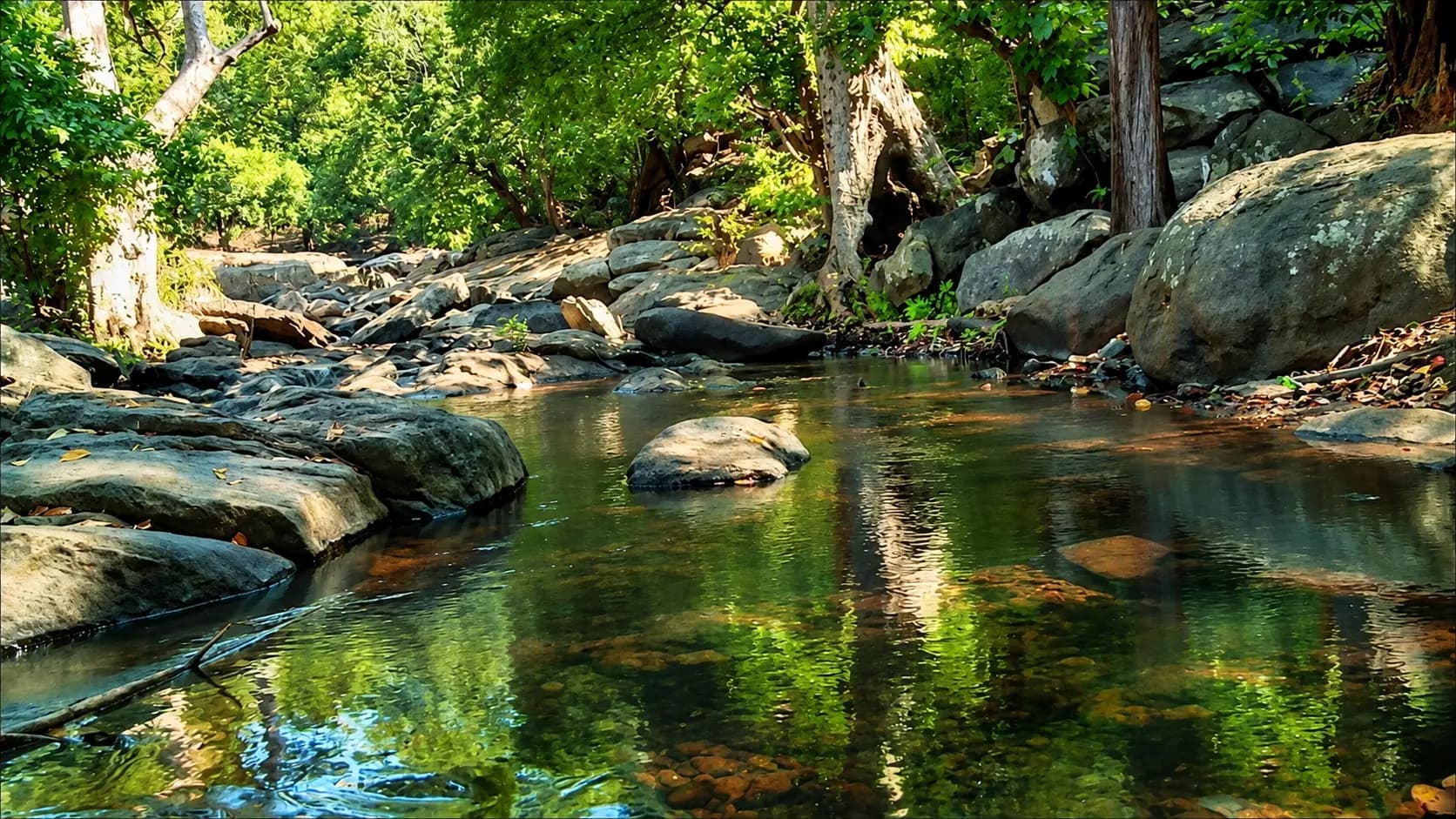
Sprawling across 147.66 square kilometres of rugged, undulating hill terrain within the Eastern Ghats of Kalahandi District, Odisha, Karlapat Wildlife Sanctuary stands as one of the most vital ecological sanctuaries and biodiversity repositories in eastern India. Situated approximately 15 to 35 kilometres south of the district headquarters at Bhawanipatna, along the scenic mountain corridor leading toward Thuamul Rampur, this protected wilderness encompasses high granitic ridges reaching elevations over 1,000 metres, deep riverine valleys, perennial springs, and dense, multi-tiered canopies of northern tropical moist and dry deciduous forests. Dominated by majestic stands of Sal (Shorea robusta), Bija (Pterocarpus marsupium), Asan, and impenetrable thickets of bamboo, Karlapat forms a critical, contiguous ecological bridge linking the protected forests of southern Odisha with the central Indian wildlife landscape.
Formally notified as a Wildlife Sanctuary under Section 18 of the Wildlife (Protection) Act, 1972 on October 15, 1992, Karlapat was established to safeguard essential migratory corridors for the endangered Asian elephant (Elephas maximus), which move freely across the high valleys between Kalahandi, Rayagada, and Koraput. Beyond its keystone elephant herds, the sanctuary supports thriving populations of apex predators and large herbivores, including the elusive Indian leopard (Panthera pardus), the formidable gaur or Indian bison (Bos gaurus), sambar deer, Indian muntjac (barking deer), four-horned antelope (chousingha), spotted deer (chital), sloth bear (Melursus ursinus), and the endangered Indian giant squirrel. The sanctuary's riverine networks, primarily fed by the Sagada and Tel river tributaries, nourish rich riparian habitats that shelter over 200 species of resident and migratory birds, making it a celebrated haven for ornithologists.
For eco-conscious travelers and wildlife enthusiasts, Karlapat offers an immersive, uncommercialized safari and wilderness experience. Rather than congested safari circuits found in high-density tiger reserves, a visit to Karlapat is characterized by genuine wilderness exploration. Visitors can take guided jeep safaris along winding gravel tracks, observe herds of gaur grazing in misty forest clearings, watch elephants drinking at the tranquil shores of the Khandual Dam and Reservoir, and stay overnight in rustic luxury at the community-managed Jakham Nature Camp nestled right on the banks of a bubbling mountain stream. Combined with the dramatic beauty of the adjacent Phurli Jharan Waterfall, Karlapat presents an authentic, serene encounter with the untamed natural heritage of southern Odisha.
Start here. Open a tile for the full details.
Why goRead details
- Traverse a Crucial Asian Elephant Sanctuary and Corridor: Experience an authentic forest ecosystem where wild Asian elephant herds roam freely across traditional migratory corridors. Observe their feeding grounds amidst wild bamboo groves and watch them gather at forest waterholes during early mornings and late afternoons.
- Encounter the Formidable Gaur (Indian Bison) and Herbivore Herds: Watch impressive herds of gaur - the world's largest wild bovid - grazing peacefully in the shaded valley meadows. The sanctuary also supports healthy populations of majestic sambar stags, delicate barking deer, and elusive four-horned antelopes (chousingha).
- Marvel at the Scenic Waters of Khandual Dam & Reservoir: Journey deep into the sanctuary to behold the tranquil waters of Khandual Dam. Framed by steep, forested hills reflected in mirror-like waters, this artificial reservoir serves as the primary lifeline for the park's wildlife and an exceptional vantage point for landscape photography.
- Experience Community Eco-Tourism at Jakham Nature Camp: Stay overnight in comfortable eco-tents operated by the local tribal Vana Samrakshana Samiti (VSS) community in partnership with the Odisha Forest Department. Fall asleep to the sounds of the rushing Sagada stream and nocturnal forest calls, and enjoy traditional local home-cooked meals prepared with forest ingredients.
- Ornithological Paradise with Over 200 Bird Species: Karlapat is an extraordinary birdwatching destination. Spot colorful and rare canopy dwellers including the Malabar pied hornbill, crested serpent eagle, Asian paradise flycatcher, emerald dove, scarlet minivet, Indian pitta, and diverse winter migratory waterfowl around forest wetlands.
- Explore Untouched, Primeval Sal and Bamboo Wilderness: Breathe in the crisp, oxygen-rich air of pristine Eastern Ghats hill forests. Towering sal trees, lush bamboo brakes, and clear mountain brooks create a tranquil environment completely devoid of urban pollution and tourist congestion.
When to visitRead details
Karlapat Wildlife Sanctuary experiences a subtropical highland forest climate with three distinct seasonal phases: a pleasant, cool winter, a sweltering dry summer, and a heavy southwest monsoon. Choosing the right season is paramount for comfortable safari driving and successful wildlife tracking.
Entry & permissionsRead details
Fees, visiting hours and entry rules may change. Confirm the latest details with the official operator or local authority before travelling.
- Admission Charges: Karlapat is an official protected area administered by the Odisha Forest and Environment Department.
- Entry Permit Fee: ₹40 per Indian adult (discounted to ₹20 for bona fide students and children under 12 years).
- Foreign Nationals: ₹1,000 per person.
- Vehicle Entry Charges:
- Four-Wheelers (Cars, Jeeps, SUVs): ₹100 per vehicle
- Two-Wheelers (Motorcycles / Scooters): ₹50 per vehicle (restricted to designated peripheral roads)
- Heavy Vehicles / Mini Buses: ₹200
- Camera Charges:
- Still Camera (Digital / DSLR / Mirrorless): ₹50
- Video Camera (Non-commercial): ₹500
- Commercial Film Production: Requires advance written permit and security deposit from the Principal Chief Conservator of Forests (Wildlife), Government of Odisha.
- Mandatory Nature Guide Fee: ₹200 to ₹300 per vehicle paid directly to the authorized local tribal eco-guide assigned at the checkgate.
- Visiting & Safari Timings:
- Sanctuary Checkgate Hours: Open daily from 06:00 AM to 17:30 PM.
- Official Safari Shifts:
- Morning Safari: 06:30 AM to 10:30 AM (best for herbivore herds, birding, and cool mountain light).
- Afternoon Safari: 14:00 PM to 17:00 PM (optimal for waterhole stakeouts around Khandual Dam).
- All vehicles must clear the interior forest checkposts and exit the sanctuary gates by 17:30 PM. Night safaris and unauthorized night driving are strictly illegal.
- Permissions and Booking:
- Day safari permits are issued on a walk-in basis upon arrival at the Karlapat Forest Checkgate.
- Overnight stays at the Jakham Eco-Tourism Nature Camp must be booked in advance through the official state portal:
ecotourodisha.com.
Plan your visitRead details
Karlapat Wildlife Sanctuary is located in southern Kalahandi District, accessible via road connections from the district headquarters city of Bhawanipatna.
Wildlife safety and elephant encounter guidelines
Karlapat is home to wild, free-ranging Asian elephant herds that can be unpredictable and dangerous if startled or provoked. Always adhere strictly to these critical safety rules:
Explore the full guide - choose a topic below.
Why visit?
Traverse a Crucial Asian Elephant Sanctuary and Corridor: Experience an authentic forest ecosystem where wild…Explore detailsClose details
- Traverse a Crucial Asian Elephant Sanctuary and Corridor: Experience an authentic forest ecosystem where wild Asian elephant herds roam freely across traditional migratory corridors. Observe their feeding grounds amidst wild bamboo groves and watch them gather at forest waterholes during early mornings and late afternoons.
- Encounter the Formidable Gaur (Indian Bison) and Herbivore Herds: Watch impressive herds of gaur - the world's largest wild bovid - grazing peacefully in the shaded valley meadows. The sanctuary also supports healthy populations of majestic sambar stags, delicate barking deer, and elusive four-horned antelopes (chousingha).
- Marvel at the Scenic Waters of Khandual Dam & Reservoir: Journey deep into the sanctuary to behold the tranquil waters of Khandual Dam. Framed by steep, forested hills reflected in mirror-like waters, this artificial reservoir serves as the primary lifeline for the park's wildlife and an exceptional vantage point for landscape photography.
- Experience Community Eco-Tourism at Jakham Nature Camp: Stay overnight in comfortable eco-tents operated by the local tribal Vana Samrakshana Samiti (VSS) community in partnership with the Odisha Forest Department. Fall asleep to the sounds of the rushing Sagada stream and nocturnal forest calls, and enjoy traditional local home-cooked meals prepared with forest ingredients.
- Ornithological Paradise with Over 200 Bird Species: Karlapat is an extraordinary birdwatching destination. Spot colorful and rare canopy dwellers including the Malabar pied hornbill, crested serpent eagle, Asian paradise flycatcher, emerald dove, scarlet minivet, Indian pitta, and diverse winter migratory waterfowl around forest wetlands.
- Explore Untouched, Primeval Sal and Bamboo Wilderness: Breathe in the crisp, oxygen-rich air of pristine Eastern Ghats hill forests. Towering sal trees, lush bamboo brakes, and clear mountain brooks create a tranquil environment completely devoid of urban pollution and tourist congestion.
What to expect
Visiting Karlapat Wildlife Sanctuary is a classic, off-the-beaten-track wilderness adventure.Explore detailsClose details
Visiting Karlapat Wildlife Sanctuary is a classic, off-the-beaten-track wilderness adventure. Departing Bhawanipatna, your vehicle climbs steadily along the paved mountain highway toward Thuamul Rampur, passing rural hamlets and terraced fields before the dense wall of the Eastern Ghats forest closes in around the road.
The primary entry point into the sanctuary is the Karlapat Forest Checkgate and Reception Centre, situated approximately 25 kilometres south of Bhawanipatna. Here, visitors halt to register their vehicle details, pay government entry and camera fees, and obtain the mandatory services of an authorized local tribal nature guide appointed by the Forest Department.
The Safari Drive and Forest Landscape:
Passing beyond the checkgate barriers, you enter an ancient, primeval world. The safari route follows unpaved, all-weather gravel roads that wind through the heart of the sanctuary's valleys. The forest canopy is exceptionally dense: towering straight-trunked sal trees soar 30 metres into the sky, their dark green crowns interlocked with climbing lianas and wild grapevines. Dense groves of wild bamboo line the natural drainage nullahs, where fresh elephant footprints, broken bamboo shoots, and dung heaps frequently indicate recent herd movement.
As you motor along the safari track at a gentle 20 to 25 km/h, keep a sharp lookout into the undergrowth. Sambar deer, camouflaged perfectly in shades of dark brown, often freeze to watch your vehicle pass before leaping gracefully into the thickets. Troops of langurs chatter noisily from the high tree branches, often serving as forest alarm systems warning of an active leopard prowling in the vicinity.
Khandual Dam and Elevated Watchtowers:
A primary destination within the safari circuit is Khandual Dam, an expansive earthen reservoir built across a forest stream. Surrounded by steep, forest-clad hills, the water body creates an astonishingly peaceful scene. The Forest Department has constructed an elevated wooden watchtower near the water's edge. Climbing to the observation deck, you can scan the shoreline with binoculars. During the dry winter and summer months, herds of gaur, wild boars, and lone elephant tuskers regularly emerge from the forest at dawn and dusk to drink and bathe in the cool waters.
Jakham Eco-Tourism Nature Camp:
Located along the banks of the Sagada stream inside the sanctuary buffer, Jakham Nature Camp represents the hub of community-based eco-tourism in Karlapat. The camp features well-appointed Swiss-style canvas tents and eco-cottages set on raised stone platforms, complete with comfortable beds, en-suite bathrooms, and private sit-out verandas overlooking the rushing stream. Managed entirely by local tribal youth from the adjacent villages, the camp offers guided early-morning nature trails, riverside walking tours, campfire evenings, and delicious authentic Odia meals prepared using fresh local produce.
Best time to visit
Karlapat Wildlife Sanctuary experiences a subtropical highland forest climate with three distinct seasonal…Explore detailsClose details
Karlapat Wildlife Sanctuary experiences a subtropical highland forest climate with three distinct seasonal phases: a pleasant, cool winter, a sweltering dry summer, and a heavy southwest monsoon. Choosing the right season is paramount for comfortable safari driving and successful wildlife tracking.
The undisputed best time to visit Karlapat is during the winter months, from October through March. Following the retreat of the monsoon, the forest is lush, vibrant, and washed clean. Temperatures during the winter are delightful, with daytime highs ranging comfortably between 16°C and 26°C, accompanied by low humidity and clear skies. Nights and early mornings in the hills can be brisk and chilly, with temperatures dropping to 10°C to 12°C, creating atmospheric morning mists in the valley meadows. During these months, animal movement is active throughout the day, and winter migratory birds arrive in abundance at Khandual Dam and forest wetlands.
The summer period, spanning from April to June, brings intense heat to the interior plains of Kalahandi, with daytime temperatures exceeding 40°C to 43°C. However, for serious wildlife photographers and trackers, late summer has a distinct advantage: the deciduous trees drop their leaves, significantly improving visibility through the forest undergrowth. Furthermore, as smaller streams and ephemeral springs dry up across the hills, wildlife - particularly elephant herds, gaurs, and leopards - is compelled to concentrate reliably around the permanent waters of Khandual Dam and the Sagada river. If visiting in summer, plan your safaris strictly for early morning (06:00 to 09:30 AM) and late afternoon (15:30 to 17:30 PM).
The monsoon season, lasting from July through late September, brings torrential rains to the Eastern Ghats. While the forest transforms into a dazzling emerald jungle and waterfalls thunder at maximum volume, monsoon visits are generally not recommended for safaris: the unpaved earthen tracks become deeply rutted, muddy, and prone to washouts, and leeches become prevalent along foot trails. Certain interior safari tracks may be temporarily closed by the Forest Department during heavy rainfall for safety reasons.
How to reach
Karlapat Wildlife Sanctuary is located in southern Kalahandi District, accessible via road connections from the…Explore detailsClose details
Karlapat Wildlife Sanctuary is located in southern Kalahandi District, accessible via road connections from the district headquarters city of Bhawanipatna.
- By Road and Safari Access:
- From Bhawanipatna (15 to 35 km): Drive south out of Bhawanipatna along the paved state highway leading toward Thuamul Rampur. The road passes the Phurli Jharan waterfall turnoff at 15 km before reaching the main Karlapat Forest Checkgate at approximately 25 km. The drive takes 35 to 45 minutes in a private car or taxi. Confirm the current charge and what it includes with the operator or service provider. Visitor admission, vehicles, parking, activities and accommodation can have separate charges.
- From Rayagada (110 km): Drive northwest via Muniguda, Kesinga, and Bhawanipatna along SH-4 and NH-26 (~2.5 to 3 hours).
- Public Bus Transit: Regular state transport (OSRTC) buses and local minibuses operate between Bhawanipatna and Thuamul Rampur, passing right by the Karlapat Forest Checkgate. Passengers can alight at the checkgate; however, since private vehicles or chartered taxis are required to enter the sanctuary safari routes, hiring a vehicle in Bhawanipatna is strongly recommended.
- By Rail:
- Junagarh Road Railway Station (JNRD): Located approximately 40 kilometres west of the sanctuary, operating daily express trains to Raipur and Bhubaneswar.
- Kesinga Railway Station (KSNG): Located roughly 60 kilometres north, Kesinga is the primary rail junction on the East Coast Railway trunk line connecting Raipur and Vizianagaram. It is served by nationwide superfast trains connecting with New Delhi, Kolkata (Howrah), Chennai, Hyderabad, and Bengaluru. Taxis and auto-rickshaws are readily available outside Kesinga station for the 1-hour drive to Bhawanipatna.
- By Air:
- Swami Vivekananda Airport, Raipur (RPR): Situated roughly 270 kilometres northwest in Chhattisgarh (~5.5 hours drive via NH-130C and NH-26).
- Visakhapatnam International Airport (VTZ): Located roughly 260 kilometres southeast in Andhra Pradesh (~5.5 to 6 hours drive via Salur and Rayagada).
Entry, timings and permissions
Fees, visiting hours and entry rules may change.Explore detailsClose details
Fees, visiting hours and entry rules may change. Confirm the latest details with the official operator or local authority before travelling.
- Admission Charges: Karlapat is an official protected area administered by the Odisha Forest and Environment Department.
- Entry Permit Fee: ₹40 per Indian adult (discounted to ₹20 for bona fide students and children under 12 years).
- Foreign Nationals: ₹1,000 per person.
- Vehicle Entry Charges:
- Four-Wheelers (Cars, Jeeps, SUVs): ₹100 per vehicle
- Two-Wheelers (Motorcycles / Scooters): ₹50 per vehicle (restricted to designated peripheral roads)
- Heavy Vehicles / Mini Buses: ₹200
- Camera Charges:
- Still Camera (Digital / DSLR / Mirrorless): ₹50
- Video Camera (Non-commercial): ₹500
- Commercial Film Production: Requires advance written permit and security deposit from the Principal Chief Conservator of Forests (Wildlife), Government of Odisha.
- Mandatory Nature Guide Fee: ₹200 to ₹300 per vehicle paid directly to the authorized local tribal eco-guide assigned at the checkgate.
- Visiting & Safari Timings:
- Sanctuary Checkgate Hours: Open daily from 06:00 AM to 17:30 PM.
- Official Safari Shifts:
- Morning Safari: 06:30 AM to 10:30 AM (best for herbivore herds, birding, and cool mountain light).
- Afternoon Safari: 14:00 PM to 17:00 PM (optimal for waterhole stakeouts around Khandual Dam).
- All vehicles must clear the interior forest checkposts and exit the sanctuary gates by 17:30 PM. Night safaris and unauthorized night driving are strictly illegal.
- Permissions and Booking:
- Day safari permits are issued on a walk-in basis upon arrival at the Karlapat Forest Checkgate.
- Overnight stays at the Jakham Eco-Tourism Nature Camp must be booked in advance through the official state portal:
ecotourodisha.com.
Nearby places to consider
Phurli Jharan Waterfall (~15 km north): Situated right at the northern entrance corridor of the sanctuary, this…Explore detailsClose details
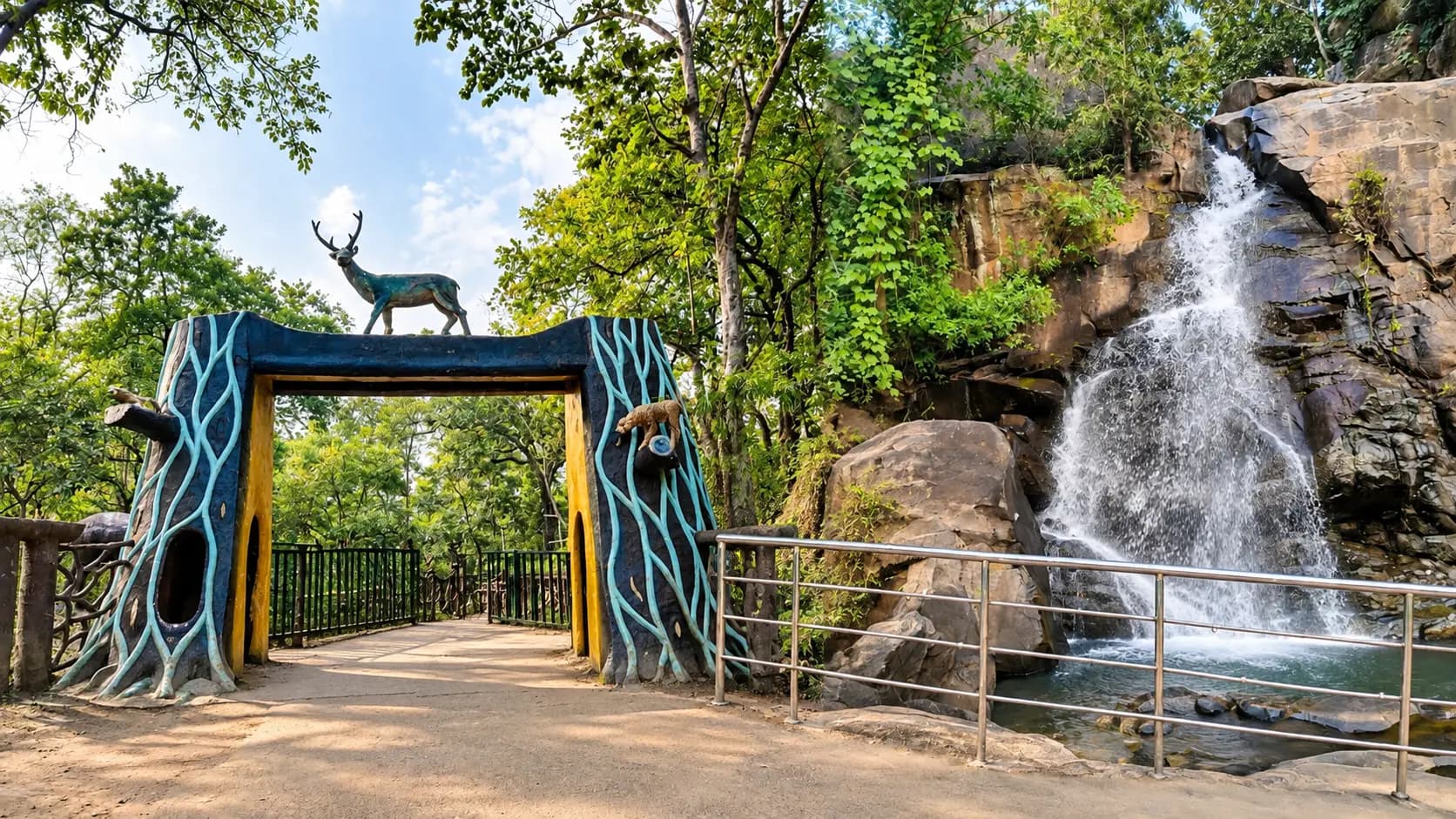
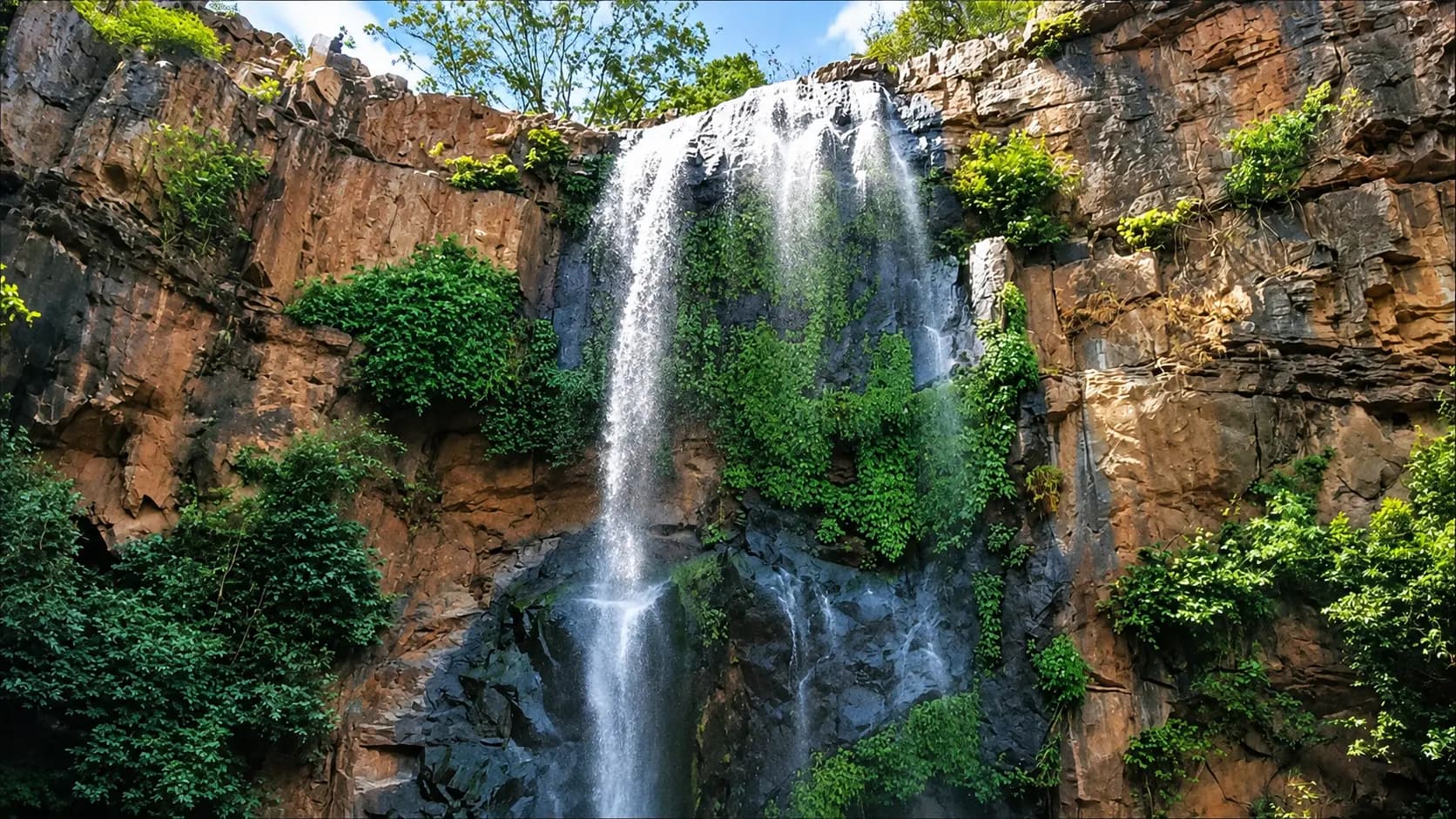
- Phurli Jharan Waterfall (~15 km north): Situated right at the northern entrance corridor of the sanctuary, this 16-metre perennial waterfall tumbles over multi-tiered granite rocks into a crystal-clear jungle pool, creating radiant rainbow mists in the morning sun.
- Bhawanipatna Town & Manikeswari Temple (~25 km north): The historical and cultural capital of Kalahandi District, famous for the revered 12th-century temple of Goddess Manikeswari and its vibrant annual Chhatar Yatra festival held during Dussehra.
- Dokarichanchara Waterfalls & Eco-Tourism Site (~80 km southwest): A mesmerizing gorge in southwestern Kalahandi featuring the twin falls of Dokaridhar and Bhairavadhar, the ancient Dokaribudi forest shrine, and scenic nature bridges.
- Gudahandi Prehistoric Rock Art Shelters (~85 km southwest): Ancient rock overhangs preserving Mesolithic and Chalcolithic pictographs painted in red ochre and black by Stone Age humans over 10,000 years ago.
- Asurgarh Fort & Archaeological Excavation (~50 km northeast): An ancient 3rd-century BCE fortified archaeological site located near Narla, revealing brick ramparts, circular bastions, and coins from the Mauryan and post-Mauryan eras.
In pictures
The practical bits
Before you go.
What to pack
When preparing for a wildlife safari at Karlapat, wear neutral, nature-blending clothing in shades of khaki…Explore detailsClose details
When preparing for a wildlife safari at Karlapat, wear neutral, nature-blending clothing in shades of khaki, olive green, brown, or beige. Avoid bright, vibrant colors (such as neon red, yellow, or white) that alarm wildlife from afar. Early morning safari drives during the winter months (November to February) can be brisk and chilly, so bring a lightweight fleece jacket, windbreaker, or woolen sweater that can be peeled off as the day warms up. Sturdy, closed-toe walking shoes or boots are essential for guided nature trails around the nature camp. Carry a high-magnification pair of binoculars (8x42 or 10x42) and a telephoto camera lens (300mm to 600mm) for isolating wildlife in the dense forest undergrowth. Pack personal mosquito repellent, broad-spectrum sunscreen, a sunhat, and plenty of drinking water in reusable insulated bottles.
Wildlife safety and elephant encounter guidelines
Karlapat is home to wild, free-ranging Asian elephant herds that can be unpredictable and dangerous if startled…Explore detailsClose details
Karlapat is home to wild, free-ranging Asian elephant herds that can be unpredictable and dangerous if startled or provoked. Always adhere strictly to these critical safety rules:
Never exit your vehicle
Unless accompanied by your forest guide at a designated watchtower or fenced campsite, never step out of your…Explore detailsClose details
Unless accompanied by your forest guide at a designated watchtower or fenced campsite, never step out of your vehicle inside the core sanctuary tracks.
Maintain a safe, respectful distance
If you encounter wild elephants crossing the road or feeding beside the track, stop your vehicle at least 50…Explore detailsClose details
If you encounter wild elephants crossing the road or feeding beside the track, stop your vehicle at least 50 metres away. Switch off the engine and headlights, remain completely silent, and allow the animals to cross the track unhurriedly. Never honk your horn, rev your engine, or shout to get their attention.
Beware of lone tuskers or mothers with calves
A mother with a newborn calf or a lone bull in musth can perceive a vehicle as an aggressive threat.Explore detailsClose details
A mother with a newborn calf or a lone bull in musth can perceive a vehicle as an aggressive threat. If an elephant displays warning signals - such as vigorous ear flapping, trumpet calls, head shaking, or kicking up dust - immediately and smoothly reverse your vehicle away to open a wider buffer.
Safari logistics and vehicle selection
The interior tracks of Karlapat are unpaved gravel and earthen forestry roads.Explore detailsClose details
The interior tracks of Karlapat are unpaved gravel and earthen forestry roads. While standard passenger hatchbacks and sedans can navigate the main road to the checkgate and the immediate vicinity of Jakham camp in dry weather, entering the deeper interior tracks and climbing toward Khandual Dam requires a vehicle with high ground clearance (such as an SUV, Bolero, Scorpio, or 4x4 Gypsy). Ensure your vehicle has adequate fuel before leaving Bhawanipatna, as there are no fuel stations inside or near the sanctuary gates.
Booking Jakham nature camp
For nature enthusiasts seeking an authentic overnight wilderness stay, booking a tent at Jakham Nature Camp is…Explore detailsClose details
For nature enthusiasts seeking an authentic overnight wilderness stay, booking a tent at Jakham Nature Camp is strongly recommended. The camp features six luxury Swiss-style canvas tents set along the banks of the Sagada river. Reservations must be made online via ecotourodisha.com. The package tariff includes full-board accommodation, breakfast, lunch, and dinner prepared by the local VSS community, evening campfires, and guided morning nature walks with tribal trackers. Due to limited tent availability, book at least 2 to 4 weeks in advance during the peak winter holiday season (December - January).
Birdwatching hotspots
For birders, Karlapat offers exceptional avian diversity.Explore detailsClose details
For birders, Karlapat offers exceptional avian diversity. The primary hotspots include the riparian river trails along the Sagada stream near Jakham camp, where kingfishers, Asian paradise flycatchers, and brown fish owls frequent the overhanging branches; the marshy peripheries of Khandual Dam, which attract grey herons, egrets, cormorants, and winter migratory teals; and the Phurli Jharan waterfall valley, where forest babblers, bulbuls, and sunbirds dart among flowering wild shrubs. Begin birding walks right at dawn (06:00 to 07:30 AM) when forest calls are at their peak.
A few things you might wonder
Common questions about visiting Karlapat Wildlife Sanctuary. Fees, visiting hours and ceremonies are researched details that may change; confirm current arrangements with the operator before travelling.
What is the legal status and total area of Karlapat Wildlife Sanctuary?
What major wildlife species inhabit Karlapat Wildlife Sanctuary?
How can visitors book an overnight stay at Jakham Nature Camp?
Can tourists take their private vehicles inside the sanctuary for safaris?
What is Khandual Dam, and why is it an important spot in the sanctuary?
Is it safe to visit Karlapat Wildlife Sanctuary regarding wild elephants?
What are the entry permit fees and timing rules for Karlapat?
How much time should I plan for a visit to Karlapat Wildlife Sanctuary?
Explore more in Rayagada Kalahandi
Discover other destinations around this hub
More Hubs in Odisha
Continue exploring other travel hubs in this state
Planning a trip to Rayagada & Kalahandi?