Dilli Haat
Comprehensive guide to Dilli Haat INA on Sri Aurobindo Marg. Discover 166 rotating artisan craft stalls, 25 state food pavilions, tickets, timings, and metro transit.
Location
South Delhi, Delhi NCR
A closer look
Your visit, at a glance.
South Delhi, Delhi Ncr
GET TO KNOW THE PLACE
---
The story of Dilli Haat
Start here. Open a tile for the full details.
Why goRead details
In a sprawling national capital celebrated for its monumental stone fortresses, Mughal tombs, and air-conditioned luxury shopping malls, Dilli Haat (INA) offers an entirely different, deeply human, and enchanting cultural encounter. Established in March 1994 along Sri Aurobindo Marg in New Delhi, this 6-acre open-air artisan village is a celebration of the rich, multi-textured tapestry of Indian handicraft, handloom weaving, and regional gastronomy. Conceived jointly by the Delhi Tourism and Transportation Development Corporation (DTTDC), the Ministry of Textiles (Government of India), and the New Delhi Municipal Council (NDMC), Dilli Haat was created to bridge the vast socio-economic divide between rural craftspersons and urban consumers, providing master artisans from remote corners of the subcontinent with a dignified, direct platform to sell their creations in the capital city.
When to visitRead details
Entry & permissionsRead details
Fees, visiting hours and entry rules may change. Confirm the latest details with the official operator or local authority before travelling.
Visiting Hours and Schedule
- Daily Operating Schedule: Open 365 days a year, Monday through Sunday.
- Market Hours: 10:30 AM to 10:00 PM daily.
- Food Court Hours: Food stalls operate from 11:00 AM until 10:00 PM continuously.
- Public Holidays: Open on all national holidays (26 January, 15 August, 2 October), Diwali, Eid, Christmas, and New Year's Day.
Tariff Structure
Category / Service | Tariff Rate (INR) | Remarks / Applicable Terms |
|---|---|---|
Indian Citizens (Adults) | ₹30 per person | General admission ticket |
Indian Children (Up to 12 Years) | ₹20 per child | Reduced child tariff |
Foreign National Tourists | ₹100 per person | General admission ticket |
Handheld Mobile Still Photography | Free (₹0) | Personal non-commercial use only |
Luggage Cloakroom Storage | ₹20 - ₹30 per bag | Available near Gate 1 security |
Wheelchair Usage Service | Free (₹0) | Available upon request at gate |
Regulations, Photography and Commercial Protocols
- Entry Tickets: All visitors must purchase an entrance ticket from the computerized ticketing counters at Gate 1 or Gate 2. Physical paper tickets or digital QR codes on smartphones are scanned at turnstiles. Tickets are valid for single-day entry only.
- Photography Guidelines: Personal, handheld mobile phone photography and casual camera usage are permitted throughout the courtyards, craft stalls, and food courts free of charge. Visitors should ask polite permission before taking close-up portraits of individual artisans.
- Commercial Filming Permissions: Commercial photo shoots, fashion shoots, television advertisements, music videos, and film productions require formal advance written approval, script vetting, and statutory commercial licensing fees approved by the Chief General Manager, DTTDC (Delhi Tourism Headquarters, DTTDC Office, F-Block, Connaught Place, New Delhi).
- Strict Drone Ban: The operation of unmanned aerial vehicles (UAVs / drones) is strictly illegal across Dilli Haat and surrounding New Delhi airspace under central government defense and Delhi Police aviation regulations.
- Prohibited Conduct: Smoking, consuming alcohol, chewing tobacco, bringing outside cooked food into dining zones, and damaging landscaping are strictly prohibited on the premises.
Plan your visitRead details
Positioned along Sri Aurobindo Marg in the New Delhi revenue district, Dilli Haat INA is one of the most accessible cultural landmarks in the National Capital Region.
Explore the full guide - choose a topic below.
Why visit?
In a sprawling national capital celebrated for its monumental stone fortresses, Mughal tombs, and air-conditioned…Explore detailsClose details
In a sprawling national capital celebrated for its monumental stone fortresses, Mughal tombs, and air-conditioned luxury shopping malls, Dilli Haat (INA) offers an entirely different, deeply human, and enchanting cultural encounter. Established in March 1994 along Sri Aurobindo Marg in New Delhi, this 6-acre open-air artisan village is a celebration of the rich, multi-textured tapestry of Indian handicraft, handloom weaving, and regional gastronomy. Conceived jointly by the Delhi Tourism and Transportation Development Corporation (DTTDC), the Ministry of Textiles (Government of India), and the New Delhi Municipal Council (NDMC), Dilli Haat was created to bridge the vast socio-economic divide between rural craftspersons and urban consumers, providing master artisans from remote corners of the subcontinent with a dignified, direct platform to sell their creations in the capital city.
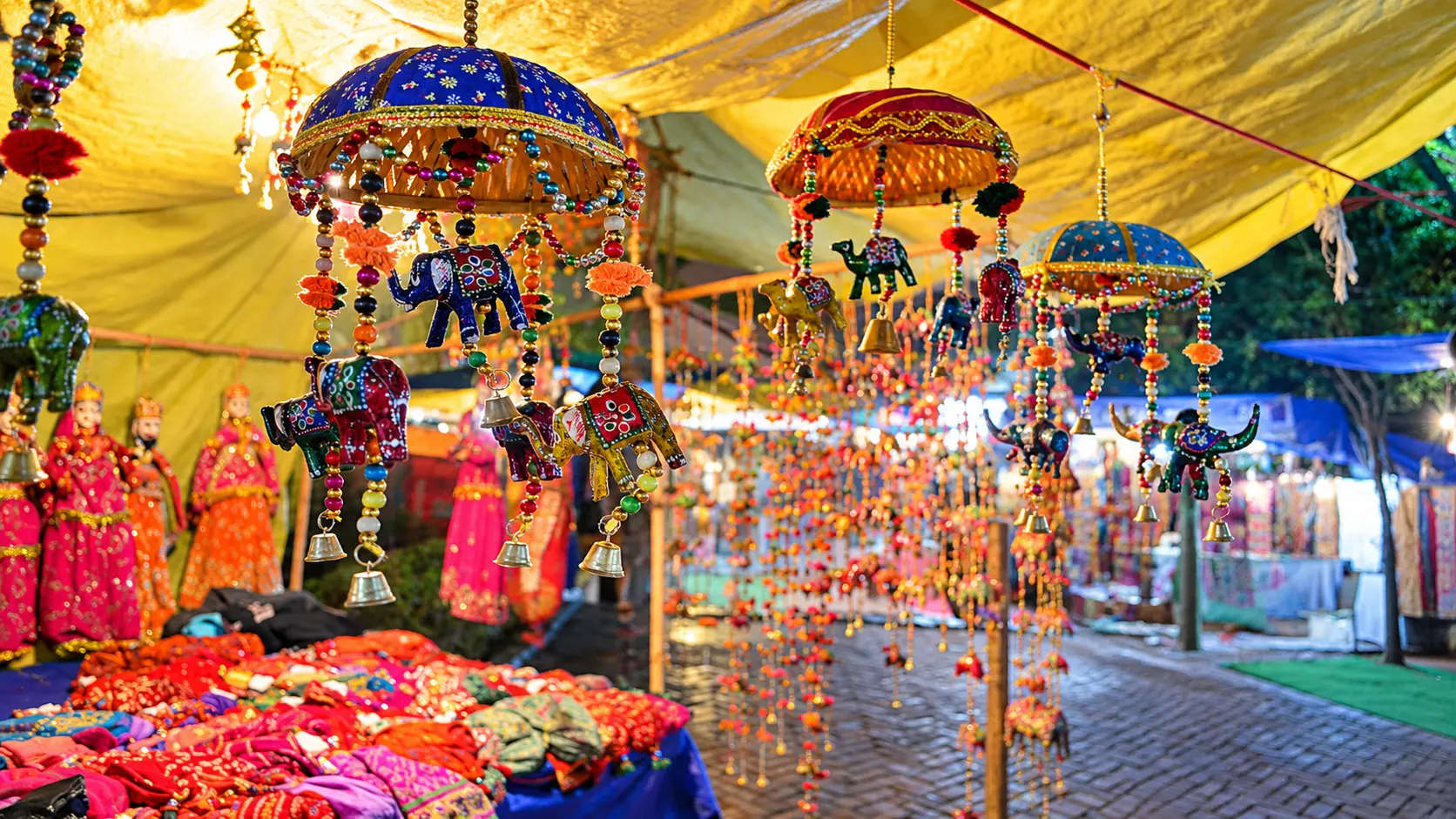
The genius of Dilli Haat lies in its affirmative-action rotational commerce model. Spread across rustic, terracotta-tiled open huts (thadas) and paved brick courtyards, the market's 166 craft stalls are allotted on a strict 15-day rotational cycle to certified master artisans registered with the Office of the Development Commissioner for Handlooms and Handicrafts. Because artisans rotate every fortnight, Dilli Haat is never static; its inventory of treasures transforms continually throughout the year. Visitors strolling down its sun-dappled avenues can purchase authentic, museum-grade arts directly from the hands that shaped them: delicate Pashmina and Jamawar shawls woven on traditional Kashmiri looms, vibrant Madhubani paintings from Bihar, intricate brass Dhokra metal castings from Chhattisgarh and Odisha, hand-block-printed textiles from Bagru and Sanganer, blue pottery from Jaipur, Chanderi and Banarasi silks, and fragrant sandalwood carvings from Karnataka - all at fair, government-regulated prices that eliminate exploitative middlemen.
Yet, for many travelers and Delhiites alike, the ultimate magic of Dilli Haat is its extraordinary pan-Indian culinary landscape. Anchoring the rear courtyards are 25 permanent regional state food kitchens, each run by native cooks preparing regional specialties rarely found under a single roof anywhere else in the world. Here, within a few steps, you can feast on piping-hot steamed Sikkimese and Ladakhi momos accompanied by spicy red pepper chutney, savor rich Kashmiri Wazwan dishes like mutton rogan josh and gushtaba served with fragrant saffron kahwa, indulge in Kolkata-style bhetki fish fry and mustard-infused alur dom from Bengal, bite into golden Rajasthani pyaaz kachoris and dal baati churma, enjoy spicy Naga smoked pork with bamboo shoots, or relish traditional Maharashtrian batata vadas and Kerala appam with rich vegetable stew. Situated directly across from the Dilli Haat - INA metro interchange station, Dilli Haat provides a joyful, accessible, and delicious journey through the cultural soul of India.
What to expect
Spanning six acres of gently terraced land on Sri Aurobindo Marg opposite the historic INA Market in New Delhi…Explore detailsClose details
Spanning six acres of gently terraced land on Sri Aurobindo Marg opposite the historic INA Market in New Delhi, Dilli Haat is designed as a peaceful, pedestrian-only sanctuary. The complex was conceived by acclaimed architect Pradeep Sachdeva, who ingeniously reclaimed a degraded municipal storm-water drain embankment (nala) and transformed it into a charming, sustainable village environment characterized by exposed brick masonry, red Agra stone pathways, flowering bougainvillea vines, and shaded leafy courtyards.
       +-------------------------------------------------------------+
       |             SRI AUROBINDO MARG ENTRANCE GATES               |
       |  (DMRC Dilli Haat - INA Metro Interchange Gates 1 & 5)      |
       +-------------------------------------------------------------+
                                      |
                                      v
  +------------------------------------------------------------------+
  | SECTION 1: ENTRANCE COURTYARD, TICKETING & CRAFT INFORMATION     |
  | - Computerized Ticket Counters & Bag-Screening Security Arches   |
  | - Information Helpdesk & Exhibition Event Noticeboards           |
  | - Central Paved Brick Promenade with Flowering Trees             |
  +------------------------------------------------------------------+
                                      |
                                      v
  +------------------------------------------------------------------+
  | SECTION 2: THE ROTATIONAL ARTISAN CRAFT BAZAAR                   |
  | [166 Open-Air Brick & Terracotta-Tiled Craft Stalls]             |
  |                                                                  |
  |  +------------------------+          +------------------------+  |
  |  | Northern Craft Wing    |<-------->| Southern Craft Wing    |  |
  |  | - Handloom Silks       |          | - Brass & Metalware    |  |
  |  | - Kashmiri Pashminas   |          | - Terracotta Pottery   |  |
  |  | - Kantha & Phulkari    |          | - Wood & Cane Furniture|  |
  |  +------------------------+          +------------------------+  |
  |              |                                    |              |
  |              +-------------------+----------------+              |
  |                                  |                               |
  |                                  v                               |
  |                  [The Central Cultural Plaza]                    |
  |                  - Sunken Open-Air Amphitheater                  |
  |                  - Live Folk Music, Puppetry & Dance             |
  +------------------------------------------------------------------+
                                      |
                                      v
  +------------------------------------------------------------------+
  | SECTION 3: THE PAN-INDIAN STATE FOOD PAVILIONS                   |
  | [25 Permanent Regional State Culinary Stalls]                    |
  | - Sikkim / Ladakh / Tibet (Momos, Thukpa, Fruit Beer)            |
  | - Kashmir (Wazwan, Rogan Josh, Rista, Gushtaba, Kahwa)           |
  | - West Bengal (Fish Fry, Luchi Alur Dom, Sandesh)                |
  | - Rajasthan (Dal Baati Churma, Pyaaz Kachori, Gatte)             |
  | - Maharashtra / Gujarat (Pao Bhaji, Vada Pav, Dhokla)            |
  | - Kerala / Tamil Nadu (Appam Stew, Dosas, Malabar Parotta)       |
  | - Nagaland / Assam / Manipur (Smoked Pork, Bamboo Shoot Curry)   |
  | - Odisha / Bihar / Punjab (Litti Chokha, Makki Di Roti, Chhena)  |
  +------------------------------------------------------------------+
The Architectural Framework: Sustainable Vernacular Design
Pradeep Sachdeva’s spatial design intentionally rejects Western-style commercial mall aesthetics, drawing instead from the age-old tradition of the North Indian weekly village market (haat). The buildings utilize low-slung, unplastered red brick facades, wooden lintels, stone-paved courtyards, and sloping terracotta roof tiles.
The walkways follow organic, curving paths shaded by mature trees - including neem, gulmohar, amaltas (golden shower), and jacaranda - interspersed with outdoor stone benches and shaded bamboo pergolas. Raised stone platforms (thadas) front each stall, allowing craftspeople to spread out carpets and work on their looms, pottery wheels, or embroidery hoops in full view of passersby. The entire complex is fully wheelchair-accessible, featuring gentle stone ramps and level thresholds that make it welcoming to travelers of all physical mobilities.
The Artisan Stalls: A Rotating Pan-Indian Showcase
The 166 craft stalls represent an unparalleled living archive of Indian material culture. Because stalls are allotted by the Ministry of Textiles on a non-renewable, 15-day rotational basis to artisans selected through a national roster, every visit introduces new artists and specialized craft disciplines:
- Textiles and Handlooms: Browse handwoven Chanderi and Maheshwari cotton-silks from Madhya Pradesh, vibrant Phulkari embroidered dupattas from Punjab, intricate Kantha-stitch quilts from Bengal, Kutch mirror-work jackets from Gujarat, Sambalpuri and Ikat sarees from Odisha, and hand-embroidered Kashmiri Pashmina shawls.
- Metalware and Bell Metal: Discover ancient lost-wax casting (cire perdue) Dhokra sculptures from the tribal artisans of Bastar (Chhattisgarh) and Mayurbhanj (Odisha), Moradabad brassware, and Bidri silver-inlaid black metalwork from Karnataka.
- Paintings and Folk Art: Master painters display authentic traditional scrolls: Madhubani art from Bihar drawn with natural twig brushes and vegetable dyes, intricate Pattachitra scrolls from Raghurajpur in Odisha, Warli tribal art from Maharashtra, and Rajasthani miniature paintings on handmade rag paper.
- Wood, Cane, and Stone Craft: Intricately carved walnut wood boxes from Kashmir, aromatic sandalwood figurines from Mysore, cane and bamboo baskets from Assam and Tripura, and soft-stone filigree lamps from Agra.
- Pottery, Ceramics, and Leather: Traditional terracotta terracotta vessels from Gorakhpur, vibrant glazed blue pottery from Jaipur, and handcrafted leather Mojari and Jutti footwear from Rajasthan and Punjab.
+---------------------------------------------------------------------------------------------------+
|                        REGIONAL CRAFT DISCIPLINES REPRESENTED AT DILLI HAAT                       |
+------------------------------+--------------------+---------------------+-------------------------+
| Craft Genre                  | Origin State       | Base Material       | Typical Products        |
+------------------------------+--------------------+---------------------+-------------------------+
| Pashmina & Jamawar Weaving   | Jammu & Kashmir    | Fine Cashmere Wool  | Shawls, stoles, carpets |
| Madhubani Painting           | Bihar              | Handmade Paper/Dyes | Folk art scrolls, dupatt|
| Dhokra Metal Casting         | Chhattisgarh/Odisha| Brass / Bell Metal  | Tribal figurines, lamps |
| Chanderi & Maheshwari Weaves | Madhya Pradesh     | Cotton & Silk Yarn  | Sarees, dress materials |
| Blue Pottery                 | Rajasthan (Jaipur) | Quartz & Fuller Clay| Vases, plates, coasters |
| Phulkari Embroidery          | Punjab             | Silk Floss Thread   | Dupattas, stoles, suits |
| Walnut Wood Carving          | Jammu & Kashmir    | Seasoned Walnut Wood| Boxes, screens, trays   |
| Cane & Bamboo Crafts         | Assam & Tripura    | Natural Reed/Bamboo | Baskets, lampshades     |
| Pattachitra Painting         | Odisha             | Palm Leaf & Cloth   | Epic mythological art   |
| Mojari & Jutti Footwear      | Rajasthan & Punjab | Camel/Buffalo Leather| Embroidered slip-ons    |
+------------------------------+--------------------+---------------------+-------------------------+
The Culinary Kingdom: 25 State Food Pavilions
The 25 state food stalls located at the southern end of the market are widely regarded as one of Delhi's greatest culinary treasures. Each stall is staffed by cooks from the respective state, ensuring authentic regional cooking techniques, authentic spice balances, and regional hospitality:
- The Himalayan North (Sikkim, Ladakh & Kashmir):
- Momo Magic: The Sikkim Food Stall (Momo Mia) is arguably the most famous eatery in Dilli Haat, renowned for serving steaming bamboo baskets of delicate chicken, pork, and vegetable momos, hearty bowls of thukpa noodle soup, and refreshing non-alcoholic fruit beer.
- Kashmiri Wazwan: The Kashmir Food Stall offers a complete miniature banquet, including fork-tender mutton rogan josh simmered in Kashmiri red chillies and cockscomb flower, tender meatballs in yogurt gravy (rista and gushtaba), crispy fried mutton ribs (tabak maaz), and fragrant saffron-infused kahwa tea garnished with crushed almonds.
- The East (West Bengal, Odisha & Bihar):
- Bengal Delights: The West Bengal Stall (Bijoli Grill) is celebrated for its crispy golden bhetki fish fry served with sharp mustard paste (kasundi), fluffy luchis with alur dom, kosha mangsho (slow-cooked mutton curry), and freshly prepared rasgullas.
- Bihar & Odisha: Sample authentic Bihari litti chokha - spiced roasted gram flour (sattu) stuffed in whole-wheat balls, roasted over coals and dipped in melted desi ghee, accompanied by smoked eggplant and potato mash - alongside sweet Odia chhena poda (baked cottage cheese cake).
- The West (Maharashtra, Gujarat & Rajasthan):
- Maharashtra: Savor authentic Mumbai street food: buttery pao bhaji, crispy batata vadas, sabudana vada, and sweet puran poli.
- Rajasthan: Feast upon rich dal baati churma - baked wheat dumplings crushed with lentils, pure ghee, and sweetened jaggery crumble - accompanied by fiery garlic chutney, gatte ki sabzi, and crisp pyaaz kachoris.
- The South (Kerala, Tamil Nadu & Andhra Pradesh):
- Kerala: Enjoy delicate, lacy fermented rice pancakes (appams) paired with aromatic coconut milk vegetable or mutton stew, Malabar parotta with spicy chicken roast, crispy fried banana chips, and strong South Indian filter coffee.
- The Northeast (Nagaland, Assam & Manipur):
- Naga Flavors: The Nagaland Stall serves adventurous foodies authentic tribal cuisine: smoked pork with fermented bamboo shoots, fiery Raja Mircha (Bhut Jolokia) chili dips, sticky rice, and boiled greens.
Best time to visit
October to November (Autumn / Pre-Winter Festivals): An exceptional time to visit Dilli Haat.Explore detailsClose details
Seasonal Guidelines
- October to November (Autumn / Pre-Winter Festivals): An exceptional time to visit Dilli Haat. Days are mild and sunny (22°C to 28°C), evenings are pleasantly cool, and the open-air courtyards are decorated for major handicraft expos leading up to Diwali. The craft stalls overflow with festive clay diyas, brass lamps, and new winter handlooms.
- December to February (Winter - Optimal Visiting Window): Widely recognized as the absolute finest season for Dilli Haat. Crisp, cool winter sunshine (12°C to 22°C) makes strolling through the open-air market a pure delight. Outdoor dining at the food stalls is at its peak, with steaming plates of momos, hot samosas, sizzling kebabs, and hot saffron kahwa tea enjoyed around sunlit stone tables. Cultural folk dances and craft melas occur almost every weekend.
- March (Early Spring): A lovely transitional month with mild daytime temperatures (20°C to 28°C) before the arrival of summer heat.
- April to June (Summer - Evening Visits Recommended): Scorching summer heat routinely pushes daytime temperatures above 40°C to 44°C. Because Dilli Haat is an open-air outdoor venue, visiting during midday is exhausting and uncomfortable. However, because the market operates until 10:00 PM, summer evenings (from 07:00 PM to 10:00 PM) are lively, breezy, and pleasant, with cooling fruit beers, kulfi, and iced drinks providing refreshment under illuminated trees.
- July to September (Monsoon): Frequent monsoon downpours wash the brick courtyards and flowering trees clean. The open-air thatched huts have protective tarpaulin awnings, and dining under covered pergolas while listening to the rain is a beloved local pastime.
+---------------------------------------------------------------------------------------------------+
|                           SEASONAL CLIMATE & DINING PHENOLOGY AT DILLI HAAT                       |
+-------------------+--------------------+----------------------------------+-----------------------+
| Season            | Months             | Climate & Walking Conditions     | Highlights & Dining   |
+-------------------+--------------------+----------------------------------+-----------------------+
| Autumn Season     | October - November | Pleasant, dry (18°C - 30°C);     | Diwali craft fairs;   |
|                   |                    | crisp evenings, festive crowds   | brass lamps, pashminas|
+-------------------+--------------------+----------------------------------+-----------------------+
| Peak Winter       | December - January | Crisp, sunny (10°C - 20°C);      | Outdoor sunlit dining;|
|                   |                    | ideal for full-day excursions    | hot momos, wazwan tea |
+-------------------+--------------------+----------------------------------+-----------------------+
| Spring Season     | February - March   | Warm, pleasant (16°C - 28°C);    | State craft melas;    |
|                   |                    | comfortable afternoon strolling  | silk sarees, pottery  |
+-------------------+--------------------+----------------------------------+-----------------------+
| Summer Evenings   | April - June       | Scorching day (30°C - 44°C);     | Evening visits only;  |
|                   |                    | cool & breezy after sundown      | fruit beers, kulfis   |
+-------------------+--------------------+----------------------------------+-----------------------+
| Monsoon Season    | July - September   | Humid, rain showers (26°C - 35°C)| Chai, pakoras, momos; |
|                   |                    | lush green courtyards, rain drops| romantic rainy dining |
+-------------------+--------------------+----------------------------------+-----------------------+
How to reach
Positioned along Sri Aurobindo Marg in the New Delhi revenue district, Dilli Haat INA is one of the most…Explore detailsClose details
Positioned along Sri Aurobindo Marg in the New Delhi revenue district, Dilli Haat INA is one of the most accessible cultural landmarks in the National Capital Region.
       +-------------------------------------------------------------+
       |             REGIONAL ACCESS & TRANSPORT MATRIX              |
       +-------------------------------------------------------------+
                                      |
         +----------------------------+---------------------------+
         |                                                        |
         v                                                        v
  [METRO TRANSIT]                                          [ROADWAY ACCESS]
  - Dilli Haat - INA Station:                              - Sri Aurobindo Marg:
    Yellow Line (Line 2) & Pink Line (Line 7)                Direct north-south arterial link
    interchange; Gates 1 & 5 exit within 100 m.              connecting Connaught Place to South Delhi.
  - Direct Connections:                                    - Ring Road (Mahatma Gandhi Marg):
    Yellow Line -> Gurgaon, NDLS, Connaught Place. Major intersection at AIIMS flyover
    Pink Line -> Sarai Kale Khan, Nizamuddin, Lajpat Nagar.  situated 500 m north of Dilli Haat.
                                      |
         +----------------------------+---------------------------+
         |                                                        |
         v                                                        v
  [RAILWAY TERMINALS]                                      [AIRPORT CONNECTIONS]
  - New Delhi Railway Station (NDLS): 8 km                 - Indira Gandhi Int'l Airport (DEL):
    (approx. 15 min direct ride on Yellow Line).             12 km west (~25 min via Rao Tula Ram
  - Hazrat Nizamuddin Station (NZM): 7 km                    Marg and Outer Ring Road).
    (direct Pink Line from Sarai Kale Khan).
By Delhi Metro (Fastest and Highly Recommended)
- Dilli Haat - INA Metro Station (Yellow Line & Pink Line Interchange): The metro station is located directly adjacent to Dilli Haat. Disembarking passengers can exit through Gate 1 or Gate 5, which lead directly to the pedestrian footpath leading to the main ticketing gatehouse within a 1-minute walk.
- Yellow Line (Line 2): Connects directly without transfers to Rajiv Chowk (Connaught Place), New Delhi Railway Station, Chandni Chowk, Kashmere Gate, and Millennium City Centre Gurugram.
- Pink Line (Line 7): Connects directly to Hazrat Nizamuddin Railway Station (Sarai Kale Khan), Lajpat Nagar, South Campus, and East Delhi.
By Road and Personal Vehicles
- From Central Delhi / India Gate: Travel south along Janpath or Prithviraj Road onto Sri Aurobindo Marg, proceeding past Safdarjung Tomb and the AIIMS flyover. Dilli Haat is located immediately on your right. Driving time from Connaught Place is approximately 15 to 20 minutes in off-peak hours.
- From South Delhi / Saket: Travel north along Sri Aurobindo Marg past Hauz Khas and Green Park; Dilli Haat sits on your left just past Laxmibai Nagar.
- Vehicular Drop-off and Parking: Taxis and auto-rickshaws can pull directly into the curbside drop-off bay outside Gate 1. For private vehicle parking, utilization of the INA Metro Multi-Level Car Parking facility or the surface parking lots opposite INA Market across the roadway is recommended.
By Rail and Air
- New Delhi Railway Station (NDLS): Positioned 8 kilometers north. Board the underground Yellow Line Metro at New Delhi Station and travel six stops south to Dilli Haat - INA (approx. 15 minutes of travel).
- Hazrat Nizamuddin Railway Station (NZM): Located roughly 7 kilometers east. Board the Pink Line Metro at Hazrat Nizamuddin Station (Sarai Kale Khan) and travel just four stops directly to Dilli Haat - INA in less than 12 minutes.
- Indira Gandhi International Airport (DEL): Located 12 kilometers west. A pre-paid taxi or app-based cab (Uber/Ola) takes approximately 25 to 30 minutes via Rao Tula Ram Marg and the Ring Road.
Entry, timings and permissions
Fees, visiting hours and entry rules may change.Explore detailsClose details
Fees, visiting hours and entry rules may change. Confirm the latest details with the official operator or local authority before travelling.
Visiting Hours and Schedule
- Daily Operating Schedule: Open 365 days a year, Monday through Sunday.
- Market Hours: 10:30 AM to 10:00 PM daily.
- Food Court Hours: Food stalls operate from 11:00 AM until 10:00 PM continuously.
- Public Holidays: Open on all national holidays (26 January, 15 August, 2 October), Diwali, Eid, Christmas, and New Year's Day.
Tariff Structure
Category / Service | Tariff Rate (INR) | Remarks / Applicable Terms |
|---|---|---|
Indian Citizens (Adults) | ₹30 per person | General admission ticket |
Indian Children (Up to 12 Years) | ₹20 per child | Reduced child tariff |
Foreign National Tourists | ₹100 per person | General admission ticket |
Handheld Mobile Still Photography | Free (₹0) | Personal non-commercial use only |
Luggage Cloakroom Storage | ₹20 - ₹30 per bag | Available near Gate 1 security |
Wheelchair Usage Service | Free (₹0) | Available upon request at gate |
Regulations, Photography and Commercial Protocols
- Entry Tickets: All visitors must purchase an entrance ticket from the computerized ticketing counters at Gate 1 or Gate 2. Physical paper tickets or digital QR codes on smartphones are scanned at turnstiles. Tickets are valid for single-day entry only.
- Photography Guidelines: Personal, handheld mobile phone photography and casual camera usage are permitted throughout the courtyards, craft stalls, and food courts free of charge. Visitors should ask polite permission before taking close-up portraits of individual artisans.
- Commercial Filming Permissions: Commercial photo shoots, fashion shoots, television advertisements, music videos, and film productions require formal advance written approval, script vetting, and statutory commercial licensing fees approved by the Chief General Manager, DTTDC (Delhi Tourism Headquarters, DTTDC Office, F-Block, Connaught Place, New Delhi).
- Strict Drone Ban: The operation of unmanned aerial vehicles (UAVs / drones) is strictly illegal across Dilli Haat and surrounding New Delhi airspace under central government defense and Delhi Police aviation regulations.
- Prohibited Conduct: Smoking, consuming alcohol, chewing tobacco, bringing outside cooked food into dining zones, and damaging landscaping are strictly prohibited on the premises.
Nearby places to consider
Located approximately 1.5 kilometers north along Sri Aurobindo Marg, this magnificent 1754 CE garden tomb was…Explore detailsClose details
Safdarjung Tomb
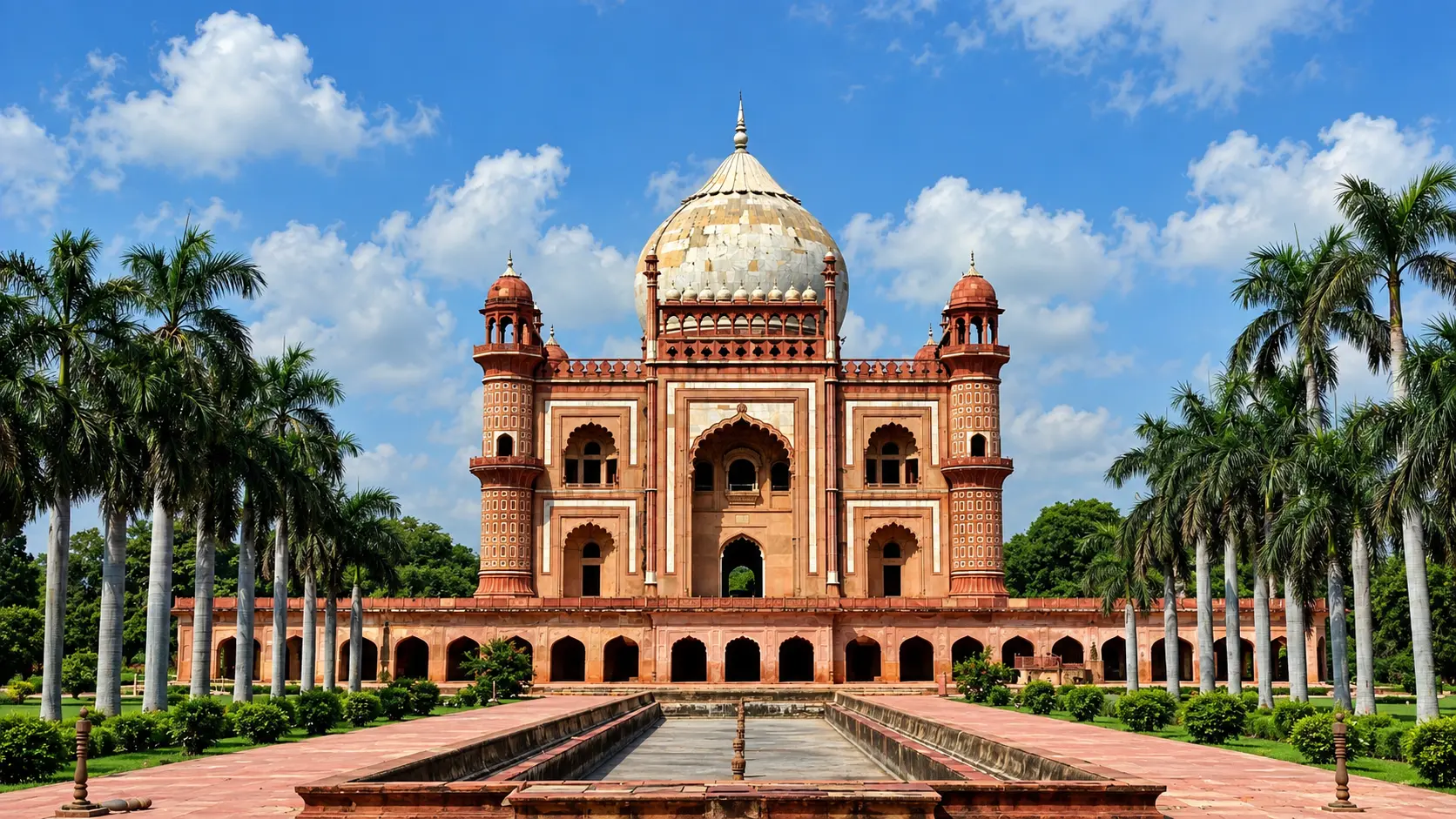
Located approximately 1.5 kilometers north along Sri Aurobindo Marg, this magnificent 1754 CE garden tomb was built for the powerful statesman Nawab Safdarjung, Prime Minister of the Mughal Empire. It stands as the last monumental garden-tomb of the late Mughal architectural era, featuring a high plinth, soaring central dome, and tranquil charbagh gardens.
Lodhi Gardens
Situated roughly 2.5 kilometers northeast, this 90-acre heritage park contains majestic 15th-century mausoleums and mosques built by the Sayyid and Lodhi dynasties, including the tombs of Sikandar Lodhi and Muhammad Shah, surrounded by manicured walking paths and ancient trees.
Hauz Khas Village and Deer Park
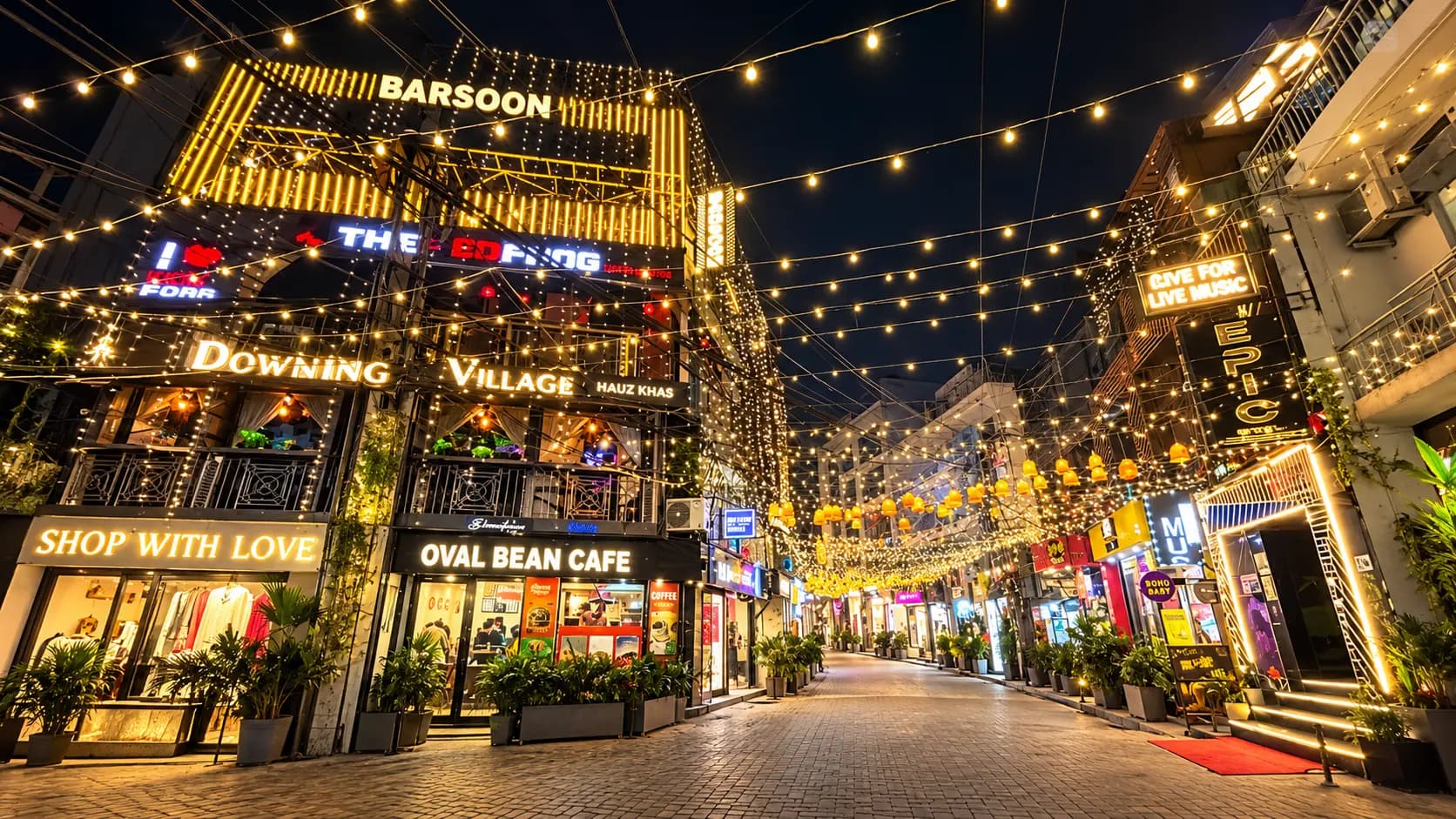
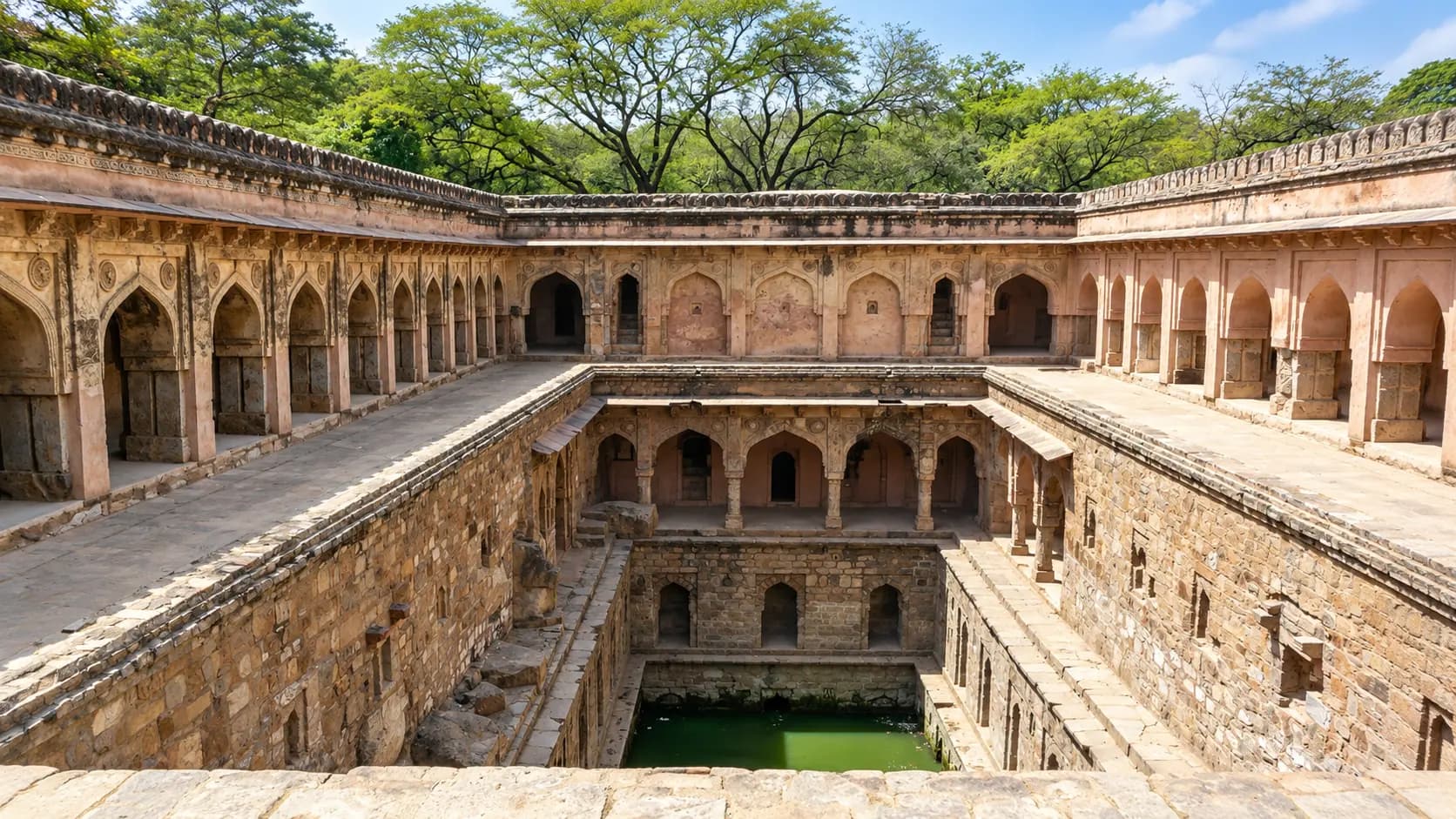
Located approximately 3.0 kilometers south via Sri Aurobindo Marg, this vibrant historic enclave features a 13th-century water reservoir built by Sultan Alauddin Khilji, a 14th-century madrasa and tomb built by Feroz Shah Tughlaq, a sprawling deer and peacock park, and a trendy bohemian neighborhood packed with designer boutiques and rooftop cafes.
INA Market (The Food and Spice Bazaar)
Located directly across Sri Aurobindo Marg (accessible via a safe pedestrian underpass or metro concourse), INA Market is Delhi's premier municipal food bazaar, famous for fresh seafood, exotic imported cheeses and chocolates, fresh herbs, and specialty regional cooking ingredients.
In pictures
The practical bits
Before you go.
Footwear and Outdoor Walking
Dilli Haat spans six acres of paved red sandstone, brick walkways, and stone courtyards; wear comfortable…Explore detailsClose details
Dilli Haat spans six acres of paved red sandstone, brick walkways, and stone courtyards; wear comfortable, durable walking shoes suitable for outdoor cobblestones, as a thorough exploration typically involves 2 to 3 kilometers of leisurely walking between craft stalls and food courts.
Metro Transit and Station Ingress
The most effortless way to reach Dilli Haat is via the Delhi Metro Yellow Line or Pink Line to Dilli Haat - INA…Explore detailsClose details
The most effortless way to reach Dilli Haat is via the Delhi Metro Yellow Line or Pink Line to Dilli Haat - INA Metro Station; exit through Gate 1 or Gate 5 to emerge within 100 meters of the market's main ticketing booths, bypassing Sri Aurobindo Marg roadway traffic.
Artisan Negotiation and Payment Methods
Confirm the current charge and what it includes with the operator or service provider.Explore detailsClose details
Confirm the current charge and what it includes with the operator or service provider. Visitor admission, vehicles, parking, activities and accommodation can have separate charges.
Food Court Dining Strategy
To make the most of the 25 regional state food kitchens, explore with family or friends and order small, diverse…Explore detailsClose details
To make the most of the 25 regional state food kitchens, explore with family or friends and order small, diverse sample dishes from different stalls to share - such as momos from Sikkim, fish fry from Bengal, and kebabs from Kashmir - rather than committing to a single full meal at one counter.
A few things you might wonder
Common questions about visiting Dilli Haat. Fees, visiting hours and ceremonies are researched details that may change; confirm current arrangements with the operator before travelling.
What is Dilli Haat INA, and how does the rotational craft stall system work?
How much is the entry ticket for Dilli Haat, and what are the opening hours?
Which metro station is closest to Dilli Haat INA, and which gate should I exit?
What kind of food is available at Dilli Haat, and which state stalls are most famous?
Can you bargain with artisans at Dilli Haat?
Is Dilli Haat wheelchair-accessible, and are facilities suitable for elderly visitors?
Explore more in South Delhi
Discover other destinations around this hub
Planning a trip to South Delhi?