Thotlakonda Buddhist Complex
Explore the 2,000-year-old Thotlakonda Buddhist Complex overlooking the sea near Visakhapatnam. Complete guide to Maha Stupa, rock cisterns, history, and timings.
Location
Visakhapatnam, Andhra Pradesh
A closer look
Your visit, at a glance.
Visakhapatnam, Andhra Pradesh
GET TO KNOW THE PLACE
Rising 128 metres above the turquoise waters of the Bay of Bengal along the scenic Visakhapatnam - Bheemunipatnam (Bheemili) coastal highway, the Thotlakonda Buddhist Complex…
The story of Thotlakonda Buddhist Complex
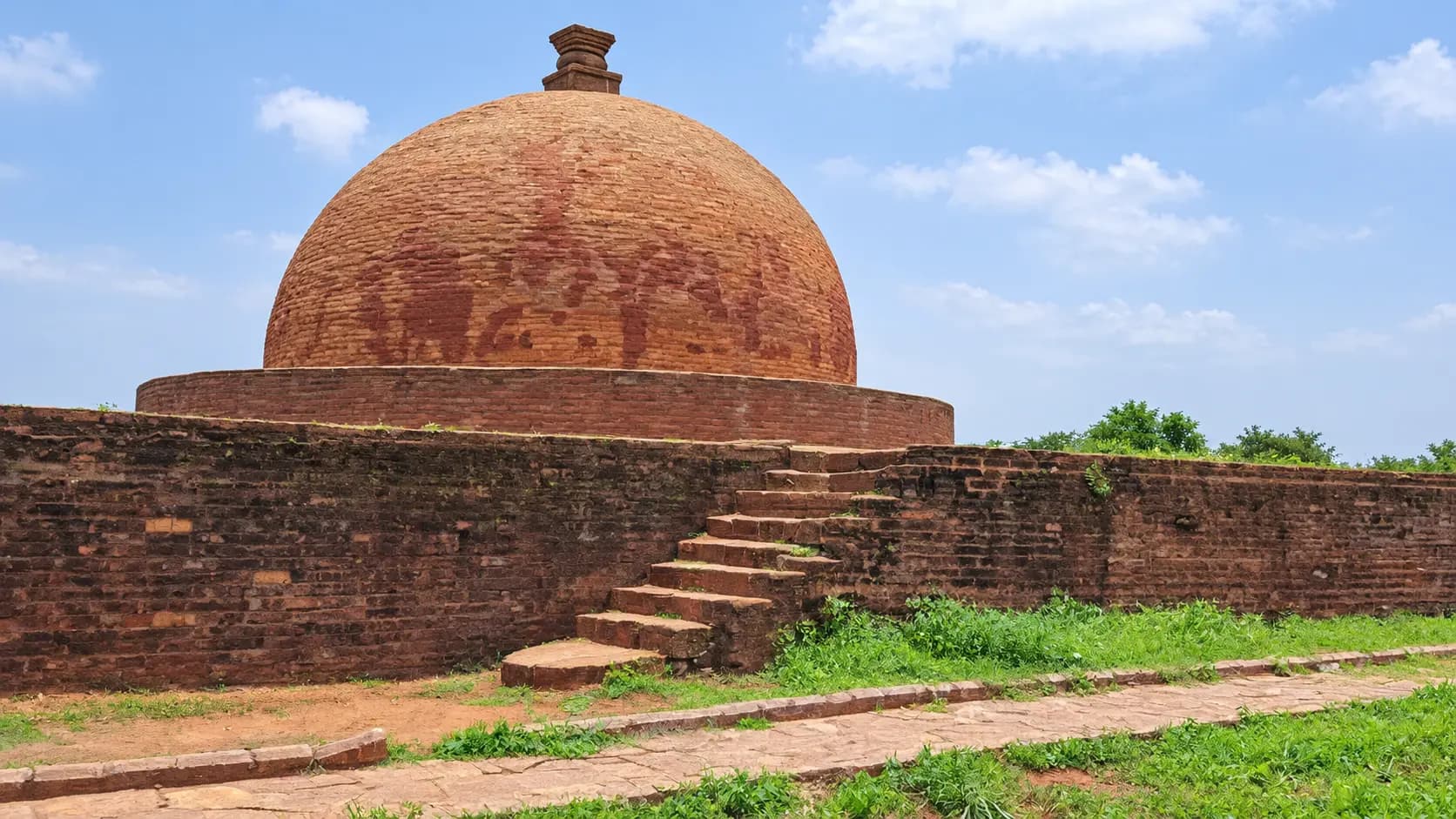
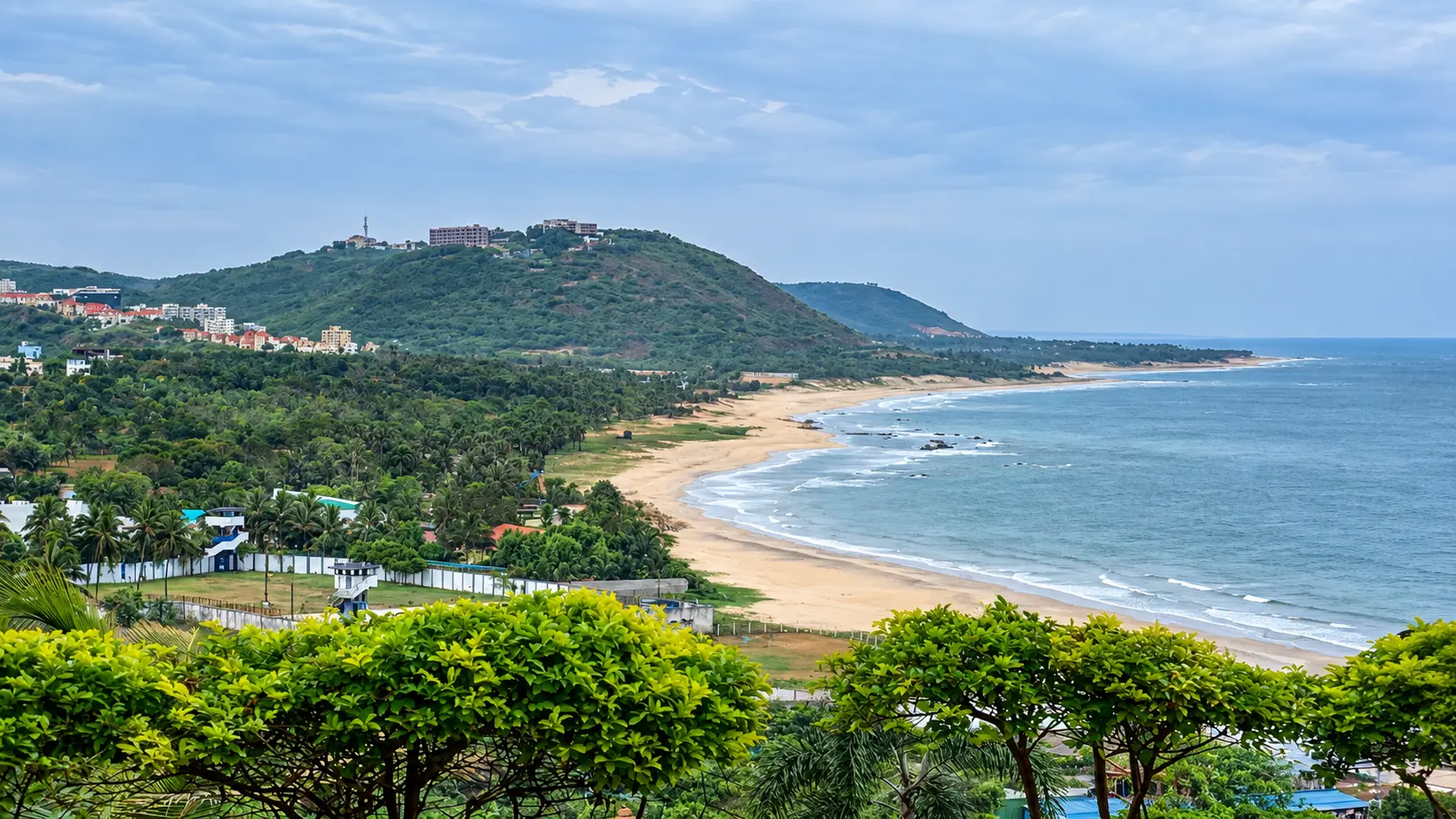
Rising 128 metres above the turquoise waters of the Bay of Bengal along the scenic Visakhapatnam - Bheemunipatnam (Bheemili) coastal highway, the Thotlakonda Buddhist Complex stands as one of India's most extraordinary maritime archaeological landmarks. Located near Mangamaripeta village in Visakhapatnam District, Andhra Pradesh, roughly 15 kilometres northeast of central Visakhapatnam and 5 kilometres north of Rushikonda Beach, this sweeping hilltop monastic city flourished between the 2nd century BCE and the 2nd century CE. For more than four centuries during the golden age of the Satavahana and Ikshvaku dynasties, Thotlakonda served as a premier centre of Hinayana (Theravada) Buddhist learning, spiritual contemplation, and maritime pilgrimage.
What makes Thotlakonda exceptional among South Asian archaeological sites is its dramatic integration of sacred architecture with coastal maritime topography. Long before modern navigational lighthouses guided vessels along the Coromandel coast, the gleaming whitewashed Maha Stupa atop Thotlakonda served as a daytime beacon for ancient merchant ships plying maritime trade routes across the Indian Ocean - connecting the ancient ports of Kalingapatnam, Bheemunipatnam, and Arikamedu with Sri Lanka, Southeast Asia (Suvarnabhumi), and the Mediterranean markets of the Roman Empire. Forgotten for nearly two millennia beneath dense thorn scrub, rediscovered from the sky by the Indian Navy in 1976, and systematically excavated by the Andhra Pradesh Department of Archaeology and Museums, Thotlakonda today offers visitors a profound encounter with ancient philosophy, sophisticated water engineering, and panoramic ocean vistas.
Start here. Open a tile for the full details.
Why goRead details
- A 2,000-Year-Old Coastal Monastic City: Walk among the exceptionally well-preserved foundations, stupas, prayer halls, and living quarters of an authentic Satavahana-era Buddhist university dating to the 2nd century BCE.
- The Monumental Maha Stupa: Stand before the central brick-and-stone stupa, complete with its sacred circumambulatory path (pradakshina patha) where resident monks and seafaring merchants once walked in silent devotion.
- Ingenious Rock-Cut Water Cisterns (Thotlas): Marvel at the ancient rainwater-harvesting reservoirs hewn directly into solid granite bedrock, which provided fresh drinking water on an arid coastal hilltop and gave the site its Telugu name.
- Evidence of Ancient Global Trade: Learn how excavations unearthed Roman silver denarii of Augustus and Tiberius alongside Satavahana lead coinage, confirming Thotlakonda's pivotal role in trans-oceanic spice and silk commerce.
- Breathtaking 360-Degree Coastal Panoramas: Enjoy unhindered panoramic views of the crashing Bay of Bengal surf, golden sands of Mangamaripeta, lush green spurs of the Eastern Ghats, and the distant headland of Bheemili.
- On-Site Archaeological Interpretation Centre: Inspect authentic excavated relics, including 2,000-year-old black-and-red ware pottery, stucco moldings, sculpted Buddha footprints (Buddhapada), and ornamental terracotta roof tiles.
When to visitRead details
Because Thotlakonda occupies an exposed coastal hill summit with virtually no natural tree canopy over the ancient stone ruins, seasonal weather conditions dramatically influence the quality of the visitor experience.
Entry & permissionsRead details
Fees, visiting hours and entry rules may change. Confirm the latest details with the official operator or local authority before travelling.
Ticket Tariffs & Operating Schedule
Thotlakonda is a state-protected monument administered and preserved by the Department of Archaeology and Museums, Government of Andhra Pradesh. The monument remains open to visitors every day of the week, including Sundays and public holidays.
Parameter | Details / Tariff |
|---|---|
Operating Hours | 08:00 AM to 05:00 PM (All 7 days) |
Ticket Counter Closure | 04:30 PM daily |
Adult Entry Ticket (Indians) | ₹10 per person |
Child Entry Ticket (Ages 5-12) | ₹5 per child |
Children Under 5 Years | Free admission |
Two-Wheeler Parking | ₹20 |
Car / SUV Parking | ₹50 |
Still Camera / Smartphone | Free of charge |
Commercial Video Camera | ₹50 |
Professional Drone Flights | Prohibited without written AP State Archaeology Department clearance |
Archaeological Regulations & Visitor Etiquette
Because Thotlakonda preserves fragile 2,000-year-old structures constructed from ancient lime-bonded brickwork and weathered khondalite sandstone, visitors are strictly required to observe established archaeological conservation guidelines:
- Do Not Climb on Ancient Masonry: Walking or standing on the brick drum of the Maha Stupa, votive stupas, or vihara wall foundations is strictly prohibited. Use only the designated stone pathways and wooden viewing boardwalks.
- Strictly No Littering or Plastic Dumping: Thotlakonda is a strictly designated eco-heritage zone. Visitors must carry back all single-use water bottles, food wrappers, and plastic containers. Waste bins are provided at the parking plaza.
- Prohibition of Alcohol and Tobacco: Smoking, consuming alcohol, and chewing betel nut/tobacco are strictly prohibited across the entire protected archaeological precinct.
- Respect for Cultural Heritage: Defacing, scratching names onto ancient stones, or removing even small fragments of terracotta tile or brick is a punishable offense under the Andhra Pradesh Ancient and Historical Monuments and Archaeological Sites and Remains Act.
- Drone and Filming Regulations: Flying unmanned aerial vehicles (drones) over the archaeological complex is strictly prohibited due to its proximity to the coastline, heritage preservation rules, and naval flight corridors. Professional documentary crews must secure prior written permission from the Director of Archaeology and Museums, Vijayawada.
Plan your visitRead details
Thotlakonda is situated on a prominent coastal hill ridge overlooking the Bay of Bengal near Mangamaripeta village in Visakhapatnam District. The site lies directly along the famous Bheemili Beach Road (Visakhapatnam - Bheemunipatnam coastal highway), roughly 15 kilometres northeast of central Visakhapatnam (RTC Complex / Jagadamba Junction), 5 kilometres north of Rushikonda Beach, and 10 kilometres south of the historic colonial port town of Bheemunipatnam.
Coastal Weather and Wind Precautions
Because the monastic ridge is perched 128 metres directly above the sea, strong and gusty maritime winds frequently sweep across the hilltop summit, especially during afternoon hours. Secure your hats, camera straps, and light accessories against sudden wind gusts, and be mindful when standing near the unbarricaded edges of the rock cisterns or perimeter viewing bluffs.
Explore the full guide - choose a topic below.
Why visit?
A 2,000-Year-Old Coastal Monastic City: Walk among the exceptionally well-preserved foundations, stupas, prayer…Explore detailsClose details
- A 2,000-Year-Old Coastal Monastic City: Walk among the exceptionally well-preserved foundations, stupas, prayer halls, and living quarters of an authentic Satavahana-era Buddhist university dating to the 2nd century BCE.
- The Monumental Maha Stupa: Stand before the central brick-and-stone stupa, complete with its sacred circumambulatory path (pradakshina patha) where resident monks and seafaring merchants once walked in silent devotion.
- Ingenious Rock-Cut Water Cisterns (Thotlas): Marvel at the ancient rainwater-harvesting reservoirs hewn directly into solid granite bedrock, which provided fresh drinking water on an arid coastal hilltop and gave the site its Telugu name.
- Evidence of Ancient Global Trade: Learn how excavations unearthed Roman silver denarii of Augustus and Tiberius alongside Satavahana lead coinage, confirming Thotlakonda's pivotal role in trans-oceanic spice and silk commerce.
- Breathtaking 360-Degree Coastal Panoramas: Enjoy unhindered panoramic views of the crashing Bay of Bengal surf, golden sands of Mangamaripeta, lush green spurs of the Eastern Ghats, and the distant headland of Bheemili.
- On-Site Archaeological Interpretation Centre: Inspect authentic excavated relics, including 2,000-year-old black-and-red ware pottery, stucco moldings, sculpted Buddha footprints (Buddhapada), and ornamental terracotta roof tiles.
What to expect
Unlike famous archaeological sites that remained continuously inhabited or documented in local folklore…Explore detailsClose details
The Aerial Discovery & Modern Rediscovery
Unlike famous archaeological sites that remained continuously inhabited or documented in local folklore, Thotlakonda slipped into total obscurity following the gradual decline of Buddhism in coastal Andhra around the 3rd century CE. Over centuries of abandonment, tropical vegetation, thorny acacia scrub, and blowing coastal sands engulfed the stone foundations, concealing the sprawling complex from ground view.
       CHRONOLOGICAL MILESTONES OF THOTLAKONDA
┌──────────────────────────────────────────────────────────┐
│  2nd Century BCE - 2nd Century CE: Golden Era            │
│  Flourishing Hinayana Buddhist university & maritime     │
│  beacon under Satavahana and Ikshvaku dynasties.         │
├──────────────────────────────────────────────────────────┤
│  3rd Century CE: Gradual Abandonment                     │
│  Shift in maritime routes and decline in royal patronage │
│  leads to overgrowth and centuries of obscurity.         │
├──────────────────────────────────────────────────────────┤
│  1976: Aerial Discovery by the Indian Navy               │
│  Helicopter reconnaissance flight spots geometric stone │
│  and brick outlines on the flat coastal hill ridge.      │
├──────────────────────────────────────────────────────────┤
│  1988 - 1993: Major Scientific Excavation                │
│  AP State Archaeology Department systematically unearths │
│  the Maha Stupa, viharas, cisterns, and artifacts.       │
├──────────────────────────────────────────────────────────┤
│  Present Day: Protected Monument & Open-Air Museum       │
│  Maintained by AP Archaeology Department with an on-site │
│  interpretation centre, walkways, and visitor gazebos.   │
└──────────────────────────────────────────────────────────┘
The site's dramatic return to history occurred in 1976, when pilots of the Indian Navy conducting routine helicopter reconnaissance flights along the coastline observed distinct geometric patterns, concentric circular alignments, and rectangular masonry foundations emerging through the hilltop vegetation. Recognizing the structural significance of these aerial formations, the naval authorities alerted the Department of Archaeology and Museums of Andhra Pradesh.
Between 1988 and 1993, a dedicated team of state archaeologists conducted comprehensive scientific excavations across the 120-acre hilltop plateau. Layer by layer, the archaeologists unearthed one of the most complete and architecturally intact Buddhist monastic settlements ever found along India's eastern seaboard.
Epigraphical Identity: The Ancient Hill of Senagiri
During excavations, epigraphists discovered fragmented stone inscriptions written in the ancient Brahmi script, dating to the 1st and 2nd centuries CE. These epigraphs revealed that the monastic community did not refer to their sanctuary as Thotlakonda. Instead, the ancient name of this sacred hill was Senagiri (or Sailagiri), translating to "The Hill of the Army" or "The Hill of Sages."
The inscriptions record pious donations made by merchant guilds (nigamas), royal officers, and lay followers (upasakas) from inland administrative capitals such as Dhanyakataka (near Amaravati) and distant trading ports. These endowments funded the construction of votive stupas, the carving of water tanks, and the daily subsistence (bhiksha) of resident monks, confirming that Thotlakonda operated as an autonomous religious, philosophical, and medical institution that provided sanctuary and moral guidance to maritime travelers before hazardous oceanic voyages.
Architectural Typology & Spatial Layout
The Thotlakonda monastic complex was masterfully planned across the flat, wind-swept summit of the hill. Following the principles of early Hinayana (Theravada) Buddhism, the architecture emphasizes austere geometric forms, open communal courtyards, and symbolic stupa reverence rather than ornate anthropomorphic deity worship.
       SCHEMATIC LAYOUT OF THOTLAKONDA MONASTERY
                          [North]
                             ▲
                             │
            ┌────────────────┴────────────────┐
            │       ROCK-CUT CISTERNS         │
            │          ("Thotlas")            │
            └────────────────┬────────────────┘
                             │
       ┌───────────────┐     │     ┌───────────────────┐
       │ MONASTIC CELL │     │     │ MONASTIC CELL     │
       │   VIHARA 1    │◄────┼────►│   VIHARA 2        │
       │ (Quadrangle)  │     │     │ (Monk Residences) │
       └───────────────┘     │     └───────────────────┘
                             │
            ┌────────────────┼────────────────┐
            │        COMMUNAL REFECTORY       │
            │        (Bhojana Sala)           │
            └────────────────┬────────────────┘
                             │
       ┌───────────────┐     │     ┌───────────────────┐
       │   CIRCULAR    │     │     │      APSIDAL      │
       │  CHAITYAGRIHA │◄────┼────►│    CHAITYAGRIHA   │
       │ (Stupa Shrine)│     │     │   (Prayer Hall)   │
       └───────────────┘     │     └───────────────────┘
                             │
            ┌────────────────┴────────────────┐
            │            MAHA STUPA           │
            │   (Central Dome & Pradakshina)  │
            └────────────────┬────────────────┘
                             │
                             ▼
                    [South / Ocean View]
               Entrance, Museum & Parking Plaza
The complex comprises several clearly defined functional zones:
- The Maha Stupa (Great Relic Stupa): The spiritual core of the entire sanctuary, positioned at a prominent vantage point overlooking the sea. Constructed of finely fired ancient burnt bricks laid in concentric courses, the stupa rests on a raised circular drum surrounded by an expansive paved circumambulatory path (pradakshina patha). Devotees walked clockwise around this sacred drum during morning and evening meditations. A stone railing originally encircled the stupa, crowned by a multi-tiered umbrella shaft (chhatravati) symbolizing universal spiritual sovereignty.
- Votive and Commemorative Stupas: Clustered around the perimeter of the Maha Stupa are numerous smaller stupas constructed from brick and dressed khondalite stone. These were erected by resident monks to honor revered teachers (acharyas) or by visiting merchants fulfilling vows for safe return from perilous seafaring voyages across the Bay of Bengal.
- Chaityagrihas (Sacred Prayer Halls): The complex features both circular and apsidal chaityas. The apsidal prayer hall features a semicircular rounded rear end enclosing a miniature stone stupa, flanked by parallel rows of pillar bases that once supported timber and terracotta-tiled barrel roofs. Monks gathered here for collective chanting, recitation of the Patimokkha monastic rules, and meditative focus.
- Viharas (Residential Monasteries): Two expansive residential quadrangles consist of rows of individual rectangular cells (parivenas) arranged around central open courtyards. Each cell, measuring approximately 2.5 by 2 metres, featured a raised stone sleeping bench, a niche for oil lamps, and a single wooden-framed doorway. Excavations suggest the viharas could accommodate between 80 and 120 resident monks, novices, and visiting Buddhist scholars.
- Bhojana Sala (Communal Refectory) & Kitchen Complex: North of the viharas lies a massive dining hall equipped with long, dressed-stone preparation benches, stone mortar depressions, and an intricate drainage system of stone-lined channels that carried wastewater away from the living quarters. Adjacent storage chambers (koshthagara) held grains, pulses, and offerings brought up from coastal farming villages.
- The Rock-Cut Cisterns (Thotlas): Perhaps the most fascinating engineering marvel on the hill is the network of rainwater cisterns carved directly into the hard khondalite bedrock. Because the coastal hill rises 128 metres above sea level with no natural freshwater springs or groundwater aquifers, the monks engineered sophisticated rain-catchment troughs, silt-settling basins, and deep reservoirs that captured monsoon precipitation. These tanks provided a clean, perennial freshwater supply throughout the arid summer months.
Maritime Commerce: Satavahana Coinage & Roman Silver
The excavation of Thotlakonda yielded profound archaeological evidence illuminating the globalized economy of ancient Andhra:
- Satavahana Lead and Potin Coinage: Coins bearing the royal insignia of the Satavahana dynasty, including the famous ship-motif coins with double masts, were recovered across the site. These coins demonstrate that the monastic university was actively supported by coastal maritime commerce and royal patronage.
- Roman Imperial Silver Denarii: Archaeologists unearthed genuine silver Roman coins bearing the portraits of Emperor Augustus (27 BCE - 14 CE) and Emperor Tiberius (14 - 37 CE). These coins represent definitive physical proof that Roman merchants traded extensively along the Visakhapatnam coast, exchanging Roman gold, silver, glassware, and Mediterranean wine for Indian black pepper, fine muslin textiles, semi-precious beryls, and exotic timber.
- Foreign Ceramics & Amphorae Sherds: Excavations yielded distinctive fragments of Mediterranean amphora jars and fine Roman Arretine ware alongside indigenous Satavahana black-and-red pottery and rouletted ware. These finds indicate that Roman mariners and foreign traders physically visited Thotlakonda, offering gifts to the monastery in exchange for blessings and medical care before continuing their maritime journeys.
- Sculpted Buddhapada: Finely sculpted stone slabs depicting the sacred footprints of the Buddha (Buddhapada), adorned with auspicious symbols including the dharmachakra (wheel of law), triratna (three jewels), swastika, and lotus blossoms, were unearthed near the entrance to the apsidal chaitya.
The On-Site Archaeological Interpretation Centre
Near the entrance ticket plaza, the Andhra Pradesh State Department of Archaeology and Museums maintains a well-curated open-air interpretation centre and museum pavilion. Here, visitors can examine illuminated display panels detailing the history of Buddhism in Coastal Andhra, maps of ancient maritime trade corridors, scale models of the monastic site, and glass display cases containing authentic artifacts recovered during the 1988 - 1993 excavations:
- Intact terracotta roof tiles with grooved interlocking channels designed to shed monsoon rains.
- Finely finished black-and-red ware pottery bowls, water ewers (kundikas), and storage jars.
- Stucco figurines, decorative lime-plaster mouldings, and architectural brackets.
- Replicas and high-resolution photographs of the excavated Satavahana and Roman coins.
- Detailed informational plaques explaining the engineering principles of the rock-cut rainwater cisterns.
Best time to visit
Because Thotlakonda occupies an exposed coastal hill summit with virtually no natural tree canopy over the…Explore detailsClose details
Seasonal Analysis
Because Thotlakonda occupies an exposed coastal hill summit with virtually no natural tree canopy over the ancient stone ruins, seasonal weather conditions dramatically influence the quality of the visitor experience.
Season | Months | Temp Range | Visiting Recommendation |
|---|---|---|---|
Post-Monsoon & Winter | October - February | 20°C - 28°C | Peak season; balmy ocean breezes, clear skies, comfortable walking temps. |
Early Spring | March | 24°C - 32°C | Very good; warm midday, best in morning/evening. |
Summer | April - June | 28°C - 38°C | Challenging; intense sun and humidity; visit only 08:00 - 10:00 AM or 4:00 PM. |
Southwest Monsoon | July - September | 26°C - 33°C | Dramatic cloudscapes; sporadic heavy showers; stone steps can be slick. |
- October to February (Peak Season): This is unequivocally the finest time of year to visit Thotlakonda. The winter months bring clear blue skies, crisp coastal sea breezes, and daytime temperatures ranging between a comfortable 20°C and 28°C. Walking along the exposed hilltop stone pathways is thoroughly enjoyable, and visibility across the Bay of Bengal can extend for over 20 kilometres.
- March (Shoulder Season): March remains a pleasant time for travel, though midday temperatures begin climbing above 30°C. Visitors should plan to arrive either in the early morning between 08:00 AM and 10:30 AM or during the late afternoon from 03:30 PM onward.
- April to June (Summer Season): Summer along the coastal plains of Visakhapatnam is characterized by intense solar radiation, high humidity, and afternoon temperatures frequently exceeding 36°C to 38°C. Because the dark brick and stone ruins absorb heat rapidly and shade is limited to a few modern gazebos, visiting during midday hours is not recommended. Check the current visiting hours and permitted access with the site operator before departure; ceremonies, closures and visitor sessions can affect access.
- July to September (Monsoon Season): The southwest monsoon transforms the surrounding coastal scrub hills into a vibrant green landscape. Dark monsoon storm clouds rolling in from the Bay of Bengal create breathtaking photographic backdrops over the ancient stupas. However, heavy rains can make the ancient brick pathways and granite steps slippery, requiring cautious walking.
Optimal Time of Day
The absolute best times to explore Thotlakonda are early morning (08:00 AM to 10:30 AM) and late afternoon (03:00 PM to 05:00 PM). During early morning, the morning mist lifts over the ocean, casting a soft, serene light over the Maha Stupa while temperatures remain pleasantly cool. Late afternoon offers the spectacular "golden hour," when the setting sun bathes the ancient red bricks in warm amber tones and long shadows stretch across the monastic courtyards, accompanied by cooling sea breezes rising from the coast below.
How to reach
Thotlakonda is situated on a prominent coastal hill ridge overlooking the Bay of Bengal near Mangamaripeta…Explore detailsClose details
Geographic Orientation
Thotlakonda is situated on a prominent coastal hill ridge overlooking the Bay of Bengal near Mangamaripeta village in Visakhapatnam District. The site lies directly along the famous Bheemili Beach Road (Visakhapatnam - Bheemunipatnam coastal highway), roughly 15 kilometres northeast of central Visakhapatnam (RTC Complex / Jagadamba Junction), 5 kilometres north of Rushikonda Beach, and 10 kilometres south of the historic colonial port town of Bheemunipatnam.
       REGIONAL ACCESS MAP TO THOTLAKONDA
                    [To Srikakulam / NH 16]
                               ▲
                               │
            ┌──────────────────┴──────────────────┐
            │       Bheemunipatnam (Bheemili)     │
            │        (Historic Dutch Port)        │
            └──────────────────┬──────────────────┘
                               │ (10 km south along coast)
                               │
            ┌──────────────────┴──────────────────┐
            │    THOTLAKONDA BUDDHIST COMPLEX     │
            │      (Coastal Hill Promontory)      │
            └──────────────────┬──────────────────┘
                               │
                               │ (2 km ghat road down to Beach Road)
                               ▼
              Mangamaripeta Bridge / Thotlakonda Arch
                               │
                               │ (5 km south)
                               ▼
                        Rushikonda Beach
                               │
                               │ (8 km south)
                               ▼
                       Kailasagiri Hill
                               │
                               │ (4 km south)
                               ▼
                     Rama Krishna (RK) Beach
                               │
              ┌────────────────┴────────────────┐
              │                                 │
              ▼                                 ▼
    Visakhapatnam Railway Junction      Visakhapatnam International
          (VSKP - 18 km)                    Airport (VTZ - 25 km)
Access Modes
- By Air: The nearest airport is Visakhapatnam International Airport (VTZ), situated approximately 25 kilometres southwest of Thotlakonda. The airport operates frequent daily domestic flights connecting Visakhapatnam with major Indian metropolitan hubs including Hyderabad, Bengaluru, Chennai, Mumbai, Delhi, and Kolkata, as well as select international routes. Pre-paid airport taxis, app-based cabs (Ola and Uber), and private rental vehicles take approximately 45 to 60 minutes to reach Thotlakonda via the National Highway 16 bypass and the Bheemili Beach Road.
- By Train: The nearest major railhead is Visakhapatnam Junction Railway Station (VSKP), located approximately 18 kilometres southwest of the monument. VSKP is an A1-category railway junction on the Howrah - Chennai mainline, serviced by premier express trains including Vande Bharat Express, Rajdhani Express, and Coromandel Express. A secondary railway station, Duvvada (DVD), lies 35 km away. From Visakhapatnam Junction, travelers can easily hire taxis, auto-rickshaws, or pre-booked cabs for the 35-to-40-minute drive along the coastal highway.
- By Road & Public Transit:
- Private Car or Taxi: The drive along the multi-lane Bheemili Beach Road is celebrated as one of the most scenic coastal highways in South India, offering continuous panoramas of the rolling surf on one side and green hill spurs on the other. A dedicated 2-kilometre paved ghat road branches off the coastal highway at the Mangamaripeta junction, gently winding uphill to the Thotlakonda parking lot.
- APSRTC City Buses: The Andhra Pradesh State Road Transport Corporation (APSRTC) operates frequent bus services along the coastal highway. Bus Route 900K and Route 900T depart from the Visakhapatnam Dwaraka RTC Bus Station and stop at the Thotlakonda Welcome Arch on Beach Road opposite Mangamaripeta. From the highway arch, visitors can either walk the 2 kilometres uphill along the scenic paved ghat road (a 25-minute moderate uphill walk) or hire a local auto-rickshaw waiting near the junction.
- Rental Two-Wheelers: Renting a scooter or motorcycle from central Visakhapatnam is an immensely popular and rewarding option for independent travelers and backpackers, offering the freedom to combine Thotlakonda with nearby coastal attractions at your own pace.
Entry, timings and permissions
Fees, visiting hours and entry rules may change.Explore detailsClose details
Fees, visiting hours and entry rules may change. Confirm the latest details with the official operator or local authority before travelling.
Ticket Tariffs & Operating Schedule
Thotlakonda is a state-protected monument administered and preserved by the Department of Archaeology and Museums, Government of Andhra Pradesh. The monument remains open to visitors every day of the week, including Sundays and public holidays.
Parameter | Details / Tariff |
|---|---|
Operating Hours | 08:00 AM to 05:00 PM (All 7 days) |
Ticket Counter Closure | 04:30 PM daily |
Adult Entry Ticket (Indians) | ₹10 per person |
Child Entry Ticket (Ages 5-12) | ₹5 per child |
Children Under 5 Years | Free admission |
Two-Wheeler Parking | ₹20 |
Car / SUV Parking | ₹50 |
Still Camera / Smartphone | Free of charge |
Commercial Video Camera | ₹50 |
Professional Drone Flights | Prohibited without written AP State Archaeology Department clearance |
Archaeological Regulations & Visitor Etiquette
Because Thotlakonda preserves fragile 2,000-year-old structures constructed from ancient lime-bonded brickwork and weathered khondalite sandstone, visitors are strictly required to observe established archaeological conservation guidelines:
- Do Not Climb on Ancient Masonry: Walking or standing on the brick drum of the Maha Stupa, votive stupas, or vihara wall foundations is strictly prohibited. Use only the designated stone pathways and wooden viewing boardwalks.
- Strictly No Littering or Plastic Dumping: Thotlakonda is a strictly designated eco-heritage zone. Visitors must carry back all single-use water bottles, food wrappers, and plastic containers. Waste bins are provided at the parking plaza.
- Prohibition of Alcohol and Tobacco: Smoking, consuming alcohol, and chewing betel nut/tobacco are strictly prohibited across the entire protected archaeological precinct.
- Respect for Cultural Heritage: Defacing, scratching names onto ancient stones, or removing even small fragments of terracotta tile or brick is a punishable offense under the Andhra Pradesh Ancient and Historical Monuments and Archaeological Sites and Remains Act.
- Drone and Filming Regulations: Flying unmanned aerial vehicles (drones) over the archaeological complex is strictly prohibited due to its proximity to the coastline, heritage preservation rules, and naval flight corridors. Professional documentary crews must secure prior written permission from the Director of Archaeology and Museums, Vijayawada.
Nearby places to consider
A visit to Thotlakonda easily integrates into a rewarding full-day itinerary along the scenic Visakhapatnam -…Explore detailsClose details
A visit to Thotlakonda easily integrates into a rewarding full-day itinerary along the scenic Visakhapatnam - Bheemili coastal heritage corridor:
- Bavikonda Buddhist Complex (4 km north): Situated on an adjacent hill ridge just a 7-minute drive north along Beach Road, Bavikonda is another contemporary 2nd-century BCE Hinayana monastic site. Featuring a grand Maha Stupa, viharas, and an ancient stone relic casket that once housed sacred bone relics, Bavikonda perfectly complements Thotlakonda.
- Rushikonda Beach (5 km south): Andhra Pradesh's internationally certified Blue Flag beach and water sports capital. Visitors can follow an enriching morning of ancient history at Thotlakonda with an afternoon of swimming, surfing, sea kayaking, or oceanside dining at the cliffside Haritha Beach Resort.
- Bheemunipatnam (Bheemili) & Dutch Cemetery (10 km north): Located at the northern terminus of Beach Road where the Gosthani River empties into the sea, Bheemunipatnam is one of India's oldest colonial port settlements. Explore 17th-century Dutch colonial cemeteries with elaborate obelisk tombs, the ancient Narasimha Swamy temple, and peaceful golden beaches.
- Pavurallakonda Buddhist Site (14 km north): Perched on a dramatic hilltop 150 metres above sea level near Bheemili, Pavurallakonda ("Hill of Pigeons") features extensive rock-cut cisterns, chaityagrihas, and monastic cells commanding breathtaking vistas of the Gosthani river estuary.
- Kambalakonda Wildlife Sanctuary (10 km southwest via Sagar Nagar): A 71-square-kilometre dry evergreen tropical forest reserve offering guided jungle nature treks, canopy rope bridges, deer spotting, and serene pedal boating on an eco-tourism reservoir.
- Kailasagiri Hill Park (12 km south): A beautifully manicured 360-foot hilltop park overlooking Visakhapatnam city and the sea, accessible via scenic coastal ropeway cable car and offering giant statues of Lord Shiva and Parvathi, a toy train, and sunset viewpoints.
In pictures
The practical bits
Before you go.
Sun Protection and Hydration
The hilltop plateau of Thotlakonda is completely open and unshaded across the expansive archaeological zone, with…Explore detailsClose details
The hilltop plateau of Thotlakonda is completely open and unshaded across the expansive archaeological zone, with solar reflection intensifying off the light-coloured bedrock and coastal sand. Carry a minimum of 1.5 litres of drinking water per person, wear broad-brimmed sun hats or carry umbrellas, apply high-SPF broad-spectrum sunscreen, and wear ultraviolet-blocking sunglasses to ensure full comfort during your exploration.
Footwear for Rocky Hill Walking
Exploring the entire complex requires walking approximately 1.5 to 2 kilometres across uneven stone-paved…Explore detailsClose details
Exploring the entire complex requires walking approximately 1.5 to 2 kilometres across uneven stone-paved walkways, gravel trails, and bare granite bedrock around the ancient cisterns. Sturdy, closed-toe walking shoes or sport sneakers with reliable rubber grip are strongly recommended to prevent slipping on weathered stone surfaces, while open sandals or high heels should be strictly avoided.
Timing for Photography
Check the current visiting hours and permitted access with the site operator before departure; ceremonies…Explore detailsClose details
Check the current visiting hours and permitted access with the site operator before departure; ceremonies, closures and visitor sessions can affect access.
Coastal Weather and Wind Precautions
Because the monastic ridge is perched 128 metres directly above the sea, strong and gusty maritime winds…Explore detailsClose details
Because the monastic ridge is perched 128 metres directly above the sea, strong and gusty maritime winds frequently sweep across the hilltop summit, especially during afternoon hours. Secure your hats, camera straps, and light accessories against sudden wind gusts, and be mindful when standing near the unbarricaded edges of the rock cisterns or perimeter viewing bluffs.
A few things you might wonder
Common questions about visiting Thotlakonda Buddhist Complex. Fees, visiting hours and ceremonies are researched details that may change; confirm current arrangements with the operator before travelling.
What is the historical significance of the Thotlakonda Buddhist Complex?
How did Thotlakonda get its unique Telugu name?
How was the Thotlakonda archaeological site discovered after being forgotten for centuries?
What ancient artifacts were recovered during the excavations at Thotlakonda?
What are the visiting hours and entry ticket charges for Thotlakonda?
Is Thotlakonda accessible for senior citizens or visitors using wheelchairs?
Can tourists visit Thotlakonda by public transport bus from Visakhapatnam?
Are there food stalls, restaurants, or lodging facilities available at Thotlakonda hill?
Explore more in Visakhapatnam
Discover other destinations around this hub
More Hubs in Andhra Pradesh
Continue exploring other travel hubs in this state
Planning a trip to Visakhapatnam?