Simhachalam Temple
Complete pilgrimage guide to Sri Varaha Lakshmi Narasimha Swamy Temple at Simhachalam in Visakhapatnam. Covers darshan timings, dress code, architecture, and Chandanotsavam.
Location
Visakhapatnam, Andhra Pradesh
A closer look
Your visit, at a glance.
Visakhapatnam, Andhra Pradesh
GET TO KNOW THE PLACE
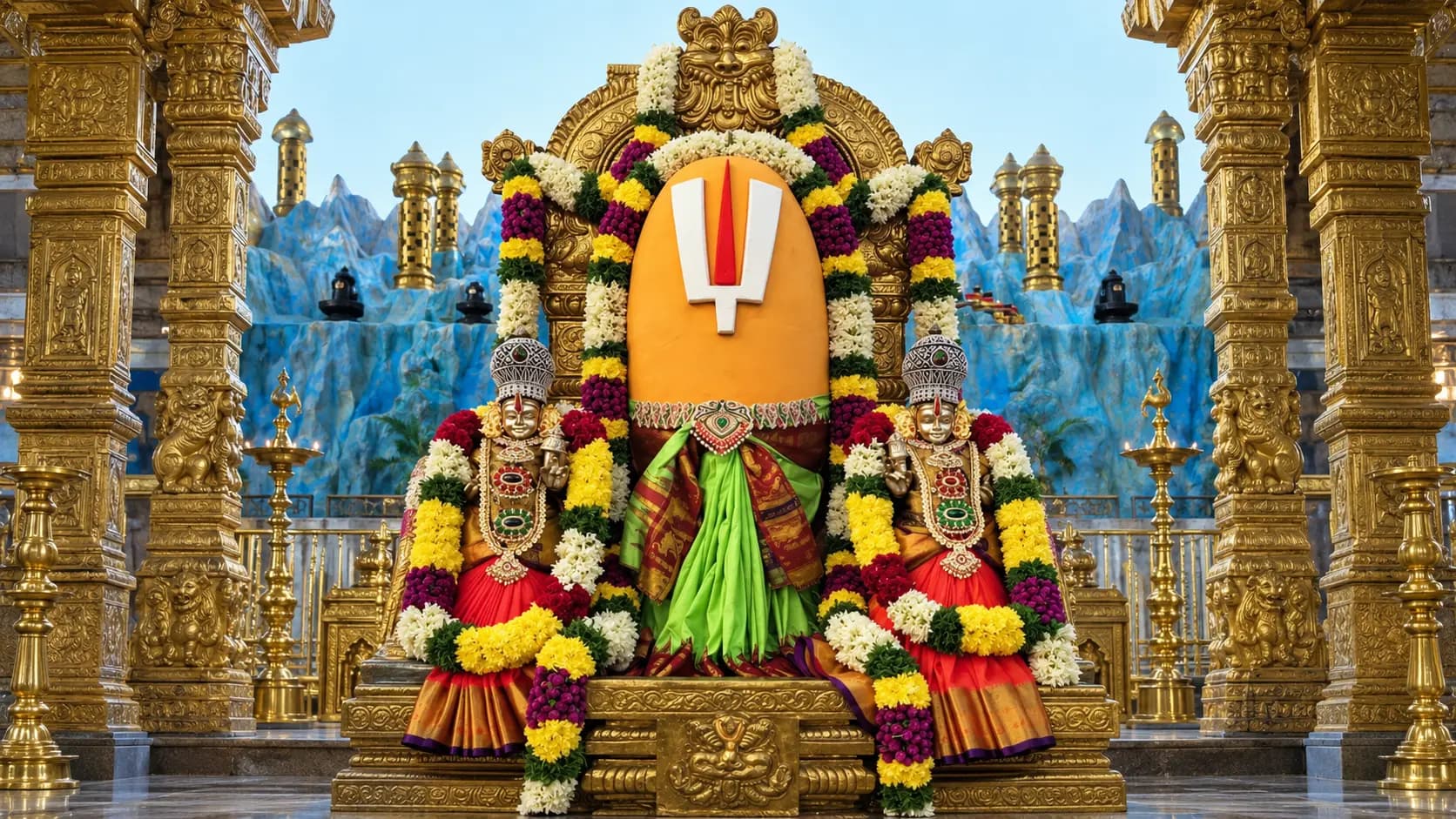
Crowning the forested ridge of the Simhachalam hill range in Visakhapatnam District, Andhra Pradesh, the Sri Varaha Lakshmi Narasimha Swamy Devasthanam - universally revered as…
The story of Simhachalam Temple
Crowning the forested ridge of the Simhachalam hill range in Visakhapatnam District, Andhra Pradesh, the Sri Varaha Lakshmi Narasimha Swamy Devasthanam - universally revered as Simhachalam Temple - is one of India’s most ancient, spiritually profound, and architecturally majestic Vaishnavite pilgrimage shrines. Situated at an elevation of approximately 244 metres (800 feet) above mean sea level, the temple commands a commanding position roughly 16 kilometres northwest of central Visakhapatnam. Governed by the Andhra Pradesh Endowments Department under the hereditary trusteeship of the Royal Family of Vizianagaram (Pusapati Gajapathis), Simhachalam is celebrated as one of the preeminent 32 sacred Narasimha Kshetras in the state.
The temple's defining theological uniqueness is its presiding deity: Sri Varaha Lakshmi Narasimha Swamy, a composite divine manifestation embodying two of Lord Vishnu's most powerful avatars - the third incarnation, Varaha (the Boar who lifted the earth from the cosmic ocean), and the fourth incarnation, Narasimha (the Man-Lion who destroyed the demon king Hiranyakasipu to protect his devotee Prahlada). Because the Lord manifested in a state of supreme, burning cosmic fury (Ugra Rupa), the ancient stone idol is continuously anointed and covered throughout the year beneath nearly 500 kilograms of fragrant sandalwood paste (chandanam). For 364 days a year, the Lord resembles a smooth, spherical Shiva Lingam, symbolizing profound harmony between Vaishnavism and Shaivism. Only for twelve hours on the auspicious day of Akshaya Tritiya during the annual Chandanotsavam festival is this sandalwood crust removed, allowing hundreds of thousands of pilgrims to behold the Lord's breathtaking Nijaroopa Darshanam (true form).
Start here. Open a tile for the full details.
Why goRead details
- The Rare Dual Avatar of Lord Vishnu: Witness a globally unique deity combining Varaha (the cosmic boar) and Narasimha (the fierce man-lion), worshipped continuously under a cooling mantle of sacred sandalwood.
- Architectural Masterpiece of the Eastern Ganga Dynasty: Admire 13th-century Kalinga stone architecture constructed by King Narasimhadeva I of Odisha (builder of the Konark Sun Temple), showcasing magnificent black granite carvings.
- The Exquisite 96-Pillar Natya Mandapa: Marvel at an open ceremonial dance pavilion supported by 96 intricately carved stone pillars depicting the Dashavatara, celestial dancers, and episodes from the Bhagavata Purana.
- Vast Epigraphical Legacy of Over 525 Inscriptions: Trace centuries of royal history through stone epigraphs dating from 1087 CE (Chola dynasty) through the Eastern Gangas, Reddy Kings, and Sri Krishnadevaraya of Vijayanagara.
- The Sacred Wish-Fulfilling Kappam Stambham: Touch and embrace the revered sanctum pillar believed to bestow divine blessings of health, prosperity, and fertility upon devoted pilgrims.
- Gangadhara Perennial Sacred Spring: Cleanse yourself in the sacred mountain spring that cascades down the forested hill into the historic temple pushkarini.
When to visitRead details
The winter months from October through March represent the most comfortable time to visit Simhachalam Temple. During this period, the coastal heat moderates, mornings are refreshingly cool, and the stone courtyard floors remain comfortable under bare feet.
Entry & permissionsRead details
Fees, visiting hours and entry rules may change. Confirm the latest details with the official operator or local authority before travelling.
Darshan Timings and Ticket Tariffs
Darshan / Seva Category | Timings | Tariff / Rate | Details |
|---|---|---|---|
Sarva Darshan (Free General Queue) | 07:00 AM - 11:30 AM, 12:00 PM - 04:00 PM & 06:00 PM - 09:00 PM | Free | General queue line open to all devotees |
Special Darshan (Expedited Line) | Same as above | ₹100 per person | Dedicated fast-track queue line |
Sheegra Darshan (Super-Fast Queue) | Same as above | ₹300 per person | Priority queue with minimal wait time |
Antaralaya Darshan / VIP Sevas | Specific morning & evening seva slots | ₹500 - ₹1,000 per person | Grants closer proximity to the inner sanctum doorway |
Kalyanotsavam (Daily Divine Marriage) | 09:30 AM - 11:30 AM | ₹1,000 per couple | Includes seva participation, vastrams, and laddu prasadam |
Ghat Road Vehicle Toll | During temple hours | ₹50 per car / ₹20 two-wheeler | Collected at the base toll barrier |
Strict Dress Code Regulations
The Andhra Pradesh Endowments Department enforces a mandatory traditional dress code for all devotees entering the inner temple complex:
- Men: Must wear traditional dhotis with an upper cloth (angavastram), or formal trousers with shirts. Traditional white dhotis or pyjamas are preferred. Wearing shorts, lungis, bermudas, ripped jeans, or sleeveless vests is strictly barred.
- Women: Must wear traditional sarees, half-sarees (pavadai), or salwar kameez / churidars with a dupatta properly draped across the shoulders. Western outfits like jeans, trousers, skirts, short dresses, or sleeveless tops are not permitted.
- Devotees arriving in non-compliant attire must purchase temporary traditional dhotis or sarees from stalls at the hilltop before entering.
Security, Electronics & Prohibited Items
- Strict Ban on Mobile Phones & Cameras: Carrying mobile phones, digital cameras, video recorders, smart watches, and electronic tablets inside the temple complex is strictly prohibited. Free, secure electronic locker facilities are provided by the Devasthanam outside the Rajagopuram. Devotees are scanned through metal detectors.
- Footwear Policy: Footwear (shoes, sandals) is strictly prohibited past the outer gopuram. Dedicated free footwear counters are operated by temple staff near the locker complex.
Plan your visitRead details
Simhachalam is located in the northwestern urban periphery of Visakhapatnam, readily accessible by train, city bus, taxi, and private vehicles.
Explore the full guide - choose a topic below.
Why visit?
The Rare Dual Avatar of Lord Vishnu: Witness a globally unique deity combining Varaha (the cosmic boar) and…Explore detailsClose details
- The Rare Dual Avatar of Lord Vishnu: Witness a globally unique deity combining Varaha (the cosmic boar) and Narasimha (the fierce man-lion), worshipped continuously under a cooling mantle of sacred sandalwood.
- Architectural Masterpiece of the Eastern Ganga Dynasty: Admire 13th-century Kalinga stone architecture constructed by King Narasimhadeva I of Odisha (builder of the Konark Sun Temple), showcasing magnificent black granite carvings.
- The Exquisite 96-Pillar Natya Mandapa: Marvel at an open ceremonial dance pavilion supported by 96 intricately carved stone pillars depicting the Dashavatara, celestial dancers, and episodes from the Bhagavata Purana.
- Vast Epigraphical Legacy of Over 525 Inscriptions: Trace centuries of royal history through stone epigraphs dating from 1087 CE (Chola dynasty) through the Eastern Gangas, Reddy Kings, and Sri Krishnadevaraya of Vijayanagara.
- The Sacred Wish-Fulfilling Kappam Stambham: Touch and embrace the revered sanctum pillar believed to bestow divine blessings of health, prosperity, and fertility upon devoted pilgrims.
- Gangadhara Perennial Sacred Spring: Cleanse yourself in the sacred mountain spring that cascades down the forested hill into the historic temple pushkarini.
What to expect
The journey to Simhachalam begins at the bustling foothills (Giri Pradakshina Marg) in the suburban town of…Explore detailsClose details
The Hilltop Ascent & Temple Arrival
The journey to Simhachalam begins at the bustling foothills (Giri Pradakshina Marg) in the suburban town of Simhachalam. Devotees have two primary options for reaching the summit:
                            [ Simhachalam Foothills Bus Stand ]
                                             │
                   ┌─────────────────────────┴─────────────────────────┐
                   ▼ (Devasthanam Ghat Shuttle / Bus)                  ▼ (Traditional Pilgrim Footpath)
         [ Smooth 4-km Paved Ghat Road ]                     [ 1,000 Stone Steps Trek ]
         - Serpentine Forest Curves                          - Shaded Ancient Stairway
         - Viewpoints Over City & Valley                     - Traditional Pilgrim Route
                   │                                                   │
                   └─────────────────────────┬─────────────────────────┘
                                             ▼
                                  [ HILLTOP RAJAGOPURAM ]
(Elevation: 244m MSL)- The Paved Ghat Road: A well-engineered, smoothly carpeted 4-kilometre ghat road winds through thick deciduous forest, offering expanding views of Visakhapatnam's urban valley and surrounding mountain ridges. Frequent Devasthanam shuttle buses and private vehicles ascend in approximately 10 to 12 minutes.
- The Stone Stairway (Sopana Margam): Traditional pilgrims and vow-makers often climb the historic 1,000-step stone stairway that ascends directly through the forested ravine from the foothills.
Upon reaching the summit plateau, devotees are greeted by the magnificent five-tier Rajagopuram (eastern entrance gateway), crowned with ornate brass kalasas. Surrounding the temple courtyard are expansive amenities including shoe-deposit counters, electronic locker rooms for mobile phones, tonsure centers (Kalyana Katta), and Laddu Prasadam counters.
Architectural Splendour & Sacred Courtyards
Passing through the massive wooden doors of the Rajagopuram, visitors step into a breathtaking medieval stone sanctuary that blends the towering stepped pyramidal shikharas of Kalinga architecture with the sculptural finesse of Chalukyan and Cholan artisans.
                           [ The Simhachalam Temple Layout ]
                                           │
  [ Eastern Rajagopuram Gateway ]   ──> 5-Tier Tower & Security Checkpoint
                                           │
  [ Kalyana Mandapa & Stone Car ]   ──> 16-Pillar Chariot Pavilion (13th Century)
                                           │
  [ Natya Mandapa (Dance Hall) ]    ──> 96 Ornate Sculpted Pillars & Dashavatara
                                           │
  [ Mukhamandapa & Kappam Stambham] ──> Sacred Wish-Fulfilling Pillar
                                           │
  [ Garbhagriha (Sanctum Sanctorum)]──> Sri Varaha Lakshmi Narasimha Swamy
(Covered in 500 kg Sandalwood Paste)- The Kalyana Mandapa & Stone Chariot: Near the outer entrance stands a 16-pillar open pavilion dating to the 13th century, sculpted in the form of a celestial stone chariot drawn by stone horses and war elephants.
- The 96-Pillar Natya Mandapa: This grand open ceremonial hall is an architectural tour de force. Supported by 96 monolithic black granite pillars, every square inch of stone is covered in microscopic sculptural detail: dancing celestial apsaras, musicians playing ancient mridangams, intricate floral arabesques, and dynamic multi-armed representations of Lord Vishnu's avatars.
- Kappam Stambham (The Santana Pillar): Positioned inside the mukhamandapa facing the inner sanctum, this ancient wooden and stone pillar is worshipped for its wish-fulfilling potency. Childless couples, individuals facing chronic health challenges, and families seeking blessings wrap their arms around the pillar in prayer.
- The Sanctum Sanctorum (Garbhagriha): At the heart of the temple sits the square sanctum crowned by an imposing stepped pyramidal vimana tower. Inside, in the soft illumination of brass oil lamps, stands the holy idol of Sri Varaha Lakshmi Narasimha Swamy. For 364 days a year, the two-foot-tall stone deity is encased within a continuous, smooth, spherical mound of golden sandalwood paste, adorned with diamond eyes and golden crowns, exuding profound serenity and cool divine grace.
The Sacred Gangadhara Waterfall & Pushkarini
Located on the northern flank of the temple complex lies Gangadhara, a perennial natural hill spring that cascades through stone channels down the granite mountainside. Revered as having medicinal and spiritually purifying qualities, pilgrims take holy baths under the cascading stone chutes before ascending to the sanctum for darshan. The water then flows into the sacred temple pushkarini (step-well), which reflects the ancient stone pavilions in its tranquil waters.
Best time to visit
[ Oct - Feb ] Winter: Crisp cool air, comfortable darshan, pleasant walking (Optimal) [ Mar - Apr ] Spring: Warm…Explore detailsClose details
Seasonal Climate Matrix
Season | Months | Climate & Hilltop Weather | Pilgrimage Atmosphere | Visiting Recommendation |
|---|---|---|---|---|
Winter | November - February | 18°C - 28°C; crisp morning air, pleasant afternoons | Manageable queues, cool weather for pradakshina, peaceful darshan | Prime Season: The absolute best time for comfortable family pilgrimages and architectural study. |
Post-Monsoon | September - October | 24°C - 31°C; green hillsides, fresh spring waters | Scenic atmosphere at Gangadhara waterfall, Navaratri festivities | Very Good: Pleasant weather with lush forest greenery. |
Chandanotsavam (Summer) | April / May (Akshaya Tritiya) | 28°C - 38°C; hot and humid | Nijaroopa Darshanam: Lord's true form is visible for only 12 hours | Extreme Devotional Significance: Massive crowds (150,000+ devotees); queues last 6 to 12 hours. |
Pre-Summer / Summer | March - June | 28°C - 38°C; warm midday, humid | Regular temple operations; evening darshans (6:00 PM - 9:00 PM) are comfortable | Moderate: Visit early in the morning (07:00 AM - 10:00 AM) or after dusk. |
Monsoon | July - August | 25°C - 30°C; intermittent rain, misty hill ridges | Gangadhara waterfall gushes with full force; refreshing hill winds | Scenic & Reverent: Bring an umbrella; stone pathways can be slippery when wet. |
    [ Oct - Feb ]  Winter: Crisp cool air, comfortable darshan, pleasant walking (Optimal)
    [ Mar - Apr ]  Spring: Warm mornings, manageable queues, temple rituals (Good)
    [ Apr - May ]  Chandanotsavam: Rare Nijaroopa Darshan, massive crowds (Devotional Peak)
    [ Jul - Sep ]  Monsoon: Full sacred springs, misty green hill slopes (Scenic)
The winter months from October through March represent the most comfortable time to visit Simhachalam Temple. During this period, the coastal heat moderates, mornings are refreshingly cool, and the stone courtyard floors remain comfortable under bare feet.
On normal days, the optimal visiting windows are early morning between 07:00 AM and 09:30 AM, and evening from 06:30 PM to 08:30 PM. Early morning visits offer serene atmospheres during the morning archana rituals, while evening visits allow you to enjoy illuminated stone carvings under cool coastal night breezes.
How to reach
Simhachalam is located in the northwestern urban periphery of Visakhapatnam, readily accessible by train, city…Explore detailsClose details
Geographic & Transit Overview
Simhachalam is located in the northwestern urban periphery of Visakhapatnam, readily accessible by train, city bus, taxi, and private vehicles.
                         Visakhapatnam International Airport (VTZ)
                                        │
                                        ▼ (NH-16 & Gopalapatnam: 18 km)
                         Visakhapatnam Railway Junction (VSKP)
                                        │
                     ┌──────────────────┴──────────────────┐
                     ▼ (Via SCMN Station / Foothills)      ▼ (Via Hanumanthawaka Feeder)
             Simhachalam Foothill Bus Stand               Hill Ghat Road Entrance
                     │                                     │
                     └──────────────────┬──────────────────┘
                                        ▼
                             SIMHACHALAM HILL TEMPLE
                              (Elevation: 244m MSL)
Access Routes from Key Hubs
1. From Visakhapatnam Railway Junction (VSKP) (approx. 16 km / 30 to 35 minutes)
- Taxis, auto-rickshaws, and app-based cabs (Ola, Uber) operate round-the-clock from both railway exits. Cabs travel via NAD Junction, Gopalapatnam, and the Simhachalam bypass directly to the foothill bus stand or hilltop parking plaza.
- Direct city buses (APSRTC Routes 6A, 400A, and 28A) depart frequently from the railway station bus bays directly to Simhachalam foothills.
2. From Simhachalam Railway Station (SCMN) (approx. 5 km / 12 minutes)
- Located on the Howrah - Chennai mainline, several passenger and express trains halt at Simhachalam Station. Auto-rickshaws and shuttle buses connect the station forecourt with the temple foothills in under 15 minutes.
3. From Visakhapatnam International Airport (VTZ) (approx. 18 km / 30 to 40 minutes)
- Taxis from the airport travel north along National Highway 16, branching through Gopalapatnam directly to the Simhachalam hill road.
Foothill to Hilltop Transit Options
- Devasthanam Ghat Shuttle Buses: Confirm the current charge and what it includes with the operator or service provider. Visitor admission, vehicles, parking, activities and accommodation can have separate charges.
- Private Vehicles & Taxis: Confirm the current charge and what it includes with the operator or service provider. Visitor admission, vehicles, parking, activities and accommodation can have separate charges. The summit features designated parking bays.
- Walking the Steps: Devotees wishing to fulfill spiritual vows can ascend the 1,000 stone steps from the foothill shrine, taking roughly 45 to 60 minutes of moderate climbing.
Entry, timings and permissions
Fees, visiting hours and entry rules may change.Explore detailsClose details
Fees, visiting hours and entry rules may change. Confirm the latest details with the official operator or local authority before travelling.
Darshan Timings and Ticket Tariffs
Darshan / Seva Category | Timings | Tariff / Rate | Details |
|---|---|---|---|
Sarva Darshan (Free General Queue) | 07:00 AM - 11:30 AM, 12:00 PM - 04:00 PM & 06:00 PM - 09:00 PM | Free | General queue line open to all devotees |
Special Darshan (Expedited Line) | Same as above | ₹100 per person | Dedicated fast-track queue line |
Sheegra Darshan (Super-Fast Queue) | Same as above | ₹300 per person | Priority queue with minimal wait time |
Antaralaya Darshan / VIP Sevas | Specific morning & evening seva slots | ₹500 - ₹1,000 per person | Grants closer proximity to the inner sanctum doorway |
Kalyanotsavam (Daily Divine Marriage) | 09:30 AM - 11:30 AM | ₹1,000 per couple | Includes seva participation, vastrams, and laddu prasadam |
Ghat Road Vehicle Toll | During temple hours | ₹50 per car / ₹20 two-wheeler | Collected at the base toll barrier |
Strict Dress Code Regulations
The Andhra Pradesh Endowments Department enforces a mandatory traditional dress code for all devotees entering the inner temple complex:
- Men: Must wear traditional dhotis with an upper cloth (angavastram), or formal trousers with shirts. Traditional white dhotis or pyjamas are preferred. Wearing shorts, lungis, bermudas, ripped jeans, or sleeveless vests is strictly barred.
- Women: Must wear traditional sarees, half-sarees (pavadai), or salwar kameez / churidars with a dupatta properly draped across the shoulders. Western outfits like jeans, trousers, skirts, short dresses, or sleeveless tops are not permitted.
- Devotees arriving in non-compliant attire must purchase temporary traditional dhotis or sarees from stalls at the hilltop before entering.
Security, Electronics & Prohibited Items
- Strict Ban on Mobile Phones & Cameras: Carrying mobile phones, digital cameras, video recorders, smart watches, and electronic tablets inside the temple complex is strictly prohibited. Free, secure electronic locker facilities are provided by the Devasthanam outside the Rajagopuram. Devotees are scanned through metal detectors.
- Footwear Policy: Footwear (shoes, sandals) is strictly prohibited past the outer gopuram. Dedicated free footwear counters are operated by temple staff near the locker complex.
Nearby places to consider
[ Thotlakonda Buddhist Complex ] (22 km East) [ Kailasagiri Hilltop Park ] (15 km East) ▼ [ SIMHACHALAM TEMPLE ]…Explore detailsClose details
                            [ Thotlakonda Buddhist Complex ]
                                     (22 km East)
                                          │
                            [ Kailasagiri Hilltop Park ]
                                     (15 km East)
                                          │
                                          ▼
                             [ SIMHACHALAM TEMPLE ]
                                          │
                                          ▼ (16 km Southeast)
                            [ INS Kursura & RK Beach ]
                                          │
                                          ▼ (18 km South)
[ Ross Hill & Harbor ]- Kailasagiri Hilltop Park (approx. 15 km east): A scenic landscaped plateau perched 360 feet above the ocean, featuring colossal 40-foot marble statues of Lord Shiva and Goddess Parvathi, a circular toy train, and a passenger cable car ropeway.
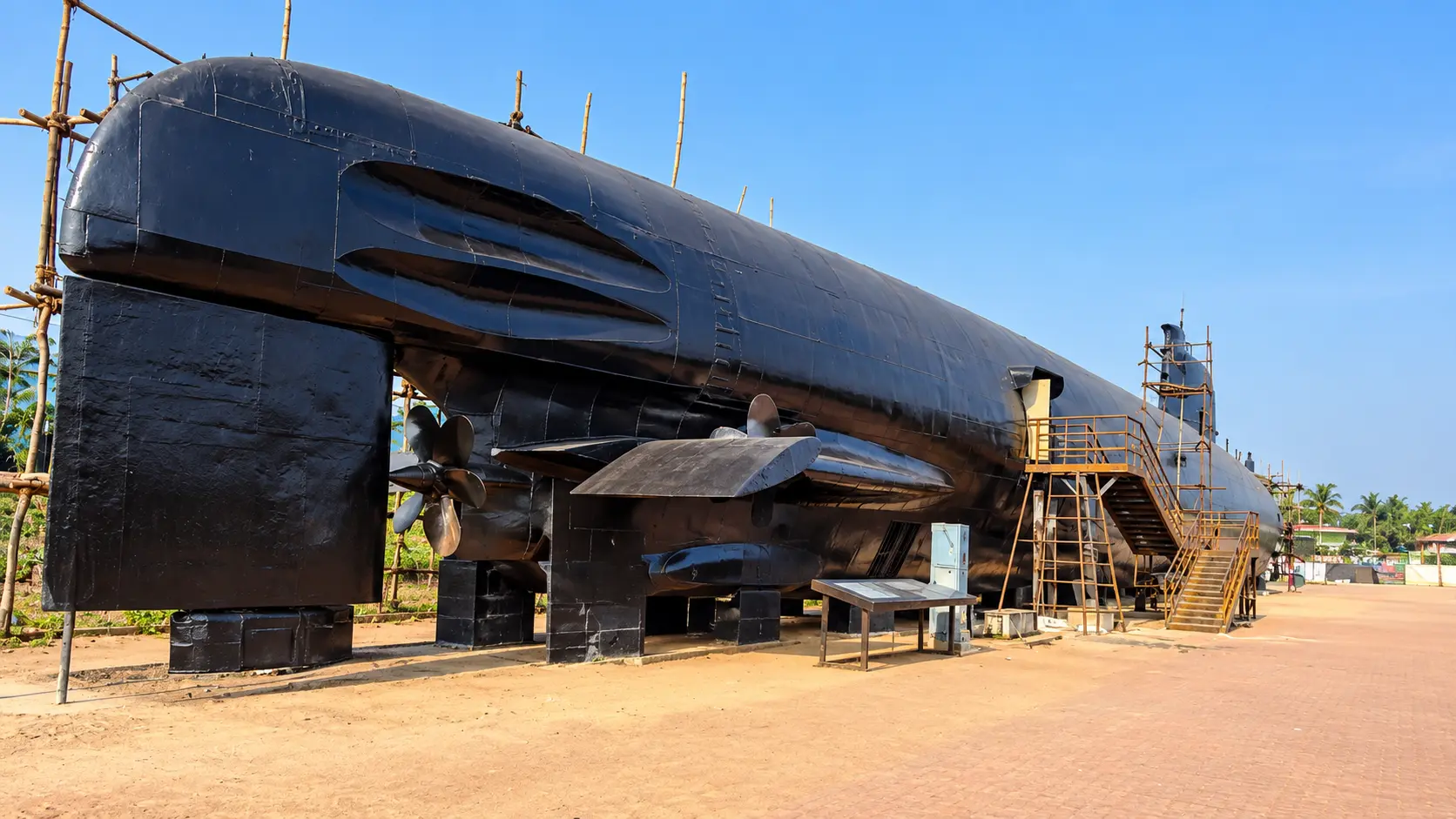
- INS Kursura Submarine & TU 142 Museum (approx. 16 km southeast on RK Beach): Decommissioned Soviet-built Kalvari-class submarine and Tupolev maritime reconnaissance aircraft converted into world-class naval museums.
- Indira Gandhi Zoological Park & Kambalakonda (approx. 12 km northeast): Expansive 625-acre natural zoological park and adjacent 70-sq-km wildlife sanctuary protecting leopards, deer, and over 150 bird species.
- Thotlakonda & Bavikonda Buddhist Complexes (approx. 22 km northeast): Ancient 2,000-year-old hilltop Hinayana Buddhist monasteries overlooking the Bay of Bengal, featuring circular chaitya halls, votive stupas, and rock-cut cisterns.
- Ross Hill & Visakhapatnam Port Channel (approx. 18 km south): Historic hilltop overlooking the outer harbor channel, famous for housing three sacred shrines of three major world faiths on adjacent peaks: a Catholic Church, a Muslim Dargah, and a Hindu Temple.
In pictures
The practical bits
Before you go.
Depositing Electronics and Footwear Before Entering Queues
To avoid being turned back at the security metal detectors, deposit all mobile phones, cameras, smart watches…Explore detailsClose details
To avoid being turned back at the security metal detectors, deposit all mobile phones, cameras, smart watches, and footwear at the dedicated Devasthanam cloakrooms outside the Rajagopuram before entering the darshan lines. Ensure you keep your locker tokens and wallets securely in your pocket. Carrying cash is necessary for purchasing special darshan tickets and extra Laddu Prasadam boxes.
Adhering to the Traditional Temple Dress Code
Dress respectfully in strict accordance with temple norms before leaving your hotel.Explore detailsClose details
Dress respectfully in strict accordance with temple norms before leaving your hotel. Men wearing dhotis and women wearing sarees or salwar kameez will experience smooth, unrestricted entry through all security checkpoints. If traveling in casual clothing, pack traditional attire in your vehicle or purchase a dhoti from the foothill shops before ascending the hill.
Purchasing Special Darshan Tickets for Convenience
Confirm the current charge and what it includes with the operator or service provider.Explore detailsClose details
Confirm the current charge and what it includes with the operator or service provider. Visitor admission, vehicles, parking, activities and accommodation can have separate charges. While the free Sarva Darshan line can take 2 to 4 hours during peak morning periods, special darshan tickets typically reduce wait times to 30 to 45 minutes.
Sampling the Sacred Simhachalam Laddu Prasadam
No pilgrimage to Simhachalam is complete without tasting the temple’s renowned Laddu Prasadam.Explore detailsClose details
No pilgrimage to Simhachalam is complete without tasting the temple’s renowned Laddu Prasadam. Prepared in the Devasthanam potu (temple kitchen) using pure desi ghee, gram flour, sugar, cardamom, and cashew nuts, these consecrated sweets are sold at authorized counters near the temple exit. Confirm the current charge and what it includes with the operator or service provider. Visitor admission, vehicles, parking, activities and accommodation can have separate charges.
A few things you might wonder
Common questions about visiting Simhachalam Temple. Fees, visiting hours and ceremonies are researched details that may change; confirm current arrangements with the operator before travelling.
What is the significance of the continuous sandalwood paste on the deity?
When does the Chandanotsavam festival take place and what happens?
Can I take my mobile phone or camera inside Simhachalam Temple?
What is the story behind the wish-fulfilling Kappam Stambham pillar?
Are free meals (Annaprasadam) provided to pilgrims at Simhachalam?
How accessible is the temple for senior citizens and disabled devotees?
Explore more in Visakhapatnam
Discover other destinations around this hub
More Hubs in Andhra Pradesh
Continue exploring other travel hubs in this state
Planning a trip to Visakhapatnam?