Chitrakote Waterfalls
Plan your trip to Chitrakote Waterfalls in Bastar, India's widest waterfall. Complete guide covers boating, night illumination, Dandami Resort, and timings.
Location
Bastar, Chhattisgarh
A closer look
Your visit, at a glance.
Bastar, Chhattisgarh
GET TO KNOW THE PLACE
Roaring with primeval power over a sweeping horseshoe-shaped precipice of ancient sandstone on the perennial Indravati River, Chitrakote Waterfalls (frequently written as…
The story of Chitrakote Waterfalls
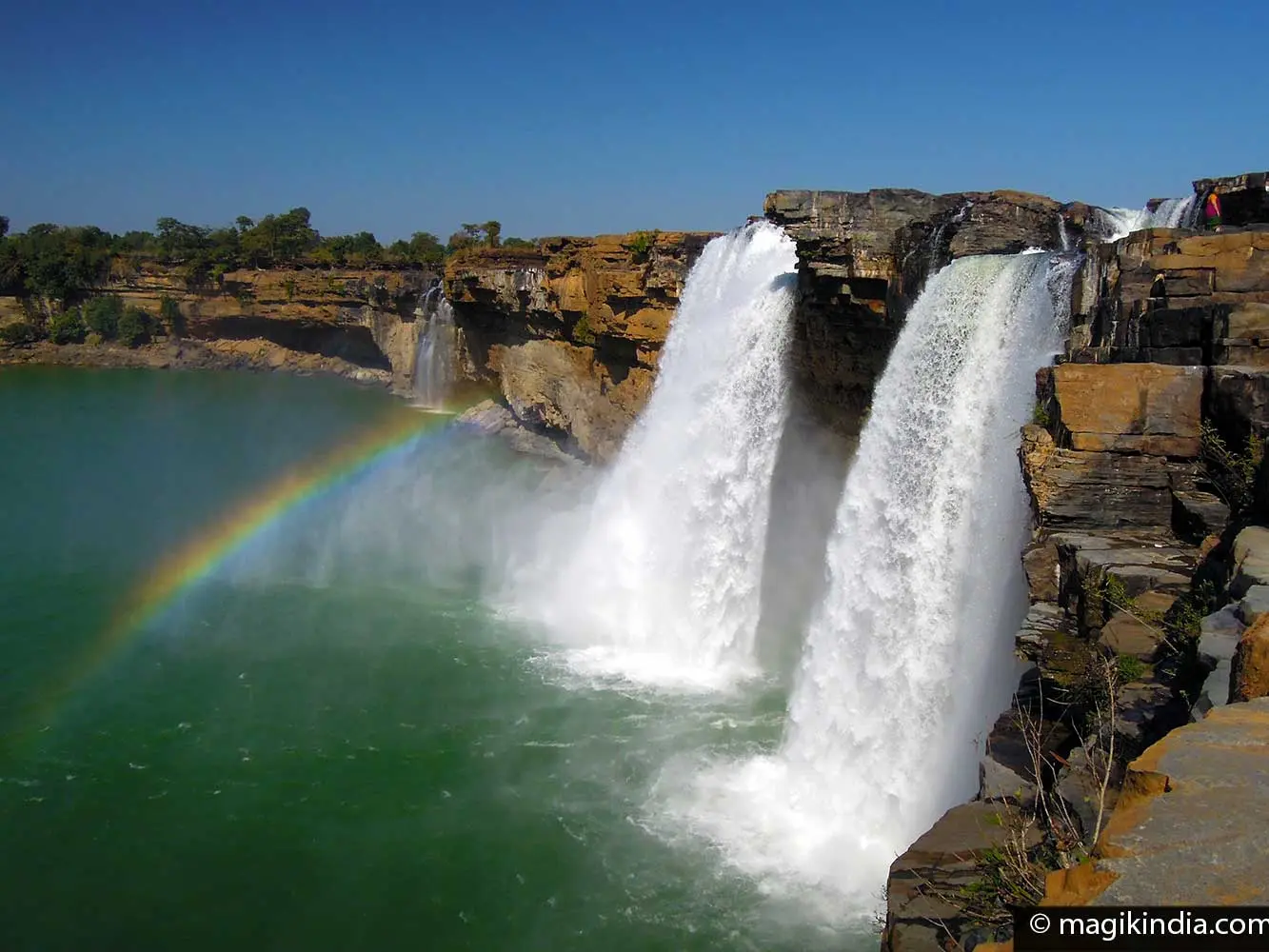
Roaring with primeval power over a sweeping horseshoe-shaped precipice of ancient sandstone on the perennial Indravati River, Chitrakote Waterfalls (frequently written as Chitrakoot or Chitrakot) stands as one of India's most breathtaking natural wonders. Situated in the heart of Bastar District in southern Chhattisgarh, roughly 38 kilometres west of the cultural capital of Jagdalpur, this colossal cataract plunges 29 metres (95 feet) in a single, thundering vertical drop into a mist-shrouded river canyon.
Universally celebrated as the "Niagara of India", Chitrakote holds the distinction of being the widest waterfall in the country. During the height of the southwest monsoon between July and October, the swollen waters of the Indravati River spread across a staggering width of nearly 300 metres (985 feet), transforming the cliff into an unbroken, earth-shaking wall of turbulent water. The sheer volume and velocity of the cascade kick up massive plumes of vapour that catch the tropical sunlight, casting brilliant double rainbows across the gorge. In dramatic contrast, the post-monsoon and winter months see the waters clear to a serene turquoise hue, splitting into graceful ribbons that tumble into a placid plunge basin where local tribal boatmen row visitors right to the churning foot of the falls.
Start here. Open a tile for the full details.
Why goRead details
- The Niagara of India: Witness India's widest waterfall, spanning up to 300 metres across a majestic horseshoe cliff during the roaring monsoon flood.
- Dual Seasonal Personalities: Experience two completely different natural spectacles: a furious, earth-shaking muddy torrent in monsoon, and a serene, multi-tiered crystalline turquoise cascade in winter.
- Thrilling Plunge Pool Boat Safaris: Board local wooden dinghies operated by experienced river boatmen to cruise directly into the churning spray and mist at the base of the falling water.
- Magical Evening LED Illumination: Watch the waterfall transform at twilight as high-intensity multi-coloured dynamic floodlights bathe the cascades and mist clouds in vibrant hues of gold, crimson, emerald, and azure.
- Cliffside Luxury at Dandami Resort: Wake up to panoramic front-row views of the cataract from the wooden cottages, luxury Swiss tents, and observation decks of the state-run eco-resort perched right on the canyon rim.
- Ancient Shiva Rock Shrine: Descend the stone stairs into the riverbed to pay respects at a sacred rock-cut shrine where Lord Shiva has been worshipped by local forest tribes for centuries.
- Rich Bastar Tribal Craft Culture: Browse authentic GI-tagged handicrafts at the entrance promenade, including world-renowned Dhokra lost-wax bell metal art, wrought-iron sculptures, and terracotta pottery.
When to visitRead details
- July to September (Monsoon): If your goal is to experience the raw, overwhelming brute force of the "Niagara of India", visit during the monsoon. The Indravati runs in full spate, expanding across the 300-metre rim in a terrifying and glorious exhibition of nature's power. Bring rain gear, waterproof bags for electronic devices, and prepare for misty spray drifting hundreds of yards inland.
- October to November (Post-Monsoon): Highly recommended for general tourists and photographers. The skies clear to bright sapphire blue, the surrounding sal forests are lush and vibrant, river flow remains substantial, and boat rides in the plunge pool resume as water velocity moderates.
- December to February (Winter): The finest time for relaxed sightseeing, family vacations, and outdoor exploration. Daytime temperatures hover pleasantly around 22°C to 26°C, while crisp night temperatures drop to 11°C - 14°C, perfect for bonfires and stargazing. The waters are crystalline turquoise, and boat safaris operate continuously throughout the day.
- Chitrakote Mahotsav (Cultural Festival): Held annually in February or early March on the grounds near the waterfall, this state-sponsored cultural extravaganza showcases authentic Bastar tribal dance traditions (such as Gaur Maria, Kaksar, and Saila), musical performances on traditional horn and drum instruments, local archery competitions, and culinary fairs featuring indigenous dishes.
Entry & permissionsRead details
Fees, visiting hours and entry rules may change. Confirm the latest details with the official operator or local authority before travelling.
Tariffs & Hours of Operation
Parameter | Details / Tariff |
|---|---|
Viewpoint Promenade Hours | 06:00 AM to 08:00 PM daily |
Evening LED Illumination Hours | 06:30 PM to 08:30 PM daily |
Boat Safari Operating Hours | 07:00 AM to 05:30 PM (Seasonal) |
Adult Entry Fee | ₹10 per person |
Children Under 5 Years | Free admission |
Two-Wheeler Parking Fee | ₹20 |
Car / SUV Parking Fee | ₹50 |
Country Wooden Boat Safari | ₹50 to ₹100 per person |
Still Photography | Free of charge |
Commercial Drones / Filming | Requires prior written permission from Bastar District Administration |
Safety Regulations & Visitor Guidelines
Because Chitrakote is a powerful, high-volume natural cataract with deep underwater currents and steep rocky terrain, visitors must strictly adhere to safety precautions:
- Strict Prohibition on Swimming: Swimming or bathing in the riverbed plunge pool directly below the cataract is strictly prohibited at all times. The churning water conceals deep trenches, violent undercurrents, and submerged boulder hazards that present fatal drowning risks.
- Stay Behind Safety Barriers: Visitors must remain behind the masonry railings and steel fences along the cliff-edge promenade. Stepping onto wet, moss-covered sandstone ledges near the rim of the fall to take selfies is extremely dangerous and strictly forbidden.
- Mandatory Life Jackets for Boating: All passengers boarding local wooden dinghies or motorized boats for the plunge pool safari must securely wear the life jackets provided by the boatmen cooperative before departing the jetty.
- Gorge Descent Caution: The stone staircase leading down to the riverbed has over 150 steps that can become slick from spray and moisture. Descend slowly using the handrails, especially when accompanying young children or elderly travelers.
- Eco-Sensitive Zone: Chitrakote is a plastic-restricted eco-tourism destination. Do not discard plastic water bottles, food wrappers, or trash into the river gorge. Use the designated waste bins provided at the parking concourse.
Plan your visitRead details
Chitrakote Waterfalls is located in Lohandiguda Tehsil of Bastar District in southern Chhattisgarh, situated approximately 38 kilometres due west of the historic city of Jagdalpur.
Boating Safety and Seasonal Operational Windows
Boating in local wooden dinghies across the plunge pool is one of Chitrakote's finest highlights, but operations are strictly dependent on river conditions. Boat safaris operate smoothly from October through May, but are suspended by district authorities during peak monsoon flood surges in July and August when the Indravati's volume makes navigation dangerous.
Explore the full guide - choose a topic below.
Why visit?
The Niagara of India: Witness India's widest waterfall, spanning up to 300 metres across a majestic horseshoe…Explore detailsClose details
- The Niagara of India: Witness India's widest waterfall, spanning up to 300 metres across a majestic horseshoe cliff during the roaring monsoon flood.
- Dual Seasonal Personalities: Experience two completely different natural spectacles: a furious, earth-shaking muddy torrent in monsoon, and a serene, multi-tiered crystalline turquoise cascade in winter.
- Thrilling Plunge Pool Boat Safaris: Board local wooden dinghies operated by experienced river boatmen to cruise directly into the churning spray and mist at the base of the falling water.
- Magical Evening LED Illumination: Watch the waterfall transform at twilight as high-intensity multi-coloured dynamic floodlights bathe the cascades and mist clouds in vibrant hues of gold, crimson, emerald, and azure.
- Cliffside Luxury at Dandami Resort: Wake up to panoramic front-row views of the cataract from the wooden cottages, luxury Swiss tents, and observation decks of the state-run eco-resort perched right on the canyon rim.
- Ancient Shiva Rock Shrine: Descend the stone stairs into the riverbed to pay respects at a sacred rock-cut shrine where Lord Shiva has been worshipped by local forest tribes for centuries.
- Rich Bastar Tribal Craft Culture: Browse authentic GI-tagged handicrafts at the entrance promenade, including world-renowned Dhokra lost-wax bell metal art, wrought-iron sculptures, and terracotta pottery.
What to expect
Chitrakote Waterfalls owes its dramatic appearance to the unique geological structure of the Bastar plateau.Explore detailsClose details
The Geomorphology of a Horseshoe Cataract
Chitrakote Waterfalls owes its dramatic appearance to the unique geological structure of the Bastar plateau. The Indravati River, which originates in the Eastern Ghats of Kalahandi in Odisha, flows westward through dense sal and teak forests, meandering over flat horizontal beds of resistant Vindhyan quartzite and sandstone.
       GEOLOGICAL CROSS-SECTION OF CHITRAKOTE FALLS
                       [Indravati River Flow]
                                  │
                                  ▼
      ═══════════════════════════════════════════════════
       Resistant Upper Quartzite & Sandstone Bed (540 m MSL)
      ══════════════════════════════╗
                                    ║
                                    ║   VERTICAL PLUNGE
                                    ║   (29 Metres / 95 Feet)
                                    ║
                                    ║   [Horseshoe Crest: 300 m Wide]
                                    ║
                                    ║
      ~~~~~~~~~~~~~~~~~~~~~~~~~~~~~~╜
       Deep Plunge Pool Basin (Gorge Bed)
       (Boat Safari Zone & Shiva Shrine Fissure)
      ───────────────────────────────────────────────────
At Chitrakote, the river encounters an abrupt geological fault where the hard sandstone caprock rests upon softer, more easily eroded shale and clay strata below. Over millions of years, the pounding river has eroded the underlying softer rock, undermining the sandstone ledge and creating a classic horseshoe amphitheatre. The cliff rim recedes gradually upstream through a process of hydraulic plucking, producing a cavernous gorge downstream flanked by vertical sandstone ramparts.
The Seasonal Transformation: Flood vs. Serenity
Few waterfalls in the world undergo as dramatic a seasonal metamorphosis as Chitrakote:
Season | Months | Width & Flow | Visual Character & Activity |
|---|---|---|---|
Peak Monsoon | July - September | Up to 300 m; Massive volume | Roaring, violent torrent; muddy reddish-gold color; boating suspended; rainbows |
Post-Monsoon & Autumn | October - November | 100 - 150 m; Strong flow | Clearing water; emerald pools; boat safaris begin; ideal photography lighting |
Winter | December - February | 50 - 100 m; Moderate | Crystal-clear turquoise; multiple silvery curtains; peaceful boating & camping |
Summer | March - June | Split into 3-4 streams; Low flow | Exposed rock stratification low volume; rock walking under local guidance |
- The Monsoon Roar (July to October): When the monsoon rains saturate the Indravati catchment, the river rises by tens of feet. The water carries vast quantities of reddish-brown laterite silt from the Bastar forests, turning the entire 300-metre crest into a unified, boiling torrent. The ground beneath your feet vibrates with the thunderous impact of millions of gallons striking the canyon floor every minute. An immense cloud of white mist rises over 100 feet into the air, creating dazzling rainbows whenever the afternoon sun pierces the cloud cover.
- The Winter Crystalline Tapestry (November to February): As the monsoon rains taper off, the river volume moderates and the silt settles. The water turns clear and sparkling with an enchanting turquoise-green hue. Instead of a single muddy wall, the waterfall splits across the horseshoe into distinct silvery ribbons and cascading veils that drape gracefully over the dark rocks. The plunge pool calms into a serene, mirror-like lake, making this the peak season for boat rides, nature walks, and family picnics.
- The Summer Tranquility (March to June): During the hot summer months, the water narrows into three or four primary channels flowing through notches in the rim. While lacking the sheer brute power of the monsoon, this low-water phase exposes the fascinating wave-rippled sandstone strata and allows adventurous visitors to walk along the upper rocky ledges under the supervision of local guides.
Plunge Pool Wooden Boat Safaris
One of the most unforgettable experiences at Chitrakote during the post-monsoon and winter months is taking a country boat safari in the plunge pool directly below the cataract. Operated by local tribal fishermen belonging to the traditional Muria and Gond communities who have navigated these waters for generations, sturdy wooden boats and motorized dinghies ferry visitors right across the turquoise basin.
       SCHEMATIC VISITOR ZONES AT CHITRAKOTE FALLS
                 [Indravati River - Upstream]
                              │
            ┌─────────────────┴─────────────────┐
            │        UPPER CLIFF PROMENADE      │
            │   (Viewpoints, Railings, Gazebos) │
            └─────────────────┬─────────────────┘
                              │
         ┌────────────────────┼────────────────────┐
         │                    │                    │
         ▼                    ▼                    ▼
   Dandami Resort       Stone Staircase      Parking & Market
   (Cliff Cottages)    (Descend to Gorge)    (Handicrafts / Food)
                              │
                              ▼
            ┌───────────────────────────────────┐
            │        GORGE RIVERBED BASE        │
            │  • Cave Shrine of Lord Shiva      │
            │  • Boat Jetty (Wooden Dinghies)   │
            │  • Foot of Cataract Spray Zone    │
            └───────────────────────────────────┘
Equipped with life jackets, passengers board near the stone staircase landing on the northern bank. As the boatmen row steadily toward the roaring curtain of water, the temperature drops noticeably and cool mist envelopes the boat. Looking upward from water level at the 29-metre vertical wall of thundering water is an awe-inspiring, humbling sensory experience. The boat pauses right at the edge of the turbulent foam line, offering incredible low-angle photography angles of the cascading sheets against the sky.
The Cave Shrine of Lord Shiva
Nestled inside natural sandstone overhangs and rock crevices along the lower left bank of the riverbed lies an ancient Shiva Lingam shrine. For centuries before modern tourism infrastructure was developed, local indigenous tribes worshipped here, venerating the elemental power of water, rock, and forest as manifestations of Lord Shiva (often revered locally as Budhadeb or Mahadev).
During the auspicious festival of Maha Shivaratri in February or March, thousands of tribal devotees from surrounding villages trek down the gorge steps carrying offerings of wild flowers, bilva leaves, and holy water from the Indravati to perform ceremonial ablutions (abhishekam) upon the stone lingam. Visiting the tranquil rock shrine provides a deeply moving glimpse into the sacred spiritual geography of Bastar.
Evening LED Dynamic Illumination
As dusk falls across the Bastar plateau, Chitrakote reveals a contemporary technological spectacle. The Chhattisgarh Tourism Board has installed an advanced, high-intensity dynamic multi-coloured LED illumination system along the cliff rim and riverbed.
Every evening between 06:30 PM and 08:30 PM, powerful floodlights illuminate the cascading torrents and rising mist plumes in synchronised shifts of vibrant colours - deep royal blue, vivid crimson, fiery amber, emerald green, and pure brilliant white. The glowing sheets of water framed against the pitch-black night sky create an enchanting, surreal dreamscape. Visitors staying at Dandami Resort can watch this luminous spectacle directly from their private cottage verandahs while listening to the hypnotic roar of the cataract.
Dandami Luxury Resort: Cliffside Hospitality
For travelers seeking a complete immersion in the natural beauty of Chitrakote, the Dandami Luxury Resort (managed by the Chhattisgarh Tourism Board) provides exceptional cliffside accommodation. Located on the southern bluff overlooking the waterfall, the resort features:
- Air-Conditioned Wooden Cottages: Constructed from natural timber with wide glass windows and private sit-out balconies that offer unhindered panoramic views of the entire horseshoe cascade.
- Luxury Swiss Tents: Fully furnished, insulated tented suites set amid landscaped gardens for a deluxe safari-style camping experience.
- Cliffside Restaurant: Serving freshly prepared regional Chhattisgarhi delicacies, North Indian dishes, and fresh river fish fry alongside panoramic views of the falls.
- Direct Promenade Access: Private paved walking paths connect resort guests directly to the cliffside viewing decks and illumination viewpoints.
Bastar Tribal Handicraft Market
Near the entrance parking plaza and along the approach road, visitors will find a vibrant market of tribal artisan stalls. Bastar is globally celebrated for its rich indigenous craft heritage, and Chitrakote provides an authentic marketplace to purchase directly from local craftsmen:
- Dhokra Bell Metal Craft: Ancient lost-wax casting (cire perdue) technique dating back over 4,000 years to the Indus Valley Civilization. Skilled tribal metallurgists create intricate brass figurines of tribal deities, dancing musicians, elephants, deer, and ritual oil lamps.
- Bastar Loha Shilp (Wrought Iron Craft): Hand-forged recycled iron shaped by traditional blacksmiths (Lohars) into graceful, minimalist contemporary figures representing forest life, tribal hunting scenes, and ritual masks.
- Terracotta & Wood Carvings: Clay water pots, ornate relief tiles, and carved teak and sal wood panels depicting tribal folklore and totemic animals.
Best time to visit
SEASONAL VISITABILITY SCORECARD FOR CHITRAKOTE…Explore detailsClose details
Seasonal Guide
Season | Months | Temp Range | Visiting Recommendation |
|---|---|---|---|
Monsoon | July - September | 24°C - 30°C | Peak natural spectacle; unbridled power and width; earth-shaking roar & mist. |
Post-Monsoon & Autumn | October - November | 18°C - 28°C | Ideal overall season; clearing waters, boating, lush green surroundings. |
Winter | December - February | 11°C - 26°C | Best weather; pleasant, cool nights, turquoise waters, festival season. |
Summer | March - June | 25°C - 42°C | Warm to hot; low volume; best visited early morning or late evening. |
- July to September (Monsoon): If your goal is to experience the raw, overwhelming brute force of the "Niagara of India", visit during the monsoon. The Indravati runs in full spate, expanding across the 300-metre rim in a terrifying and glorious exhibition of nature's power. Bring rain gear, waterproof bags for electronic devices, and prepare for misty spray drifting hundreds of yards inland.
- October to November (Post-Monsoon): Highly recommended for general tourists and photographers. The skies clear to bright sapphire blue, the surrounding sal forests are lush and vibrant, river flow remains substantial, and boat rides in the plunge pool resume as water velocity moderates.
- December to February (Winter): The finest time for relaxed sightseeing, family vacations, and outdoor exploration. Daytime temperatures hover pleasantly around 22°C to 26°C, while crisp night temperatures drop to 11°C - 14°C, perfect for bonfires and stargazing. The waters are crystalline turquoise, and boat safaris operate continuously throughout the day.
- Chitrakote Mahotsav (Cultural Festival): Held annually in February or early March on the grounds near the waterfall, this state-sponsored cultural extravaganza showcases authentic Bastar tribal dance traditions (such as Gaur Maria, Kaksar, and Saila), musical performances on traditional horn and drum instruments, local archery competitions, and culinary fairs featuring indigenous dishes.
How to reach
Chitrakote Waterfalls is located in Lohandiguda Tehsil of Bastar District in southern Chhattisgarh, situated…Explore detailsClose details
Geographic Connectivity
Chitrakote Waterfalls is located in Lohandiguda Tehsil of Bastar District in southern Chhattisgarh, situated approximately 38 kilometres due west of the historic city of Jagdalpur.
       REGIONAL ACCESS MAP TO CHITRAKOTE WATERFALLS
                      Raipur (State Capital / Major Airport)
                               │
                               │ (NH-30 - 275 km south through Kanker)
                               ▼
                           Jagdalpur
             (District HQ / Railhead / Bastar Hub)
                               │
              ┌────────────────┴────────────────┐
              │                                 │
              ▼                                 ▼
    Jagdalpur Railway Station           Jagdalpur Airport
          (JDB - 40 km)                    (JAG - 42 km)
                               │
                               │ (SH-9 / Jagdalpur-Chitrakote Road - 38 km)
                               ▼
                   Lohandiguda Tehsil Town
                               │
                               │ (5 km west)
                               ▼
                    CHITRAKOTE WATERFALLS
                   (Indravati River Gorge)
Access Modes
- By Air:
- Jagdalpur Airport (JAG): Located approximately 42 kilometres east of Chitrakote, this regional airport operates scheduled domestic flights under the UDAN regional connectivity scheme connecting Bastar to Raipur and Hyderabad. Taxis and pre-booked cabs can be hired at the airport for the 50-minute drive to Chitrakote.
- Swami Vivekananda Airport, Raipur (RPR): The premier international/domestic aviation hub in Chhattisgarh, situated roughly 300 kilometres north of Chitrakote. Raipur operates non-stop flights to all major Indian metropolitan cities including Delhi, Mumbai, Bengaluru, Kolkata, Chennai, and Hyderabad. From Raipur, travelers can take scenic express trains to Jagdalpur, board luxury intercity AC buses, or hire private chauffeur-driven cabs via National Highway 30 (approx. 5.5 to 6 hours drive).
- By Train:
- Jagdalpur Railway Station (JDB): Situated roughly 40 kilometres east of the falls, Jagdalpur is an important terminus on the East Coast Railway network. It is connected by direct daily express trains to Visakhapatnam (VSKP) - the famous Kirandul Passenger / Express that crosses the spectacular Ananthagiri ghats and Borra Caves tunnel route - as well as overnight express trains to Raipur, Bhubaneswar, and Rourkela. Pre-paid taxis, shared cabs, and private rental cars are readily available outside the station.
- By Road:
- From Jagdalpur: The 38-kilometre journey from Jagdalpur to Chitrakote via State Highway 9 (Jagdalpur - Chitrakote Road) is a smooth, well-surfaced two-lane highway that winds through scenic rural landscapes, tribal villages, and lush green sal groves, taking approximately 45 to 50 minutes by car.
- Public Bus Services: The Chhattisgarh State Road Transport Corporation and private operators run regular bus services departing roughly every 45 to 60 minutes from the Jagdalpur City Bus Stand to the Chitrakote bus terminus. Shared auto-rickshaws and jeeps also operate frequently along the route.
Entry, timings and permissions
Fees, visiting hours and entry rules may change.Explore detailsClose details
Fees, visiting hours and entry rules may change. Confirm the latest details with the official operator or local authority before travelling.
Tariffs & Hours of Operation
Parameter | Details / Tariff |
|---|---|
Viewpoint Promenade Hours | 06:00 AM to 08:00 PM daily |
Evening LED Illumination Hours | 06:30 PM to 08:30 PM daily |
Boat Safari Operating Hours | 07:00 AM to 05:30 PM (Seasonal) |
Adult Entry Fee | ₹10 per person |
Children Under 5 Years | Free admission |
Two-Wheeler Parking Fee | ₹20 |
Car / SUV Parking Fee | ₹50 |
Country Wooden Boat Safari | ₹50 to ₹100 per person |
Still Photography | Free of charge |
Commercial Drones / Filming | Requires prior written permission from Bastar District Administration |
Safety Regulations & Visitor Guidelines
Because Chitrakote is a powerful, high-volume natural cataract with deep underwater currents and steep rocky terrain, visitors must strictly adhere to safety precautions:
- Strict Prohibition on Swimming: Swimming or bathing in the riverbed plunge pool directly below the cataract is strictly prohibited at all times. The churning water conceals deep trenches, violent undercurrents, and submerged boulder hazards that present fatal drowning risks.
- Stay Behind Safety Barriers: Visitors must remain behind the masonry railings and steel fences along the cliff-edge promenade. Stepping onto wet, moss-covered sandstone ledges near the rim of the fall to take selfies is extremely dangerous and strictly forbidden.
- Mandatory Life Jackets for Boating: All passengers boarding local wooden dinghies or motorized boats for the plunge pool safari must securely wear the life jackets provided by the boatmen cooperative before departing the jetty.
- Gorge Descent Caution: The stone staircase leading down to the riverbed has over 150 steps that can become slick from spray and moisture. Descend slowly using the handrails, especially when accompanying young children or elderly travelers.
- Eco-Sensitive Zone: Chitrakote is a plastic-restricted eco-tourism destination. Do not discard plastic water bottles, food wrappers, or trash into the river gorge. Use the designated waste bins provided at the parking concourse.
Nearby places to consider
A visit to Chitrakote Waterfalls forms the natural centerpiece of a broader exploration of the untamed natural…Explore detailsClose details
A visit to Chitrakote Waterfalls forms the natural centerpiece of a broader exploration of the untamed natural beauty and rich tribal culture of Bastar:
- Tamda Ghumar & Mendri Ghumar Waterfalls (10 - 12 km northeast): Two dramatic seasonal waterfalls plunging over 100 metres into deep, forested horseshoe canyons just a short 20-minute drive from Chitrakote, offering tranquil picnic spots and breathtaking valley vistas.
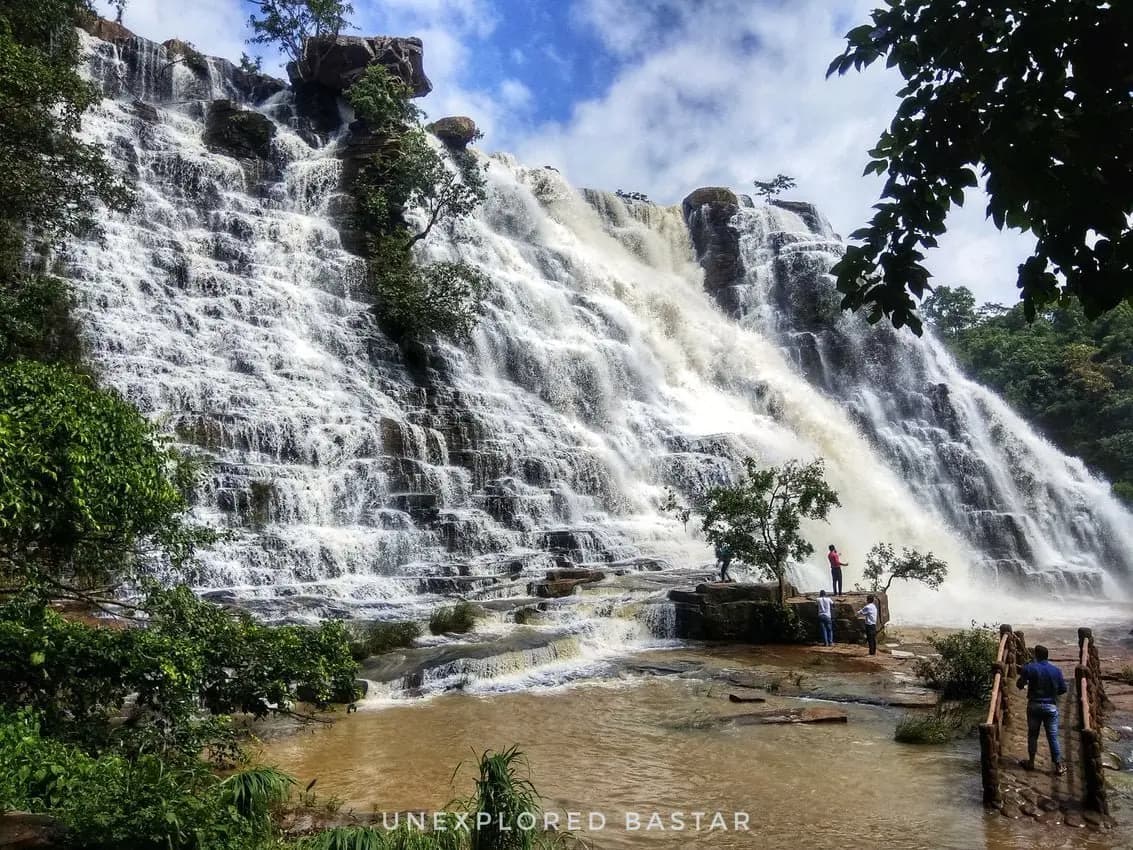
- Tirathgarh Waterfalls (65 km southeast via Kanger Valley): Located inside Kanger Valley National Park, Tirathgarh is a stunning 300-foot multi-tiered white water cataract cascading over stepped sandstone blocks on the Mugabahar River, framed by dense sal forest.
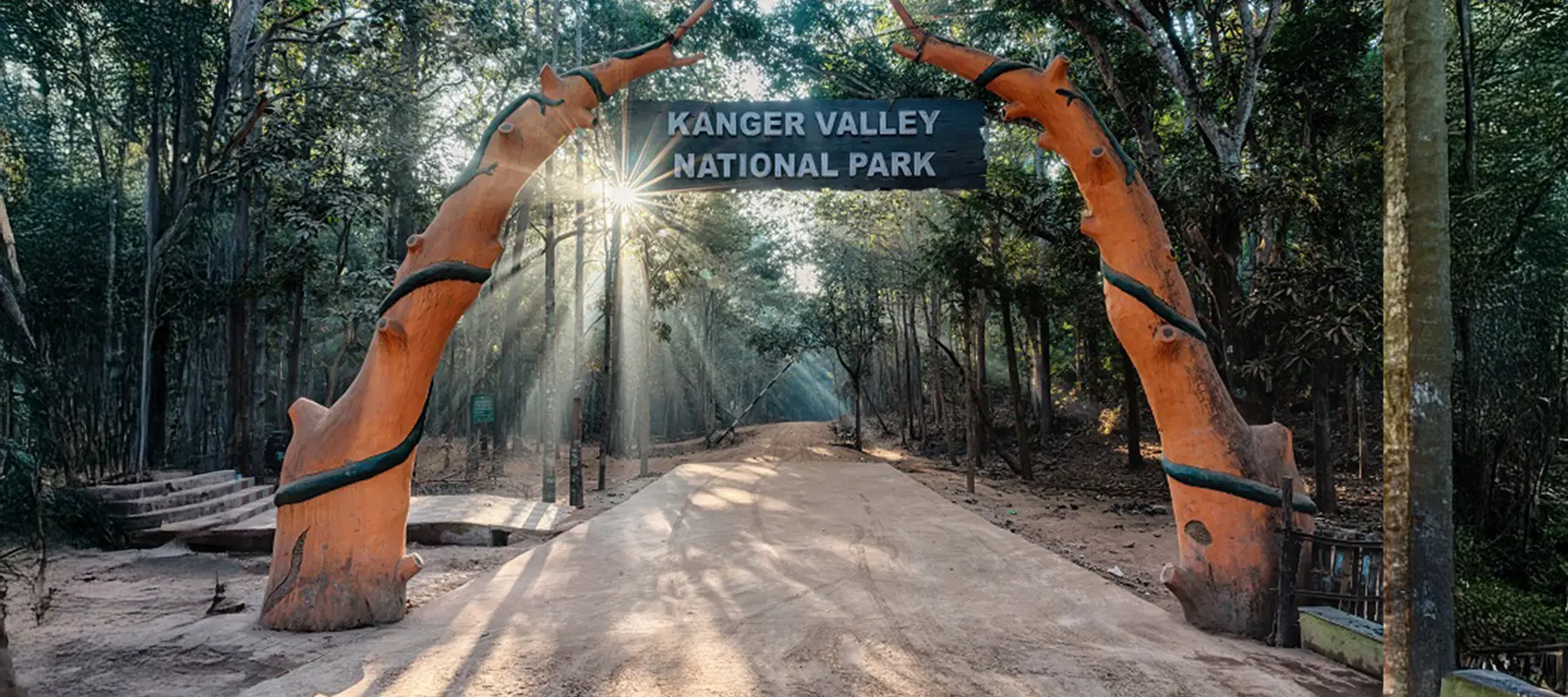
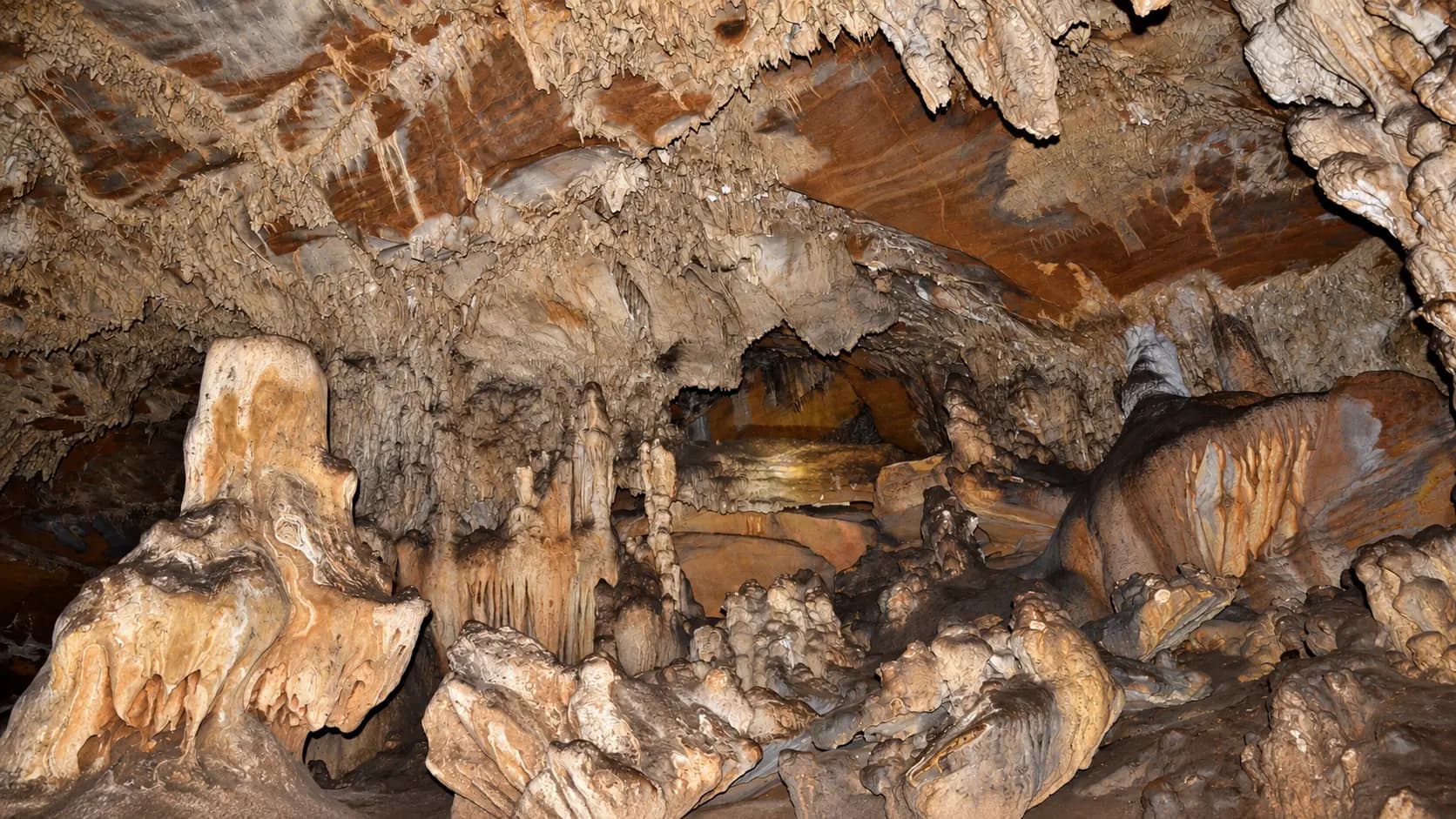
- Kanger Valley National Park & Kutumsar Caves (70 km southeast): A pristine biodiversity hotspot home to the endangered Bastar hill myna, wild water buffalo, and spectacular subterranean limestone caves containing millions-of-years-old stalactites and stalagmites.
- Bastar Palace & Anthropological Museum, Jagdalpur (38 km east): The historic royal residence of the Kakatiya kings of Bastar in central Jagdalpur, complemented by the Anthropological Museum which provides deep insights into the traditions, attire, weaponry, and lifestyles of Central India's indigenous tribes.
- Danteshwari Temple, Dantewada (85 km southwest): One of the revered 52 Shakti Peethas of India, situated at the sacred confluence of the Shankhini and Dankini rivers, dedicated to Goddess Danteshwari - the patron deity of the Bastar kingdom.
In pictures
The practical bits
Before you go.
Boating Safety and Seasonal Operational Windows
Boating in local wooden dinghies across the plunge pool is one of Chitrakote's finest highlights, but operations…Explore detailsClose details
Boating in local wooden dinghies across the plunge pool is one of Chitrakote's finest highlights, but operations are strictly dependent on river conditions. Boat safaris operate smoothly from October through May, but are suspended by district authorities during peak monsoon flood surges in July and August when the Indravati's volume makes navigation dangerous.
Footwear for Descending the Gorge Steps
Reaching the riverbed, the boat boarding jetty, and the ancient Shiva rock shrine requires descending a long…Explore detailsClose details
Reaching the riverbed, the boat boarding jetty, and the ancient Shiva rock shrine requires descending a long flight of more than 150 stone steps cut into the cliffside. Wear sturdy walking shoes or sport sandals with high-traction rubber soles that grip wet stone securely, avoiding smooth leather-soled shoes, flip-flops, or high heels that can slip easily on moist surfaces.
Photography and Mist Protection
The immense volume of falling water generates a pervasive cloud of airborne spray that drifts across the…Explore detailsClose details
The immense volume of falling water generates a pervasive cloud of airborne spray that drifts across the viewpoint pavilions, particularly when winds blow toward the cliff promenade during monsoon and early winter. Carry waterproof dry bags or silica pouches for your cameras and smartphones, and keep microfiber lens cloths handy to wipe off fine water droplets while photographing the cataract.
Booking Cliffside Accommodation in Advance
The state-run Dandami Luxury Resort is the premier lodging option at Chitrakote, offering unparalleled front-row…Explore detailsClose details
The state-run Dandami Luxury Resort is the premier lodging option at Chitrakote, offering unparalleled front-row views of the falls from its wooden cottages and Swiss tents. Because there are relatively few rooms and demand is high - especially on winter weekends and during the annual Chitrakote Mahotsav in February - travelers are strongly advised to reserve accommodations several weeks in advance through the official Chhattisgarh Tourism Board portal.
A few things you might wonder
Common questions about visiting Chitrakote Waterfalls. Fees, visiting hours and ceremonies are researched details that may change; confirm current arrangements with the operator before travelling.
Why is Chitrakote Waterfalls called the 'Niagara of India'?
Can tourists take a boat ride near the base of Chitrakote Waterfalls?
Is it safe to swim in the water at Chitrakote Waterfalls?
What is the evening dynamic light show at Chitrakote Waterfalls?
What are the accommodation options available at Chitrakote?
What is the best time of year to visit Chitrakote Waterfalls?
How far is Chitrakote Waterfalls from Jagdalpur, and how can travelers reach it?
What authentic tribal souvenirs can visitors buy near Chitrakote Waterfalls?
Explore more in Bastar
Discover other destinations around this hub
More Hubs in Chhattisgarh
Continue exploring other travel hubs in this state
Planning a trip to Bastar?