Borra Caves
Explore Borra Caves in Andhra Pradesh: 1807 discovery, 80m depth karst limestone formations, Gosthani river canyon, Shivalingam shrine, and Vistadome train access.
Location
Araku Valley, Andhra Pradesh
A closer look
Your visit, at a glance.
Araku Valley, Andhra Pradesh
GET TO KNOW THE PLACE
Carved deep into the emerald foothills of the Ananthagiri Range in Andhra Pradesh's Alluri Sitharama Raju (ASR) District, the Borra Caves (known in Telugu as Borra Guhalu)…
The story of Borra Caves
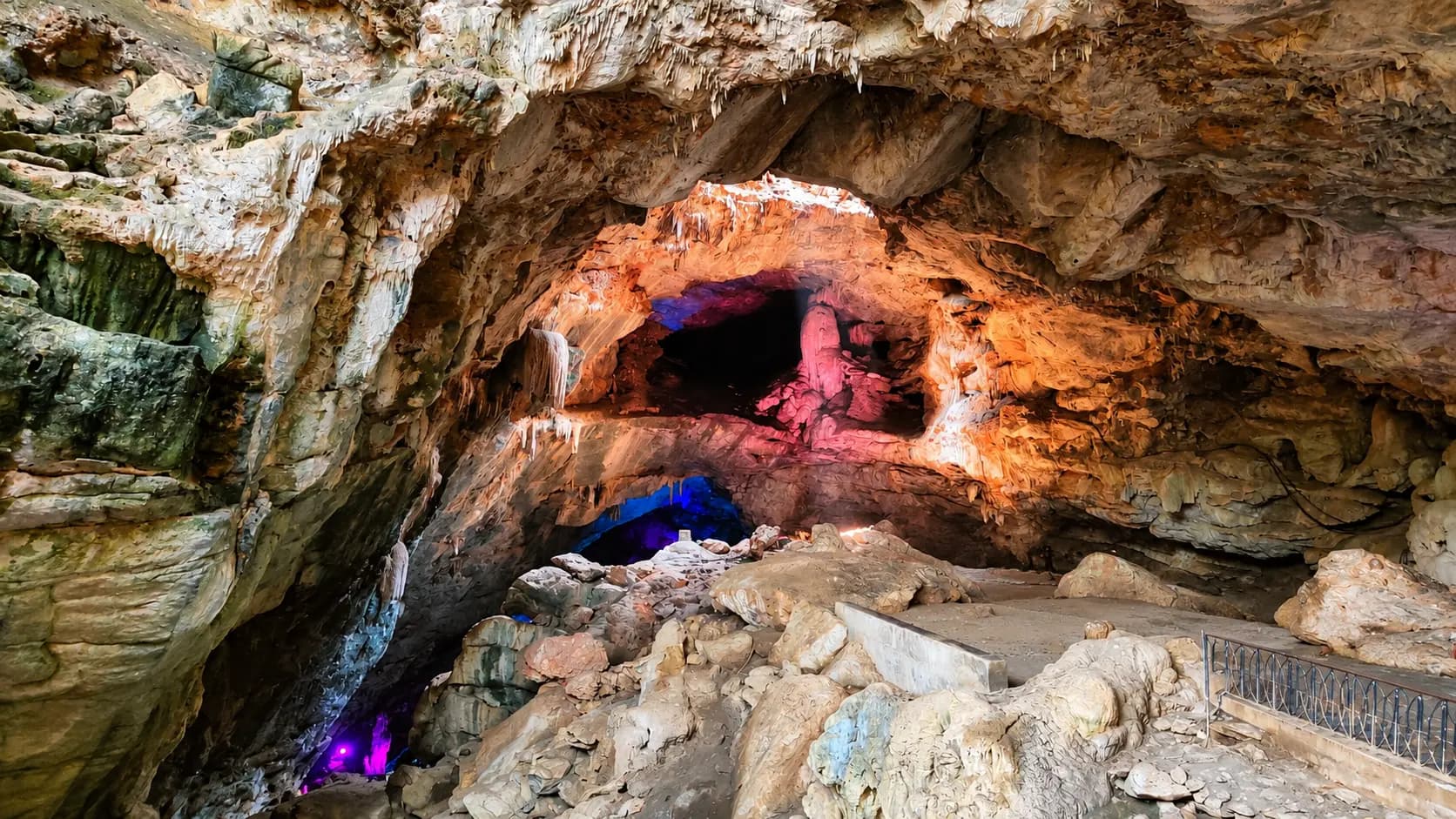
Carved deep into the emerald foothills of the Ananthagiri Range in Andhra Pradesh's Alluri Sitharama Raju (ASR) District, the Borra Caves (known in Telugu as Borra Guhalu) represent one of the most magnificent geological marvels of peninsular India. Plunging to an astonishing depth of 80 metres (262 feet) beneath the highland surface, this subterranean labyrinth extends across approximately two square kilometres of dramatic karst limestone terrain. Formed over hundreds of thousands of years by the relentless erosive force of the Gosthani River cutting through Precambrian calc-granulites and crystalline dolomitic limestone, the caves showcase an extraordinary array of speleothems - towering stalactites, monumental stalagmites, flowing draperies, and massive stone pillars.
Beyond its world-class geological significance, Borra Caves is steeped in historical lore and living cultural sanctity. Brought to the attention of modern science in 1807 by William King George of the Geological Survey of India, the cavern has long been revered by local indigenous tribal communities. An ancient tribal legend tells of a grazing cow that tumbled through an opening in the cave ceiling, leading to the miraculous discovery of a naturally formed stone Shivalingam. Today, a revered shrine sits perched within the upper rock gallery, drawing tens of thousands of pilgrims during the annual festival of Maha Shivaratri. Equipped with an innovative 63-lamp multi-coloured illumination installation and concrete railed walkways developed by the Andhra Pradesh Tourism Development Corporation (APTDC), Borra Caves offers visitors an unforgettable descent into the mysterious subterranean heart of the Eastern Ghats.
Start here. Open a tile for the full details.
Why goRead details
- A Subterranean Karst Wonder: Descend into one of India’s deepest and largest natural limestone cave systems, reaching vertical depths of up to 80 metres (262 feet) beneath the surrounding Ananthagiri mountain ridges.
- Centuries of Speleological Splendour: Marvel at monumental stalactites hanging from towering vaulted ceilings and massive stalagmites rising from the cavern floor, formed drop by microscopic drop over geological epochs.
- The Hydrological Power of the Gosthani River: Witness the sheer force of natural hydrology as the subterranean waters of the Gosthani River surge through the lowest chambers of the cavern gorge.
- Scientific Heritage Dating to 1807: Walk the subterranean pathways originally surveyed more than two centuries ago by William King George of the Geological Survey of India.
- A Living Tribal Pilgrimage Shrine: Climb the interior stone staircase to pay homage at the ancient cave temple where a natural stalagmite is worshipped as a divine manifestation of Lord Shiva.
- Dynamic Multi-Coloured Illumination: Experience the cavern’s complex textures and dramatic mineral contours brought to life by an array of 63 specialized sodium vapor, mercury, and dynamic LED lamps.
- Unique Mountain Rail Connectivity: Combine your visit with an extraordinary journey on the Kothavalasa - Kirandul (K-K) line aboard the glass-domed Vistadome rail coach, which stops at Borra Guhalu station just one kilometre from the cave entrance.
When to visitRead details
Borra Caves is open throughout the year, but seasonal variations in climate, subterranean humidity, and regional festivals significantly influence the visitor experience:
Entry & permissionsRead details
Fees, visiting hours and entry rules may change. Confirm the latest details with the official operator or local authority before travelling.
- Admission Fees:
- Adults: ₹80 per person.
- Children (ages 5 to 12): ₹60 per child.
- Camera Permits: Mobile phone camera: ₹25; Still / DSLR camera: ₹100; Video camera: ₹100.
- Parking Charges: Two-wheelers: ₹10; Four-wheelers / Cars: ₹30; Tourist buses: ₹50.
- Operating Hours:
- Open daily throughout the week from 10:00 AM to 5:00 PM.
- Important Operational Notice: The entrance ticket counter observes a mandatory lunch break between 1:00 PM and 2:00 PM. During this hour, no new entry tickets are issued, although visitors already inside the cavern may continue exploring.
- Permissions & Regulations:
- No special forest department permits or inner-line clearances are required for regular Indian citizens or foreign tourists.
- Foreign nationals are advised to carry identification (such as passport copies) when travelling in the ASR tribal agency area.
- Professional documentary filmmaking, commercial advertising, or drone flights in the vicinity of the caves require prior written authorization from the Alluri Sitharama Raju District Collectorate and local police authorities.
- Smoking, littering, consuming alcohol, and defacing the ancient limestone formations with graffiti are strictly prohibited and punishable under state tourism regulations.
Plan your visitRead details
Borra Caves is ideally situated along the primary transport corridor linking Visakhapatnam to the Araku Valley plateau, making it accessible by both road and rail:
Explore the full guide - choose a topic below.
Why visit?
A Subterranean Karst Wonder: Descend into one of India’s deepest and largest natural limestone cave systems…Explore detailsClose details
- A Subterranean Karst Wonder: Descend into one of India’s deepest and largest natural limestone cave systems, reaching vertical depths of up to 80 metres (262 feet) beneath the surrounding Ananthagiri mountain ridges.
- Centuries of Speleological Splendour: Marvel at monumental stalactites hanging from towering vaulted ceilings and massive stalagmites rising from the cavern floor, formed drop by microscopic drop over geological epochs.
- The Hydrological Power of the Gosthani River: Witness the sheer force of natural hydrology as the subterranean waters of the Gosthani River surge through the lowest chambers of the cavern gorge.
- Scientific Heritage Dating to 1807: Walk the subterranean pathways originally surveyed more than two centuries ago by William King George of the Geological Survey of India.
- A Living Tribal Pilgrimage Shrine: Climb the interior stone staircase to pay homage at the ancient cave temple where a natural stalagmite is worshipped as a divine manifestation of Lord Shiva.
- Dynamic Multi-Coloured Illumination: Experience the cavern’s complex textures and dramatic mineral contours brought to life by an array of 63 specialized sodium vapor, mercury, and dynamic LED lamps.
- Unique Mountain Rail Connectivity: Combine your visit with an extraordinary journey on the Kothavalasa - Kirandul (K-K) line aboard the glass-domed Vistadome rail coach, which stops at Borra Guhalu station just one kilometre from the cave entrance.
What to expect
Visiting Borra Caves is an immersive, multi-sensory adventure that combines dramatic geological exploration…Explore detailsClose details
Visiting Borra Caves is an immersive, multi-sensory adventure that combines dramatic geological exploration, physical stair climbing, and vibrant local culinary experiences.
[Entrance Plaza & Ticket Office] ====(Descend 300+ Steps)====> [Main Illuminated Cavern]
                                                                        |
                       +------------------------------------------------+-------------------------------+
                       |                                                                                |
                       v                                                                                v
  [Sacred Shivalingam Shrine]                                                              [Gosthani Subterranean Gorge]
  - Tribal Pilgrimage Sanctum                                                              - Deepest point at 80 metres
  - Panoramic Upper Gallery Vista                                                          - Roaring river acoustics
1. Entrance Plaza and Descent
The journey begins at the hilltop ticket plaza in Borraguhalu village, surrounded by bustling stalls selling local crafts, wild spices, and sizzling Bamboo Chicken (Bongu Lo). Passing through the entry turnstiles, visitors embark on a descent down a well-engineered staircase of approximately 300 to 350 concrete steps with iron safety handrails. As you descend beneath the natural rock archway, the outside warmth immediately gives way to cool, damp subterranean air and the distant, echoing rush of flowing water.
2. The Main Vault and Illumination Spectacle
Stepping into the vast central chamber, visitors are struck by the cavernous scale of the space. Vaulted ceilings rise up to 45 metres overhead, punctured in places by natural sinkholes (skylights) that cast dramatic shafts of daytime sunlight into the gloom. In 1993, the Andhra Pradesh Tourism Development Corporation enhanced this otherworldly landscape with 63 specialized illumination lamps. Vivid hues of amber, magenta, turquoise, and violet illuminate the intricate folds of limestone draperies and mineral-streaked walls, creating a fantasy-like visual spectacle.
3. Iconic Geological Formations
Over generations, local guides and tribal inhabitants have identified natural mineral formations that bear uncanny resemblances to mythological and natural figures:
- Shiva-Parvati & Kamadhenu: Intricately folded flowstones resembling the divine couple and the celestial wish-granting cow.
- The Rishi’s Beard: A delicate cascade of slender, elongated stalactites hanging from a rock ledge like flowing silver hair.
- Mother and Child: A touching formation of two adjacent stalagmites resembling a mother cradling an infant.
- The Human Brain: A deeply furrowed, convoluted calcite dome in the upper gallery that closely mimics the anatomical lobes of a human brain.
- The Elephant's Trunk: A massive cylindrical mineral column tapering downward from the cavern ceiling.
4. The Sacred Shivalingam Temple
A steep flight of stone stairs branches off the main central path, leading up to an elevated rock alcove where a naturally occurring cylindrical stalagmite is consecrated as a holy Shivalingam. According to local tribal tradition, a cow fell into the cave through a surface hole; when the cowherd descended to recover his animal, he found it resting peacefully beside this stone. A small shrine attended by local priests marks the spot, offering devotees an opportunity to receive sacred ash (vibhuti) and blessings.
5. The Subterranean Canyon of the Gosthani River
At the lowest accessible level of the cave system, 80 metres below the entrance, visitors reach the viewing parapet overlooking the subterranean channel of the Gosthani River. The river cuts cleanly through the limestone base of the mountain before emerging onto the surface downstream toward the plains of Vizianagaram. The thunderous roar of the subterranean current bouncing off polished dolomitic cliffs provides a visceral acoustic reminder of the continuous geological forces shaping these hills.
Best time to visit
Borra Caves is open throughout the year, but seasonal variations in climate, subterranean humidity, and regional…Explore detailsClose details
Borra Caves is open throughout the year, but seasonal variations in climate, subterranean humidity, and regional festivals significantly influence the visitor experience:
Season | Months | Climate & Conditions | Travel Considerations |
|---|---|---|---|
Peak Winter | October to February | Crisp mountain air outside (14°C - 24°C); minimal outdoor humidity; dry, well-ventilated cave interior. | Supreme Visiting Window: Excellent conditions for climbing the 300+ steps; comfortable walking; peak festive atmosphere with food stalls active. |
Maha Shivaratri Festival | February / March (Varies) | Warm spring weather; huge cultural surges; traditional tribal melas and night-long temple vigils. | Cultural Immersion: Tens of thousands of devotees congregate at the interior shrine; highly energetic, though pathways can be extremely crowded. |
Summer | April to June | Warm highlands (26°C to 36°C); cave interior provides a refreshing refuge from external daytime heat. | Moderate Season: Good for unhurried photography and avoiding winter tour-bus crowds; drink plenty of water before entering. |
Monsoon | July to September | Heavy regional rains; roaring Gosthani River in full spate; dripping cave ceilings and damp stairs. | Dramatic River Dynamics: The subterranean river is thrilling to behold, but caution is necessary as concrete steps can become slippery. |
Recommended Time of Day: Check the current visiting hours and permitted access with the site operator before departure; ceremonies, closures and visitor sessions can affect access. Arriving early allows you to explore the main cavern before the large mid-day tourist buses from Visakhapatnam arrive.
How to reach
Borra Caves is ideally situated along the primary transport corridor linking Visakhapatnam to the Araku Valley…Explore detailsClose details
Borra Caves is ideally situated along the primary transport corridor linking Visakhapatnam to the Araku Valley plateau, making it accessible by both road and rail:
[Visakhapatnam (90 km)] ====(SH-39 Ghats)====> [Borra Caves Junction] ====(5 km)====> [Borra Caves Entrance]
                                                         |                                         ^
                                                  (24 km north)                                    |
                                                         v                                         |
                                                [Araku Town Center]                                |
                                                         |                                         |
                                                         +================(K-K Rail Line)==========+
By Scenic Railway (K-K Line)
- Borra Guhalu Railway Station (BGHU): Located just one kilometre from the cave entrance, Borra Guhalu is an iconic stop on the historic Kottavalasa - Kirandul (K-K) line.
- The Vistadome Experience: The daily Visakhapatnam - Kirandul Passenger (Train No. 18551 / 18552) features glass-roofed Vistadome coaches with 360-degree rotatable seats, wide observation lounges, and large observation windows. The train leaves Visakhapatnam Junction (VSKP) early in the morning, traversing 58 tunnels and 84 bridges through the Ananthagiri hills before pulling into Borra Guhalu station around 09:45 to 10:00 AM.
- Station Transfer: From Borra Guhalu station, shared auto-rickshaws and walking trails lead directly to the cave entrance plaza in less than ten minutes.
By Road
- From Visakhapatnam (90 km, 2.5 to 3 hours): Travel northwest along State Highway 39 (SH-39) through Pendurthi and S. Kota. Climb the sweeping hairpin turns of the Ananthagiri Ghat. At the marked Borra Caves junction, turn east onto the dedicated 5-kilometre spur road leading directly to the parking grounds.
- From Araku Valley (29 km, 45 minutes): Head southeast on SH-39 past the Ananthagiri coffee estates, turning left at the Borra Caves intersection.
- Public & Tour Buses: Andhra Pradesh State Road Transport Corporation (APSRTC) operates daily services from Visakhapatnam and Araku. Additionally, APTDC conducts daily guided sightseeing coach tours departing from Visakhapatnam that include Borra Caves, Ananthagiri Plantations, and the Araku Tribal Museum.
By Air
- Visakhapatnam International Airport (VTZ, ~85 km): The closest operating airport, serviced by regular non-stop flights from major Indian metros including Hyderabad, Bengaluru, Chennai, Delhi, and Mumbai. Pre-paid taxis and rental vehicles can be hired at the airport terminal for the direct drive up the ghats.
Entry, timings and permissions
Fees, visiting hours and entry rules may change.Explore detailsClose details
Fees, visiting hours and entry rules may change. Confirm the latest details with the official operator or local authority before travelling.
- Admission Fees:
- Adults: ₹80 per person.
- Children (ages 5 to 12): ₹60 per child.
- Camera Permits: Mobile phone camera: ₹25; Still / DSLR camera: ₹100; Video camera: ₹100.
- Parking Charges: Two-wheelers: ₹10; Four-wheelers / Cars: ₹30; Tourist buses: ₹50.
- Operating Hours:
- Open daily throughout the week from 10:00 AM to 5:00 PM.
- Important Operational Notice: The entrance ticket counter observes a mandatory lunch break between 1:00 PM and 2:00 PM. During this hour, no new entry tickets are issued, although visitors already inside the cavern may continue exploring.
- Permissions & Regulations:
- No special forest department permits or inner-line clearances are required for regular Indian citizens or foreign tourists.
- Foreign nationals are advised to carry identification (such as passport copies) when travelling in the ASR tribal agency area.
- Professional documentary filmmaking, commercial advertising, or drone flights in the vicinity of the caves require prior written authorization from the Alluri Sitharama Raju District Collectorate and local police authorities.
- Smoking, littering, consuming alcohol, and defacing the ancient limestone formations with graffiti are strictly prohibited and punishable under state tourism regulations.
Nearby places to consider
Borra Caves sits at the crossroads of some of the most spectacular natural attractions in the Ananthagiri and…Explore detailsClose details
Borra Caves sits at the crossroads of some of the most spectacular natural attractions in the Ananthagiri and Araku mountain sectors:
[Araku Town & Tribal Museum] (29 km northwest)
                 ^
                 |
         [BORRA CAVES] ====(8 km 4WD Track)====> [Katiki Waterfalls]
                 |
          (12 km west)
                 v
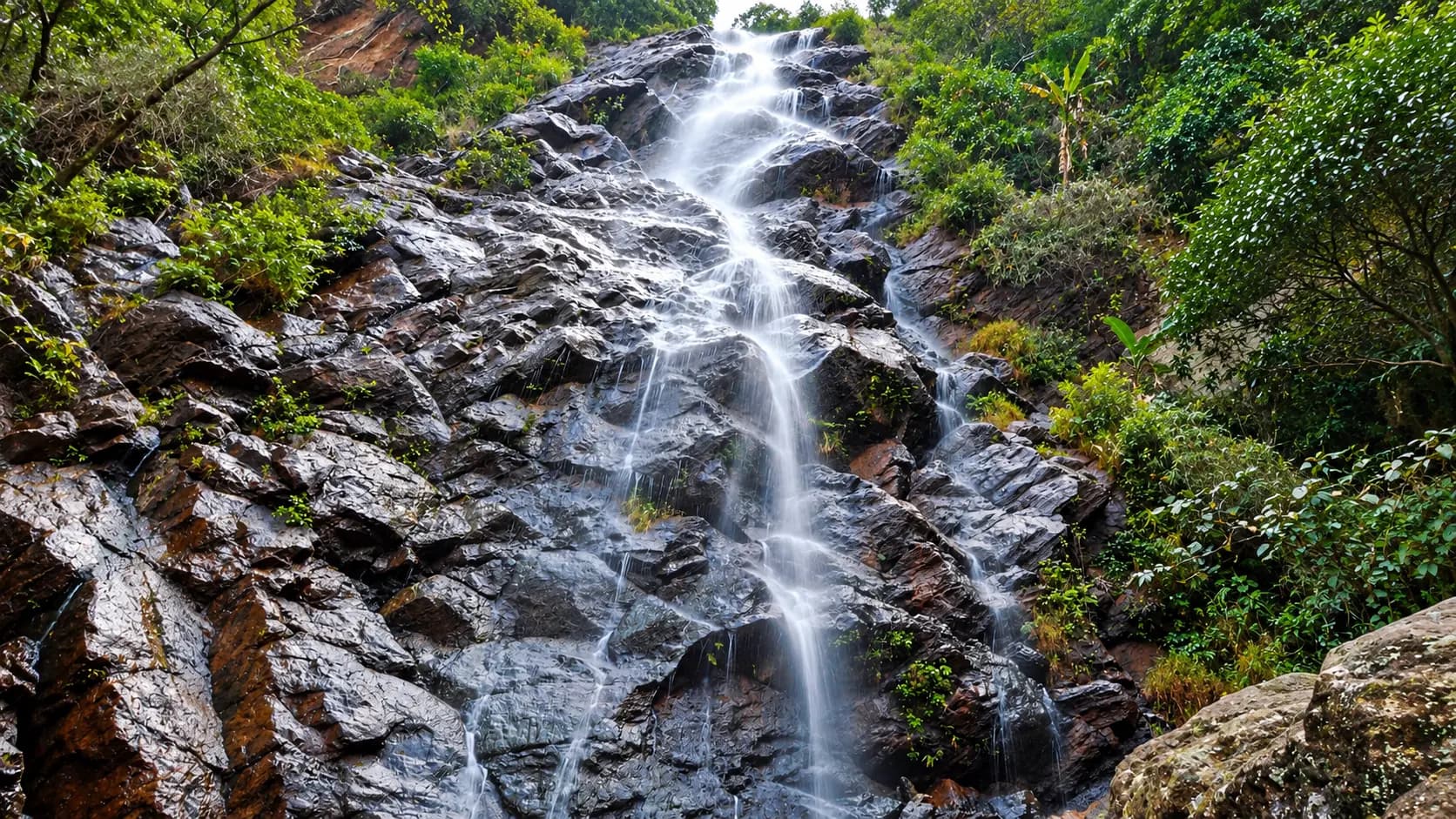
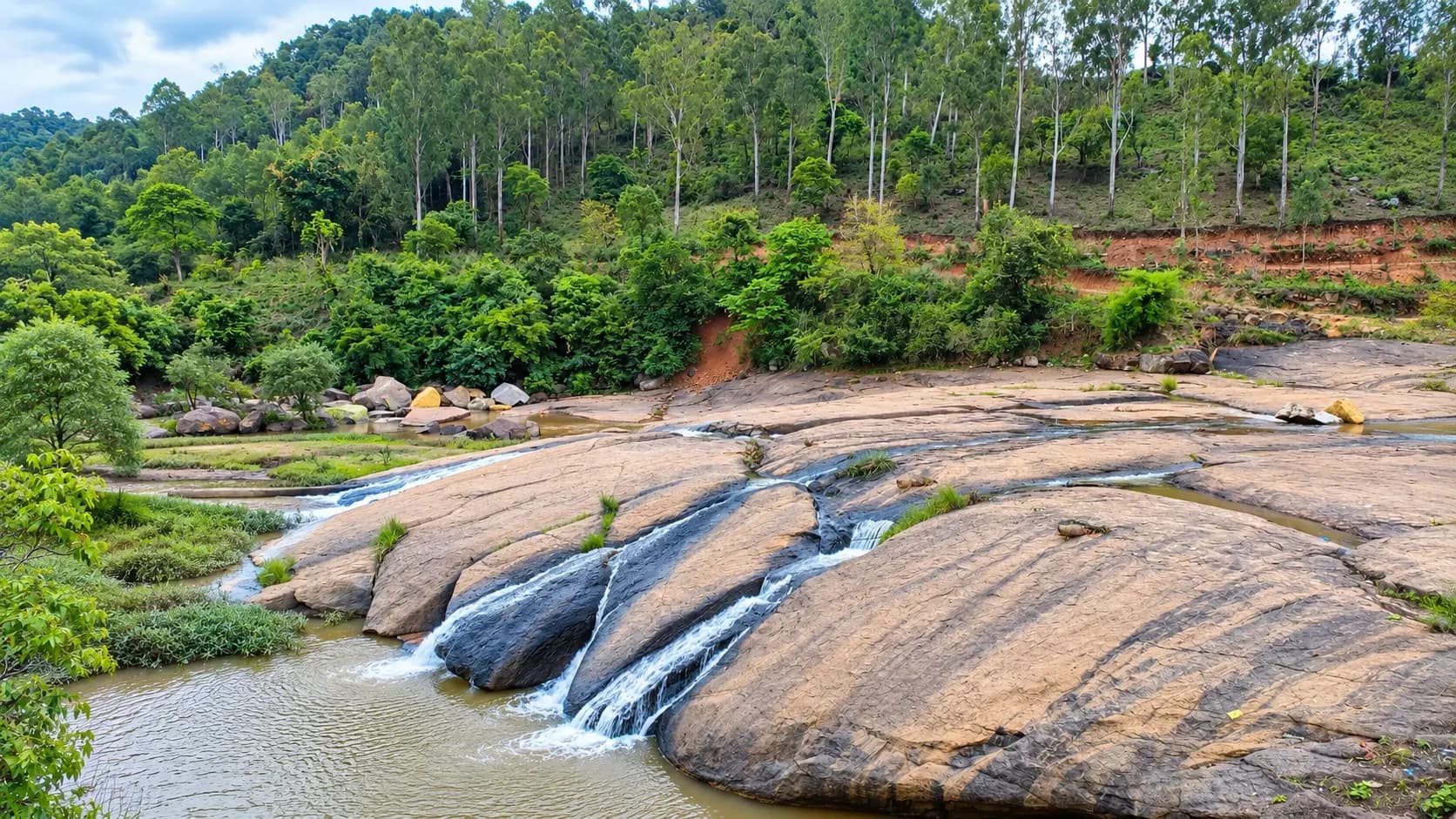
[Ananthagiri Coffee Plantations & Tatiguda Falls]- Katiki Waterfalls (8 km east): A dramatic 50-foot natural waterfall fed by the Gosthani River tumbling through pristine evergreen forest. Accessed by hiring a rugged four-wheel-drive local jeep from Borra Caves gate followed by a short jungle hike.
- Ananthagiri Coffee Plantations (12 km west): Sprawling, shade-grown organic Arabica coffee estates flanking State Highway 39, ideal for roadside walks beneath towering silver oaks and black pepper vines.
- Tatiguda Waterfalls (15 km west): A picturesque cascade near Ananthagiri village tumbling across tiered rock shelves, popular among nature photographers.
- Galikonda View Point (18 km northwest): The highest roadside vantage point along the ghat road, offering sweeping panoramic views across the mist-filled valley basins.
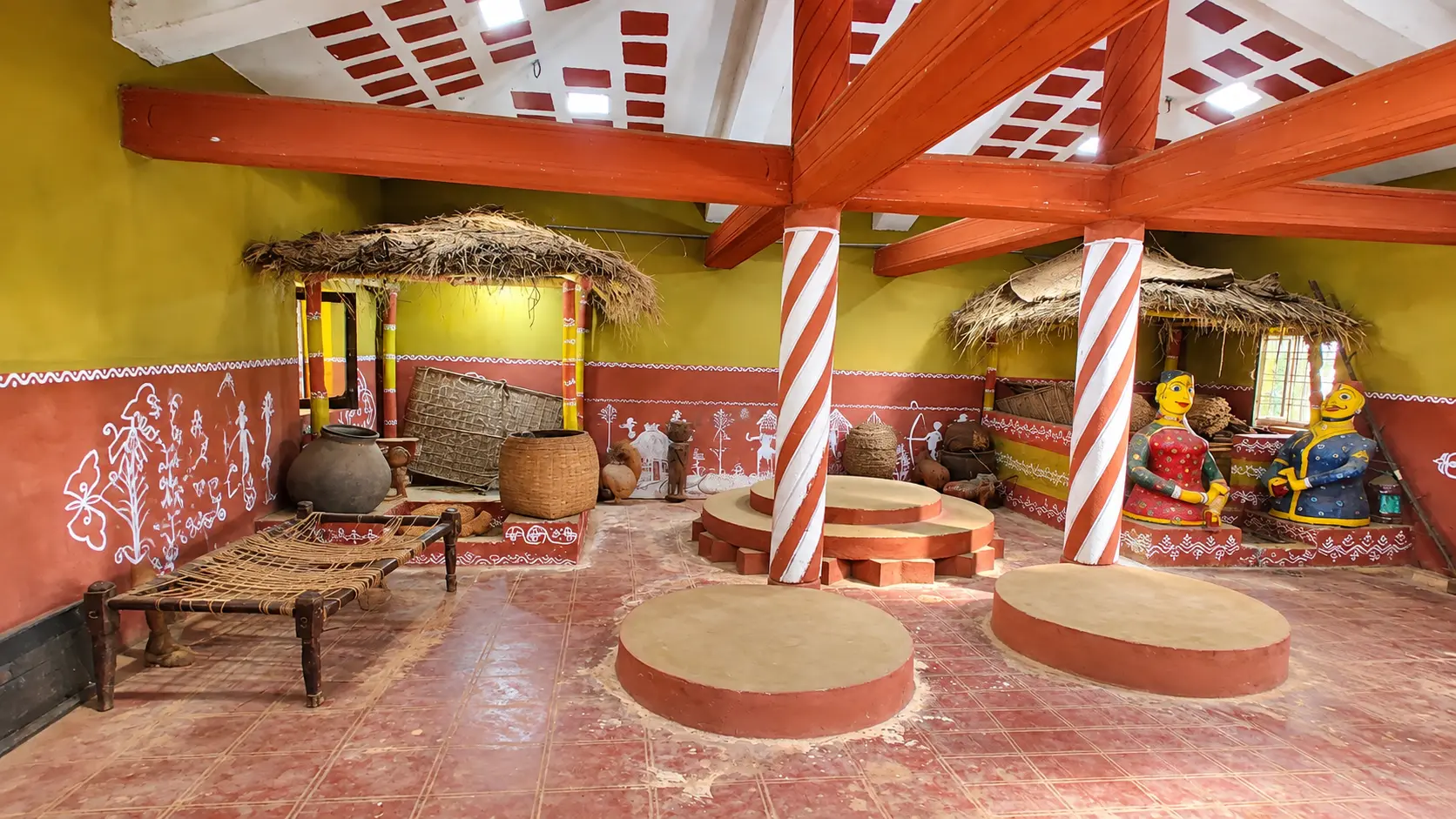
- Araku Tribal Museum & Padmapuram Gardens (29 km northwest): Located in central Araku town, featuring authentic clay hamlets, live Dhimsa folk dances, tree-top cottages, and a miniature toy train.
In pictures
The practical bits
Before you go.
Plan ahead
A safe, comfortable, and memorable exploration of Borra Caves requires mindful physical and logistical preparation.Explore detailsClose details
A safe, comfortable, and memorable exploration of Borra Caves requires mindful physical and logistical preparation. Follow these four practical guidelines:
Managing the Physical Climb and Stair Navigation
Visiting Borra Caves involves descending and ascending more than 300 steep, irregular concrete steps inside a…Explore detailsClose details
Visiting Borra Caves involves descending and ascending more than 300 steep, irregular concrete steps inside a deep subterranean cavern. While iron handrails are installed throughout the main pathways, the ascent back up to the surface requires moderate cardiovascular effort and leg strength. Visitors with severe cardiovascular conditions, asthma, or advanced mobility limitations should take frequent pauses on the shaded rest platforms installed along the route. Plan to pace yourself and carry a small bottle of drinking water.
Footwear Selection and Surface Traction
The subterranean atmosphere is characterized by high ambient humidity and continuous water seepage through…Explore detailsClose details
The subterranean atmosphere is characterized by high ambient humidity and continuous water seepage through limestone fractures. As a result, certain steps and paved landings can be slick, particularly where fine mineral deposits or algae settle. Wear closed-toe athletic sneakers or trekking shoes with deep rubber treads. Avoid smooth-soled leather dress shoes, open flip-flops, or high heels, which dramatically increase the risk of slipping on wet steps.
Coordinating Train Timings with Cave Exploration
If arriving via the Vistadome train (Kirandul Passenger), you will alight at Borra Guhalu station around 10:00 AM.Explore detailsClose details
If arriving via the Vistadome train (Kirandul Passenger), you will alight at Borra Guhalu station around 10:00 AM. Walk or take an auto-rickshaw to the cave entrance, complete your 2 to 2.5-hour exploration, and enjoy an authentic lunch of Bamboo Chicken outside the plaza. For your return journey, you can either catch the evening return passenger train back to Visakhapatnam, hire an auto-rickshaw up to Araku town (29 km) to continue your highland holiday, or arrange a private cab for the descent.
Photography and Lighting Techniques
Capturing the vast subterranean expanse of Borra Caves can be challenging due to the high contrast between bright…Explore detailsClose details
Capturing the vast subterranean expanse of Borra Caves can be challenging due to the high contrast between bright artificial lamps and deep cavern shadows. Turn off direct camera flash, as flash will wash out the rich natural colors of the limestone and illuminate airborne dust particles. Instead, increase your camera or smartphone's ISO setting (e.g., ISO 1600 or 3200) and use night-mode computational exposure or rest your camera against a sturdy railing to capture long exposures of the illuminated stalactites.
A few things you might wonder
Common questions about visiting Borra Caves. Fees, visiting hours and ceremonies are researched details that may change; confirm current arrangements with the operator before travelling.
What are the official entry ticket prices and visiting hours for Borra Caves?
How deep are the Borra Caves, and how were they formed?
Who scientifically discovered the Borra Caves, and when?
What is the religious significance of the shrine inside Borra Caves?
How many steps must visitors climb inside Borra Caves?
How do you travel from Visakhapatnam to Borra Caves by train?
Can tourists visit Katiki Waterfalls from Borra Caves?
Is it safe to visit Borra Caves during the monsoon season?
Explore more in Araku Valley
Discover other destinations around this hub
More Hubs in Andhra Pradesh
Continue exploring other travel hubs in this state
Planning a trip to Araku Valley?