Araku Tribal Museum & Padmapuram Gardens
Explore Araku Tribal Museum and Padmapuram Gardens in Andhra Pradesh. Official guide covers WWII origins, mud vernacular architecture, Dhimsa dance, and treehouse stays.
Location
Araku Valley, Andhra Pradesh
A closer look
Your visit, at a glance.
Araku Valley, Andhra Pradesh
GET TO KNOW THE PLACE
Nestled on the high-altitude plateau of the northern Eastern Ghats in Andhra Pradesh, the Araku Tribal Museum and Padmapuram Botanical Gardens together form the cultural and…
The story of Araku Tribal Museum & Padmapuram Gardens
Nestled on the high-altitude plateau of the northern Eastern Ghats in Andhra Pradesh, the Araku Tribal Museum and Padmapuram Botanical Gardens together form the cultural and horticultural heart of Araku Valley. Located in the Alluri Sitharama Raju (ASR) District at an average elevation of 911 metres (2,989 feet) above mean sea level, these two landmark institutions provide an authentic gateway into the human and natural ecology of the region. While the Tribal Museum preserves and interprets the rich heritage, metallurgy, social customs, and spiritual traditions of the nineteen indigenous hill tribes inhabiting the agency tracts, Padmapuram Gardens represents a fascinating historical transition - from a World War II wartime vegetable supply garden established in 1942 into a 26-acre botanical sanctuary celebrated for its swaying tree-top hanging cottages and miniature scenic railway.
Conveniently located within 2.5 kilometres of each other along the central thoroughfare of Araku town, these twin destinations offer a balanced and family-friendly itinerary. Visitors can spend a morning immersing themselves in authentic clay dioramas, listening to the resonant beat of the tudumu drum during a live Dhimsa dance, exploring tribal handicraft emporia, and subsequently strolling through shaded pine groves, vibrant rose beds, and orchard nurseries. This comprehensive guide details the historical roots, architectural nuances, botanical treasures, visiting protocols, and practical logistical requirements necessary for planning an enriching excursion.
Start here. Open a tile for the full details.
Why goRead details
- Immersion in Living Tribal Heritage: The Araku Tribal Museum offers an exceptionally sensitive, comprehensive look into the cultures of nineteen indigenous communities of the Eastern Ghats Agency areas, including the Bagata, Valmiki, Porja, Kondh, Koya, and Gadaba.
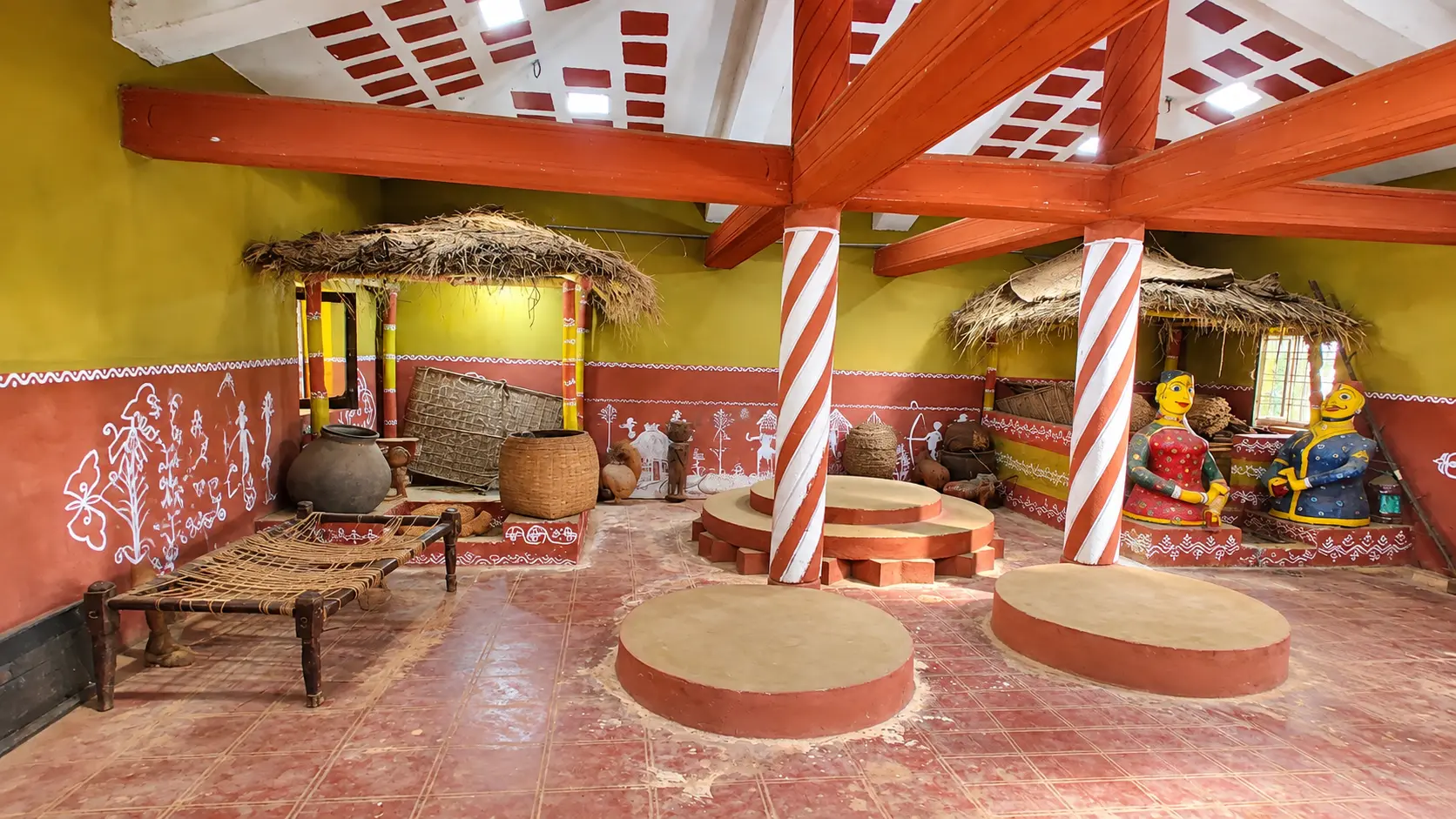
- Masterful Vernacular Architecture: Unlike conventional concrete institutional museums, the museum complex is constructed using traditional mud walls, cow-dung plaster, rough-hewn timber rafters, and terracotta tiles, perfectly recreating the sensory atmosphere of an authentic highland forest hamlet.
- Rhythmic Spectacle of the Dhimsa Dance: Experience live demonstrations of the Dhimsa chain dance in the open museum courtyard, where women move in sinuous, centipede-like formations to the piercing melodies of the mori reed pipe and the booming cadence of tudumu drums.
- Fascinating World War II Horticultural Origins: Padmapuram Gardens was carved out of the wilderness in 1942 to grow fresh vegetables and provisions for Allied soldiers stationed in Visakhapatnam, transitioning after independence into a premier botanical nursery.
- Iconic Tree-Top Hanging Cottages: Marvel at the elevated wooden cabins suspended ten feet above ground within the sturdy branches of living forest trees, designed to sway gently in the mountain winds without harming tree growth.
- Family-Friendly Scenic Mini Toy Train: Children and adults alike can board the "Araku Express" miniature railway for a delightful ten-minute loop through manicured rose beds, fruit orchards, and fragrant Himalayan pine groves.
When to visitRead details
Araku Valley enjoys a pleasant subtropical highland climate throughout the year, but the seasons offer distinct experiences:
Entry & permissionsRead details
Fees, visiting hours and entry rules may change. Confirm the latest details with the official operator or local authority before travelling.
- Admission Tariffs:
- Araku Tribal Museum: ₹40 per adult; ₹20 per child (ages 5 to 12). A still camera fee of ₹50 applies for DSLR and professional cameras.
- Padmapuram Botanical Gardens: ₹40 per adult; ₹20 per child. The miniature toy train ride is ticketed separately inside the park at ₹30 to ₹40 per person.
- Operating Hours:
- Araku Tribal Museum: Open daily from 10:00 AM to 6:00 PM (including weekends and public holidays).
- Padmapuram Gardens: Open 8:30 AM to 6:00 PM Monday through Saturday, and 8:00 AM to 5:00 PM on Sundays.
- Permissions & Regulations:
- No special permits or inner line passes are required for Indian or foreign domestic travellers visiting either facility.
- Foreign nationals should carry original passport credentials as standard travel documentation across the ASR Agency area.
- Commercial cinematography, drone flights, and advertising shoots require prior written authorization from the Alluri Sitharama Raju District Collectorate at Paderu.
- Touching, defacing, or climbing upon the clay dioramas inside the Tribal Museum is strictly prohibited.
Plan your visitRead details
Araku Valley is connected to the coastal plains of Andhra Pradesh via road and one of India’s most celebrated mountain railways:
Explore the full guide - choose a topic below.
Why visit?
Immersion in Living Tribal Heritage: The Araku Tribal Museum offers an exceptionally sensitive, comprehensive…Explore detailsClose details
- Immersion in Living Tribal Heritage: The Araku Tribal Museum offers an exceptionally sensitive, comprehensive look into the cultures of nineteen indigenous communities of the Eastern Ghats Agency areas, including the Bagata, Valmiki, Porja, Kondh, Koya, and Gadaba.
- Masterful Vernacular Architecture: Unlike conventional concrete institutional museums, the museum complex is constructed using traditional mud walls, cow-dung plaster, rough-hewn timber rafters, and terracotta tiles, perfectly recreating the sensory atmosphere of an authentic highland forest hamlet.
- Rhythmic Spectacle of the Dhimsa Dance: Experience live demonstrations of the Dhimsa chain dance in the open museum courtyard, where women move in sinuous, centipede-like formations to the piercing melodies of the mori reed pipe and the booming cadence of tudumu drums.
- Fascinating World War II Horticultural Origins: Padmapuram Gardens was carved out of the wilderness in 1942 to grow fresh vegetables and provisions for Allied soldiers stationed in Visakhapatnam, transitioning after independence into a premier botanical nursery.
- Iconic Tree-Top Hanging Cottages: Marvel at the elevated wooden cabins suspended ten feet above ground within the sturdy branches of living forest trees, designed to sway gently in the mountain winds without harming tree growth.
- Family-Friendly Scenic Mini Toy Train: Children and adults alike can board the "Araku Express" miniature railway for a delightful ten-minute loop through manicured rose beds, fruit orchards, and fragrant Himalayan pine groves.
What to expect
Visiting these dual attractions takes travellers through two contrasting yet complementary environments: an…Explore detailsClose details
Visiting these dual attractions takes travellers through two contrasting yet complementary environments: an indoor ethnographic journey followed by an outdoor botanical ramble.
[Araku RTC Bus Station] ====(200 m Walk)====> [Araku Tribal Museum]
                                                     |
                                            (2.5 km Scenic Road)
                                                     v
                                          [Padmapuram Botanical Gardens]
                                          - 26 Acres of Pine & Orchards
                                          - Tree-Top Hanging Cottages
                                          - "Araku Express" Mini Train
1. Architectural Ambiance of the Tribal Museum
Entering the Araku Tribal Museum, visitors immediately notice the cool, earthy microclimate maintained by thick sun-baked clay walls and broad thatched eaves. The complex was constructed in 1996 by the Andhra Pradesh Tourism Development Corporation (APTDC) and the Integrated Tribal Development Agency (ITDA) Paderu. The walls are embellished with traditional white geometric murals (chita motifs) hand-painted with rice flour paste by indigenous women artisans.
2. Anthropological Dioramas and Material Culture
The museum's two interconnected floors house lifelike clay sculptures illustrating essential tribal lifeways:
- Domestic Crafts & Food Processing: Reconstructed huts show women winnowing millets with woven bamboo scoops (cheta) and grinding grain on stone rotary querns.
- Forest Metallurgy & Forging: Life-sized dioramas depict metalsmiths using charcoal bellows to forge iron arrowheads, sickles, and axes.
- Traditional Nuptials & Village Councils: Authentic representations of wedding mandaps adorned with brass ornaments, alongside village elders (Panchayat) gathered beneath sacred trees to resolve community disputes.
- Dhokra Metalcraft & Hunting Tools: Galleries exhibit ancient lost-wax brass castings, bamboo hunting bows, iron-tipped arrows, and woven river fish traps.
3. The Courtyard Dhimsa Dance Experience
In the central amphitheater, visitors can witness live performances of the Dhimsa dance. Fifteen to twenty tribal women clasp hands and forearms behind their backs, forming an unbreakable human chain led by an elder holding a plume of peacock feathers. The troupe weaves across the stone paving in undulating serpentine patterns that mimic forest creatures, stepping in unison to the hypnotic rhythms of the mori and tudumu.
4. Exploring the 26-Acre Padmapuram Botanical Gardens
A short two-kilometre drive leads to Padmapuram Gardens. Established during World War II in 1942 as an Allied military vegetable nursery, this lush 26-acre sanctuary today features:
- Coniferous Pine Groves: Majestic stands of Himalayan longleaf pines (Pinus roxburghii) that carpet the ground in soft brown needles and fill the mountain air with refreshing evergreen scents.
- Rose Gardens & Nurseries: Geometrical flowerbeds containing hybrid tea roses, seasonal chrysanthemums, and exotic subtropical ferns.
- Deciduous Fruit Orchards: Plantings of guavas, pomelos, oranges, and indigenous plums cultivated by the Department of Horticulture.
- The Araku Express Toy Train: A circular narrow-gauge railway that carries passengers through the heart of the park's floral displays.
- The Hanging Cottages: Elevated wooden treehouses perched ten feet high in the canopy, offering guests a unique swaying retreat amidst the forest boughs.
Best time to visit
Araku Valley enjoys a pleasant subtropical highland climate throughout the year, but the seasons offer distinct…Explore detailsClose details
Araku Valley enjoys a pleasant subtropical highland climate throughout the year, but the seasons offer distinct experiences:
Season | Months | Weather & Atmospheric Conditions | Travel Highlights |
|---|---|---|---|
Peak Winter | November to February | Crisp mountain mornings (10°C - 14°C); warm, sunny afternoons (22°C - 25°C); dense valley mist at dawn. | Prime Season: Ideal weather for walking garden trails; live Dhimsa dances operate daily; coincides with Araku Chali Utsavalu winter festival. |
Spring & Flower Bloom | March to April | Pleasant mornings (18°C); warm middays (28°C - 32°C); fresh green foliage and orchard blossoms. | Floral Season: Rose beds and fruit orchards in full bloom; pleasant early-morning strolls; less crowded than peak winter. |
Summer | May to mid-June | Warm highlands (24°C to 35°C); significantly cooler than the baking coastal plains of Visakhapatnam. | Affordable Retreat: Quiet season with lower hotel tariffs; museum clay halls offer naturally cool indoor respite during midday heat. |
Monsoon | July to October | Moderate to heavy rainfall; mist-shrouded ghats; lush emerald vegetation across the valley basin. | Scenic Nature Season: Padmapuram pine groves and lawns turn vibrant green; refreshing cloudy weather, though rain umbrellas are essential. |
Recommended Time of Day: Arrive at Padmapuram Gardens early in the morning (between 08:30 and 10:30) to enjoy the quiet pine trails, morning bird chorus, and the first toy train departures before tour buses arrive. Transition to the Tribal Museum during late morning or early afternoon (11:00 to 13:30) when indoor lighting is bright and live courtyard dance performances take place.
How to reach
Araku Valley is connected to the coastal plains of Andhra Pradesh via road and one of India’s most celebrated…Explore detailsClose details
Araku Valley is connected to the coastal plains of Andhra Pradesh via road and one of India’s most celebrated mountain railways:
[Visakhapatnam (115 km)] ====(SH-516E Ghats)====> [Araku Town Center]
                                                          |
                 +----------------------------------------+---------------------------------------+
                 |                                                                                |
                 v                                                                                v
  [Araku Tribal Museum]                                                       [Padmapuram Botanical Gardens]
  - 200 m from APSRTC Bus Stand                                               - 2.5 km west via Araku-Paderu Road
  - 2.0 km from Araku Railway Station                                         - 7-minute auto-rickshaw connection
By Road
- From Visakhapatnam (115 km, 3.5 to 4 hours): Travel northwest via Pendurthi, S. Kota, and the thrilling Ananthagiri Ghat along State Highway 39 (NH-516E). The road winds through hairpin turns, mountain streams, and roadside coffee plantations before emerging onto the Araku plateau.
- From Vizianagaram (90 km, 2.5 hours): Drive west via S. Kota to intersect the main Visakhapatnam - Araku highway.
- From Koraput, Odisha (110 km, 3 hours): Travel south via Semiliguda and Sunabeda across the interstate border into northern Andhra Pradesh.
- Public Bus Services: The Andhra Pradesh State Road Transport Corporation (APSRTC) runs regular ultra-deluxe and express buses from the Dwaraka Bus Station complex in Visakhapatnam directly to the Araku RTC Bus Station every 30 to 45 minutes.
By Scenic Railway (K-K Line)
- The Kirandul Passenger / Vistadome Experience: The broad-gauge railway journey from Visakhapatnam Junction (VSKP) to Araku Railway Station (ARK) on the historic Kottavalasa - Kirandul line is widely regarded as an engineering wonder. Operating through 58 tunnels and over 84 mountain bridges, the train features glass-domed Vistadome coaches offering panoramic views of the Ananthagiri gorges.
- Station Transfer: Araku Railway Station is located just 2 kilometres from both the Tribal Museum and Padmapuram Gardens. Auto-rickshaws and shared jeeps are stationed outside the railway gates.
By Air
- Visakhapatnam International Airport (VTZ, ~110 km): The closest operating airport, with direct flights to Hyderabad, Bengaluru, Delhi, Mumbai, Chennai, and Kolkata. Taxis and rental cars can be booked at the arrivals terminal.
Entry, timings and permissions
Fees, visiting hours and entry rules may change.Explore detailsClose details
Fees, visiting hours and entry rules may change. Confirm the latest details with the official operator or local authority before travelling.
- Admission Tariffs:
- Araku Tribal Museum: ₹40 per adult; ₹20 per child (ages 5 to 12). A still camera fee of ₹50 applies for DSLR and professional cameras.
- Padmapuram Botanical Gardens: ₹40 per adult; ₹20 per child. The miniature toy train ride is ticketed separately inside the park at ₹30 to ₹40 per person.
- Operating Hours:
- Araku Tribal Museum: Open daily from 10:00 AM to 6:00 PM (including weekends and public holidays).
- Padmapuram Gardens: Open 8:30 AM to 6:00 PM Monday through Saturday, and 8:00 AM to 5:00 PM on Sundays.
- Permissions & Regulations:
- No special permits or inner line passes are required for Indian or foreign domestic travellers visiting either facility.
- Foreign nationals should carry original passport credentials as standard travel documentation across the ASR Agency area.
- Commercial cinematography, drone flights, and advertising shoots require prior written authorization from the Alluri Sitharama Raju District Collectorate at Paderu.
- Touching, defacing, or climbing upon the clay dioramas inside the Tribal Museum is strictly prohibited.
Nearby places to consider
The central location of the Tribal Museum and Padmapuram Gardens makes them an ideal hub for exploring…Explore detailsClose details
The central location of the Tribal Museum and Padmapuram Gardens makes them an ideal hub for exploring surrounding natural attractions in Araku Valley:
[Chaparai Water Cascade] (15 km northwest)
                 ^
                 |
   [ARAKU TRIBAL MUSEUM & PADMAPURAM GARDENS] ====(1 km)====> [Araku Coffee Museum]
                 |
          (26 km southeast)
                 v
[Borra Caves & Katiki Waterfalls]- Araku Coffee Museum (1 km from Tribal Museum): Located right across the main town road, this thematic museum explores the 1898 history of Arabica coffee in the Eastern Ghats, featuring roasting dioramas, specialty cafes, and chocolate counters.
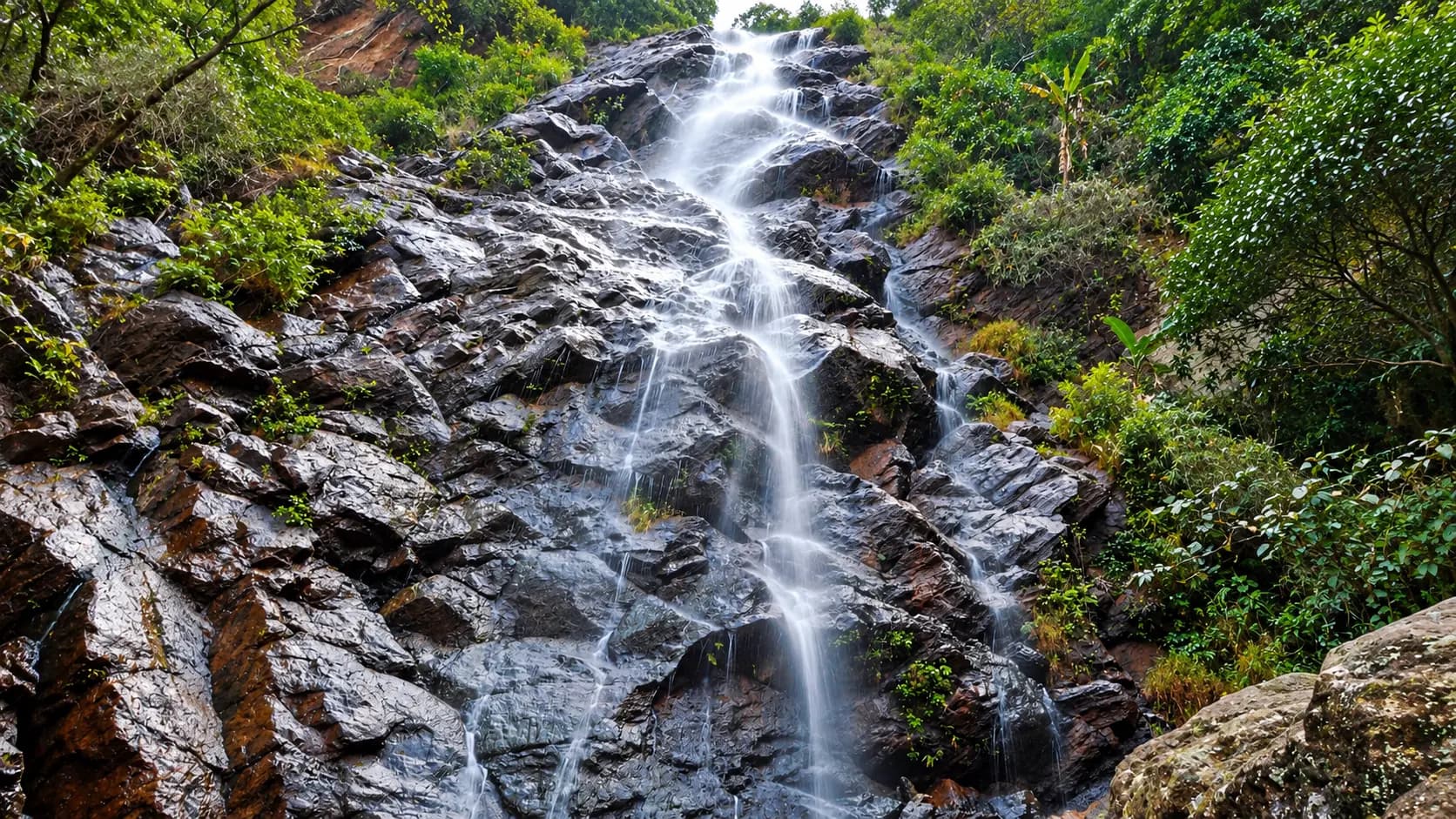
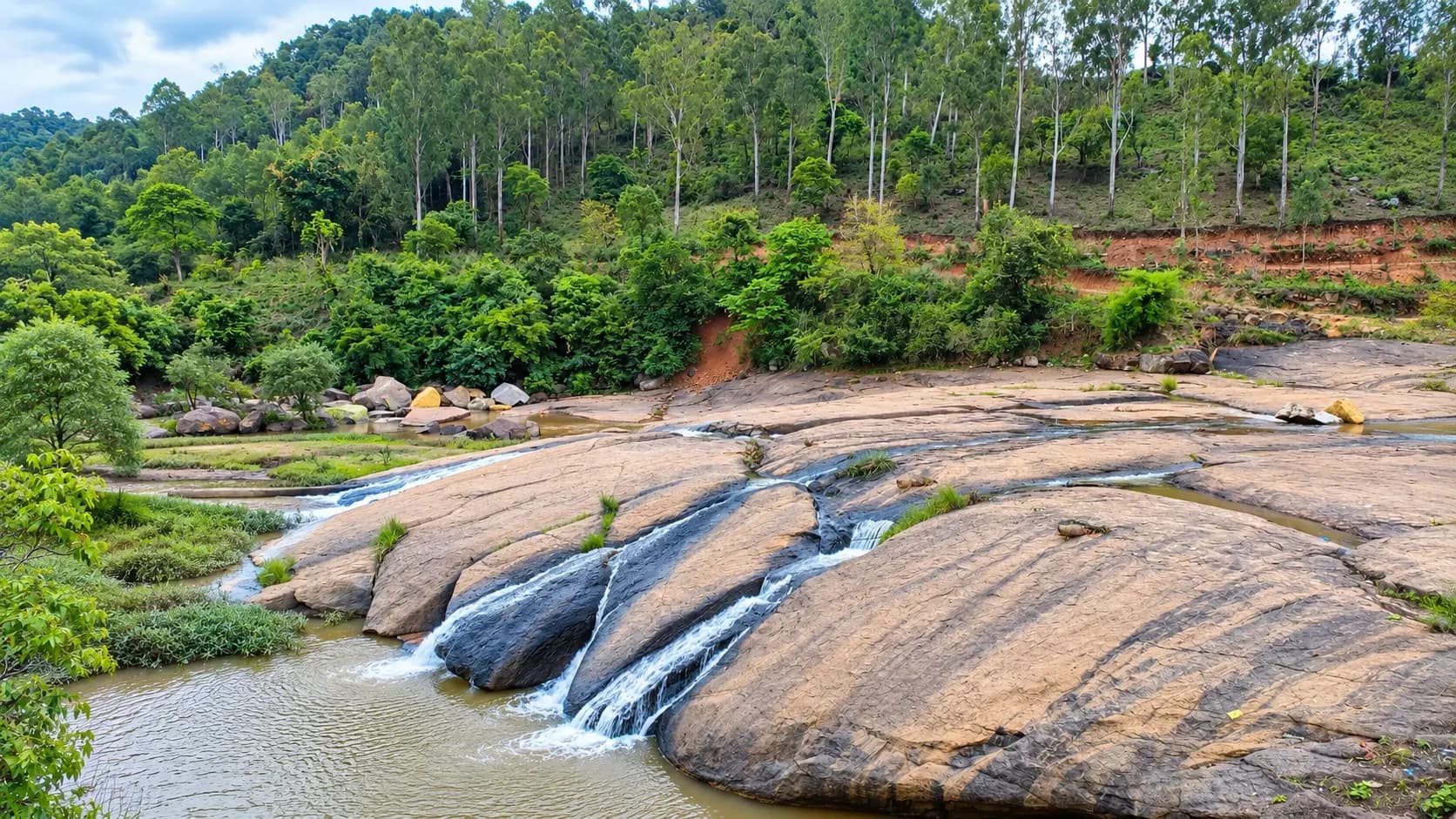
- Chaparai Water Cascade (15 km northwest): A broad sloping granite riverbed where freshwater streams cascade over smooth stone sheets, creating a popular picnic and wading spot.
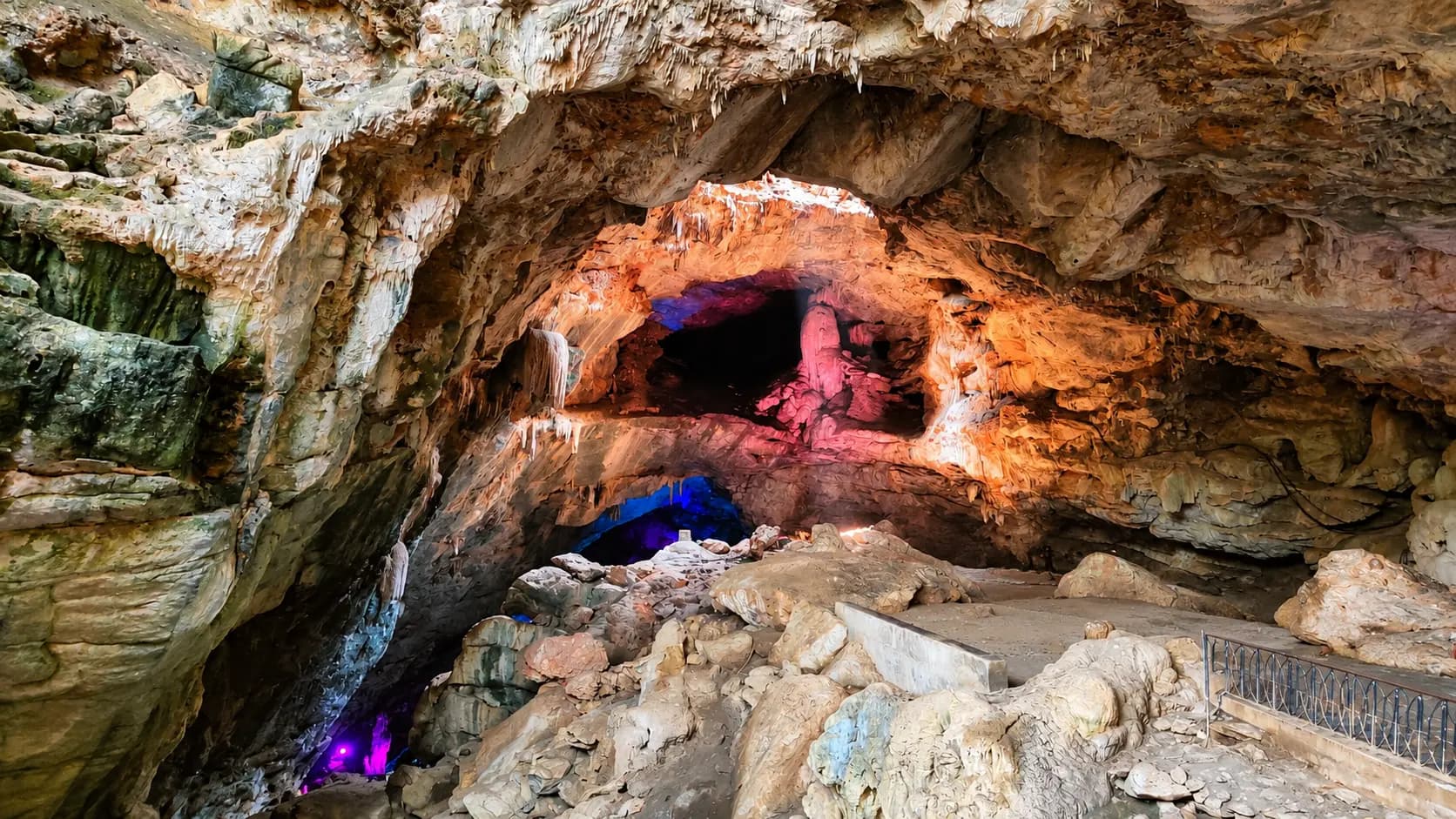
- Borra Caves (30 km southeast via SH-39): Over 150-million-year-old subterranean karst limestone caves featuring illuminated stalactite and stalagmite formations and a deep underground gorge formed by the Gosthani River.
- Katiki Waterfalls (38 km southeast): A dramatic 50-foot natural waterfall tumbling through pristine forest canopy near Borra Caves, accessible via an adventurous four-wheel-drive jeep track.
- Galikonda View Point (20 km south): The highest roadside vantage point along the Visakhapatnam - Araku highway, offering sweeping 360-degree vistas across lush coffee-carpeted valley ridges.
In pictures
The practical bits
Before you go.
Plan ahead
Ensure an enriching and hassle-free exploration across both destinations by incorporating these four practical…Explore detailsClose details
Ensure an enriching and hassle-free exploration across both destinations by incorporating these four practical planning blocks:
Coordinating the Twin-Site Itinerary
Plan for a combined visit duration of three to four hours.Explore detailsClose details
Plan for a combined visit duration of three to four hours. Begin your morning at 08:30 at Padmapuram Gardens to experience the crisp pine trails and the miniature toy train before midday crowds build. Around 10:45, take a short seven-minute auto-rickshaw ride to the Araku Tribal Museum. Spend ninety minutes browsing the two levels of ethnographic galleries, followed by thirty minutes watching the live midday Dhimsa dance in the open courtyard. Conclude with a leisurely traditional tribal lunch of Bamboo Chicken and ragi sangati in Araku town.
Footwear and Walking Considerations
Exploring both sites requires approximately 5,000 to 7,000 steps.Explore detailsClose details
Exploring both sites requires approximately 5,000 to 7,000 steps. Wear sturdy, comfortable walking shoes or closed-toe sandals with reliable grip. While the Tribal Museum features smooth, level indoor floors and accessibility ramps, Padmapuram Gardens encompasses extensive unpaved earth pathways with exposed conifer roots, loose pine needles, and occasional damp patches around ornamental fountains. Avoid high heels or slick-soled footwear.
Respectful Cultural Engagement
The artifacts, dioramas, and live dances at the Tribal Museum represent living, sacred traditions of the Eastern…Explore detailsClose details
The artifacts, dioramas, and live dances at the Tribal Museum represent living, sacred traditions of the Eastern Ghats hill tribes. When observing Dhimsa performances, maintain a respectful distance around the perimeter of the courtyard circle and avoid walking directly between the dancers and musical instrumentalists. Always ask polite verbal permission before taking close-up portraits of performers or tribal craftspeople outside the staged demonstration area.
Cash and Digital Payment Readiness
While digital payments via UPI (Google Pay, PhonePe, Paytm) are accepted at the primary ticket counters, mobile…Explore detailsClose details
While digital payments via UPI (Google Pay, PhonePe, Paytm) are accepted at the primary ticket counters, mobile cellular networks (Jio and Airtel) can face intermittent congestion or signal drops during busy weekend afternoons in the valley. Confirm the current charge and what it includes with the operator or service provider. Visitor admission, vehicles, parking, activities and accommodation can have separate charges.
A few things you might wonder
Common questions about visiting Araku Tribal Museum & Padmapuram Gardens. Fees, visiting hours and ceremonies are researched details that may change; confirm current arrangements with the operator before travelling.
What are the official entry fees and timings for the Araku Tribal Museum?
What is the historical origin of Padmapuram Botanical Gardens?
Can visitors stay overnight in the hanging cottages at Padmapuram Gardens?
What is the Dhimsa dance, and where can tourists watch it?
How far apart are the Tribal Museum and Padmapuram Gardens?
Is the miniature toy train at Padmapuram Gardens open to adults?
Are these attractions accessible for elderly travellers and wheelchair users?
What authentic local handicrafts and products can be bought at the museum?
Explore more in Araku Valley
Discover other destinations around this hub
More Hubs in Andhra Pradesh
Continue exploring other travel hubs in this state
Planning a trip to Araku Valley?