Araku Coffee Museum & Ananthagiri Plantations
Explore the Araku Coffee Museum and Ananthagiri Plantations in Andhra Pradesh. Sourced guide covers the 1898 history, bean-to-cup exhibits, tasting, and routes.
Location
Araku Valley, Andhra Pradesh
A closer look
Your visit, at a glance.
Araku Valley, Andhra Pradesh
GET TO KNOW THE PLACE
Perched high in the verdant amphitheatre of the Eastern Ghats at elevations ranging from 900 to nearly 1,200 metres above sea level, the Araku Coffee Museum and Ananthagiri…
The story of Araku Coffee Museum & Ananthagiri Plantations
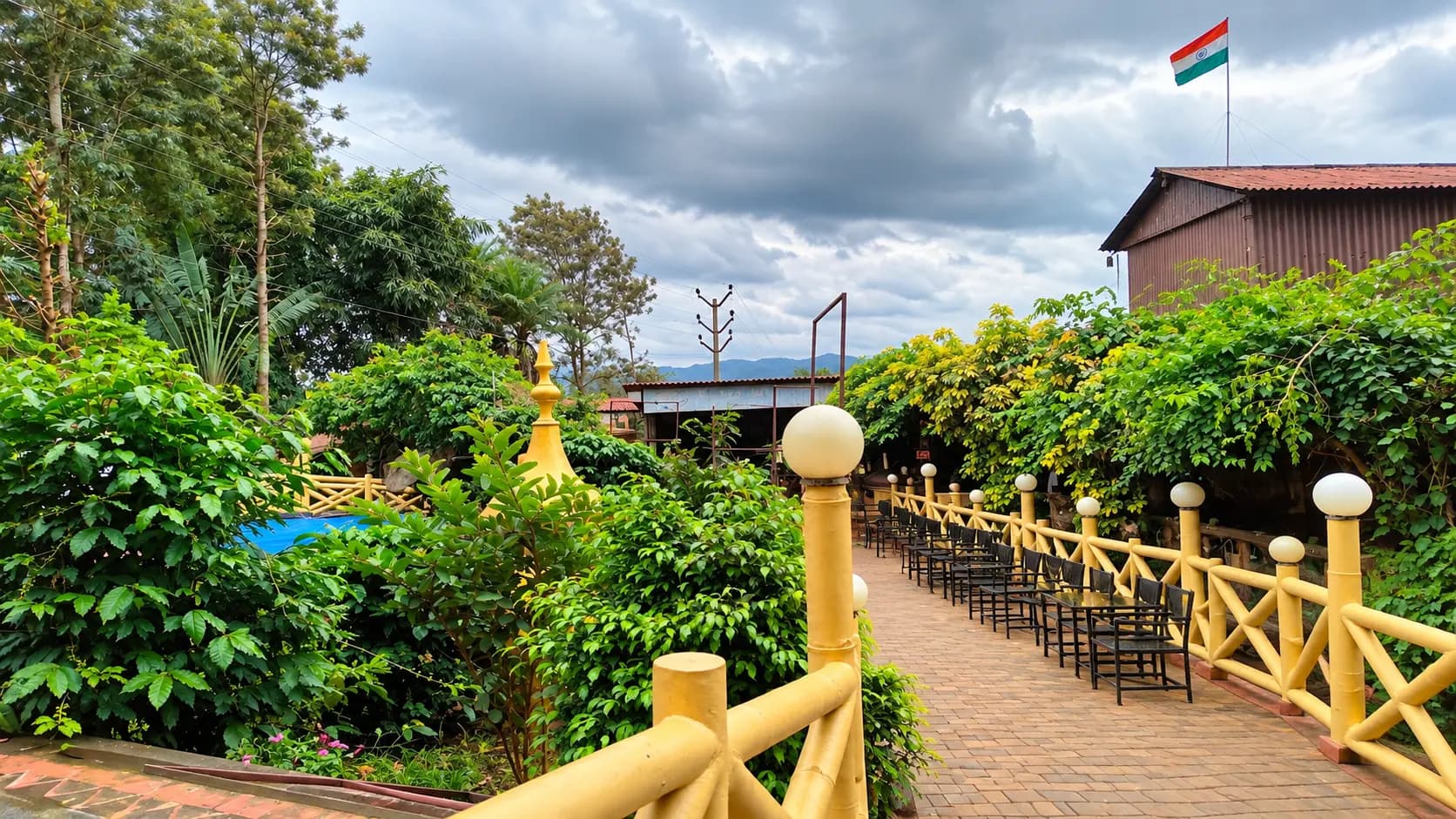
Perched high in the verdant amphitheatre of the Eastern Ghats at elevations ranging from 900 to nearly 1,200 metres above sea level, the Araku Coffee Museum and Ananthagiri Plantations represent the aromatic crown of the Alluri Sitharama Raju (ASR) district in northern Andhra Pradesh. Long celebrated for its bracing montane climate, deep forested ravines, and vibrant tribal heritage, the Araku highland corridor has achieved worldwide fame for producing some of the planet’s finest organic specialty Arabica coffee. Together, the living agricultural tapestry of the Ananthagiri coffee estates and the interactive, educational exhibits of the Araku Coffee Museum create an unforgettable agro-tourism experience that traces the extraordinary journey of coffee from its ancient African roots to the mountain slopes of the Eastern Ghats.
The story of Araku coffee is rooted in both colonial exploration and a modern socio-ecological triumph. Commercial coffee was first introduced to the misty hills of Ananthagiri in 1898 by British civil servant N.S. Brodie, who recognized that the region's rich red lateritic soils, subtropical high-altitude climate, and natural dense forest canopy closely mirrored the world's premier coffee-growing terroirs. Following India's independence, the Andhra Pradesh Forest Department, the Andhra Pradesh Forest Development Corporation (APFDCL), and the Girijan Co-operative Corporation (GCC) spearheaded a transformative initiative: transitioning indigenous tribal communities - including the Bagata, Valmiki, Kondh, and Porja - from traditional slash-and-burn (podu) farming to sustainable, forest-friendly coffee agro-forestry. Today, more than 100,000 tribal smallholder farmers cultivate coffee across hundreds of thousands of acres. Recognized officially with a prestigious Geographical Indication (GI) tag in 2019 and selected as the official "One District One Product" (ODOP) for ASR district, Araku coffee is celebrated in gourmet cafes from Paris to Tokyo for its distinct notes of citrus, wild berry, and caramel.
The Araku Coffee Museum, situated in the heart of Araku town opposite the RTC Bus Station, provides the intellectual and sensory counterpart to the mountainside plantations. Tracing its lineage back to a modest coffee stall opened in the 1950s by entrepreneur Prakash Rao and formally established as a thematic museum in 2006, this beloved destination immerses visitors in a captivating bean-to-cup journey. From vintage roasting barrels and life-size dioramas of tribal harvests to artisanal cafes serving freshly brewed pour-overs and coffee-infused chocolates, a visit here engages all five senses in an unforgettable celebration of highland coffee culture.
Start here. Open a tile for the full details.
Why goRead details
- The World Capital of Tribal Organic Coffee: Araku is India's premier organic coffee hub. Visiting Ananthagiri and the Coffee Museum allows you to witness firsthand a world-renowned agricultural model where indigenous tribal farmers cultivate world-class specialty coffee while preserving the native forest canopy and biodiversity.
- Historic 1898 Plantations in Ananthagiri: Walk through the very slopes where British civil servant N.S. Brodie planted the first commercial coffee seedlings in 1898. The towering silver oaks, fragrant orange trees, and creeping pepper vines form a multi-tier ecological paradise that contrasts sharply with industrial monoculture plantations.
- Educational Bean-to-Cup Experience: The Araku Coffee Museum takes visitors through every step of coffee production via detailed dioramas, life-size tableaus, and vintage equipment: from nursery cultivation, handpicking of ripe red cherries, and wet pulping to fermentation, sun-drying on raised beds, precision roasting, and modern espresso extraction.
- Sensory Tasting & Artisanal Delicacies: At the museum’s specialty tasting bar, visitors can sample single-origin Arabica brewed in multiple styles - from rich South Indian filter decoction to velvety flat whites and sparkling espresso tonics. Indulge in artisanal coffee chocolates, chocolate-coated roasted coffee beans, and pure coffee-blossom honey.
- Spectacular Eastern Ghats Ghat Road Journey: The scenic 115-kilometre journey from Visakhapatnam up State Highway 39 (SH-39) through the winding Ananthagiri ghats is one of the most stunning road trips in southern India, offering sweeping views of deep gorges, cloud-covered ridges, and roadside coffee groves.
When to visitRead details
Araku's coffee landscape transforms throughout the year, with distinct seasons offering completely different sensory highlights:
Entry & permissionsRead details
Fees, visiting hours and entry rules may change. Confirm the latest details with the official operator or local authority before travelling.
- Admission Charges:
- Araku Coffee Museum: A nominal entrance fee of ₹10 to ₹20 per person is charged at the front desk.
- Ananthagiri Plantations: Viewing the coffee estates along public roads and walking on village forest trails is completely free of charge.
- Specialty Coffee & Retail: Specialty coffees at the museum cafe (espresso, cappuccino, filter coffee, cold brew) are priced reasonably between ₹60 and ₹180. Specialty chocolates and packaged artisanal coffee beans are priced by weight.
- Operating Hours:
- Araku Coffee Museum: Open daily from 09:00 to 20:00 (remaining open through weekends and major national holidays).
- Ananthagiri Plantations: Daylight hours (07:00 to 17:30) are strongly advised for self-guided or guided walking trails along the mountain slopes.
- Permissions & Regulations:
- Standard day tourists, international visitors, and domestic travellers do not require any government permits to visit the museum or explore the public plantation trails.
- Foreign nationals should carry identification (passport copies) as standard practice when travelling through the ASR tribal agency areas.
- Commercial film production, advertising shoots, or drone cinematography require prior permission from the Alluri Sitharama Raju District Collectorate and local police authorities.
- Plantation Etiquette: When walking through tribal coffee groves, never pluck coffee cherries, tear branches, or trample pepper vines without permission from local farmers.
Plan your visitRead details
The Araku coffee corridor is situated along the well-connected transit highway linking the coastal metropolis of Visakhapatnam with the Eastern Ghats interior:
Explore the full guide - choose a topic below.
Why visit?
The World Capital of Tribal Organic Coffee: Araku is India's premier organic coffee hub.Explore detailsClose details
- The World Capital of Tribal Organic Coffee: Araku is India's premier organic coffee hub. Visiting Ananthagiri and the Coffee Museum allows you to witness firsthand a world-renowned agricultural model where indigenous tribal farmers cultivate world-class specialty coffee while preserving the native forest canopy and biodiversity.
- Historic 1898 Plantations in Ananthagiri: Walk through the very slopes where British civil servant N.S. Brodie planted the first commercial coffee seedlings in 1898. The towering silver oaks, fragrant orange trees, and creeping pepper vines form a multi-tier ecological paradise that contrasts sharply with industrial monoculture plantations.
- Educational Bean-to-Cup Experience: The Araku Coffee Museum takes visitors through every step of coffee production via detailed dioramas, life-size tableaus, and vintage equipment: from nursery cultivation, handpicking of ripe red cherries, and wet pulping to fermentation, sun-drying on raised beds, precision roasting, and modern espresso extraction.
- Sensory Tasting & Artisanal Delicacies: At the museum’s specialty tasting bar, visitors can sample single-origin Arabica brewed in multiple styles - from rich South Indian filter decoction to velvety flat whites and sparkling espresso tonics. Indulge in artisanal coffee chocolates, chocolate-coated roasted coffee beans, and pure coffee-blossom honey.
- Spectacular Eastern Ghats Ghat Road Journey: The scenic 115-kilometre journey from Visakhapatnam up State Highway 39 (SH-39) through the winding Ananthagiri ghats is one of the most stunning road trips in southern India, offering sweeping views of deep gorges, cloud-covered ridges, and roadside coffee groves.
What to expect
An exploration of Araku's coffee culture typically combines an outdoor plantation walk in Ananthagiri with an…Explore detailsClose details
An exploration of Araku's coffee culture typically combines an outdoor plantation walk in Ananthagiri with an educational and culinary tour of the Coffee Museum in Araku town:
1. Driving Through the Ananthagiri Coffee Belt
As you ascend the Visakhapatnam - Araku Ghat road (SH-39), the mountain air turns delightfully cool around the town of Ananthagiri (approx. 25 to 30 km south of Araku town). For miles along the highway, the roadside slopes are carpeted in deep green understory bushes laden with coffee plants. Unlike tea estates which are sheared flat and exposed to the baking sun, Ananthagiri's coffee is 100% shade-grown. Tall, silver-barked silver oak (Grevillea robusta) and wild jackfruit trees soar overhead, their trunks wrapped in lush green black pepper (Piper nigrum) vines. Between November and January, the bushes are adorned with clusters of glossy, ruby-red coffee cherries ready for harvesting; in March and April, the entire hillside turns white with jasmine-scented coffee blossoms.
2. Guided Plantation Trails and Tribal Agro-Forestry
Stepping off the highway onto village plantation trails in Ananthagiri, visitors can walk beneath the canopy accompanied by local tribal farmers. You can observe how coffee plants thrive alongside intercrops of ginger, turmeric, and cardamom in rich organic mulch. Tribal cultivators gladly demonstrate how to selectively hand-pick only the perfectly ripe red cherries, leaving green berries to mature on the branch, a crucial practice that guarantees the exceptional cupping scores of Araku specialty coffee.
3. Arrival at the Araku Coffee Museum
Located in the bustling central district of Araku town near the Tribal Museum, the Araku Coffee Museum welcomes travellers with its charming European-style chalet facade and the intoxicating fragrance of freshly roasted coffee beans. Entering through the main foyer, visitors purchase a nominal ticket and enter a thoughtfully curated sequence of exhibition halls.
4. Historical Tableaus & Processing Galleries
The museum's interior galleries narrate the global and regional history of coffee through engaging visual mediums:
- The Global Odyssey of Coffee: Dioramas depict the legendary 9th-century Ethiopian goat herder Kaldi noticing his goats dancing after nibbling wild red coffee berries, followed by coffee's transit to Sufi monasteries in Yemen, the coffeehouses of Istanbul, and its clandestine smuggling to India by Baba Budan in the 17th century.
- The Araku Chapter: Murals celebrate N.S. Brodie’s 1898 introduction at Ananthagiri and showcase the post-independence tribal cooperative movement under GCC and APFDCL that empowered indigenous families.
- Processing Machinery: An impressive collection of vintage manual coffee grinders, century-old wood-fired roasting cylinders, brass hand-cranked espresso urns, and modern laboratory cupping apparatus illustrates the mechanical evolution of coffee preparation.
5. The Tasting Bar and Retail Emposia
The tour concludes in the bustling roastery and tasting lounge. Watch skilled baristas roast micro-batches of green Arabica beans in modern drum roasters. Visitors can order custom espresso beverages, pour-over coffees, and iced coffee drinks, or browse retail shelves stocked with vacuum-sealed bags of freshly roasted medium, dark, and peaberry beans, organic black pepper, and artisanal coffee fudge.
Best time to visit
Araku's coffee landscape transforms throughout the year, with distinct seasons offering completely different…Explore detailsClose details
Araku's coffee landscape transforms throughout the year, with distinct seasons offering completely different sensory highlights:
Season | Months | Horticultural Stage & Climate | Travel Experience |
|---|---|---|---|
Peak Winter & Harvest | November to January | Ripe red cherry harvest; crisp, sunny days (16°C - 24°C) with cold nights (8°C - 13°C); morning valley mist. | Supreme Season: The absolute best time to visit. Plantations are glowing with bright red coffee cherries; tribal harvesters are active; supreme coffee-tasting weather. |
Late Winter | February | Post-harvest processing; sun-drying of coffee parchment on drying patios; mild, pleasant weather (18°C - 26°C). | Excellent Season: Great weather for walking plantation trails without winter chill; pleasant museum and town exploration. |
Coffee Blossom Season | March to April | Flowering season; warm days (25°C - 33°C); entire hillsides burst into white star-like flowers with intoxicating jasmine fragrance. | Magical Aromatic Window: Incredible for nature lovers and photographers. The blooming lasts only 3 to 5 days following spring showers, perfuming the entire valley. |
Summer | May to mid-June | Warm to hot (32°C - 36°C); young green berries form on branches; indoor museum remains cool and welcoming. | Moderate Season: Good for museum visits, tasting sessions, and escaping coastal heat, though outdoor plantation walking is warm during midday. |
Monsoon | July to October | Lush emerald greenery; heavy rain and mist; waterfalls in full spate across Ananthagiri ghats. | Scenic Road Trip Season: The ghat drive is breathtaking with waterfalls tumbling beside the road, though outdoor plantation trails can be wet and slippery. |
Recommended Hours of the Day: Check the current visiting hours and permitted access with the site operator before departure; ceremonies, closures and visitor sessions can affect access. For the Ananthagiri coffee plantations, the best hours for walking trails are morning between 07:30 and 10:30 or afternoon between 15:00 and 17:00, when gentle angled sunlight filters through the forest canopy.
How to reach
The Araku coffee corridor is situated along the well-connected transit highway linking the coastal metropolis of…Explore detailsClose details
The Araku coffee corridor is situated along the well-connected transit highway linking the coastal metropolis of Visakhapatnam with the Eastern Ghats interior:
[Visakhapatnam (115 km)] ====(SH-39 Ghats)====> [Ananthagiri Plantations] ====(25 km)====> [Araku Town (Coffee Museum)]
                                                         |                                              ^
                                           (Borra Caves Turn-off)                                       |
                                                         +------------------(Rural Link Road)-----------+
By Road (Private Car, Tourist Taxi, or Bus)
Travelling by road allows complete flexibility to explore both the Ananthagiri plantations and the Araku town museum:
- From Visakhapatnam (115 km, 3 to 3.5 hours): Travel northwest via Pendurthi and S. Kota, entering the winding Ananthagiri Ghat road along State Highway 39 (SH-39). The scenic ascent climbs through forested hairpin bends, passing through the heart of the Ananthagiri coffee estates at kilometre 85 before descending into the broad Araku Valley basin at kilometre 115.
- From Vizianagaram (90 km, 2.5 hours): Head west via S. Kota to join the Visakhapatnam - Araku highway.
- From Koraput Town, Odisha (110 km, 3 hours): Travel south via Sunabeda, Semiliguda, and the scenic interior highway crossing the state border into Araku.
- Public Bus Services: Andhra Pradesh State Road Transport Corporation (APSRTC) operates frequent express and deluxe buses from Visakhapatnam (Dwaraka RTC Bus Complex) to Araku daily every 30 to 45 minutes.
By Scenic Railway (K-K Line)
- The Vistadome Rail Experience: The railway journey from Visakhapatnam Junction to Araku (Train No. 18551 / 18552 Kirandul Express) along the historic Kottavalasa - Kirandul (K-K) broad-gauge railway line is one of the most celebrated train journeys in India. Equipped with glass-ceilinged Vistadome coaches, the train passes through 58 tunnels and over 84 bridges, hugging sheer cliff edges through the Ananthagiri hills.
- Araku Railway Station (ARK): Situated just 2 kilometres from the Araku Coffee Museum, with auto-rickshaws available for the short 5-minute transfer.
- Shimiliguda / Tyda Stations: Closer to the southern Ananthagiri plantation sector.
By Air
- Visakhapatnam International Airport (VTZ, ~110 km): The primary air gateway, offering direct daily flights to major Indian cities including Delhi, Mumbai, Bengaluru, Hyderabad, Chennai, and Kolkata. Pre-paid taxis and rental cars are easily arranged at the airport terminal for the direct drive up to Araku.
Entry, timings and permissions
Fees, visiting hours and entry rules may change.Explore detailsClose details
Fees, visiting hours and entry rules may change. Confirm the latest details with the official operator or local authority before travelling.
- Admission Charges:
- Araku Coffee Museum: A nominal entrance fee of ₹10 to ₹20 per person is charged at the front desk.
- Ananthagiri Plantations: Viewing the coffee estates along public roads and walking on village forest trails is completely free of charge.
- Specialty Coffee & Retail: Specialty coffees at the museum cafe (espresso, cappuccino, filter coffee, cold brew) are priced reasonably between ₹60 and ₹180. Specialty chocolates and packaged artisanal coffee beans are priced by weight.
- Operating Hours:
- Araku Coffee Museum: Open daily from 09:00 to 20:00 (remaining open through weekends and major national holidays).
- Ananthagiri Plantations: Daylight hours (07:00 to 17:30) are strongly advised for self-guided or guided walking trails along the mountain slopes.
- Permissions & Regulations:
- Standard day tourists, international visitors, and domestic travellers do not require any government permits to visit the museum or explore the public plantation trails.
- Foreign nationals should carry identification (passport copies) as standard practice when travelling through the ASR tribal agency areas.
- Commercial film production, advertising shoots, or drone cinematography require prior permission from the Alluri Sitharama Raju District Collectorate and local police authorities.
- Plantation Etiquette: When walking through tribal coffee groves, never pluck coffee cherries, tear branches, or trample pepper vines without permission from local farmers.
Nearby places to consider
The coffee corridor sits within the most diverse tourist hub in the northern Eastern Ghats, making it effortless…Explore detailsClose details
The coffee corridor sits within the most diverse tourist hub in the northern Eastern Ghats, making it effortless to combine with iconic natural and cultural landmarks:
[Chaparai Cascades] (15 km northwest)
                 ^
                 |
        [ARAKU COFFEE MUSEUM] ====(2 km)====> [Araku Tribal Museum]
                 |
         (25 km south on SH-39)
                 v
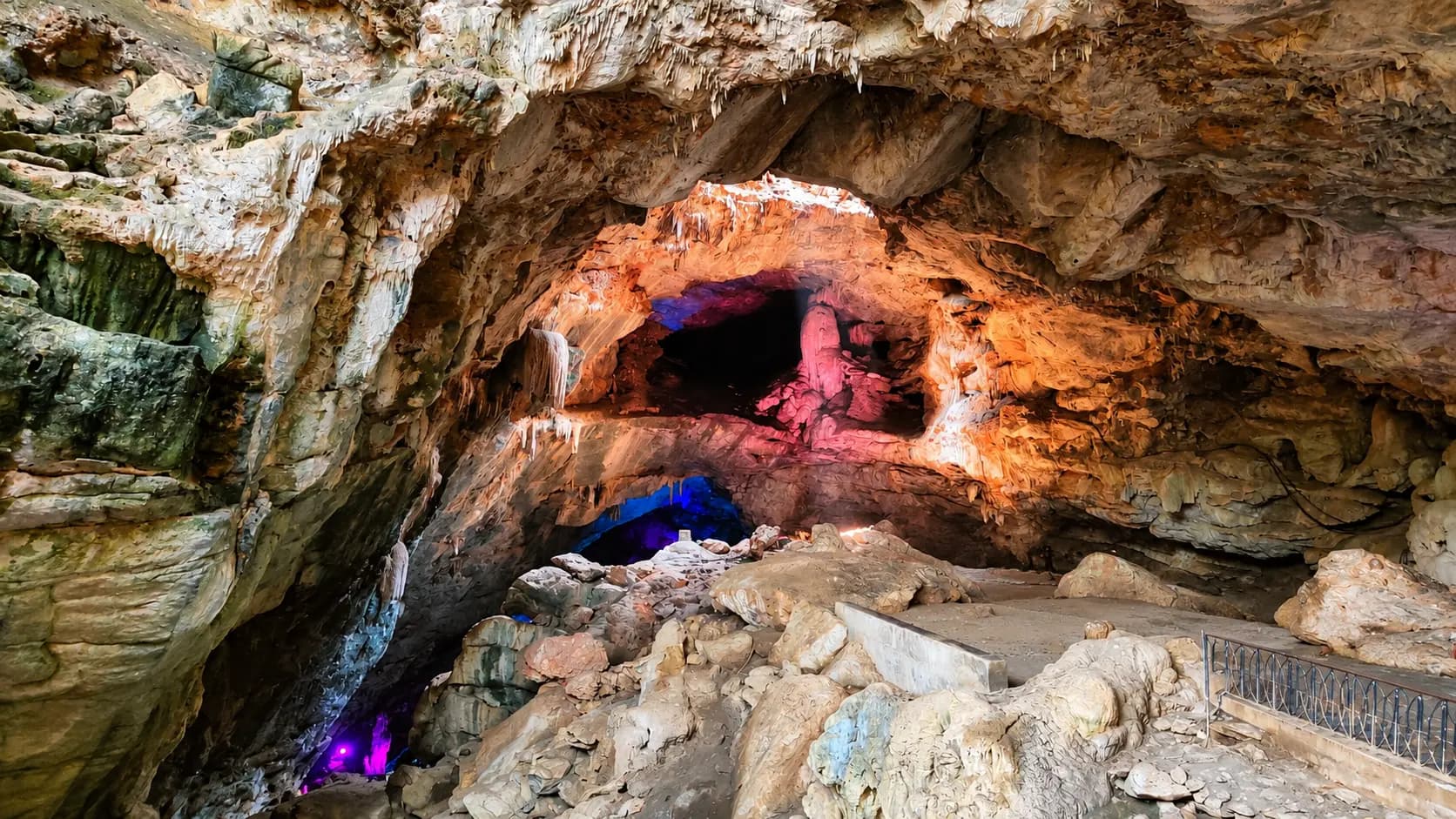
[ANANTHAGIRI PLANTATIONS] ====(12 km)====> [Borra Caves & Katiki Falls]- Borra Caves (12 km east of Ananthagiri): Million-year-old subterranean limestone caves in the Ananthagiri hills, famous for magnificent stalactite and stalagmite formations, illuminated walkways, and deep geological fissures.
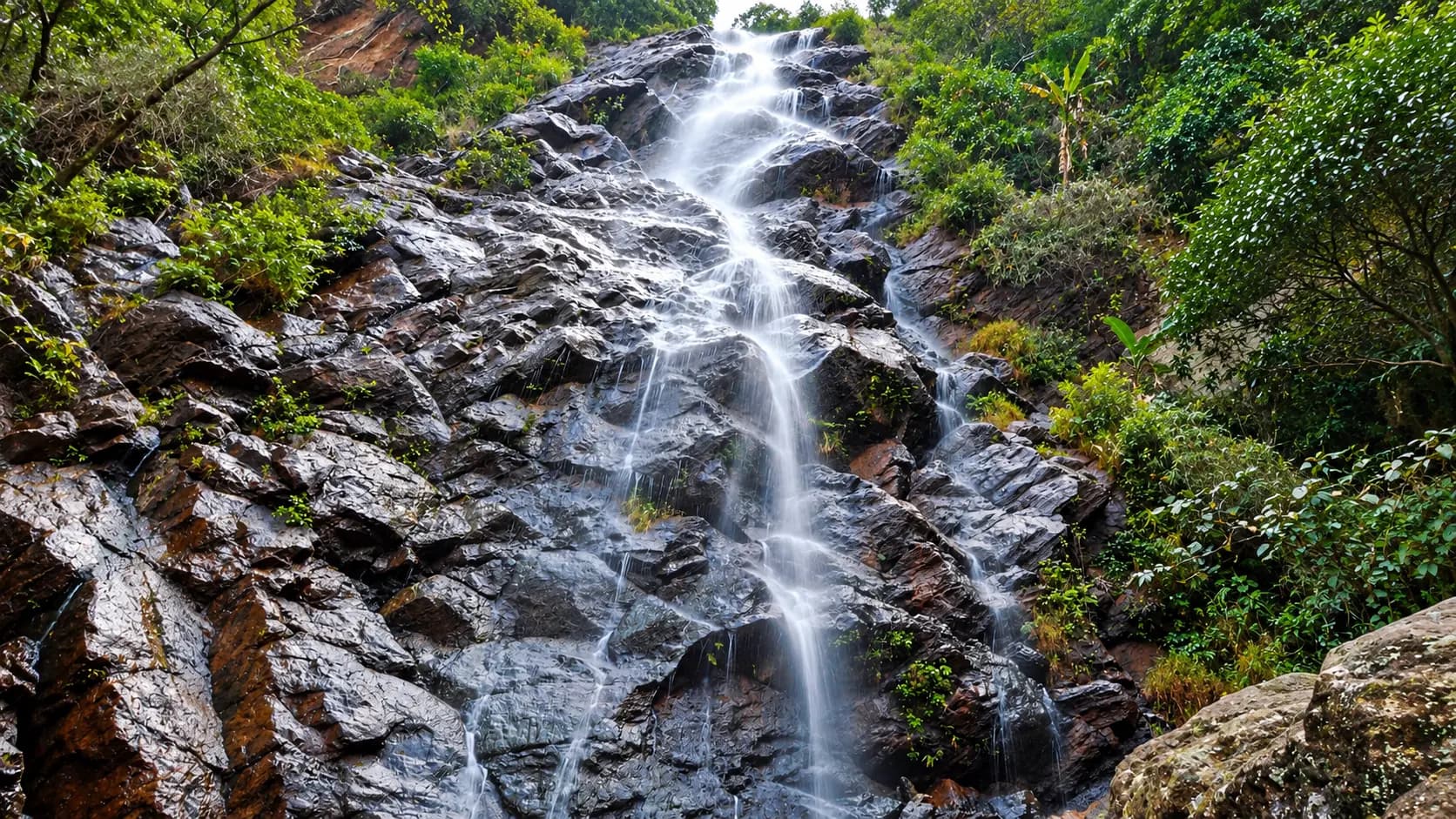
- Katiki Waterfalls (8 km from Borra Caves): A dramatic 50-foot natural waterfall tumbling through thick forest gorges on the Gosthani River, accessed via an exhilarating jeep ride and jungle trek.
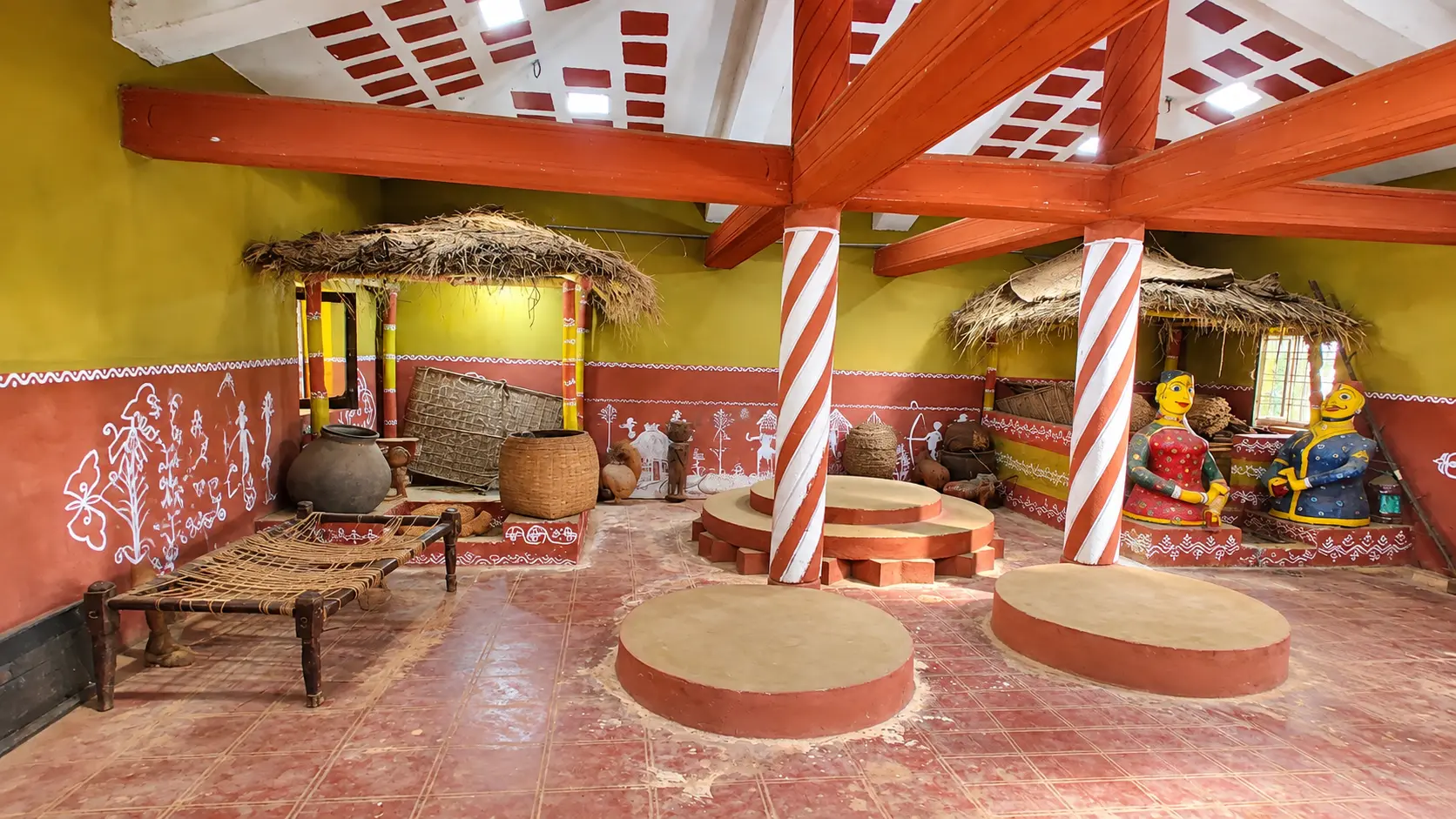
- Araku Tribal Museum (2 km from Coffee Museum): An essential cultural landmark in Araku town, showcasing life-size mud-and-thatch tribal huts, traditional musical instruments, and live weekend Dhimsa folk dance performances.
- Padmapuram Botanical Gardens (3 km from Coffee Museum): A historic World War II horticultural nursery in Araku featuring hanging tree-top cottages, rare floral species, and a charming narrow-gauge toy train.
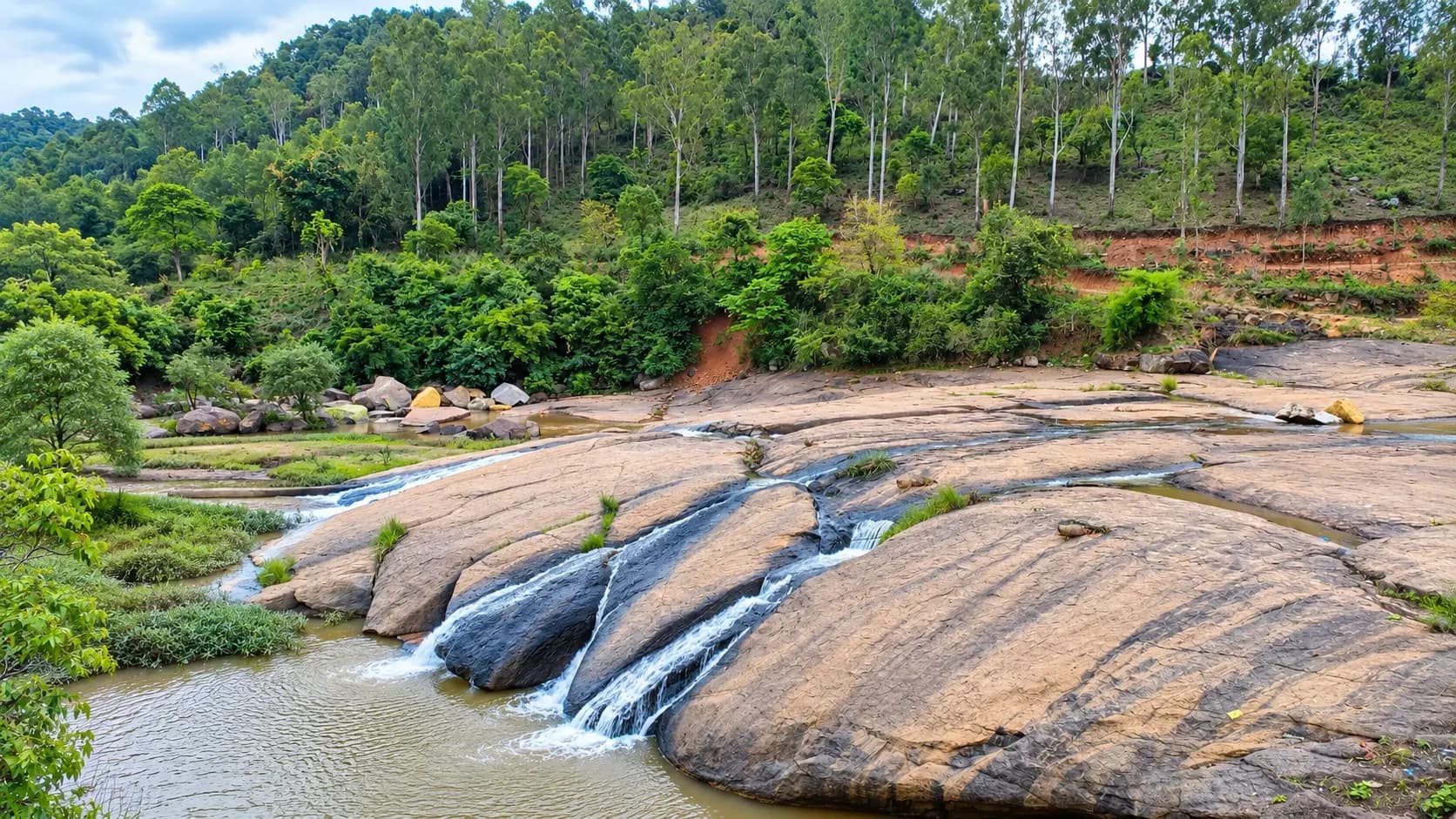
- Chaparai Water Cascade (15 km northwest): A broad, smooth granite riverbed where water flows gently across polished stone slabs, making it a beloved natural water playground and picnic site.
In pictures
The practical bits
Before you go.
Plan ahead
Ensure an unforgettable, smooth, and authentic experience across Araku's coffee corridor by following these four…Explore detailsClose details
Ensure an unforgettable, smooth, and authentic experience across Araku's coffee corridor by following these four practical recommendations:
Structuring a Coordinated Day Itinerary
To experience both the agricultural roots and culinary highlights seamlessly, divide your time between the two…Explore detailsClose details
To experience both the agricultural roots and culinary highlights seamlessly, divide your time between the two locations. As you drive up from Visakhapatnam in the morning, pause in the Ananthagiri hills (around 10:00 AM) to stretch your legs on a 45-minute plantation walk beneath the silver oak canopy and photograph the coffee cherries. Then continue up to Araku town, tour the Padmapuram Gardens and Tribal Museum during midday, and finish your afternoon at the Araku Coffee Museum (around 15:30 to 17:00) for the indoor tour, followed by coffee tasting and dessert.
Purchasing Authentic Certified Coffee
With the global popularity of Araku coffee, numerous roadside shops sell generic coffee powder blended with…Explore detailsClose details
With the global popularity of Araku coffee, numerous roadside shops sell generic coffee powder blended with chicory. To ensure you purchase authentic, 100% single-origin Arabica, look for the official Geographical Indication (GI) certification seal and purchase directly from recognized outlets: the Araku Coffee Museum retail counter, the official Girijan Co-operative Corporation (GCC) emporium in Araku, or branded cooperative outlets. If you enjoy manual brewing at home, purchase whole roasted beans and request the barista to grind them to your specific brewing method (fine for South Indian filter, medium for pour-over/drip, coarse for French press).
Footwear and Walking Comfort in the Groves
Walking through coffee plantations in Ananthagiri involves traversing natural earth paths, loose leaf mulch, and…Explore detailsClose details
Walking through coffee plantations in Ananthagiri involves traversing natural earth paths, loose leaf mulch, and uneven hillside contours. Wear comfortable closed-toe walking shoes or trekking sneakers with good tread to avoid slipping on damp slopes. During the post-monsoon and early winter harvest (November - December), small insects and harmless garden leeches can occasionally be found in damp leaf litter; wearing full-length trousers and applying insect repellent is good outdoor practice.
Coffee Blossom Timing and Local Logistics
If your dream is to experience the legendary white coffee blossom bloom, keep in mind that the flowering is…Explore detailsClose details
If your dream is to experience the legendary white coffee blossom bloom, keep in mind that the flowering is triggered by early pre-monsoon showers (typically in late March or early April). The blossoms open simultaneously across entire hillsides, lasting only three to five days before dropping as the fruit sets. Follow regional weather reports or maintain contact with local homestay operators in Ananthagiri to time your trip precisely when the first spring showers arrive.
A few things you might wonder
Common questions about visiting Araku Coffee Museum & Ananthagiri Plantations. Fees, visiting hours and ceremonies are researched details that may change; confirm current arrangements with the operator before travelling.
Where is the Araku Coffee Museum located?
Where are the main Ananthagiri coffee plantations?
Why is Araku coffee so famous and unique?
Who introduced coffee to the Araku and Ananthagiri hills?
What are the opening hours and entry fees for the Coffee Museum?
Can tourists walk freely through the coffee plantations in Ananthagiri?
When is the best season to see ripe red coffee cherries?
Can I purchase fresh coffee powder and beans at the museum?
Explore more in Araku Valley
Discover other destinations around this hub
More Hubs in Andhra Pradesh
Continue exploring other travel hubs in this state
Planning a trip to Araku Valley?