Doddabetta Peak
Essential visitor guide to Doddabetta Peak in Ooty, Tamil Nadu. Explore the 2,637m summit, TTDC Telescope House, 360-degree views, timings & entry fees.
Location
Ooty & Coonoor, Tamil Nadu
A closer look
Your visit, at a glance.
Ooty Coonoor, Tamil Nadu
GET TO KNOW THE PLACE
Rising like a crowned monarch above the rolling, mist-draped highland plateau of Udhagamandalam (Ooty) in Tamil Nadu’s Nilgiris District, Doddabetta Peak is the highest mountain…
The story of Doddabetta Peak
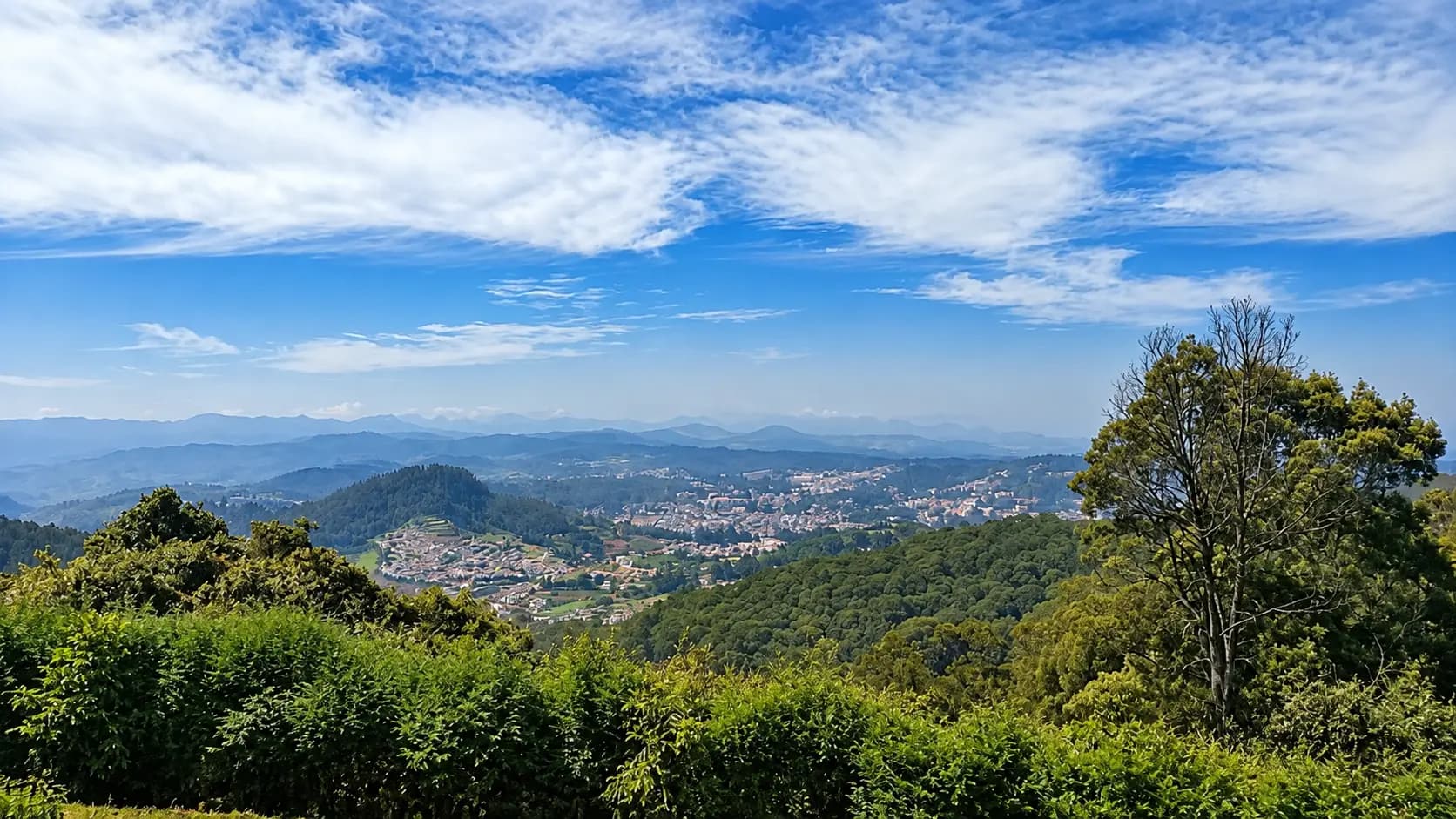
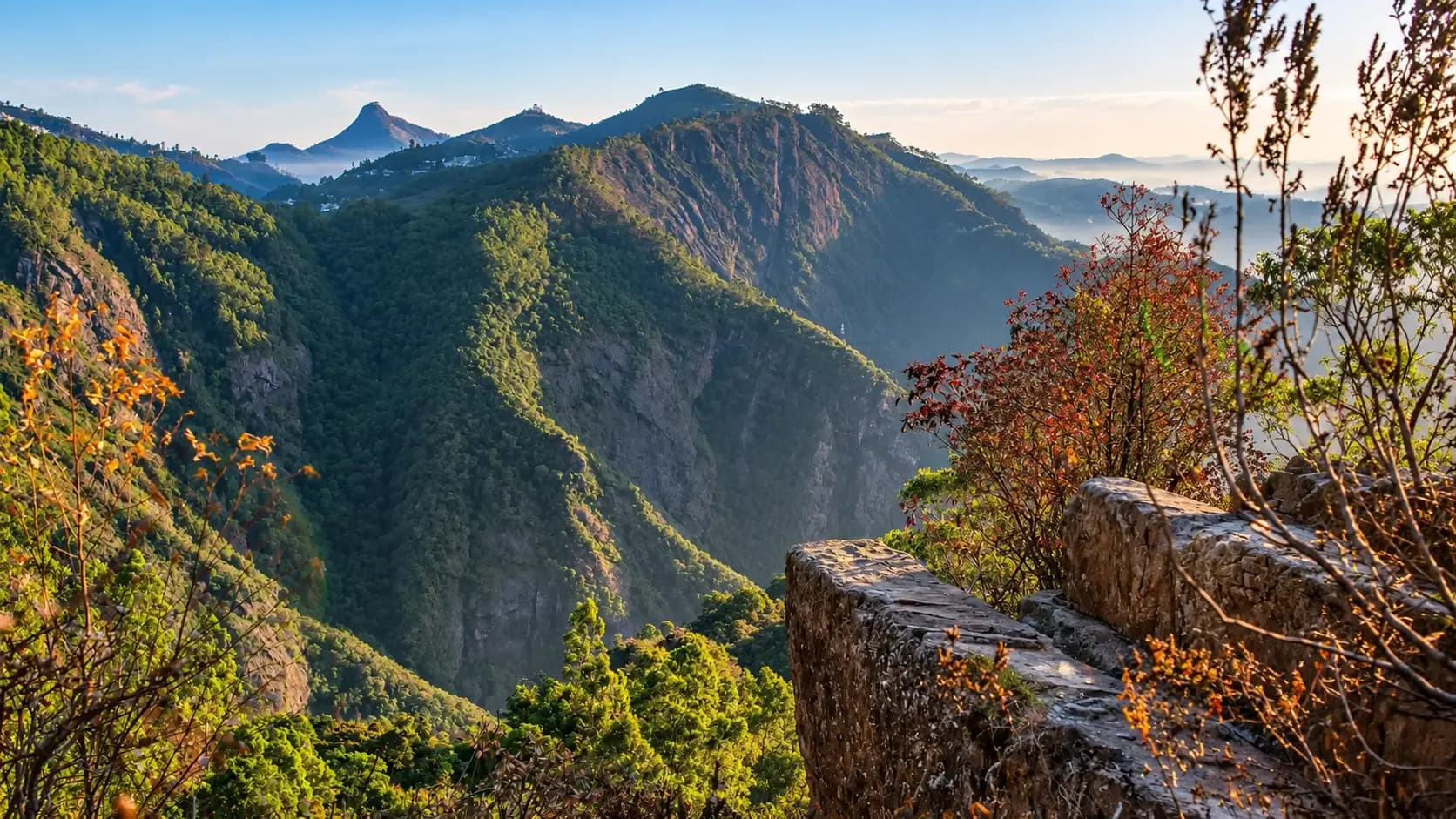
Rising like a crowned monarch above the rolling, mist-draped highland plateau of Udhagamandalam (Ooty) in Tamil Nadu’s Nilgiris District, Doddabetta Peak is the highest mountain summit in the Nilgiri Hills and the second-highest peak in the entire Indian peninsula south of the Himalayas. Reaching an elevation of 2,637 metres (8,652 feet) above sea level, Doddabetta - whose name translates simply and reverently from the indigenous Badaga and Kannada languages as "Big Mountain" (Dodda = Big, Betta = Mountain) - occupies a premier place in the physical geography of the subcontinent. It marks the majestic junction where the rugged Western Ghats mountain spine converges with the ancient chain of the Eastern Ghats.
Surrounded by a protected ecological reserve of dense sub-alpine shola forests and rolling mountain grasslands carpeted with crimson-flowered tree rhododendrons, Doddabetta Peak offers an incomparable panoramic balcony over South India. From the octagonal viewing tower of the Tamil Nadu Tourism Development Corporation (TTDC) Telescope House, commissioned in 1983, visitors can peer through high-powered astronomical lenses to gaze across three southern states: surveying the distant Chamundi Hills of Mysore in Karnataka to the north, the sprawling agricultural plains of Coimbatore to the south, the sheer granite cliffs of Mukurthi Peak to the west, and the deep, silent rainforest valleys of Kerala.
Start here. Open a tile for the full details.
Why goRead details
When to visitRead details
- Winter Season (October to March): This is unequivocally the finest window to visit Doddabetta Peak. Winter mornings are characterized by crystal-clear, deep blue skies, brilliant sunshine, and dry, transparent mountain air that offers the sharpest visibility across the distant plains of Karnataka and Tamil Nadu. Daytime temperatures hover between a crisp 12°C and 17°C. Early morning temperatures in December, January, and February regularly dip to 5°C or lower, with occasional ground frost blanketing the shola grasslands. Warm woollens, sweaters, or windbreaker jackets are absolutely essential.
- Summer Season (April to June): This is Ooty’s peak holiday season, providing a refreshing escape from the sweltering heat of the plains. Temperatures remain pleasant between 14°C and 22°C. While Doddabetta is lively and bustling with activity during these months, morning visits (between 08:30 and 10:30 AM) are strongly recommended to beat the heavy midday tour coach traffic and long queues at the Telescope House.
- Monsoon Season (July to September): The Southwest Monsoon lashes the summit with torrential rains, gale-force winds, and impenetrable blankets of dense white fog. During active monsoon phases, visibility drops to less than five metres, and the panoramic views are completely whited out. Unless you specifically wish to experience the wild, romantic drama of highland mist and lashing rain, clear-weather days in winter are far preferable for sightseeing.
Entry & permissionsRead details
Fees, visiting hours and entry rules may change. Confirm the latest details with the official operator or local authority before travelling.
Operating Schedule
- Daily Visiting Hours: Open seven days a week from 09:00 to 18:00.
- Ticket Counters: Close at 17:30 daily.
- Early Openings: During the peak summer tourist season (April to May), gates occasionally open by 08:30 to accommodate early morning crowds.
Admission Charges and Tariffs
- General Admission (Forest Department Eco-Tourism):
- Adults: ₹10 per person (or ₹20 including municipal cess)
- Children (Ages 5 to 12): ₹5 per child
- Children under 5: Free
- Camera Tariffs:
- Still Camera / Smartphone: ₹50 per unit
- Commercial Video Camera: ₹100 per unit
- Telescope House Viewing: Included within the general entry ticket.
- Vehicle Parking Fees (Summit Terrace):
- Two-Wheelers: ₹30
- Cars / Jeeps / Small SUVs: ₹50
- Minibuses / Tempo Travellers: ₹100
Essential Safety and Environmental Directives
- Strict Plastic Ban: Under strict environmental orders enforced across The Nilgiris District, single-use plastic water bottles, disposable polythene carry bags, and plastic food packaging are strictly banned. Forest guards at the entry gate inspect bags. Free RO purified drinking water dispensers are available; please carry your own reusable metal or BPA-free bottles.
- Barrier Safety Discipline: Strong steel safety railings and stone parapets enclose the entire summit viewing area. Visitors are strictly prohibited from climbing over the railings, sitting on the parapets, or venturing onto the steep scree slopes below. The mountain drops sharply into dense shola forest, and any slip can cause severe injury.
- No Alcohol or Smoking: Consuming alcohol, carrying open liquor containers, and smoking are strictly forbidden anywhere on the summit, carrying heavy fines under forest conservation bylaws.
Plan your visitRead details
Explore the full guide - choose a topic below.
Why visit?
Standing at 2,637 metres, Doddabetta Peak is surpassed in peninsular India only by Anamudi (2,695 m) in the…Explore detailsClose details
The Crown Summit of the Nilgiris
Standing at 2,637 metres, Doddabetta Peak is surpassed in peninsular India only by Anamudi (2,695 m) in the Anamalai Hills of Kerala. Conquering the summit of Doddabetta gives travellers the exhilarating satisfaction of standing on the highest geographic pinnacle in Tamil Nadu. The crisp, clean mountain air at this altitude is noticeably thinner, cooler, and scented with the resinous fragrance of eucalyptus, cypress, and wild mountain ferns. The sense of boundless space - where the horizon stretches uninterrupted for more than fifty kilometres in every direction - is an awe-inspiring experience that defines any journey through the Nilgiris.
360-Degree Vistas Across Three States
Because Doddabetta rises as an isolated crystalline massif above the surrounding plateau, it commands unobstructed 360-degree vistas that are unmatched in Southern India. On crisp, clear winter mornings:
- Looking North: You can look down across the forested plateaus of the Mudumalai and Bandipur Tiger Reserves, tracing the landscape all the way into the southern plains of Karnataka toward Mysore and the sacred Chamundi Hills.
- Looking South and East: The Nilgiri escarpment plunges dramatically down toward the Kongu Nadu plains, where the bustling urban sprawl of Coimbatore, the blue waters of the Bhavani Sagar reservoir, and the snaking path of the Moyar River can be seen shimmering through the heat haze thousands of feet below.
- Looking West: The jagged, untamed peaks of the Western Ghats - including the needle-like silhouette of Mukurthi Peak and the dark green wilderness of Silent Valley National Park - march toward the Arabian Sea.
The TTDC Telescope House Experience
Perched on the highest rocky knob of the summit is the TTDC Telescope House, an octagonal two-storey observation building inaugurated on June 18, 1983. Designed to elevate the visitor experience, the observatory features two heavy-duty astronomical telescopes installed on the glass-enclosed upper viewing gallery. Operated by helpful TTDC attendants, the telescopes bring distant mountain ravines, terraced tea plantations, and faraway towns into razor-sharp focus. Peering through the lenses allows children and adults alike to identify distinctive geological features, distant cascading waterfalls, and colonial church spires scattered across the distant valleys.
Sub-Alpine Shola-Grassland Biodiversity
The slopes surrounding Doddabetta Peak preserve one of the finest remaining tracts of high-altitude montane shola forest and sub-alpine grasslands within the Nilgiri Biosphere Reserve. Walking the paved pathways around the summit, visitors can admire the magnificent Rhododendron arboreum nilagiricum - the endemic Nilgiri tree rhododendron - which bursts into fiery crimson blooms between December and March. The shola groves shelter ancient tree ferns, wild blackberries, wintergreen shrubs (Gaultheria), and rare high-altitude bird species, including the endemic Nilgiri pipit, black-and-orange flycatcher, Nilgiri laughingtbrush, and majestic mountain raptors like the black eagle soaring effortlessly on thermal updrafts.
What to expect
Departing Ooty town along the scenic Ooty-Kotagiri highway (SH 15), travellers reach the Doddabetta Junction…Explore detailsClose details
The Ascent along Doddabetta Road
Departing Ooty town along the scenic Ooty-Kotagiri highway (SH 15), travellers reach the Doddabetta Junction after approximately 6 kilometres. Here, a well-paved 3-kilometre mountain spur road branches off to the right, climbing steeply through towering plantations of blue gum eucalyptus and silver wattle. As the road gains altitude through gentle hairpin bends, the temperature drops noticeably, and the lush green carpet of the Doddabetta Tea Estate unfolds across the hillside below.
The Summit Precinct and Paved Terraces
At the end of the road lies an expansive open vehicle parking terrace. After passing through the Forest Department ticket barrier, visitors walk up a gentle series of paved flagstone ramps and shallow steps leading to the summit plateau. The entire viewing precinct is landscaped with tiered rock gardens, flowering borders of hydrangeas and marigolds, and comfortable concrete benches. Sturdy, waist-high steel safety railings line the outer perimeter walls, providing safe, unobstructed viewing platforms overlooking the valleys.
Exploring the Telescope House
The Telescope House is the visual focal point of the summit. Visitors ascend a short interior spiral staircase into the glass-walled upper gallery. Queues can form during busy midday hours, but the line moves swiftly. The attendant assists each visitor in peering through the eyepiece, pointing the lens toward prominent geographic landmarks and adjusting the focus for different eye prescriptions. Viewing through the telescopes is included within the standard admission fee.
Local Delights and Highland Markets
Outside the ticket gate and along the parking terrace, a bustling row of local vendor stalls caters to visiting travellers. Savor piping-hot glasses of freshly brewed Nilgiri tea, cardamom-infused masala chai, and roasted sweet corn rubbed with lime juice and fiery chilli powder. Specialty kiosks offer fresh local mountain produce - including tender purple carrots, baby radishes, and sweet mountain plums - alongside sealed bottles of genuine eucalyptus oil, wintergreen balm, wild multi-flora forest honey, and homemade dark chocolates crafted in Ooty.
Best time to visit
Sitting at 2,637 metres, Doddabetta Peak experiences a bracing, subtropical highland climate.Explore detailsClose details
Seasonal Weather Dynamics
Sitting at 2,637 metres, Doddabetta Peak experiences a bracing, subtropical highland climate. Weather patterns can alter visibility dramatically:
- Winter Season (October to March): This is unequivocally the finest window to visit Doddabetta Peak. Winter mornings are characterized by crystal-clear, deep blue skies, brilliant sunshine, and dry, transparent mountain air that offers the sharpest visibility across the distant plains of Karnataka and Tamil Nadu. Daytime temperatures hover between a crisp 12°C and 17°C. Early morning temperatures in December, January, and February regularly dip to 5°C or lower, with occasional ground frost blanketing the shola grasslands. Warm woollens, sweaters, or windbreaker jackets are absolutely essential.
- Summer Season (April to June): This is Ooty’s peak holiday season, providing a refreshing escape from the sweltering heat of the plains. Temperatures remain pleasant between 14°C and 22°C. While Doddabetta is lively and bustling with activity during these months, morning visits (between 08:30 and 10:30 AM) are strongly recommended to beat the heavy midday tour coach traffic and long queues at the Telescope House.
- Monsoon Season (July to September): The Southwest Monsoon lashes the summit with torrential rains, gale-force winds, and impenetrable blankets of dense white fog. During active monsoon phases, visibility drops to less than five metres, and the panoramic views are completely whited out. Unless you specifically wish to experience the wild, romantic drama of highland mist and lashing rain, clear-weather days in winter are far preferable for sightseeing.
Ideal Hours of the Day
- Morning (09:00 to 11:30 AM): The absolute prime window for clear, panoramic visibility. Thermal convection has not yet set in, meaning the plains below are free of rising heat haze and clouds have not yet formed along the mountain crests. The air is fresh and the light is ideal for photography.
- Late Afternoon (15:30 to 17:30 PM): Ideal for watching the warm golden hour light wash over the western slopes, casting long shadows across the tea valleys. Note that cloud cover can occasionally roll in quickly during late afternoons.
- Midday Warning (12:00 to 14:00 PM): The sun is directly overhead, casting harsh glare across the landscape, and vehicle parking queues at the summit can become congested on weekends.
How to reach
Doddabetta Peak is situated in Udhagamandalam Taluk, The Nilgiris District, Tamil Nadu (pin code 643002).Explore detailsClose details
Geographic Location and Route
Doddabetta Peak is situated in Udhagamandalam Taluk, The Nilgiris District, Tamil Nadu (pin code 643002). It is positioned 9 km east of central Ooty (Charing Cross) and approximately 20 km northwest of Coonoor.
Road Transit from Ooty Town
- By Private Taxi or Auto-Rickshaw (Most Popular): Reaching Doddabetta Peak from central Ooty takes approximately 20 to 25 minutes along the Ooty-Kotagiri Road (SH 15). Confirm the current charge and what it includes with the operator or service provider. Visitor admission, vehicles, parking, activities and accommodation can have separate charges.
- By Private Car or Self-Drive Two-Wheeler: The route is fully asphalted and well-signposted. From Charing Cross in Ooty, follow the Kotagiri road for 6 km to Doddabetta Junction, then turn right onto Doddabetta Road for the final 3-km climb to the summit parking terrace. Drivers should use low gears on steep curves and watch for tourist minibuses descending the narrow road.
- By Public TNSTC Bus: The Tamil Nadu State Transport Corporation operates periodic rural shuttle buses from the Ooty Central Bus Stand to the Doddabetta summit (look for buses marked "Doddabetta"). Alternatively, any bus heading toward Kotagiri can drop passengers at the Doddabetta Junction, from where you can walk the remaining 3 kilometres uphill or take a shared taxi.
Nearest Railway Gateway
Udhagamandalam Railway Station (UAM) is situated 9 km west in Ooty town. It is the high-altitude terminus of the world-famous UNESCO World Heritage Nilgiri Mountain Railway (NMR), connecting Ooty to Coonoor and Mettupalayam Junction. From the railway station, pre-paid tourist taxis and auto-rickshaws are readily available.
Nearest Airport Gateway
Coimbatore International Airport (CJB) is the closest commercial airport, located approximately 95 km southeast. A 3.5-hour drive via Mettupalayam and the scenic Coonoor ghat road connects Coimbatore Airport to Ooty and Doddabetta Peak along smooth national and state highways.
Entry, timings and permissions
Fees, visiting hours and entry rules may change.Explore detailsClose details
Fees, visiting hours and entry rules may change. Confirm the latest details with the official operator or local authority before travelling.
Operating Schedule
- Daily Visiting Hours: Open seven days a week from 09:00 to 18:00.
- Ticket Counters: Close at 17:30 daily.
- Early Openings: During the peak summer tourist season (April to May), gates occasionally open by 08:30 to accommodate early morning crowds.
Admission Charges and Tariffs
- General Admission (Forest Department Eco-Tourism):
- Adults: ₹10 per person (or ₹20 including municipal cess)
- Children (Ages 5 to 12): ₹5 per child
- Children under 5: Free
- Camera Tariffs:
- Still Camera / Smartphone: ₹50 per unit
- Commercial Video Camera: ₹100 per unit
- Telescope House Viewing: Included within the general entry ticket.
- Vehicle Parking Fees (Summit Terrace):
- Two-Wheelers: ₹30
- Cars / Jeeps / Small SUVs: ₹50
- Minibuses / Tempo Travellers: ₹100
Essential Safety and Environmental Directives
- Strict Plastic Ban: Under strict environmental orders enforced across The Nilgiris District, single-use plastic water bottles, disposable polythene carry bags, and plastic food packaging are strictly banned. Forest guards at the entry gate inspect bags. Free RO purified drinking water dispensers are available; please carry your own reusable metal or BPA-free bottles.
- Barrier Safety Discipline: Strong steel safety railings and stone parapets enclose the entire summit viewing area. Visitors are strictly prohibited from climbing over the railings, sitting on the parapets, or venturing onto the steep scree slopes below. The mountain drops sharply into dense shola forest, and any slip can cause severe injury.
- No Alcohol or Smoking: Consuming alcohol, carrying open liquor containers, and smoking are strictly forbidden anywhere on the summit, carrying heavy fines under forest conservation bylaws.
Nearby places to consider
Located 8 km west of Doddabetta in the centre of Ooty, this world-renowned 55-acre garden was laid out in 1848 by…Explore detailsClose details
Government Botanical Garden (Ooty)
Located 8 km west of Doddabetta in the centre of Ooty, this world-renowned 55-acre garden was laid out in 1848 by British botanist William Graham McIvor. Divided into six distinct sections - including the Lower Garden, Italian Garden, Conservatory, and a grand rose pavilion - it features thousands of exotic plant species, centuries-old cork trees, and a fossilized tree trunk estimated to be 20 million years old.
The Tea Factory and The Tea Museum (Dodabetta Tea)
Situated approximately 4 km west of Doddabetta Peak along the road to Ooty, this popular educational facility allows visitors to walk through a functioning tea factory to observe the cutting, tearing, curling (CTC), and drying of fresh green tea leaves. The on-site museum chronicles the history of tea cultivation in the Nilgiris, followed by free tastings of freshly brewed cardamom tea.
Ooty Lake and Boat House
Located 10 km west in the heart of Ooty town, this picturesque 65-acre artificial lake was constructed in 1824 by John Sullivan, the founder of British Ooty. Encircled by towering eucalyptus trees, visitors can hire pedal boats, motorboats, and rowboats from the TTDC boat house, ride a miniature toy train, or cycle the shoreline road.
Government Rose Garden (Ooty)
Situated 7.5 km west on the slopes of Elk Hill, this 10-acre terraced garden is one of the largest rose gardens in India. Boasting more than 20,000 varieties of roses across five curved terraces - including hybrid teas, miniature roses, floribundas, and rare green and black roses - it is a spectacular riot of color between April and June.
Kodanad View Point (Kotagiri)
Located approximately 25 km east near Kotagiri, Kodanad View Point offers a dizzying, dramatic perspective overlooking the Moyar River gorge, the towering ridge of Rangaswamy Peak, and the vast wilderness plains of the Sathyamangalam and Mudumalai forests stretching into Karnataka.
In pictures
The practical bits
Before you go.
Pacing and Time Allocation
A satisfying exploration of Doddabetta Peak typically requires between 1 and 1.5 hours.Explore detailsClose details
A satisfying exploration of Doddabetta Peak typically requires between 1 and 1.5 hours. Allocate 20 minutes for ascending the pathways and exploring the paved viewing terraces, 20 minutes for viewing through the telescopes inside the Telescope House, and 30 to 45 minutes for relaxing on the garden benches, soaking in the panoramic vistas, and enjoying hot tea and roasted corn outside the gate.
Clothing and Mountain Protection
At an elevation of 2,637 metres, winds on the exposed summit can be biting and chilly, even on bright sunny…Explore detailsClose details
At an elevation of 2,637 metres, winds on the exposed summit can be biting and chilly, even on bright sunny afternoons. It is essential to dress in warm layers: carry a fleece jacket, windbreaker, or warm cardigan, particularly if visiting in the early morning or late afternoon between October and March. In the summer months, while the sun can feel warm, sudden cloud covers can drop the temperature rapidly. Carry sunglasses and wear a sun hat for protection against high-altitude UV glare.
Combining with the Ooty-Kotagiri Circuit
Doddabetta Peak is ideally paired with neighbouring attractions along the same eastern corridor: -Explore detailsClose details
Doddabetta Peak is ideally paired with neighbouring attractions along the same eastern corridor:
Government Botanical Garden
Located 8 km west in Ooty town, spanning 55 acres of terraced exotic flora established in 1848. -Explore detailsClose details
Located 8 km west in Ooty town, spanning 55 acres of terraced exotic flora established in 1848.
Tea Factory and Chocolate Museum
Located just 4 km west on the drive back toward Ooty, where you can watch fresh CTC tea being processed and…Explore detailsClose details
Located just 4 km west on the drive back toward Ooty, where you can watch fresh CTC tea being processed and sample freshly made chocolates.
Kotagiri Hill Station
Located 20 km east, a quieter, less commercialized hill resort renowned for Catherine Falls and Kodanad Viewpoint.Explore detailsClose details
Located 20 km east, a quieter, less commercialized hill resort renowned for Catherine Falls and Kodanad Viewpoint.
Avoiding Weekend Vehicle Bottlenecks
On peak summer weekends (April - May) and major holiday breaks, the narrow 3-km summit road from the Doddabetta…Explore detailsClose details
On peak summer weekends (April - May) and major holiday breaks, the narrow 3-km summit road from the Doddabetta Junction can experience heavy vehicle queues, leading to delays of up to 45 minutes at the parking terrace. To ensure a smooth, unhindered visit, plan to arrive at the summit gate before 09:30 AM or visit on a weekday (Tuesday through Thursday).
A few things you might wonder
Common questions about visiting Doddabetta Peak. Fees, visiting hours and ceremonies are researched details that may change; confirm current arrangements with the operator before travelling.
What is the height of Doddabetta Peak, and why is it famous?
What does the name "Doddabetta" mean?
What is the Telescope House at Doddabetta?
Are there entrance fees and camera charges at Doddabetta Peak?
Can cars and private vehicles drive all the way to the summit?
What is the best time of day to visit Doddabetta Peak?
Are plastic water bottles allowed at Doddabetta Peak?
What should I wear when visiting Doddabetta Peak?
Explore more in Ooty Coonoor
Discover other destinations around this hub
More Hubs in Tamil Nadu
Continue exploring other travel hubs in this state
Planning a trip to Ooty Coonoor?