Danteshwari Temple
Plan your pilgrimage to Maa Danteshwari Temple in Dantewada, one of India's 52 Shakti Peethas. Complete guide covers history, dress code, aarti, and timings.
Location
Dantewada, Chhattisgarh
A closer look
Your visit, at a glance.
Dantewada, Chhattisgarh
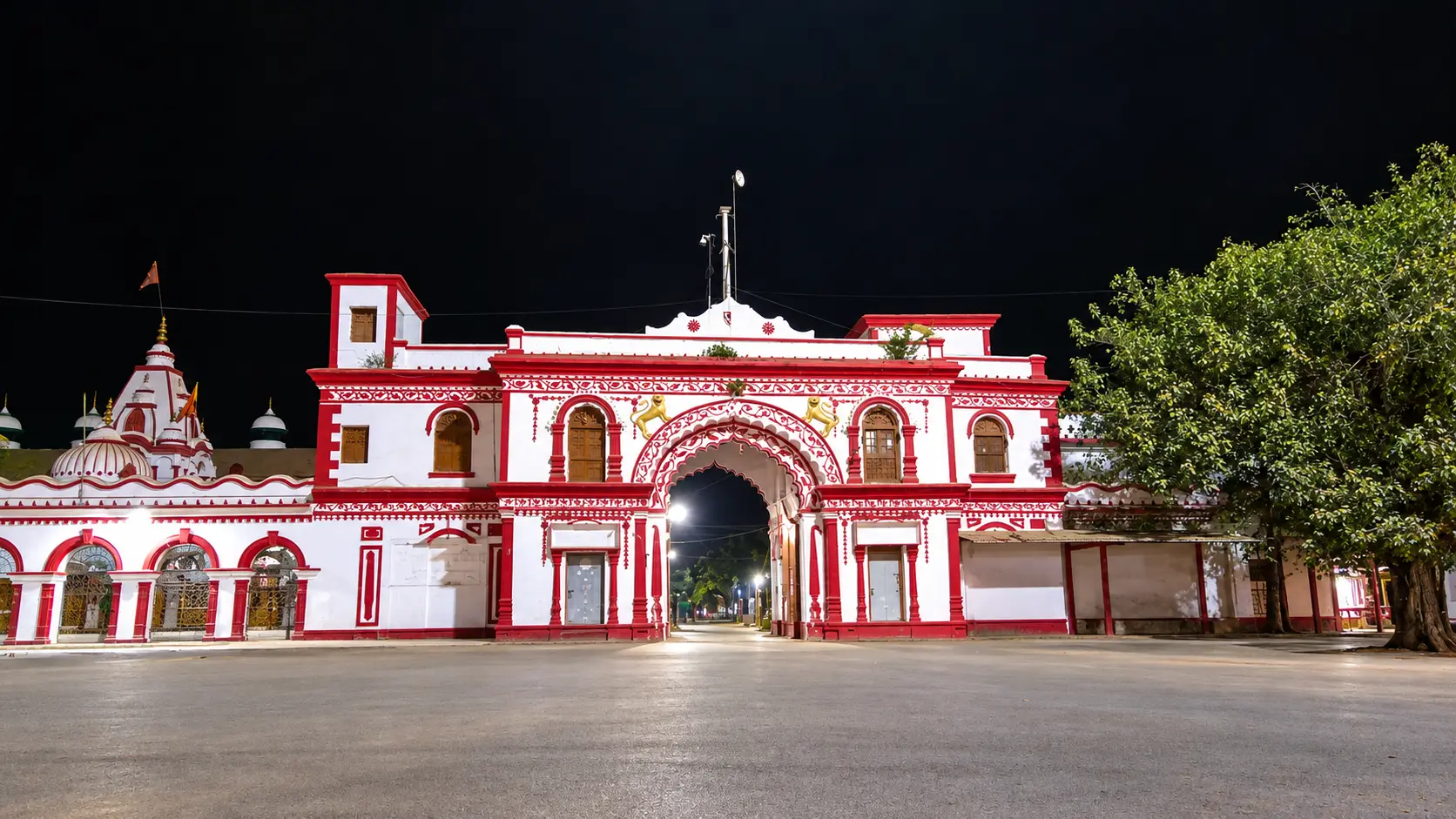
GET TO KNOW THE PLACE
Standing majestically at the sacred confluence (sangam) of two ancient rivers in southern Chhattisgarh, the Danteshwari Temple (locally venerated as Maa Danteshwari Mandir) is…
The story of Danteshwari Temple
Standing majestically at the sacred confluence (sangam) of two ancient rivers in southern Chhattisgarh, the Danteshwari Temple (locally venerated as Maa Danteshwari Mandir) is one of the most revered and spiritually potent shrines in India. Located in the historic town of Dantewada in South Bastar Dantewada District, roughly 85 kilometres southwest of Jagdalpur and 360 kilometres south of the state capital Raipur, this 14th-century temple is universally celebrated as one of the 52 Shakti Peethas of Hinduism.
According to ancient Puranic tradition, it was here that the divine tooth (danta) of Goddess Sati fell to earth when Lord Vishnu severed her immolated body with the Sudarshana Chakra, giving rise to both the sacred epithet of the presiding goddess and the name of the surrounding town. Founded in the 14th century (circa 1324 CE) by Maharaja Annam Deo, the founding ruler of the Kakatiya dynasty of Bastar, the temple enshrines the exquisite six-armed black stone (chhyamala-shila) idol of Goddess Danteshwari, the supreme royal Kuldevi (patron deity) of Bastar. More than just a temple of stone and mortar, Danteshwari Temple is the spiritual fountainhead of the world-famous Bastar Dussehra - the longest religious festival on Earth, lasting 75 days - and serves as the living cultural bridge uniting hundreds of indigenous tribal communities across Central India.
Start here. Open a tile for the full details.
Why goRead details
- One of the 52 Sacred Shakti Peethas: Offer prayers at one of India's most venerated pilgrimage shrines, where Goddess Sati's sacred tooth is believed to have fallen.
- Historic 14th-Century Kakatiya Architecture: Walk through ancient stone halls constructed by Maharaja Annam Deo, featuring massive granite blocks, carved pillars, and a soaring monolithic Garuda Stambha.
- Sacred Confluence of Two Rivers: Stand at the holy sangam of the Shankhini and Dankini rivers, where clear mountain streams mingle with mineral-rich forest currents.
- The Living Heart of Bastar Dussehra: Learn how the world's longest festival (75 days) originates here, where the sacred royal palanquin (doli) and divine umbrella (chhatra) of Maa Danteshwari begin their historic procession to Jagdalpur.
- Venerable Black-Stone Deity: Behold the radiant six-armed black stone murti of Goddess Danteshwari, adorned in golden crowns, silver ornaments, and traditional silk attire.
- A Unique Tribal-Classical Synthesis: Experience an extraordinary religious tradition where classical Vedic rituals blend seamlessly with ancient indigenous Gond, Dhurwa, and Muria tribal customs.
When to visitRead details
- October to February (Peak Season): This is unequivocally the finest time of year to visit Danteshwari Temple. The post-monsoon period brings cool, refreshing daytime temperatures (18°C to 26°C), clear skies, and festive energy following Bastar Dussehra. The waters at the Shankhini - Dankini confluence are crystalline, and exploring the temple courtyards is comfortable and spiritually uplifting.
- March and April (Chaitra Navratri): During the nine days of Chaitra Navratri, the temple transforms into a glowing beacon of devotion. Tens of thousands of oil lamps (jyoti kalash) are lit inside special halls, round-the-clock chanting fills the air, and vibrant devotional melas take place outside the gates.
- July to September (Monsoon Season): The southwest monsoon fills the Shankhini and Dankini rivers to their brims, creating dramatic, foaming waters at the sangam ghats. The temple is draped in misty rains and the opening rituals of Bastar Dussehra commence. However, travelers should be prepared for sporadic heavy downpours.
Entry & permissionsRead details
Fees, visiting hours and entry rules may change. Confirm the latest details with the official operator or local authority before travelling.
Tariffs & Hours of Operation
       DANTESHWARI TEMPLE VISITING SCHEDULE & CHARGES
┌─────────────────────────────────┬────────────────────────────────────────┐
│ Parameter                       │ Details / Tariff                       │
├─────────────────────────────────┼────────────────────────────────────────┤
│ Temple Operating Hours          │ 05:30 AM to 01:00 PM &                 │
│                                 │ 03:00 PM to 08:30 PM daily             │
├─────────────────────────────────┼────────────────────────────────────────┤
│ Afternoon Closure (No Darshan)  │ 01:00 PM to 03:00 PM daily             │
├─────────────────────────────────┼────────────────────────────────────────┤
│ General Darshan Entry Ticket    │ Completely free of charge              │
├─────────────────────────────────┼────────────────────────────────────────┤
│ Special Archana / Puja Coupons  │ ₹20 to ₹100 (Optional, at trust counter)
├─────────────────────────────────┼────────────────────────────────────────┤
│ Two-Wheeler Parking Fee         │ ₹20                                    │
├─────────────────────────────────┼────────────────────────────────────────┤
│ Car / SUV Parking Fee           │ ₹50                                    │
├─────────────────────────────────┼────────────────────────────────────────┤
│ Mobile Phones & Cameras         │ Strictly prohibited inside sanctum     │
├─────────────────────────────────┼────────────────────────────────────────┤
│ Cloakroom Fee (Shoes & Phones)  │ Nominal (₹5 to ₹10) / Free             │
└─────────────────────────────────┴────────────────────────────────────────┘
Dress Code & Temple Sanctum Regulations
Danteshwari Temple is a deeply traditional, orthodox Shakti shrine governed by strict spiritual rules. Visitors must strictly adhere to established protocols:
- Mandatory Traditional Dress Code:
- For Men: To enter the Garbha Griha (inner sanctum), men are strictly required to remove their shirts, t-shirts, and vests, and must wear a traditional cotton dhoti wrapped around the waist. Dhotis can be rented or purchased at reasonable rates (₹50 to ₹150) from shops right outside the main temple entrance.
- For Women: Women must wear traditional Indian attire - either a saree or a salwar kameez with a dupatta. Western clothing such as jeans, shorts, sleeveless tops, or skirts are strictly prohibited for entering the sanctum.
- Strict Prohibition on Leather Goods: Carrying any leather item - including leather belts, wallets, watchstraps, and handbags - is strictly banned inside the temple precinct. Visitors must deposit all leather items in the secure cloakrooms located outside the gate.
- Electronic Devices Banned: Smartphones, cameras, and video recording equipment are completely prohibited inside the inner temple. Photography of the sacred idol is strictly forbidden.
- Footwear Guidelines: All shoes, sandals, and socks must be deposited at the official shoe counter before crossing the outer stone threshold.
- River Ghat Etiquette: When visiting the sacred Shankhini - Dankini confluence, use the stone steps cautiously as river rocks can be slippery. Do not discard plastic, soap, or shampoo bottles into the river waters.
Plan your visitRead details
Danteshwari Temple is situated in central Dantewada town, the administrative headquarters of South Bastar Dantewada District, located roughly 85 kilometres southwest of Jagdalpur along the Jagdalpur - Geedam - Bailadila highway corridor.
Prohibition of Electronics and Leather Accessories
Carrying smartphones, cameras, leather belts, or leather wallets into the temple complex is strictly prohibited under temple trust security protocols. Leave all leather items and electronic gadgets inside your vehicle or deposit them at the designated trust cloakroom stalls outside the entrance gate before entering the security queue.
Explore the full guide - choose a topic below.
Why visit?
One of the 52 Sacred Shakti Peethas: Offer prayers at one of India's most venerated pilgrimage shrines, where…Explore detailsClose details
- One of the 52 Sacred Shakti Peethas: Offer prayers at one of India's most venerated pilgrimage shrines, where Goddess Sati's sacred tooth is believed to have fallen.
- Historic 14th-Century Kakatiya Architecture: Walk through ancient stone halls constructed by Maharaja Annam Deo, featuring massive granite blocks, carved pillars, and a soaring monolithic Garuda Stambha.
- Sacred Confluence of Two Rivers: Stand at the holy sangam of the Shankhini and Dankini rivers, where clear mountain streams mingle with mineral-rich forest currents.
- The Living Heart of Bastar Dussehra: Learn how the world's longest festival (75 days) originates here, where the sacred royal palanquin (doli) and divine umbrella (chhatra) of Maa Danteshwari begin their historic procession to Jagdalpur.
- Venerable Black-Stone Deity: Behold the radiant six-armed black stone murti of Goddess Danteshwari, adorned in golden crowns, silver ornaments, and traditional silk attire.
- A Unique Tribal-Classical Synthesis: Experience an extraordinary religious tradition where classical Vedic rituals blend seamlessly with ancient indigenous Gond, Dhurwa, and Muria tribal customs.
What to expect
In the sacred geography of Sanatana Dharma, the Shakti Peethas are celestial centers of divine feminine energy…Explore detailsClose details
The Mythological Genesis: The Sacred Tooth of Sati
In the sacred geography of Sanatana Dharma, the Shakti Peethas are celestial centers of divine feminine energy (Shakti). According to the Devi Bhagavata Purana and the Kalika Purana, when Goddess Sati immolated herself in the sacrificial fire of her father Daksha's yajna, an inconsolable Lord Shiva hoisted her body upon his shoulders and performed the apocalyptic dance of destruction (Tandava).
To restore cosmic equilibrium, Lord Vishnu released his Sudarshana Chakra, severing Sati's body into 52 sacred fragments that fell across the Indian subcontinent. It is firmly believed by millions of devotees that Sati's tooth (danta) fell at this tranquil forest confluence. Hence, the manifestation of the Mother Goddess here became known as Danteshwari ("The Goddess of the Tooth"), and the ancient town took the name Dantewada ("The Abode of the Tooth").
The 14th-Century Kakatiya Dynasty Heritage
The documented history of Danteshwari Temple is inextricably linked with the Kakatiya dynasty. Following the fall of the legendary Kakatiya capital of Warangal (in modern Telangana) to the forces of the Delhi Sultanate in the early 14th century, Maharaja Annam Deo (the younger brother of King Prataparudra II) marched north across the Godavari and Sabari rivers into the untamed highlands of Bastar.
       CHRONOLOGICAL MILESTONES OF DANTESHWARI TEMPLE
┌──────────────────────────────────────────────────────────┐
│  Circa 1324 CE: Founding of Bastar Kingdom               │
│  Maharaja Annam Deo establishes his capital at Dantewada │
│  and consecrates the temple of Maa Danteshwari.          │
├──────────────────────────────────────────────────────────┤
│  14th - 16th Century: Construction of Stone Mandapas     │
│  Successive Kakatiya rulers expand the stone Garbha      │
│  Griha, Maha Mandapa, and monolithic Garuda Stambha.     │
├──────────────────────────────────────────────────────────┤
│  1408 CE: Genesis of Bastar Dussehra                     │
│  Maharaja Purushottam Deo initiates the 75-day festival  │
│  and the ceremonial doli procession from Dantewada.      │
├──────────────────────────────────────────────────────────┤
│  Present Day: Protected Pilgrimage & Cultural Centre     │
│  Managed by Maa Danteshwari Temple Trust under district  │
│  administration; attracts millions during Navratri.      │
└──────────────────────────────────────────────────────────┘
Guided by divine visions, Maharaja Annam Deo established his royal seat at Dantewada, consecrated Maa Danteshwari as the supreme Kuldevi (family deity) of the Kakatiya dynasty, and proclaimed that all royal power was held merely as a sacred trust on behalf of the Goddess. For over six centuries, every king of Bastar was crowned only after receiving the divine blessings of Maa Danteshwari at Dantewada.
Architectural Layout: A Fortified Sanctuary
The Danteshwari Temple complex is surrounded by high fortified stone compound walls designed to protect the sacred precinct during medieval warfare. The temple architecture exhibits a masterly synthesis of South Indian Kakatiya stone masonry and Central Indian Nagara stylistic influences:
       GROUND PLAN OF DANTESHWARI TEMPLE COMPLEX
                          [North]
                             ▲
                             │
            ┌────────────────┴────────────────┐
            │        RIVER CONFLUENCE         │
            │   (Shankhini & Dankini Sangam)  │
            └────────────────┬────────────────┘
                             │
            ┌────────────────┼────────────────┐
            │     SACRED BATHING GHATS        │
            └────────────────┬────────────────┘
                             │
            ┌────────────────┴────────────────┐
            │        GARBHA GRIHA             │
            │  (Black Stone Murti of Deity)   │
            └────────────────┬────────────────┘
                             │
            ┌────────────────┴────────────────┐
            │           ANTARALA              │
            │      (Vestibule Passage)        │
            └────────────────┬────────────────┘
                             │
            ┌────────────────┴────────────────┐
            │         MAHA MANDAPA            │
            │  (Pillared Assembly Hall / 32   │
            │   Carved Granite Pillars)       │
            └────────────────┬────────────────┘
                             │
            ┌────────────────┴────────────────┐
            │         MUKHA MANDAPA           │
            │      (Entrance Stone Porch)     │
            └────────────────┬────────────────┘
                             │
            ┌────────────────┴────────────────┐
            │        GARUDA STAMBHA           │
            │   (Soaring Monolithic Pillar)   │
            └────────────────┬────────────────┘
                             │
                             ▼
                    [Main Entrance Gate]
                 Cloakrooms & Security Plaza
The temple is divided into four primary structural components:
- Garbha Griha (Sanctum Sanctorum): The dark, powerful, lime-plastered stone sanctum where the presiding deity resides. Built of thick, closely fitted granite slabs, it is topped by a curvilinear stone shikhara (tower) crowned with a golden kalasha and divine trident (trishul). Inside rests the four-foot-tall idol of Maa Danteshwari, sculpted from polished black basalt stone (chhyamala-shila). The six-armed Goddess stands triumphant, holding the sacred trident (trishul), sword (khadga), severed head of a demon, shield, conch, and bow, representing the cosmic triumph of righteousness over darkness.
- Antarala (Vestibule): The narrow intermediate antechamber connecting the sanctum with the assembly hall, where head priests perform ceremonial offerings and prepare bhog.
- Maha Mandapa (Grand Pillared Hall): A spacious, hypostyle hall supported by 32 massive carved granite columns. Each pillar is embellished with intricate relief carvings depicting dancing apsaras, celestial musicians playing stringed instruments, rearing lions (yalis), entwined serpent deities (nagas), and geometric lotus medallions.
- Mukha Mandapa & Garuda Stambha: The open entrance pavilion leading out to the courtyard. Directly aligned with the central portal stands the monumental Garuda Stambha - a soaring, polished monolithic stone column carrying the sculpted figure of Lord Garuda, symbolizing spiritual vigilance and protection.
The Sacred Confluence of Shankhini and Dankini
Immediately behind the northern boundary of the temple lies the sacred Sangam - the confluence of two perennial forest rivers that hold deep ecological and spiritual significance:
- The Shankhini River: Originating in the high peaks of the Bailadila hill range, the Shankhini flows clear and rapid over gravelly, white-pebbled beds, symbolizing pure spiritual consciousness.
- The Dankini River: Flowing from the densely forested plateau of Bijapur and Dantewada, the Dankini carries dark, silt-rich waters reflecting the earth's fertility.
- The Sangam Ghats: Pilgrims descend broad stone staircases to perform ceremonial ablutions (snana) and ritual water offerings (arghya) at the point where the clear and dark streams visibly merge. It is considered deeply auspicious to take a dip here before proceeding for darshan at the temple.
The Bastar Dussehra Connection: World's Longest Festival
Danteshwari Temple is the beating heart of Bastar Dussehra, celebrated in the Guinness Book of World Records as the longest festival on Earth, lasting an astonishing 75 days (from the dark fortnight of Shravana in late July to the bright fortnight of Ashwina in October):
- Pata Jatra (The Foundation Ceremony): The festival commences at Dantewada, where the first log of sal wood (pata) is ceremonially blessed before being transported to Jagdalpur to construct the giant multi-wheeled festival chariot.
- The Doli Procession: On the auspicious day of Navami, the sacred wooden palanquin (doli) and golden-embroidered ceremonial umbrella (chhatra) of Maa Danteshwari are brought 85 kilometres north from Dantewada to the royal palace in Jagdalpur in a grand procession accompanied by hundreds of tribal drummers playing madal and blowing giant curved brass horns (karna).
- Tribal Integration: Every tribal clan of Bastar is assigned an ancestral hereditary role - the Halba provide armed security, the Dhurwa construct the wooden chariots, and the Muria pull the massive ropes - embodying an extraordinary communal synthesis devoid of caste barriers.
Best time to visit
SEASONAL VISITABILITY SCORECARD FOR DANTESHWARI TEMPLE…Explore detailsClose details
Seasonal Breakdown
Season | Months | Temp Range | Visiting Status & Notes |
|---|---|---|---|
Post-Monsoon & Winter | October - February | 16°C - 28°C | Peak season; vibrant festivals, cool weather, pleasant river ghat walks. |
Spring (Navratri) | March - April | 20°C - 32°C | Chaitra Navratri festival; warm midday, festive aarti and temple illuminations. |
Summer | May - June | 26°C - 41°C | Hot; visit during early morning (05:30 - 08:30 AM) or evening (06:00 PM). |
Monsoon | July - September | 24°C - 31°C | Rivers in full flow; lush surroundings; Bastar Dussehra rituals begin. |
- October to February (Peak Season): This is unequivocally the finest time of year to visit Danteshwari Temple. The post-monsoon period brings cool, refreshing daytime temperatures (18°C to 26°C), clear skies, and festive energy following Bastar Dussehra. The waters at the Shankhini - Dankini confluence are crystalline, and exploring the temple courtyards is comfortable and spiritually uplifting.
- March and April (Chaitra Navratri): During the nine days of Chaitra Navratri, the temple transforms into a glowing beacon of devotion. Tens of thousands of oil lamps (jyoti kalash) are lit inside special halls, round-the-clock chanting fills the air, and vibrant devotional melas take place outside the gates.
- July to September (Monsoon Season): The southwest monsoon fills the Shankhini and Dankini rivers to their brims, creating dramatic, foaming waters at the sangam ghats. The temple is draped in misty rains and the opening rituals of Bastar Dussehra commence. However, travelers should be prepared for sporadic heavy downpours.
Daily Ritual Schedule
The temple follows an ancient schedule of daily pujas:
- 05:30 AM: Check the current visiting hours and permitted access with the site operator before departure; ceremonies, closures and visitor sessions can affect access.
- 08:00 AM - 11:30 AM: Check the current visiting hours and permitted access with the site operator before departure; ceremonies, closures and visitor sessions can affect access.
- 12:00 PM - 12:30 PM: Check the current visiting hours and permitted access with the site operator before departure; ceremonies, closures and visitor sessions can affect access.
- 01:00 PM - 03:00 PM: Check the current visiting hours and permitted access with the site operator before departure; ceremonies, closures and visitor sessions can affect access.
- 03:00 PM: Doors reopen for afternoon and evening pilgrims.
- 07:00 PM: Check the current visiting hours and permitted access with the site operator before departure; ceremonies, closures and visitor sessions can affect access.
- 08:30 PM: Check the current visiting hours and permitted access with the site operator before departure; ceremonies, closures and visitor sessions can affect access.
How to reach
Danteshwari Temple is situated in central Dantewada town, the administrative headquarters of South Bastar…Explore detailsClose details
Geographic Orientation
Danteshwari Temple is situated in central Dantewada town, the administrative headquarters of South Bastar Dantewada District, located roughly 85 kilometres southwest of Jagdalpur along the Jagdalpur - Geedam - Bailadila highway corridor.
       REGIONAL ACCESS MAP TO DANTESHWARI TEMPLE
                      Raipur (State Capital / Major Airport)
                               │
                               │ (NH-30 - 275 km south)
                               ▼
                           Jagdalpur
             (District HQ / Railhead / Bastar Hub)
                               │
                               │ (SH-5 / Jagdalpur-Geedam Highway - 70 km)
                               ▼
                        Geedam Junction
                               │
                               │ (SH-5 South - 15 km)
                               ▼
                        Dantewada Town
                               │
              ┌────────────────┴────────────────┐
              │                                 │
              ▼                                 ▼
    Dantewada Railway Station           Maa Danteshwari Temple
          (DWZ - 2 km)                    (River Confluence)
Access Modes
- By Air:
- Jagdalpur Airport (JAG): Situated approximately 88 kilometres northeast of Dantewada. Operates scheduled domestic flights under the regional UDAN scheme connecting to Raipur and Hyderabad. Taxis and private rental cabs take approximately 2 hours to reach Dantewada via State Highway 5.
- Swami Vivekananda Airport, Raipur (RPR): The premier domestic air terminal in Chhattisgarh, located approximately 360 kilometres north. Connects non-stop to all major Indian metropolitan cities. Travelers can take direct express trains to Dantewada, luxury AC buses, or hired chauffeur-driven cars via NH-30 and SH-5 (approx. 7 hours drive).
- By Train:
- Dantewada Railway Station (DWZ): Located just 2 kilometres from the temple. Dantewada is an active station on the scenic Kottavalasa - Kirandul (KK) line of East Coast Railway. It is served daily by the famous Visakhapatnam - Kirandul Express (which passes through the breathtaking Araku Valley, Borra Caves, and 84 mountain tunnels), as well as daily express trains from Raipur and Durg. Auto-rickshaws and taxis are readily available outside the station to reach the temple in 5 minutes.
- By Road:
- From Jagdalpur: The 85-kilometre journey via State Highway 5 passes through Tokapal, Dilmili, and Geedam. The road is a smooth, well-surfaced two-lane highway winding through picturesque sal forests and tribal villages, taking approximately 1 hour 45 minutes by car.
- Public Bus Services: The Chhattisgarh State Road Transport Corporation and numerous private operators run frequent express buses between Jagdalpur (City Bus Stand) and Dantewada, departing every 20 to 30 minutes throughout the day. Shared jeeps and taxis are also widely available.
Entry, timings and permissions
Fees, visiting hours and entry rules may change.Explore detailsClose details
Fees, visiting hours and entry rules may change. Confirm the latest details with the official operator or local authority before travelling.
Tariffs & Hours of Operation
       DANTESHWARI TEMPLE VISITING SCHEDULE & CHARGES
┌─────────────────────────────────┬────────────────────────────────────────┐
│ Parameter                       │ Details / Tariff                       │
├─────────────────────────────────┼────────────────────────────────────────┤
│ Temple Operating Hours          │ 05:30 AM to 01:00 PM &                 │
│                                 │ 03:00 PM to 08:30 PM daily             │
├─────────────────────────────────┼────────────────────────────────────────┤
│ Afternoon Closure (No Darshan)  │ 01:00 PM to 03:00 PM daily             │
├─────────────────────────────────┼────────────────────────────────────────┤
│ General Darshan Entry Ticket    │ Completely free of charge              │
├─────────────────────────────────┼────────────────────────────────────────┤
│ Special Archana / Puja Coupons  │ ₹20 to ₹100 (Optional, at trust counter)
├─────────────────────────────────┼────────────────────────────────────────┤
│ Two-Wheeler Parking Fee         │ ₹20                                    │
├─────────────────────────────────┼────────────────────────────────────────┤
│ Car / SUV Parking Fee           │ ₹50                                    │
├─────────────────────────────────┼────────────────────────────────────────┤
│ Mobile Phones & Cameras         │ Strictly prohibited inside sanctum     │
├─────────────────────────────────┼────────────────────────────────────────┤
│ Cloakroom Fee (Shoes & Phones)  │ Nominal (₹5 to ₹10) / Free             │
└─────────────────────────────────┴────────────────────────────────────────┘
Dress Code & Temple Sanctum Regulations
Danteshwari Temple is a deeply traditional, orthodox Shakti shrine governed by strict spiritual rules. Visitors must strictly adhere to established protocols:
- Mandatory Traditional Dress Code:
- For Men: To enter the Garbha Griha (inner sanctum), men are strictly required to remove their shirts, t-shirts, and vests, and must wear a traditional cotton dhoti wrapped around the waist. Dhotis can be rented or purchased at reasonable rates (₹50 to ₹150) from shops right outside the main temple entrance.
- For Women: Women must wear traditional Indian attire - either a saree or a salwar kameez with a dupatta. Western clothing such as jeans, shorts, sleeveless tops, or skirts are strictly prohibited for entering the sanctum.
- Strict Prohibition on Leather Goods: Carrying any leather item - including leather belts, wallets, watchstraps, and handbags - is strictly banned inside the temple precinct. Visitors must deposit all leather items in the secure cloakrooms located outside the gate.
- Electronic Devices Banned: Smartphones, cameras, and video recording equipment are completely prohibited inside the inner temple. Photography of the sacred idol is strictly forbidden.
- Footwear Guidelines: All shoes, sandals, and socks must be deposited at the official shoe counter before crossing the outer stone threshold.
- River Ghat Etiquette: When visiting the sacred Shankhini - Dankini confluence, use the stone steps cautiously as river rocks can be slippery. Do not discard plastic, soap, or shampoo bottles into the river waters.
Nearby places to consider
A pilgrimage to Danteshwari Temple connects naturally with other historic, geological, and wildlife destinations…Explore detailsClose details
A pilgrimage to Danteshwari Temple connects naturally with other historic, geological, and wildlife destinations across southern Chhattisgarh:
- Shankhini & Dankini Sangam Ghats (Adjacent): Located immediately behind the temple walls, the sacred confluence where the clear waters of the Shankhini merge with the dark currents of the Dankini.
- Barsur Historic Temple Town (32 km northwest): The ancient 10th-century capital of the Chhindaka Nagavanshi dynasty, famous for the magnificent 32-pillared Battisa Temple, the twin Ganesha monolithic statues, and the intricately carved Mama-Bhanja Temple.
- Bailadila Iron Ore Range & Akash Nagar (40 km southwest): One of the world's richest deposits of high-grade hematite iron ore, perched high in the misty Bailadila hills at over 1,200 metres elevation, offering breathtaking mountain road vistas.
- Tirathgarh Waterfalls (55 km northeast): The spectacular 300-foot multi-tiered 'Milky Falls' cascading over stepped sandstone blocks on the Mugabahar River in Kanger Valley.
- Kanger Valley National Park & Kutumsar Caves (60 km northeast): Home to the vocal Bastar Hill Myna, virgin sal forests, and prehistoric limestone karst caverns featuring stalactites and blind cave fish.
- Chitrakote Waterfalls (85 km northeast via Jagdalpur): India's widest waterfall, known as the "Niagara of India", plunging 29 metres across a massive 300-metre horseshoe cliff on the Indravati River.
In pictures
The practical bits
Before you go.
Inner Sanctum Dress Code Adherence
The temple trust strictly enforces traditional Indian attire for entering the inner sanctum, requiring men to…Explore detailsClose details
The temple trust strictly enforces traditional Indian attire for entering the inner sanctum, requiring men to remove all upper garments and wear a traditional cotton dhoti, while women must be dressed in a saree or salwar suit. Ensure you arrange a dhoti from the stalls near the entrance gate prior to joining the queue, or carry your own traditional attire to prevent being turned away by temple security at the sanctum door.
Afternoon Closure and Daily Ritual Timings
Check the current visiting hours and permitted access with the site operator before departure; ceremonies…Explore detailsClose details
Check the current visiting hours and permitted access with the site operator before departure; ceremonies, closures and visitor sessions can affect access.
Prohibition of Electronics and Leather Accessories
Carrying smartphones, cameras, leather belts, or leather wallets into the temple complex is strictly prohibited…Explore detailsClose details
Carrying smartphones, cameras, leather belts, or leather wallets into the temple complex is strictly prohibited under temple trust security protocols. Leave all leather items and electronic gadgets inside your vehicle or deposit them at the designated trust cloakroom stalls outside the entrance gate before entering the security queue.
Navigating Festival Crowds During Dussehra and Navratri
During the peak nine days of Chaitra Navratri (March/April) and the autumn Sharad Navratri leading into Bastar…Explore detailsClose details
During the peak nine days of Chaitra Navratri (March/April) and the autumn Sharad Navratri leading into Bastar Dussehra (September/October), pilgrim footfall surges dramatically, with continuous queues stretching across several courtyards. If visiting during these festive periods, anticipate waiting times of two to four hours, carry sufficient drinking water, and dress in light, comfortable cotton clothing.
A few things you might wonder
Common questions about visiting Danteshwari Temple. Fees, visiting hours and ceremonies are researched details that may change; confirm current arrangements with the operator before travelling.
What is the mythological importance of Danteshwari Temple?
Who built the Danteshwari Temple in Dantewada, and when?
What is the dress code required for darshan at Danteshwari Temple?
Are leather items and mobile phones permitted inside the temple?
What are the temple visiting hours and aarti timings?
How is Danteshwari Temple connected to the Bastar Dussehra festival?
What two rivers meet at the Danteshwari Temple sangam?
How can travelers reach Danteshwari Temple from Jagdalpur?
More Hubs in Chhattisgarh
Continue exploring other travel hubs in this state
Planning a trip to Dantewada?